
The “Slowcation” Is No Longer Fringe
A survey of 2,000 U.S. adults conducted by luxury travel company Scott Dunn found that roughly six in ten travelers were planning their 2024 vacations with the primary intention of slowing down and switching off, driven by a growing focus on mental health and wellbeing. That is a striking majority, not a small counterculture.
Euromonitor, reporting from the World Travel Market 2024 in London, noted that “revenge travel” is now a thing of the past, with consumers slowing down and traveling more meaningfully, even if that means traveling less often. The pendulum, it seems, has swung hard in the other direction.
This eagerness to escape everyday stress has given rise to the term “slowcation,” though slow travel itself is more about a mindset than a pace of movement. It is a philosophy of depth over breadth, presence over a checked box.
Trips Are Getting Longer, and the Numbers Back It Up
Data from slow travel booking platform Byway shows that the average length of trips booked through its concierge team grew from 9 days in 2022 to 14 days in 2024, with a rising number of travelers requesting bespoke trips lasting over a month. That trajectory is steep enough to take seriously.
The global slow travel market was valued at 1.8 billion dollars in 2025 and is projected to expand to 3.9 billion dollars by 2034, reflecting a fundamental shift in traveler preferences toward meaningful, immersive experiences that prioritize quality over quantity.
Research from World-Tourism.org finds that slow travel and extended stays are gaining popularity, with nearly three quarters of surveyed travelers now prioritizing authentic cultural experiences over rushed tourist attractions. The longer trip format makes that kind of depth genuinely possible.
Mental Health Has Become a Real Deciding Factor
One global study found that rising stress and burnout have spurred roughly one in five travelers to choose destinations and experiences that specifically support their mental health and self-discovery. For these travelers, a trip is no longer purely recreational. It is restorative.
Rushing from one site to another can lead to burnout, while a relaxed itinerary allows travelers to take each day as it comes, providing more time to savor experiences without feeling pressured. This is something most frequent short-trip travelers know intuitively by the third or fourth rushed weekend away.
A recent survey revealed that nearly half of Americans want to travel more in 2026 than they did in 2025, and research consistently shows that traveling can offer serious benefits for mental health. A single longer trip tends to deliver those benefits more completely than multiple fragmented ones.
Authentic Local Experience Needs Time to Happen
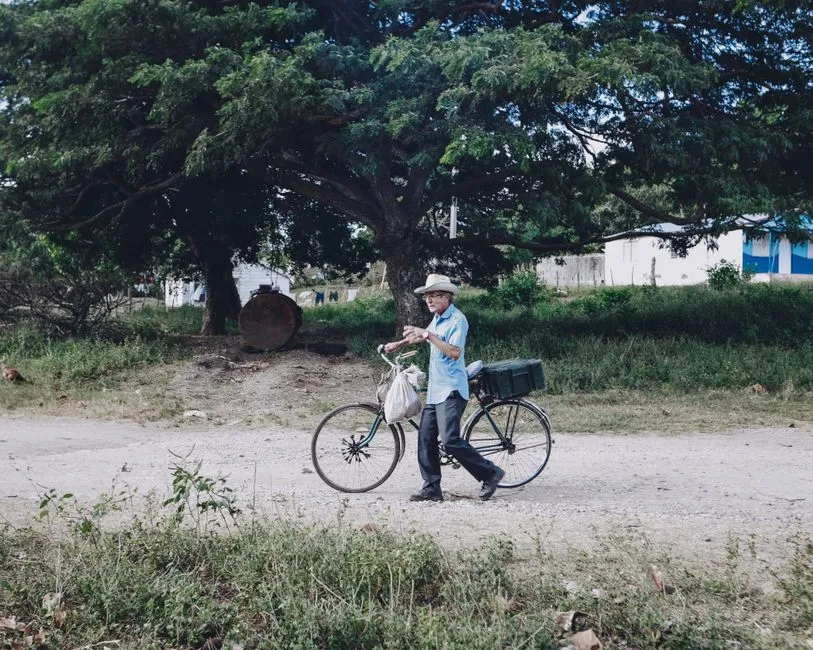
Slow travel encourages a leisurely approach, driven by a desire to build genuine connections with people and surroundings, and many travelers are elevating their exploration of this style. A three-day visit to a city rarely scratches the surface of what daily life there actually feels like.
Slow travel, which often means staying in fewer places or immersing in a local culture for an extended time, is gaining popularity according to 2025 trend reports from Hilton and Booking.com. For some, it is about rest and unplugging from work, while others engage in hobbies, self-discovery, or connecting with local cultures far away from crowded hotspots.
Travelers are increasingly looking beyond traditional sightseeing and diving into deeper, more immersive experiences, with a 2023 Booking.com survey finding that half of travelers now seek experiential travel where the focus is on the experience rather than simply visiting a destination. That kind of experience usually requires more than a long weekend.
The Environmental Case for Consolidating Trips
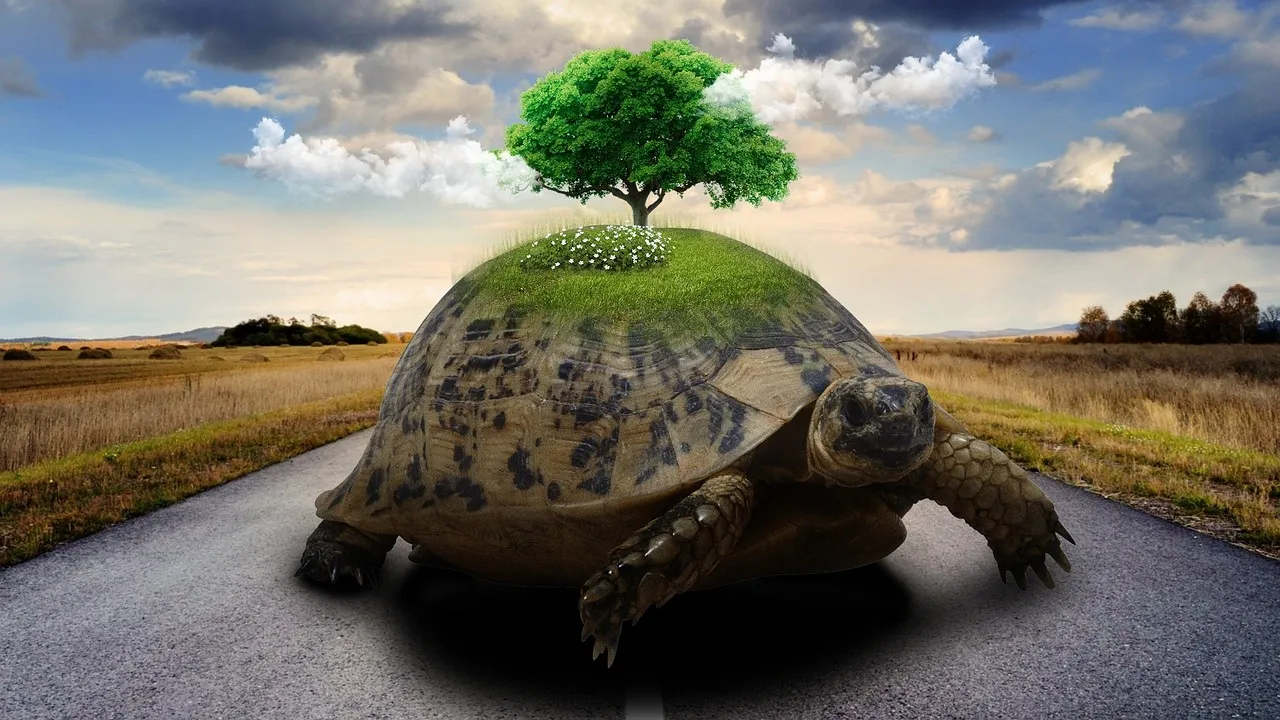
Slow travel aligns with sustainable practices by fostering environmentally conscious travel, with a critical benefit being the reduction of a traveler’s carbon footprint through choosing slower modes of transport like trains, walking, or cycling.
Tourists opting for longer stays and immersing themselves in local cultures are simultaneously reducing their carbon footprint from frequent flying. Each flight is typically one of the most carbon-intensive things an individual does, so taking fewer of them matters.
From 2023 to 2024, the percentage of Byway travelers who said they would have flown if they hadn’t booked a slow travel holiday rose to 40 percent, up from 27 percent the year before, showing the growing demand for flight-free options. The sustainability motivation is real, not just a marketing posture.
Cost Logic: One Long Trip Can Actually Be Smarter
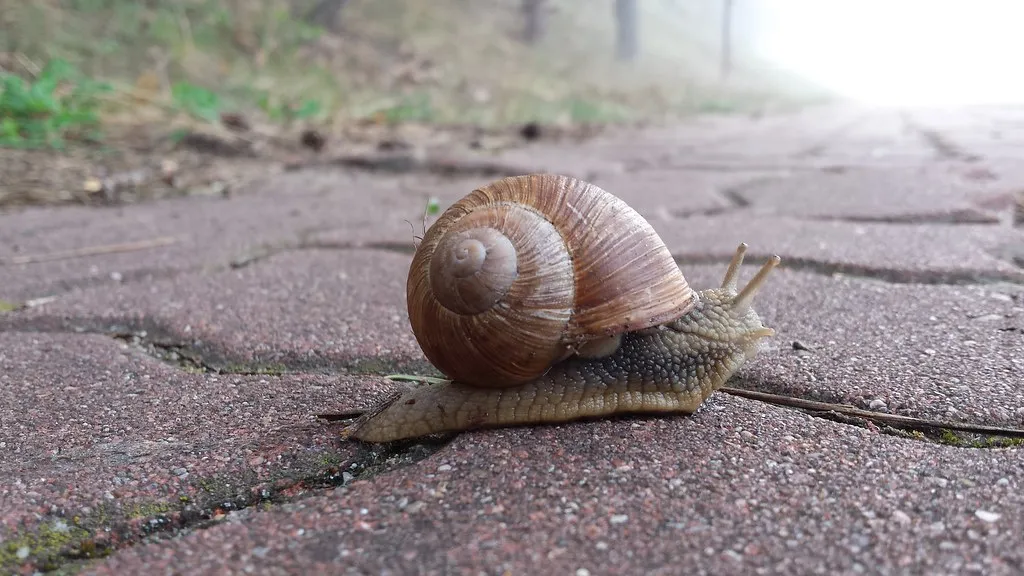
The average American traveler took three trips in 2024, spending roughly 1,532 dollars when traveling solo and slightly more when with others, totaling around 4,600 dollars across all vacations. When you spread that budget across multiple round trips with multiple sets of flights, hotels, and travel-day costs, consolidation can look far more efficient.
Multiple short trips multiply what might be called the “overhead” of travel: flights to and from home, transit to hotels, packing and unpacking, and the general friction of arriving somewhere new. A single extended stay absorbs those fixed costs once, leaving more of the budget for the actual experience.
Environmental consciousness is also shaping how people spend, with nearly half of consumers selecting airlines and hotels that demonstrate sustainable practices. Longer stays at locally owned properties, a hallmark of slow travel, tend to align better with those values and often cost less per night as well.
The Rise of Deeper Destination Discovery
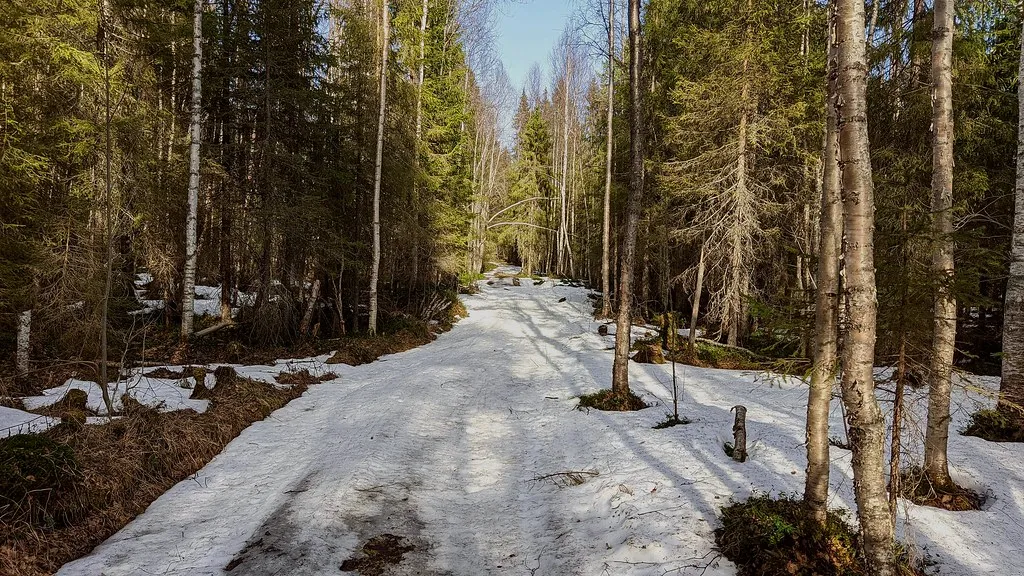
With slow travel on the rise, more travelers are exploring secondary cities and off-the-radar destinations. Sardinia, for example, a longtime local Italian getaway, has seen a dramatic uptick in international visitors, with one Hilton property recording a 90 percent year-over-year increase in U.S. travelers from 2023 to 2024.
Data from Byway shows that their travelers incorporated an average of 4.5 destinations into a single trip in 2024, demonstrating that “one long trip” does not mean staying put in one city. It means weaving through a region slowly, rather than flying in and out of disconnected cities.
Industry surveys show that the vast majority of travelers planning international trips in 2025 prioritized meaningful experiences like visiting family abroad and exploring cities in depth over tourist attractions and guided tours. Depth of discovery, not quantity of stamps in a passport, has become the goal.
Shifting Workplace Culture Is Opening the Door

More companies now offer unpaid leave to give employees a proper break, and more people than ever are taking advantage of this. Remote and hybrid work arrangements have also made it structurally easier for some employees to extend their time away without burning through all their vacation days at once.
This shift can be seen as travelers move away from traditional sightseeing toward more purposeful journeys. The traveler who logs on remotely from Lisbon for two weeks before spending another two exploring the Alentejo is a recognizable figure now, not an outlier.
A Navan and Skift report found that more than half of business travelers took at least two blended trips, combining work and leisure, in 2024. The line between work travel and leisure travel has blurred in ways that naturally encourage longer stays.
Wellness Tourism Is Driving Extended Bookings
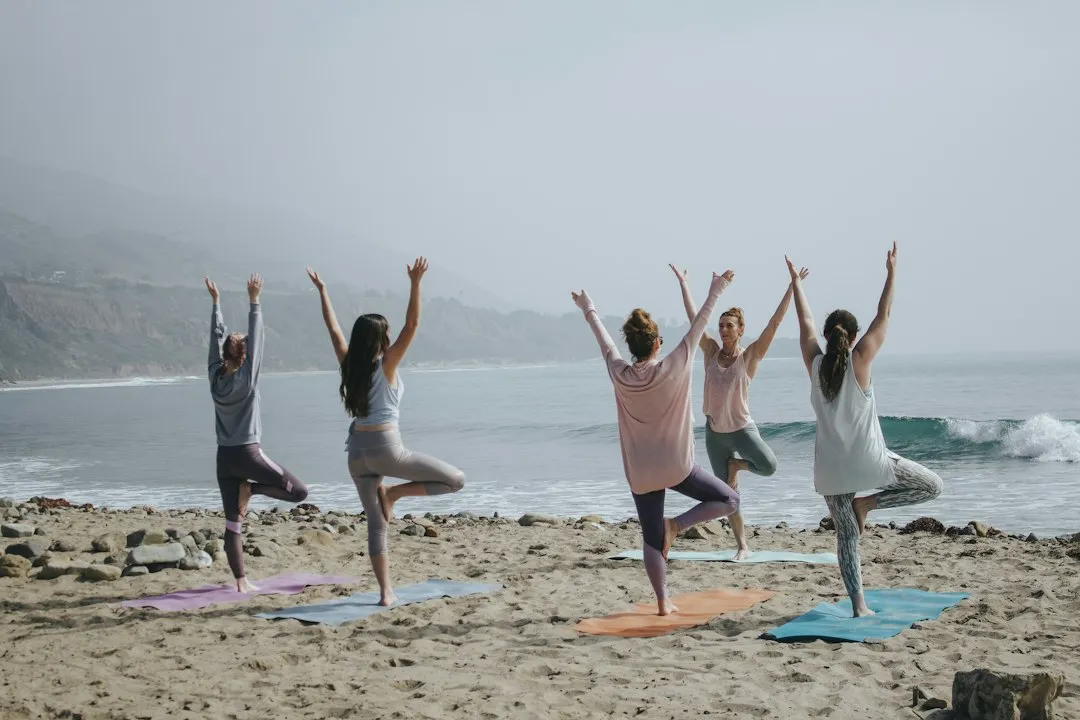
High-income travelers are leading the wellness segment, with nearly half having taken a health and wellness trip in 2025, and that figure is expected to climb as more plan a wellness-related holiday. These experiences, whether a silent retreat or an Ayurvedic program, rarely fit into a three-day weekend.
Wellness travel has evolved from simple spa packages to science-backed longevity programs and mental health-focused trips, with offerings now including Ayurvedic programs in India, yoga-and-surf escapes in Costa Rica, and silent retreats in Canada. Many travelers increasingly view wellness travel as a long-term health investment.
Searches for “digital detox” travel experiences more than tripled between 2023 and 2024. Programs built around genuine disconnection take time to work, and one long, intentional trip is much better suited to that purpose than a series of rushed escapes.
The Cultural Respect Argument for Staying Longer
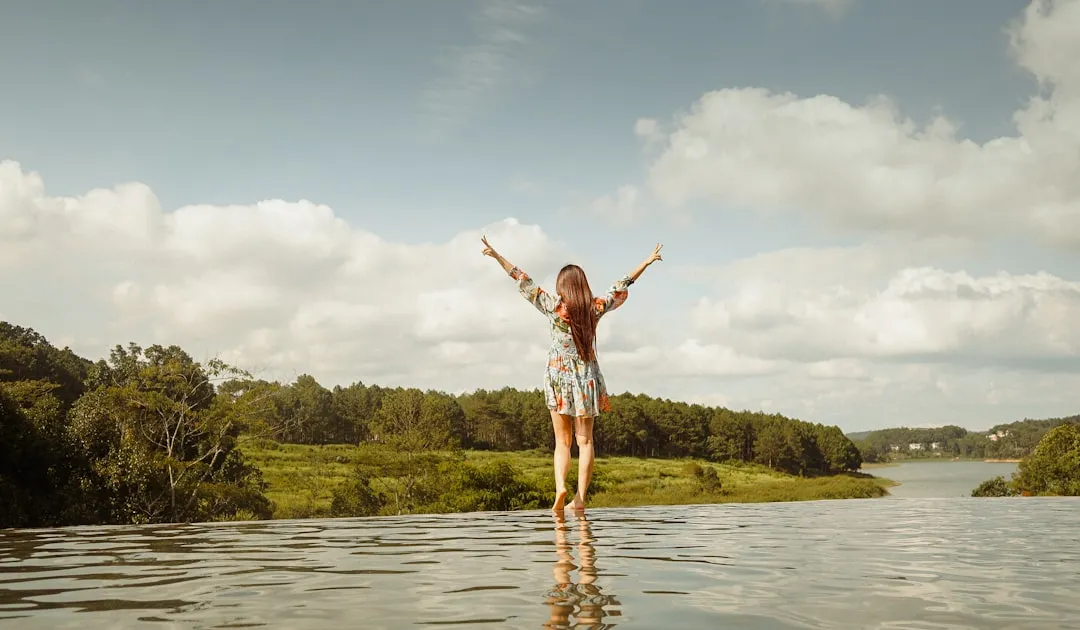
Travel experts increasingly recommend choosing experiences that let you linger in one place, focusing on quality of experience over quantity of activities, and choosing destinations that face less tourist pressure. Both of these principles benefit local communities as much as they benefit the traveler.
Supporting local economies by staying at locally owned accommodations and dining at family-run restaurants is another hallmark of the slow travel mindset. A visitor who stays for three weeks spends more, builds more trust with locals, and contributes more meaningfully to the local economy than one who passes through for two nights.
There is also something to be said for the humility of staying long enough to get things wrong and then figure them out. Navigating a neighborhood market without tourist-facing signage, learning a handful of words in the local language, finding a cafe that feels like yours: none of that happens in a sprint. It takes time, and time is exactly what a longer trip provides.
The Takeaway
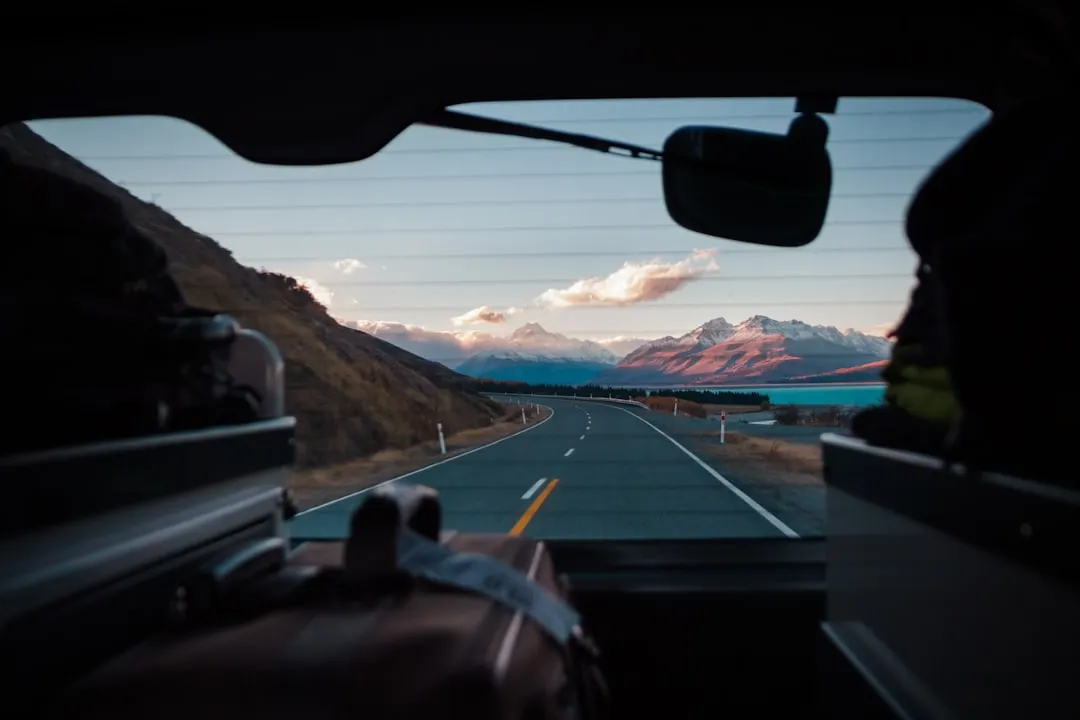
The shift toward one long trip is not purely a lifestyle trend. It is backed by real data on market growth, traveler surveys, environmental logic, and the basic economics of travel overhead. Travel has become more purpose-driven, and when a trip has purpose, the spending that goes towards it becomes more meaningful, driving up value and pointing toward a more equitable and sustainable future for the industry.
More travelers are finding that a single extended journey, planned with care, leaves them more rested, more connected, and more satisfied than the scattered weekend getaway model ever managed to. The destination matters less than the intention behind it, and that intention needs space to unfold.
In the end, the best trip you will probably ever take is the one you gave yourself enough time to actually experience.
AI Disclaimer: This article was created with the assistance of AI tools and reviewed by a human editor.