


The “Slowcation” Has Gone Mainstream
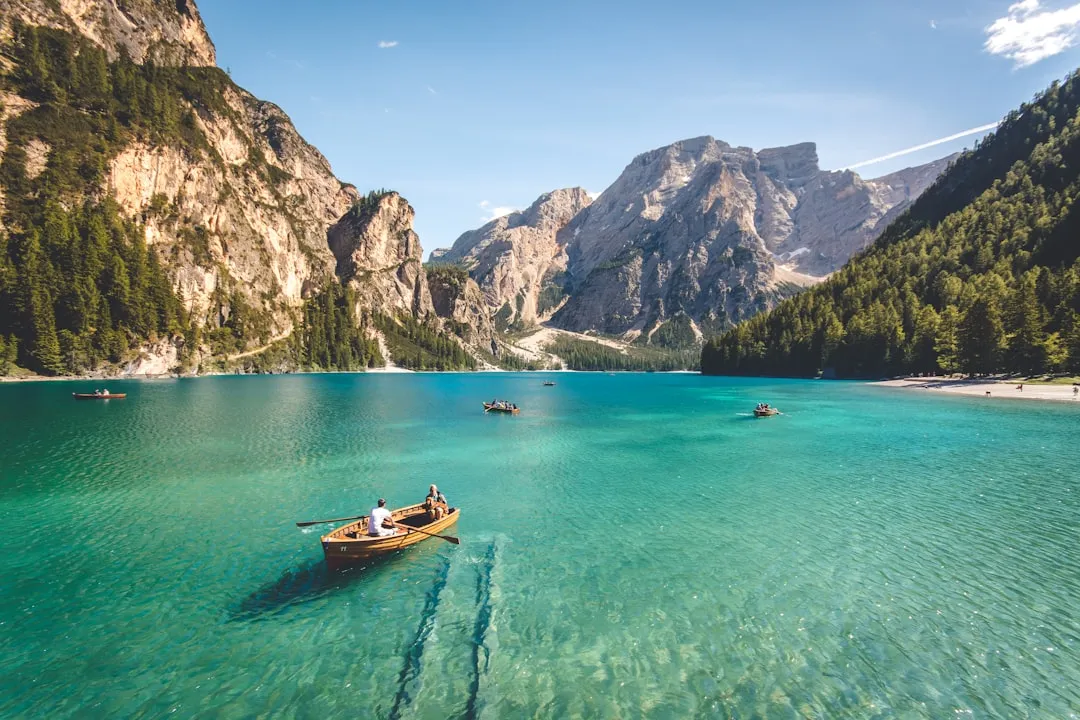
Not long ago, coming home from a trip without a packed photo album of monuments felt vaguely like failure. That’s changed considerably. A survey of 2,000 U.S. adults revealed that roughly six in ten travelers planned their vacations with the main intention of slowing down and switching off. That’s not a niche preference anymore.
U.S. Google searches for the term “slowcation” increased by fifty percent compared to the prior year, and more than 16.3 million posts mentioning the trend appeared on TikTok. The idea has broken well past wellness circles and into mainstream booking behavior. Slow travel is no longer a niche philosophy reserved for extended sabbaticals or retirees with unlimited time. It’s showing up in mainstream booking behavior, hotel design, and destination marketing strategies at a scale that simply didn’t exist five years ago.
Revenge Travel Is Over. Something Calmer Replaced It

The post-pandemic surge of rushed, frantic travel had a name: revenge travel. People wanted to make up for lost time by going everywhere at once. That energy has since dissipated. Revenge travel is now a thing of the past. The urgency has faded, and what’s replaced it is a more considered approach. The traveler of 2026 seeks connection over consumption.
Slow travel is gaining momentum, increasing from twenty-two percent in 2025 to twenty-six percent in 2026 among long-haul travelers planning trips to Europe, according to the European Travel Commission’s Long-Haul Travel Barometer. That’s a meaningful jump in a single year, reflecting a genuine change in how people are thinking about vacations. The shift is quiet but consistent across virtually every segment of the market.
Burnout Is the Real Departure Point
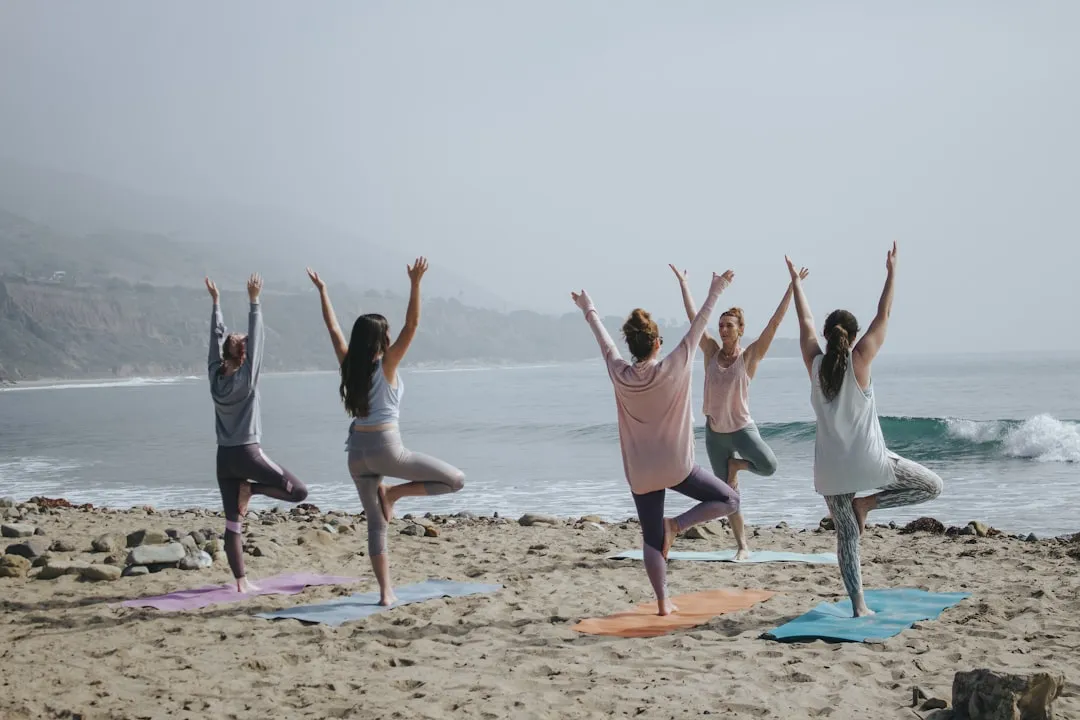
Stress, burnout, digital overload, and a desire for better rest have helped make wellness part of everyday life rather than something reserved for an occasional retreat. When that’s the daily reality, a trip designed around doing nothing stops sounding indulgent and starts sounding essential. Burnout, hormonal imbalance, and nervous system overload are no longer niche concerns, but part of everyday conversation.
Urban stress, long screen times, and the rising awareness of burnout prompted many individuals to prioritize holistic health. Travel, historically seen as a reward for hard work, is increasingly being reframed as a recovery tool. With mental health and wellbeing becoming a priority for many, travelers in 2024 sought out vacations where they could properly unwind, relax, and leave behind daily stresses.
Screen Time Is Pushing People Toward Screen-Free Trips
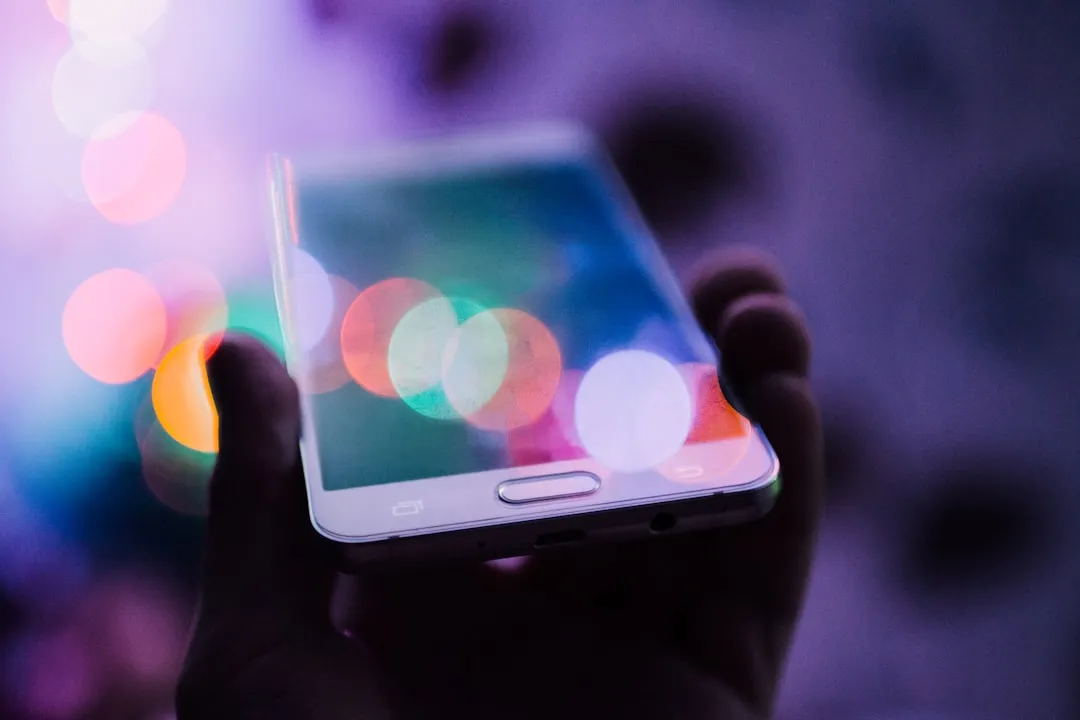
Average screen time hit 7.5 hours daily in 2025, excluding passive television. That number is difficult to square with any honest claim of feeling rested. As early as July 2025, reports indicated a growing number of travelers paying to have their devices taken away during vacations, signaling a demand for genuine reconnection with self, place, and others.
The digital detox tourism services market was valued at $65 billion in 2025 and is expected to grow at a compound annual growth rate of 24.5% from 2026 to 2034. That’s a remarkable figure for what amounts to a market built around the permission to unplug. The Global Wellness Summit named analog wellness one of its ten major trends, describing it as the era in which more people get aggressive about logging off.
It Takes Three Days Just to Actually Relax

It takes, on average, three days to unwind on vacation, and those who check social media or work emails report that it takes them even longer to feel rested. That finding alone explains a lot about why people are pushing for longer, slower trips. A long weekend barely gets you to the starting line.
A report by the Mastercard Economics Institute found that vacations are averaging one extra day compared to pre-pandemic levels. That extra day isn’t accidental. Research found that the optimum trip length for genuine rest is eight days. Knowing what it actually takes to decompress is changing how people plan, and how long they book.
The Wellness Tourism Industry Is Responding at Scale
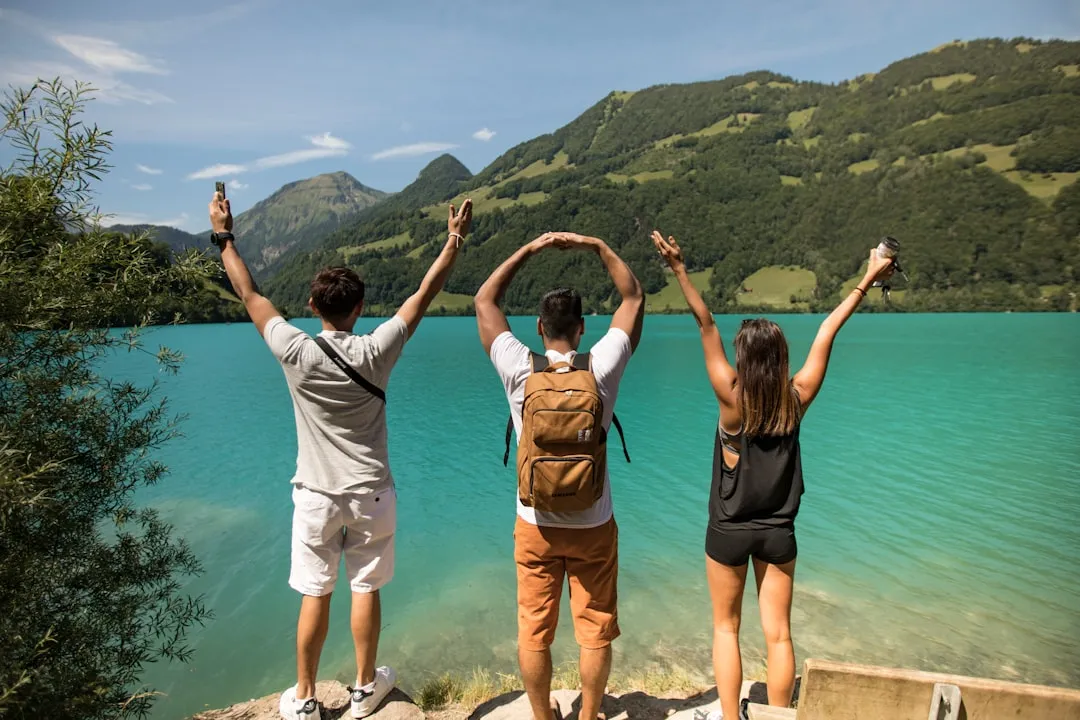
The global wellness tourism market was estimated at $990 billion in 2025, and it’s projected to reach $2.4 trillion by 2035 at a compound annual growth rate of 9.3%. That level of growth reflects more than passing interest. As modern life grows louder, faster, and more demanding, the way we travel is being rewritten, with wellness no longer a side benefit of time away, but its central purpose.
According to the International Luxury Travel Market, more than ninety percent of luxury travelers now actively look for wellness programs when booking a trip. Hotels, resorts, and destinations are responding accordingly. The trend has moved well past spa weekends, with travelers now seeking restorative experiences centered on sleep science, forest immersion, and AI-guided wellbeing rituals.
Rest Has Become a Stated Travel Motivation, Not Just a Byproduct
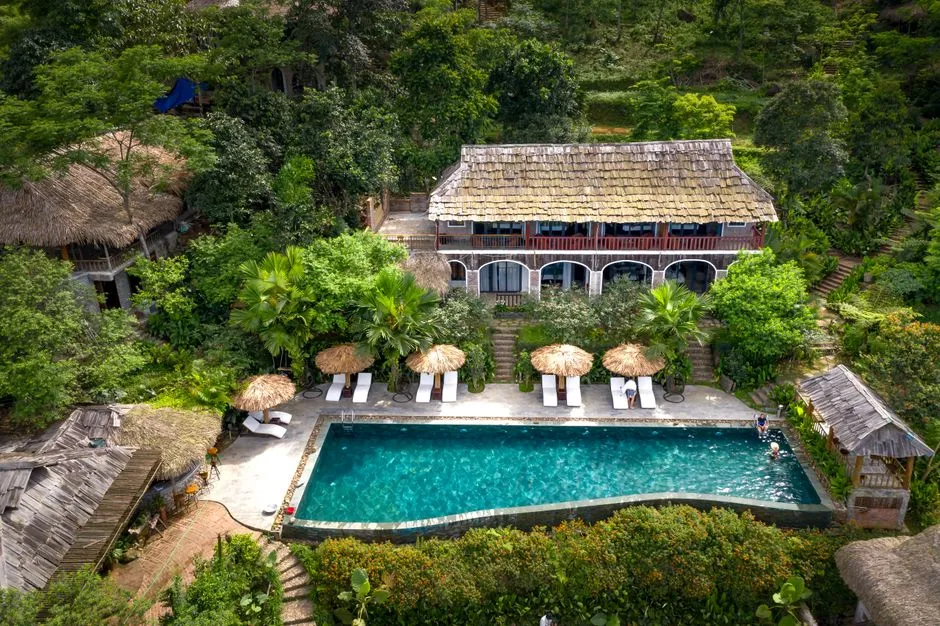
Hilton’s 2026 research found that fifty-six percent of travelers now name rest and recharge as their leading reason to travel, thirty-seven percent are seeking time in nature, and seventy-two percent want time off specifically to explore personal passions and skills. These are declared motivations at the point of booking, not vague afterthoughts. People are choosing destinations and trip formats specifically because they promise less, not more.
Travelers are increasingly choosing immersive itineraries, longer stays, and quietly luxurious retreats that foster connection and meaning. This purpose-first mindset is fueling the rise of “whycations,” where travel is guided by personal significance rather than sightseeing checklists. The shift reflects a broader cultural rethinking of what a successful trip actually is.
Secondary Destinations Are Benefiting Quietly
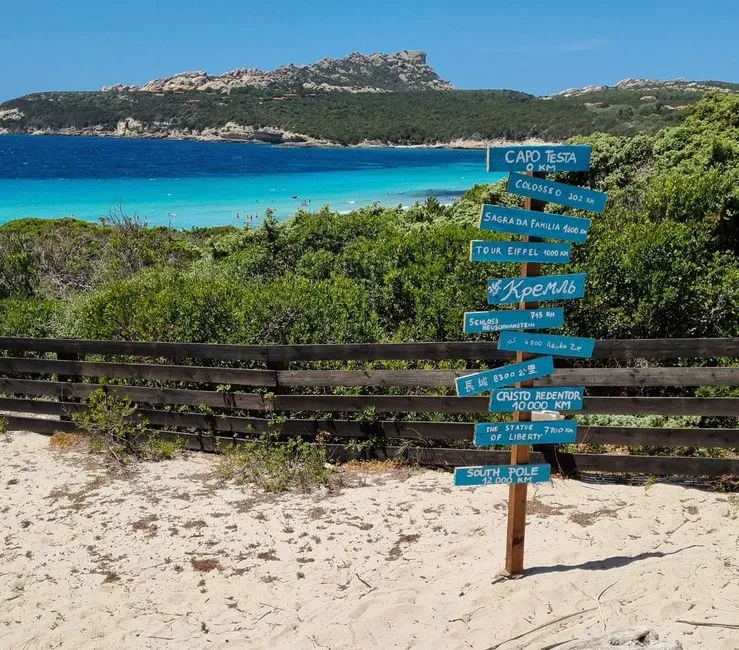
With slow travel on the rise, more travelers are exploring secondary cities and destinations instead of overcrowded tourist hotspots. This is one of the more interesting downstream effects of the nothing-to-do travel philosophy. When you aren’t chasing a famous landmark, you’re free to stay somewhere genuinely peaceful. Conrad Chia Laguna Sardinia saw a ninety percent year-over-year increase in U.S. travelers from 2023 to 2024, while Baia di Chia Resort Sardinia saw a 150 percent increase in U.S. travelers over the same period.
The Global Wellness Institute has identified growing interest in cooler travel times and destinations as part of its 2026 wellness tourism trends, which could create opportunities for destinations to introduce visitors to different seasons and develop new “wellness windows” outside traditional peak seasons. Places that were once considered off-the-beaten-path are finding that quiet is suddenly their most marketable quality.
Families Are Embracing the Unplug Together

Global travelers are choosing rest over activity, with fifty-six percent citing rest and recharge as their top motivation for leisure travel, and more than half of parents and grandparents initiating no-screen-time periods during family trips to keep everyone present. The do-nothing vacation isn’t just a solo traveler’s retreat anymore. It’s reshaping how families travel together.
Parents and grandparents initiate no-screen-time periods during vacation at rates that cut across traveler types, with fifty-eight percent doing so even among families who wouldn’t describe themselves as wellness travelers. A separate eighty-four percent say they plan to seek out opportunities for the whole family to play together without devices. There’s something genuinely countercultural about a family trip where the goal is simply to be present with each other.
Slow Travel Is Also More Sustainable Travel
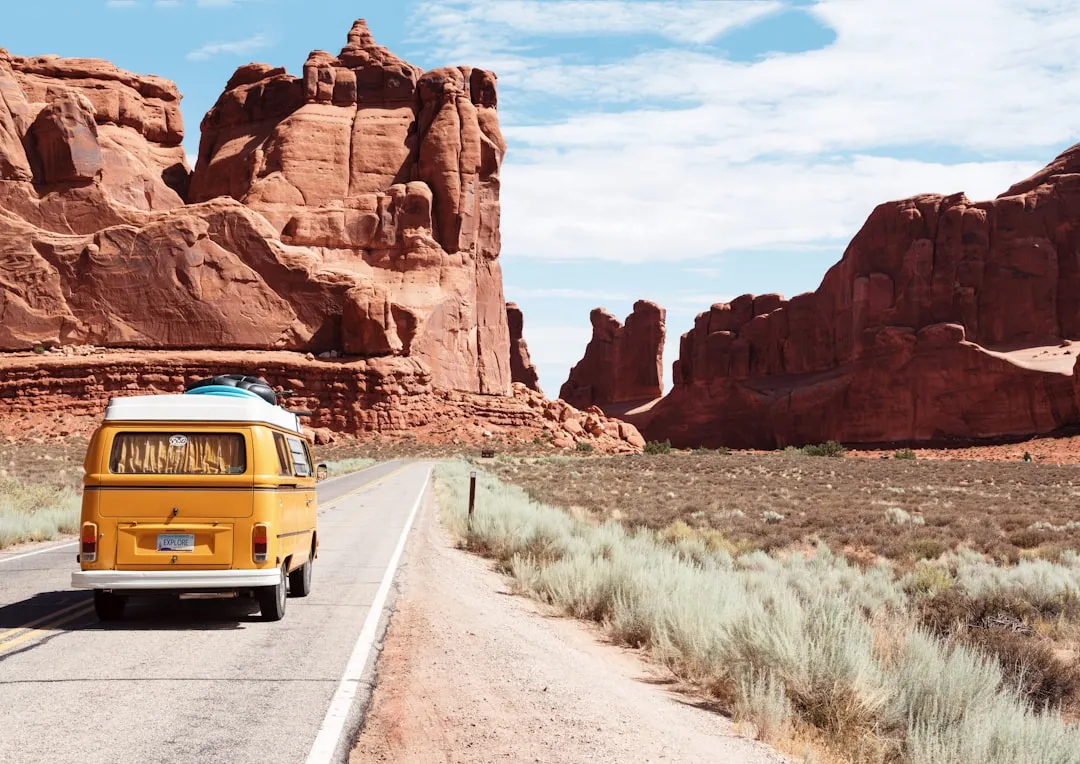
Slow travel is being embraced in 2025, with trips taken at a more relaxed pace and with a reduced number of tourist hotspots visited. Visitors are keen to soak up all a location has to offer, holding the potential to grow tourism in a sustainable way and support regional balance. Staying longer in fewer places means less transit, lower emissions, and more money going directly to local communities rather than being spread thin across a packed itinerary.
Wellness travel doesn’t have to happen within the walls of a resort. Increasingly, the destination itself can become part of the wellness experience. Walkable communities, protected natural spaces, trails, outdoor recreation, local food, thermal traditions, and cultural experiences can all contribute to a visitor’s sense of well-being. The destination stops being a backdrop and becomes the whole point.
The Quiet Takeaway
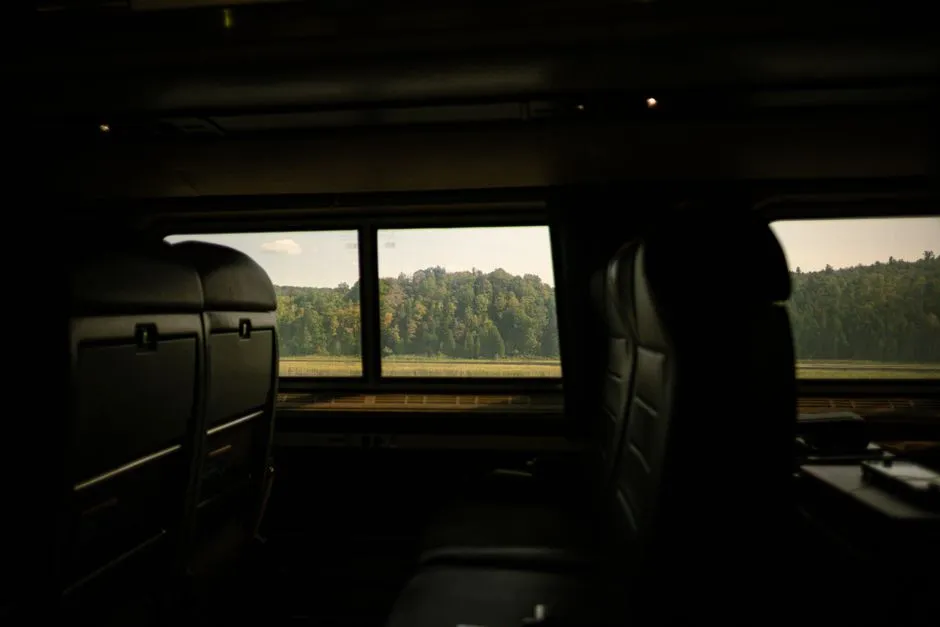
What makes the do-nothing travel movement genuinely interesting is that it isn’t really about doing nothing at all. It’s about choosing what fills your time rather than letting a schedule, a notification, or a tourist map decide for you. Rest, it turns out, is something you have to actively plan for.
Overall, 2026 is poised to be a year defined by intentionally slow, immersive, and elevated travel. The data behind that statement is consistent and growing. The travelers who are booking these quieter trips aren’t opting out of the world. They’re returning to it on their own terms, and finding that the experience is considerably richer for it.
AI Disclaimer: This article was created with the assistance of AI tools and reviewed by a human editor.