
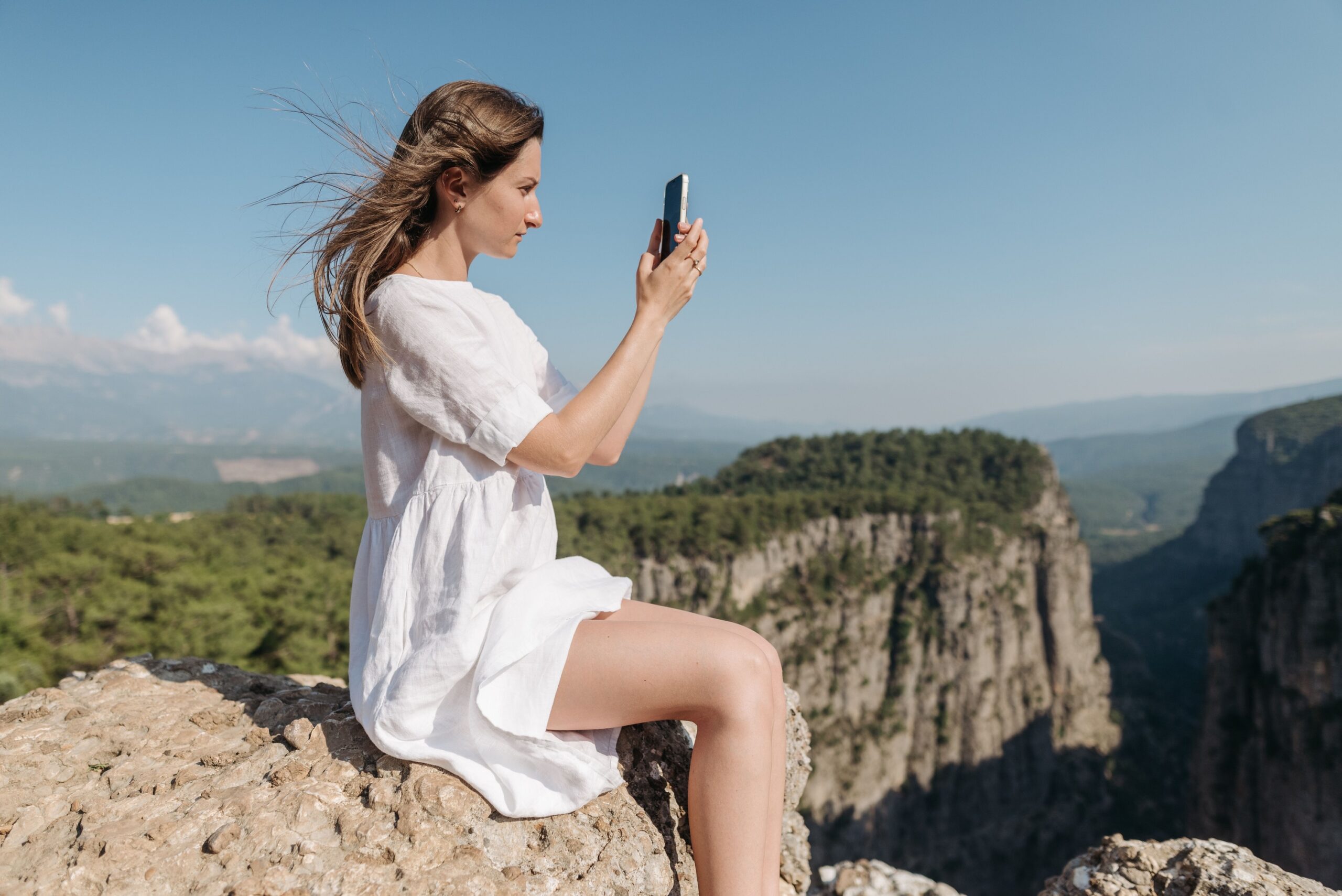

There’s a quiet shift happening in airport lounges, on winding coastal roads, and at trailheads around the world. Travelers are pausing before they reach for their phones, and in growing numbers, they’re choosing not to reach for them at all. It’s not a social media stunt or a minimalism flex. It’s something more personal, and more deliberate, than that.
The data is beginning to catch up with what many people already sense: the phone has become both travel companion and travel thief. This year, an increasingly wide range of travelers, from Gen Z road trippers to seasoned family vacationers, is quietly putting the device away and discovering what a trip can actually feel like without one.
The Numbers Behind the Silence
According to the 2025 Hilton Trends Report, nearly a quarter of the 13,001 global travelers surveyed in 2024 said they now power down and disconnect from social media during vacations more than they did in the past. That’s a meaningful slice of the traveling public making an active, conscious choice to unplug.
The global digital detox tourism services market was valued at more than 65 billion dollars in 2025 and is projected to grow at a compound annual growth rate of roughly twenty-four percent over the coming years. That kind of market growth doesn’t happen by accident. It reflects genuine, sustained demand.
Digital Burnout Is Very Real

Digital burnout is the mental, emotional, and physical exhaustion that comes from prolonged use of digital devices, and with the average person spending around six hours and forty minutes per day on screens, it’s no wonder people are searching for ways to unplug. Vacation used to feel like a natural escape. Now it requires a deliberate decision to create one.
A February 2025 survey from Quad conducted by The Harris Poll found that roughly four in five Gen Z adults and nearly as many millennials often wish they could disconnect from digital devices more easily. That’s not a niche sentiment. That’s a generational ache, surfacing right in the demographic that grew up most connected.
The Younger Generation Is Leading the Way

Searches for “digital detox ideas” are up by nearly three quarters, while searches for “digital detox vision boards” have surged by more than two and a half times, according to the 2025 Pinterest Summer Trend Report. Younger travelers aren’t just feeling the fatigue. They’re actively planning around it.
Nearly half of Gen Z users worldwide limit their screen time in some form, with a notable share saying they do so consistently most days, according to data from ExpressVPN. What used to be seen as a radical or countercultural choice is rapidly becoming an ordinary habit for an entire generation of travelers.
What the Science Says About Stepping Away

A randomized controlled trial published in BMC Medicine in February 2025 suggests a causal relationship, rather than a merely correlative one, between daily smartphone screen time and mental health. That’s a significant distinction. It moves the conversation from correlation to something more actionable.
Research consistently shows that more time on screens, especially passive or social media use, can lead to poorer mental health outcomes, and the American Psychological Association has linked high levels of screen time to increased risks of anxiety, depression, and feelings of loneliness. Pausing that cycle, even briefly, during travel appears to offer real psychological relief.
How the Hospitality Industry Is Responding

The travel industry has taken clear notice of this shift, with hospitality brands adjusting their offerings by providing journals rather than tablets in hotel rooms, creating hiking and wellness trails, and offering screen-free stays. Luxury wellness retreats and nature lodges have been especially quick to embrace this.
Some luxury eco-resorts have introduced phone lockboxes and even policies that restrict WiFi access after a certain hour in the evening. For guests who genuinely struggle to step away, a structural nudge from the property itself turns intention into reality.
Nature-Based Trips Are the Natural Fit

Many digital detox vacations are intentionally set in secluded areas with limited cell service but flourishing natural beauty, encouraging travelers to explore walking, meditation, yoga, and creative experiences instead. The landscape does much of the persuasion. When there’s no signal and there’s a mountain in front of you, the phone stops competing.
Adventure and nature-based programs accounted for the largest revenue share in the global digital detox tourism market in 2025, reflecting how naturally the outdoors lends itself to intentional disconnection. Forests, coastlines, and desert trails have always offered something screens cannot replicate: genuine presence without performance.
The Effect That Outlasts the Trip

In a 2024 study in the Global Mental Health Index, participants who completed a five-day digital detox reported meaningful improvements, and many continued practicing daily digital boundaries for weeks after returning home. A vacation becomes a reset, not just a pause.
Industry data and case studies indicate that digital detox travel enhances wellbeing, deepens social and environmental engagement, and reshapes how travelers relate to their destinations. The effects ripple outward. Travelers report noticing more, connecting more genuinely, and returning home with a different relationship to their devices.
Road Trips and the Glovebox Habit
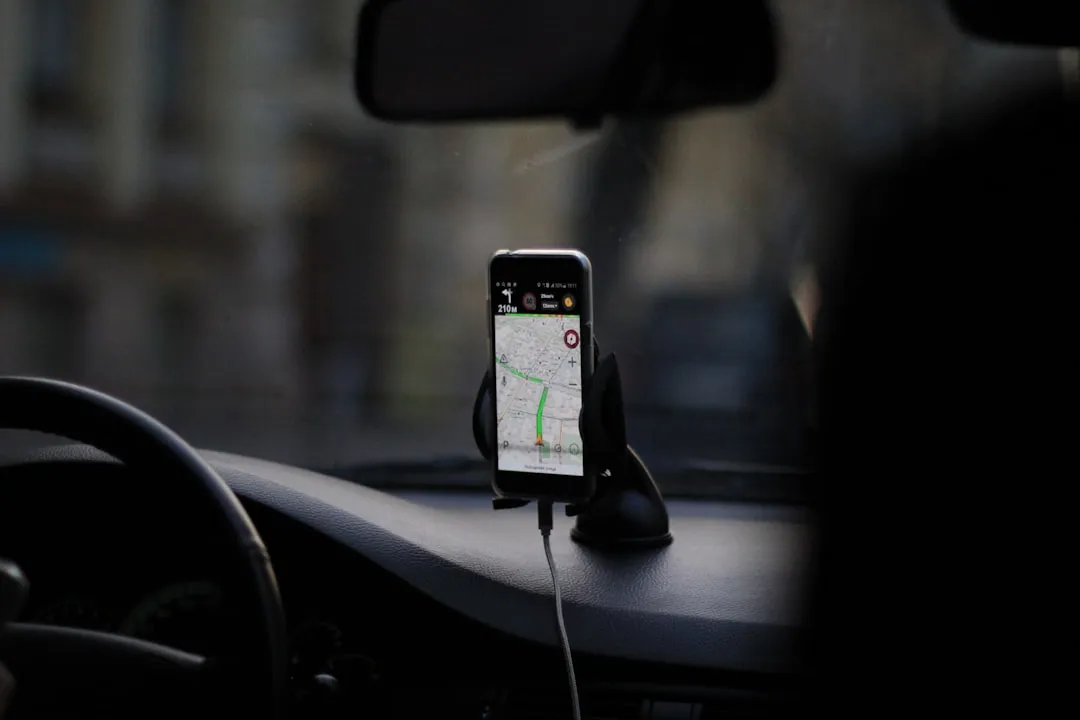
Road trips were the most popular form of travel in 2024, chosen by roughly two in five American travelers. The road trip, more than almost any other travel format, naturally invites a looser relationship with screens, especially when passengers are watching the scenery rather than a feed.
The glovebox has become a small but meaningful symbol of that intention. Stowing the phone out of arm’s reach isn’t about deprivation. It’s about creating a physical boundary that the mind can relax behind. Many travelers who try it report that the first hour is the hardest, and then something shifts.
Social Media and the Curated Travel Trap
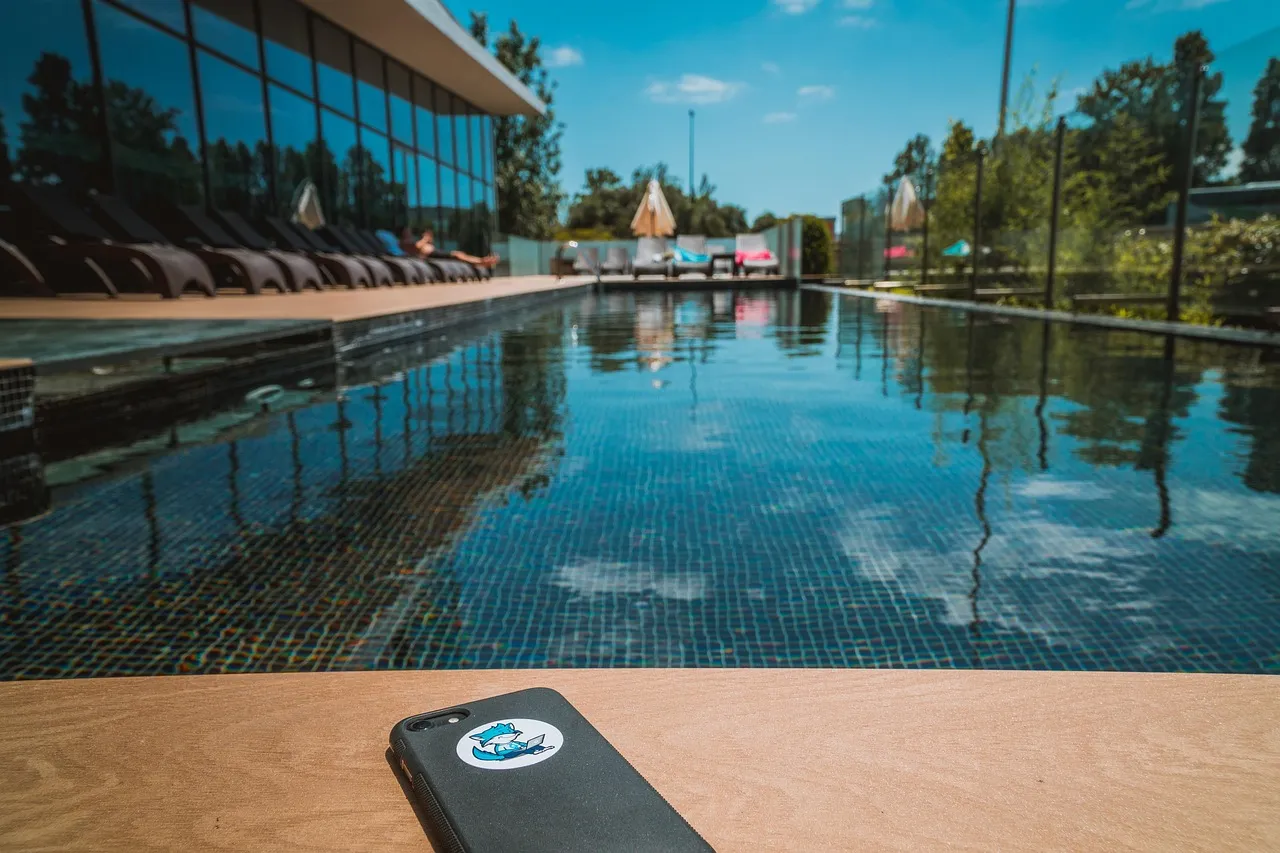
There’s a well-documented tension between social media and genuine travel experience. When every viewpoint becomes a potential post and every meal a potential reel, the traveler starts experiencing their trip through a publishing lens rather than a personal one. The moment becomes secondary to the content.
Digital detox tourism, where travelers intentionally disconnect from digital devices, is emerging globally as a direct response to this state of constant digital immersion. Choosing not to document a sunset doesn’t make it less real. For many travelers, it makes it more so.
What Slow Travel and Screen-Free Days Have in Common

Slow travel, defined as traveling without a rigid plan, was among the top travel styles in 2024, chosen by more than a fifth of American travelers surveyed. The overlap between slow travel and screen-free travel is more than conceptual. Both ask the traveler to resist the impulse to optimize and control every moment.
Digital detox tourism caters to a growing demand for experiences that prioritize mental wellbeing, mindfulness, and genuine human connection, and it involves intentional disconnection from smartphones, laptops, tablets, and the internet, allowing travelers to immerse themselves in their surroundings. Slow travel and screen-free travel share the same underlying aspiration: to actually be somewhere, fully.
The Quiet Road Ahead

The phone in the glovebox is a small act. It doesn’t require a wellness retreat, a subscription, or a manifesto. It requires only the decision to leave one thing behind so there’s room to take in everything else. That’s a low barrier with a surprisingly high return.
As digital detox tourism continues to emerge as a global response to constant digital immersion, the research suggests that this kind of intentional disconnection enhances wellbeing and deepens travelers’ engagement with both people and places. The world hasn’t changed, but the way we move through it is slowly, deliberately, shifting back toward the direct and the unhurried. That’s worth something.
AI Disclaimer: This article was created with the assistance of AI tools and reviewed by a human editor.