

From Online Research to Real-World Discovery

For years, family history research lived quietly on screens. People built digital trees, uploaded old documents, and connected with distant relatives through platforms. DNA testing and renewed interest in family stories have helped turn heritage travel into a practical reason to book a trip, and many people who once stopped at an online family tree now want to stand where their grandparents stood.
Travelers typically start with online ancestry platforms, DNA testing, or family stories passed down over generations, and eventually those clues point to real places – maybe a rural parish in Poland or a port city in Germany – places that begin to feel less like coordinates on a map and more like missing pieces of identity.
The DNA Testing Boom That Changed Everything

The combination of affordable DNA testing and digitized historical records transformed occasional family history research into dedicated travel experiences. Once a niche hobby for retirees with time and patience, genealogy has become something far more accessible and emotionally charged.
According to Ancestry.com’s report, DNA testing kits sold reached 45 million worldwide, directly fueling a 280% increase in heritage travel bookings compared to 2019 levels. That is a remarkable acceleration, and it reflects just how directly a test result can translate into a plane ticket.
Research from the Family History Federation indicates that roughly two thirds of people discovering unexpected ethnic origins through DNA tests plan heritage trips within 18 months. The revelation of an unexpected ancestry connection, it turns out, is a powerful motivation to travel.
A Generational Shift in Who’s Traveling This Way

Millennials and Gen Z are leading a new wave of family history seekers, using DNA tests, digital archives, and professional genealogists to turn fragments of data into stories of identity, resilience, and connection. This is not the genealogy of dusty church basements anymore.
Today’s family historians are just as likely to be in their twenties or thirties as in their seventies, and a recent Pew Research Center study found that interest in family origins now crosses generations, with most younger adults saying that knowing their heritage helps them “make sense of who they are.”
Roughly three fifths of Millennials prioritize an authentic cultural experience as the most essential aspect of their travel, and the rise of heritage tourism for this age group is further fueled by a desire to reconnect with cultural roots, especially among those influenced by global migration patterns and the increasing accessibility of genealogical information.
The Emotional Pull That Makes These Trips Different
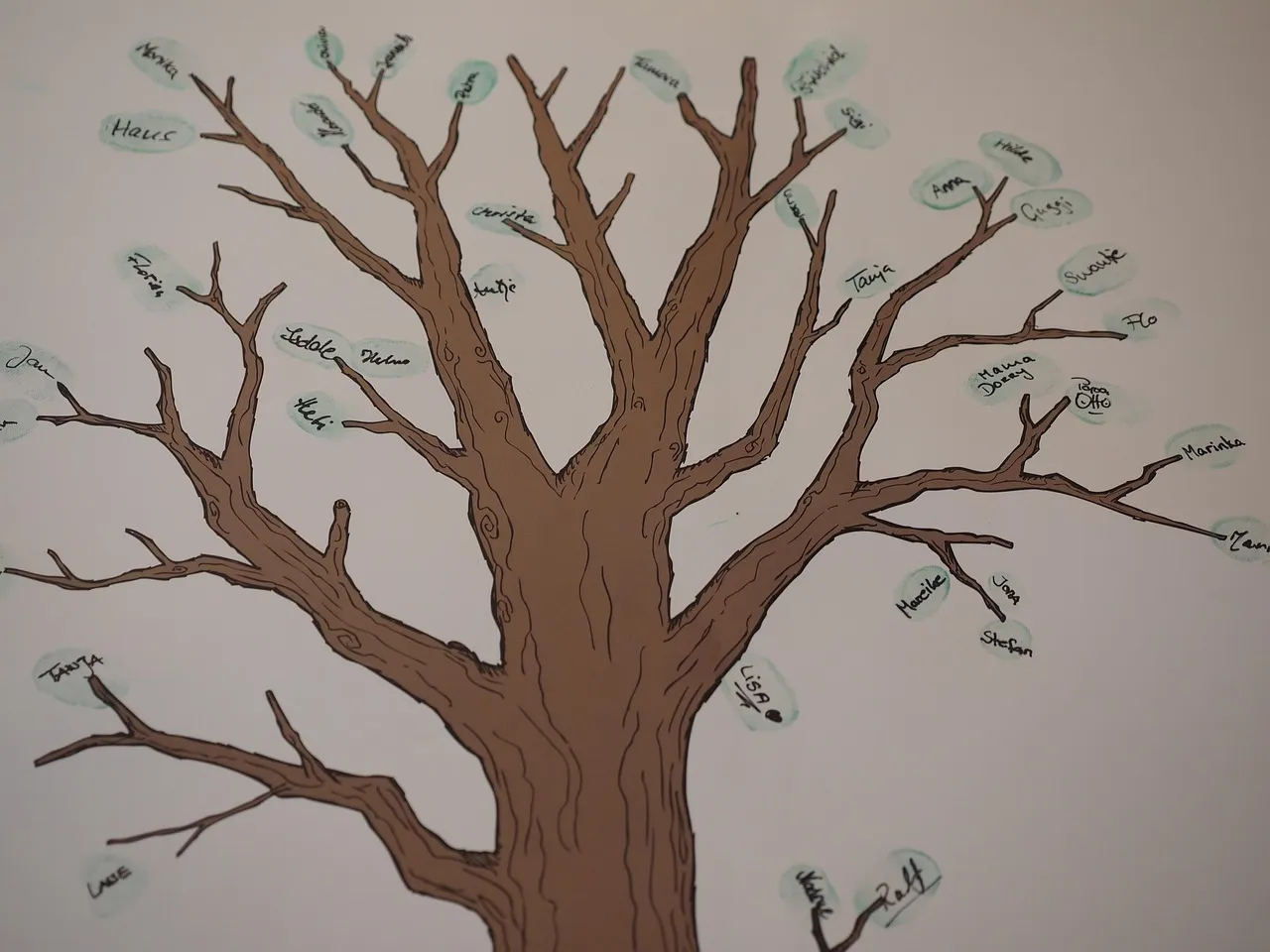
This form of experiential travel combines emotional discovery with cultural immersion, offering profound personal connections that traditional sightseeing rarely matches. There’s a difference between admiring a centuries-old village and knowing your great-great-grandmother was baptized in its church.
As one senior genealogist at Ancestry has noted, often travelers don’t realize just how emotionally they will be affected by going to the specific places where their ancestors lived, until they arrive and that feeling of deep connection happens. That surprise is part of what makes these journeys so memorable and so shareable.
Countries Racing to Welcome Roots Travelers

As of 2024 and 2025, reputable travel outlets and tour operators report growing demand for ancestry-focused journeys, and several countries are developing programs or services to welcome return visitors. Governments have started to see diaspora populations not just as cultural connections, but as a genuine tourism resource.
In 2024, Italy promoted connections through an Italea platform and designated programming sometimes called the “Year of Italian Roots in the World,” with official figures cited by Italian tourism authorities putting global people-of-Italian-descent numbers at roughly 80 million, highlighting the sheer scale of potential visitors.
Of the American holidaymakers who traveled to Ireland in 2019, more than half claimed Irish ancestry within their travel party. Today, some 35 million Americans have Irish roots, a product of successive waves of emigration over the centuries. Ireland has long understood how to speak to that longing.
How the Industry Has Adapted

Major platforms like Ancestry, MyHeritage, and 23andMe now partner directly with tour operators, creating seamless pathways from test results to curated heritage journeys. The pipeline from swab to suitcase has never been shorter.
Travel companies are now offering specialized ancestry tours where travelers can visit the exact locations their ancestors lived and take part in cultural activities, while hotels and accommodations are offering genealogy packages and services, such as helping guests research their family history and organizing ancestral tours.
Travelers on heritage tours spend almost 40% more per day than other travelers. That spending pattern has not been lost on tourism boards, who increasingly design resources and programs specifically to serve this audience.
The Surge in Genealogy Tour Demand

Genealogy tours are now seeing exceptional search growth, with demand rising by an extraordinary margin over the past year, showing that travelers want structured experiences that help them understand family roots – tours that may include archive visits, historic neighborhood walks, local storytelling, cemetery research, and village exploration.
The latest search findings from Bókun, a Tripadvisor company, show that travel is moving beyond simple sightseeing, with many travelers now wanting to know where their families came from, how earlier generations lived, and which streets, villages, traditions, and food cultures shaped their identity. That’s a meaningful reorientation of what a vacation is for.
The Economic Impact on Destination Communities

Industry data shows genealogy tourism now contributes over $2.5 billion annually to destination economies, particularly in Ireland, Italy, Scotland, and Eastern Europe where immigration records remain well-preserved. These are not passive economic benefits. They flow directly into local archives, guides, accommodation, and small-business ecosystems.
Smaller towns, old migration regions, rural communities, and historic districts may see stronger interest because they can offer stories that bigger attractions cannot always provide, creating new opportunities for tourism boards, tour operators, guides, museums, and local communities. In some cases, roots travel is revitalizing villages that mainstream tourism had largely bypassed.
Technology Is Making the Journey Smarter

A critical factor in the expansion of heritage tourism is the role of digital platforms and social media, which provide unprecedented access to cultural and historical narratives, while virtual and augmented reality have made heritage sites more accessible, offering previews that drive on-the-ground visitation.
This type of identity-driven travel increasingly involves hiring local guides, historians, and cultural experts who can provide deeper context and a more meaningful connection to the places being visited. The expertise on the ground has grown alongside the digital tools at home, and together they produce something a generic itinerary simply cannot replicate.
Hybrid experiences combining virtual preliminary research with shorter, more focused physical visits may become standard, while many travelers now extend trips through slow travel, spending weeks or months in ancestral regions to deepen connections and reduce environmental impact.
What This Means for How We Travel Going Forward

Travel is no longer about how many places you can visit – it’s about how deeply you experience them, with today’s travelers seeking journeys that connect them to their roots, improve their well-being, teach new skills, and celebrate shared passions. Ancestry travel sits at the center of that shift.
A 2024 report in Forbes notes that more than half of travel was focused on cultural heritage, with a large portion of Millennials prioritizing authentic cultural experiences, and this trend offers a unique blend of emotional connection, identity exploration, and legacy-building, making it especially appealing for multigenerational family trips.
For destinations, this trend adds emotional value to familiar places and turns local history into a stronger tourism asset. A churchyard, an archive, a cobblestone lane – any of these can become deeply significant when it’s connected to your own story.
The Takeaway
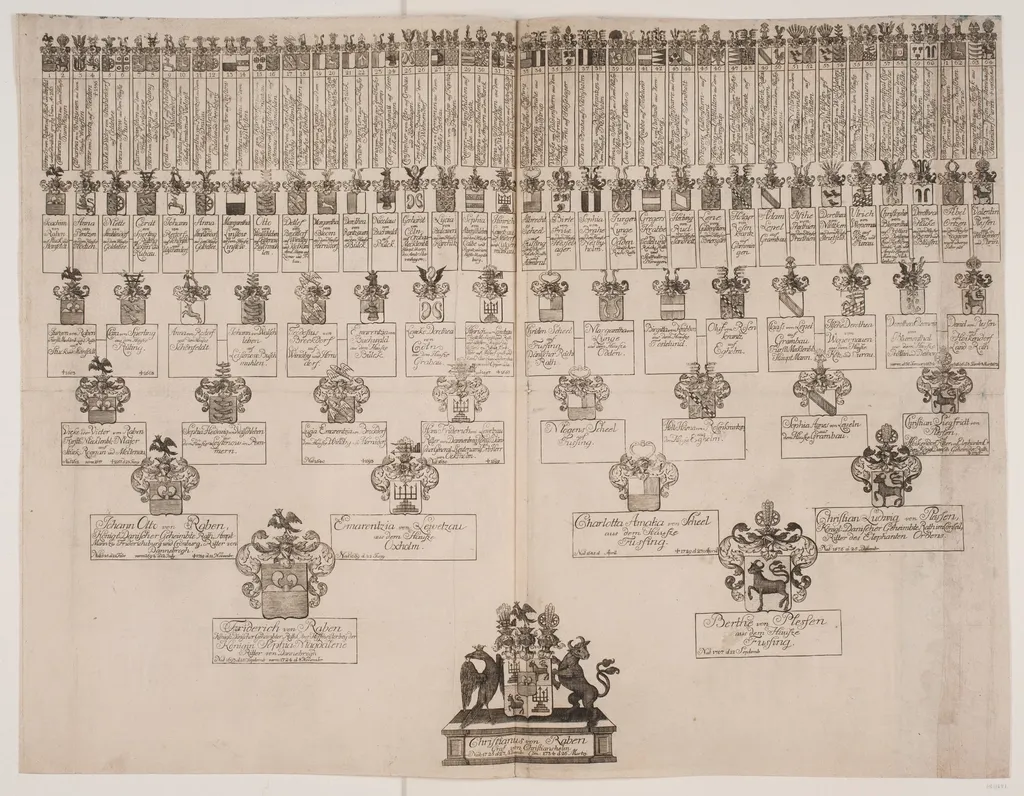
Roots travel isn’t simply a trend in the statistical sense. It reflects something more durable: a human need to understand where we come from, especially in a world that moves fast and feels, at times, untethered. Ancestry journeys are on the rise in 2026, with a growing number of travelers heading to destinations not for landmarks, but for lineage.
What makes this form of travel so enduring is that it’s never really about the destination alone. It’s about the question you’re carrying when you arrive. For the traveler standing in a village square their grandparents once knew, the world feels at once larger and more intimate. That combination is rare, and it’s hard to forget.
AI Disclaimer: This article was created with the assistance of AI tools and reviewed by a human editor.