
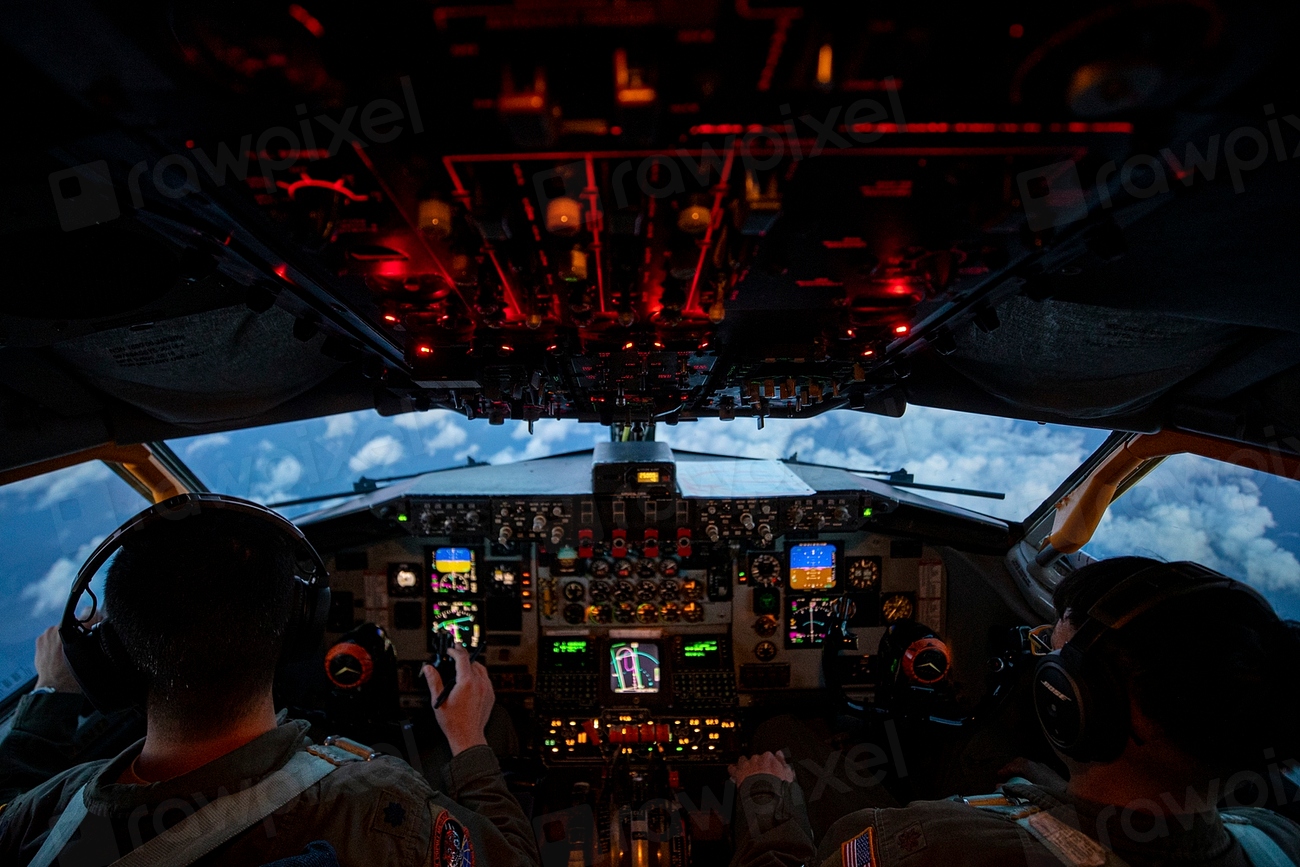

Every time you settle into your seat and watch the ground shrink away beneath you, there’s a destination the aircraft is quietly aiming for long before it reaches the one on your ticket. That destination is an altitude, somewhere in the neighborhood of 35,000 feet, and the choice of that number is far more deliberate than it might seem from a window seat.
It’s not a regulation, not a tradition, and not a coincidence. It’s the product of physics, engine design, weather patterns, and airspace management all converging on a single practical band of sky. Here’s the full picture.
The Air Up There Is Surprisingly Thin
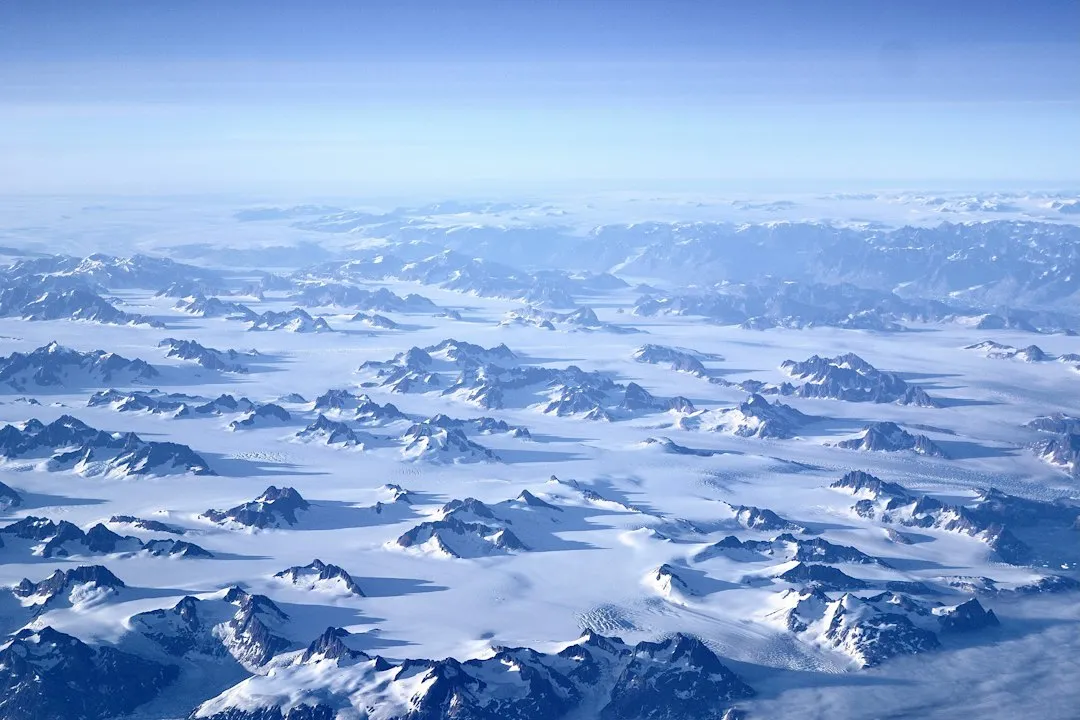
According to NASA’s standard atmosphere model, the air at 35,000 feet is only about 31% as dense as it is at sea level. That stark difference is the foundation of everything else. At 35,000 feet, air density is roughly a quarter of what it is at sea level, and that thinner air creates less drag on the aircraft’s body and wings, which means the engines don’t have to work as hard to push the plane forward. Less work means less fuel burned per mile.
The engines don’t have to produce as much thrust at higher altitudes because the air is thinner, which means the aircraft can fly much faster while burning less fuel at the same time. That combination of speed and economy is essentially what every airline is chasing on every route.
It’s a Compromise, Not a Fixed Rule
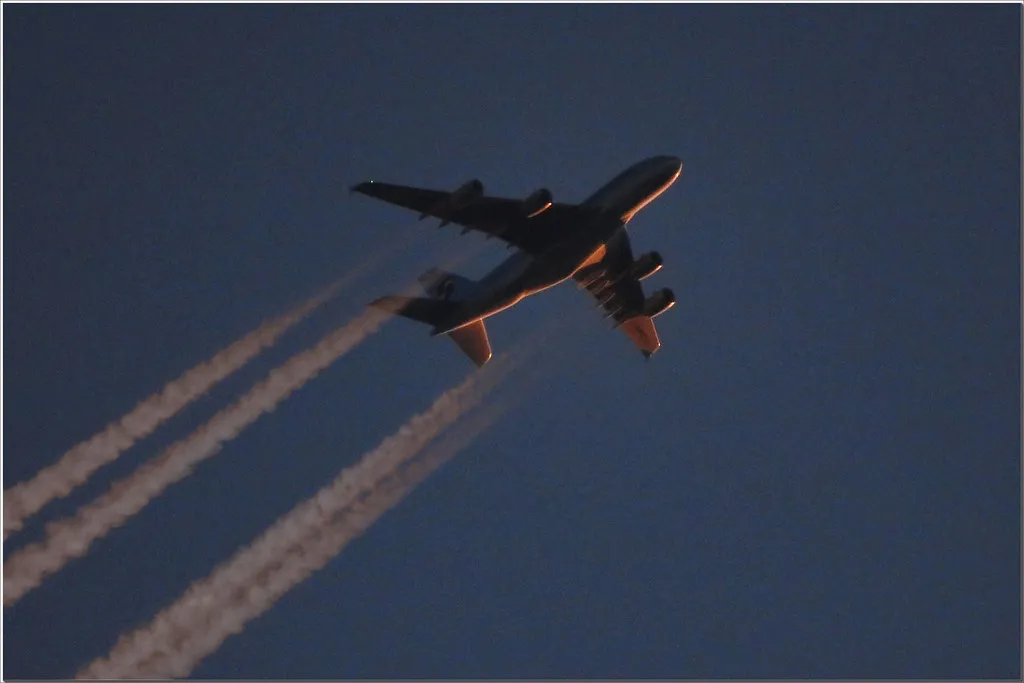
Cruise altitude around 35,000 feet is a compromise between aerodynamic efficiency and engine performance, not a fixed “magic number.” NASA describes cruise efficiency as a function of the aircraft, its engines, and operating conditions rather than a single ideal altitude that works for every flight.
35,000 feet is a typical figure, not a fixed rule: most jets cruise somewhere between about 30,000 and 41,000 feet. The specific number on any given day depends on factors that are constantly changing, including aircraft weight, temperature, and the winds aloft.
Engines Actually Prefer Cold, Thin Air
Jet engines are designed to be most efficient at high altitude, where the air is very cold. In NASA’s model, the temperature at 35,000 feet is about negative 54 degrees Celsius. That cold environment changes how the engine manages combustion in ways that favor efficiency.
Higher cruising altitudes are favorable with respect to fuel consumption per air-mile due to drag reduction brought about by reduced air density, and increased engine thermal efficiency brought about by reduced air temperature at high altitudes. The cold air essentially gives jet engines a performance edge that they simply don’t get closer to the ground.
There’s a Ceiling to the Advantage

There is a ceiling to this advantage. As air density drops, engines take in less oxygen per cycle, which changes the fuel-to-air mix inside the engine and can reduce combustion efficiency and thrust. Go too high, and the engines can’t generate enough power to keep the aircraft at a safe speed.
The 31,000 to 42,000 foot band is where the drag reduction pays off without starving the engines of the air they need. Flying above that ceiling isn’t just impractical, it’s genuinely unsafe for a fully loaded commercial jet at typical operating weights.
Weight Changes Everything During a Flight
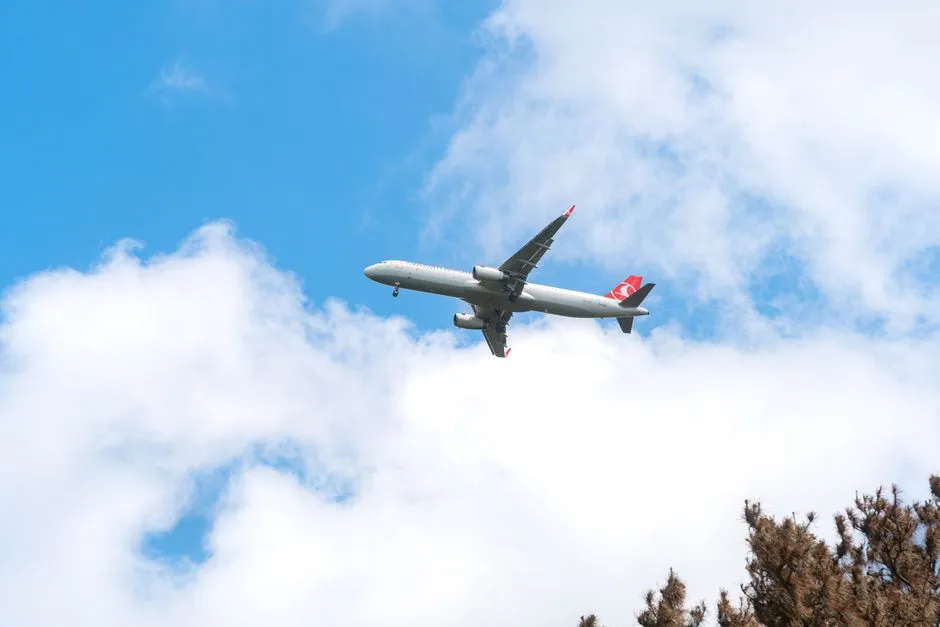
The plane weighs less as the flight progresses because much of the fuel is gone, and an altitude that wasn’t attractive after takeoff may now offer better cruise efficiency. NASA describes optimum cruise altitude as “closely tied” to aircraft weight.
As the aircraft consumes fuel, its weight decreases and the optimum altitude for fuel economy increases. A fully loaded widebody jet at the start of a transatlantic flight might cruise at 31,000 or 33,000 feet, and then gradually climb higher as the tanks lighten. This practice, known as step climbing, is one of the quieter efficiencies built into modern long-haul operations.
Cruising Above the Weather
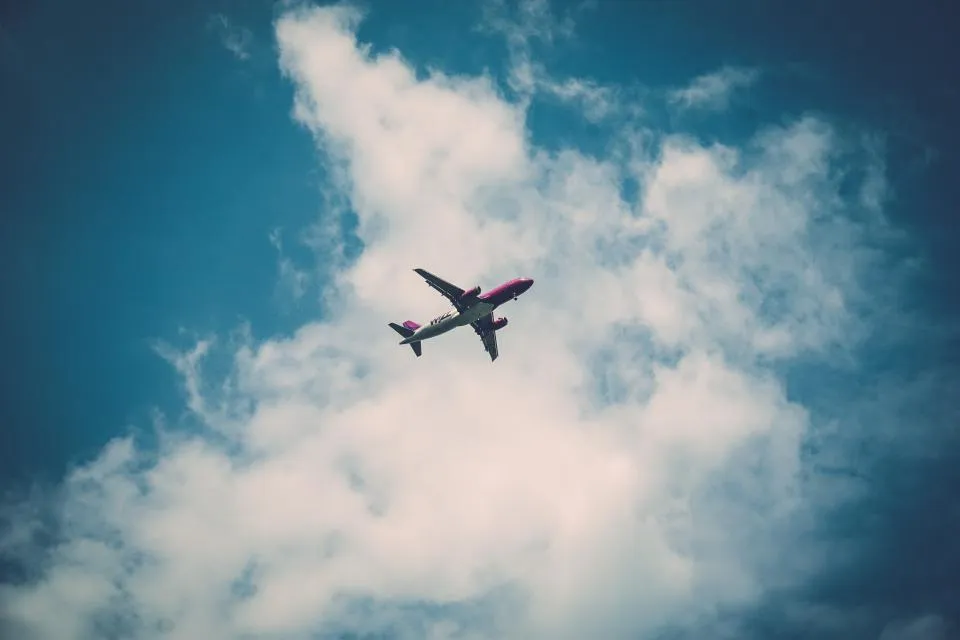
By flying at or above 35,000 feet, commercial planes can often avoid the worst weather conditions, including thunderstorms, rain, and turbulence caused by air currents. This isn’t a small perk. Weather avoidance at cruise altitude translates directly into passenger comfort, flight safety, and schedule reliability.
Weather is another factor. Most turbulence, thunderstorms, and icing occur in the lower atmosphere. Cruising above 30,000 feet puts jets above nearly all significant weather, making for smoother, safer flights. Flying at 35,000 feet avoids most weather-related turbulence, but clear air turbulence can still occur near jet stream boundaries where wind shear is strongest.
Riding the Jet Streams
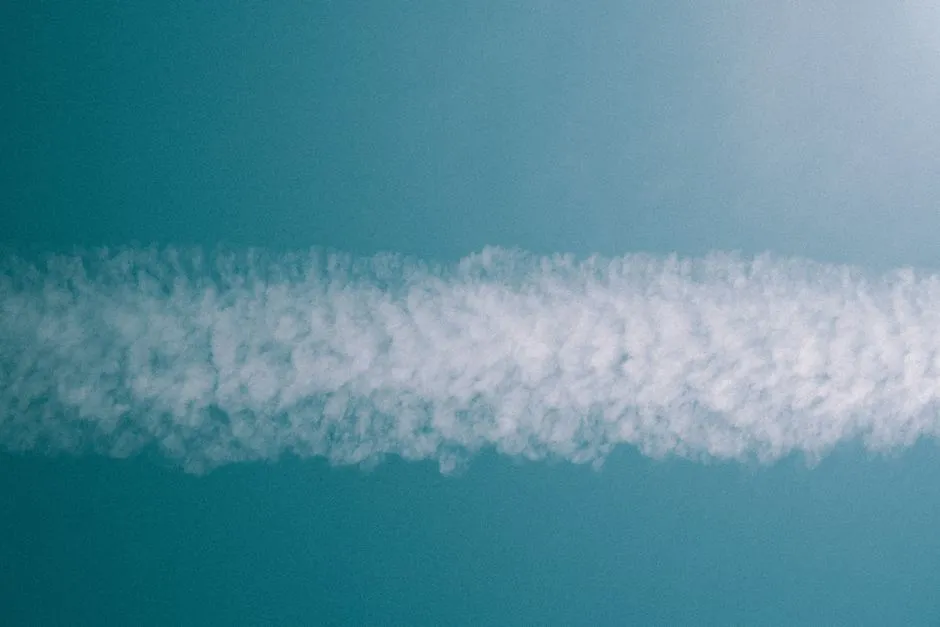
Long-haul flights tend to push toward the higher end of the range, around 35,000 to 42,000 feet, partly to take advantage of strong high-altitude winds called jet streams that can shave significant time off a trip. These fast-moving rivers of air are one of commercial aviation’s most useful natural resources.
Pilots and dispatchers choose altitudes where tailwinds are strongest or headwinds weakest, sometimes accepting a slightly less optimal altitude if it means riding a favorable jet stream. The key benefits of high altitude flight include the ability to avoid turbulence caused by convective storms, access to jet streams, which are high-altitude winds that significantly save fuel and time on eastbound legs, and more predictable flying conditions.
How Air Traffic Control Shapes the Choice

Flights heading roughly east are assigned odd-numbered altitudes (31,000, 33,000, 35,000 feet), while westbound flights get even-numbered ones (32,000, 34,000, 36,000 feet). This directional separation system is one of the most basic tools air traffic controllers use to prevent conflicts between aircraft traveling in opposite directions.
Reduced Vertical Separation Minimum (RVSM) is an international standard that reduces the required vertical spacing between aircraft from 2,000 feet to 1,000 feet between flight level 290 and flight level 410, allowing more usable levels, higher traffic capacity, and more efficient cruising altitudes while maintaining an equivalent level of safety. Within this altitude band, RVSM doubles available cruising levels from seven to thirteen, creating a significant increase in airspace capacity.
What It Means for the Passengers Inside
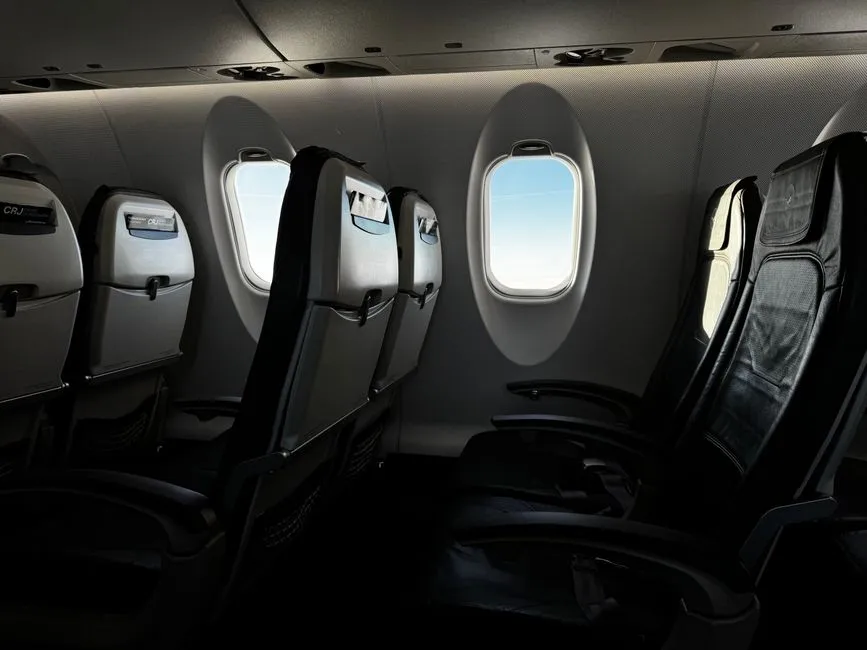
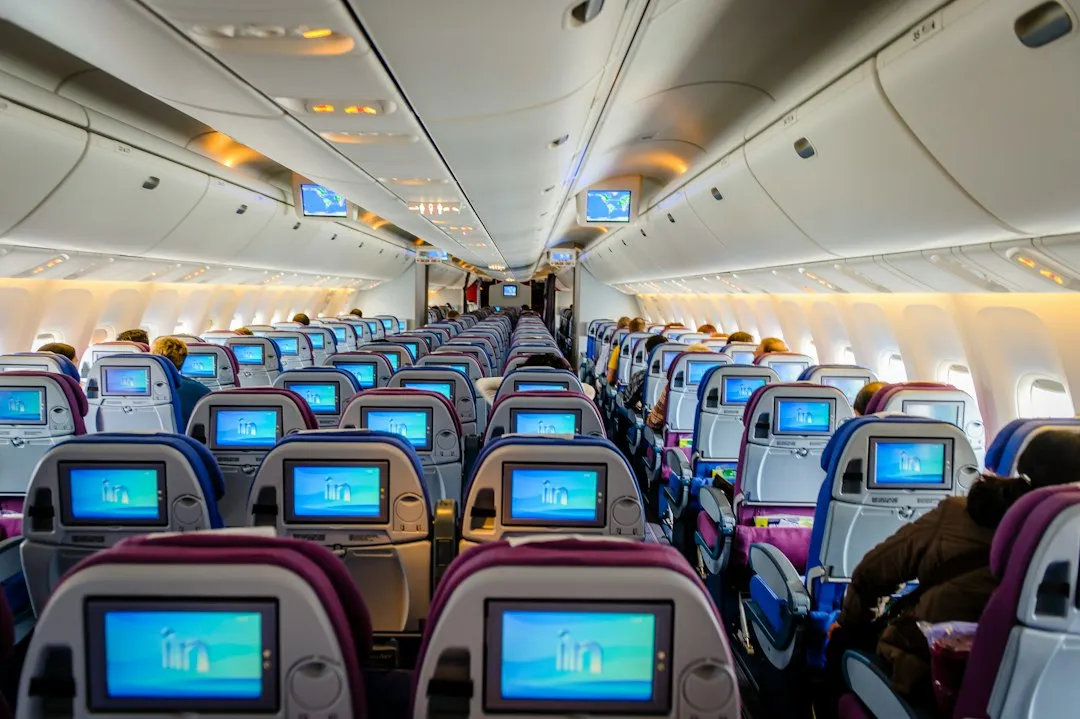
At 35,000 feet, the outside air temperature is around minus 60 degrees Fahrenheit, and the air pressure is far too low to breathe. Instead, the aircraft maintains what’s called a “cabin altitude” of 6,000 to 8,000 feet, roughly equivalent to standing in Denver or on a moderate mountain. The aircraft’s pressurization systems quietly hold that livable envelope together throughout the entire flight.
At cruising altitude, the radiation dose rate is roughly 100 times higher than at sea level. For the occasional traveler, the exposure is negligible. It’s worth noting only because the environment at cruise altitude is genuinely extreme, and modern aircraft engineering exists precisely to insulate passengers from that reality.
The Emergency Safety Buffer
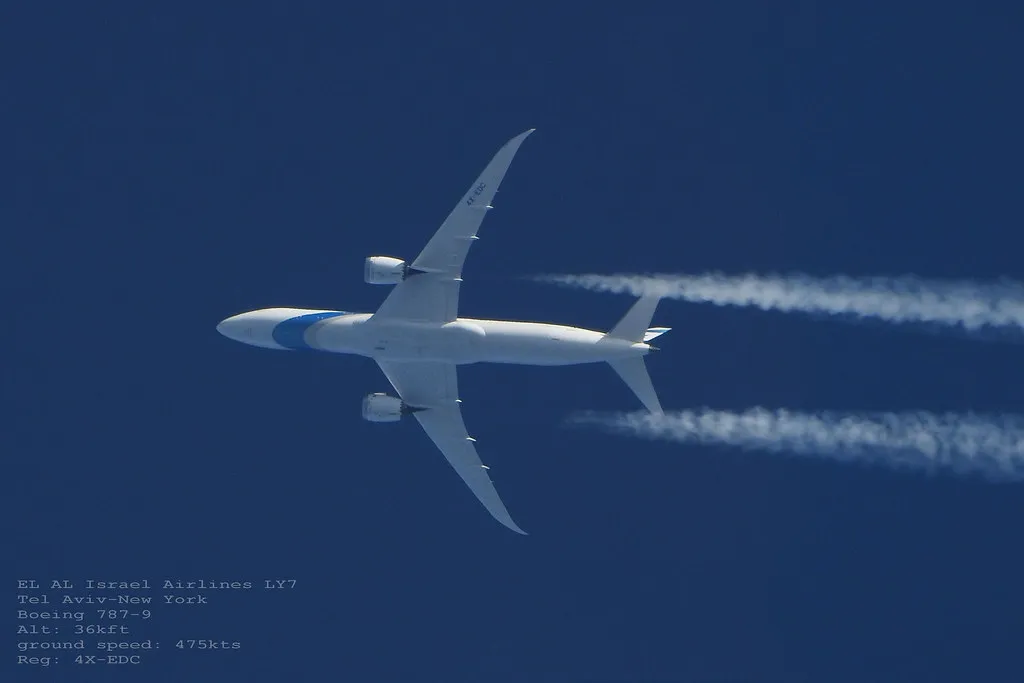
In the unlikely event of an in-flight emergency such as engine failure or cabin depressurization, altitude gives pilots valuable time to react, troubleshoot, and safely descend. A plane cruising at 35,000 feet has more room to glide if engines fail, giving the crew the opportunity to navigate toward the nearest airport or safe landing area.
This is one reason cruise altitude provides a built-in safety margin: at 35,000 feet, a commercial jet can glide roughly 100 miles even with total engine failure, giving pilots time and distance to reach an airport. That margin isn’t incidental. It’s baked into the engineering logic of why jets climb as high as they do before settling into cruise.
The Takeaway
The number 35,000 is less a target than a region, a band of sky where multiple competing pressures settle into something workable. In most cases, planes cruise around 35,000 feet because that altitude gives the best balance of lower aerodynamic drag, strong fuel efficiency, reliable engine performance, smoother air above most weather, and practical spacing for air traffic control.
What’s remarkable is how much quiet engineering, atmospheric science, and global coordination goes into what feels, from a passenger’s perspective, like simply being at a comfortable height. The sky up there has structure, and commercial aviation has spent decades learning exactly how to use it.
AI Disclaimer: This article was created with the assistance of AI tools and reviewed by a human editor.