
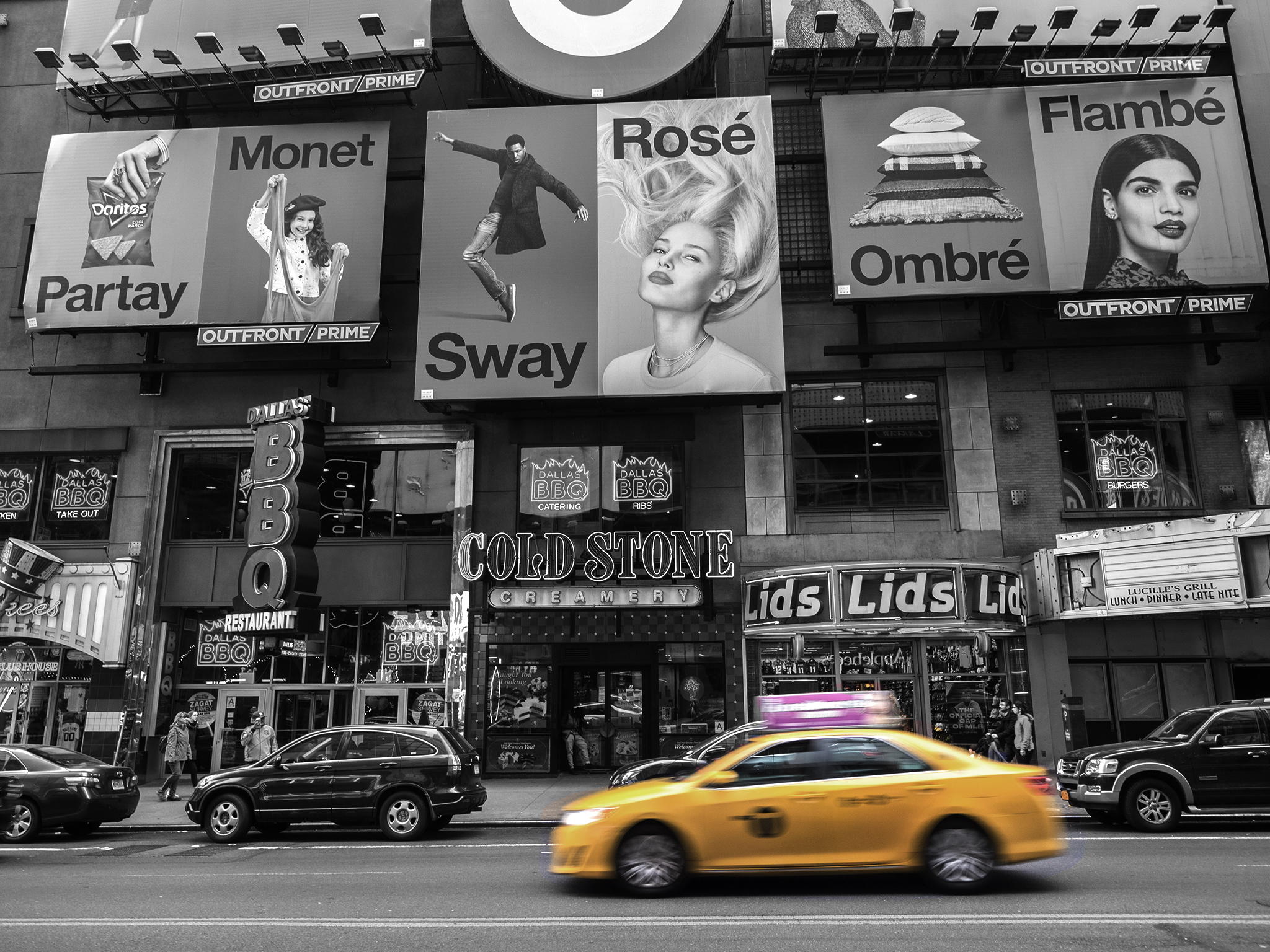

Walk out onto any block in Midtown Manhattan and you’ll spot one almost immediately. That unmistakable shade of yellow cutting through traffic, idling at a crosswalk, nosing into a crowd. New York City’s yellow cab is one of the most recognizable vehicles on the planet, not just locally but globally, reproduced on postcards, in films, and in the imagination of anyone who’s ever thought about the city. Yet few people stop to ask why it’s yellow in the first place.
The answer involves a scientific study, a shrewd entrepreneur, a wave of illegal cabs, and a mayor who wanted some order in a chaotic city. It’s a story that spans more than a century, and it’s more layered than you’d expect.
The First Taxis in New York Were Not Yellow
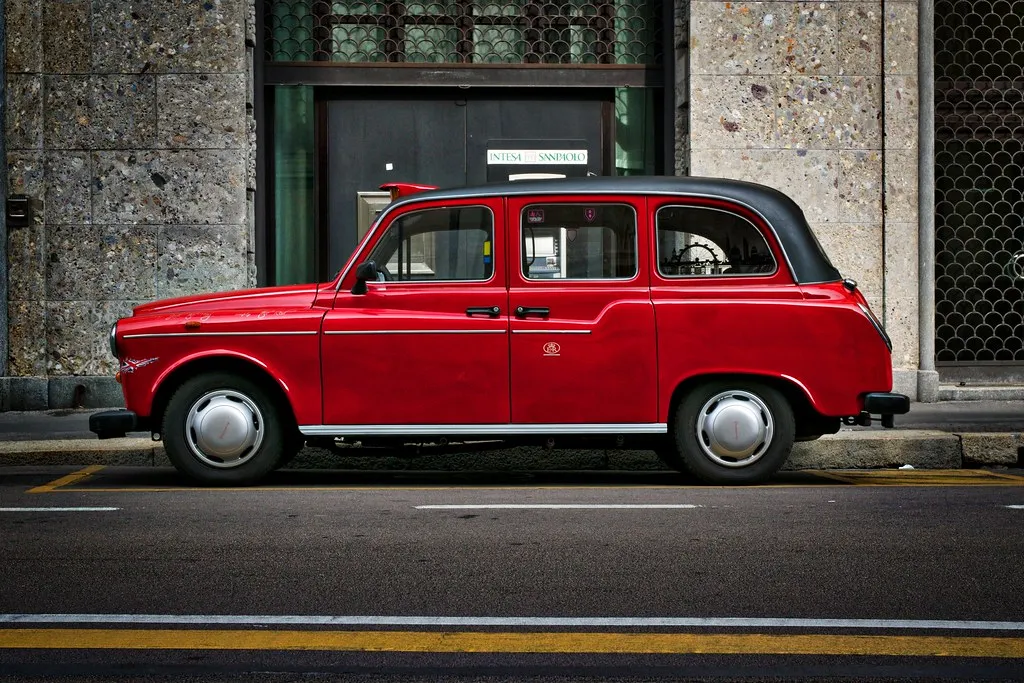
When businessman Harry N. Allen launched the New York Taxicab Company in 1907, introducing the city’s first fleet of gasoline-powered cabs, his imported French vehicles were equipped with “taximeters” to charge fees based on mileage and were originally painted red and green. Yellow was nowhere in the picture at that point. Taxi historian Graham Hodges at Colgate University describes how cab company owners at the time would paint their fleets a signature color, so there were brown and white cabs, some black ones, red cabs, and checkered ones as well as yellow.
During the early twentieth century, individual taxi companies used distinctive fleet colors, and yellow taxi companies operated in New York and other American cities. However, New York taxis were not universally yellow during those early decades. Red, green, orange, black, and other colors could all be seen on the streets.
John Hertz and the Science of Being Seen
In 1915, Chicago entrepreneur John Hertz opened the first Yellow Cab Company in his city. To unify his fleet, Hertz had commissioned a local university study to “scientifically ascertain which color would stand out strongest at a distance” – and yellow won. This wasn’t a gut feeling or a design choice. It was a deliberate, research-backed decision.
Hertz read a University of Chicago study finding that yellow was the most prominent color seen from a distance. Understanding yellow would stand out the most to pedestrians seeking cabs in busy streets, he painted his cabs accordingly. Starting with 40 taxis in 1915, Hertz expanded to 2,700 vehicles by 1925 and eventually reached New York, Philadelphia, and Kansas City.
New York Gets Its Own Yellow Cab Company
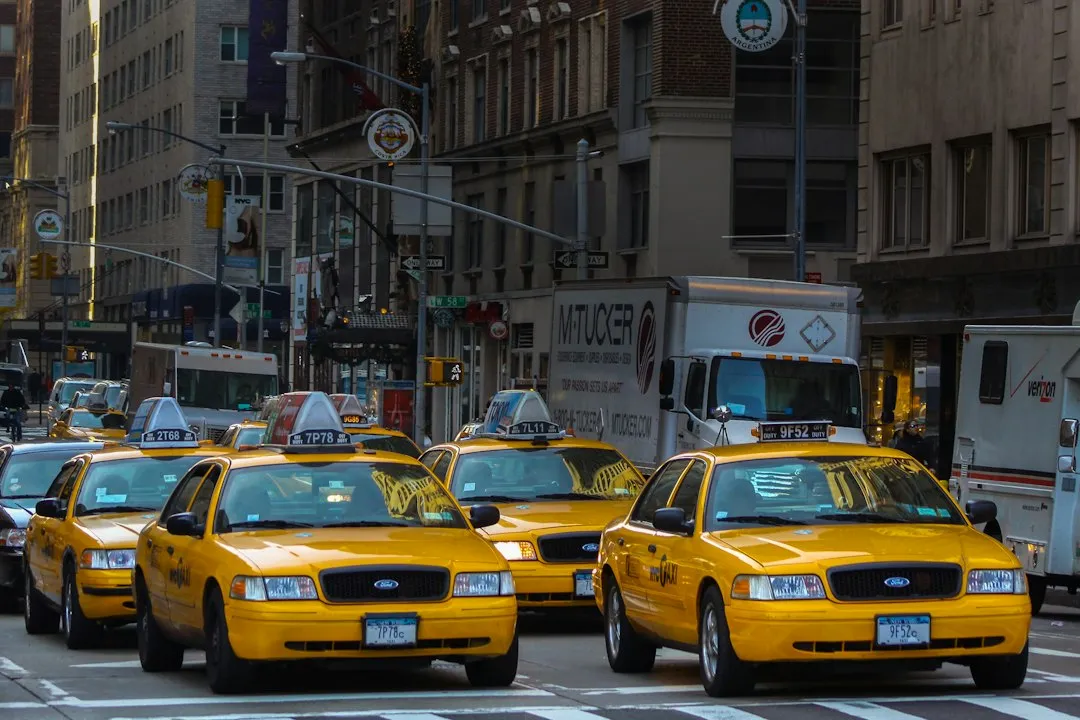
Albert Rockwell was another key player, who started the Yellow Taxicab Company in New York in 1912. Similar to John Hertz, the reason for choosing the bright color was simple: it was most easily spotted. The Yellow Taxicab Co. was incorporated in New York on April 4, 1912, and its fares that year started at 50 cents per mile.
The fare was 50 cents a mile, a rate only affordable to the relatively wealthy. Yellow taxis were already becoming a common presence in the city, but they still weren’t the law. They were simply the smarter commercial choice, and the market was beginning to reflect that.
The Medallion System Changes Everything
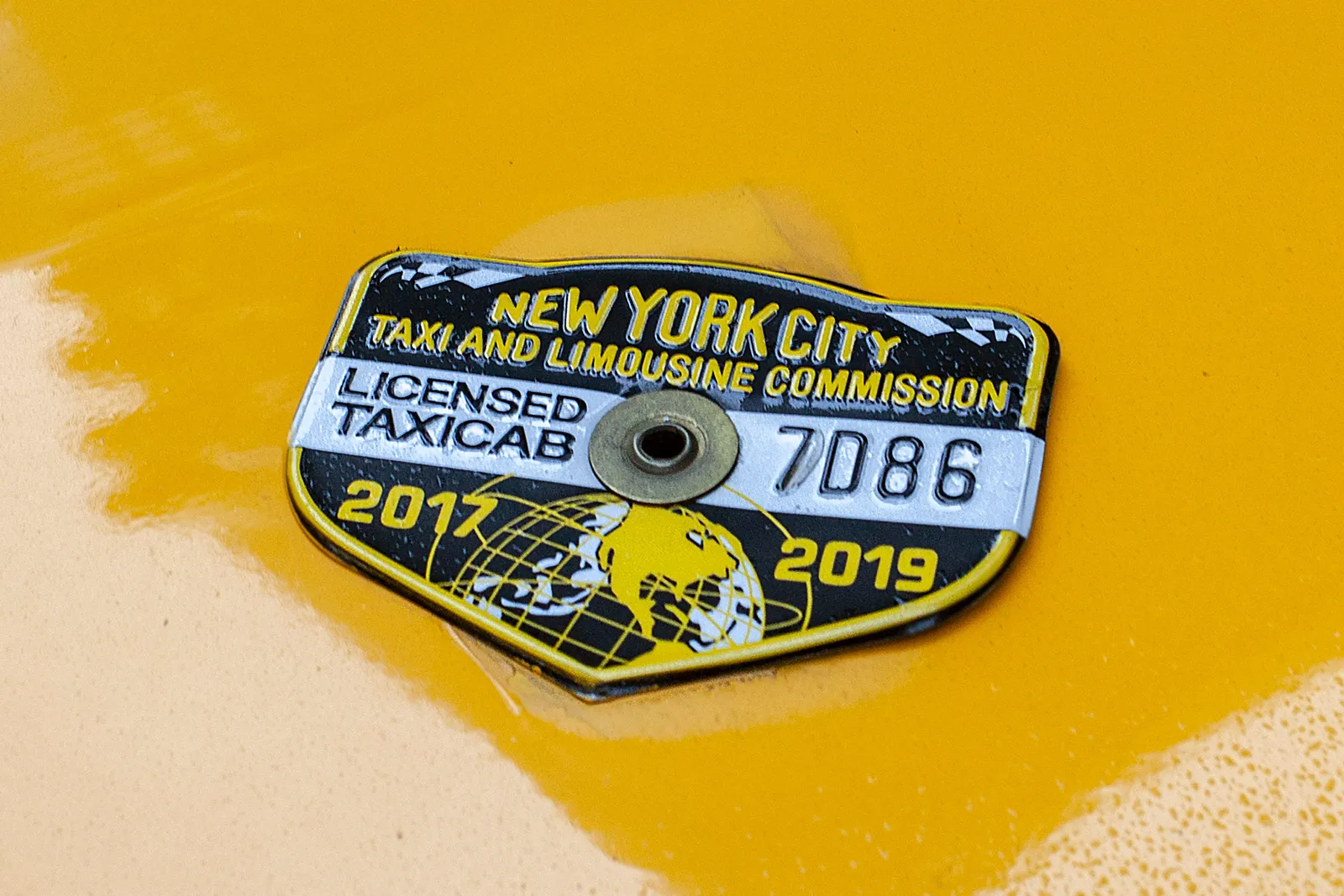
In 1937, Mayor Fiorello H. LaGuardia signed the Haas Act, establishing the taxi medallion system that still defines the yellow-cab industry. The city sold 13,566 medallions for $10 each and limited the number of licensed taxis that could legally pick up passengers by street hail. It was, at its core, an attempt to bring structure to a chaotic, oversaturated market.
Signed into law by Mayor La Guardia, the Haas Act capped the number of legal cabbies at around 17,000, a little over half of what totals had been during the Great Depression. The cap would have some unintended consequences decades later, when a taxi medallion could be worth as much as a million dollars. Nobody could have predicted that in 1937.
The Law That Made Yellow Official
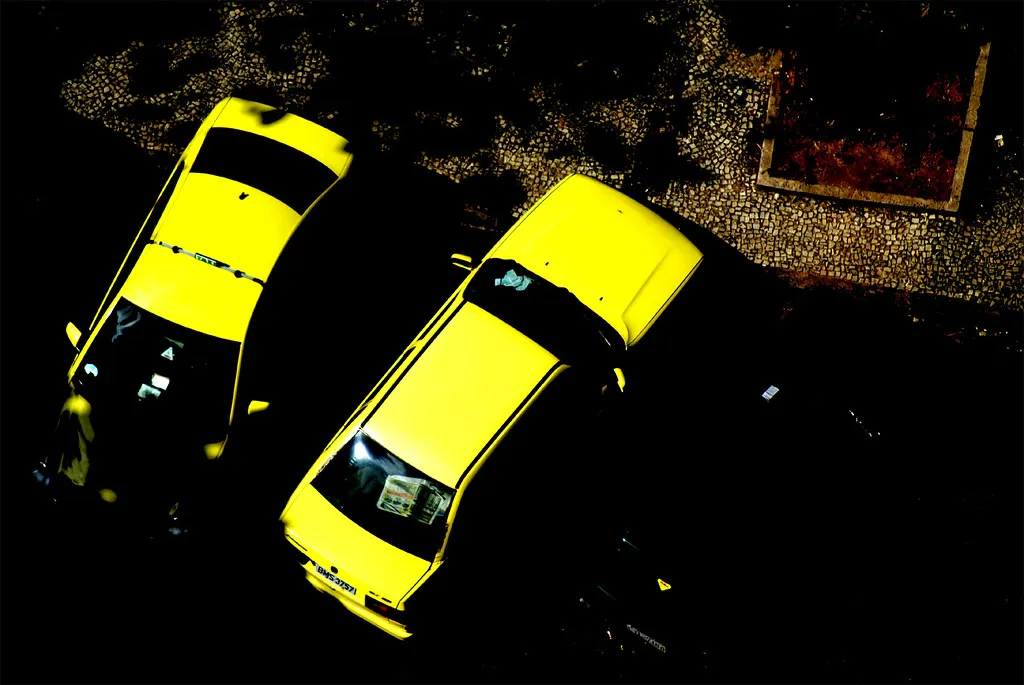
New York City’s taxis are yellow because the city required licensed medallion taxicabs to use a uniform yellow color beginning in 1967. The rule made it easy for passengers to distinguish legal street-hail taxis from private livery cars. Before this moment, yellow was common but not mandatory. After it, yellow became the law.
In 1968, it became law that all medallion taxis must be painted yellow. Mayor John Lindsay said that the color would help the public quickly identify licensed taxis from unlicensed cars. To make it incredibly easy for passengers and police to spot a legally licensed, regulated cab, the city passed a law forcing all official medallion taxis to be painted Dupont M6284 Yellow. The color essentially functioned as a giant, vehicle-sized badge.
The Problem of Unlicensed “Gypsy Cabs”
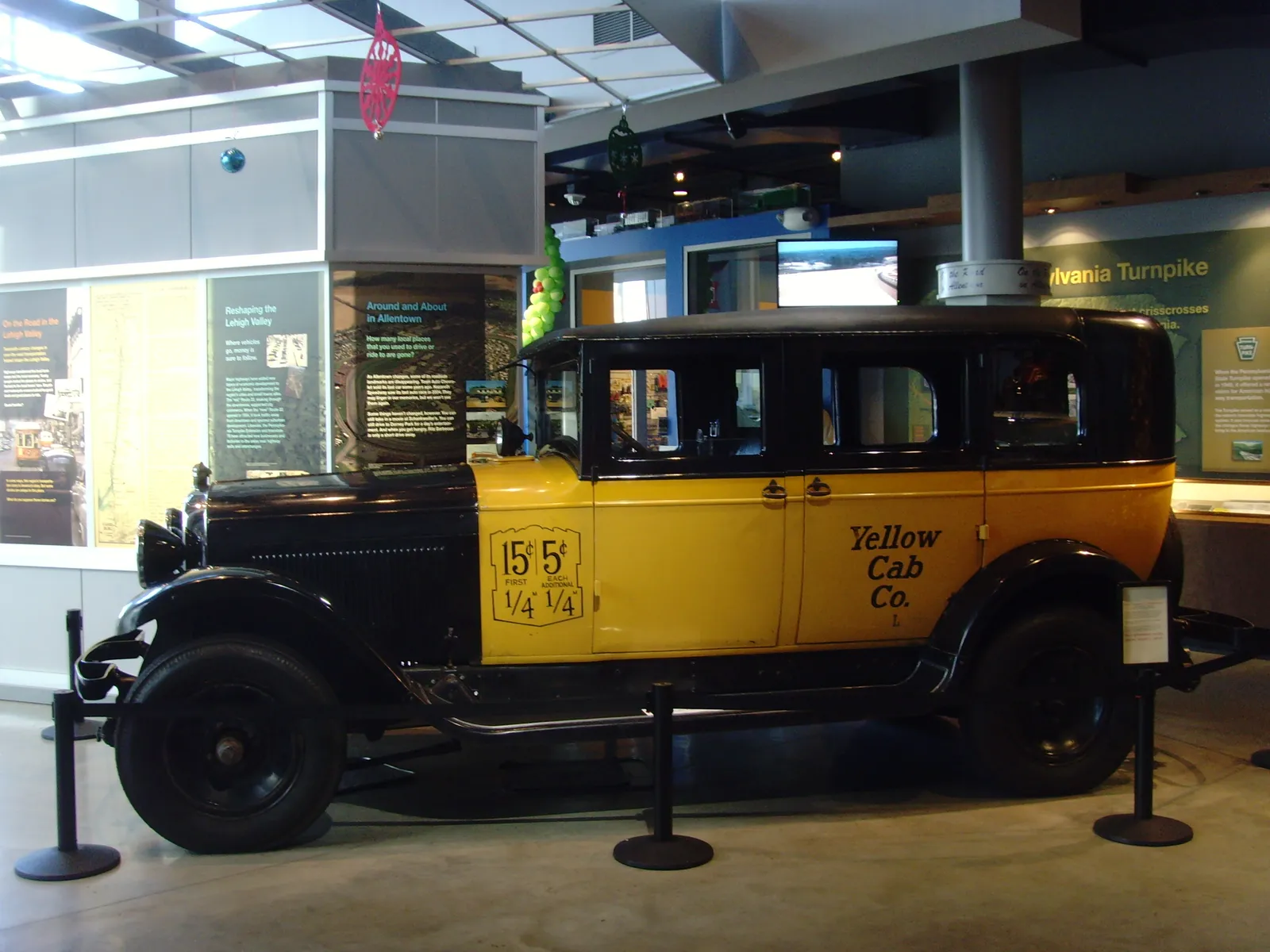
In the 1960s, one of the issues with taxis was the increase in driver discrimination when deciding whether to pick up a passenger or not. In addition, many users could not distinguish a licensed taxi from an unlicensed one, so in the late 1960s, city lawmakers created the requirement that all taxis with medallions have to be yellow. Color became a consumer protection tool.
As documented by Classic New York History, the city was battling a massive influx of unregulated “gypsy cabs” illegally picking up street hails and scamming passengers. Painting every licensed cab a single, standardized, unmistakable color was the city’s practical solution to a real public safety problem.
The Birth of the Taxi and Limousine Commission
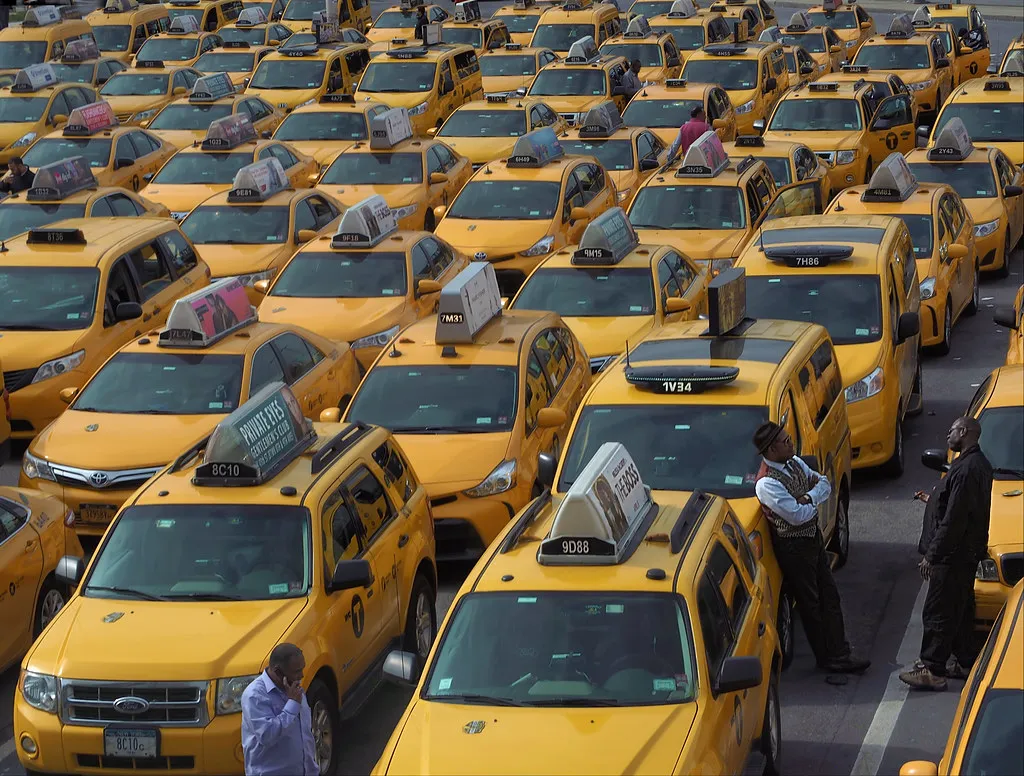
The New York City Taxi and Limousine Commission (TLC) was created in 1971 to license and regulate the city’s yellow medallion taxis and for-hire vehicles, including black cars, livery cars, and luxury limousines. It licenses drivers, vehicles, and dispatch bases, sets fares for taxis, and in recent years has regulated app-based services.
Today, the Taxi and Limousine Commission still specifies an official taxi-yellow paint standard for medallion taxicabs. The yellow body, roof markings, and medallion number remain some of the easiest ways to recognize a legal New York City yellow taxi. In that sense, the visual identity the city locked in during the late 1960s has proven remarkably durable.
Medallion Values: From $10 to Over a Million
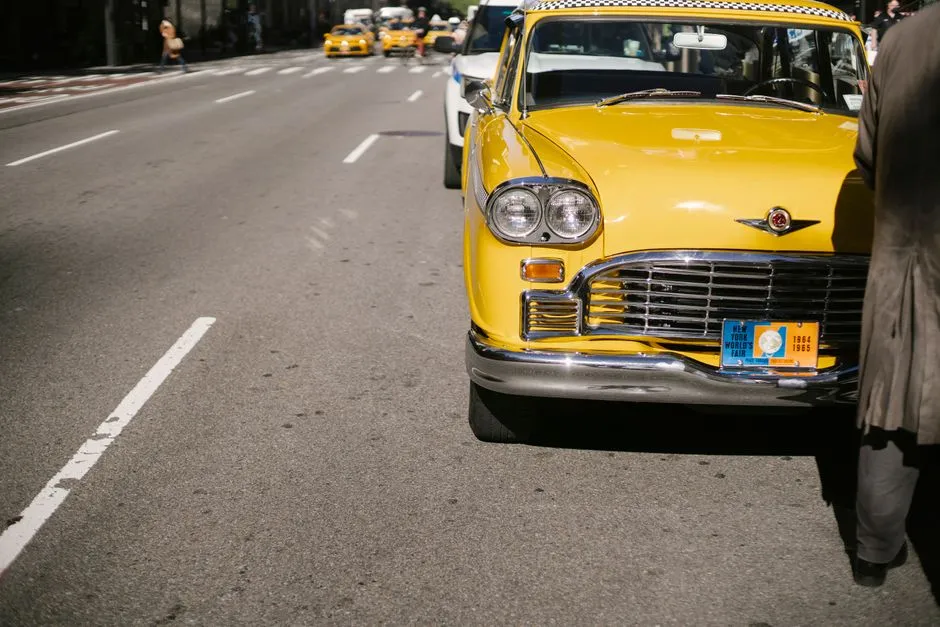
By 1950, the medallions cost $5,000 on average. This price continued to rise up until 2014 when a medallion cost $1.3 million dollars. The logic was simple: a finite number of licenses in the world’s most densely trafficked city meant scarcity, and scarcity drove value.
This system, rooted in the 1937 Haas Act’s imposition of entry barriers to curb perceived oversupply and stabilize fares, created a government-sanctioned monopoly that propelled medallion values to exceed $1 million by the early 2010s, only for them to collapse amid competition from unregulated ridesharing apps like Uber and Lyft, which empirically displaced traditional taxi rides. It remains one of the more dramatic rises and falls in New York City’s economic history.
Yellow Taxis Today: A Fleet Still Running
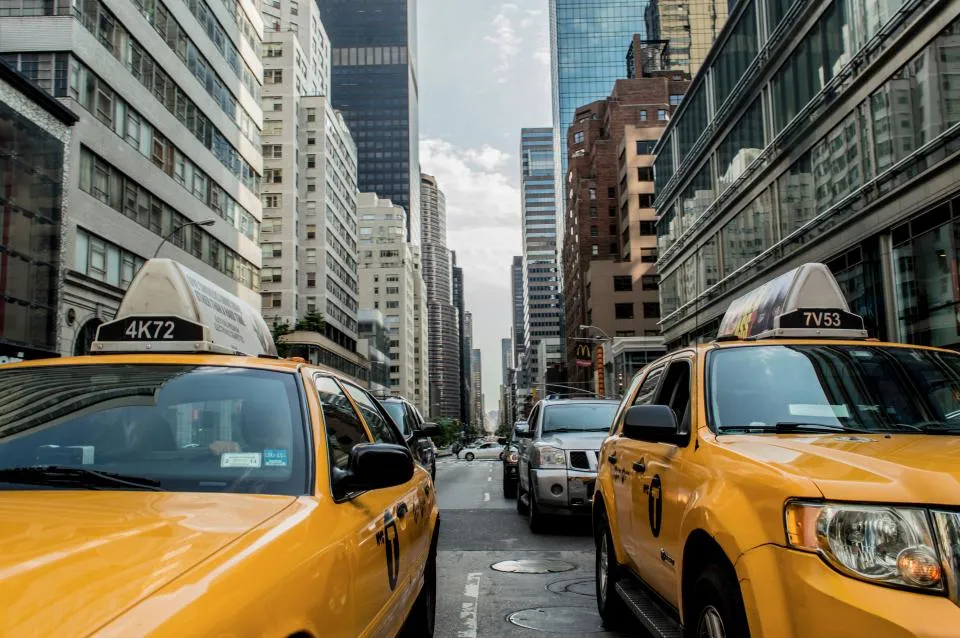
The current TLC fleet includes approximately 13,587 yellow medallion taxicabs. In recent months, yellow taxis have reported about 3.7 million trips each month, representing a steady increase from previous post-pandemic months. In fact, the 3.8 million trips completed in October 2024 were the highest since early 2020.
Taxi trips overall are at about half to slightly more than half of pre-pandemic levels, even before 2020 there were 11 to 13 million trips completed each month in 2015 and 6 to 8 million completed each month in 2019. The fleet is smaller and the competition is fierce, but the yellow cab is still very much active on those streets.
Accessibility and the Modern Yellow Cab

The TLC fulfilled its commitment to make 50% of the yellow taxis on the road wheelchair accessible. By the end of 2025, there were over 6,000 accessible taxis in service, six percentage points beyond the 50% target. That’s a meaningful shift for a city as dense and transit-dependent as New York.
Despite all of the specialization furnished by the various newcomers to the for-hire world, yellow medallion taxicabs remain to this day the only vehicle legally authorized to respond to street hails. That privilege, tied directly to the yellow paint and the medallion on the hood, is the one thing ride-hailing apps still cannot replicate on the sidewalk.
The Takeaway
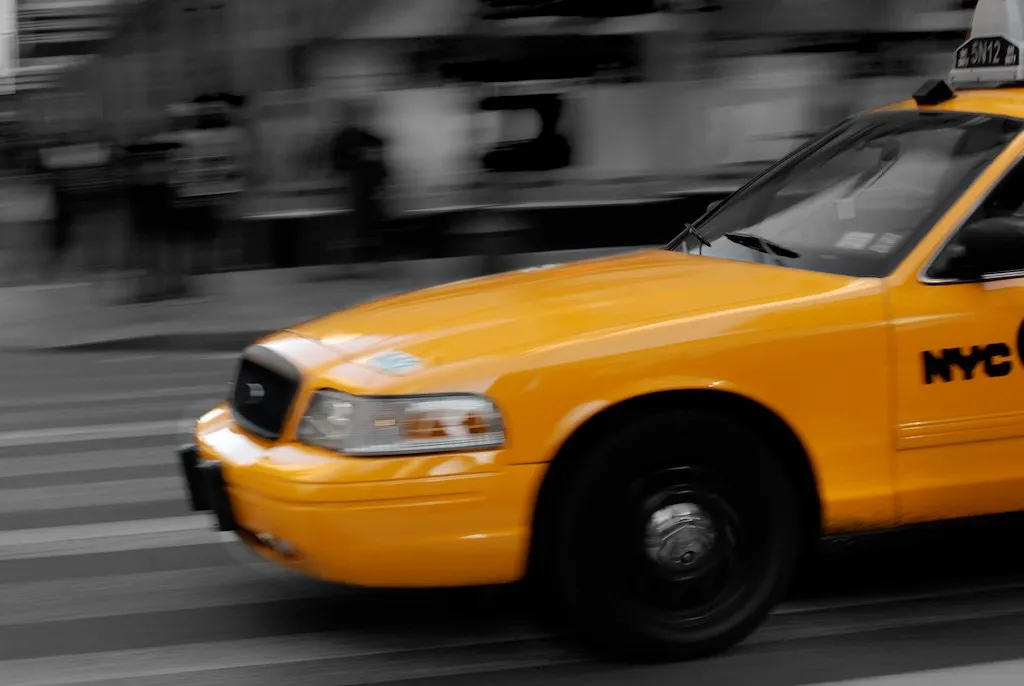
The yellow color of New York City’s taxis didn’t happen by accident or whim. It began with a businessman reading a university study about visibility, grew through commercial competition, and was eventually locked into law to protect passengers from fraud and confusion. Ultimately, yellow works because we’ve been conditioned to know exactly what it means. It started as an optical trick, became a law enforcement tool, and survived into the digital age as a pure cultural reflex.
That’s a long journey for a color. From the streets of 1910s Chicago to a legal mandate in late 1960s New York to the glossy hoods cruising Sixth Avenue today, the shade has outlasted economic crashes, regulatory upheavals, and the arrival of app-based rivals. It’s one of the most recognizable signals in urban life, and it earned that status the hard way.
AI Disclaimer: This article was created with the assistance of AI tools and reviewed by a human editor.