
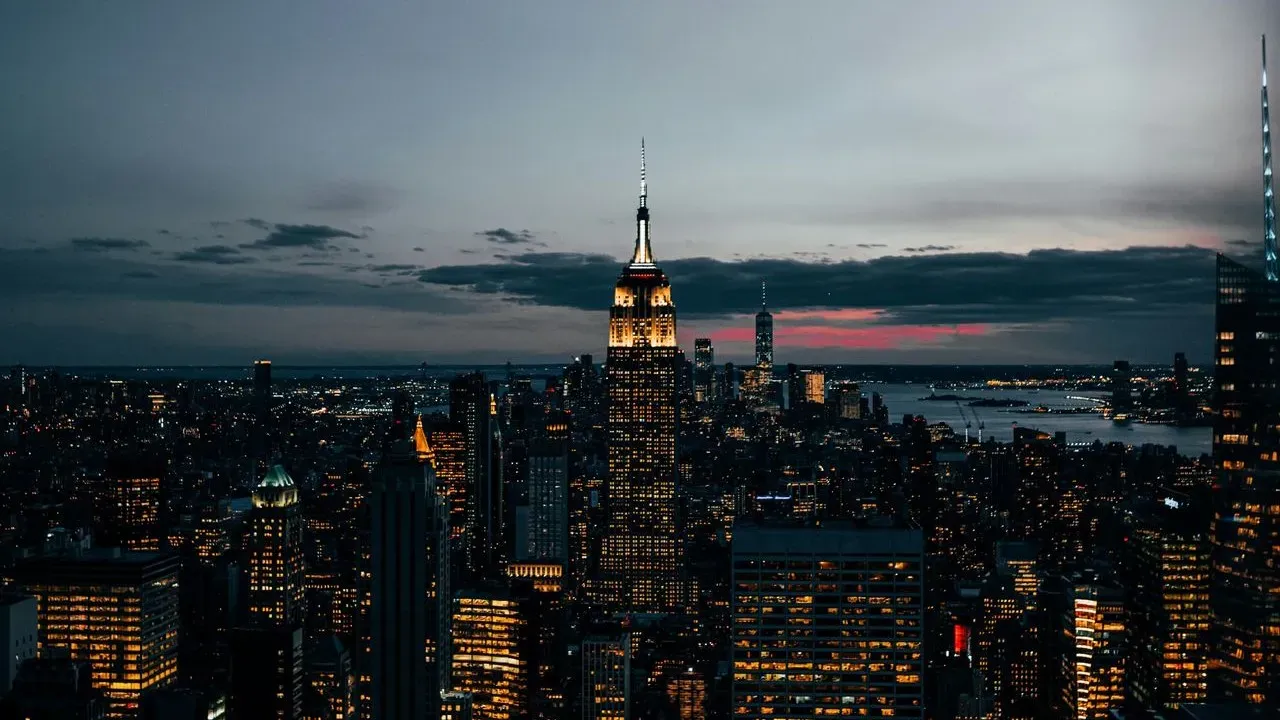

New York has long drawn visitors eager to walk its layered streets and step inside buildings that have witnessed centuries of change. A recent survey of reported sightings places the state at the top of a national list, with the data pointing to its dense concentration of historic sites as a contributing factor. This finding arrives as autumn deepens and many travelers seek quieter ways to connect with the city’s past. The stories attached to these places offer a window into the people and events that shaped Manhattan long before the modern skyline rose.
The Survey That Sparked Fresh Interest
A study compiled by Casino.ca examined documented ghost sightings across the United States over the past century and found New York leading with roughly 160,198 reports, or about 81 sightings per 10,000 residents. Texas and Louisiana followed at lower rates. The numbers reflect public submissions and historical accounts rather than verified paranormal activity, yet they have prompted renewed attention to the Empire State’s older neighborhoods and preserved structures. For travelers, the ranking serves mainly as an invitation to explore the documented history that underpins such lore.
Morris-Jumel Mansion and Its Revolutionary-Era Residents
In Washington Heights stands the Morris-Jumel Mansion, the oldest surviving residence in Manhattan. Built in the 1760s, the house served as George Washington’s headquarters during the Revolutionary War and later became home to Eliza Jumel and her husband Aaron Burr. Today the site operates as a museum where visitors can examine period furnishings and learn about the lives of its former occupants. The building’s long tenure has naturally given rise to stories of lingering presences, including accounts tied to Burr’s final years and a Hessian soldier said to have met his end on the premises. Guests who tour the rooms often leave with a deeper appreciation for the architectural details and the political dramas that unfolded within its walls.
Fraunces Tavern and the Echoes of 1783
Downtown, Fraunces Tavern continues to operate in a structure dating to 1719. George Washington hosted a farewell dinner for his officers here at the close of the Revolutionary War, and the site has remained a gathering place through subsequent centuries. Historical records note the presence of Anna Gardie, a dancer whose life ended tragically in the building in 1798. Staff and visitors have described unexplained sounds that some interpret as echoes of earlier gatherings. The tavern’s museum component now offers exhibits on early American hospitality and the role the establishment played in the nation’s founding, allowing travelers to engage with that heritage directly.
Chelsea Hotel and the Artists Who Passed Through
Further uptown, the Chelsea Hotel has sheltered generations of writers, musicians, and visual artists since its opening in the late nineteenth century. Its corridors and rooms have been the setting for both creative work and personal hardship, including well-documented incidents involving residents such as Nancy Spungen and Sid Vicious. The building’s distinctive architecture and its place in New York’s cultural history continue to attract those interested in the city’s artistic legacy. While some accounts mention reported apparitions or unusual elevator behavior, the hotel’s enduring appeal lies in its tangible connection to the creative figures who lived and worked there. Preservation efforts keep its public spaces accessible for those who wish to experience its atmosphere firsthand. Travelers drawn to New York by its reputation for layered stories often find that the real reward lies in the careful preservation of these sites. Walking through their rooms and reading the documented histories provides a grounded way to appreciate the city’s past, especially during the reflective weeks of late October. The places remain open to visitors who approach them with curiosity and respect for the lives once lived within their walls.
AI Disclaimer: This article was created with the assistance of AI tools and reviewed by a human editor.