
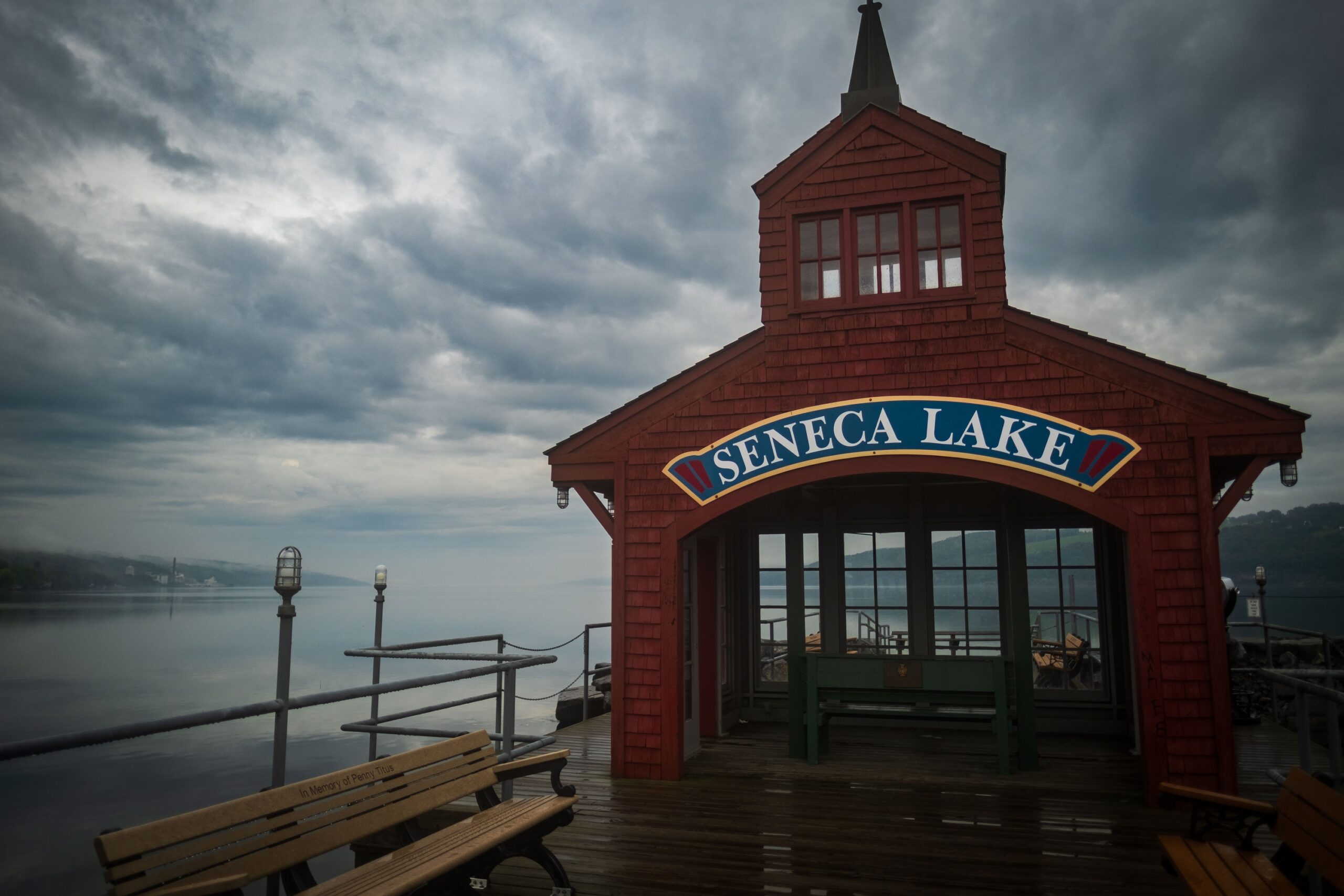

There’s a particular kind of Friday afternoon energy that spreads through certain parts of Manhattan and Brooklyn when summer arrives. Bags packed, reservations confirmed, conversations turning to gorges and wine trails and lake views. The destination, more often than not, is Watkins Glen – a small village anchored to the southern shore of Seneca Lake in New York’s Finger Lakes region, and the one place many city dwellers return to, season after season, almost instinctively.
Known for its wineries, waterfalls, and eleven stunning glacial lakes, the Finger Lakes region is one of New York’s most-visited attractions outside New York City. Watkins Glen sits at its dramatic center. What keeps drawing people back isn’t just the scenery, though that’s considerable. It’s the rare combination of things to do, things to taste, and things to simply sit with – all within a few miles of each other.
A State Park That Earns Every Superlative
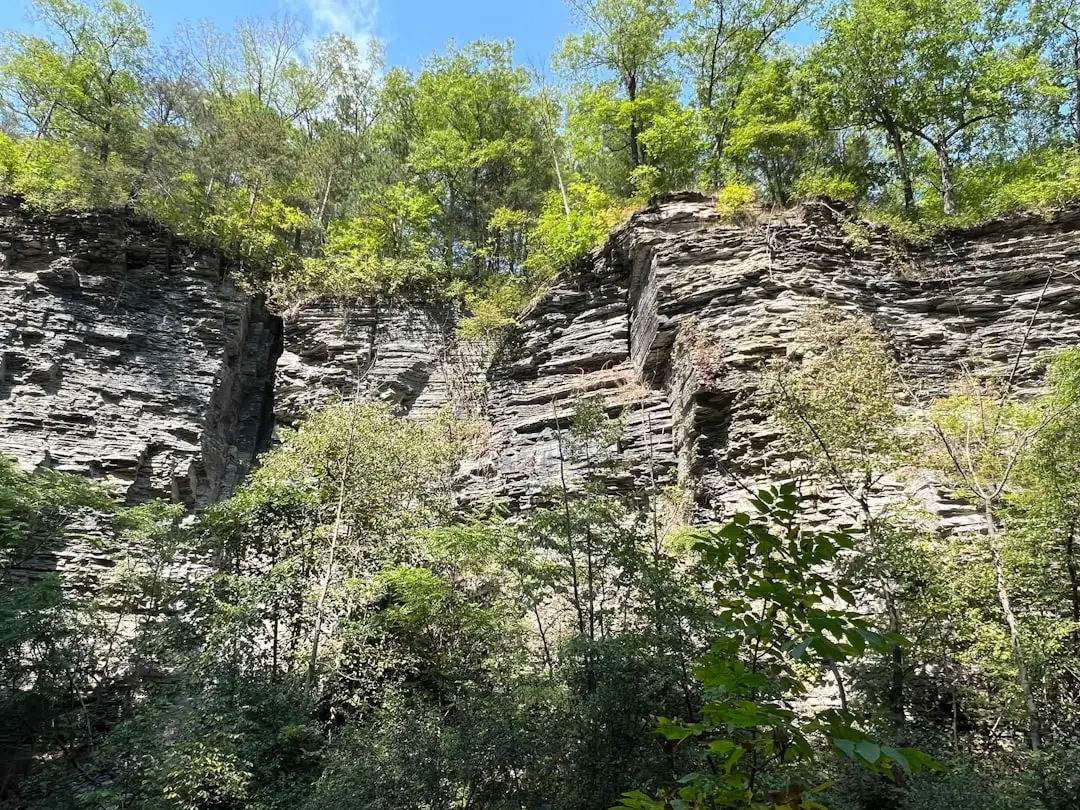
The village of Watkins Glen is a gateway to Watkins Glen State Park, one of the prettiest parks in the country, welcoming over 1.2 million visitors in 2023. That number reflects something real: this isn’t a place discovered by a single travel blog. It has genuine, sustained draw.
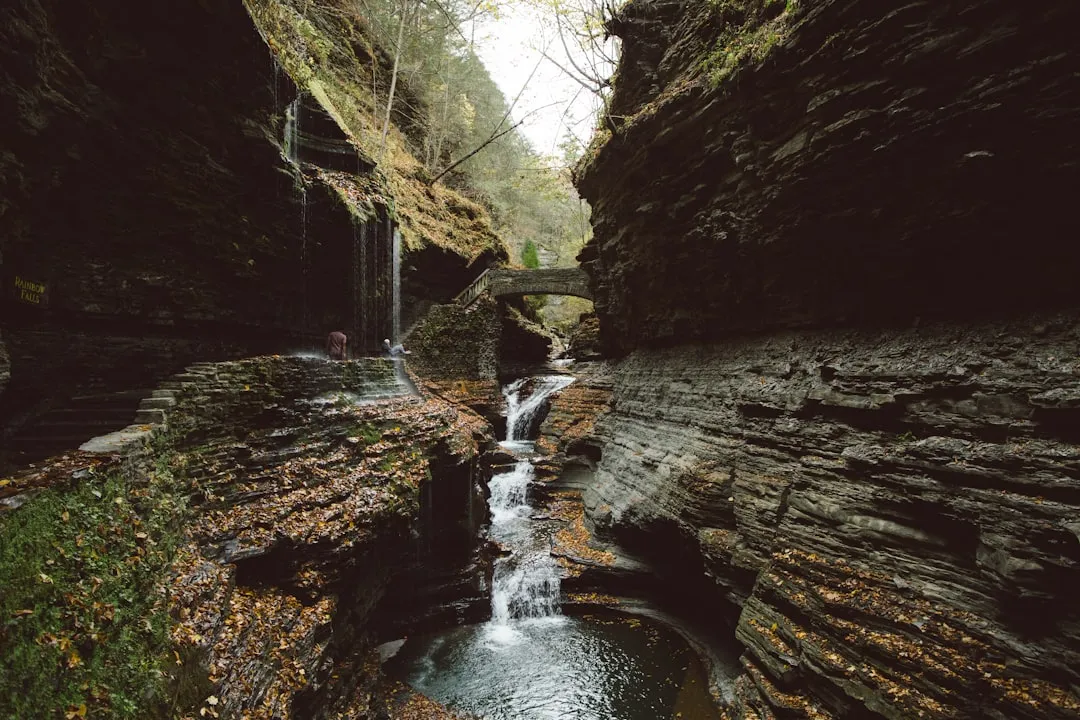
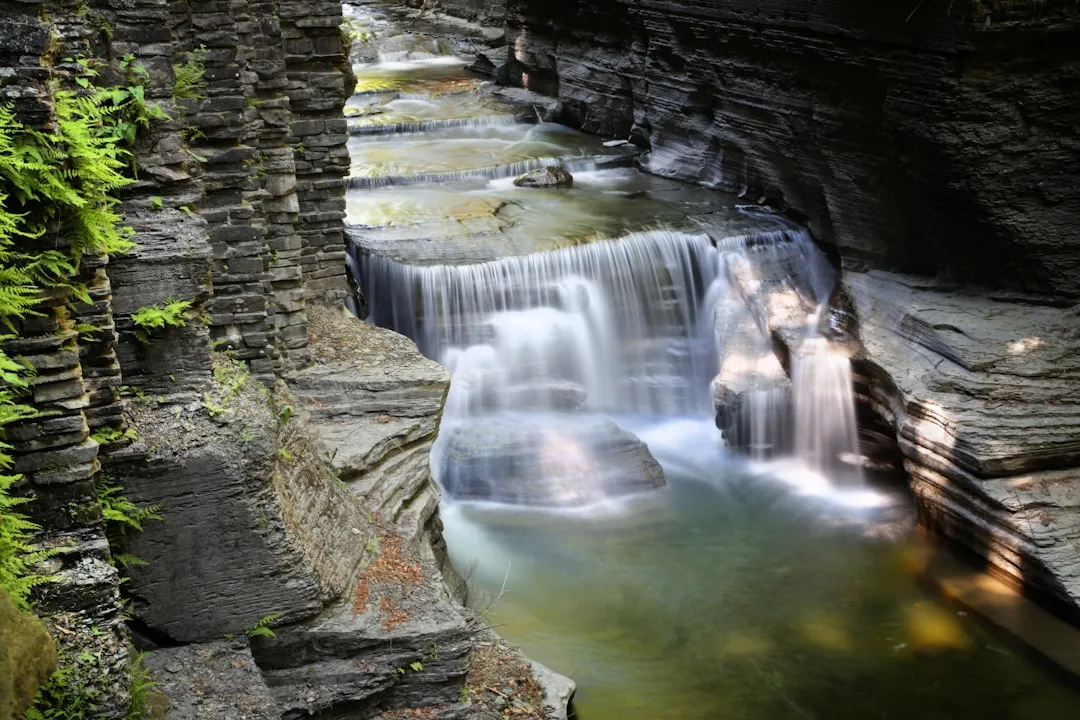
Famous for its 19 spellbinding waterfalls, 200-foot cliffs, and majestic gorge, visitors describe the park as nothing short of ethereal. The trail carves through a narrow stone corridor where light filters in from above and water runs alongside your feet almost the entire way. It’s the kind of hike that feels completely otherworldly for anyone accustomed to flat sidewalks.
The Gorge Trail at Watkins Glen State Park climbs past 19 waterfalls and beneath 200-foot cliffs, sometimes passing right behind the water. It is the headline attraction in Watkins Glen, where a walkable downtown of shops and local restaurants rounds out the day.
The Largest Wine Trail in New York State
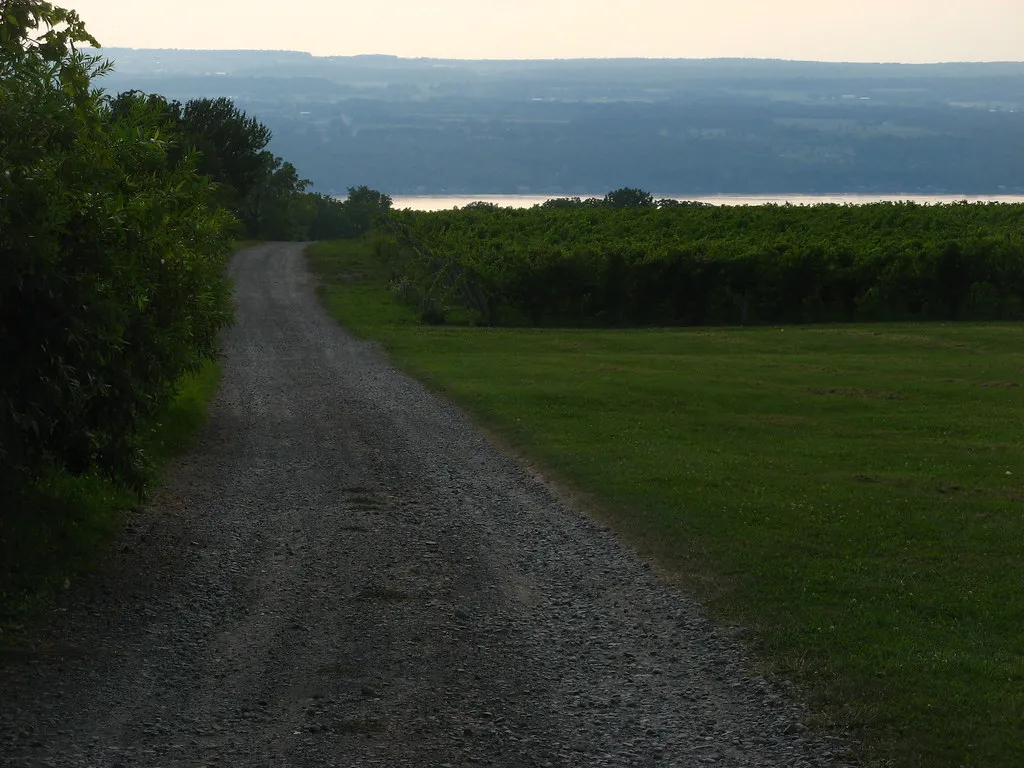
The Seneca Lake Wine Trail has more than 30 wineries lining the shores of Seneca Lake and is known as the largest and most visited wine trail in New York State, offering an unmatched experience with hundreds of distinctive, award-winning wines. Watkins Glen anchors the southern end of this circuit, making it the natural base for anyone wanting to explore it properly.
The region specializes in Riesling, Pinot Noir, Chardonnay, Cabernet Franc, as well as sparkling wines and ice wines. These aren’t novelty pours. The cool-climate conditions that the long, deep lake creates produce wines that have attracted serious critical attention for years.
As the deepest of New York’s Finger Lakes and one of the deepest in North America, Seneca Lake’s unique characteristics create an ideal climate for growing grapes. The member wineries offer tastings of more than 600 locally produced wines.
America’s Best Wine Region, Officially Recognized
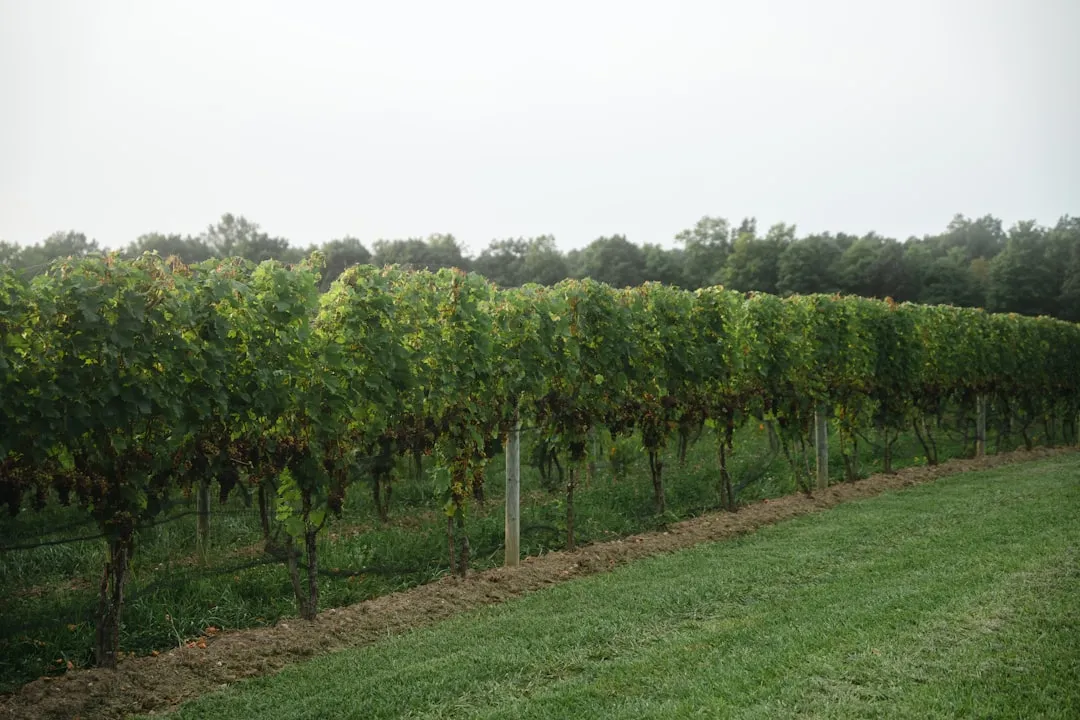
The Finger Lakes is Wine Enthusiast’s 2025 Wine Star Award American Wine Region of the Year, honoring two centuries of innovation, sustainability, and cool-climate excellence. That honor placed the region on a global stage and drew a wave of renewed attention from travelers who had not yet made the trip.
Wine Enthusiast recognized the region’s world-class Riesling, Cabernet Franc, Blaufränkisch, and traditional-method sparkling wines. With more than 140 family-owned wineries across Seneca, Keuka, and Cayuga Lakes, the Finger Lakes offers an intimate wine country experience rooted in nearly 200 years of winemaking tradition.
Through the New York Sustainable Winegrowing Program, 55 vineyards are now Certified Sustainable, and more than 30 wineries proudly display the Sustainability Trustmark on their labels. For travelers who care about how their wine is grown, that matters.
An Economy Thriving on Genuine Visitor Interest
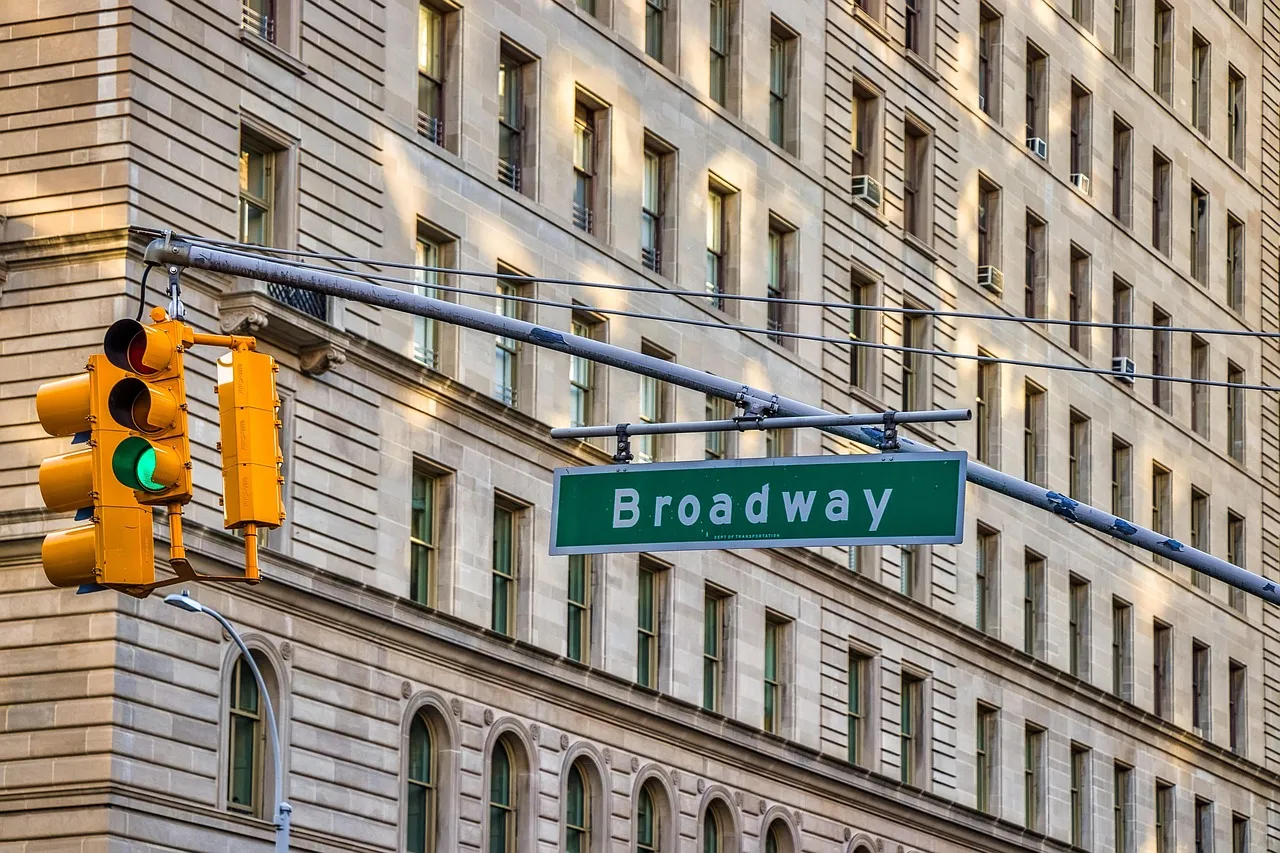
Across New York State, visitor spending climbed to $94 billion in 2024, a healthy 6.7% increase over the previous year. The Finger Lakes region saw a 2.1% increase, representing a $4.6 billion industry that supports more than 55,000 jobs. These figures reflect real economic momentum, not a temporary post-pandemic surge.
In 2024, tourism in Ontario County generated $377.7 million in visitor spending, with traveler activity producing $44.9 million in state and local taxes, reflecting a strong demand for the county’s robust travel product portfolio. That spending supports local restaurants, family farms, independent inns, and small wineries – the very things visitors come to experience.
Tourism officials in Cayuga County say visitors spent more than $157 million locally in 2024, supporting jobs, businesses, and local tax revenue across the county. The economic story here is distributed across communities, not concentrated in a single resort complex.
A Drive That Fits a Friday Evening
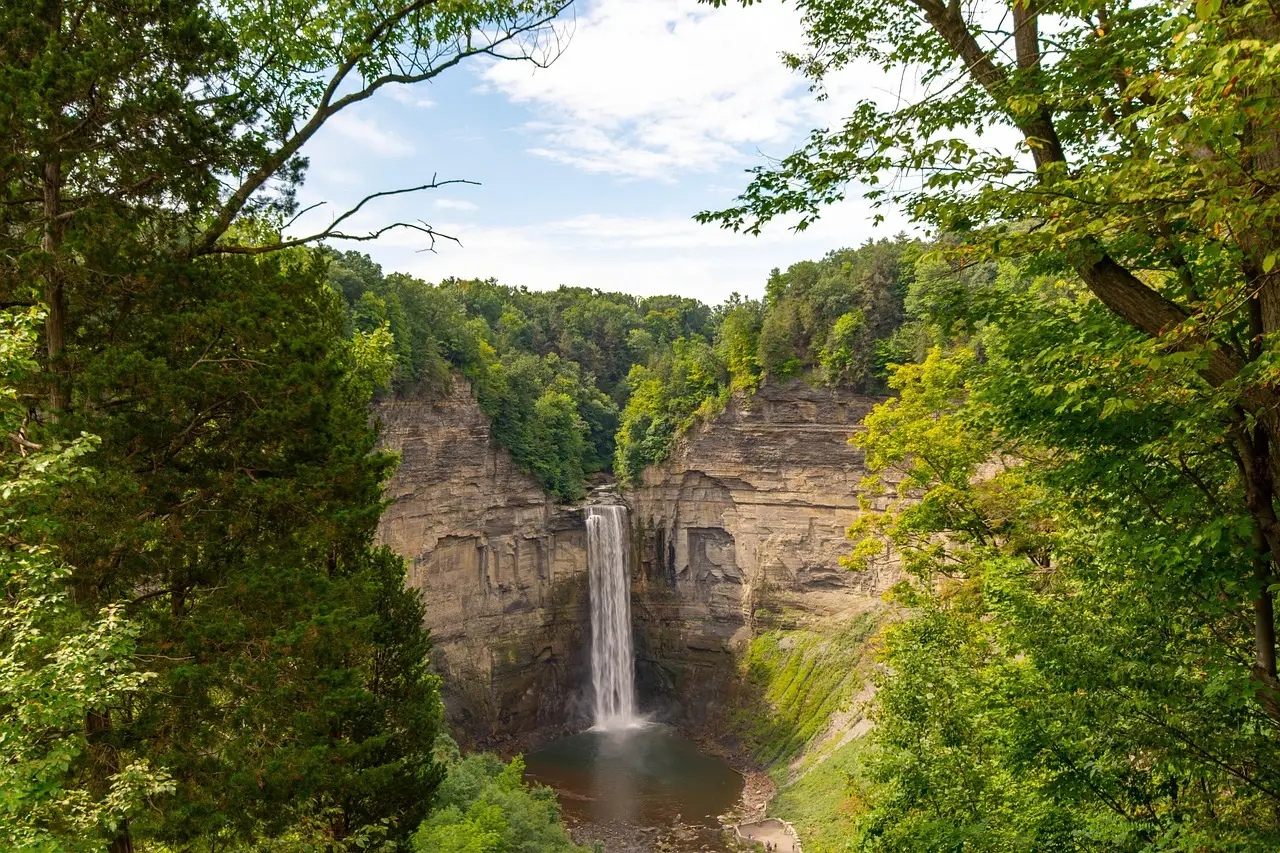
Conveniently located just a short drive from New York City, Toronto, Boston, Pittsburgh, Philadelphia, Baltimore, Washington D.C., Cleveland, and more, the Finger Lakes are easily accessible for travelers near and far. For New Yorkers specifically, Watkins Glen sits roughly four and a half hours up the highway – far enough to feel like a genuine escape, close enough to leave after work on a Friday.
The drive itself rewards patience. The last hour through rolling vineyard hills and past lake overlooks transitions you out of city mode before you’ve even unpacked. That psychological shift is part of what people come for, and it begins on the road.
On the Water: Seneca Lake Beyond the Shore
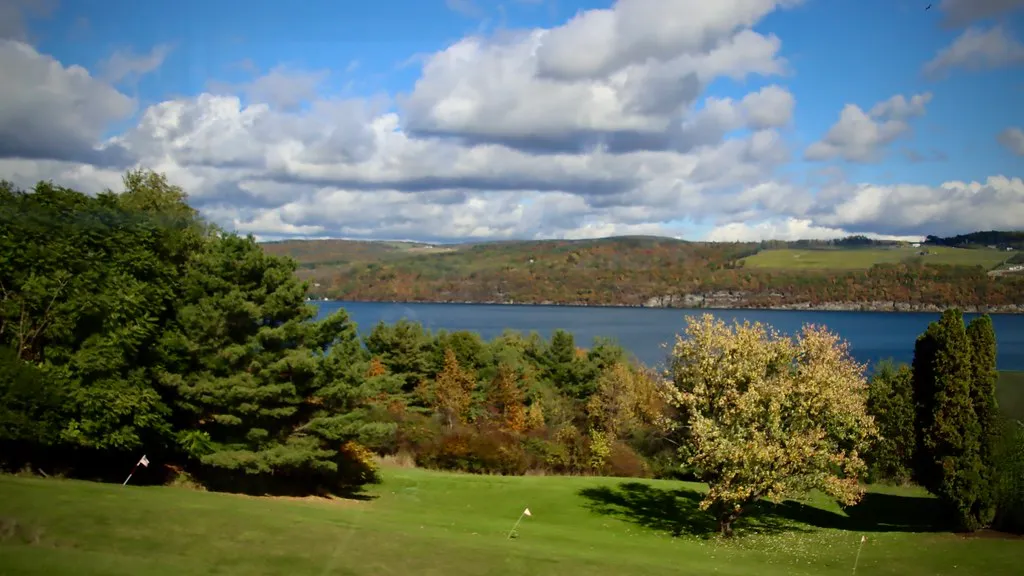
Seneca Lake is the largest of the Finger Lakes by volume and a center for fishing, boating, and sailing. Visitors who spend their first morning on the hiking trail often spend their afternoon out on the lake, which gives the town a layered quality – you can be genuinely active all day without once repeating yourself.
In the village of Watkins Glen, at the southern end of Seneca Lake, you can spend the day hiking dramatic gorges, sipping award-winning wines, and cruising the lake, all within just a few miles of each other. That concentration is unusual. Most destinations of this scenic quality spread their highlights across a much wider geography.
Visitors can get the best lake view with a sunset or moonlight cruise aboard the schooner “True Love” with Schooner Excursions. The two-hour sail includes local wine, hand-picked berries, and locally sourced cheeses. It’s a quiet, unhurried experience that feels appropriately proportionate to the setting.
Racing Culture and a Different Kind of Weekend Pulse
The town also hosts Watkins Glen International, the road course that holds a NASCAR Cup Series weekend each summer and the Sahlen’s Six Hours of The Glen sports car race in June. These events bring an entirely different kind of energy to the village and draw visitors who have no particular interest in waterfalls or wine.
Watkins Glen International is recognized as the birthplace of American road racing, and visitors have the opportunity to drive the storied road course in their own cars. For a certain type of traveler, that experience alone justifies the trip. The coexistence of race culture and vineyard culture in one small town is genuinely unusual, and it gives Watkins Glen a breadth that most comparable villages simply don’t have.
Where to Sleep: Waterfront Calm and Winery Stays
The Watkins Glen Harbor Hotel has been named America’s Most Beautiful Waterfront Hotel by USA Today readers, offering lake luxury at its finest. It sits directly on the water and is one of the more polished lodging options in the region, with views that make a late check-in feel entirely worthwhile.
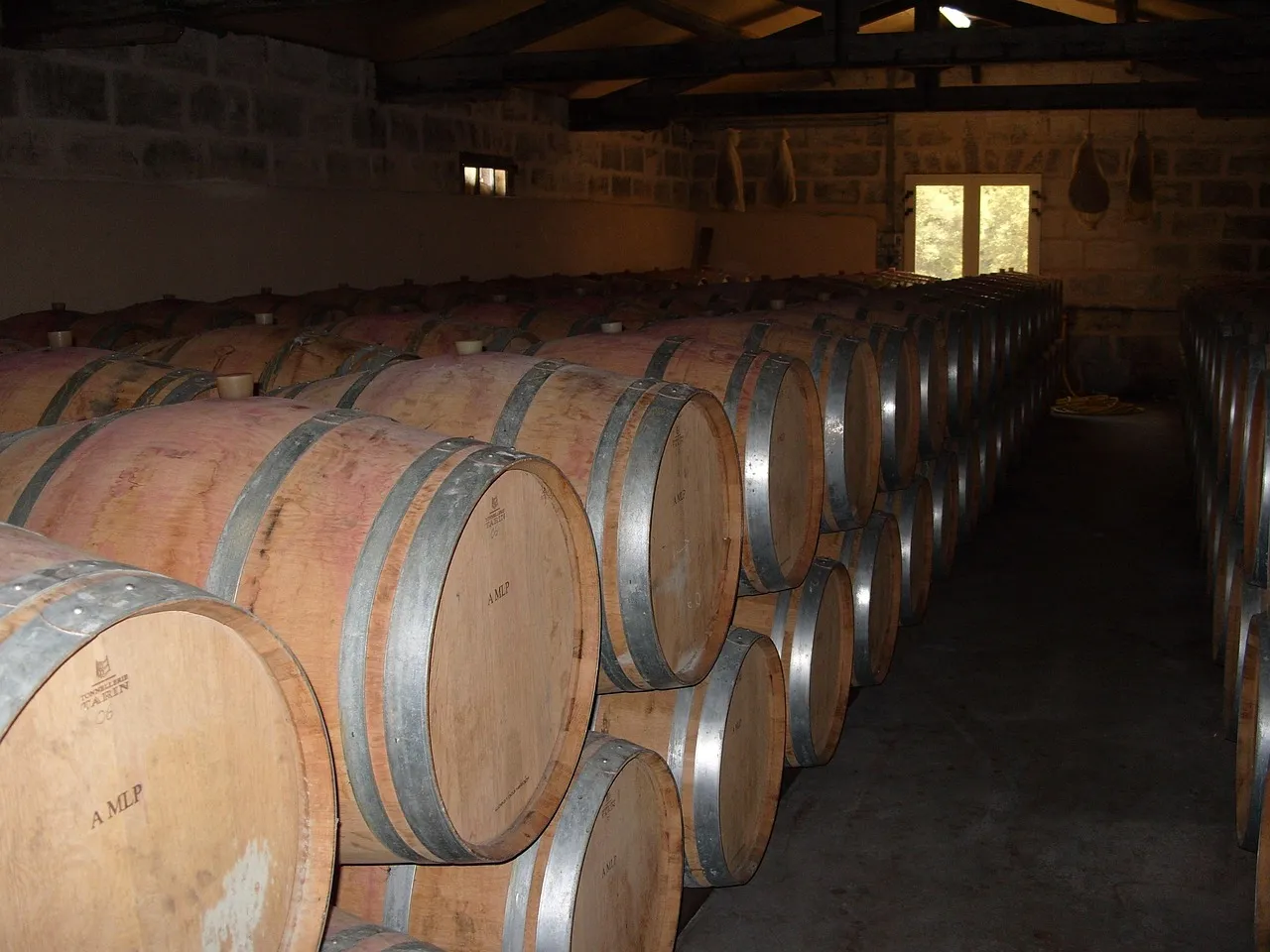
Glenora Wine Cellars in Dundee, located on Seneca Lake, is a beautiful winery resort that has been producing award-winning wines and offering year-round hospitality since 1977. The thirty-room Inn at Glenora offers stunning views and an atmosphere of simple elegance. Staying at a working winery changes the rhythm of a weekend in the best way – mornings begin with vineyard air and very good coffee.
Food and Farms: Eating Close to the Source
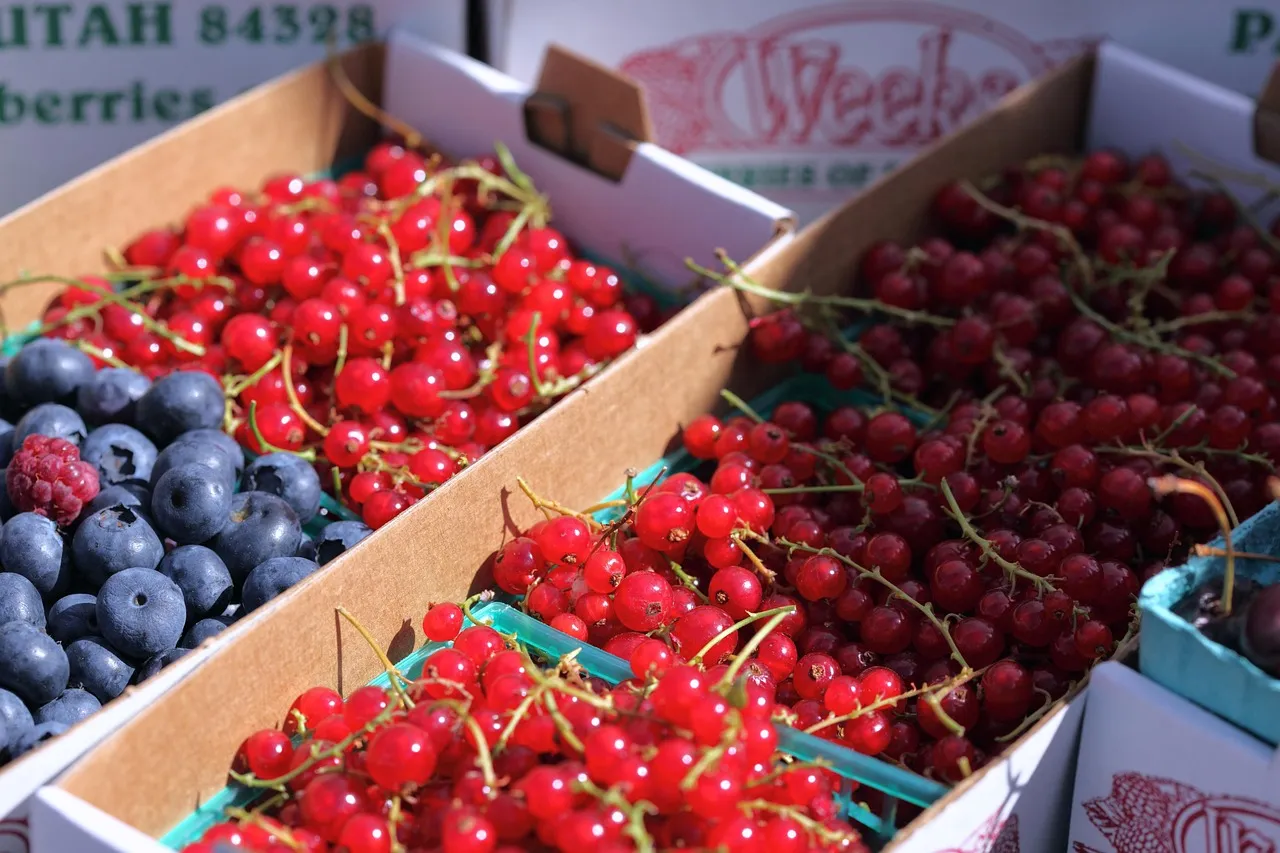
The great appeal of the Finger Lakes includes not only scenic hikes and charming villages, but also vibrant college towns, quaint family farms, top-tier dining experiences, and picturesque wineries. The food culture around Watkins Glen leans heavily on local sourcing, which reflects both the agricultural richness of the region and the preferences of its visitors.
Geneva, just north of Watkins Glen along Seneca Lake, has a dynamic downtown area home to farm-to-table restaurants, craft breweries, wineries, and farmers’ markets. Many visitors base themselves in Watkins Glen and make the drive north for lunch or dinner, treating the lakeshore road as a scenic connector between meals.
The broader culinary landscape rewards curiosity. Farmstands, cheesemakers, and small smokeries appear along the rural routes between wineries – provisions for a picnic, or simply an excuse to pull over and talk to someone who actually grew the food.
All Four Seasons Have a Reason
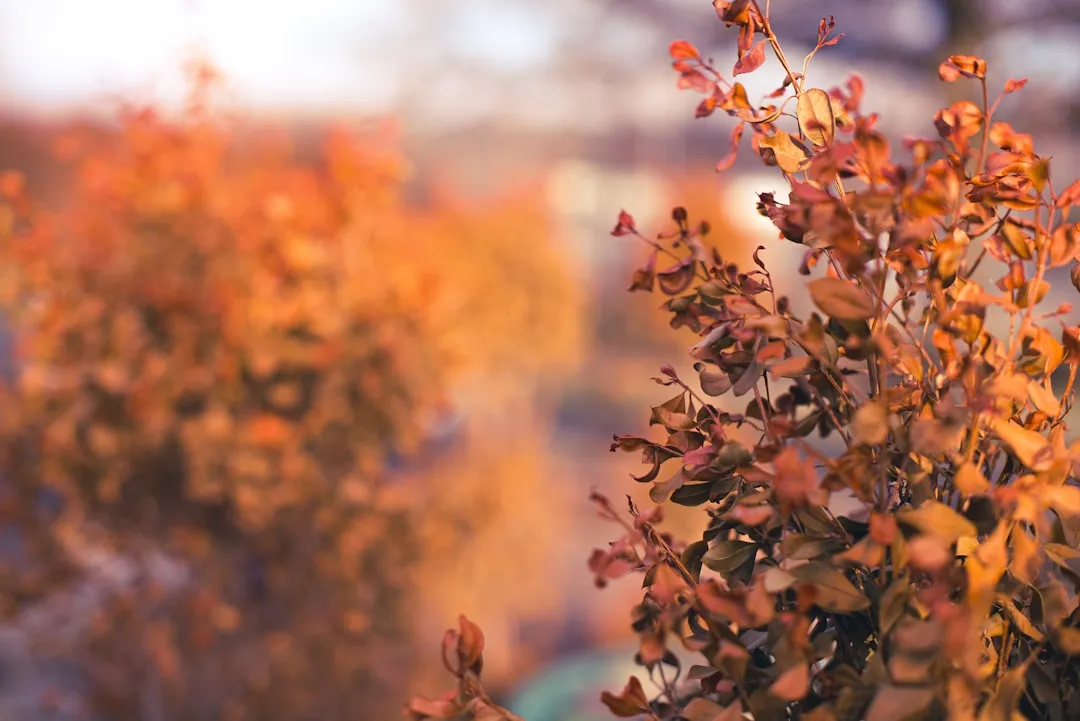
With summer being the park’s busiest season, autumn is one of the best times to experience Watkins Glen State Park’s splendor without shoulder-to-shoulder crowds. The gorge in fall is remarkable – the light changes, the foliage reflects in the water, and the trails feel considerably more personal.
When asked when is the best time to visit Seneca Lake, the answer is simple: there’s no wrong season. Each time of year brings something completely different to the experience. Winter brings quieter tasting rooms where winemakers have more time to talk. Spring opens the trails again and fills the hillsides with green. Every visit, even to the same places, lands differently.
National recognition has raised the region’s profile, but the Finger Lakes region hasn’t become overpriced or over-touristed yet. That particular balance – celebrated but still accessible, beautiful but not precious – is increasingly rare, and it may be the most honest explanation for why New Yorkers keep returning.
The Quiet Case for Going Back
Watkins Glen is not the kind of place that needs to compete for your attention with elaborate spectacle. The gorge does its work. The wine is genuinely good. The lake is vast and calm and blue in a way that’s hard to describe after a week in the city. It earns its reputation through substance rather than through marketing.
The Finger Lakes region now represents a $4.6 billion tourism industry supporting more than 55,000 jobs, but the on-the-ground experience at Watkins Glen still feels remarkably human-scaled. The wineries are family-run. The hikes are self-guided. The pace is yours to set.
That’s the thing about a place people return to rather than simply visit once. It tends to be somewhere that respects your time, meets you where you are, and leaves you with something you didn’t expect to find. Watkins Glen does all three, with a consistency that four-hour Friday drives are made of.
AI Disclaimer: This article was created with the assistance of AI tools and reviewed by a human editor.