

There’s a particular moment on the northbound train out of Grand Central when the skyline finally gives way to trees, and the Hudson River starts showing up on one side of the tracks instead of buildings on both. Most riders headed for a certain Putnam County village know exactly when that shift happens, because it’s usually around then that they stop checking their phones. What waits at the end of that ride isn’t a resort town or a place built for tourists.
It’s a village of fewer than two thousand people that has quietly become one of the most reliable weekend habits for city dwellers who want distance without complication.
An Hour and Ten Minutes Out of Manhattan
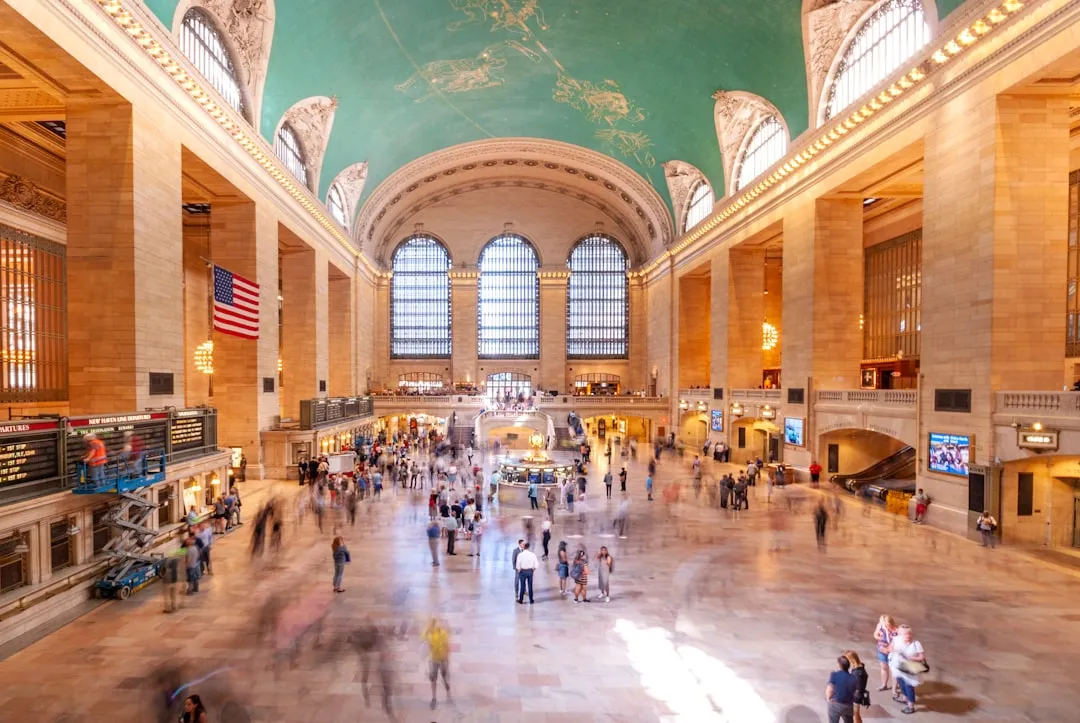
Cold Spring sits on the Hudson Line of Metro North, and the trip from Grand Central takes about an hour and ten minutes, no transfers required. Commuter service to New York City is available via the Cold Spring train station, served by Metro-North Railroad, with the train journey approximately one hour, ten minutes to Grand Central Terminal. That distance matters more than it sounds. It’s close enough for a spontaneous Saturday, far enough that the city genuinely disappears once you’re off the platform, and short enough that you never have to think about renting a car.
A Village Built by a Foundry, Then Reinvented
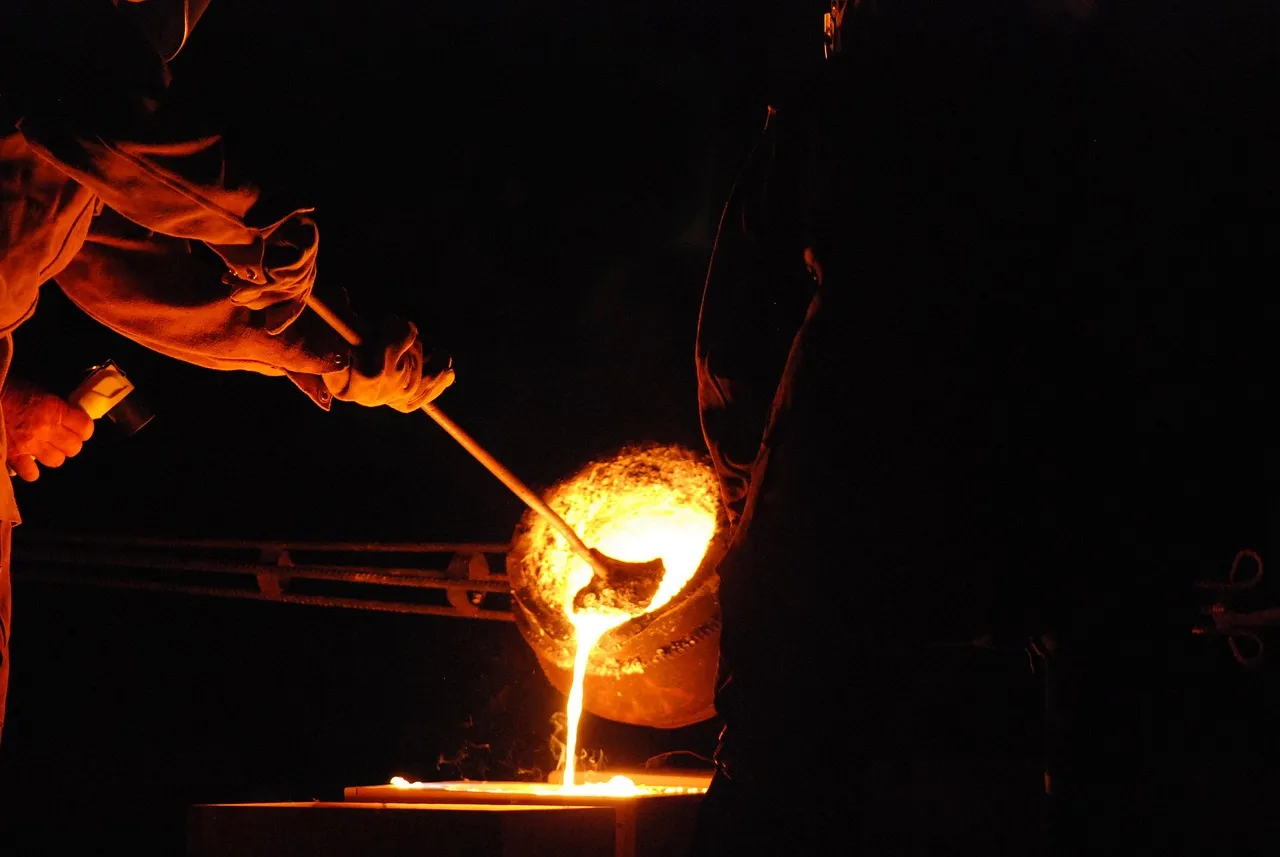
The town’s origins have nothing to do with tourism. In 1818, Gouverneur Kemble founded the West Point Foundry here, and the surrounding hills and river access made it an ideal spot for casting iron. In 1818, Gouverneur Kemble established the West Point Foundry opposite West Point to produce artillery pieces for the United States Government, since the nearby mountains contained veins of ore and were covered with timber for fuel, while a brook provided hydropower and the Hudson a ready shipping outlet.
The foundry grew into a sprawling operation that employed over a thousand workers at its Civil War peak, producing the famous Parrott rifles that helped arm the Union Army, before industrial decline led to its closing in 1911. That industrial chapter is exactly why the village looks the way it does today.
Main Street That Time Mostly Left Alone
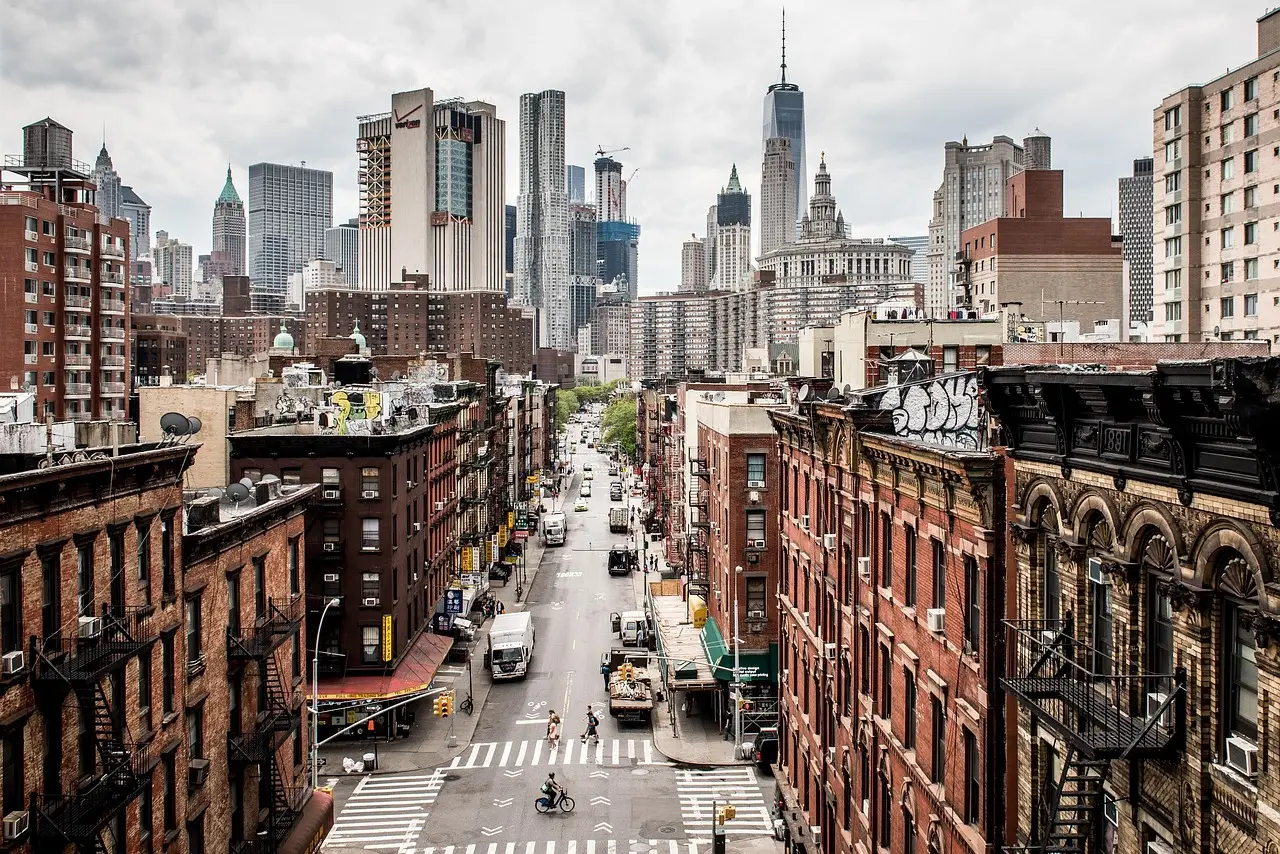
Because the foundry brought steady work and steady money for decades, workers and merchants built solid, handsome buildings along what’s now Main Street, and remarkably few of them were ever torn down. The central area of the village is on the National Register of Historic Places as the Cold Spring Historic District due to its many well preserved buildings from the 1800s, constructed to accommodate workers at the nearby West Point Foundry.
Today that same stretch functions as the town’s entire commercial heart. Main Street, located in the Cold Spring Historic District, is a walkable street home to a large number of unique boutiques, antique stores, restaurants, inns, coffee shops, and other independent businesses.
An Artists’ Colony Along Morris Avenue
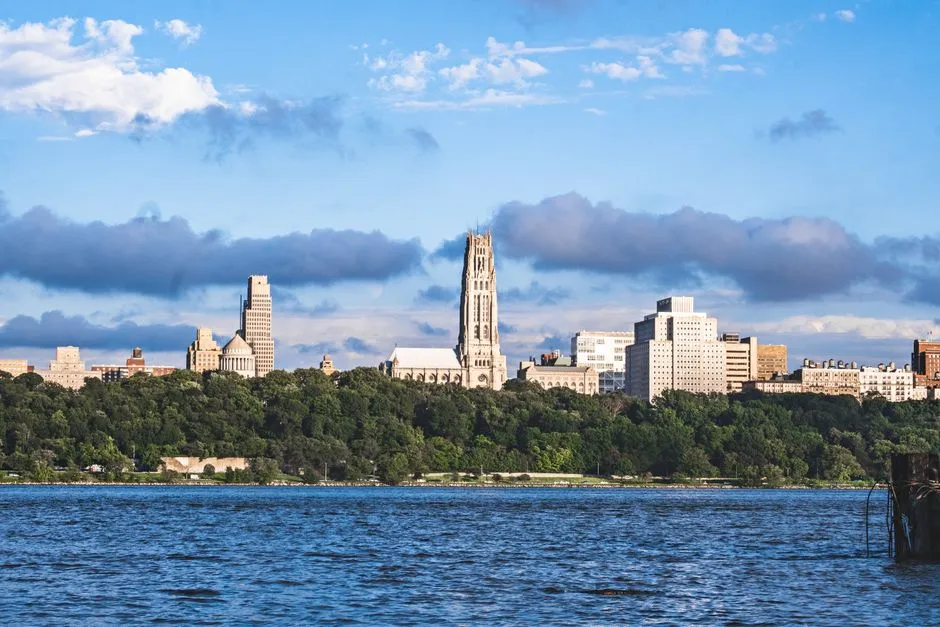
By the late 1800s, once the foundry was thriving and word had spread about the river views, writers and painters started buying land on the hillside above town. Grand homes went up along Morris Avenue, several of them tied directly to figures connected with the foundry or the broader Hudson River School movement.
Toward the latter part of the nineteenth century, artists, writers and prominent families came to Cold Spring, and mansions were built along Morris Avenue, while nearby, Hudson River School painter Thomas P. Rossiter built his own home in the area. That layered history, industrial workers below and artists above, still shapes the feel of the village, part working town, part retreat.
Antique Shops and Unhurried Afternoons

Cold Spring’s Main Street has developed a reputation as one of the better antique hunting grounds in the region, and that reputation isn’t accidental. Cold Spring is known for its antique shops, and visitors are encouraged to peruse the local antique stores and curio shops that line Main Street, including the Cold Spring Antique Center, a place to dive into the treasures of the past in the Hudson Valley.
There’s an independent bookshop tucked among the storefronts too, the kind of place where you can lose an hour without meaning to. It’s the sort of afternoon that doesn’t photograph dramatically, but it’s exactly what draws people back weekend after weekend.
Breakneck Ridge and the Hudson Highlands Beyond
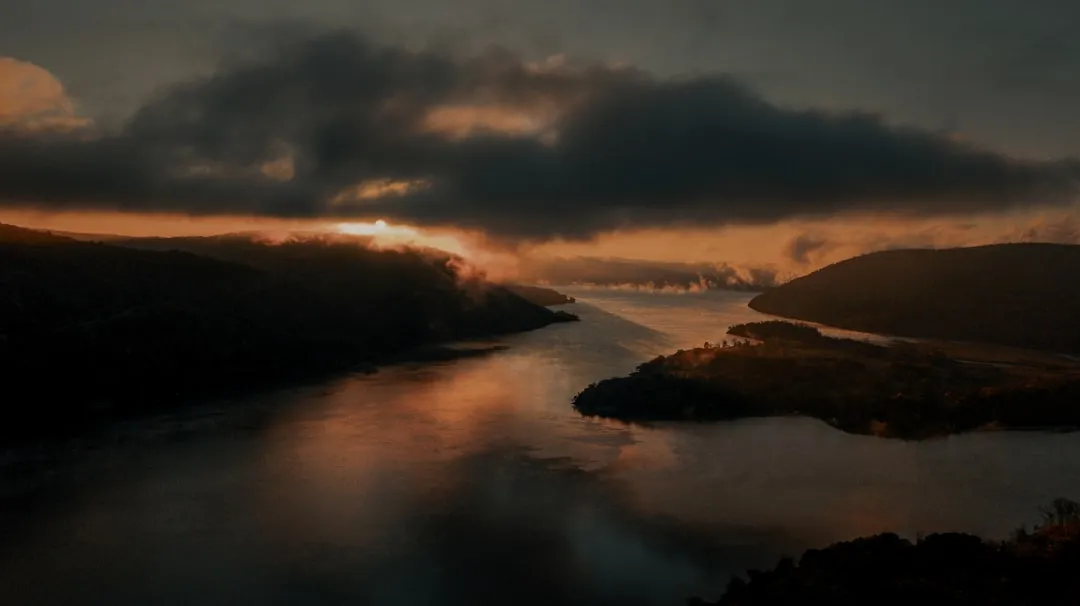
For hikers, the appeal starts right at the edge of town, where the Hudson Highlands rise sharply from the riverbank. The village is bordered by the Hudson River to the west, and is bound by the Hudson Highlands State Park to the north, where Mount Taurus and Breakneck Ridge rise out of the banks of the Hudson and form two parallel ridges that track each other inland.
The park itself is substantial. With more than 8,000 acres of untouched land, the park offers endless hiking and walking trails that promise breathtaking sights. It’s rugged enough to feel like real wilderness, yet close enough that hikers can be back on Main Street for dinner.
A River View Framed by West Point
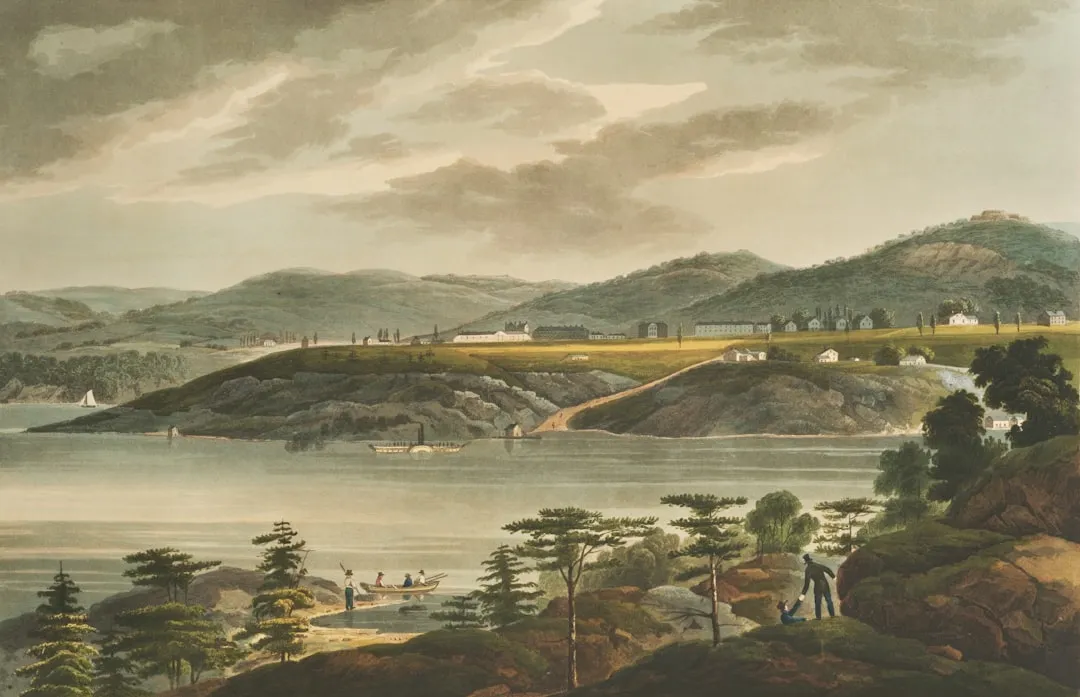
Step off the train and turn toward the water, and the payoff is immediate. The village sits a short walk from the platform into downtown Cold Spring, where to the left is the waterfront with spectacular views of West Point, Crow’s Nest and Storm King Mountains. Across the river, the sculpture grounds of Storm King add another reason to linger in the area, since Cold Spring sits nearly opposite that celebrated open air museum. It’s a view that changes with the season but never quite loses its drama, framed by the military academy on one side and forested peaks on the other.
Small Museums With an Outsized Presence
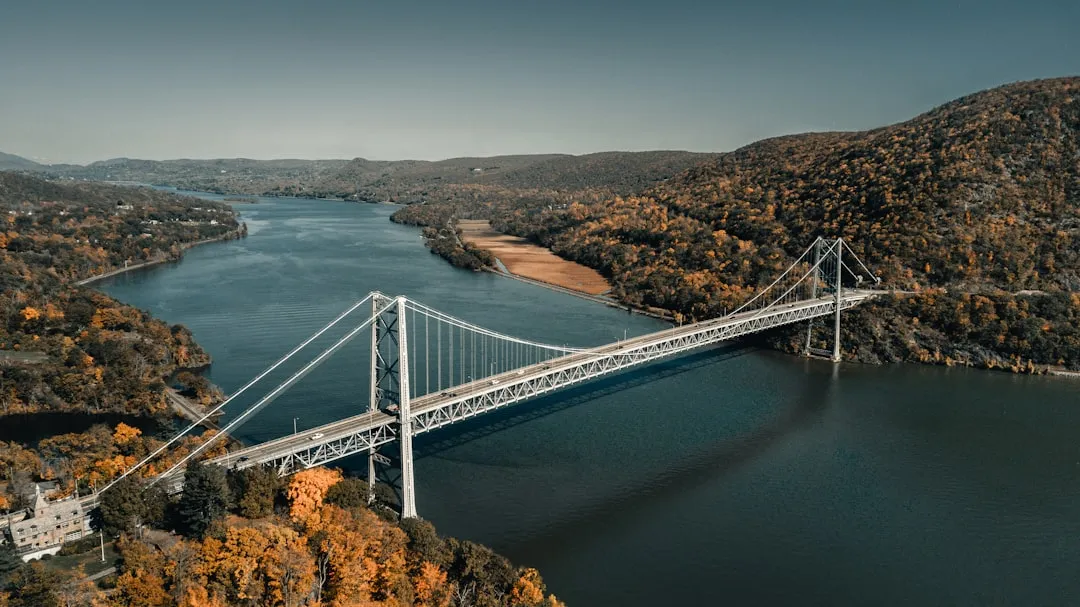
Despite its size, the village has managed to attract cultural institutions well beyond what a town of its scale would typically support. Magazzino Italian Art, a museum dedicated to postwar and contemporary Italian art, sits just outside the village center and has become a genuine draw on its own. The Putnam History Museum, meanwhile, preserves artifacts from the foundry era, giving visitors a way to connect the antique shops and old buildings back to the industry that built them. Together they give the town a cultural weight that outpaces its population by a wide margin.
The Numbers Behind the Weekend Rush
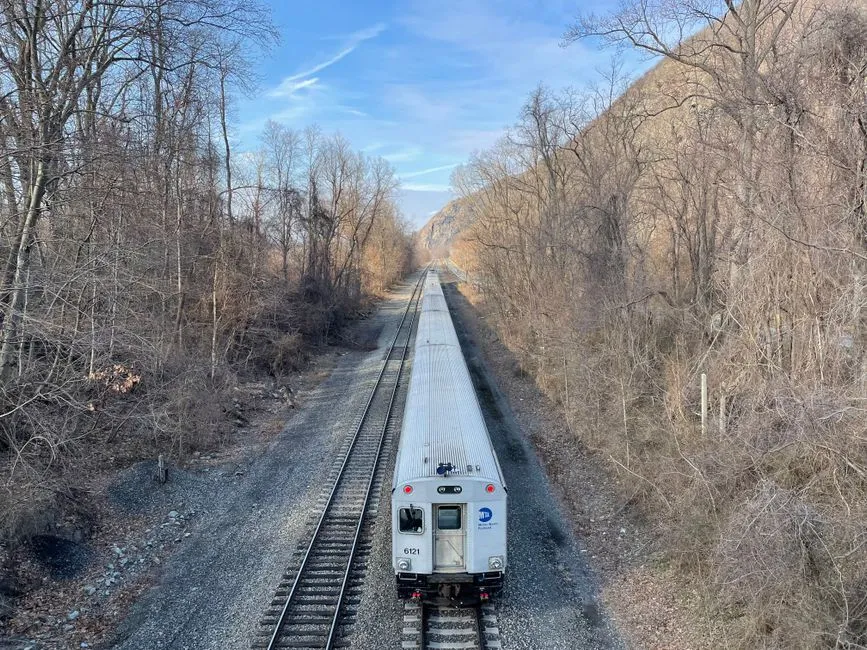
The pattern of New Yorkers heading upriver on weekends isn’t just anecdotal. Metro North’s own ridership data shows the trend clearly. Metro-North carried 69 million riders in 2025, an increase of 6 percent from 2024. Weekend travel specifically has become a growing share of that total, with the state comptroller’s office noting that weekend ridership on Metro-North in 2025 was 17 percent of the total ridership for the year, higher than in 2019 when weekend ridership was 15 percent of the total.
The state has leaned into that appetite too, with programs like the winter weekend discount that let ticket holders bring guests along for a dollar, part of a broader push described by Governor Hochul’s “Winter Weekend” program, which gives monthly ticket holders the ability to travel alongside up to two friends or family members for just one dollar to any station serviced by the LIRR and Metro-North trains on Saturdays and Sundays.
A Village of Under Two Thousand People
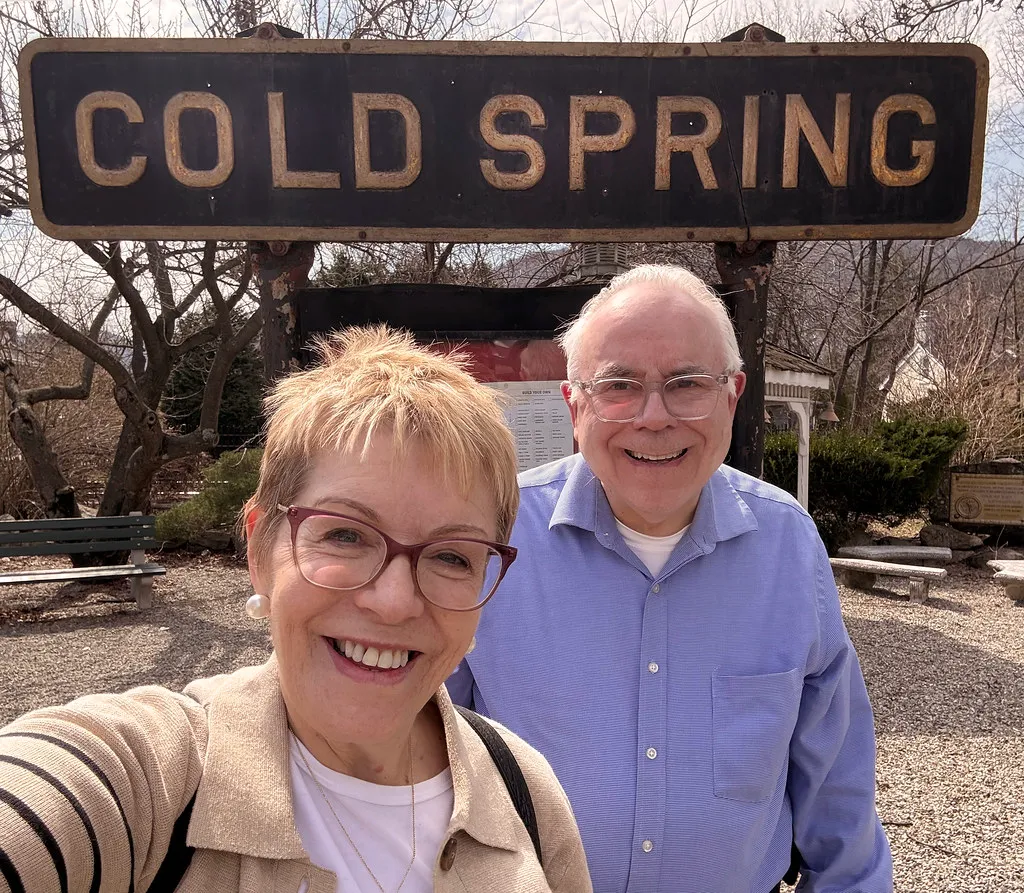
What keeps Cold Spring from feeling overrun is simply its size. The population was 1,986 at the 2020 census. It’s a small enough number that the village retains a genuine residential character even as visitors come through, with schools, churches, and a volunteer fire company that predates most of the antique shops by a century. The median income for a household in the village was $98,056, an increase of more than four fifths from 2010, a shift that speaks to how the area has changed even as its physical footprint, and its charm, has stayed remarkably intact. That balance, a real town that also happens to welcome weekend visitors, is likely the actual reason it keeps pulling New Yorkers back, weekend after weekend, rather than any single attraction inside it.
For a place with no beach, no casino, and no headline attraction beyond a river and a mountain, Cold Spring has done something harder to pull off. It’s stayed a real village, foundry history intact, storefronts largely unchanged, population still under two thousand, while quietly becoming one of the most dependable short escapes from New York City. That combination, of authenticity that wasn’t manufactured for visitors, may be exactly why it keeps working.
AI Disclaimer: This article was created with the assistance of AI tools and reviewed by a human editor.