
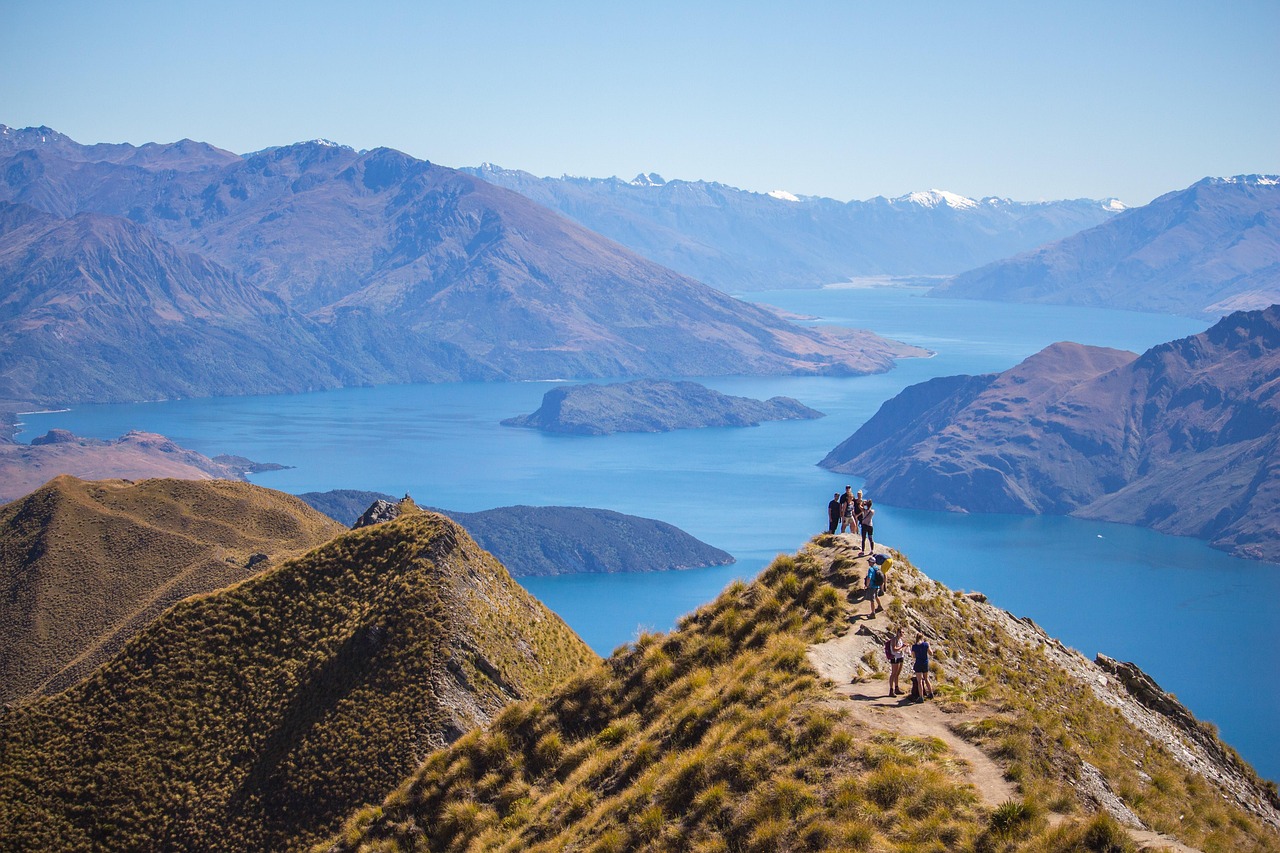

There’s a version of New Zealand that most visitors never quite reach. They land in Auckland, move through Queenstown, tick off a few famous viewpoints, and fly home satisfied. It’s a perfectly fine trip. The South Island, though, holds something deeper for those willing to slow down and move through it without a city-centric checklist.
Nature in New Zealand is something you move through, not just look at. Traveling from one region to the next, the landscape changes quickly, from glacier-carved mountains and deep fiords to clear alpine lakes, and each place feels distinct, shaped by its geography, climate, and sense of scale. That shift happens almost nowhere else on earth quite the way it does here.
A Scale of Wilderness That Is Simply Hard to Comprehend
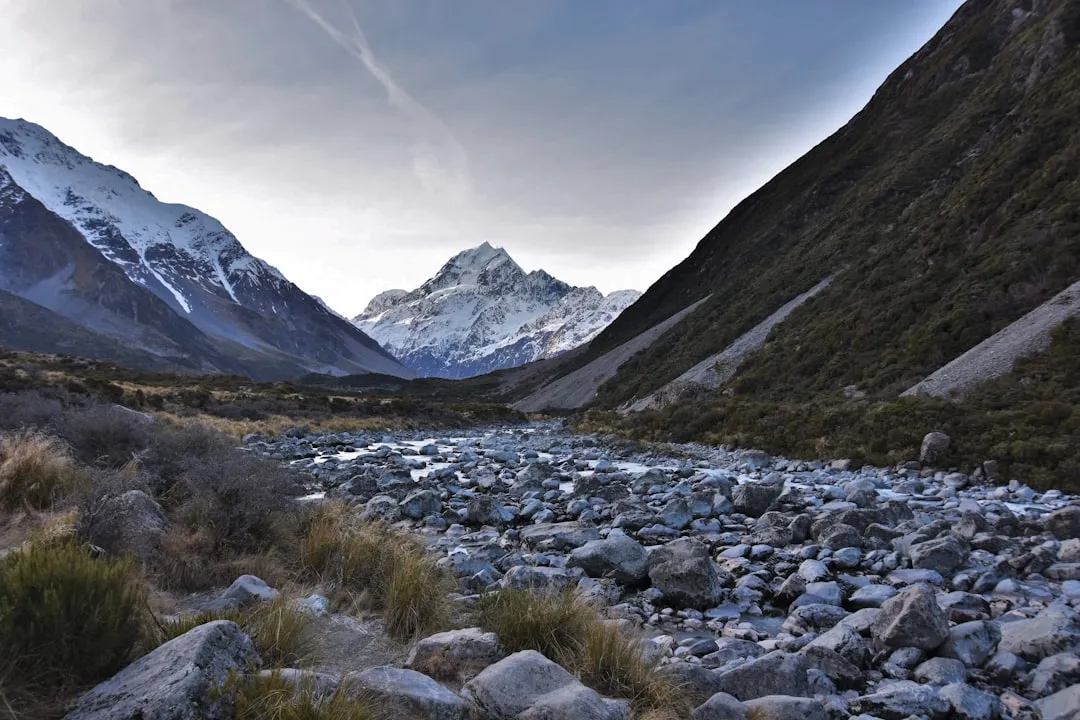
New Zealand offers countless wilderness experiences and 13 national parks showcasing more than 30,000 square kilometres of diverse, natural scenery ready to be explored by foot, boat, or air. A significant portion of that land is concentrated on the South Island, which means the density of truly wild, accessible terrain is extraordinary.
The South Island is a land of topographic extremes, from seaside rainforests and sapphire lakes to ice-crowned peaks, active glaciers, and frigid fjords. Few places on earth pack that many distinct ecosystems into such a navigable distance. You can move from rainforest to alpine tundra in a single morning’s drive.
Fiordland and Milford Sound: Where Silence Has Weight
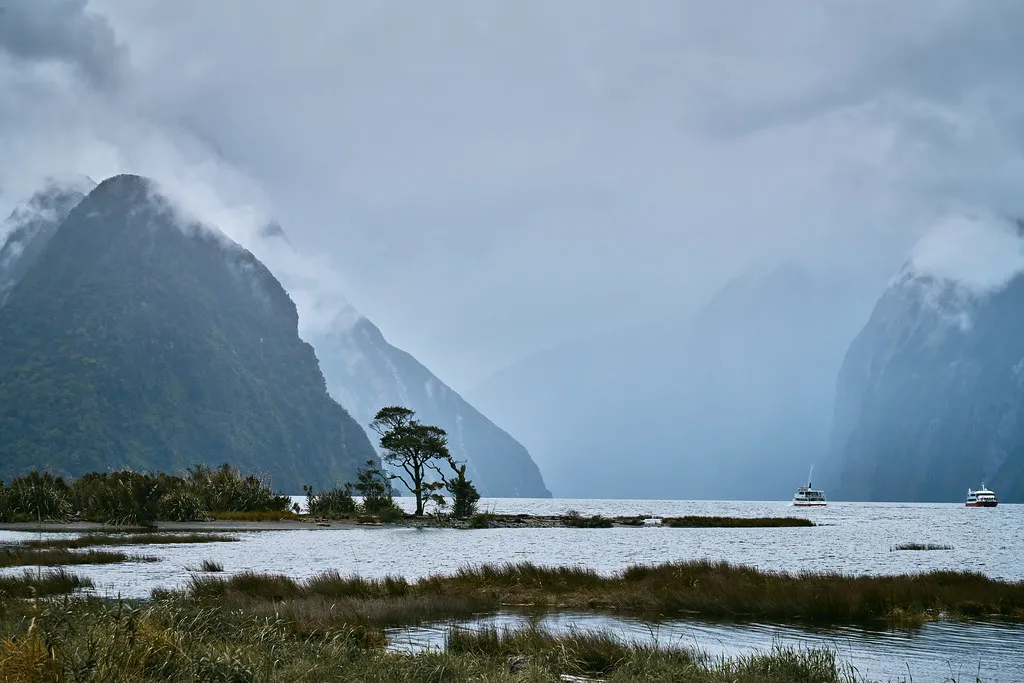
Fiordland is one of New Zealand’s most dramatic natural regions, with deep fiords, rainforest-covered mountains, and remote wilderness that feels untouched. Milford Sound and Doubtful Sound offer access to this landscape, where waterfalls, shifting light, and vast scale define the experience.
Milford Sound is one of the most recognized natural landmarks in New Zealand, set within Fiordland National Park in the southwest of the South Island. Steep cliffs rise straight from the water, waterfalls spill from the mountains after rain, and dense rainforest clings to the edges of the fiord. The road to Milford winds through alpine valleys, past still lakes, and through the Homer Tunnel before the landscape suddenly opens up to the fiord itself.
Aoraki/Mount Cook National Park and the Alpine Interior
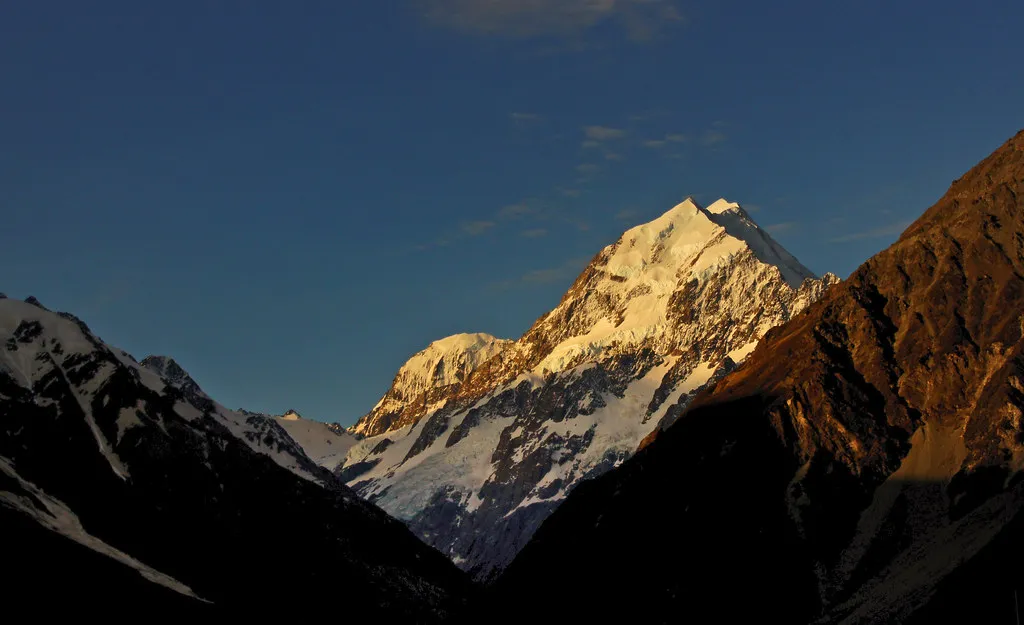
Aoraki Mount Cook National Park is home to New Zealand’s highest peak and some of the country’s most striking alpine scenery. Glaciers, braided rivers, and wide open valleys create a landscape that feels both expansive and still. Walking tracks and viewpoints make it accessible while retaining a strong sense of scale.
It’s the kind of place where the sheer quiet registers before anything else. Recognised globally for its pristine, light-pollution-free skies, the Aoraki Mackenzie International Dark Sky Reserve offers an unforgettable window into the universe. The park rewards those who stay overnight, not just those passing through.
Some of the Darkest Skies on the Planet
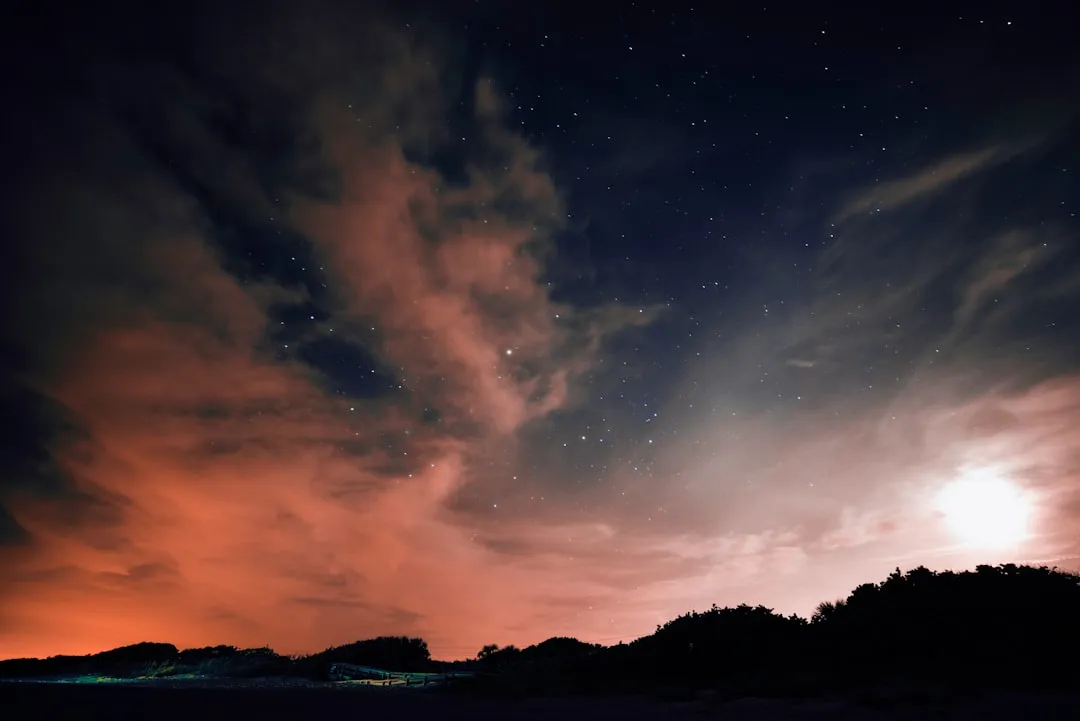
The Aoraki Mackenzie International Dark Sky Reserve, created in 2012, covers over 4,300 square kilometres around Mt John University Observatory. It was the first such reserve to be recognized at gold tier level and is among the largest dark sky reserves in the world.
The South Island’s designation as a global stargazing destination has only deepened in recent years. In 2024 alone, the Kaikoura Dark Sky Sanctuary, the Kawarau-Gibbston Dark Sky Park, and the Oxford Forest Conservation Area all received official international certifications on the South Island. That’s a remarkable concentration of protected night sky in a single region.
The natural night has played a critical role in the area’s history, as the first residents, the Maori, not only used the night sky to navigate to the island but also integrated astronomy and star lore into their culture and daily lives. The reserve seeks to honor that history by keeping the night sky a protected and integral part of the area’s natural and cultural landscape.
Wildlife That Exists Almost Nowhere Else
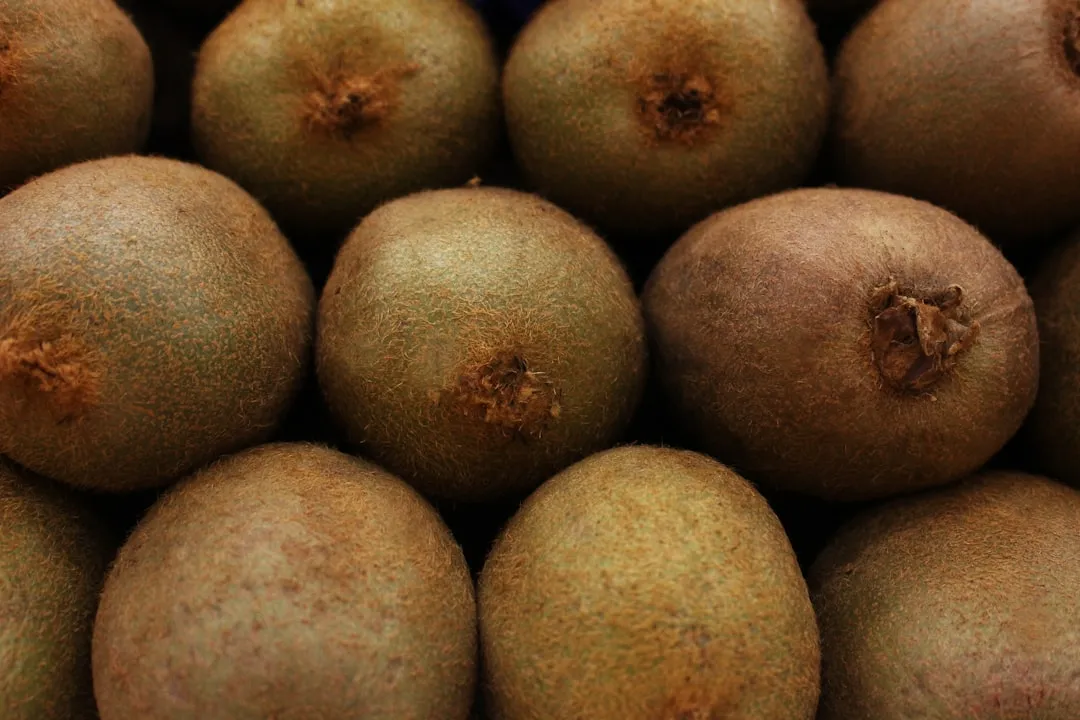
Within the South Island’s diverse landscapes, travelers find rare and intriguing creatures such as the flightless buff weka, yellow-eyed penguins, and the famous brown kiwi. These are not zoo encounters. These are wild animals in their natural habitats, often encountered on ordinary walks or from a quiet stretch of coast.
Stewart Island, perched off the very southern tip of the South Island, offers some of the best land and sea birding experiences to be had anywhere in New Zealand and is home to the Stewart Island brown kiwi. Rakiura, as it’s known in Maori, also carries its own dark sky sanctuary designation, making it a dual destination for nature and night sky in the same visit.
The West Coast: Glaciers, Rainforest, and Raw Edges
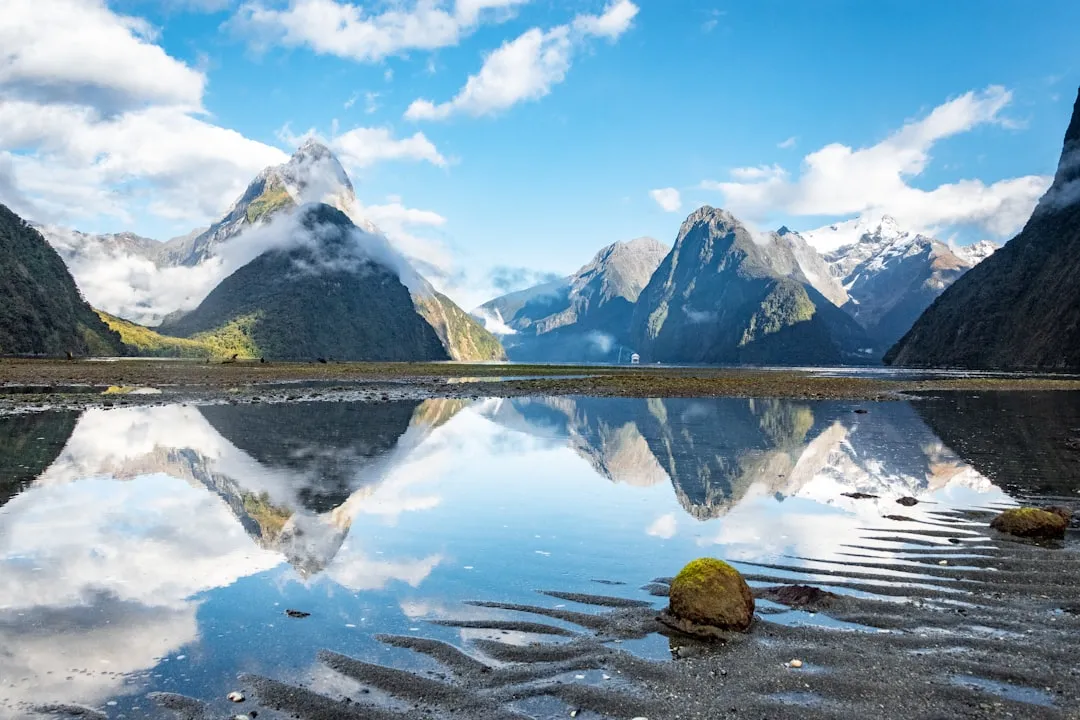
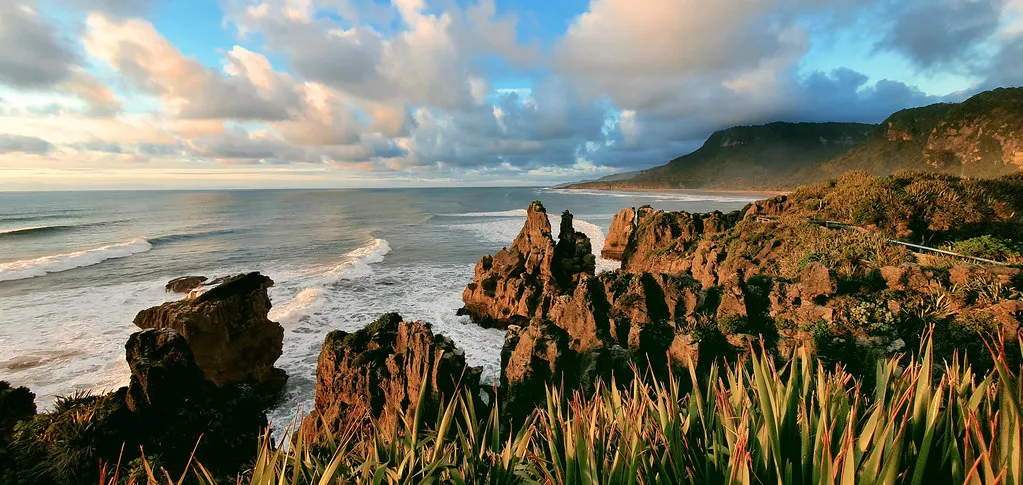
The West Coast of New Zealand offers ancient glaciers grinding relentlessly towards the ocean, primeval rainforests, and wild beaches. This stretch of coastline runs along the foot of the Southern Alps and has a raw, frontier character that feels genuinely unpolished.
Further south, the coastline becomes torn by the fingers of Fiordland National Park, where deep fiords ravaged by the forces of nature have been carved into the landscape. It’s a sequence of environments that unfolds naturally along a self-drive route, rewarding travelers who are willing to take the slower road.
A World Heritage Site Protecting It All
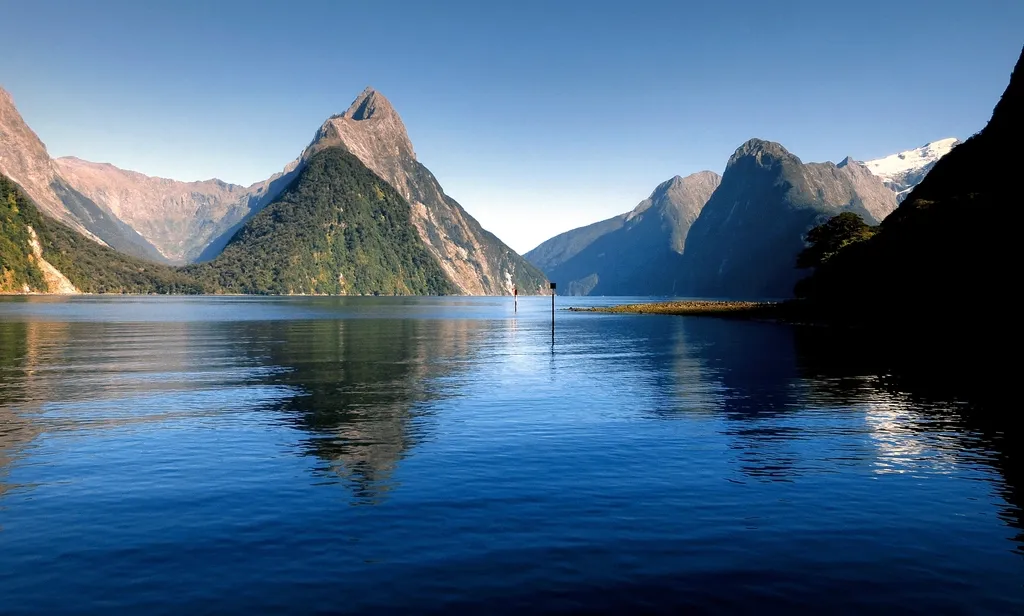
New Zealand has three World Heritage Sites: Te Wahipounamu, Tongariro National Park, and the Subantarctic Islands. Te Wahipounamu features include glaciers, fiords, rocky coasts, towering cliffs, lakes, and waterfalls. Te Wahipounamu covers the southwestern corner of the South Island and is one of the largest World Heritage Areas in the Southern Hemisphere.
This designation carries real weight. It means the landscapes are actively protected under international frameworks, not just marketed as scenic backdrops. The ecological integrity that drew travelers here decades ago is largely still intact, and that’s genuinely rare.
Nature-Based Tourism Is Where Demand Is Growing
For South Island operators, the return of high-value, long-haul visitors is especially notable, with demand building particularly for nature-based itineraries, self-drive touring, and premium food and wine experiences. The data reflects a broader global shift toward slower, more immersive travel rather than quick urban itineraries.
From October to December 2024, around half of all international tourists visiting New Zealand visited a national park. That figure speaks to where travelers are actually choosing to spend their time, and the South Island’s national parks make up a significant share of that draw.
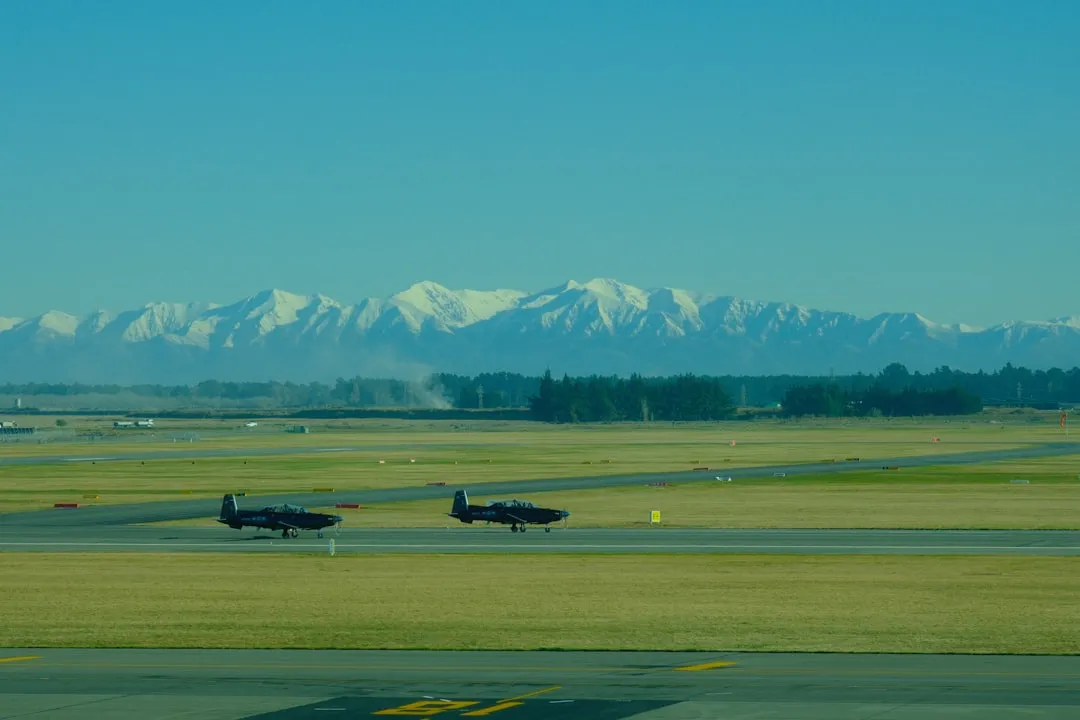
Christchurch Airport, the South Island’s main international gateway, is preparing for what it describes as its biggest summer season on record. International seat capacity is set to climb roughly 15 percent year on year, pushing volumes above pre-pandemic peaks. Total passenger numbers at Christchurch reached more than 6.6 million in 2025, up around 5 percent on the previous year.
The Self-Drive Culture That Opens Everything Up
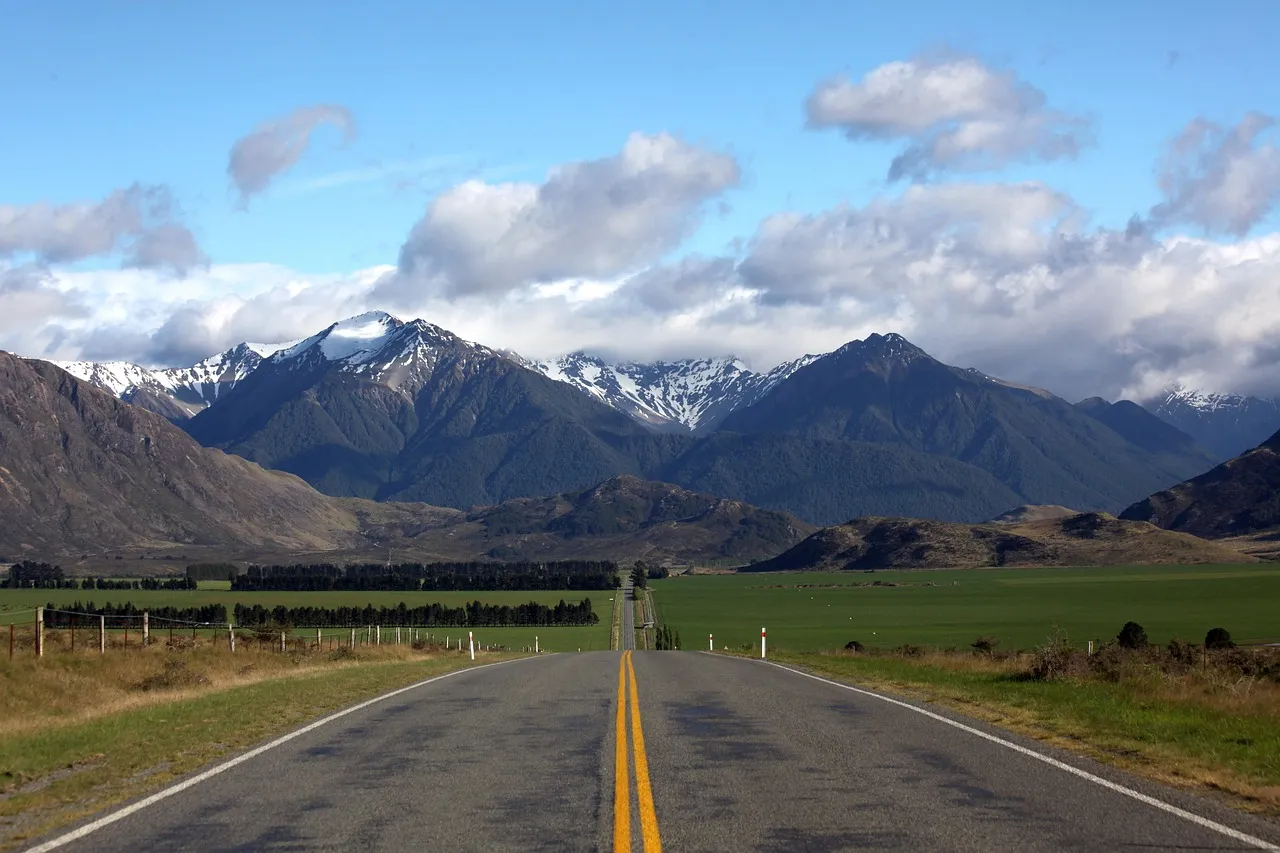
The South Island is genuinely built for road travel. Distances are manageable, the infrastructure is reliable, and the scenery between destinations is often as striking as the destinations themselves. Experiences are often simple but memorable: a walk through alpine terrain, a quiet moment beside a lake, or a journey along a coastal road where the scenery unfolds gradually. These moments are part of the journey itself, creating a natural rhythm between travel, exploration, and time to take it all in.
There’s a specific pleasure in arriving somewhere like the Ahuriri Valley or the Catlins coast with no particular agenda. South Island wilderness retreats offer an intimate experience of untouched nature, from the rolling tussock lands of Lindis Pass to the still waters of Milford Sound. The island simply rewards the unhurried traveler in ways that a city-focused itinerary rarely can.
Responsible Travel and the Communities That Depend on It
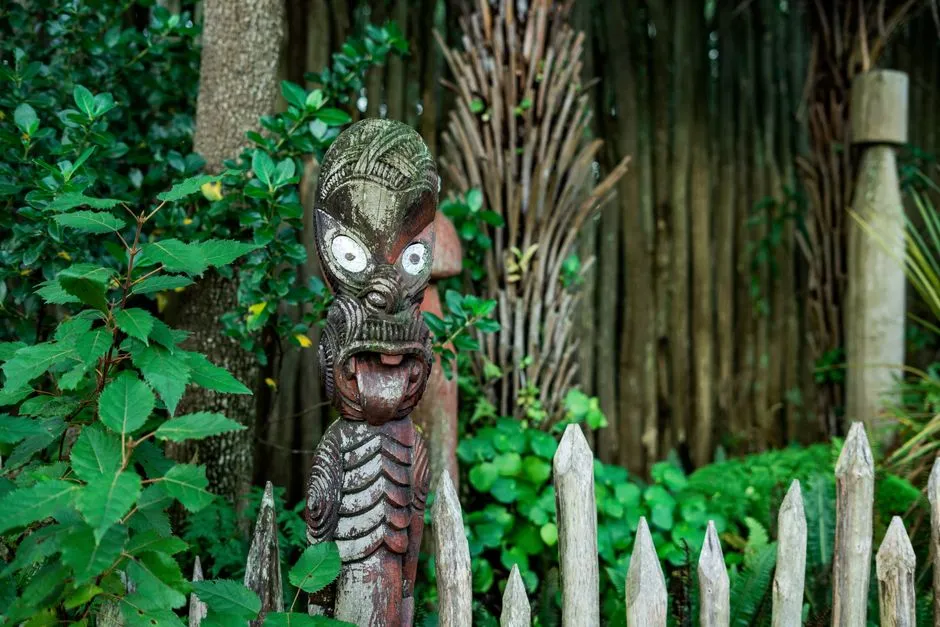
Travelers to the South Island can experience the hospitality New Zealanders are renowned for by meeting sheep farmers, learning about Maori culture, and discovering a thread of Scottish heritage woven quietly into the South Pacific. These encounters are most accessible when you move through small towns and rural communities rather than staying within the orbit of the island’s larger centers.
Responsible engagement with that culture matters. The South Island’s Maori heritage, its whenua, its rivers, and its forests are living things, not scenery. Approaching them with curiosity and care, through guided experiences led by local Maori communities where possible, produces a far more meaningful visit.
The Takeaway
The South Island doesn’t ask for much. It just asks that you give it time. International tourists spent over $12.20 billion during trips to New Zealand in the year ending March 2024, and the evidence suggests those travelers are increasingly drawn toward nature, wilderness, and deeper regional experiences rather than condensed urban stops.
What makes the South Island genuinely irreplaceable is not any single landmark. It’s the cumulative effect of moving through a landscape this varied, this protected, and this alive. The cities will always be there. The wild interior, with its unhurried rhythms and its extraordinary skies, is what you’ll actually remember.
AI Disclaimer: This article was created with the assistance of AI tools and reviewed by a human editor.