
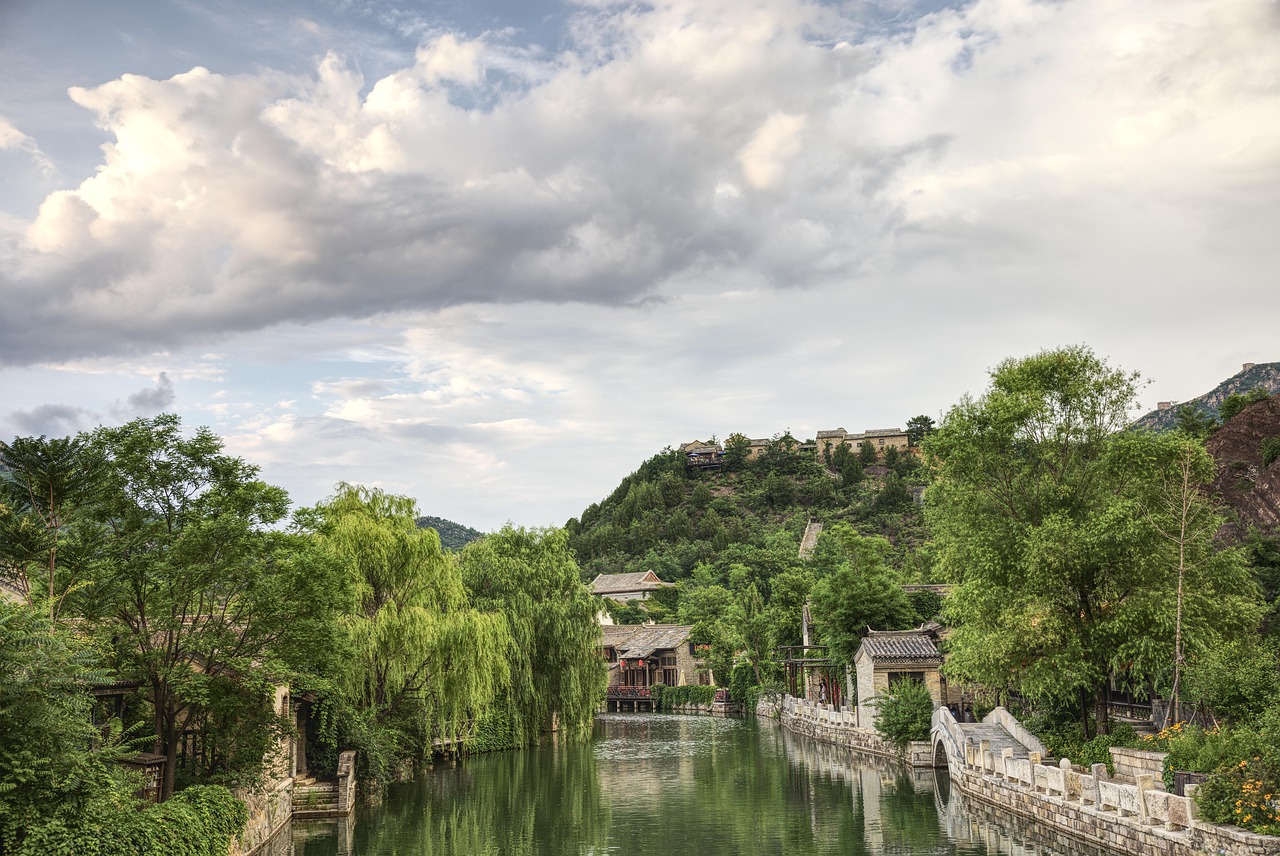

There’s a particular kind of town that doesn’t show up on most bucket lists. No famous museum, no landmark skyline, no rooftop bar that once went viral. Just a main street, maybe a good bakery, some decent hiking nearby, and the kind of quiet that feels almost foreign to people who’ve spent years rushing between capital cities. Travelers used to scroll past these places. Lately, they’re booking them.
Something has shifted in how people think about what a trip is for. The evidence shows up in survey data, hotel booking patterns, and the protests that erupted across European tourist hotspots throughout 2024. The case for the so-called “nothing to do” town turns out to be surprisingly strong, grounded in real changes in how travelers are spending their time and money.
The Slowcation: A Trend With Real Numbers Behind It

A survey of 2,000 U.S. adults revealed that roughly six in ten travelers were planning their vacations with the main intention of slowing down and switching off. That’s not a niche preference. It points to a meaningful shift in why people are traveling in the first place.
A busy vacation with lots of pre-planned activities is far less popular right now. Instead, having ample time to unwind and embrace local culture at a relaxed pace has become the goal for most travelers. The “slowcation,” as it’s been called, isn’t just about pacing. It reflects a deeper re-evaluation of what a vacation is supposed to accomplish.
Overtourism Gave Travelers a Very Public Reason to Look Elsewhere
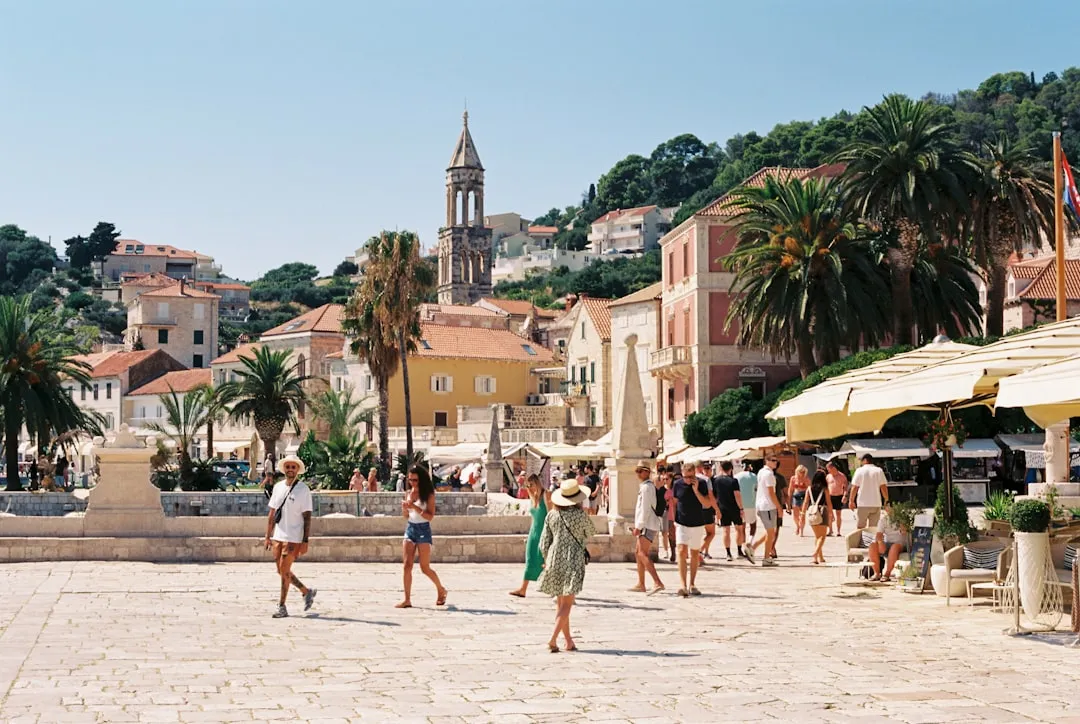
Throughout 2024, various efforts by tourism authorities and frustrated locals to curb visitor numbers in the world’s most popular destinations grabbed headlines, including highly publicized incidents in Barcelona where residents sprayed tourists with water pistols. That image landed hard. It captured something that many travelers had already started to feel on the ground.
According to Statista, Croatia tops the list for overtourism, with Dubrovnik experiencing an overwhelming 36 tourists per resident, a figure recorded before the pandemic and the surge of revenge travel that followed. Meanwhile, with roughly four out of five travelers concentrated in just one in ten global destinations, experts warn that overtourism threatens the authenticity and sustainability of travel. Quiet, unknown towns are the obvious alternative.
The Mental Health Case for Going Nowhere in Particular
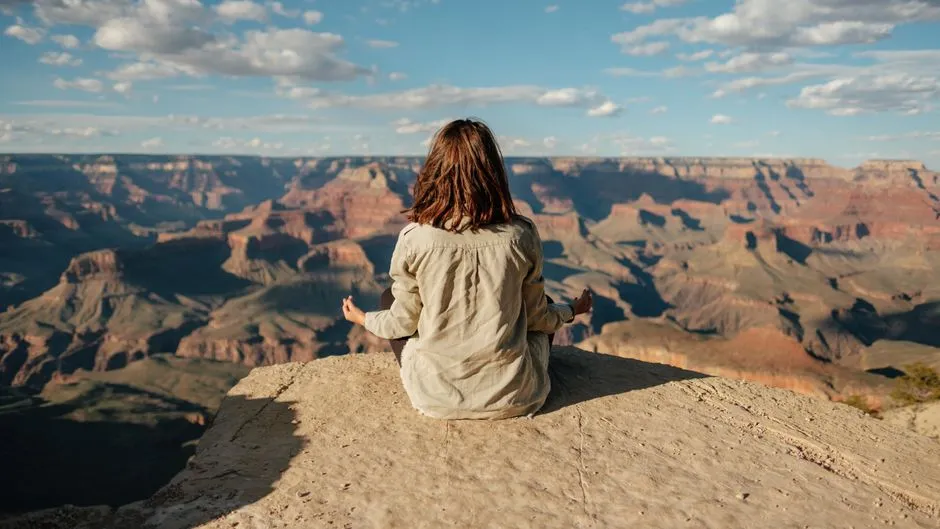
With mental health and wellbeing becoming a priority for many, travelers are seeking out vacations where they can properly unwind, relax, and leave behind daily stresses. This isn’t just trend language. It reflects a genuine exhaustion with the performance that modern travel can sometimes require.
Fast-paced lifestyles and rising cases of burnout push people to slow down and avoid popular destinations dealing with overtourism. This mindful approach to travel is resonating more than ever, especially among those seeking authenticity and a break from overstimulation. A town with “nothing to do” often turns out to have exactly the right amount.
Secondary Cities and Off-Map Towns Are Quietly Gaining Visitors
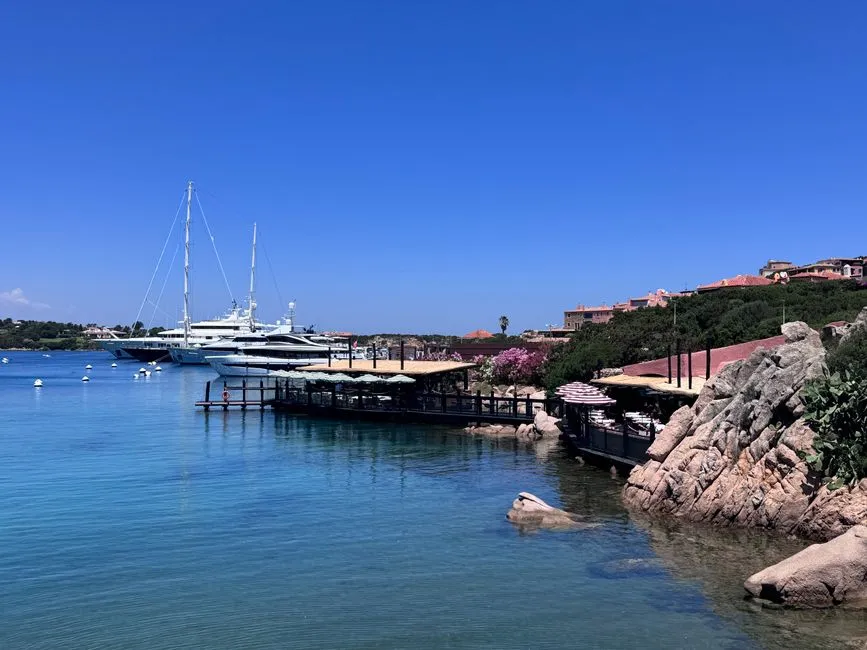
With slow travel on the rise, more travelers are exploring secondary cities and destinations instead of overcrowded tourist hotspots. The data behind specific destinations confirms this isn’t just anecdotal. Conrad Chia Laguna Sardinia saw a ninety percent year-over-year increase in U.S. travelers from 2023 to 2024, while Baia di Chia Resort Sardinia saw a one hundred fifty percent increase in U.S. travelers over the same period.
Travelers are becoming more aware of overtourism and, in step with that, are discovering the charm of lesser-known locations or smaller destinations. These “detour destinations” offer authentic experiences without the crowds, often at better prices. That combination of lower cost and lower stress is hard to argue with.
Road Trips Are Fueling the Small-Town Resurgence
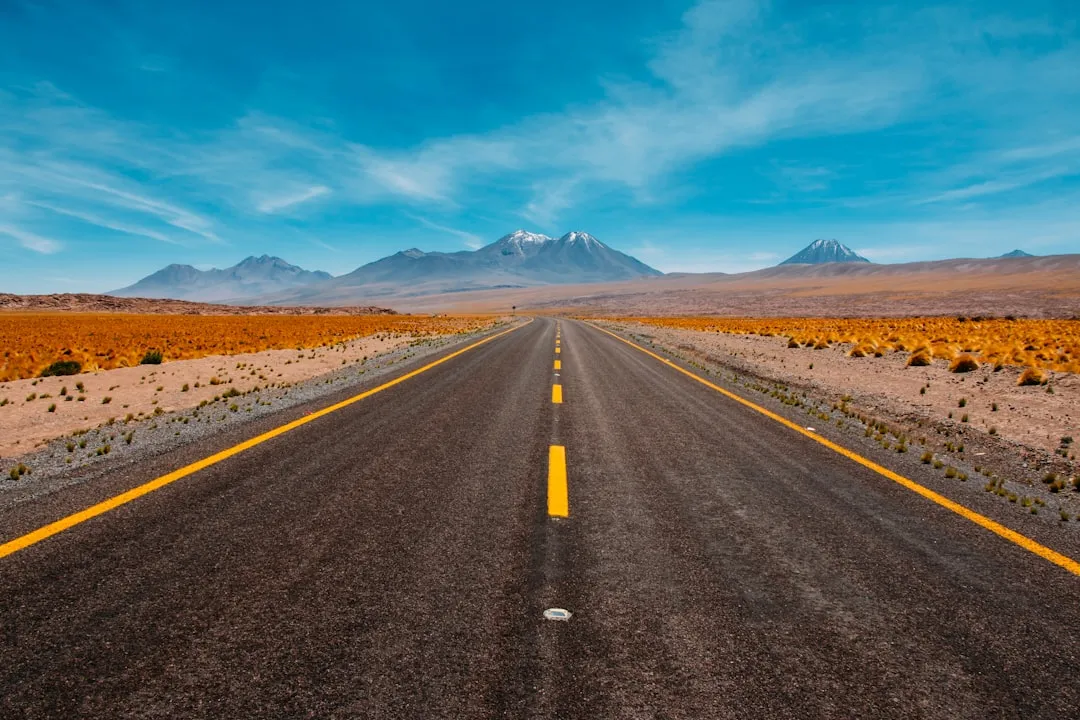
Road trips were the most popular form of travel in 2024, alongside slow travel, which came in as the second most popular approach, defined broadly as traveling without a rigid plan. These two trends reinforce each other almost perfectly. Road trips move between places that aren’t destinations in the conventional sense, which is precisely the point.
Small towns benefit enormously from this pattern. Travelers stopping for a night, a meal, or a hike tend to leave money in locally owned businesses rather than global chains. Rural markets like Halifax County, North Carolina, are successfully capitalizing on evolving traveler behavior, including increased interest in small towns, open spaces, and road-trip itineraries.
Digital Nomads and Remote Work Are Extending the Stay

Digital nomad visas are now mainstream, with more than fifty countries offering dedicated remote-work residence visas as of 2025. This legal infrastructure is one of the most concrete ways governments have responded to the slow travel trend. A quiet town with reliable internet and affordable accommodation is suddenly a viable base for weeks, not just a weekend.
Slow travel resonates in 2025 because it aligns with three major aspirations of today’s travelers: preserving the environment, reclaiming genuine well-being, and embracing the flexibility of remote work. For someone working remotely, a “nothing to do” town offers something metropolises simply can’t: space to breathe, think, and actually absorb a place.
What “Nothing to Do” Actually Means in Practice

Slow travel is more about a mindset than a pace of movement. It’s exploring somewhere on a deeper level, making space mentally and physically for things to happen spontaneously, for example, taking time to walk in nature, cycle through the countryside, engage with the locals, or take a long-distance rail journey. “Nothing to do” is really a shorthand for unscheduled time.
Traveling slowly means relearning how to look, listen, and feel. It prioritizes connection over performance, authenticity over show. It places people and nature at the heart of the journey. That kind of travel is genuinely available in towns that never made a “best of” list.
The Economic Impact on Small Communities Is Meaningful
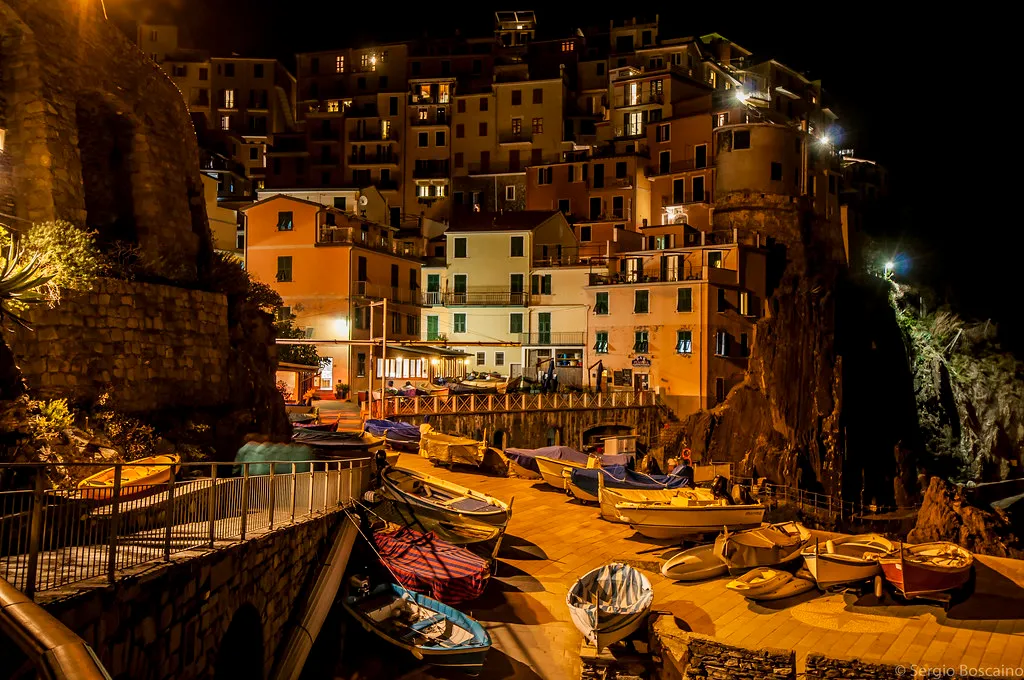
In a 2025 poll from the UVM Center for Rural Studies, eighty-five percent of Vermont residents agreed that tourism is important to their local economy, and seventy-eight percent agreed that increased tourism would have a beneficial impact on their local community. Communities that once depended on passing trade are now actively welcoming a slower, more attentive kind of visitor.
The growth of small-town tourism highlights a shifting travel trend where visitors prioritize distinct local identities, outdoor recreation, and community heritage over high-density commercial attractions. Rather than relying on large-scale infrastructure investments, these destinations convert their geographic assets into economic value. This model supports a diverse range of local businesses, including boutique lodging providers, artisanal shops, and independent restaurants.
The “Quietcation” and the Search for Silence
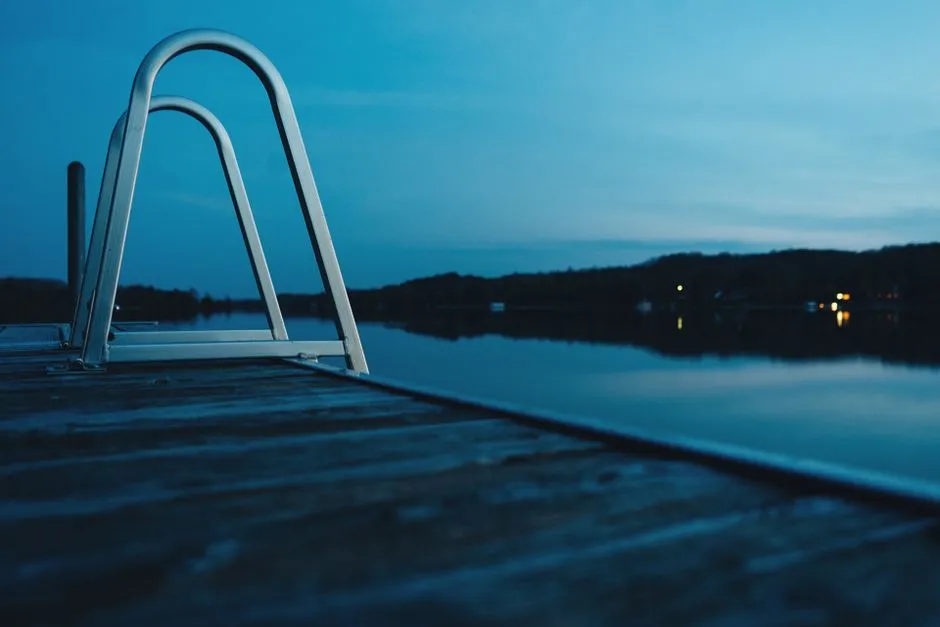
In its trends predictions for 2025, flight-free specialist Byway Travel highlights “quietcations” as a form of travel that is on the rise. The term might sound like marketing language, but the underlying need is real. Many travelers report that busy itineraries in crowded cities leave them more depleted than when they started.
Byway Travel noted that sixty-eight percent of the nights they booked in 2024 were in non-hotspots. That’s a striking figure from a company with a very direct view of booking behavior. It suggests that travelers are not just curious about quieter places. They’re actively choosing them.
This Isn’t a Rejection of Travel. It’s a Refinement of It.
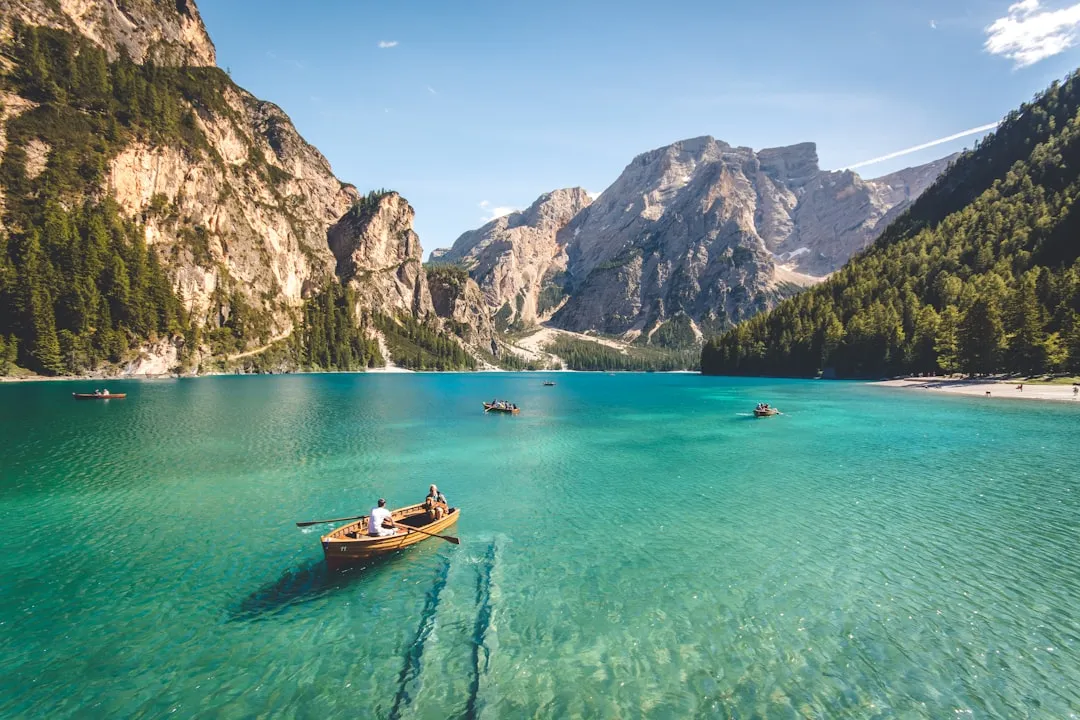
The travel and tourism industry contributed eleven trillion dollars to global GDP in 2024, as Europe and other popular destinations reached full recovery from the pandemic and saw more visitors than 2019 levels. Global travel demand isn’t shrinking. The appetite for “nothing to do” towns is growing within an overall boom, not instead of it.
In 2025, slow travel is no longer just a trend. It embodies a profound shift in how people envision vacations and their connection to the world, turning travel into a thoughtful, respectful act focused on experience rather than consumption. That framing matters. It suggests this is less a passing preference and more a durable recalibration of what people want from time away.
The Quiet Payoff
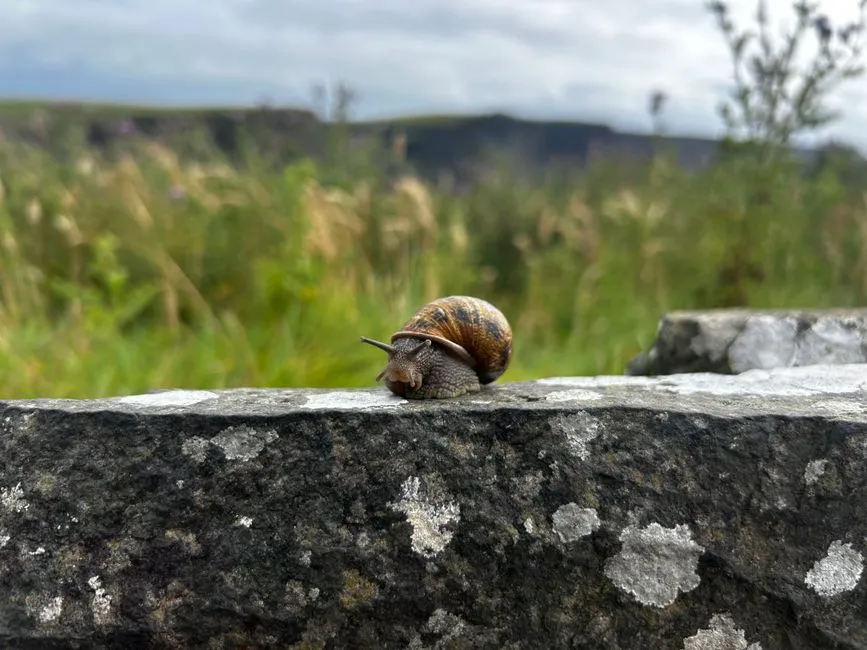
A town with “nothing to do” can offer something that oversubscribed landmarks genuinely cannot: the room to be present. The market stall you weren’t rushing past, the conversation with a guesthouse owner who actually has time to talk, the evening walk that didn’t need to be documented for anyone. One of the greatest joys of slow travel is the chance to engage in authentic local experiences.
The irony is that these towns have always been there. What’s changed is that enough travelers have finally gotten tired enough, curious enough, and free enough to stop the car and stay a while. The most honest travel advice might simply be this: the place that looks like it has nothing to offer is often the one that gives you the most to take home.
AI Disclaimer: This article was created with the assistance of AI tools and reviewed by a human editor.