
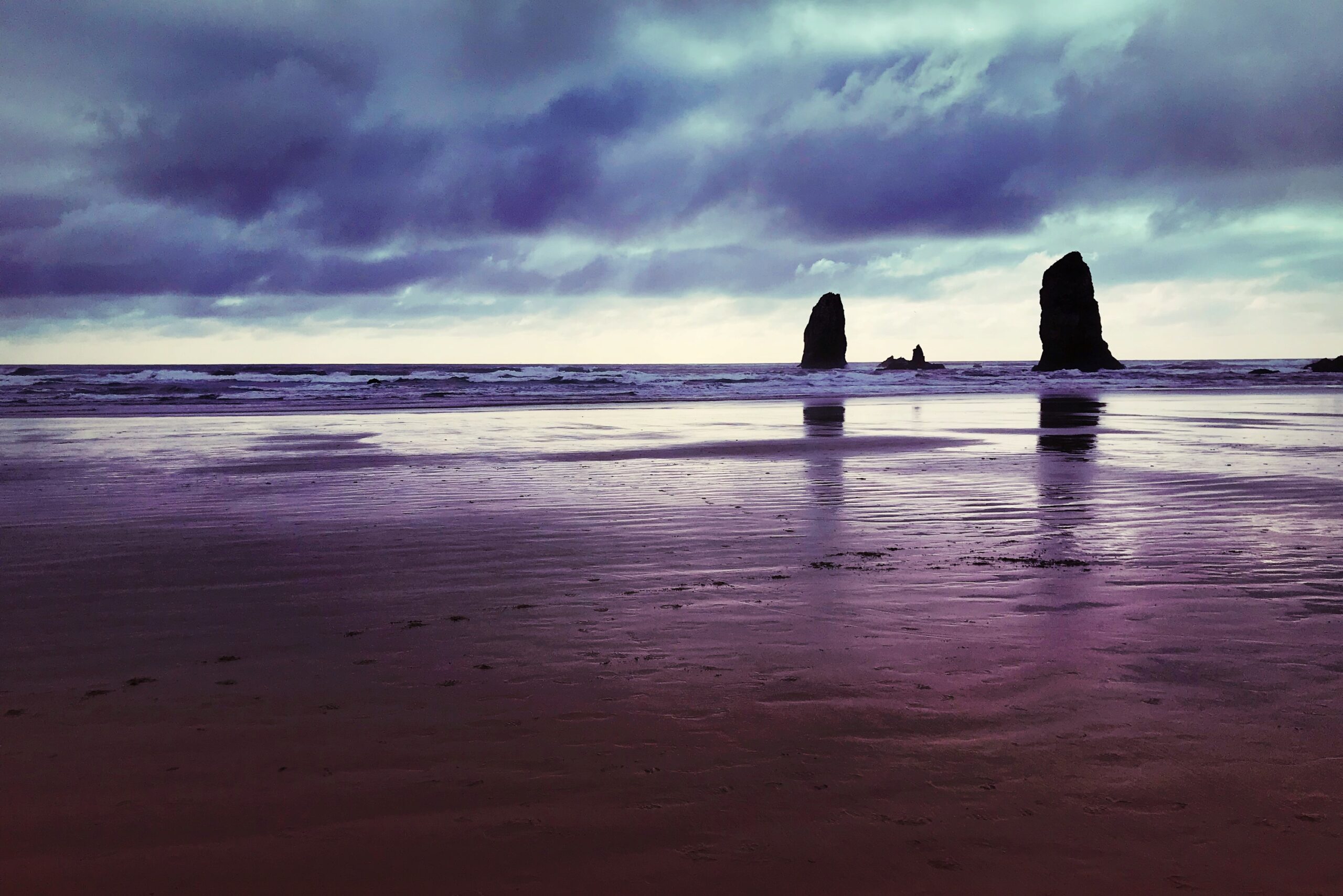
There’s a particular kind of traveler who quietly plans a trip to the Oregon coast the moment summer crowds begin packing up their umbrellas and heading home. They know something that most visitors overlook: the off-season is not a concession. For the pocket cove known as Secret Beach, tucked inside the Samuel H. Boardman State Scenic Corridor along the southern Oregon coast, the quieter months reveal a version of the place that summer simply cannot match.
This isn’t a well-kept secret so much as a well-timed one. The people who return to Secret Beach in autumn, winter, and early spring do so because they’ve seen what happens when the moodier Pacific takes charge, and they wanted more of it.
A Cove Unlike Anything Else on the Coast
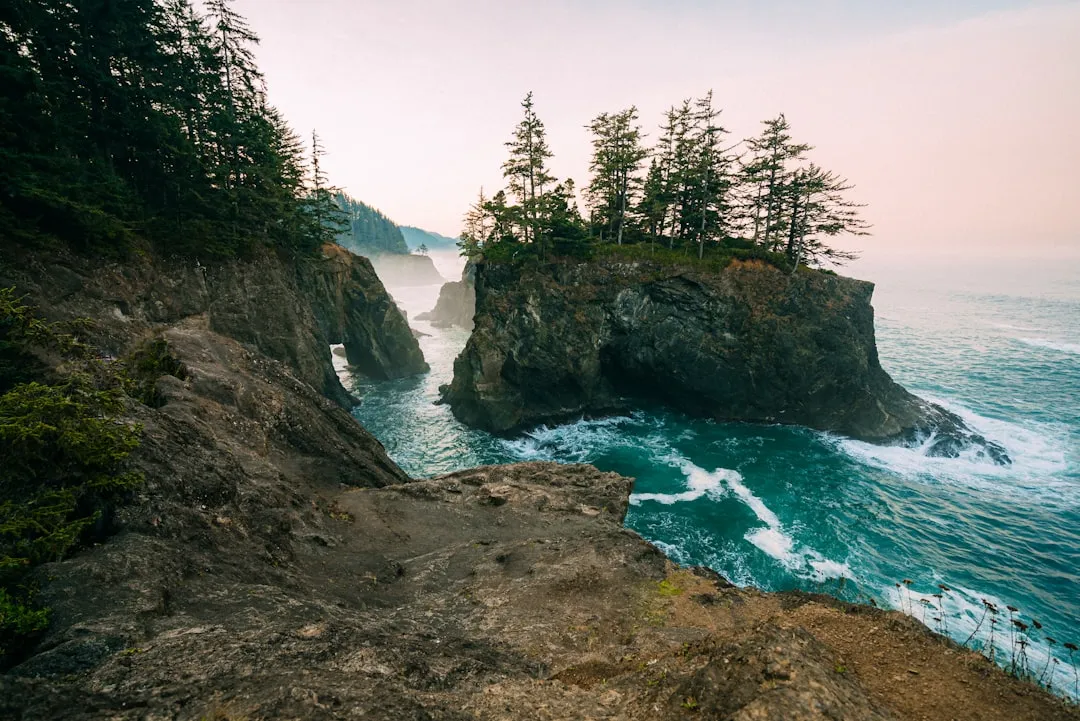
Secret Beach is a pocket cove on the southern Oregon Coast inside the Samuel H. Boardman State Scenic Corridor. What draws people back, season after season, is the rare convergence of features packed into one small space.
What makes it different from the dozens of other turnouts along this stretch of Highway 101 is the combination of features in a single small space: a sand beach, a creek waterfall pouring directly off the cliff onto the sand, basalt sea stacks anchored offshore, and headlands that wrap the cove and shelter it from the prevailing wind.
In the right light you can watch the creek water mix with the Pacific in stark gradients of green and blue. The sea stacks sit between 50 and 200 yards offshore, breaking up the wave action and giving the beach a more enclosed, private feel than its open size would suggest.
The Off-Season Crowds (or Lack Thereof)
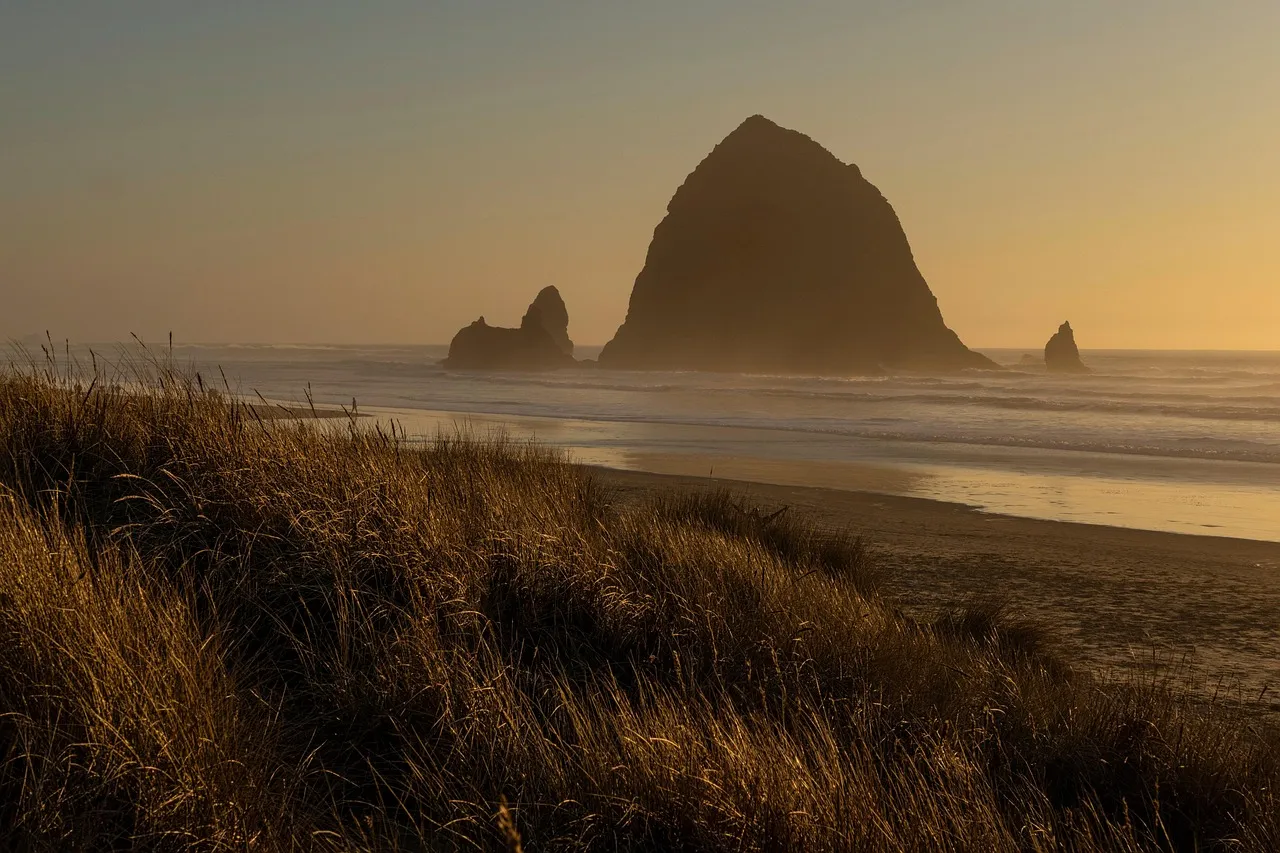
Visiting the Oregon Coast during the off-season offers a distinctly different yet equally enriching experience compared to the peak summer months. One of the primary appeals is the sense of solitude and introspection the coast provides during this time. The cooler, more unpredictable weather brings far fewer tourists to these shores, which, for some, is a very good thing.
The favorite thing about visiting the Oregon Coast in winter is how easy it is to find solitude. As a rough estimate, one encounters about ninety percent fewer visitors in January than in July.
Starting around November, the beaches closest to Portland begin to look almost empty. Restaurant wait times dwindle to nothing. Parking, usually a genuine challenge at Secret Beach, becomes far less stressful.
Storm Watching as a Reason to Visit, Not to Stay Home
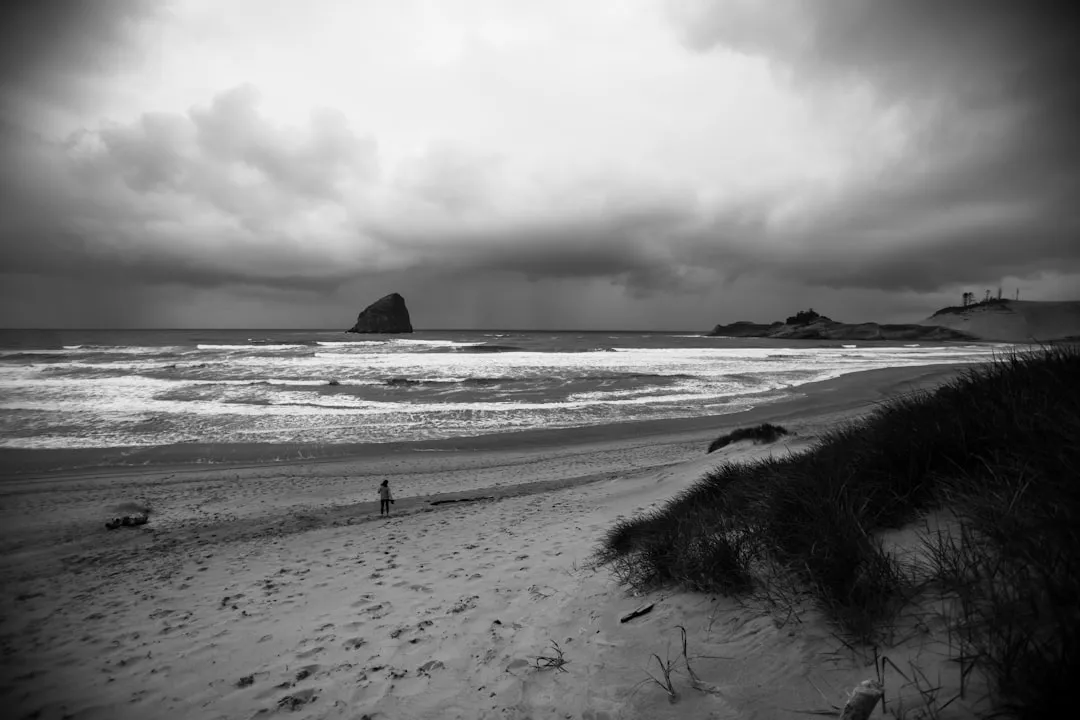
During the off-season, the coast becomes more dramatic and moody, with powerful ocean storms creating spectacular scenes that can be both exhilarating and contemplative. At a sheltered cove like Secret Beach, that drama is framed by the surrounding headlands in a way that feels almost theatrical.
A winter weekend on the coast might involve powerful ocean storms that make for a dramatic show of high crashing waves best enjoyed from beside a warm fire with a glass of wine, or warm, sunny days perfect for a tranquil hike through coastal forest.
Winter months bring moody and stormy weather that creates powerful waves and atmospheric photo opportunities, though visitors should expect slippery trails and limited access at times. Coming prepared is part of the appeal for the regulars.
The Trail In: Short, Rugged, and Completely Worth It
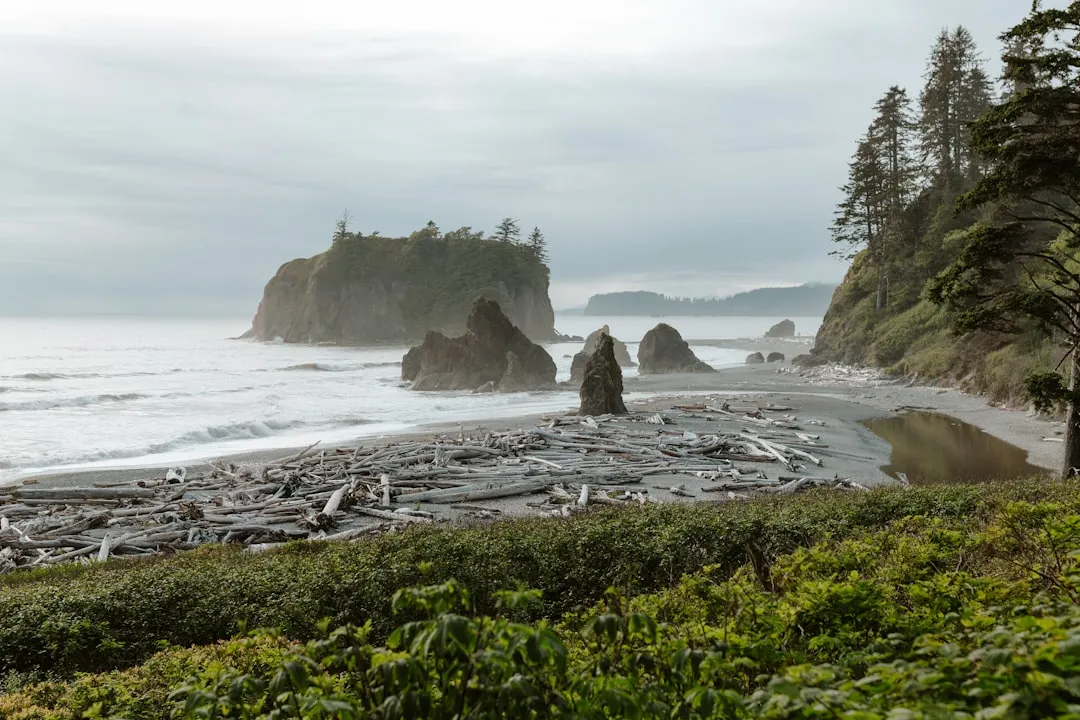
The hike to Secret Beach is a short out-and-back trail in the Samuel H. Boardman State Scenic Corridor, roughly 0.5 miles round trip on the direct route, leading to a sheltered cove with a creek waterfall, basalt sea stacks, and frequent seal sightings.
Beautiful ferns and tree limbs covered in moss line the trail. On the way to the beach you’ll be met with viewpoints along the cliffs that look directly down to Secret Beach. The final stretch pops out of the forest and follows a short path through tall grass and wildflowers before landing you at the entrance to the beach.
Arriving at mid-tide allows visitors to roam the connecting coves and still enjoy the experience without the full-sun crowds. In the off-season, mid-tide or low tide visits feel truly solitary in the best possible sense.
Gray Whale Migration: A Winter Exclusive
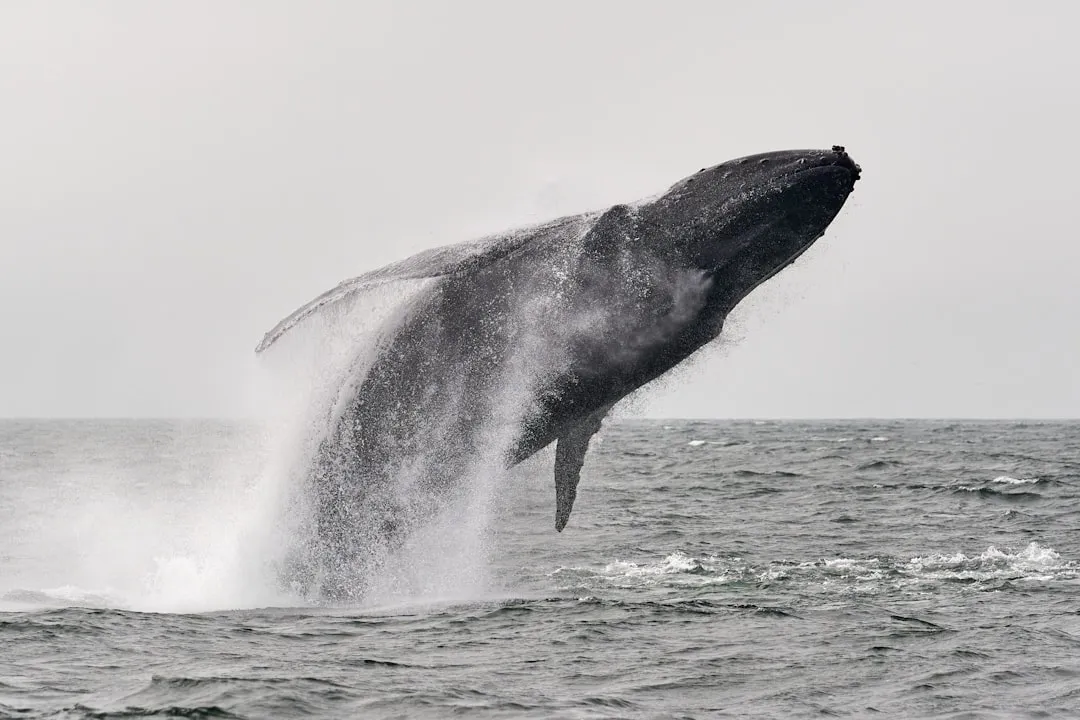
One of the most compelling reasons Oregonians time their coastal trips to the off-season has nothing to do with fewer cars in the lot. It’s what’s happening offshore. The winter gray whale migration runs from the end of December to mid-January, when around 20,000 whales swim past the coast on their way to Mexico.
Researchers estimate that around 30 whales migrate past the Oregon Coast per hour during peak southbound migration. From the headlands near Secret Beach, the elevated sightlines into the Pacific make this one of the finer natural spectacles in the Pacific Northwest.
Most cherish the fewer crowds and the surging energy of the coast in the cooler months, with more than 170 specific spots to view migratory and overwintering birds, and more than a dozen designated viewpoints for whale watching during the winter migration season.
Tidepooling Without the Shoulder Traffic
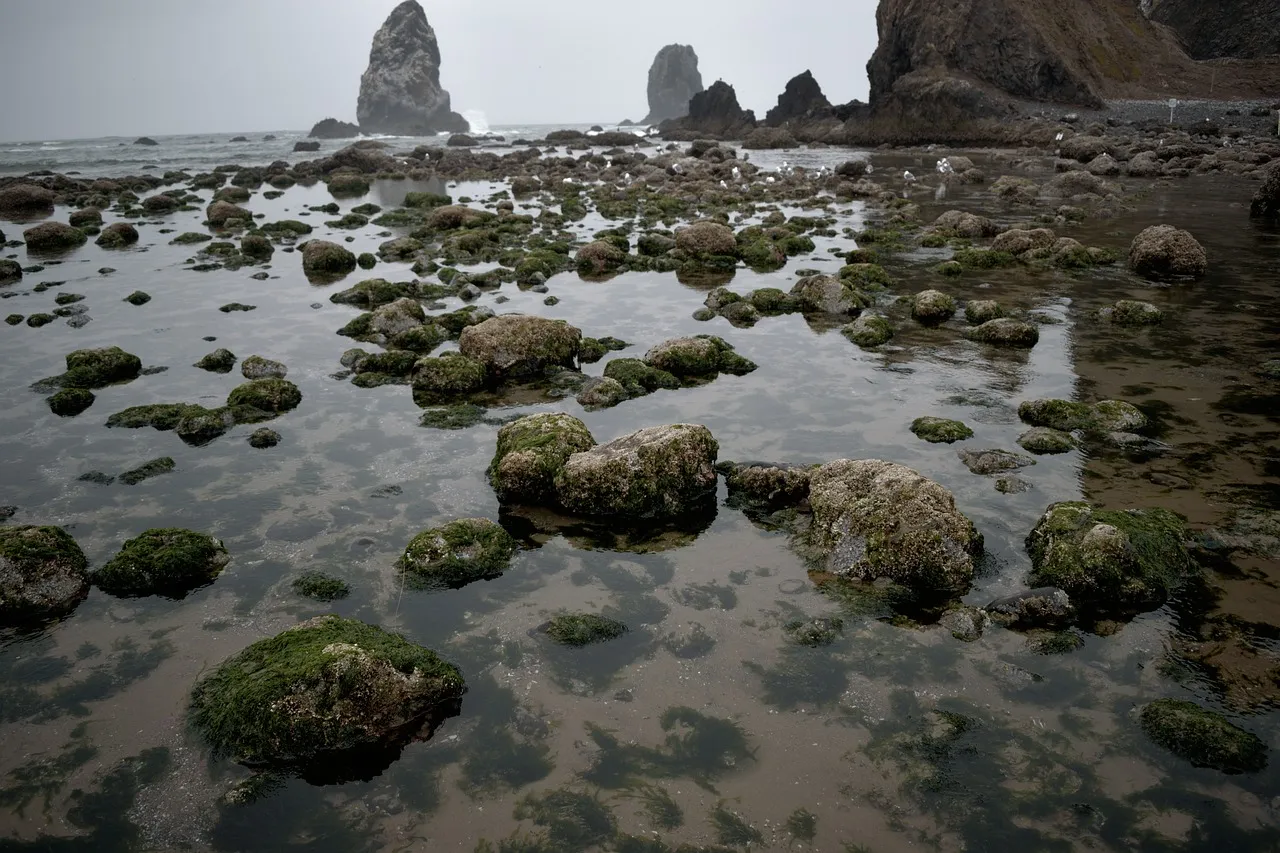
Tide pools form on beaches and around rock formations at low tide, when the retreating ocean leaves behind shallow pools filled with sea stars, anemones, mussels, and other sea creatures. The rock formations flanking Secret Beach are particularly generous in this regard.
Instead of soft sand, the shoreline here is covered in polished volcanic pebbles that rattle like marbles when waves recede. Planning a visit for a minus tide reveals pools brimming with purple sea urchins, emerald anemones, and shy hermit crabs.
In the off-season, you’re rarely competing for a good angle on a tide pool. The experience feels intimate rather than managed, which is a meaningful distinction for those who return year after year.
The Southern Corridor Has More to Offer Nearby
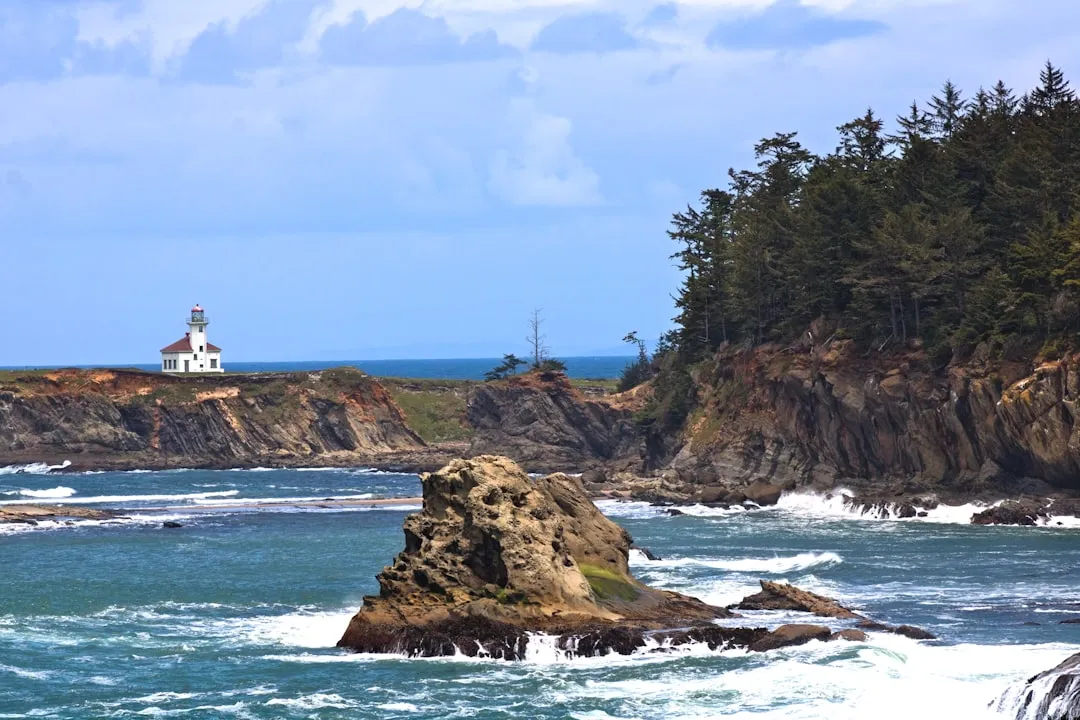
Extending 12 miles along Highway 101, the Samuel H. Boardman Scenic Corridor has stunning hidden coves, dramatic rock arches, and epic sunset views. Secret Beach sits within easy reach of several other significant stops.
Natural Bridges is a must-see for anyone visiting Samuel H. Boardman. The natural rock formations create stunning bridges over the water, offering breathtaking views. Arch Rock is another iconic spot in the corridor, and the natural arch formation offers great photo opportunities.
A trail system connecting Shore Acres, Sunset Bay, and Cape Arago state parks delivers dramatic views and prime storm-watching vantage points for colossal waves. Lighthouse lovers can delight in five stoic beacons located along this stretch of Highway 101, including the Umpqua River, Cape Arago, Coquille River, Cape Blanco, and Pelican Bay lighthouses.
Practical Realities for Off-Season Visitors
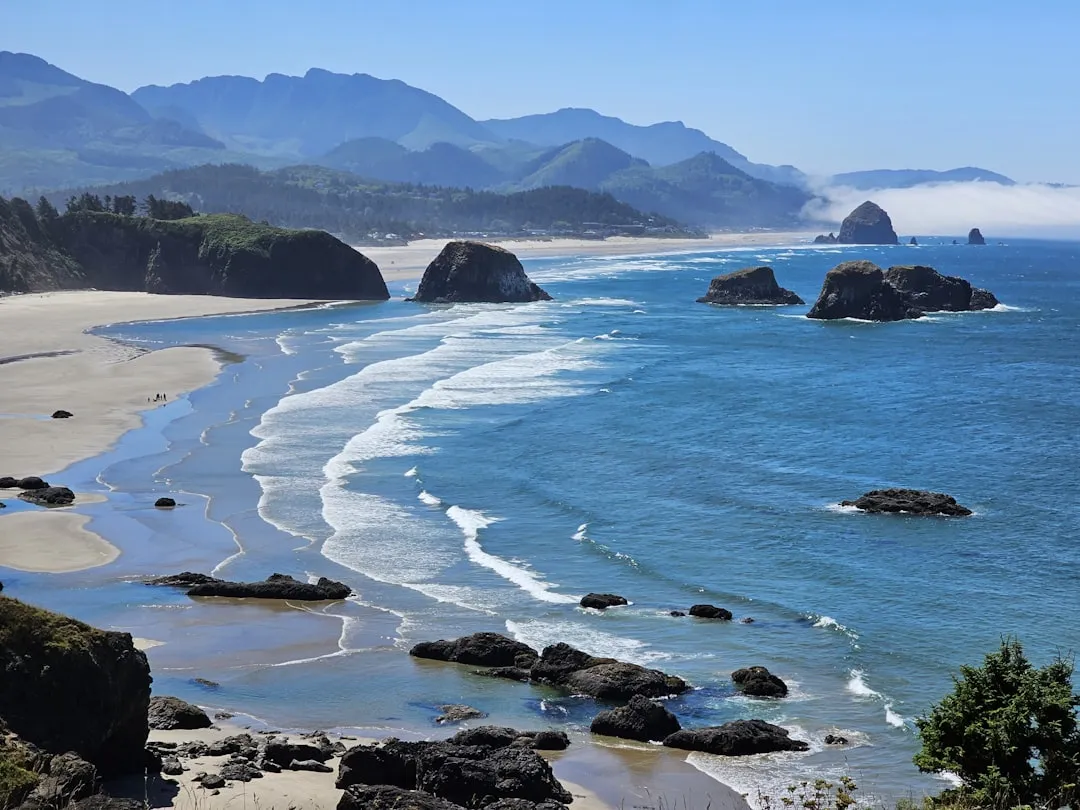
Winter is off-season on the Oregon Coast, and it’s not uncommon to find some restaurants, tour companies, and smaller accommodations closed for the season, especially in January and February. The good news is that all the parks and beaches are open year-round.
Oregon is a fairly northern state, and this means fewer daylight hours during the winter months. On the shortest day of the year in northern Oregon, the sun rises around 7:45 a.m. and sets at 4:30 p.m., though by late February the sun is rising just before 7 a.m. and setting just before 6 p.m.
The Oregon Department of Transportation completed parking-area widening at Secret Beach in spring 2025, adding a vault toilet and better signage without spoiling the secluded feel. Still, visiting at low tide with a flexible plan in case a parking lot is full is wise, and checking the tide tables while bringing water and appropriate hiking gear remains essential.
Birding and Wildlife Along the Marsh
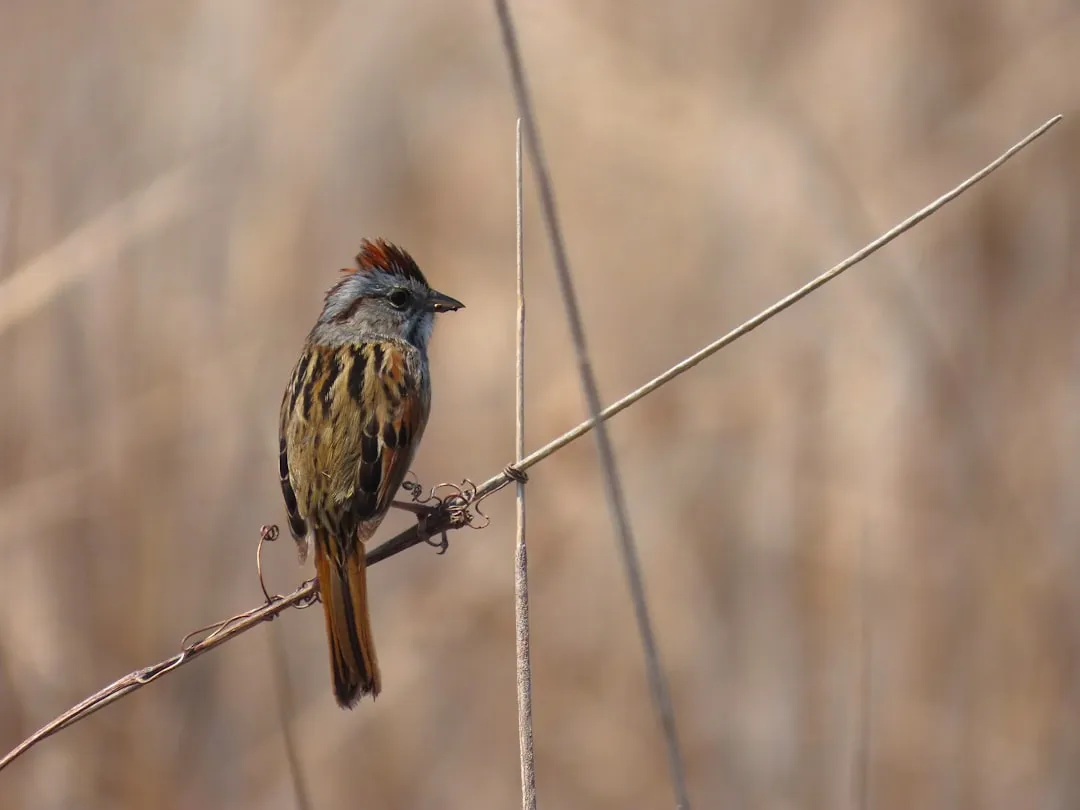
Bandon Marsh National Wildlife Refuge and the Oregon Islands National Wildlife Refuge are great spots for winter birding. Expect to see waterfowl, shorebirds, eagles, and birds of prey throughout the season. These refuges sit within an easy drive of the Boardman Corridor.
Beautiful Siletz Bay National Wildlife Refuge harbors red-tailed hawks, majestic egrets, and great blue herons. The Pacific flyway that runs along the Oregon coast makes the off-season months particularly rich for bird observation.
Winter is also the time of year when elk are most commonly spotted on the coast. Cannon Beach has recorded elk sightings on nearly every winter visit, sometimes in multiple places around town. Nature watching along this stretch of Oregon is rarely a passive activity.
The Crabbing Season That Locals Actually Look Forward To
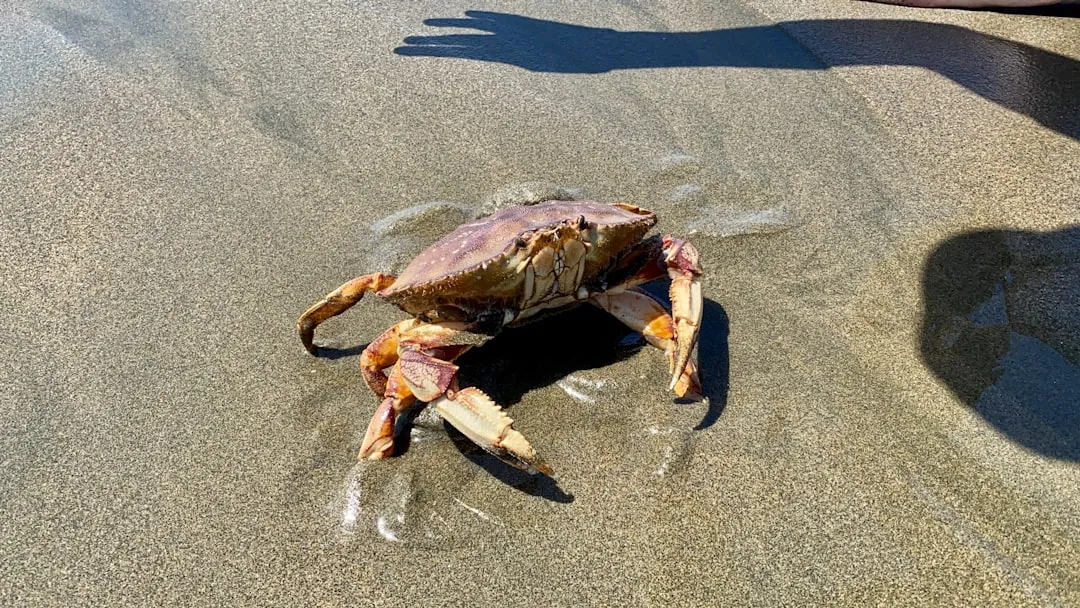
Crabbing is an all-year affair, but the best bounties are to be had during the winter season. You can catch crabs right off just about any dock along the coast, though the best catches come from crabbing from a boat. Professional guided Dungeness crabbing tours are available in a variety of cities.
Dungeness crab is not a side note on the southern Oregon coast. It’s a reason people plan trips. The cold-water season brings out the most flavorful harvests, and the fishing towns near Brookings and Gold Beach offer guided options that connect visitors directly to this tradition.
Coastal towns in the region also offer local handcrafted products, including exquisite jewelry, hand-woven clothing, and locally sourced delicacies. The off-season gives these small shops room to breathe, and the conversations with local makers feel far less rushed than they do in July.
A Quiet Note on Responsible Visiting
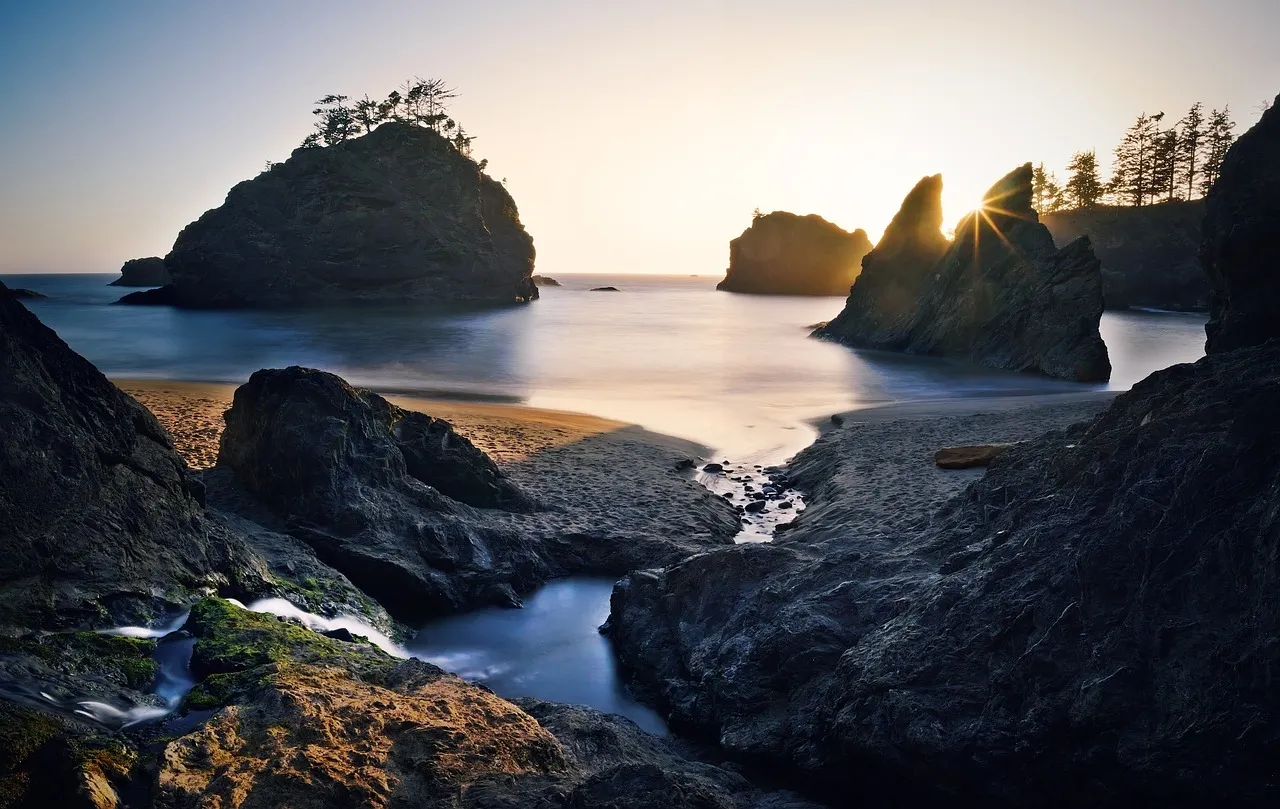
Secret Beach earns its name partly because it still requires a little effort. Facilities are minimal, visitors are expected to pack out everything, and watching the tide is essential because this slice of coastline disappears under high surf. The off-season doesn’t suspend these responsibilities; it simply distributes the foot traffic more gently.
Coastal trails winding around lakes, over rivers, and through woods offer peaceful hikes and an opportunity to connect with nature. Some trails can become muddy and slippery in the wetter months, so choosing the right path matters.
The Oregonians who return to this cove every off-season understand something quietly important: caring for a place and loving it fully are the same impulse. Coming in the slower months, treading lightly, packing out every wrapper, and leaving the tide pools undisturbed are what keep Secret Beach worth returning to.
The Takeaway
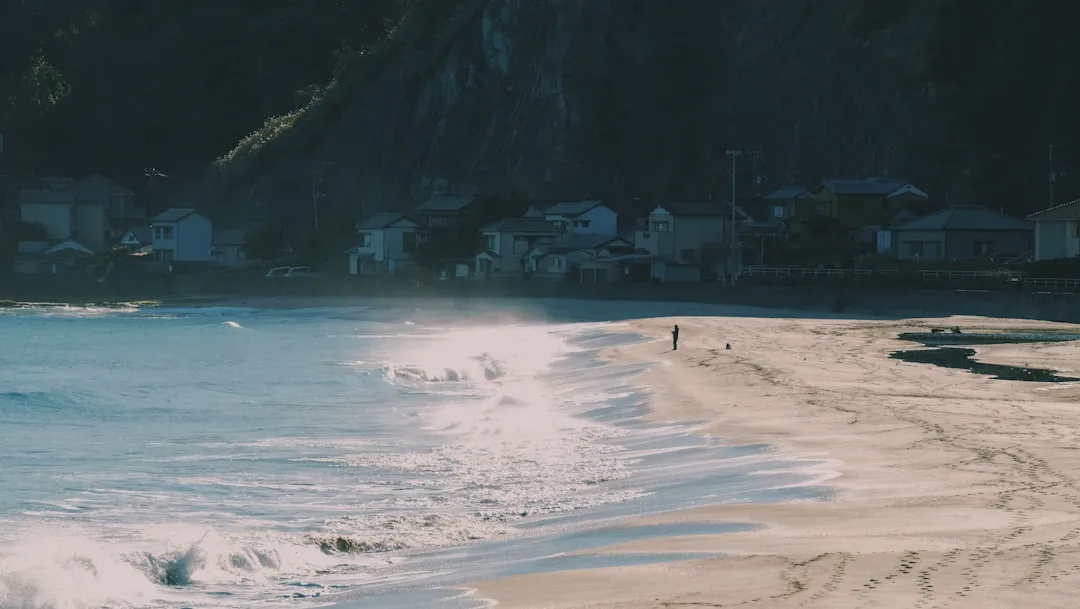
Secret Beach doesn’t reveal its best self to the most people. It reveals it at the right time, to the right visitors, under the right light. The off-season offers more time for quiet introspection on the rugged coastal landscape and more time to enjoy the coast’s raw beauty without the crowds.
As the crisp air sweeps across the Pacific, the coastline transforms into a serene escape, perfect for those looking to explore its rugged beauty away from the crowds. With fewer visitors, stunning landscapes, and cozy accommodations, the off-season has become a quietly treasured experience for winter travelers.
There’s a reason the Oregonians who know this cove keep going back. The summer version of Secret Beach is beautiful. The off-season version feels like it belongs to you.
AI Disclaimer: This article was created with the assistance of AI tools and reviewed by a human editor.