
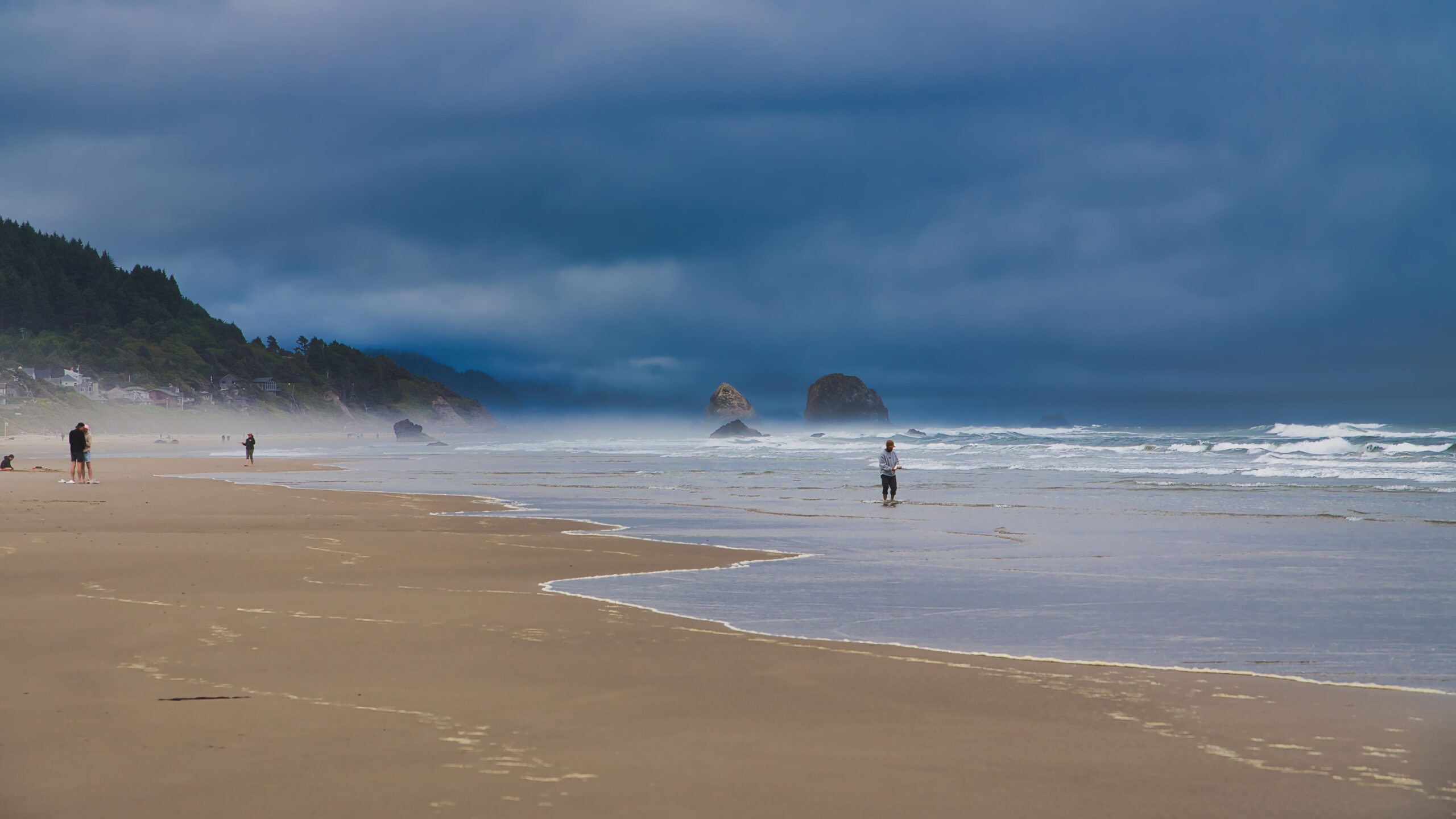
There’s a particular kind of quiet that settles over the Oregon coast on a foggy Saturday morning, the kind that makes a two-hour drive from Portland feel like stepping into another rhythm of life entirely. Ask anyone who’s grown up in the Pacific Northwest where they go when they need a reset, and one name comes up again and again. Cannon Beach has been pulling in weekenders for generations, not because it’s flashy or new, but because it has quietly held onto what made it special in the first place.
A Short Drive That Feels Like a Bigger Escape
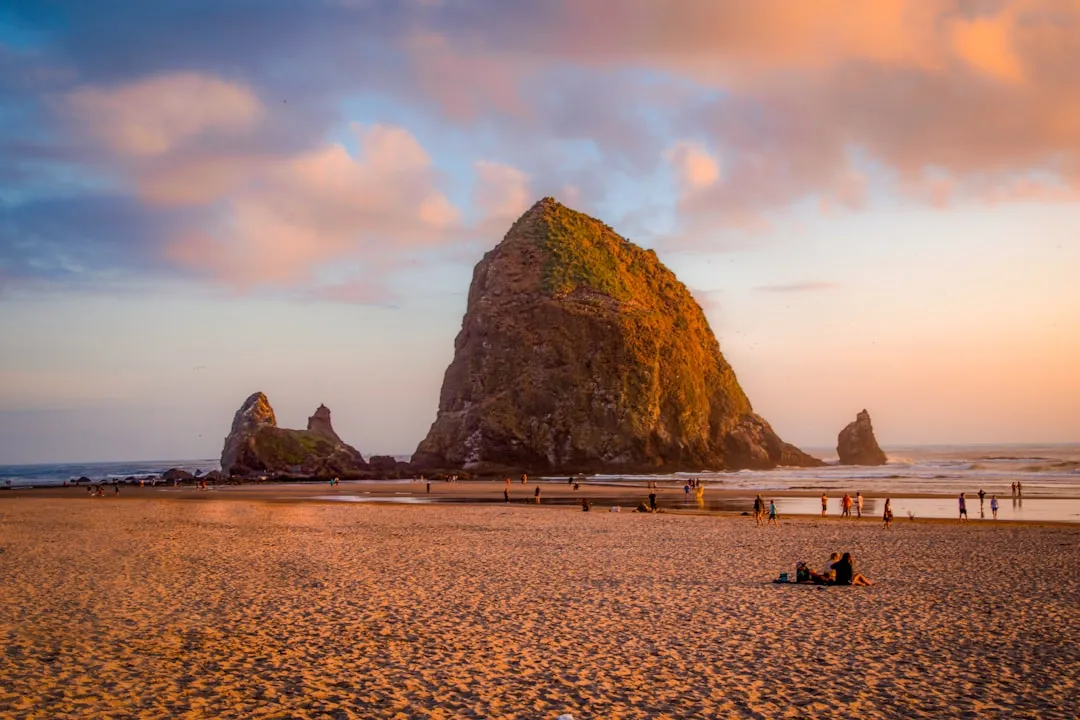
Part of the appeal is simple geography. Cannon Beach sits on the Pacific Northwest Coast of Oregon, 80 miles west of Portland and 25 miles south of Astoria, which puts it within easy reach for a spontaneous Friday afternoon departure. That distance matters. It’s far enough to feel like a real getaway, but close enough that a two-day trip doesn’t require burning a vacation day.
Wikipedia notes plainly that Cannon Beach is a tourist resort destination, particularly popular as a weekend getaway with residents from Portland, Oregon. That reputation didn’t happen overnight. It’s built up over decades of Portlanders treating this stretch of coastline as their default reset button.
Haystack Rock, the Landmark Everyone Recognizes
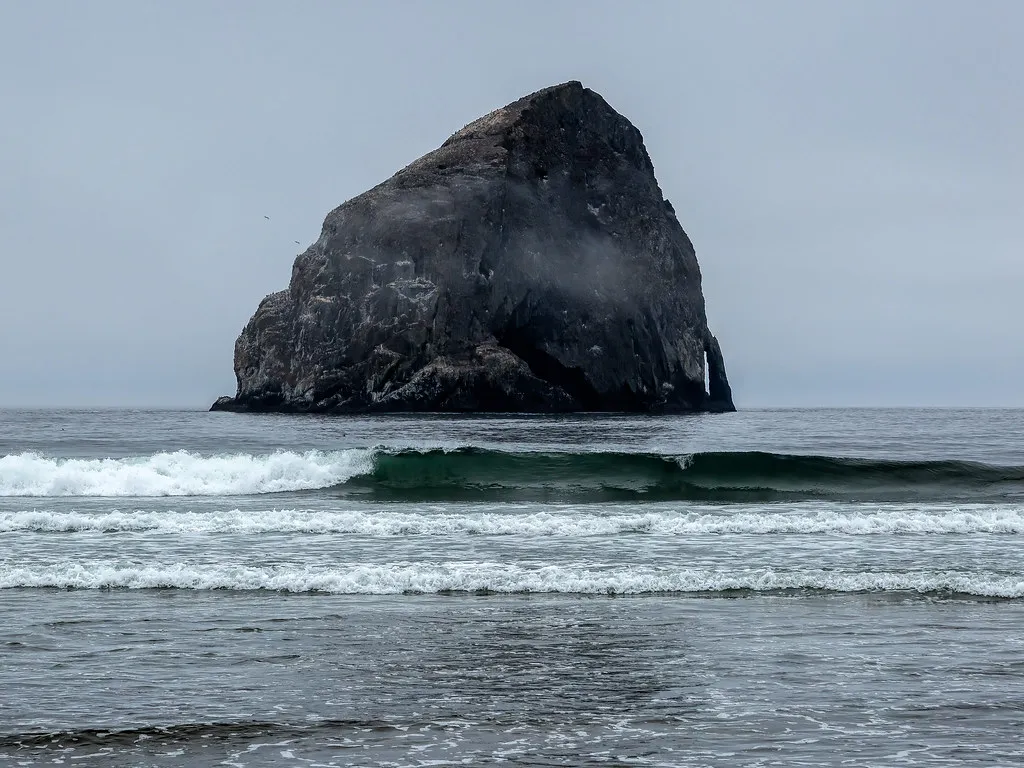
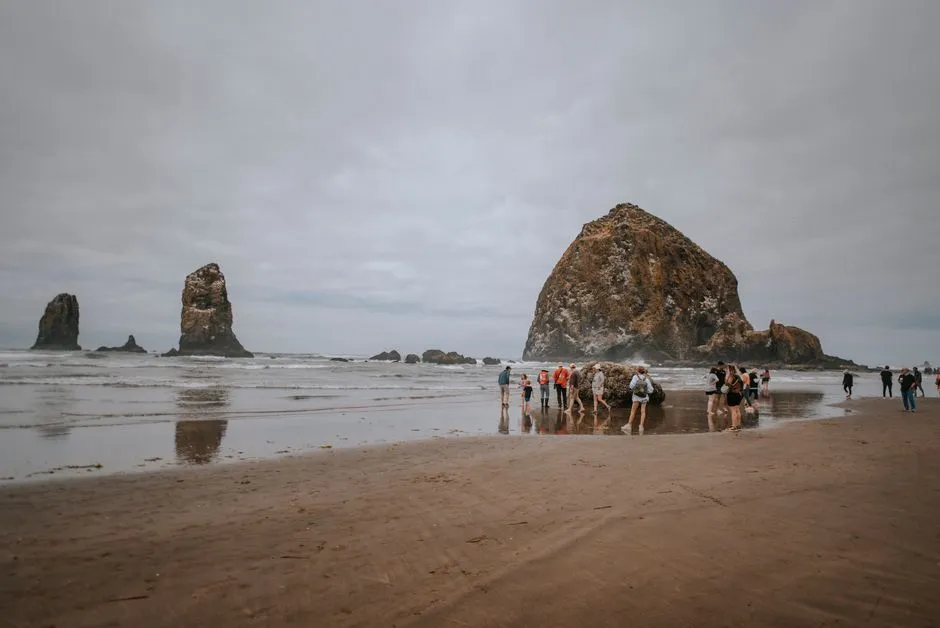
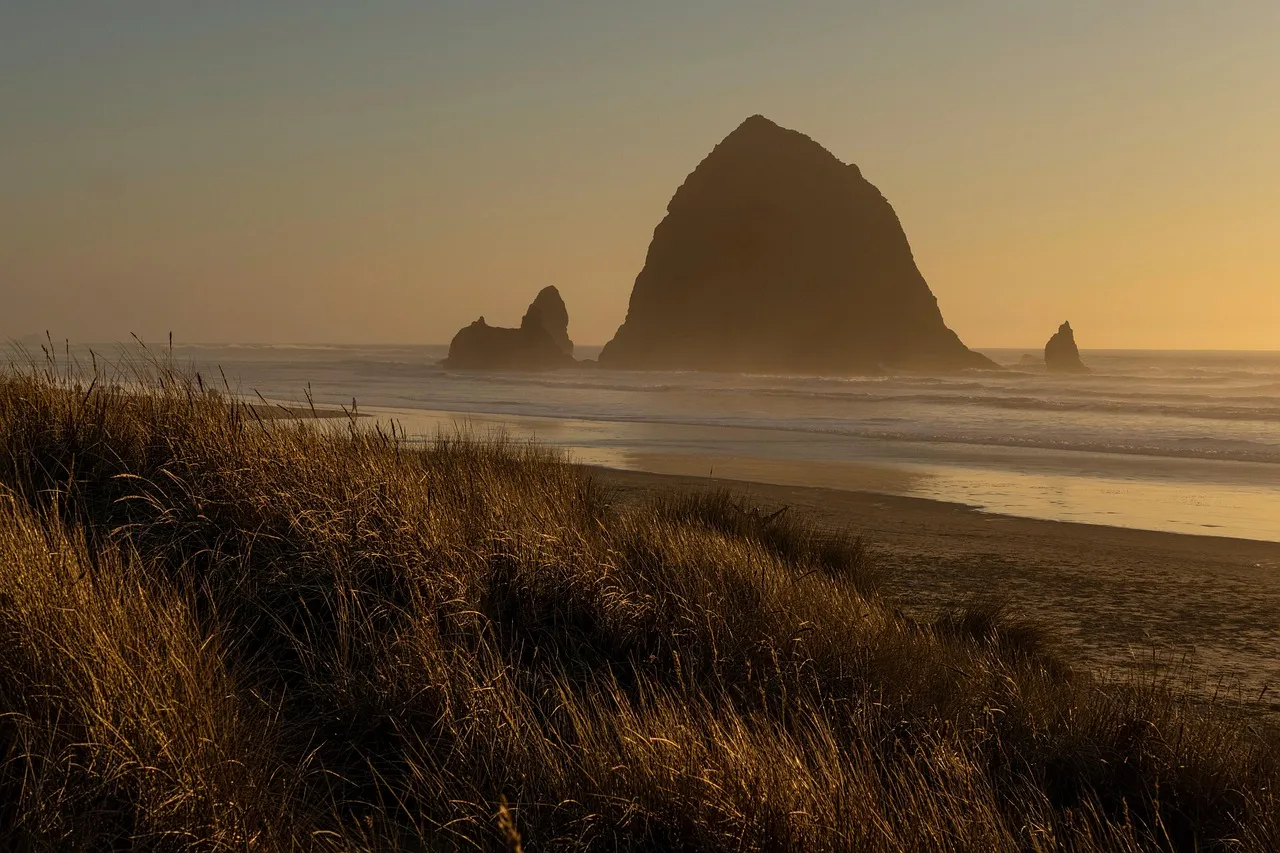
No conversation about Cannon Beach gets far without mentioning Haystack Rock. This sea stack rises to an elevation of 235 feet and is often accessible at low tide, especially in the summertime, making it one of the most photographed natural features on the entire Oregon coast.
The rock isn’t just scenery, either. It’s protected as part of Oregon Islands National Wildlife Refuge, with events not allowed within 100 feet of either side, which keeps it a genuine habitat rather than a backdrop trampled by foot traffic. Tide pools at its base reveal starfish, anemones, and the occasional tufted puffin, giving visitors a reason to linger long after the initial photo is taken.
A Town That Deliberately Stayed Small
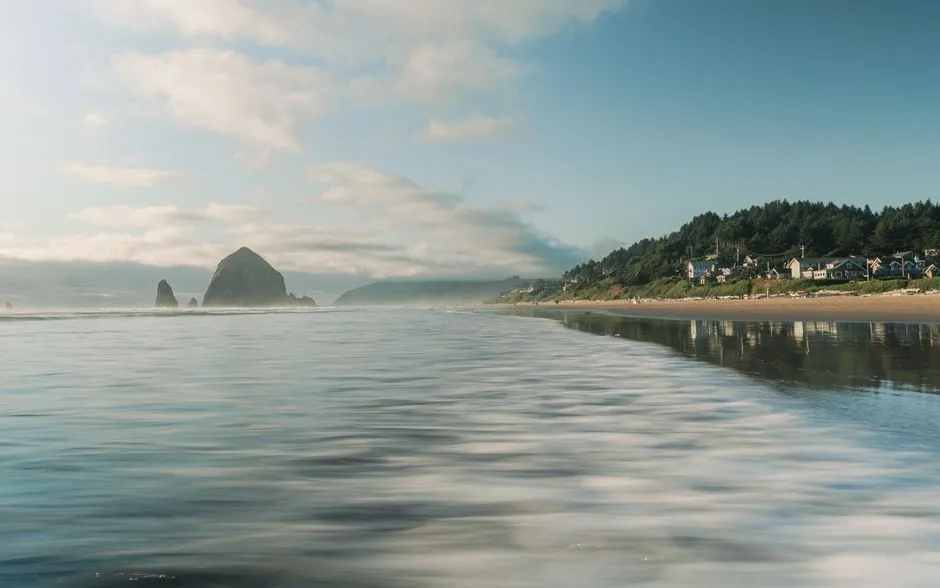
What sets Cannon Beach apart from other coastal towns is a conscious choice its residents made decades ago. Local policy has long discouraged chain businesses, and as a result, chain stores such as Safeway and McDonald’s have been discouraged from building in Cannon Beach in order to preserve the local economy and small-town feel.
Walk the main strip today and you’ll find strict regulations limiting the infiltration of large chain stores or restaurants, which helps Cannon Beach retain its small town charm. That’s not a marketing slogan. It’s a zoning reality that shapes every storefront you pass, from the bookshops to the family-run bakeries.
The Sandcastle Contest That Started From Tragedy
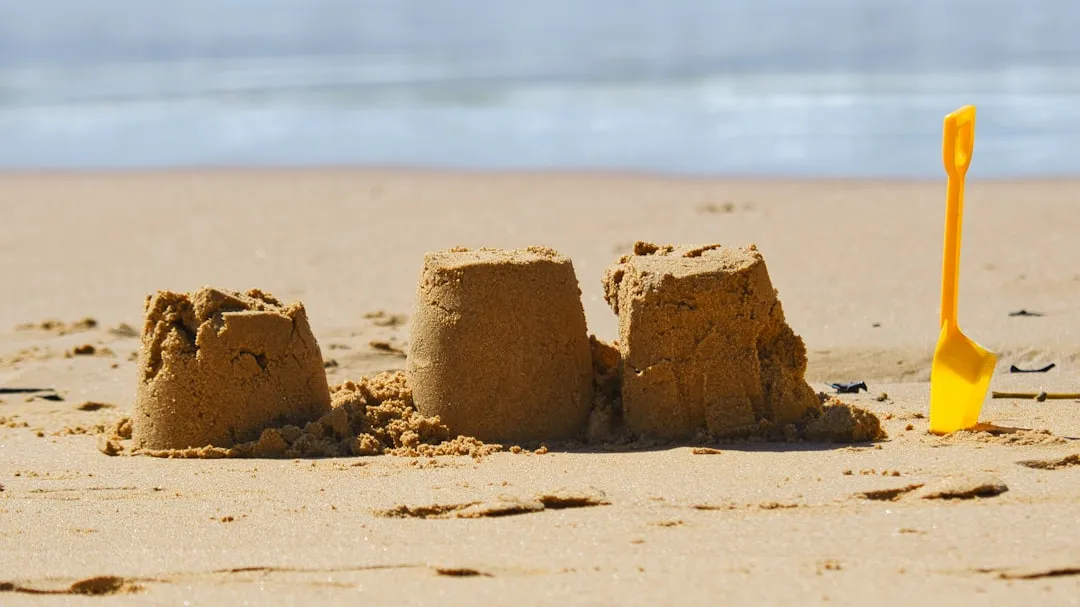
One of the town’s most beloved traditions has surprisingly somber roots. The event was dreamed up by four locals looking to lift community spirits after the Good Friday Earthquake sent a tsunami surging through town and wiped out the Elk Creek Bridge back in 1964.
More than sixty years later, it’s grown into something remarkable. The 2026 edition marked the 62nd year, bringing artists, families, tourists, and longtime locals together for one of the most unique traditions on the Oregon Coast, drawing visitors who plan entire weekends around a single Saturday. What began as a way to cope with disaster is now one of the defining reasons people schedule their summer around this particular stretch of coast.
Nine Miles of Public Beach, No Barriers
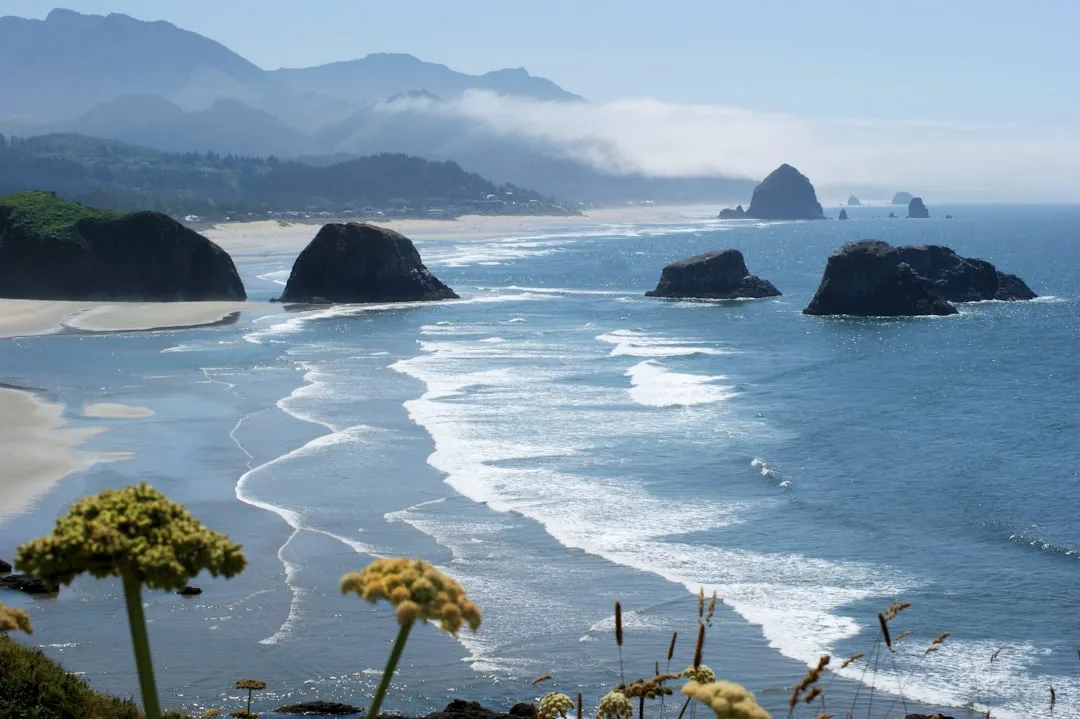
Access matters as much as scenery, and Cannon Beach delivers on both fronts. The shoreline stretches for nine miles, making a perfect setting for strolling along the seaside, watching diverse wildlife in its natural habitat, and building a sand castle.
Local government keeps that access genuinely open to everyone. The city maintains 44 public beach access points, spread across neighborhoods so no single area of town monopolizes the shoreline. Combined with Oregon’s long-standing policy that beaches are public recreation areas for both residents and visitors alike, it means a weekend trip rarely involves fighting for a patch of sand.
An Arts Scene That Runs Deeper Than Souvenir Shops
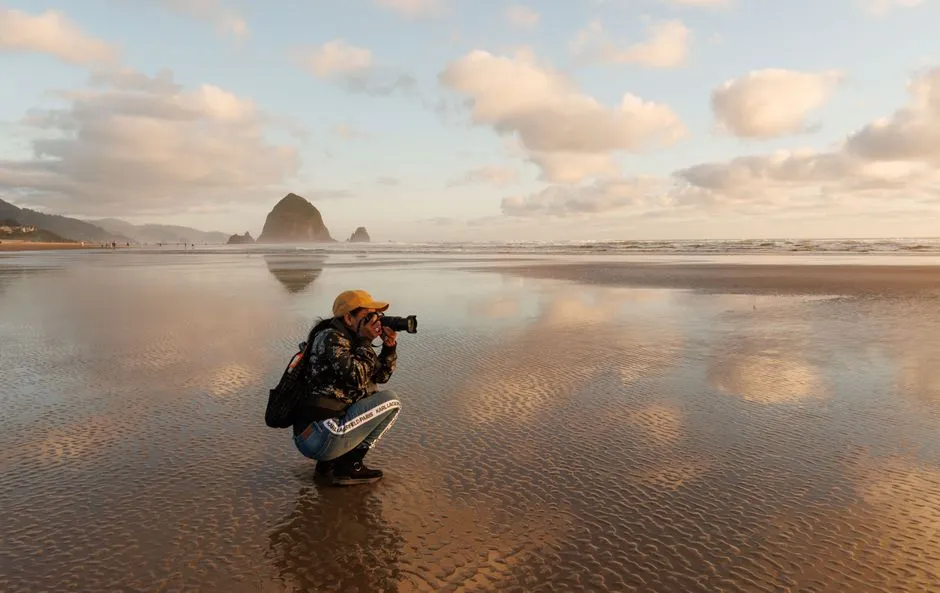
Cannon Beach has long positioned itself as a haven for working artists rather than just a place to buy postcards. The town hosts an annual late-fall festival called the Stormy Weather Arts Festival, held in November, where artists from across the Pacific Northwest showcase their artwork in local galleries.
Spring brings its own version of that same spirit, with the “Spring Unveiling,” an annual arts festival held on the first Sunday in May and hosted by the city’s galleries. For locals, these events aren’t tourist add-ons. They’re part of why the town keeps drawing repeat visitors who might otherwise stick to one trip a year.
Who Actually Comes Here, and Why
Regional data on Oregon Coast visitors paints a clear picture of what draws people to towns like this one. Surveyed travelers ranked scenic beauty (95%) and a relaxing environment (92%) as the top important factors for choosing Oregon, with local food and affordability close behind.
Spending patterns back up the idea that this is a food-and-lodging kind of trip rather than a theme-park one. Visitors to the Oregon Coast spent almost $249 per person per day in-destination, with lodging accounting for the largest share at $66 per person per day, followed closely by restaurants and dining at $59. That’s the profile of someone settling in for a slower pace, not rushing between attractions.
A Small Town Carrying a Big Tourism Load

The scale of visitation here is genuinely striking for a town this size. Cannon Beach has a year-round population of just over 1,500 residents, yet it plays host to more than 1,500,000 visitors annually.
That volume has prompted the town to think seriously about sustainable tourism management. A recent destination stewardship report acknowledged that pressures from remote work and shifting visitor patterns have changed the daily patterns of both visitors and inhabitants, creating dramatic strain on the community. It’s a candid admission, and one that shows local leaders are actively managing growth rather than ignoring it.
Where Food Meets the View

Dining in Cannon Beach tends to lean into the setting rather than compete with it. Restaurants along the main strip serve fresh seafood with direct sightlines to Haystack Rock, and the town’s compact downtown means a short walk connects a morning coffee, an afternoon gallery stop, and an evening dinner reservation without ever needing a car.
The broader Oregon Coast region has built an identity around this kind of food-forward travel. Reports on the area describe it as a popular drive-to destination market that thrives on tourism, offering a variety of vacation spots from bustling hubs to rural destinations with small-town charm. Cannon Beach sits comfortably in that second category, favoring intimacy over volume.
Nature Right at the Edge of Town
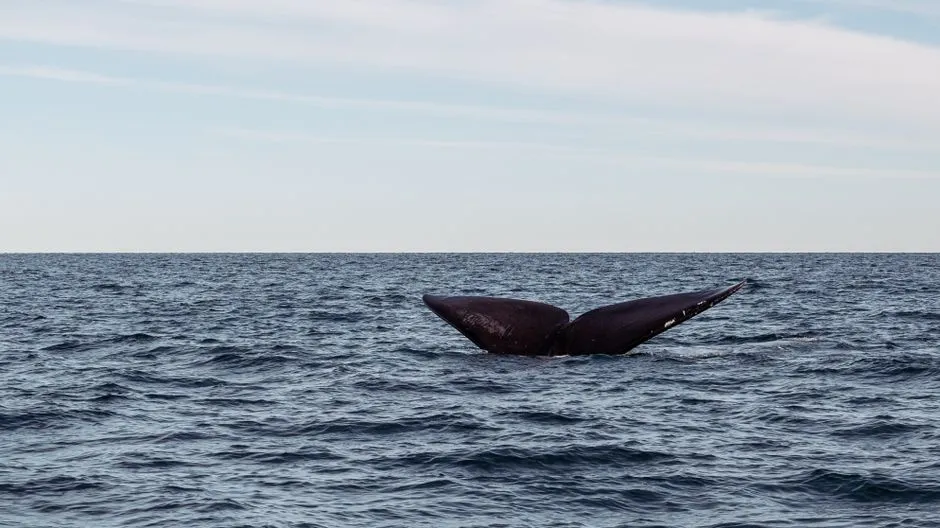
Part of what makes a weekend here feel restorative is how quickly the wilderness takes over once you leave downtown. Ecola State Park, just north of town, offers dramatic headland views and is regularly used by state park volunteers during spring migration for Whale Watch Week, one of the best vantage points for whale watching on the Oregon Coast, to look for passing Gray Whales.
Four parks sit within the city limits alone, giving visitors options ranging from quiet natural sites to family-friendly recreation areas. That density of accessible nature, tucked right against a walkable downtown, is a big part of why a two-day trip here rarely feels rushed.
A Coastal Rhythm Worth Returning To
What keeps Pacific Northwest locals coming back to Cannon Beach isn’t one single attraction. It’s the combination of a manageable drive, a landmark that never gets old to look at, a downtown that resisted homogenization, and a community calendar built around genuine tradition rather than manufactured events. Weekend trips work best when they don’t require reinvention every visit, and this stretch of Oregon coast has built its entire identity around that kind of reliable, unhurried charm. For anyone weighing where to spend a Saturday and Sunday away from the city, it’s worth remembering that the best coastal towns aren’t always the newest ones. Sometimes they’re just the ones that never stopped being themselves.
AI Disclaimer: This article was created with the assistance of AI tools and reviewed by a human editor.