
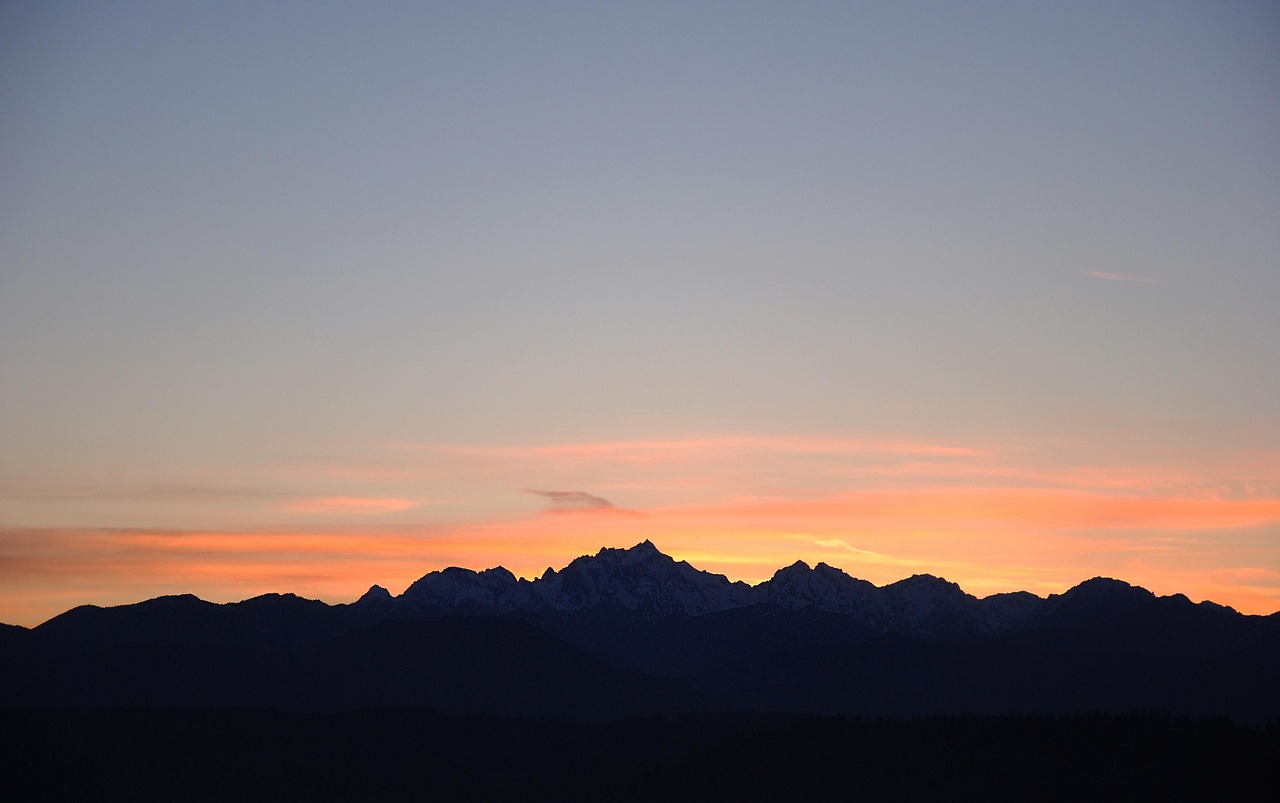

There’s a particular kind of quiet that only reveals itself when a place empties out. In the Pacific Northwest, where summers pull visitors toward every corner of the landscape, winter can feel like a reclamation. For those who grew up here, or who’ve lived long enough to learn the region’s rhythms, the Hoh Rainforest on Washington’s Olympic Peninsula is not a place you stumble upon. It’s a place you return to, deliberately, when the calendar turns cold.
The Hoh sits inside Olympic National Park on the western edge of the Olympic Peninsula. It is old, dense, and unfailingly itself, season after season. Locals who know it well tend to keep their winter visits a little close to the chest. Here’s why they keep coming back.
A Place That Actually Earns the Word “Rainforest”
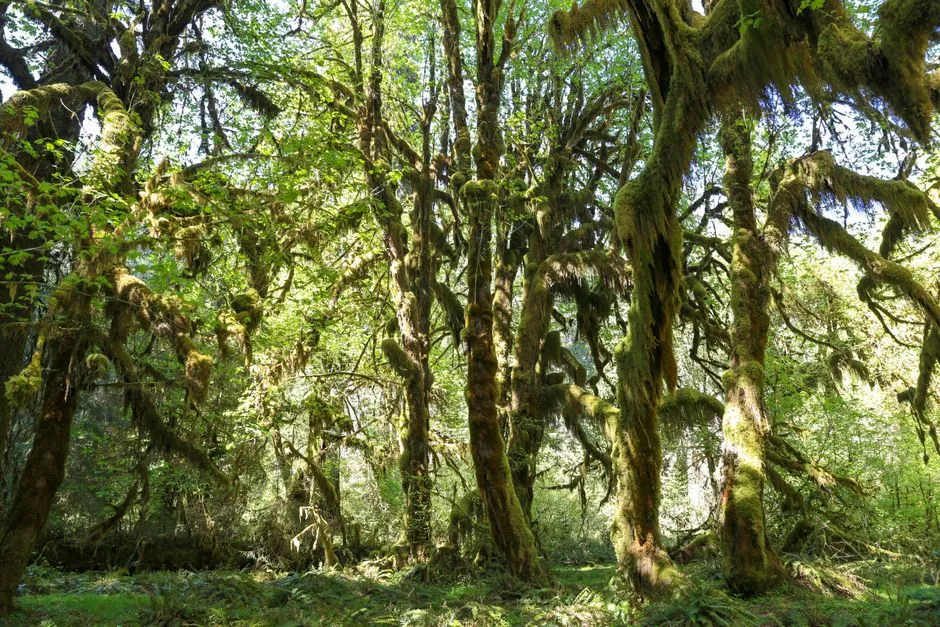
The Hoh Rainforest is not a marketing term. It is one of the largest temperate rainforests in the United States, located on the Olympic Peninsula, encompassing 24 square miles of low-elevation forest along the Hoh River. The numbers behind it are staggering. The rainforest receives an average of 140 inches of annual precipitation, placing it among the rainiest places in the entire United States.
That precipitation is not evenly spread throughout the year. Hoh receives an average 140 inches of precipitation every year, mostly between November and March. Winter, in other words, is when the forest is most fully itself. The rain that most travelers would rather avoid is exactly what makes the ecosystem extraordinary.
The dominant species in the rainforest are Sitka spruce and western hemlock, some of which grow to tremendous size, reaching over 300 feet in height and 23 feet in diameter. Standing beneath one of these trees in a January drizzle is a specific kind of experience that no dry-season photograph can fully prepare you for.
The Crowds Are Gone, and That Changes Everything
Roughly 75 percent of visitors to Olympic National Park visit in June, July, and August, and during those months you can expect long entrance station lines and full parking lots at popular spots like Hurricane Ridge and the Hoh Rainforest. Those who live in Seattle or Portland know this well. Summer means waiting. Winter means walking right in.
The Hoh Rainforest can be extremely busy during the summer months, with people sometimes waiting one to two hours just to get into the parking area during busy summer weekends, but it’s blissfully quiet during the winter. That shift is transformative. Trails that feel like hallways in August become something closer to solitude in December.
Visiting the Hoh Rainforest in winter may be one of the better times to visit if you want the trails to yourself. You may be able to spot everything from Roosevelt elk in the forest to Coho salmon in the streams and rivers. These are not experiences you’re likely to have when sharing the trail with thousands of other visitors.
The Moss Is at Its Most Vivid in Winter
One of the quiet surprises of a winter visit is that the forest doesn’t look tired or dormant. It looks the opposite. Winter is when the moss and lichen on the trees will be at their thickest and most vibrant. The rain keeps everything saturated, and saturated means deeply, almost impossibly green.
The thick moss, the dense canopy, and the constant rain create a natural acoustic buffer, muting the outside world. The only sounds are the rush of the Hoh River, the calls of northern spotted owls, or the occasional rustle of Roosevelt elk in the undergrowth. That sensory quality is genuinely hard to find elsewhere in the region.
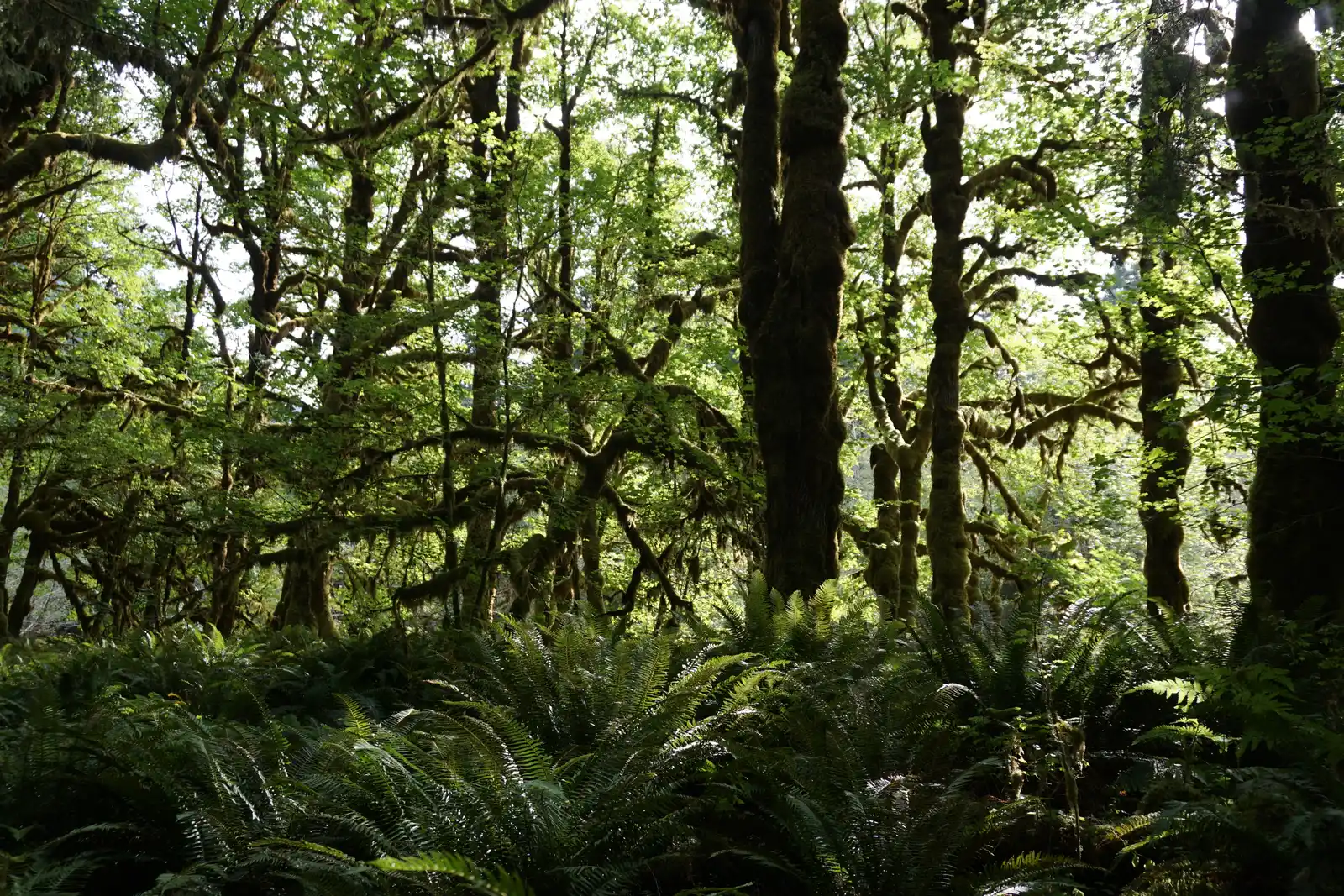
Sitka spruce, western red cedar, western hemlock, and Douglas fir trees grow remarkably tall. Moss and lichen-draped bigleaf maple branches stretch overhead. Some are more than 500 years old. Every inch of the forest feels ancient and timeless. In winter, with fewer distractions, that ancientness is easier to absorb.
Roosevelt Elk Are Easier to Spot
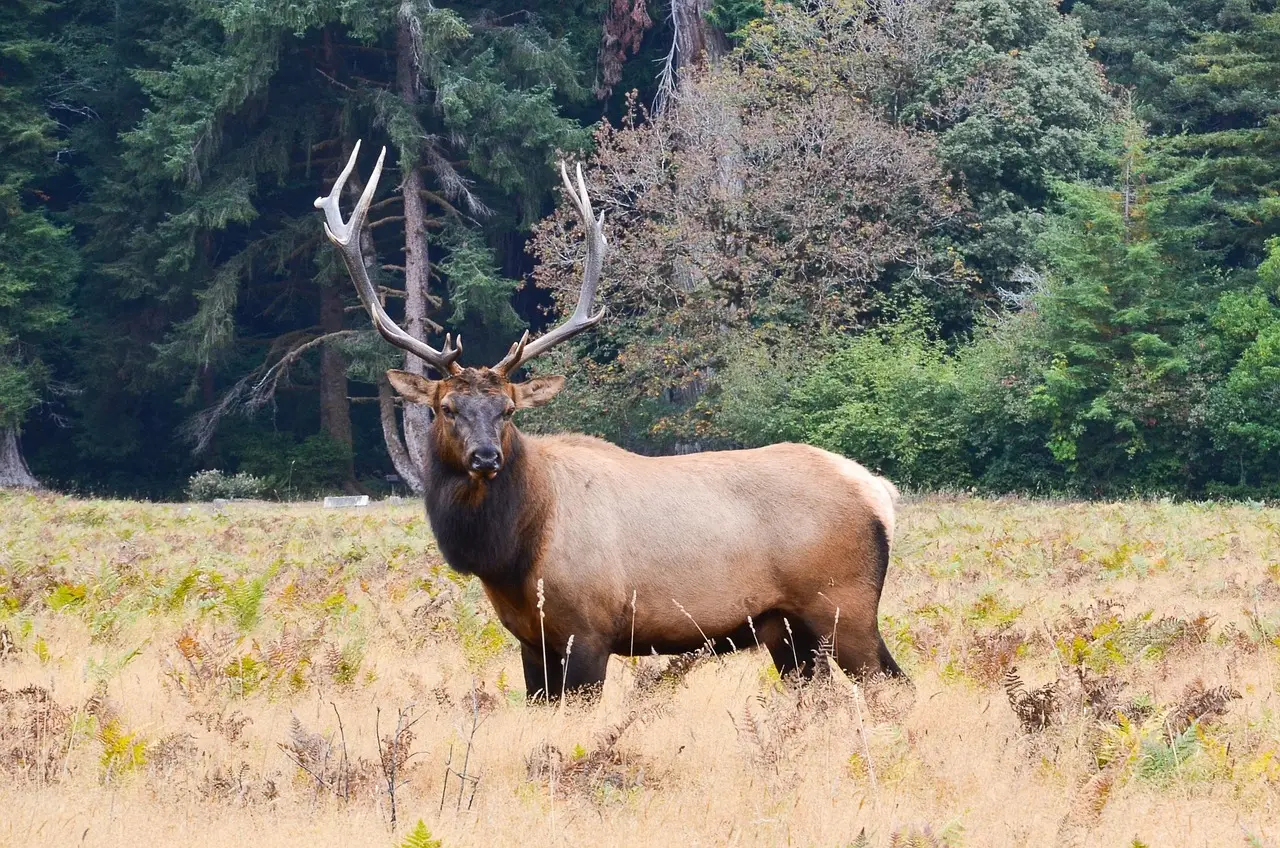
Wildlife encounters at the Hoh are never guaranteed, but winter tips the odds in your favor. The Hoh Valley holds the largest Roosevelt elk herd in Olympic National Park, with roughly 300 animals using the valley year-round. Roosevelt elk are the largest elk subspecies in North America, with mature bulls reaching 900 to 1,100 pounds and carrying antlers spanning five feet.
Roosevelt elk are the headliners, and they show up regularly. These are the largest elk subspecies in North America, and the Hoh Rain Forest is one of the premier places in the entire country to observe them in their natural habitat. Seeing a herd moving through the forest or grazing in the river valley is the kind of wildlife encounter that people talk about for years.
With less traffic and basically zero crowds, you can get some of the most magical parts of the park to yourself. It was quiet enough for some winter visitors to see Roosevelt elk right in the Hoh Rainforest. That’s the kind of thing that becomes a story you tell your friends back in the city.
The Hall of Mosses Is a Different Trail in Winter
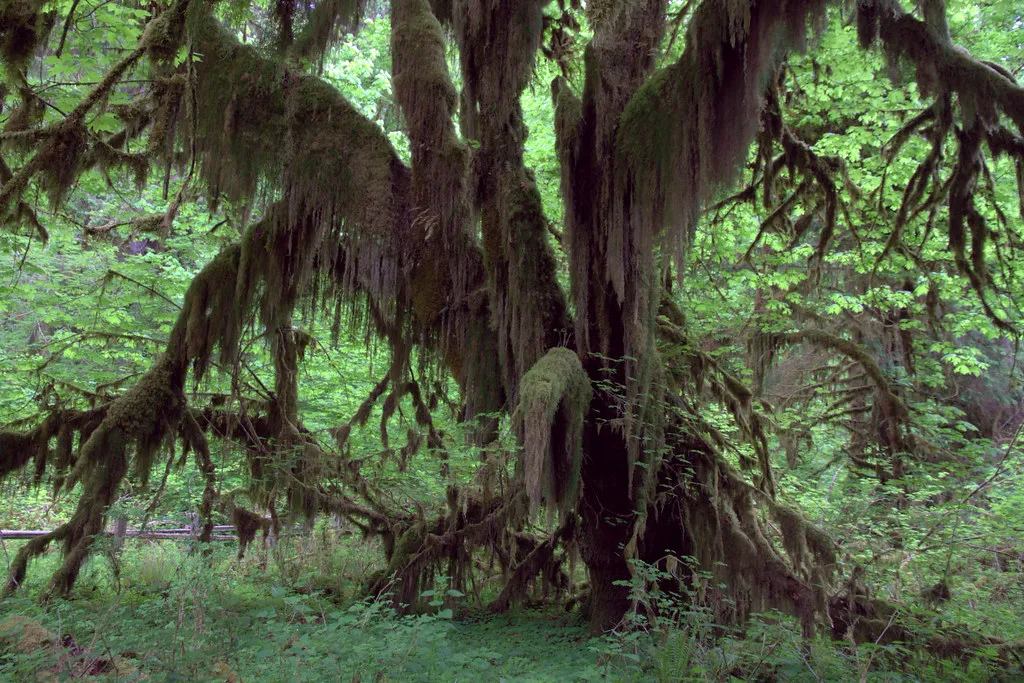
The Hall of Mosses Trail is the most iconic route and provides a short loop through old-growth forest filled with moss-draped trees. It is accessible for most visitors and offers a perfect introduction to the rainforest’s atmosphere. In summer, it’s also one of the busiest stretches of trail in the entire park.
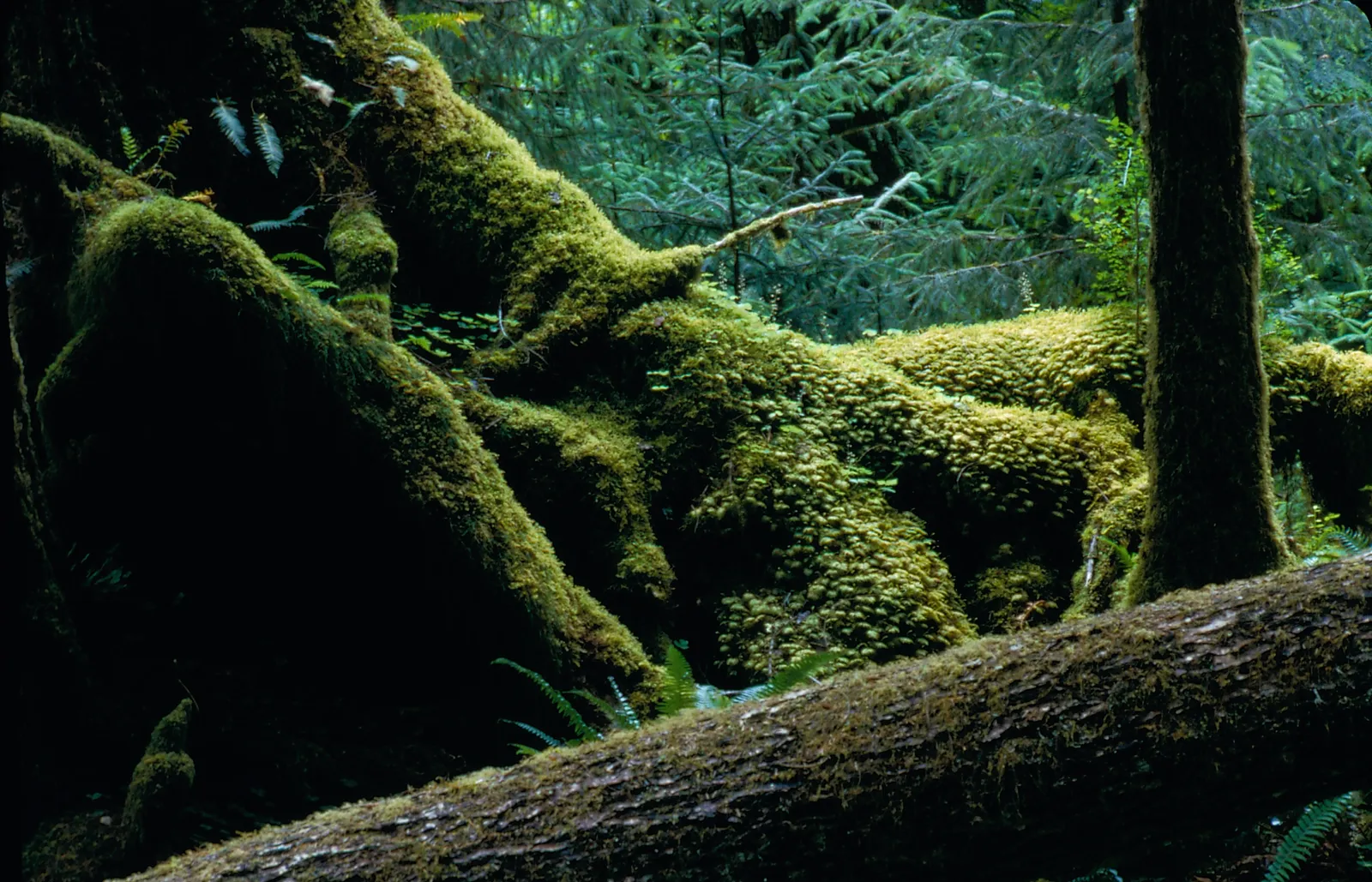
In just one ultra-easy mile, you get up-close and personal with some of the best scenery in the Pacific Northwest. Lush, bright green moss carpets every surface, from the forest floor to the tree branches hundreds of feet above. Giant ferns line the trail, and as you look around, your eyes take in hundreds of shades of green.
In winter, that short loop becomes something meditative. If you’re hiking in the fall or winter, look down into the water at Taft Creek – you may see Coho salmon swimming around. These small details reward the visitors who slow down, which winter visitors almost always do.
Olympic National Park Is Genuinely Three Parks in One
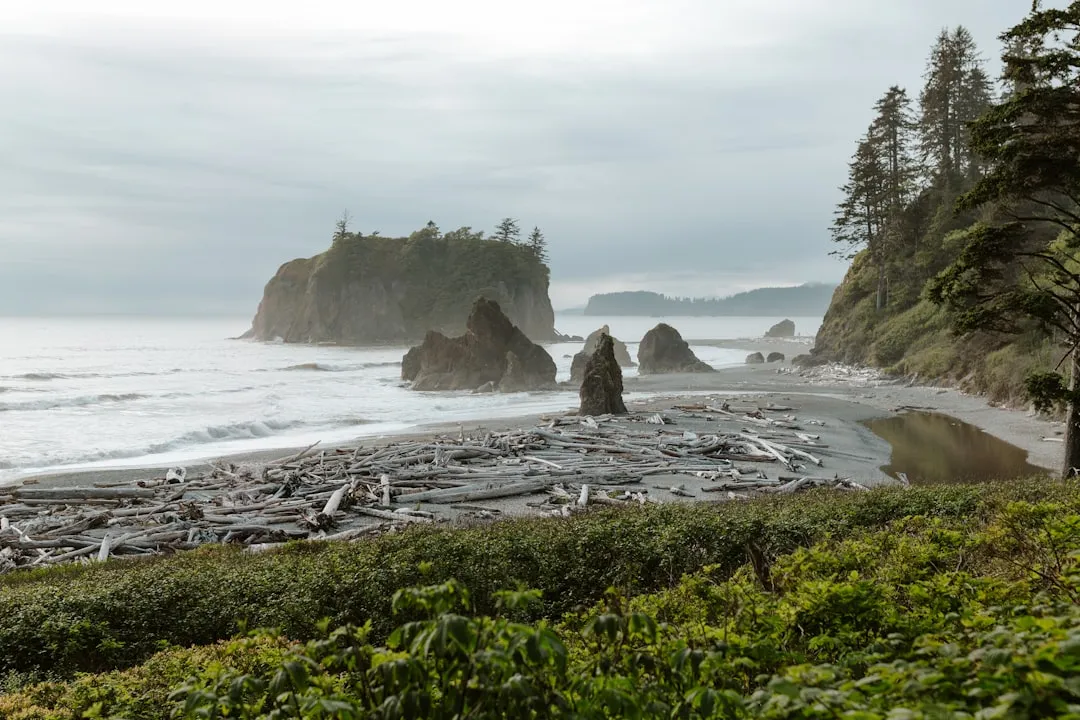
One of the reasons locals return to the Olympic Peninsula in winter is that it offers genuine flexibility. Olympic National Park in winter is like three parks in one. You’ve got deep snow at Hurricane Ridge, temperate rainforests, and wild Pacific beaches, all within the same park. That variety means no two winter trips feel the same.
Visiting a national park in the winter season often limits you from seeing the best places, but not in Olympic. You’ll find three main areas of the park: Hurricane Ridge, the coast, and the rain forests, each providing a unique experience even during winter. In Olympic, you’ll be exposed to vastly different experiences ranging from snow-capped mountains to ocean storms to soggy rain forests.
Kalaloch and Ruby Beach are both very near the rain forests and in the fall and winter months are all but deserted, making them perfect for quieter getaways in Washington state. A morning in the rainforest followed by an afternoon on an empty coastal beach is a combination that’s hard to match anywhere in the lower 48.
The UNESCO Designation Reflects What Locals Already Know
The Hoh Rain Forest is part of Olympic National Park, which is a UNESCO World Heritage Site and an International Biosphere Reserve. That recognition isn’t incidental. It reflects the ecological depth of this place. The forest is protected not just legally but institutionally, which gives it a kind of stability that more commercial destinations can’t claim.
The region surrounding the Hoh Rain Forest has long been home to Indigenous communities, including the Hoh, Quileute, and Quinault tribes. These communities relied on the forest and river for food, materials, and cultural practices. Their connection to the land remains strong today. Visiting thoughtfully means holding that history with care.
The Hoh River valley was formed thousands of years ago by glaciers and is the ancestral home of the Hoh people. Within Olympic National Park, the forest is protected from commercial exploitation. That protection is what keeps the winter experience pure, unhurried, and genuinely wild.
The Nurse Logs and Colonnades Tell the Forest’s Own Story
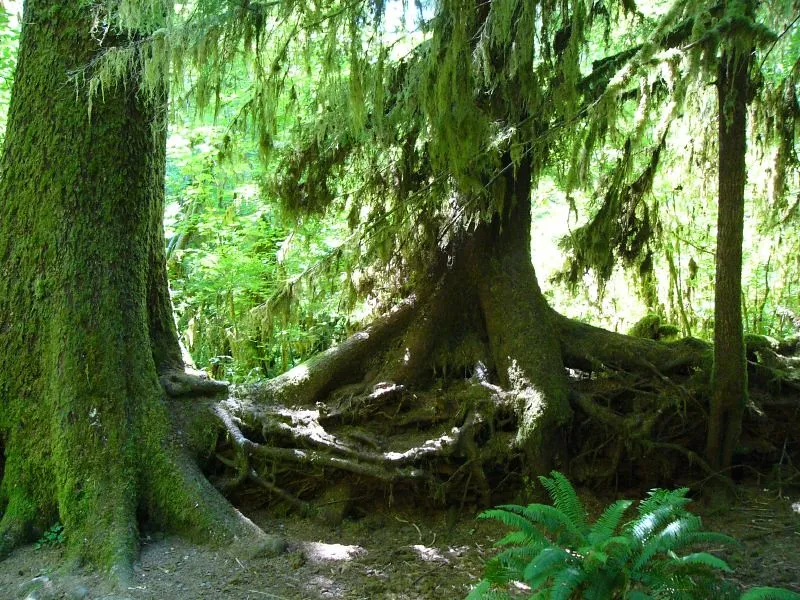
Winter slows visitors down in a way that allows them to notice things. One of those things is the nurse log phenomenon that defines old-growth temperate rainforest ecology. One of the most fascinating features of the Hoh Rain Forest is something called nurse logs. When a large tree falls, it doesn’t just disappear. It becomes a platform for new life. Seedlings take root on top of the fallen log, drawing nutrients from the decaying wood as they grow taller. Eventually, the log beneath them breaks down completely, leaving a row of mature trees standing on arching, stilted roots over an empty depression in the ground. These formations are called colonnades.
Walking past a colonnade in January, when the light is soft and the trail is quiet, is the kind of thing that makes you stop and think about what a forest actually is. It’s not a backdrop. It’s a system, cycling and renewing itself across centuries.
Practical Logistics Are Simpler Than You’d Expect
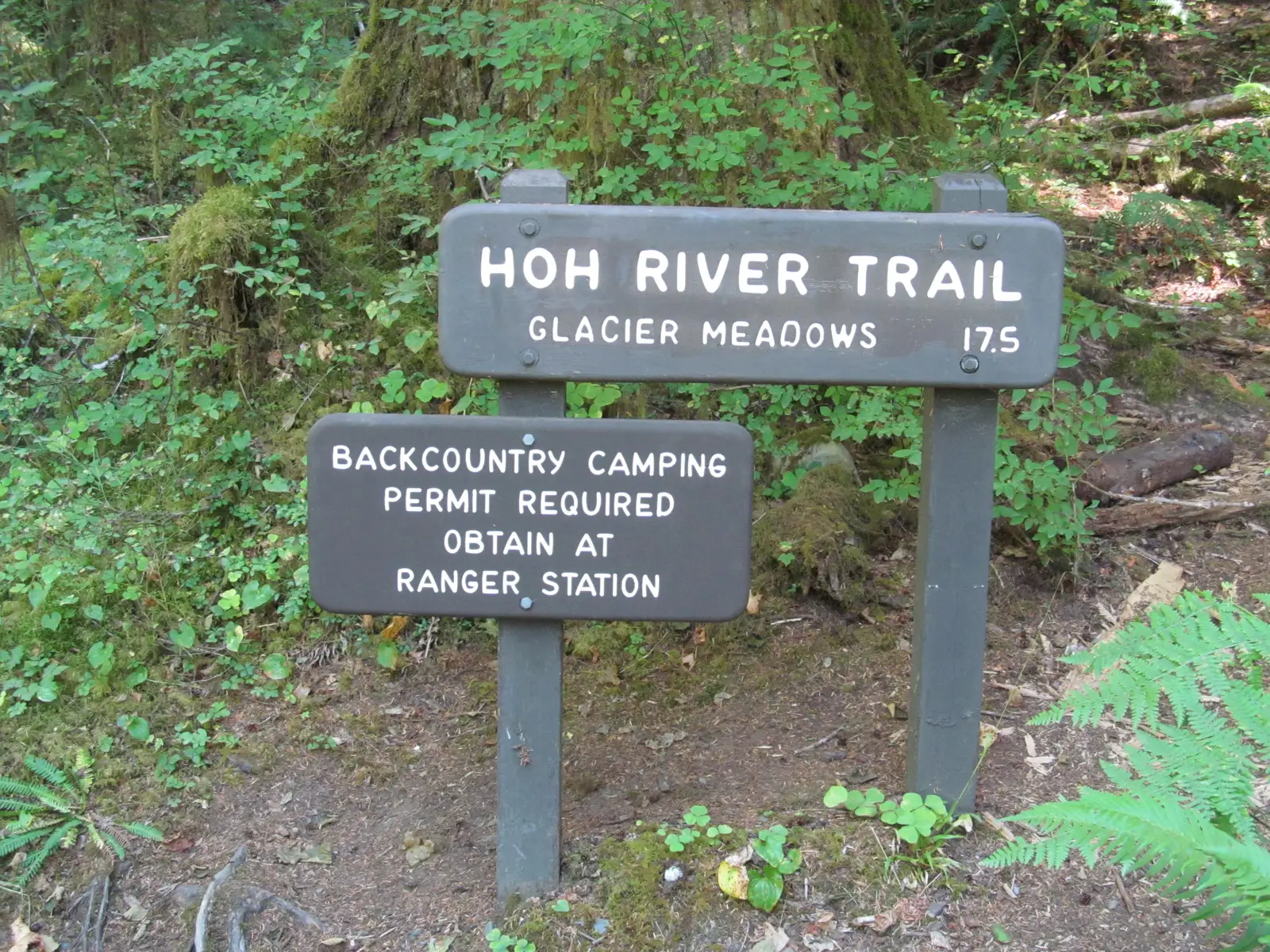
Some visitors worry that winter access is complicated. In practice, the core experience is straightforward. Both Hoh Rainforest and Quinault Rainforest stay open year-round. The trails themselves remain accessible, even when the visitor center closes for its seasonal break.
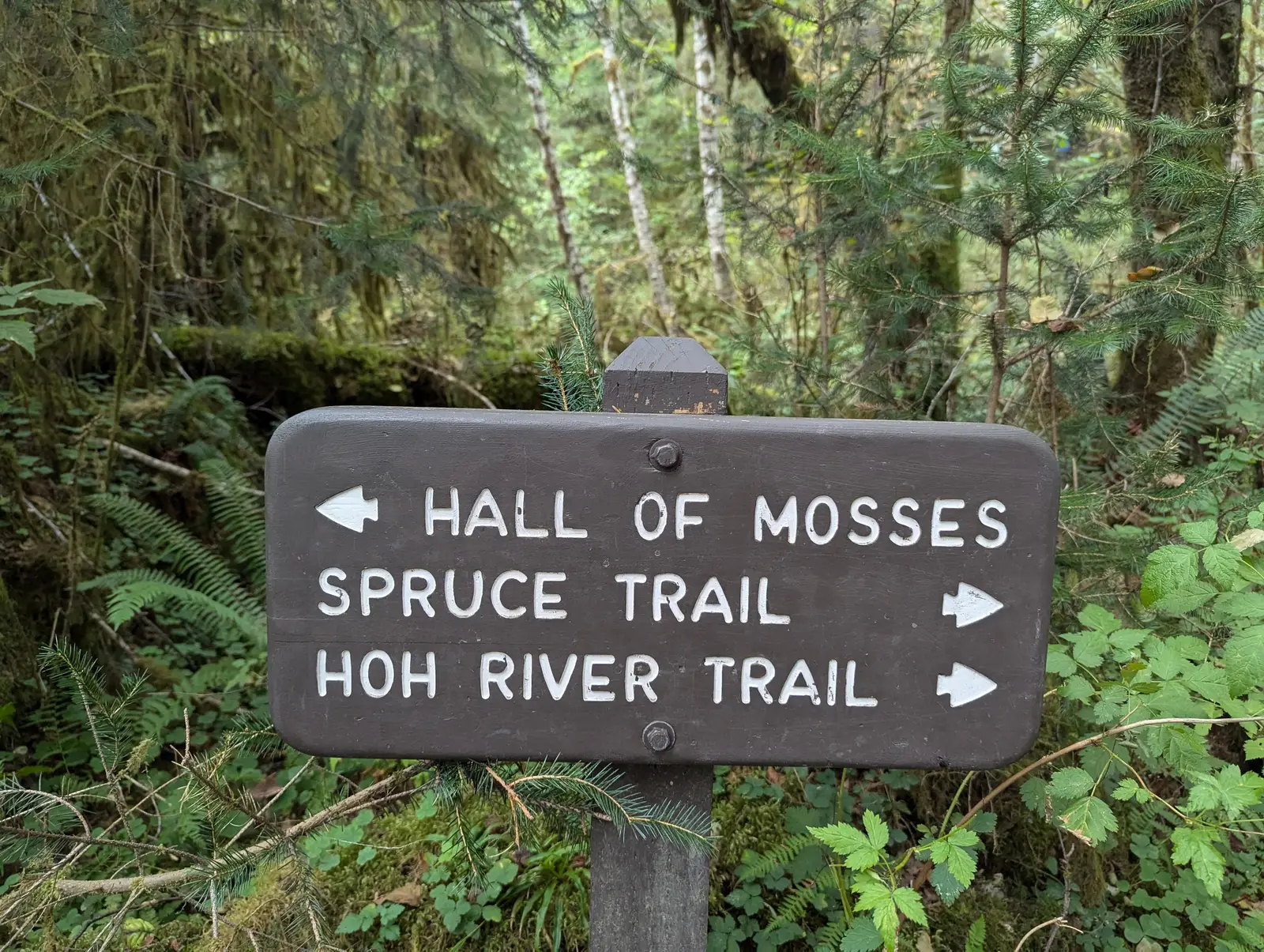
The visitor center here closes from December 1 through early March, but you can still visit the forest and hike the trails. The Hall of Mosses Trail and Spruce Nature Trail are both must-dos. Neither trail requires permits in the traditional sense, though you will need to pay park admission or have an annual park pass.
The Hoh enjoys a narrow range of temperatures, with highs rarely going above 75°F in the summer and staying above freezing for most of the winter. Those comfortable temperatures not only make it a great place to visit, but they also allow for the lush year-round greenery that sets Hoh apart. Waterproof layers and sturdy boots are the main preparation required. The forest does the rest.
The Quinault Rainforest Offers a Quieter Alternative Nearby
The Hoh gets the most attention, but savvy locals often pair it with the Quinault Rainforest to the south, or visit Quinault on its own for a slightly different character. Both are magnificent temperate rainforests on the Olympic Peninsula. The Quinault Rainforest is often considered to offer a wider array of activities, including a scenic loop drive, lake activities on Lake Quinault, and a historic lodge. It also boasts an impressive collection of record-breaking trees. While the Hoh Rainforest is renowned for its incredibly lush, moss-draped old-growth forest, the Quinault provides a unique and equally impressive experience.
Lake Quinault Lodge is a beautiful year-round option with quick access to the Quinault Rainforest. The lodge has been hosting guests in various forms for over a century, and in winter it carries a warmth that feels genuinely earned. A fire, a view of the lake, and the sound of rain on the windows – these things don’t require a crowded summer weekend to appreciate.
The western side of the Olympic Peninsula contains several temperate rainforest ecosystems, including the Queets and Bogachiel areas. The Queets Rain Forest is one of the more remote rainforest areas in Olympic National Park and is known for offering a quieter, more isolated wilderness experience compared to the Hoh Rainforest. For those who want even fewer other people on the trail, the Queets is worth knowing about.
The Hoh Road Saga Reminds Us Why This Place Needs Our Care
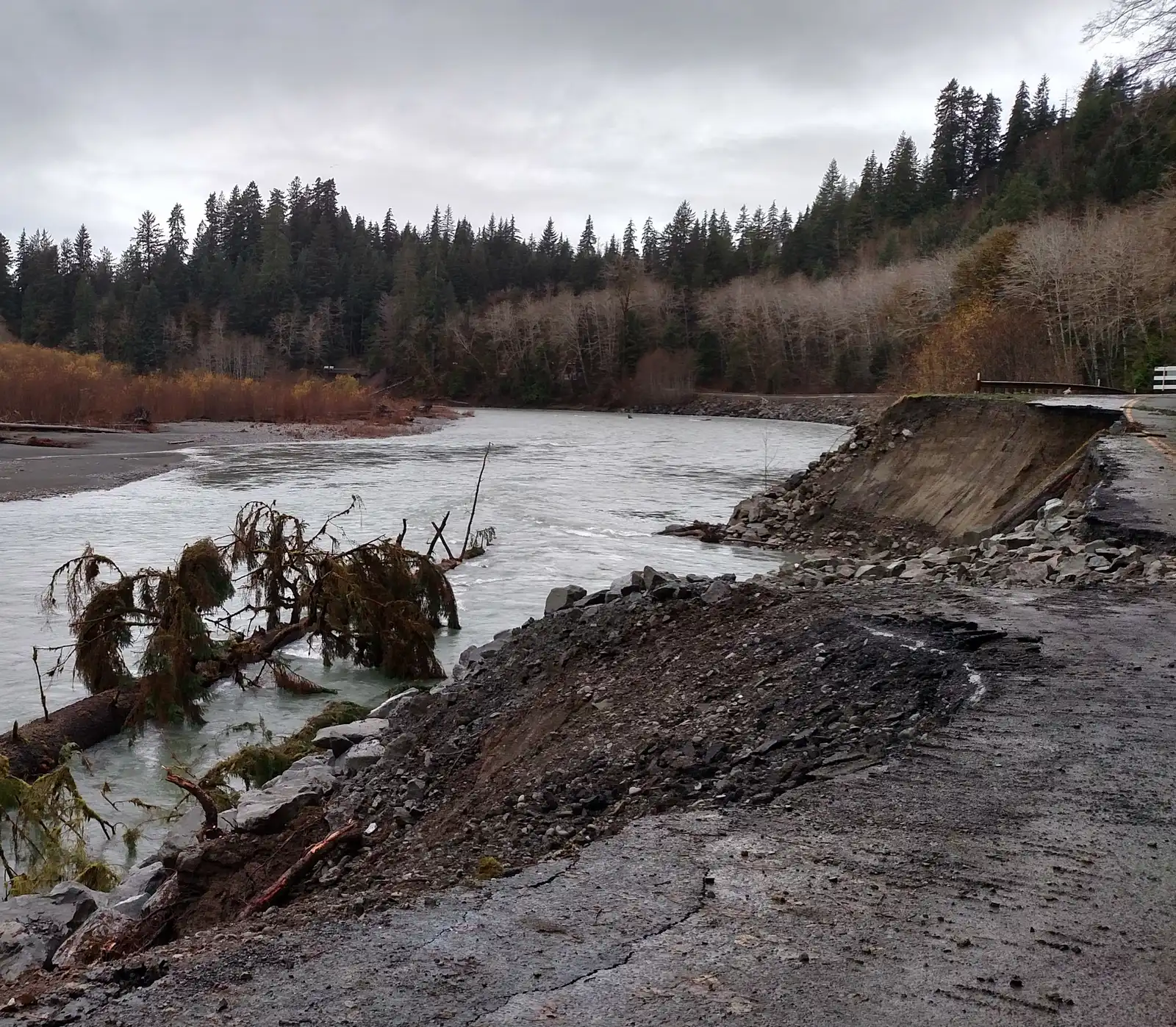
Winter at the Hoh is glorious, but it’s worth acknowledging that the forest is also genuinely vulnerable. In late 2024, flooding from the Hoh River washed out portions of the Upper Hoh Road, the only vehicular access to the visitor center. The damage, worsened by a powerful bomb cyclone earlier that year, temporarily cut off access for travelers and disrupted the local economy.
Washington Governor Bob Ferguson announced in March 2025 that the state government would fund the majority of the estimated $650,000 in repairs to the Upper Hoh Road, with the remainder from more than 100 private donors. The state government’s $623,000 portion was derived from an economic strategic reserve fund. The Upper Hoh Road was fully repaired by May 5 and reopened to traffic on May 8, restoring public access to the visitor center.
The community response to that closure was telling. People rallied quickly, because they understood what was at stake. The forest attracts an estimated 450,000 visitors each year, and the local economy depends on that access. That shared investment in the forest’s future is part of what makes the local relationship to this place so enduring.
The Takeaway
Pacific Northwest locals don’t choose the Hoh Rainforest in winter because it’s the easy choice. They choose it because they know what it looks like when it’s quiet and green and fully saturated. They’ve seen it in summer, when every parking lot is full and every trail is loud. Winter is when the forest gives itself back, a little more completely, to the people willing to show up in rain jackets and slow down.
Olympic National Park averages 2.5 million visitors per year. While the park is large, over 1,400 square miles, 95 percent of it is wilderness, meaning all those visitors tend to congregate in just a few spots. In winter, those spots open up. The moss deepens. The elk move closer to the trail. The colonnades stand in the gray light, patient as they’ve always been.
Some places reward the traveler who arrives prepared. This is one of them. Come with the right gear, come with patience, and the Hoh will give you something worth carrying home.
AI Disclaimer: This article was created with the assistance of AI tools and reviewed by a human editor.