
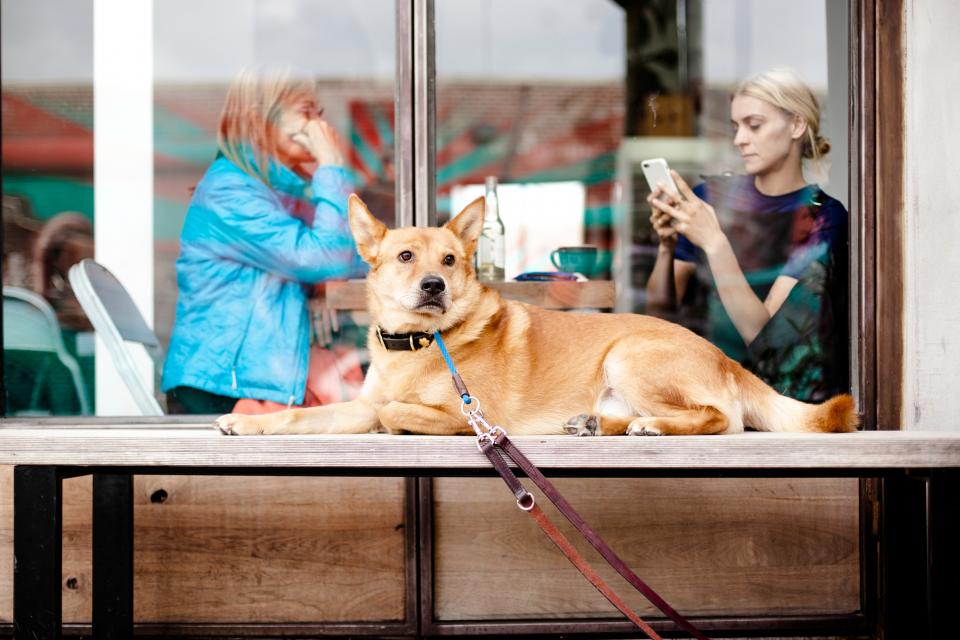

Walk into almost any bistro on a quiet Paris side street and you might notice, tucked under the neighbouring table, a well-groomed terrier or a sleepy spaniel resting on the tile floor. No one turns to look. The waiter doesn’t pause mid-step. It’s simply how things are done here – and have been for a very long time.
This is not a trend born from Instagram hashtags or millennial pet culture. It’s something deeper, rooted in how Parisians actually live. The dog-friendly restaurant is less a policy and more a reflection of a city that has long treated its dogs as genuine companions in everyday life.
A Tradition That Predates Any Official Policy
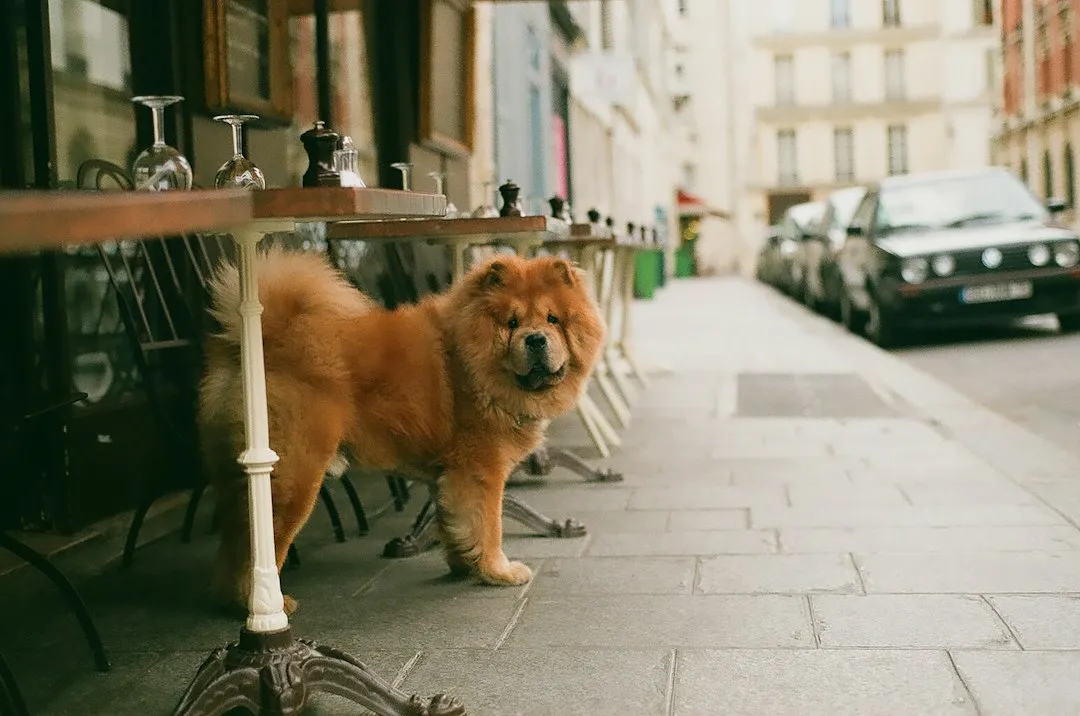
Paris has a long, unspoken tradition of dogs in restaurants. Before any official policy existed, the French simply brought their dogs along. There was never a moment when someone decided this would be allowed. It emerged organically from a culture that placed the dog firmly inside the social fabric of family life.
One of the earliest examples of pet-friendly locations in Paris dates back to the 1800s, when wealthy Parisians often brought their dogs to dine with them in the city’s fashionable restaurants. This trend became so popular that many restaurants began offering special dog dishes, such as bouillon with rice, liver, or beef. That hospitality, once extended, never really left.
The Legal Landscape: Freedom Without a Mandate
There is no law against having dogs inside restaurants, which means each restaurant gets to decide its own policy. Generally speaking, dogs are allowed in most sit-down restaurants in Paris, as long as they are well-behaved and don’t sit on the furniture. This legal grey zone is precisely what has allowed a generous culture of inclusion to persist.
Dogs are allowed in most restaurants in France. The few restaurants that do not allow dogs are usually clearly marked with no-dogs signs out front. Non-dog places are always clearly marked, so check signs that say “Chiens Interdits” or politely ask if dogs are allowed. The default, in other words, is welcome.
Paris Is a City of Dog Lovers by the Numbers
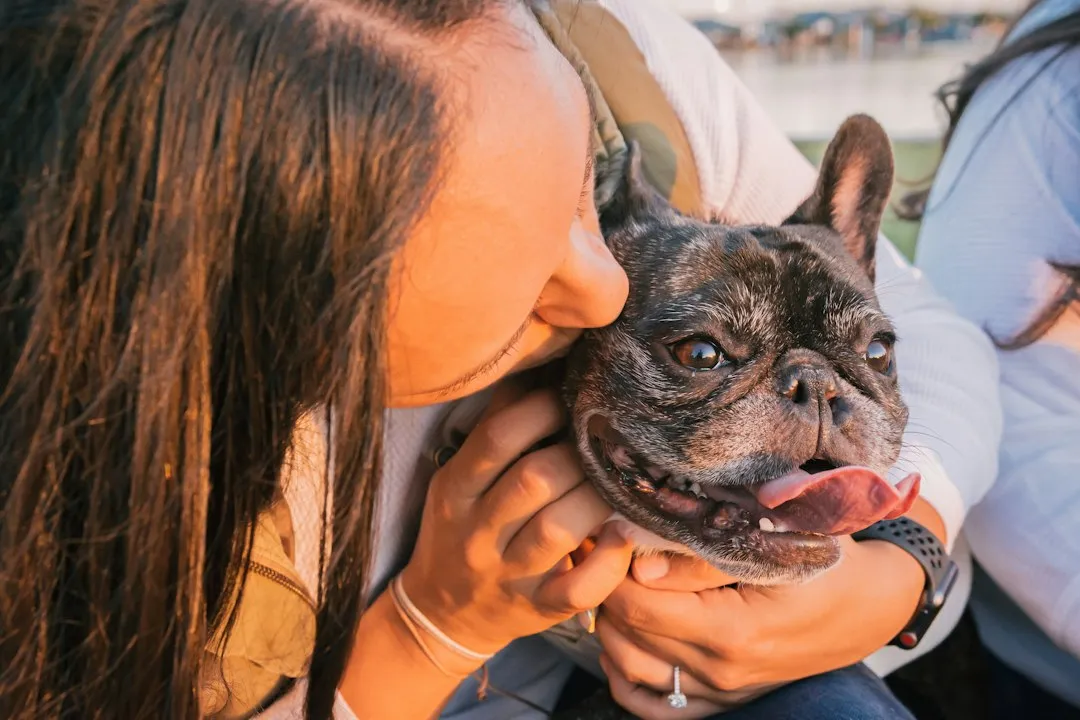
There are over 300,000 dogs in Paris. That is a remarkable concentration for a city of its density, and it goes some way toward explaining why restaurants had little choice but to adapt. When a significant portion of your clientele arrives with a dog, you accommodate or you lose business.
A new report by FACCO, France’s federation of pet food manufacturers, found that 61% of French households owned a pet in 2024, with more than half reporting ownership of at least one dog and/or cat. In France, the dog population reached 9.7 million in 2024, some 200,000 more than in the previous year. The bond between the French and their animals is not softening with time. It is growing.
The Parisian Dog as a Social Equal
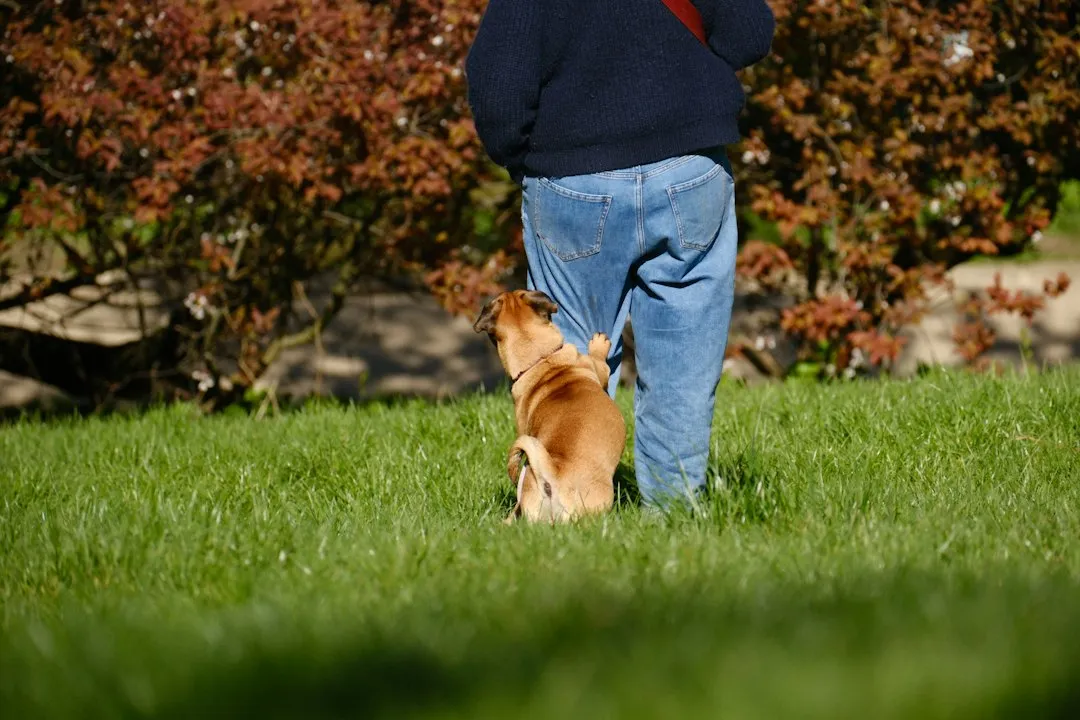
Parisians cherish their dogs as much as their time off, so dogs accompany their owners to places the rest of the world reserves for humans only: restaurants, shops, and public transport. This is not indulgence. It reflects a cultural understanding that the dog is part of the household unit, not a secondary consideration left at home.
France is considered one of the most pet-centric countries in the world, with Paris often cited as the capital of dog-friendliness. Visitors marvel at how dogs seem to be allowed everywhere, including cafes, shops, and grocery stores. For Parisians, this unremarkable ordinariness is precisely the point. The dog belongs at the table, so to speak, because the dog belongs in the life.
From Bistros to Michelin Stars
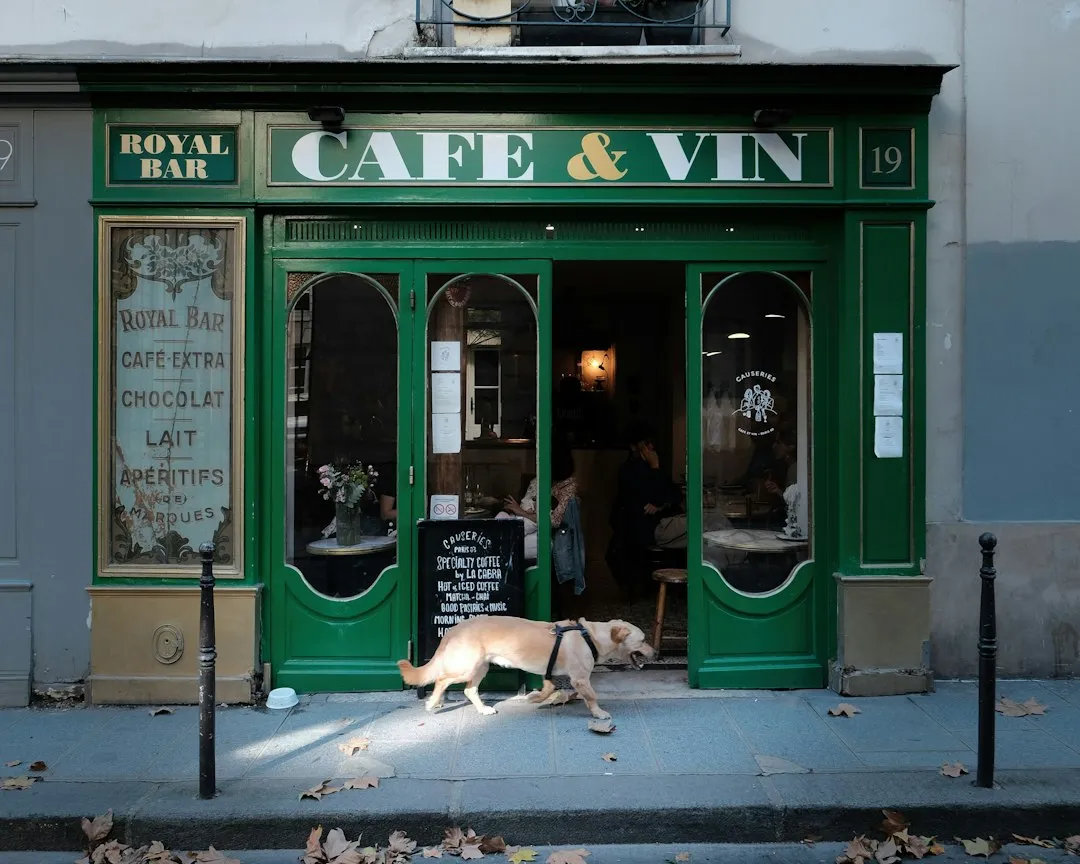
More restaurants in Paris allow dogs inside than forbid them. Not only are dogs welcome in most cafes, but they can even join you for a gourmet meal in some of the city’s finest Michelin-starred restaurants. This says something significant about the culture. Dog-friendliness is not reserved for casual or low-budget venues. It runs all the way up the culinary ladder.
In one of the world’s capitals of cuisine and café culture, it’s heartening to know that dogs are welcome at countless restaurants and cafés. In fact, the first thing a server will likely ask is if you’d like a bowl of water for your pet. That small gesture speaks volumes about how ingrained this hospitality has become.
The Terrace as a Natural Meeting Point
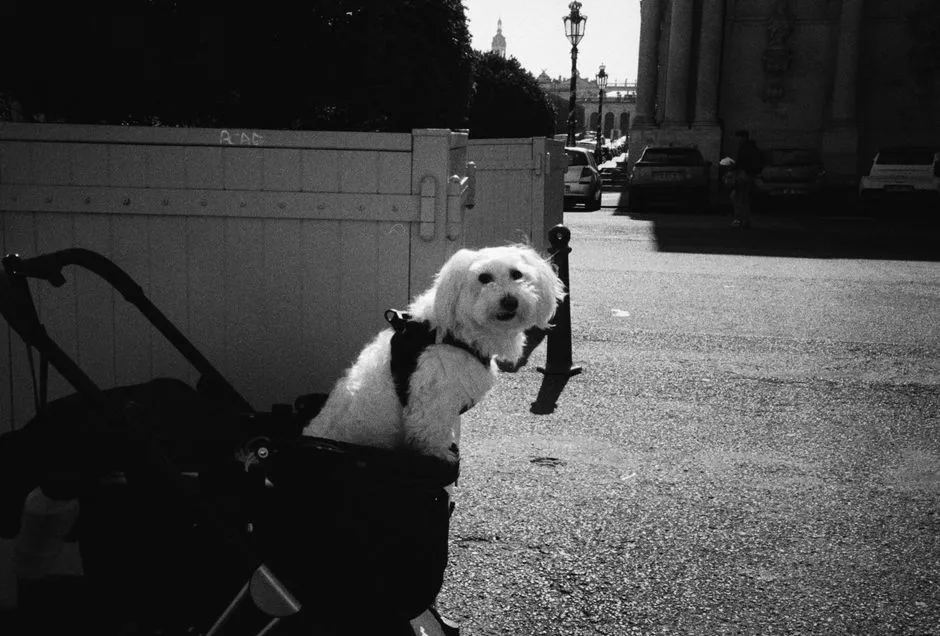
Most restaurants, cafes, bistros, and brasseries will let you bring your dog, but it is considered polite to ask first. Cafes with sidewalk seating almost always allow dogs, so you don’t have to ask if you can sit outside. The Parisian terrace – that great social institution – has long been a democratic space where dogs are simply part of the scene.
With thousands of sidewalk cafes like Café de Flore, Les Deux Magots, and Le Select on offer, you can tuck your dog under your street-side table and you will be fine. The terrace is where Paris lives publicly, and dogs have always been part of that living. It would feel strange to exclude them.
New Concepts Are Pushing the Tradition Forward
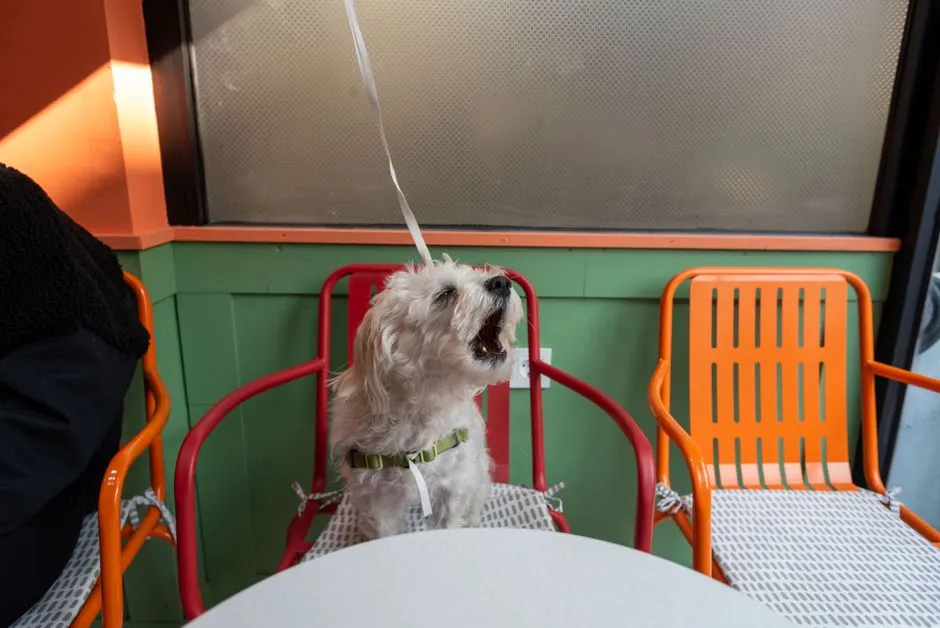
Paris has a growing number of pet-themed cafés where two- and four-legged guests can enjoy refreshment. Casa del Doggo in the tony 16th arrondissement bills itself as Paris’s first boulangerie for dogs, serving up dog “desserts” and beverages. These newer establishments take the generational custom and give it a contemporary shape.
The Big Mamma Group, including East Mamma, Pink Mamma, and Ober Mamma, whimsically states that cute babies and dogs are welcome in all their restaurants. Across the city, restaurant groups are formalizing what was once purely informal, turning cultural instinct into deliberate brand identity.
The Etiquette That Makes It All Work
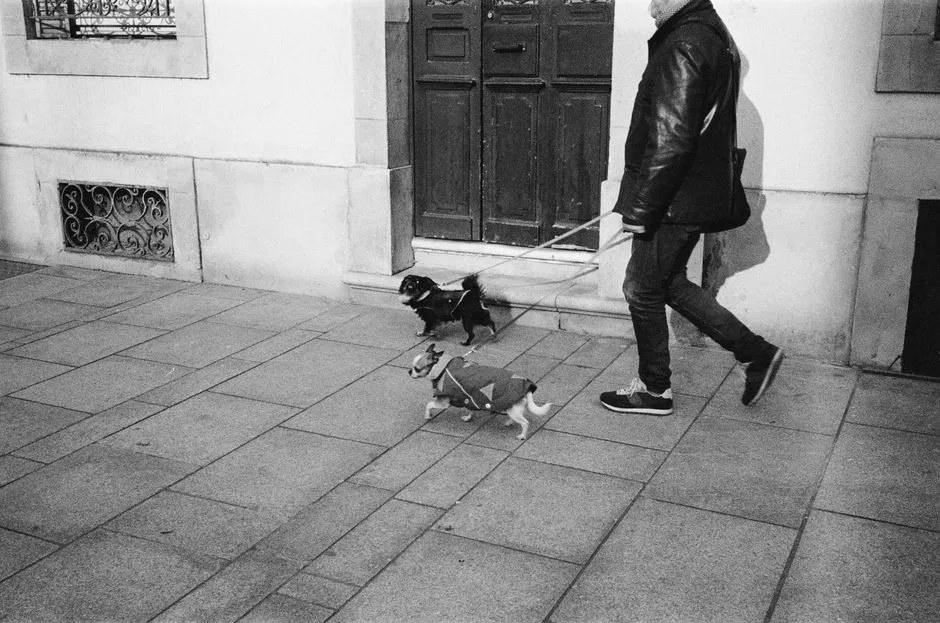
Dogs are allowed in most sit-down restaurants in Paris, as long as they are well-behaved and don’t sit on the furniture. They have to remain on the floor. The system works not because it is enforced but because Parisians understand the implicit contract. A dog that disrupts the dining room would reflect poorly on its owner, and social reputation matters deeply in French culture.
If you have a clean, good-natured dog, regardless of breed or size, most restaurants will do their best to accommodate you. In fact, every place some visitors have taken their dogs, the waiters doted on the dog and gave him water. Good manners – canine and human alike – are the quiet currency that sustains this tradition.
Pet-Friendly Hospitality Extends Beyond Food
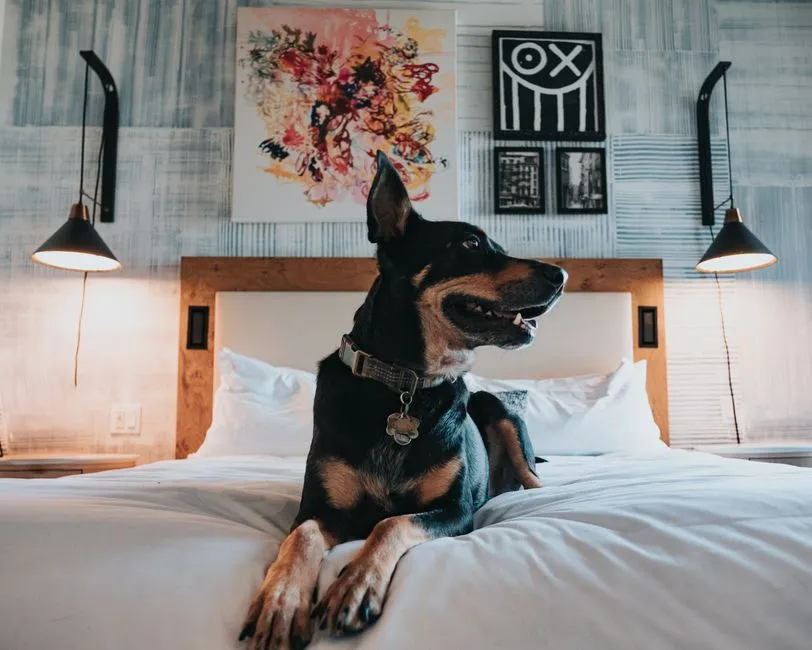
In a 2025 investigation, 59% of hotels in Nice and 40% of hotels in Paris were found to allow dogs. The dog-friendliness of Parisian dining culture is therefore not an isolated quirk but part of a broader civic attitude toward animals as genuine participants in public life. Hotels, boutiques, galleries, and transport networks have all absorbed similar norms over time.
Most boutiques will allow dogs for the same reason restaurants will. Elegant French women are often seen strolling through Le Printemps and Galeries Lafayette with tiny dogs in their arms. The logic is consistent from one institution to the next: if the dog is part of the owner’s life, the dog is welcome in the spaces where that life is lived.
What Visiting with a Dog in Paris Actually Looks Like
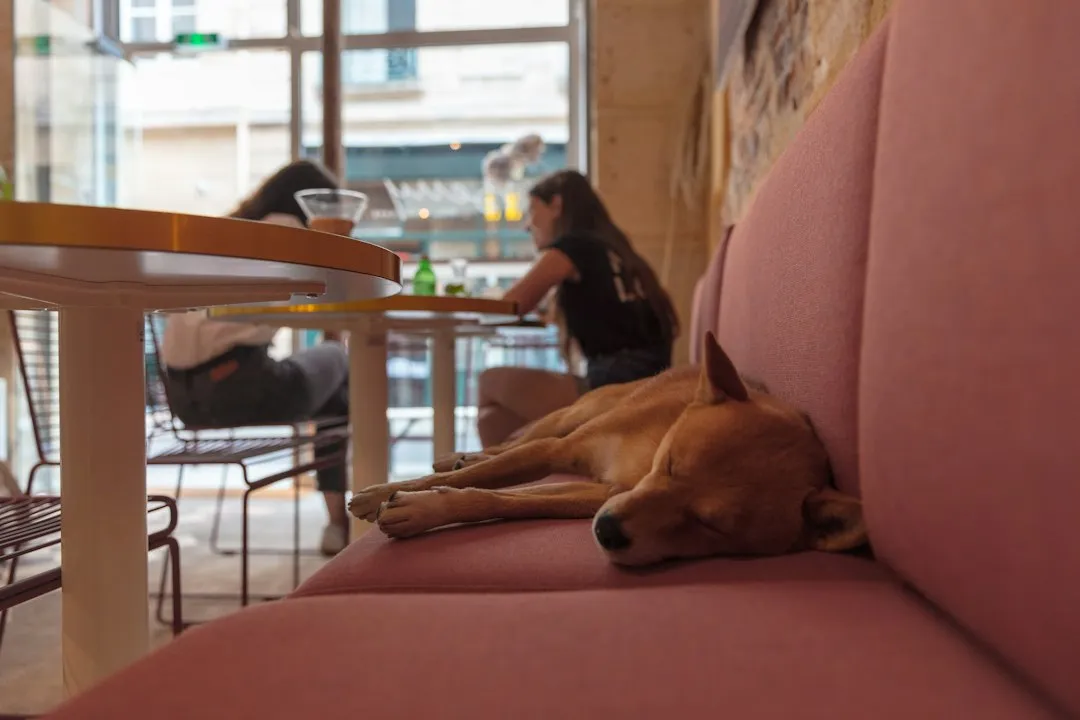
Dining with your dog is easier in summer, as you can always sit outside if you don’t want to take your dog into a busy restaurant. It is always polite to check with the establishment if you wish to sit inside. This small act of courtesy is the only real rule. Beyond that, the city largely opens itself to you and your companion.
Dogs are generally allowed in cafes, ice cream shops, bars, shops, and on public transportation, sometimes in a bag or wearing a muzzle depending on the transport operator. Since 1976, the pet population in France has more than doubled, and the city’s public spaces have expanded their welcome accordingly. Paris has not resisted this shift. It has quietly led it.
The Takeaway
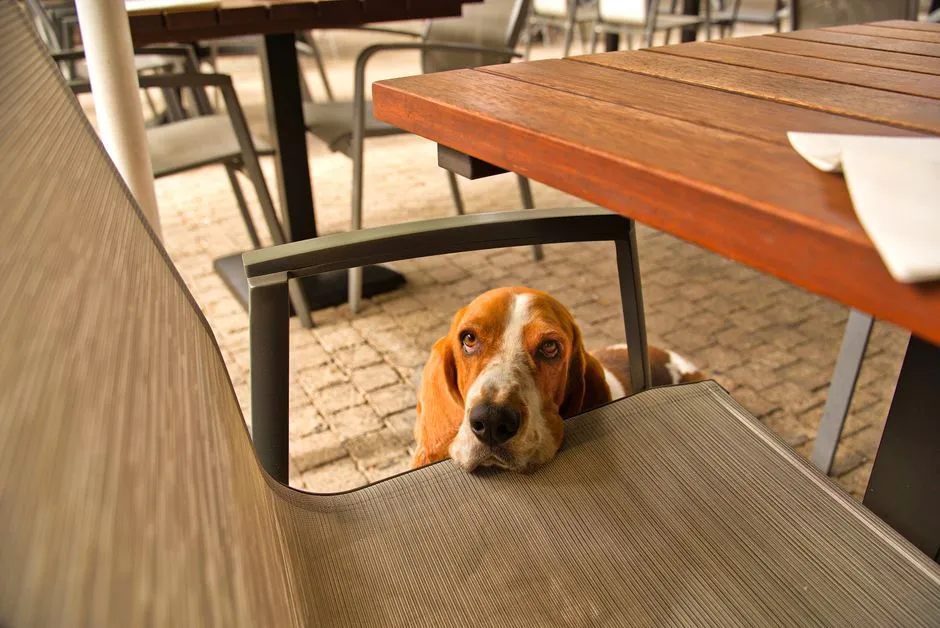
The story of dogs in Parisian restaurants is ultimately a story about how a city chooses to define everyday life. It is not about policy or permissiveness for its own sake. It reflects a long-held conviction that good living includes one’s closest companions, and that a meal shared should be shared fully.
Paris extended that invitation to dogs somewhere in the nineteenth century and simply never took it back. For visitors who arrive with their own four-legged companions, that generosity feels almost disarmingly natural. Perhaps that is the most Parisian thing about it: the best traditions here tend to feel as though they were never really decided at all.
AI Disclaimer: This article was created with the assistance of AI tools and reviewed by a human editor.