
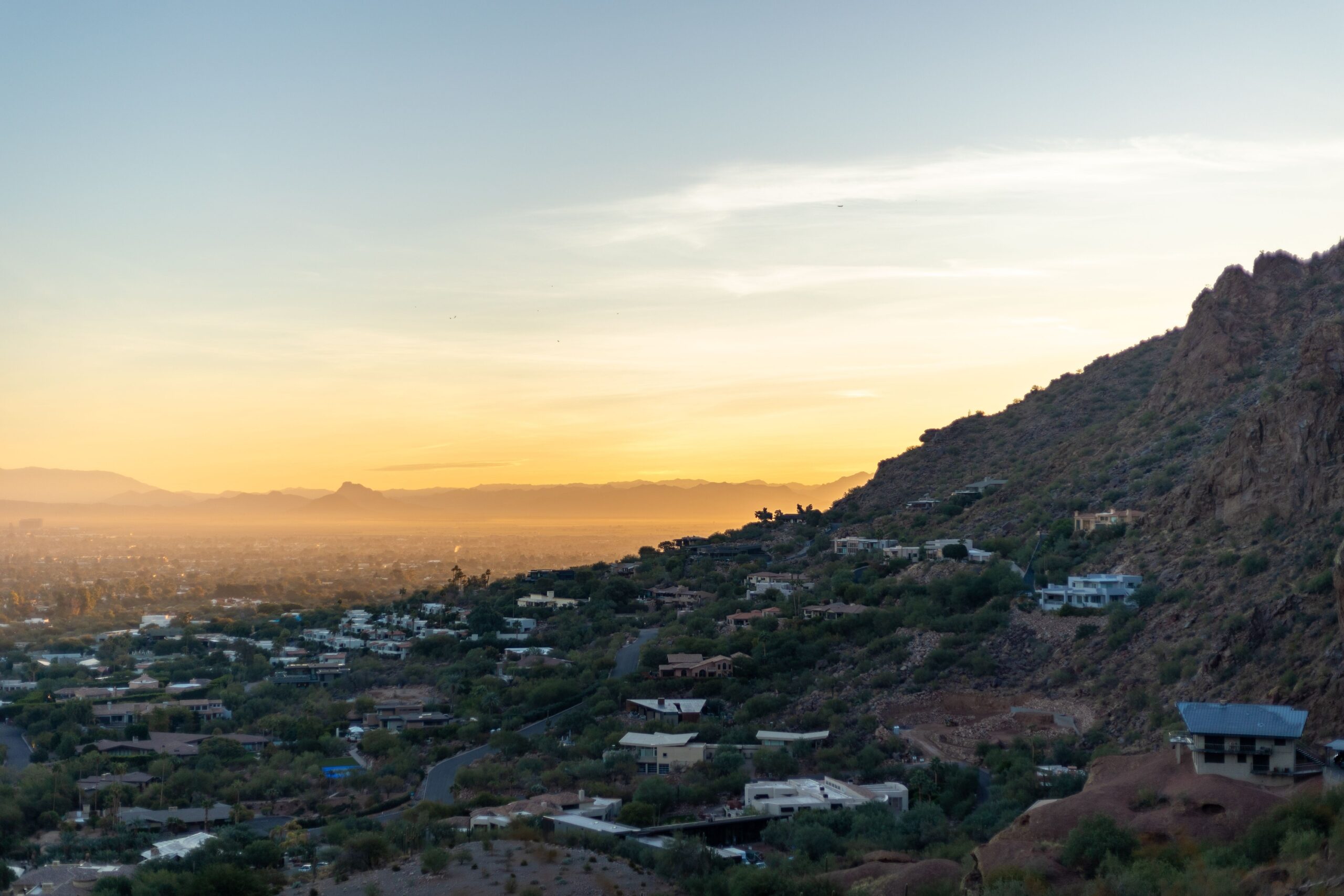

When Phoenix summers push past 110 degrees for weeks at a stretch, a two-hour drive can feel like crossing into a completely different world. That world has a name: Payson, Arizona. Tucked beneath the dramatic cliffs of the Mogollon Rim at 5,000 feet of elevation, this small mountain town has quietly become one of the most beloved summer escapes in the Southwest, and the reasons go well beyond just the temperature.
The Heat Factor: Why Phoenix Practically Empties Out
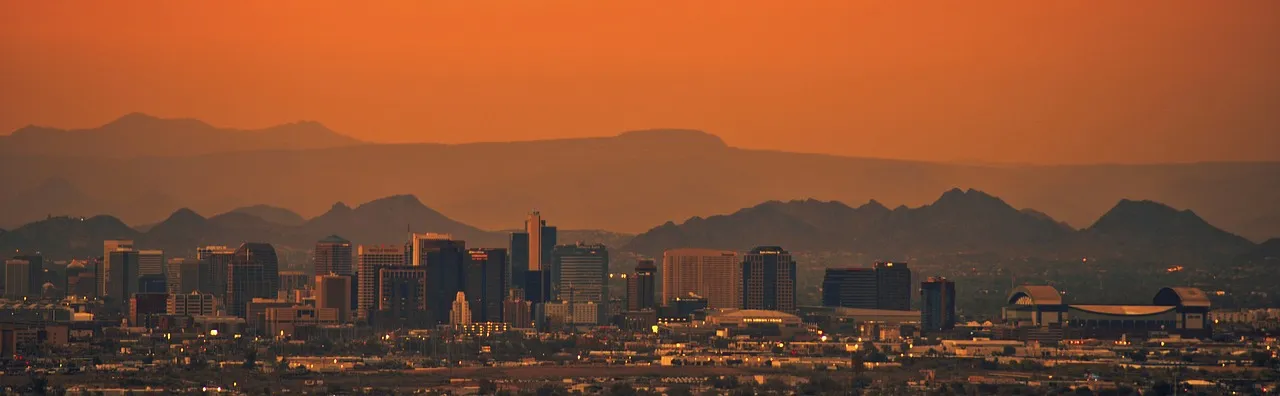
Phoenix averages 92 days per year with a high temperature above 100 degrees. That’s nearly a third of the entire year spent in triple-digit heat. The summer of 2024 was the hottest on record for Phoenix, beating the previous record set in 2023.
The escape impulse is understandable. The last time Phoenix had a July maximum temperature below 100°F was 2022. With that kind of heat becoming the baseline, Phoenicians are increasingly looking north. Payson sits close enough to reach after work on a Friday, yet far enough to feel genuinely removed from the city.
Payson’s Elevation Makes All the Difference
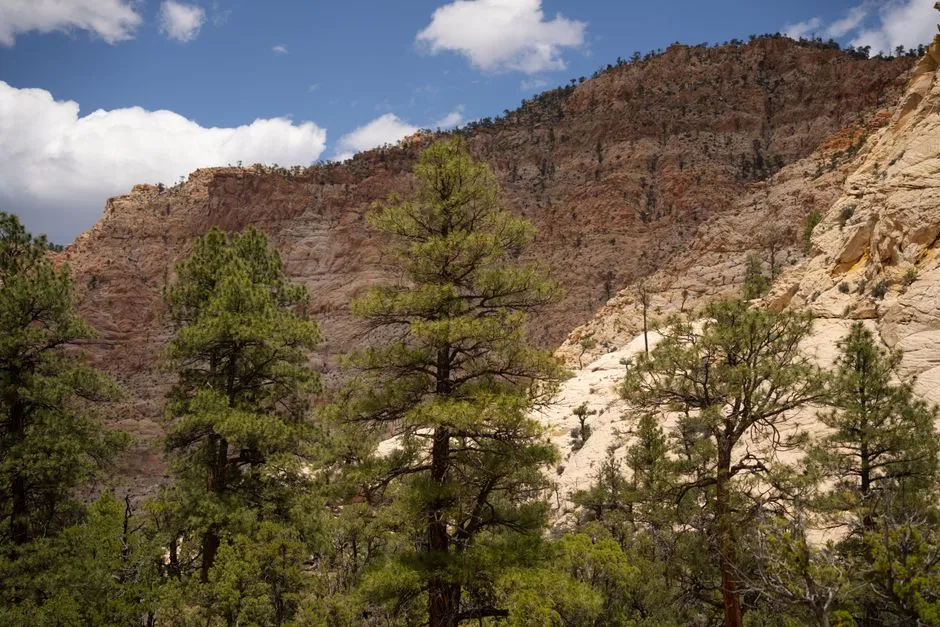
Nestled beneath the dramatic escarpment of the Mogollon Rim in central Arizona, Payson sits at an elevation of 5,000 feet, creating a moderate four-season climate that distinguishes it from both the desert heat of Phoenix 90 miles to the south and the high country snow of Flagstaff to the north.
Payson’s higher elevation and pine forests offer cooler temperatures than the Phoenix area. That elevation difference is physically felt the moment you step out of the car. The air is thinner, cooler, and carries the unmistakable scent of ponderosa pine. It’s a sensory shift that’s hard to overstate after months in the desert basin.
A Drive That’s Worth the Trip Itself
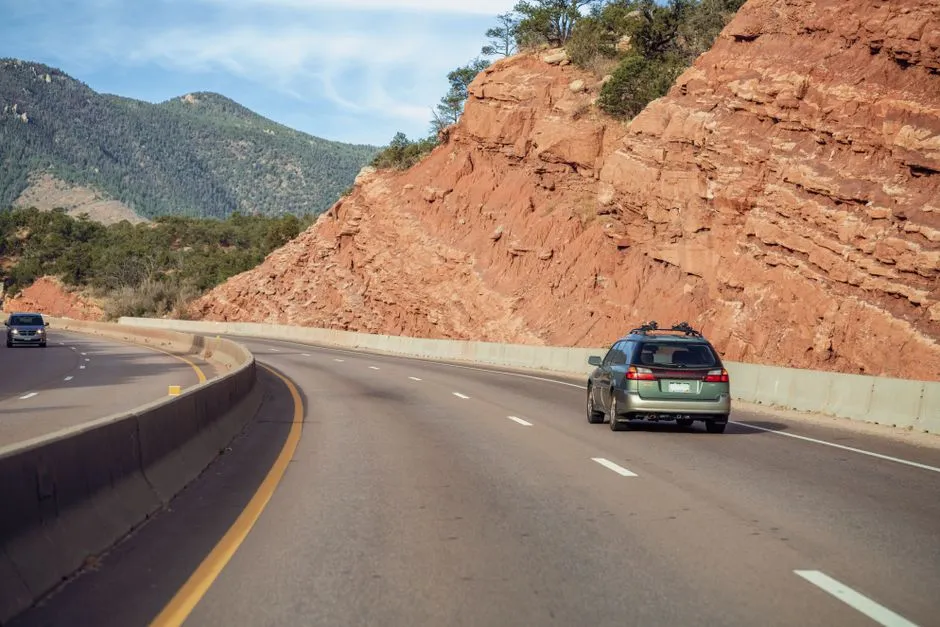
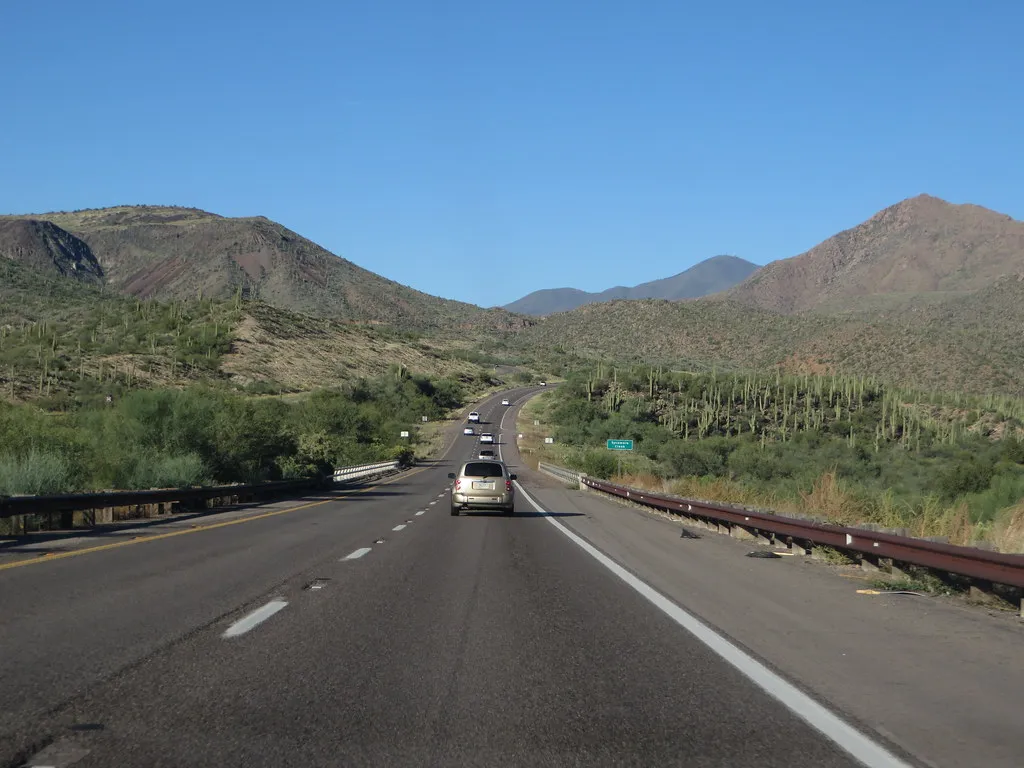
Payson is about a 90-minute drive northeast of Phoenix via the Beeline Highway (AZ-87), and the route climbs roughly 4,000 feet from the desert floor, with the scenery shifting from saguaro cactus to pine forest in a dramatic transition.
The drive from Phoenix to Payson quickly transitions from saguaro-dotted desert to cooler, pine-filled landscapes. The primary route, the Beeline Highway (AZ-87), winds its way northeast, offering increasingly scenic views as you gain elevation. Very few road trips in the American Southwest pack this much visual variety into such a short distance.
The World’s Largest Ponderosa Pine Forest
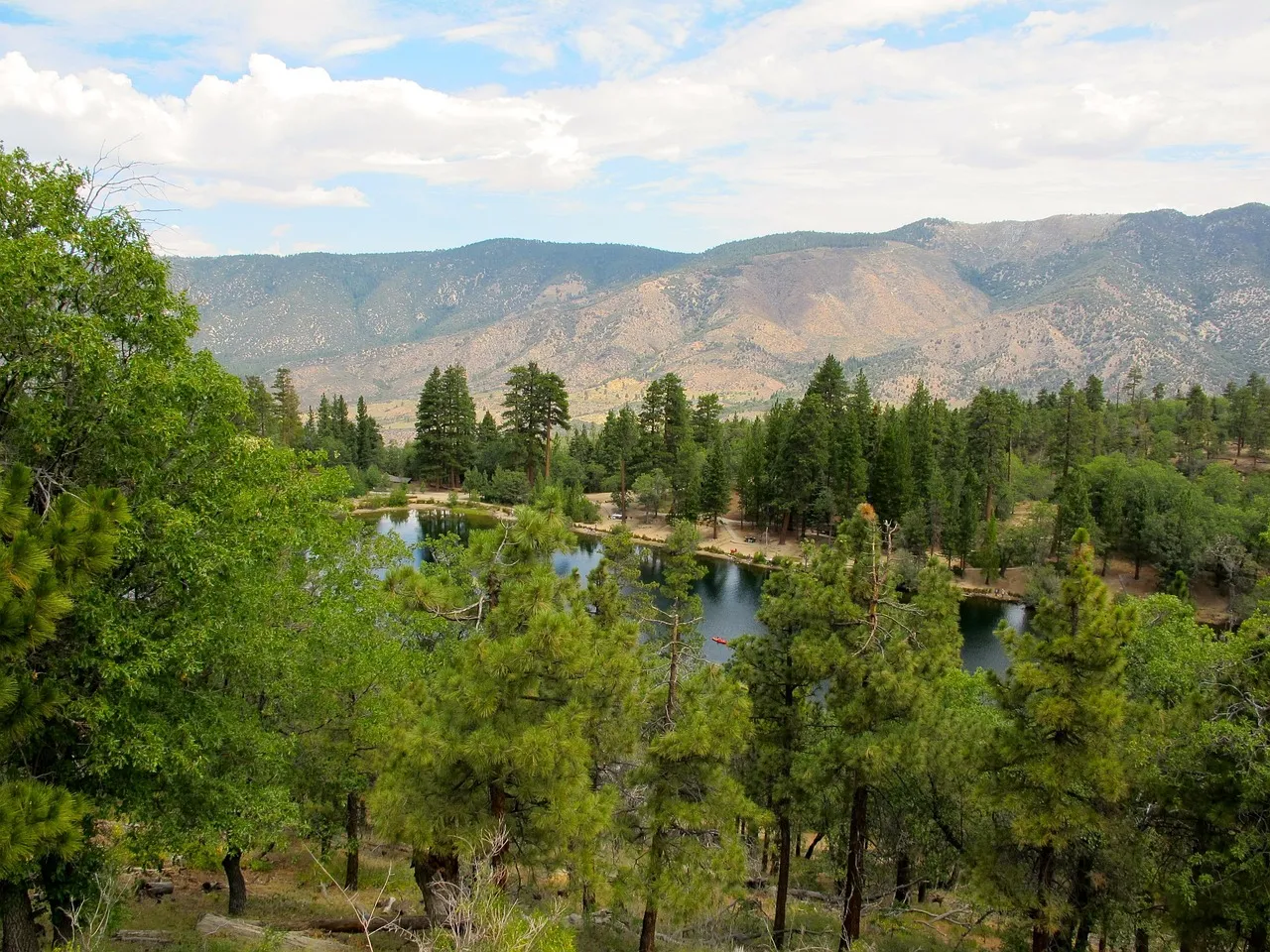
At 5,000 feet in elevation, Payson sits in the midst of both the Mogollon Rim, a 200-mile-long escarpment that marks the edge of the Colorado Plateau, and the largest contiguous Ponderosa pine forest in the world. That distinction matters more than it might seem on paper.
Arizona is home to the largest contiguous ponderosa pine forest in the world, covering approximately 2.6 million acres stretching from the New Mexico state line to the South Rim of the Grand Canyon. Payson is surrounded by the Tonto National Forest and the world’s largest stand of virgin Ponderosa Pines. Walking through this forest on a summer afternoon, with sunlight filtering through the tall canopy, is genuinely restorative.
Tonto Natural Bridge: A Geological Wonder Just Outside Town
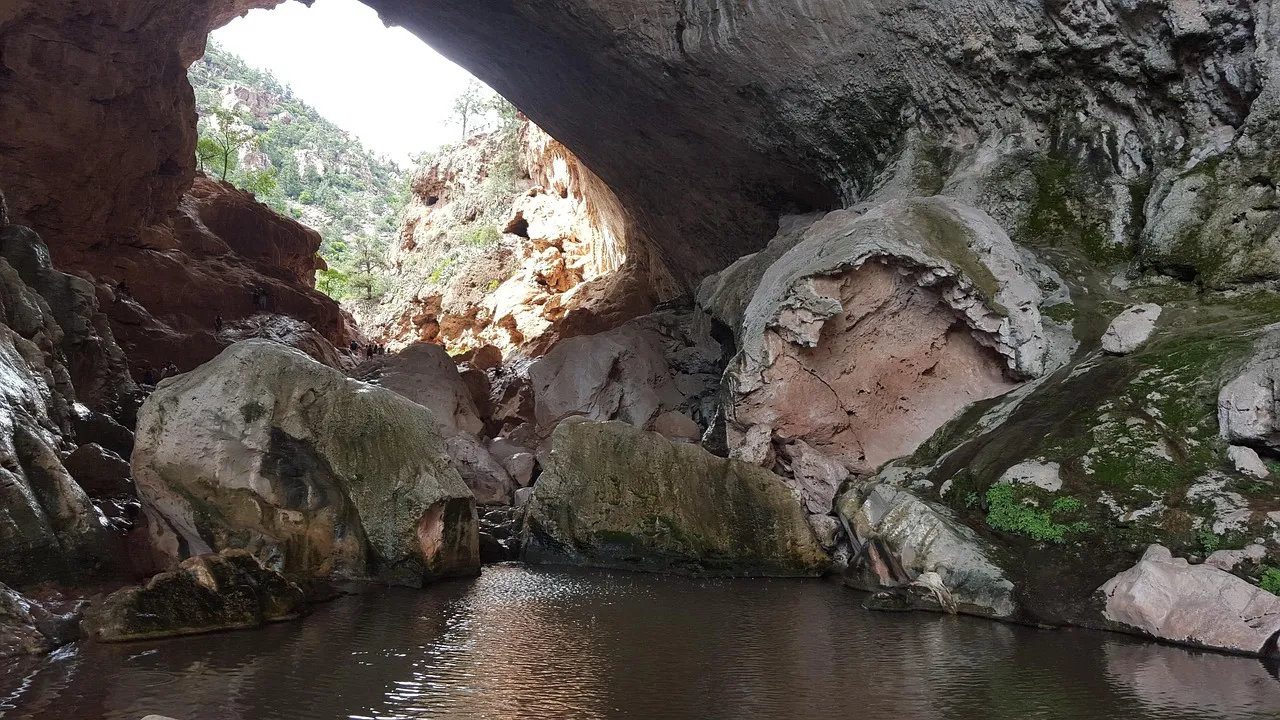
Tonto Natural Bridge State Park is located in central Arizona near Payson. It is believed to be the largest natural travertine bridge in the world. The bridge stands 183 feet high over a 400-foot long tunnel that measures 150 feet at its widest point.
The natural travertine bridge formed over thousands of years, as water from Pine Creek seeped through the surrounding limestone. As the water emerged from springs, it deposited layers of travertine. Over time, the creek eroded a tunnel through the travertine, carving out the natural bridge. There are four hiking trails, a picnic area, and a group use area. The park provides habitat for animals, insects, and birds as well as interpretive exhibits on the history of the bridge, travertine, prehistoric inhabitants, and the historic Goodfellow Lodge.
Lakes for Fishing, Paddling, and Pure Quiet

The Mogollon Rim is dotted with small, cooling lakes, perfect for fishing and picnicking. Among them, Woods Canyon Lake is the most accessible from town, sitting at about 7,500 feet in elevation, with 55 surface acres and a trail encircling the water’s edge. It is a favorite among boaters and anglers hoping to hook rainbow trout.
Created in 1966 by Arizona’s Game and Fish Department as a trout-fishing spot, Willow Springs Lake is surrounded by pines and has a surface area of 150 acres, with motors up to 10hp permitted. For something in town, Payson’s Green Valley Park has three small lakes populated with trout, bass and sunfish, and is surrounded by walking paths and a playground. Families with young kids in particular tend to make Green Valley Park their first stop.
Serious Hiking in the Tonto National Forest
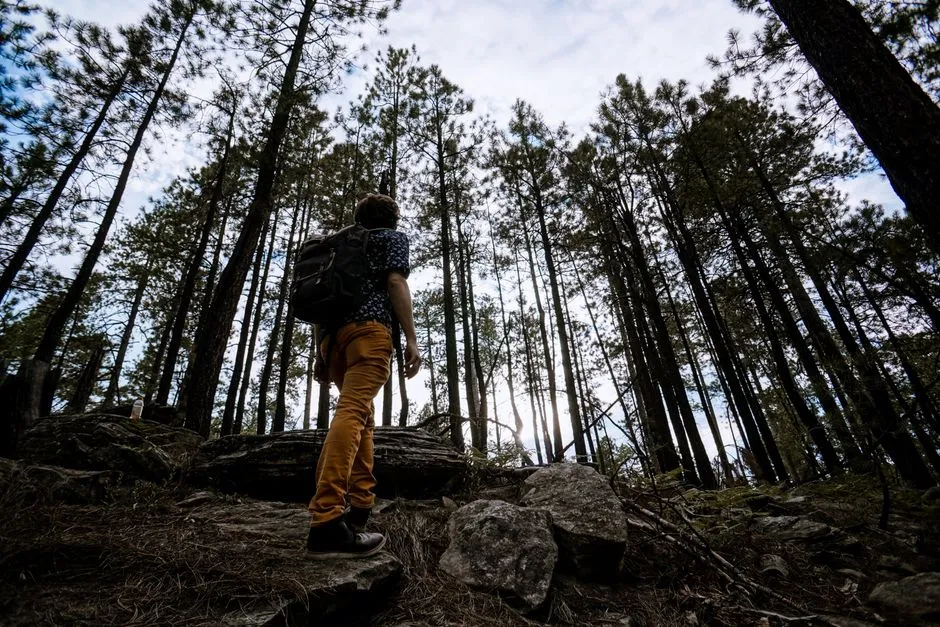
The Payson Ranger District just outside the Phoenix metro area has beautiful ponderosa pines, and includes the East Verde River and Highline Trail. It consists of approximately 450,000 acres of Chaparral, Pinyon-Juniper, and Ponderosa Pine types of vegetation.
Many recreationists visit the district looking to relax and escape the heat, participating in activities such as hiking, mountain biking, horseback riding, OHV riding, and camping. Many developed campgrounds are available throughout the district and can reach capacity during the busy summer months. Booking a campsite well in advance is more than a suggestion during July and August.
A Rodeo Town with Deep Western Roots

Payson Rodeo is the world’s oldest continuous rodeo, which began in 1884. Payson, with a population of nearly 17,000 people and an elevation of 5,000 feet, is known as the gateway to the Mogollon Rim. Originally known as Green Valley, the town was famous for logging, ranching, and mining. The name was changed in 1884 to honor former Illinois Senator Louis Edward Payson, who led the post office at the time.
Payson’s cowboy roots run deep, with a rodeo tradition dating back to 1884, and the town draws Phoenix residents looking to trade saguaros for pine trees in under two hours on the Beeline Highway. The annual rodeo, held in August, is a full-scale celebration of that heritage, drawing crowds from across the region every summer.
A Base for Exploring All of Rim Country
Payson, Arizona is a popular Rim Country getaway known for cool pine forests, scenic mountain views, fishing lakes, hiking trails, cabins, camping, and easy access to the Mogollon Rim. Located in central Arizona, Payson offers a refreshing change of scenery from the desert with four distinct seasons, outdoor recreation, and nearby destinations including Pine, Strawberry, Christopher Creek, Star Valley, and Kohl’s Ranch.
The drive to Payson along Highway 87, also known as the Beeline Highway, is considered one of Arizona’s most scenic mountain routes. Visitors can continue beyond Payson toward Pine, Strawberry, Christopher Creek, and the Mogollon Rim for additional forest scenery, overlooks, camping areas, and outdoor recreation destinations throughout Rim Country. The region genuinely rewards slow exploration.
Small-Town Comfort Without Big-City Noise
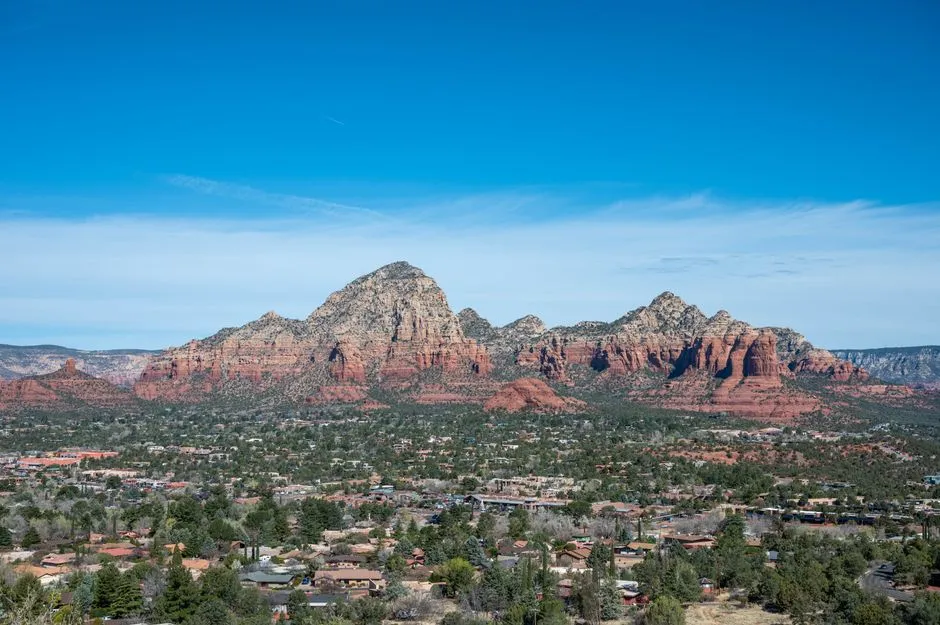
The town of Payson is home to charming restaurants, interesting museums, and local shops. It’s a place to escape the valley’s heat in the summer or venture into a winter wonderland during the colder months. Tourism and recreation constitute a substantial economic driver, with Payson’s location providing both a destination and gateway function for visitors to the Mogollon Rim country. The town’s moderate climate attracts desert dwellers seeking summer relief and winter visitors avoiding harsher northern conditions.
While many people traveling around Arizona spend the majority of their time in the western part of the state, Payson offers just as many things to do with far smaller crowds. That relative quiet is part of the appeal. You can find a trail to yourself in July here in ways that simply aren’t possible in more visited Arizona mountain towns.
The Takeaway
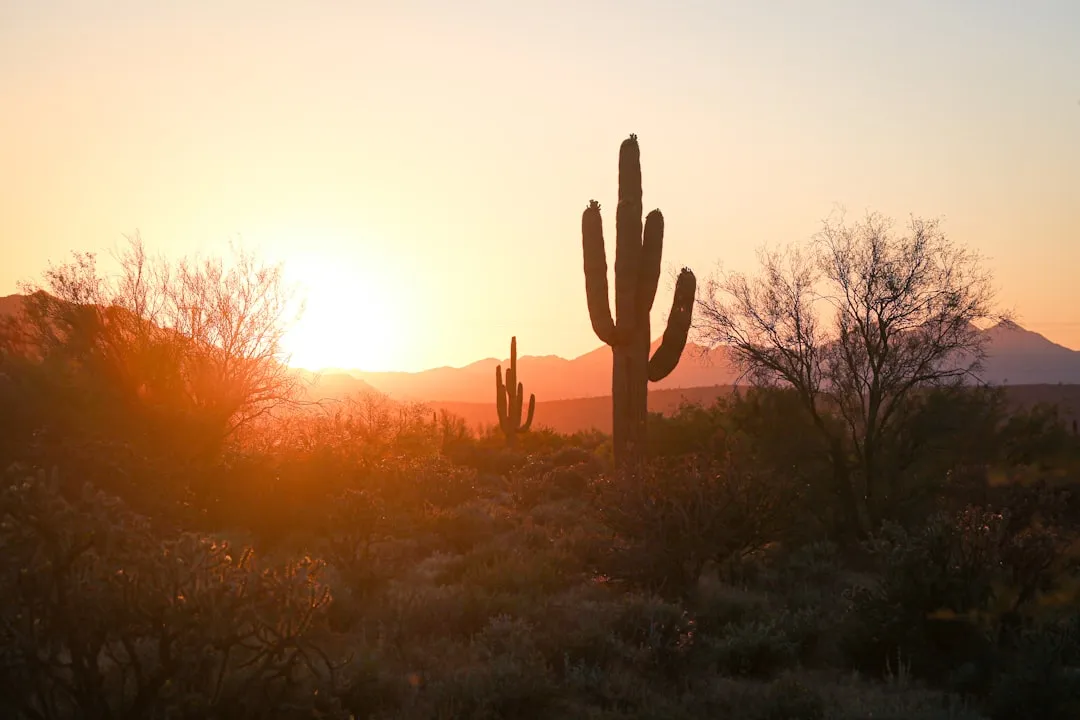
Payson has always been there, sitting patiently 90 miles up the Beeline Highway, waiting for Phoenix residents to remember that Arizona contains multitudes. As summers grow longer and hotter across the desert Southwest, the pull of this pine-draped mountain town only strengthens.
Known as “The Heart of Arizona,” Payson’s central location places it almost exactly in the geographic center of the state. That centrality feels fitting. It’s not just geographically central; for countless Phoenix families, it’s become the emotional heart of summer itself. A place where the thermometer drops, the trees grow tall, and the weekend finally feels like a weekend.
AI Disclaimer: This article was created with the assistance of AI tools and reviewed by a human editor.