

Look up on a clear day and you’ll almost certainly spot them: thin white lines stretching from horizon to horizon, left behind by passing aircraft. Some vanish within seconds. Others spread and linger for hours, slowly blurring into a haze that resembles natural cloud cover. Most people notice them, but few think much about what they actually are.
Those trails have a name, a precise physical explanation, and – as research over the past few years has made increasingly clear – a measurable effect on the planet’s climate. The science behind them is more nuanced than you might expect, and it’s become an active area of study for researchers, aviation authorities, and environmental policymakers alike.
What Contrails Actually Are
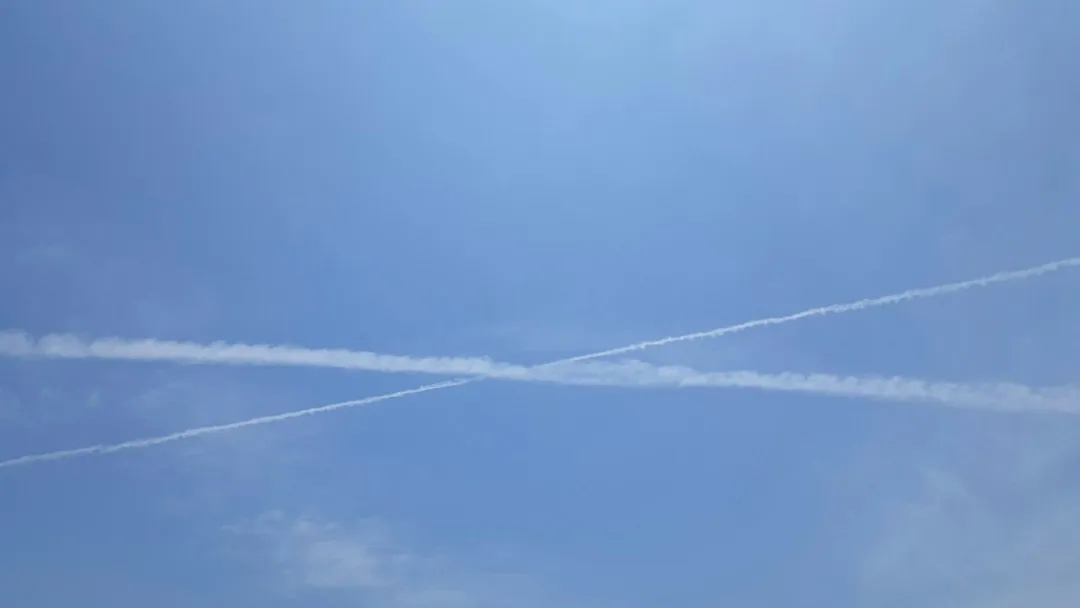
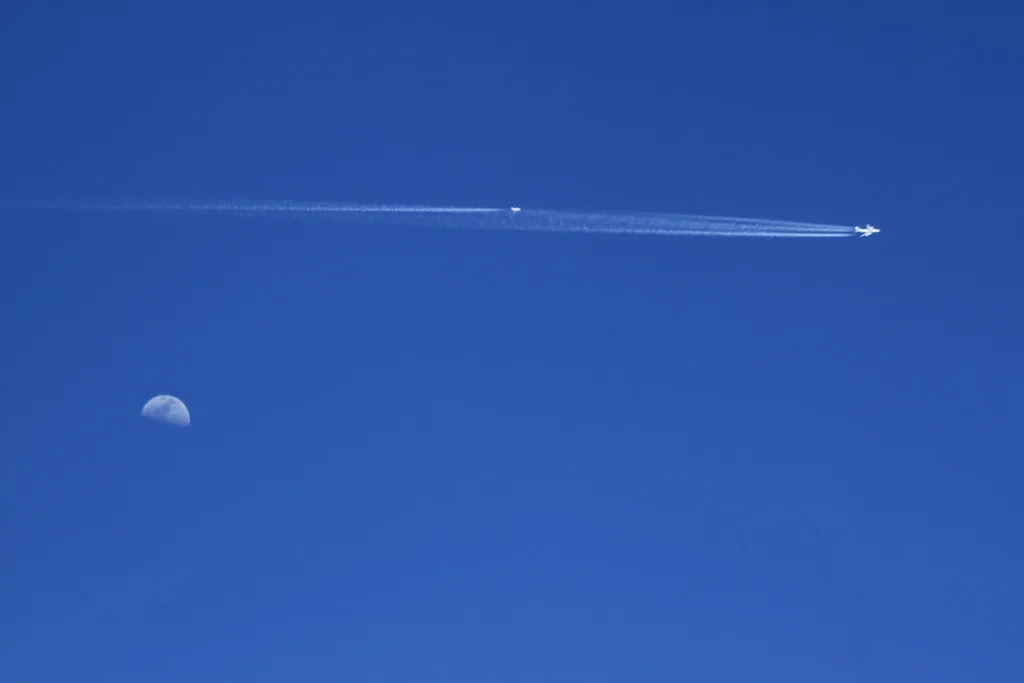
Contrails, short for condensation trails, are created by aircraft flying through cold and humid areas of the atmosphere. They are primarily made up of water in the form of ice crystals and have no impact on human or animal health. Despite their dramatic appearance across a blue sky, the physics behind them is essentially the same as the visible puff of breath you exhale on a cold winter morning.
A contrail forms upon condensation of water vapor produced by the combustion of fuel in airplane engines. More specifically, it forms when water vapor produced by the combustion of fuel condenses upon soot particles or sulfur aerosols in the plane’s exhaust. The result is a narrow, high-altitude ice cloud that traces the exact path the aircraft flew.
The Role of Engine Exhaust
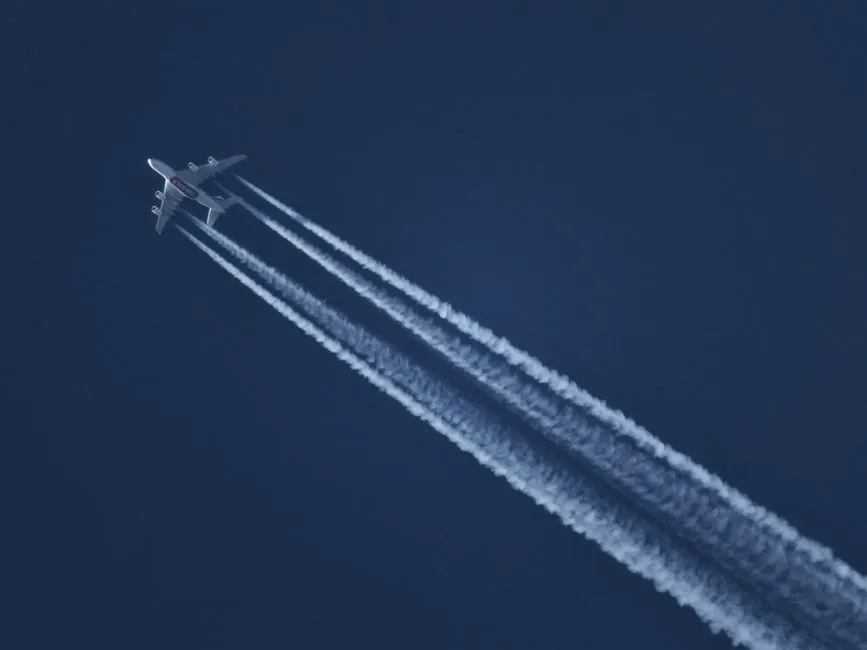
Jet engines burn fuel and produce exhaust containing water vapor, carbon dioxide, nitrogen oxides, and fine particles including soot and sulfate compounds. Of all these components, only water vapor is essential for contrail formation. The other byproducts matter in other ways, but the visible white line you see is fundamentally about water.
In general, contrails can form when engine exhaust gases mix with ambient air. Water condenses on exhaust particles and atmospheric particles already present in the ambient air, which act as condensation nuclei. Due to the low temperatures at high altitudes, these water droplets quickly freeze, forming visible contrails. It’s a fast, elegant chain of physical events happening miles above your head.
The Science Behind the Schmidt-Appleman Criterion
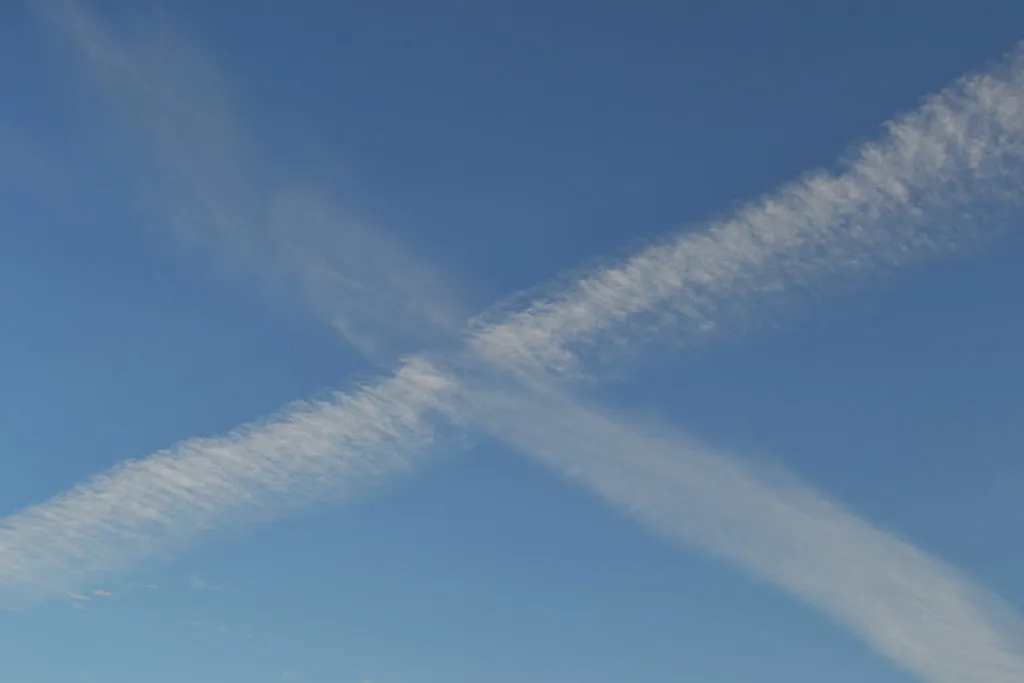
A thermodynamic explanation of this balance is provided by the Schmidt-Appleman criterion, formulated in the 1940s. This principle defines the thermodynamic balance between the added water vapor and heat from the exhaust and the humidity and temperature of the ambient air. If the criterion is met – generally when the ambient temperature is below approximately minus 40°C – a contrail forms.
A key factor for the formation of contrails is the presence of condensation nuclei in the air. Such particles are supplied primarily by the combustion process but are also naturally present in the atmosphere. If particles are present and the Schmidt-Appleman criterion is met, water vapor from the exhaust can condense into microscopic water droplets, which then freeze into ice crystals. These ice crystals are what we see in the sky as contrail streaks left behind by planes.
Why They Form at Cruising Altitude
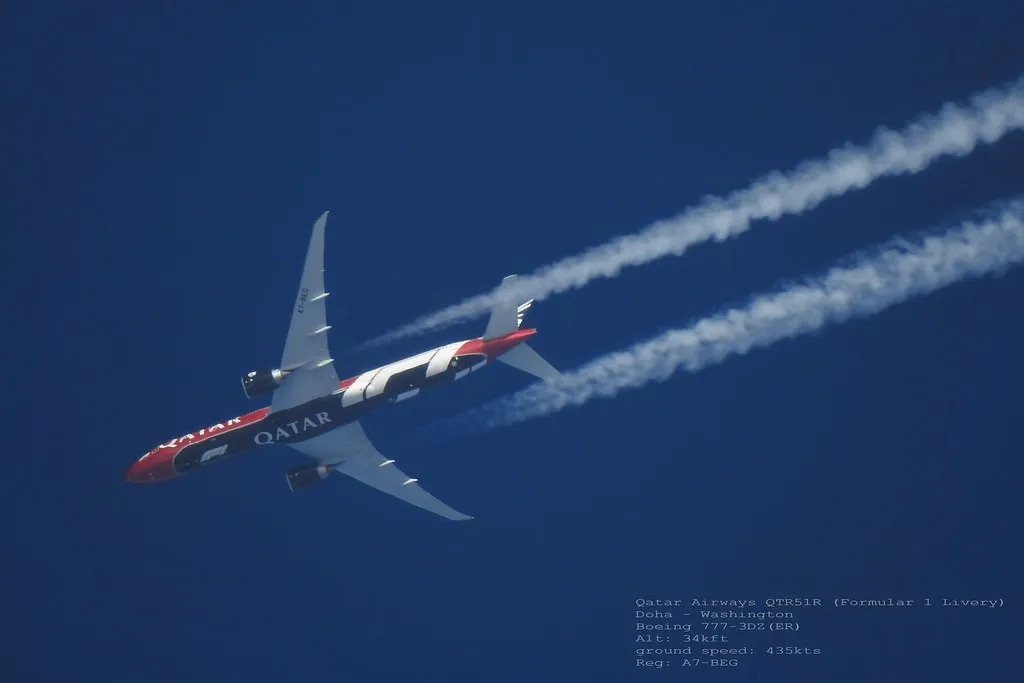
Contrails are typically generated by aircraft flying in the upper troposphere or lower stratosphere at altitudes between 8 and 13 kilometers. At cruising altitude – typically 26,000 to 40,000 feet – the surrounding air temperature routinely drops below minus 40°C. That extreme cold is the essential ingredient.
Whether the saturation threshold is reached depends on the balance between the added water vapor and heat from the exhaust and the humidity and temperature of the surrounding air. The more water vapor emitted, the larger the likelihood of contrail formation; conversely, more heat decreases the likelihood, since warmer air can hold more water vapor. This is why contrails don’t appear on every single flight, even when conditions look similar to the naked eye.
Why Some Trails Vanish Quickly and Others Linger
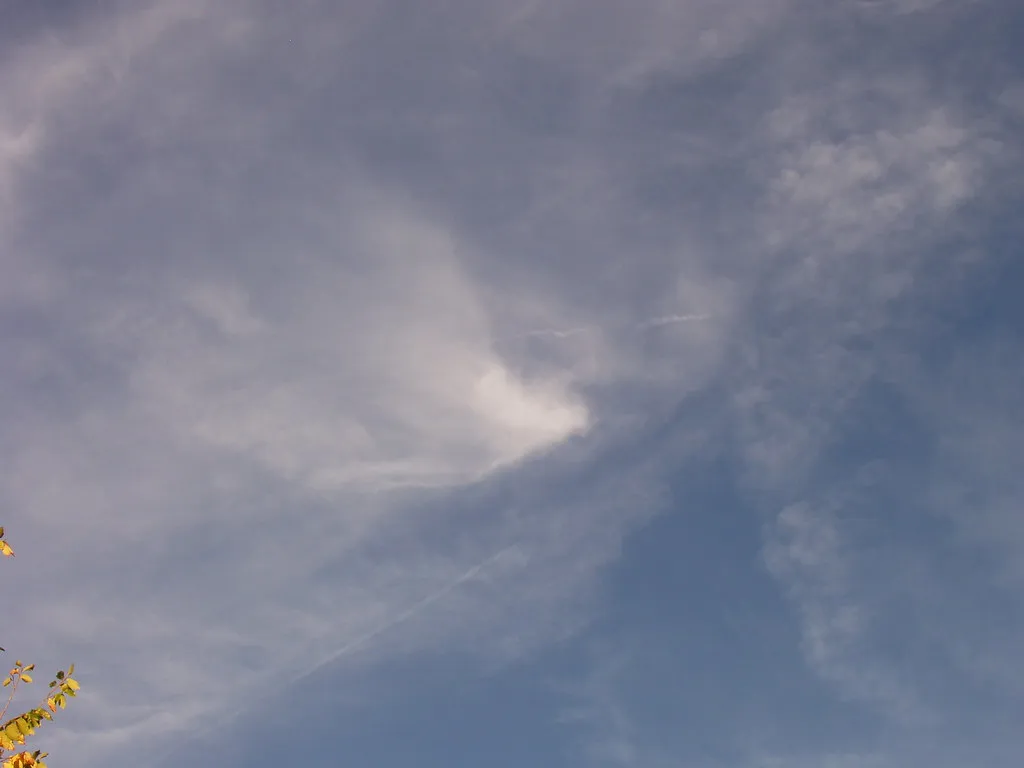
The majority of contrails dissolve in seconds or minutes. However, contrails which form in cold and humid areas – known as ice supersaturated regions, or ISSRs – may persist in the atmosphere for hours, developing into contrail cirrus. Those persistent contrails have the largest climate impact.
The effects of a contrail depend firstly on how it is formed – ice crystal formation varies according to local temperature and humidity, aircraft engine type, and fuel composition – and secondly on how the contrail evolves over its life, as atmospheric conditions change, winds shift its position, and ice crystals grow or shrink. The existence of a contrail also depends on its geographical position, as well as the season and time of day. So the same route on two different days can produce very different results.
How Contrails Turn Into Cloud Cover
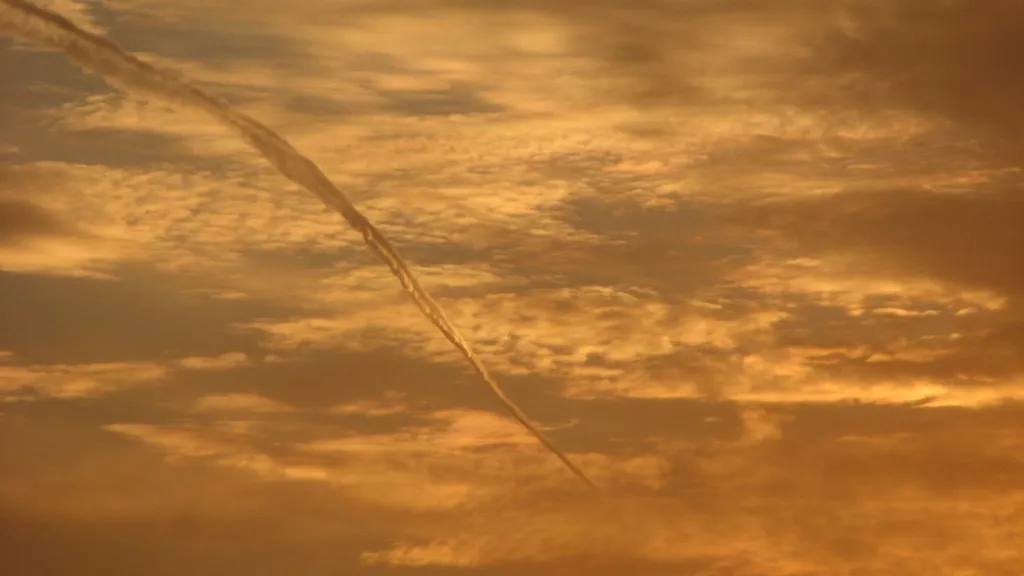
Contrail formation is a complex process involving the mixing of hot exhaust gases with cold air. Under certain atmospheric conditions, these wispy trails of condensed water vapor can spread out to form contrail cirrus clouds, which trap heat that would otherwise be released into space. This is the point where a simple physical curiosity becomes a genuine environmental concern.
Contrail cirrus consists of elongated contrails trailing high-altitude aircraft and thin cirrus patches formed by the dispersion of persistent contrails. The morphology of contrails evolves based on factors such as humidity, shear, stratification, waves, turbulence, and radiative heating. In other words, the atmosphere shapes them just as it shapes natural clouds.
The Climate Impact You Might Not Expect
The warming impact of contrails for the climate is estimated to be as bad as that of aviation’s CO₂ emissions. However, it is a very concentrated problem – less than 3% of global flights generated 80% of contrail warming in 2019. That imbalance is striking, and it shapes how researchers are thinking about solutions.
The mean global surface temperature rise due to contrails is estimated at 0.027 K in 2025 and 0.054 K in 2050. These values are 115% of the mean aviation CO₂ warming in 2025 and 136% of the mean aviation CO₂ warming in 2050. The numbers are small in absolute terms, but their rate of growth relative to CO₂ warming is what has scientists paying close attention.
Not All Contrails Warm the Planet Equally
A 2024 study by Teoh et al. found that less than a quarter of flights generated persistent contrails. Out of those, 7% of flights generated net cooling contrails, while 17% formed net warming contrails. The remaining 76% of flights did not form any persistent contrails, meaning there was no cooling nor warming effect.
Contrails that spend most of their lifetime at night produce a net warming effect, while the warming impact during the day is less certain. Incorporating this variation into forecasts allows researchers to focus on the contrails most likely to have a net warming effect. The time of day a flight departs, it turns out, is not just a scheduling detail – it’s an environmental variable.
The “Chemtrails” Myth – What the Evidence Actually Says
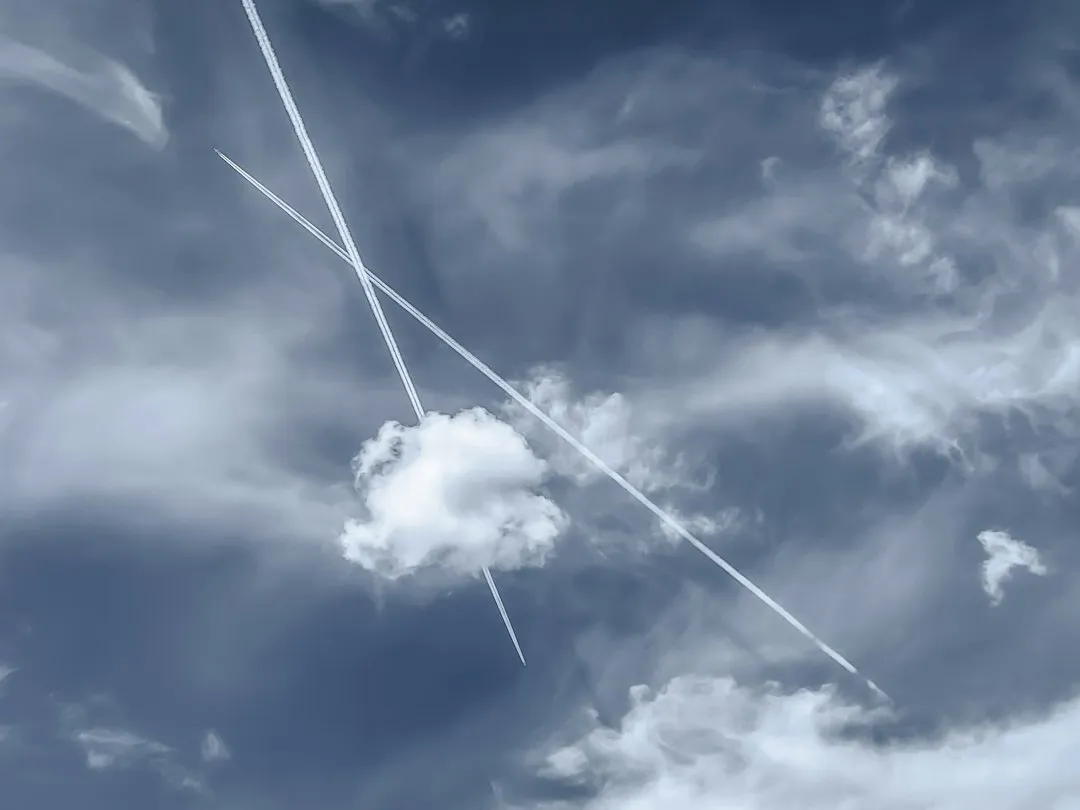
Contrails are often mistaken for chemtrails, or chemical trails, a disproven theory that high-altitude aircraft are dispersing chemicals over large areas of the public or atmosphere. This idea has persisted online for decades despite consistent scientific consensus against it. Condensation trails occur when dry and cold air meets water vapor from jet engines at high altitudes. They are primarily made up of water in the form of ice crystals and have no impact on human or animal health.
The confusion often comes from not knowing what conditions cause contrails to spread, linger, or disappear. A trail that hangs in the sky for hours looks different from one that vanishes in seconds, and that difference can feel suspicious. The actual explanation – atmospheric humidity levels at cruising altitude – is far less dramatic but completely grounded in observable, reproducible physics.
What Aviation Is Doing About It
A 2024 study by Martín Frías et al. found that contrail warming could be reduced by 72% with a fleet-wide extra fuel burn of just 0.11%. Researchers from Sorbonne Université and the University of Reading found that for most flights that form contrails in the North Atlantic, the climate benefit of avoiding the contrail outweighs the extra carbon dioxide emitted from flying a different route.
Researchers compared the prevalence of observable contrails in flights that performed avoidance maneuvers against a control group that did not, finding statistically robust evidence of contrail reduction. An 11.6% reduction in contrail formation rate was observed for intent-to-treat flights relative to the control group, and a 62% lower contrail formation rate for the per-protocol group. Current research is focused on identifying methods for reducing contrail formation, including new fuel formulations and low-emitting engine technologies, as outlined in the Contrails Research Roadmap 2025.
The Takeaway
Those white lines crossing a clear blue sky are not mysterious, not dangerous, and not secret. They are ice – formed in milliseconds, shaped by temperature, humidity, and the physics of combustion at extreme altitude. Most of what people notice about contrails is real: they do vary, they do persist, and they do affect how much heat stays in the atmosphere.
What has changed in recent years is the scale of scientific interest. In light of global warming reaching 1.42°C in August 2025, mitigating aircraft shorter-lived non-CO₂ effects such as contrails remains critical to achieve the 2°C goal of the Paris Agreement. Advances in contrail prediction, including the integration of natural cloud effects and satellite-based evaluations, support the development of operational contrail avoidance strategies. The white lines are no longer just a curiosity. They are part of a larger, urgent conversation about the true cost of flight.
AI Disclaimer: This article was created with the assistance of AI tools and reviewed by a human editor.