
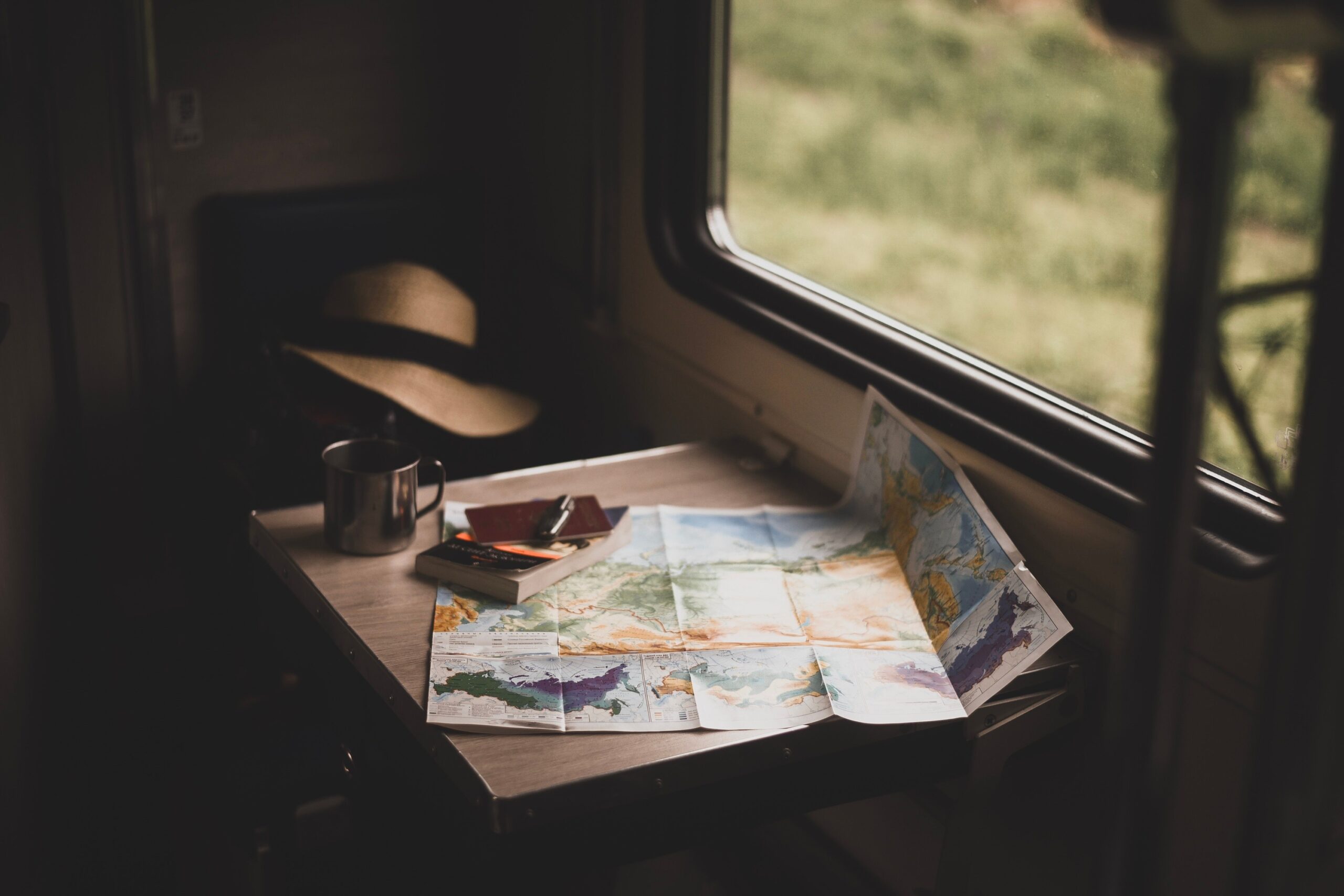
The Science of Anticipation and Why It Matters

Psychologists have documented that anticipating a positive event can produce happiness that rivals or even exceeds the pleasure of the event itself. A well-cited study published in the journal Applied Research in Quality of Life found that people reported the highest levels of happiness in the period leading up to a vacation, with satisfaction sometimes dipping slightly once the trip was underway and the novelty settled. This is not a quirk of personality. It reflects how the human brain is wired to generate reward signals around expectation. The act of looking forward to something gives the mind a sustained emotional lift that a single moment of arrival simply can’t replicate over the same duration.
Dopamine Runs on Possibility, Not Just Delivery

A common misconception is that dopamine only fires when you get what you want. Neuroscience research has consistently shown that dopamine release is often stronger during the anticipation phase than during reward itself. Your brain, in a sense, is more excited about what might happen than what is happening. This is why browsing photos of a coastal town in Portugal or reading trail reviews for a park in Patagonia can feel genuinely pleasurable, not just like preparation. The gap between imagining and arriving is not dead time. For the brain, it’s active, meaningful experience.
Planning Gives You a Sense of Control

One of the quieter emotional benefits of trip planning is how it creates a sense of personal agency. Choosing your own itinerary, deciding which neighborhoods to stay in, or weighing one train route against another puts decision-making power squarely in your hands. Research in behavioral psychology consistently links perceived control over future events to reduced anxiety and improved wellbeing. Travel planning, even when it’s complicated by visa requirements or layovers, tends to function as a constructive outlet for that need to shape what comes next. There’s real comfort in holding a plan, even a loose one.
The Ritual of Research Has Its Own Pleasure
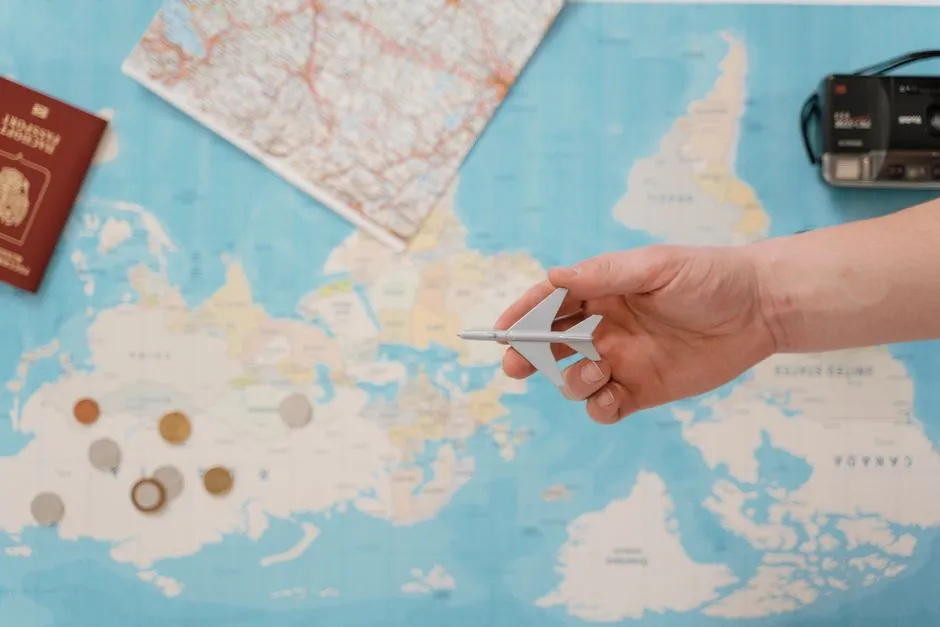
Digging into a destination carries a particular, almost meditative quality. Reading about the history of a city, learning a handful of words in a new language, or identifying the local dish you most want to try are small acts that connect you to a place before you’ve touched down. This kind of pre-travel immersion has been described by travel writers and psychologists alike as a form of imaginative travel. It primes your attention and sharpens your curiosity so that when you do arrive, you notice more. Planning doesn’t just logistically prepare you. It emotionally and intellectually opens you up.
Shared Planning Deepens Relationships

When a trip is planned with a partner, a friend, or a family member, the planning process becomes a shared creative project. Negotiating what each person most wants to do, laughing over a restaurant with a dubious name, or debating whether to spend an extra night somewhere all generate connection. Studies in social psychology have found that collaborative future-planning is associated with strengthened bonds and increased relationship satisfaction. The trip itself becomes something jointly authored, not just jointly attended. That collaborative energy starts accumulating well before anyone boards a flight.
Visual Platforms Have Changed How Planning Feels
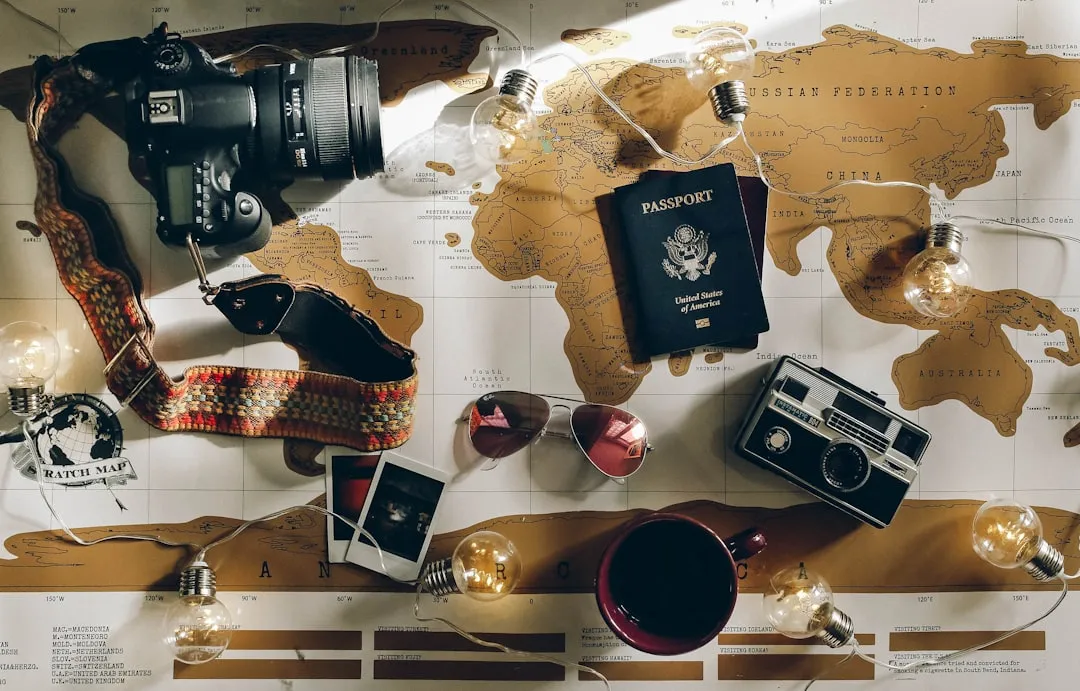
The way people plan travel has shifted meaningfully over the past decade. Platforms like Pinterest, Instagram, and now short-form video have turned destination research into an experience that’s visually rich and emotionally engaging in its own right. Travelers curate mood boards, save locations, and follow local creators from the places they intend to visit. This visual immersion extends the emotional arc of anticipation across a much longer runway than a traditional guidebook ever could. It’s worth noting that this has both benefits and drawbacks. The images that dominate social feeds can sometimes skew toward the spectacular and miss the texture of everyday life in a place, which is worth keeping in mind as you plan.
Budgeting and Logistics Can Actually Be Satisfying
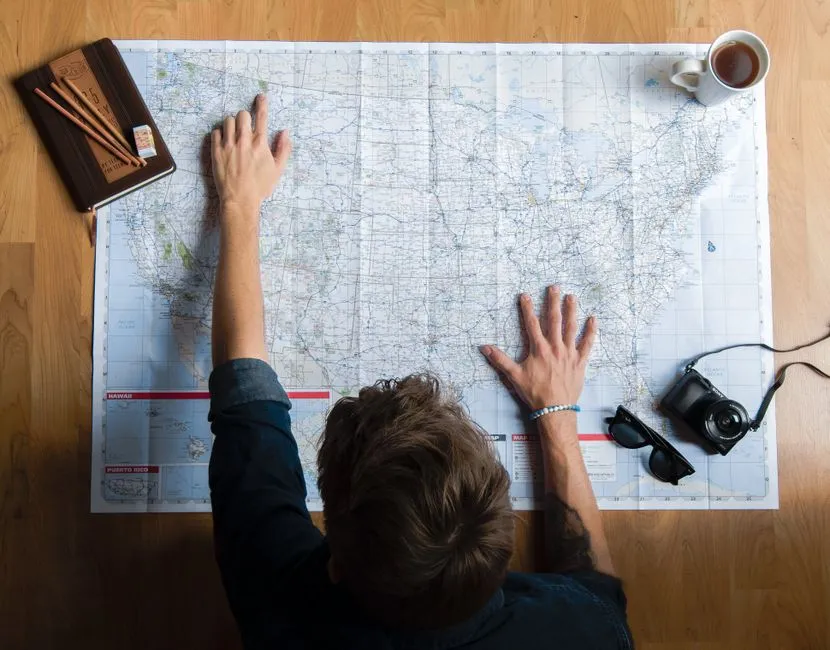
This one surprises people, but the practical side of planning, spreadsheets, flight comparisons, accommodation shortlists, carries its own quiet satisfaction for many travelers. Solving logistical puzzles engages the same problem-solving circuits that make games feel rewarding. There’s a reason travel planning apps and itinerary tools have seen significant growth in usage. Getting a complex multi-city routing to click into place or finding a well-reviewed guesthouse within budget genuinely feels like a small win. The satisfaction is functional and real, not just a means to an end.
Planning Lets You Travel More Often, in a Sense
If you consider the planning phase as part of the travel experience rather than the preamble to it, you effectively extend how much travel you enjoy in any given year. A trip that takes ten days but was planned over eight weeks delivers far more hours of travel-related pleasure than those ten days alone would suggest. This reframing isn’t just semantic. It genuinely changes the emotional accounting of how travel fits into your life. For people who can’t travel as frequently as they’d like due to financial, family, or professional constraints, leaning into the richness of planning can meaningfully expand the reward they receive from the trips they do take.
Flexible Planning Builds Resilience Into the Experience

There’s a distinction worth making between rigid over-planning and thoughtful preparation. Mapping out every minute of a trip can tip into anxiety and leave no room for the unexpected discoveries that often become the best memories. Experienced travelers tend to plan the structure and leave the texture open. Knowing roughly where you’ll sleep and which two or three things you genuinely don’t want to miss is enough to feel secure without eliminating spontaneity. Good planning, in this sense, actually protects the joy of the trip rather than crowding it out.
The Afterglow of a Well-Planned Trip Lasts Longer
Trips that were thoughtfully planned tend to leave richer memories, partly because the traveler arrived with enough context to appreciate what they were experiencing. Memory researchers have found that the meaning we attach to an experience significantly influences how we recall it later. A meal eaten with knowledge of its cultural significance, a walk taken with awareness of a place’s history, both register differently in memory than the same experiences encountered without that background. Planning creates the context that deepens the imprint. In this way, the effort put into preparation pays forward into how long and how warmly the trip lives in your mind afterward.
The Takeaway
The planning phase of travel isn’t just administrative overhead. It’s a genuine extension of the experience, emotionally, intellectually, and socially. The anticipation is real, the pleasure of research is real, and the connections built through shared planning are real. Treating this phase with as much care and curiosity as the trip itself doesn’t just make the logistics smoother. It makes the whole arc of travel, from first search to final memory, more fully lived.
AI Disclaimer: This article was created with the assistance of AI tools and reviewed by a human editor.