
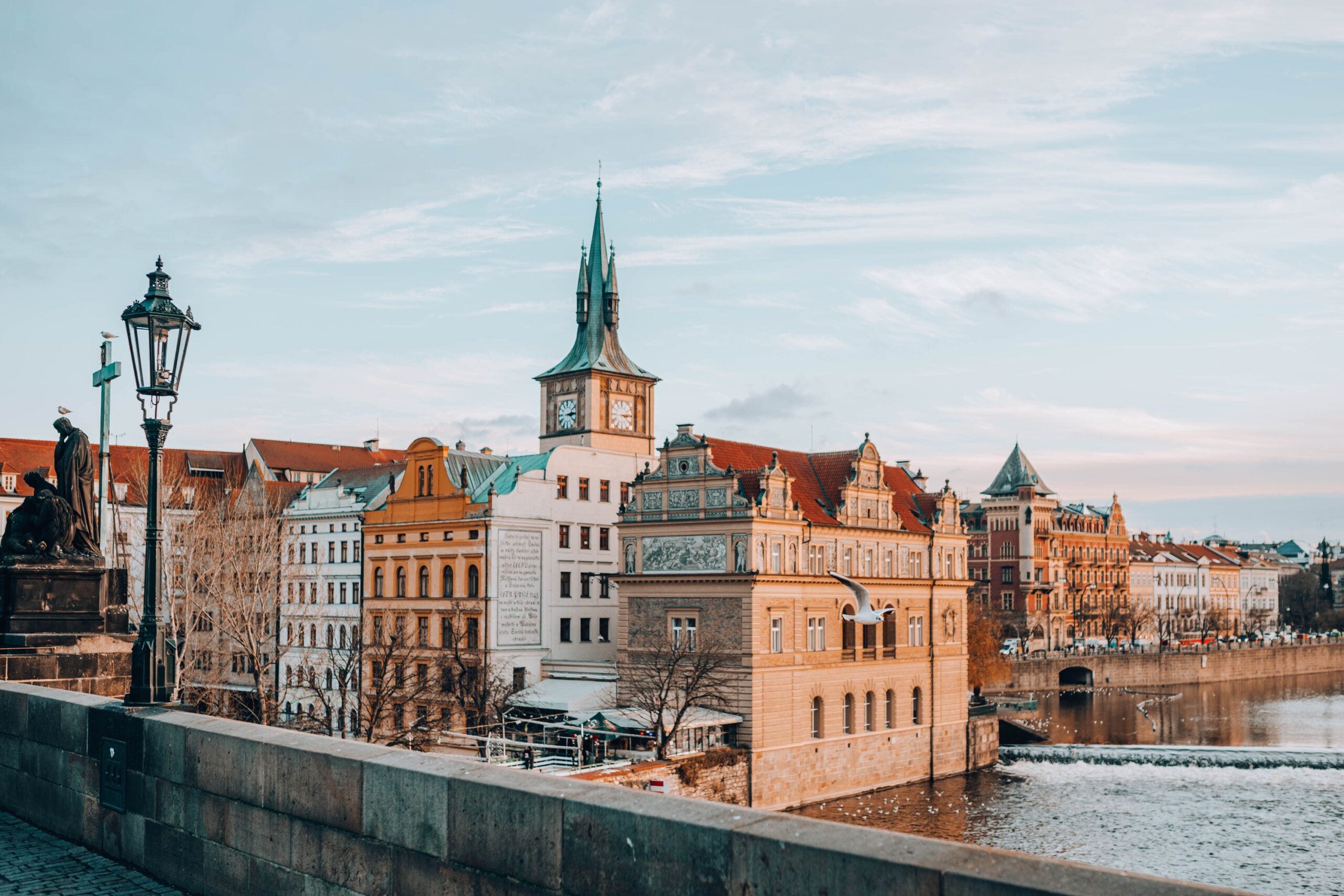

The Oldest Working Astronomical Clock on Earth
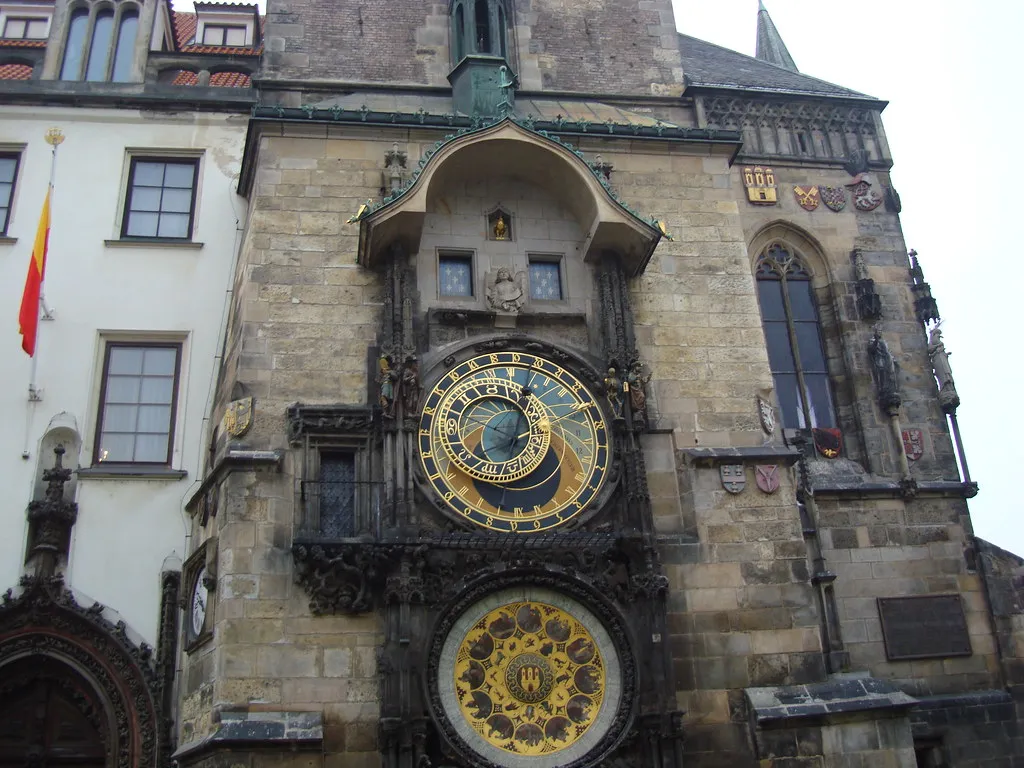
Located in the heart of the city’s Old Town Square, this medieval clock has been ticking since 1410, making it the third-oldest astronomical clock in the world and the oldest still in operation. That distinction matters more than it might seem. Many clocks from that era survive only in fragments, behind museum glass.
It was constructed by the clockmaker Mikuláš of Kadaň in collaboration with Jan Šindel, a professor of mathematics and astronomy at Charles University. The collaboration between a craftsman and an academic astronomer tells you something about the ambition behind it: this was never just a clock for telling time.
The Prague Astronomical Clock is one of the oldest European clocks of its kind, with the first ever originating in Padua in 1344 and a second in Strasbourg in 1354, and it continues to hold its exceptional position. Over six centuries later, it still runs.
A Mechanical Show That Repeats Every Hour
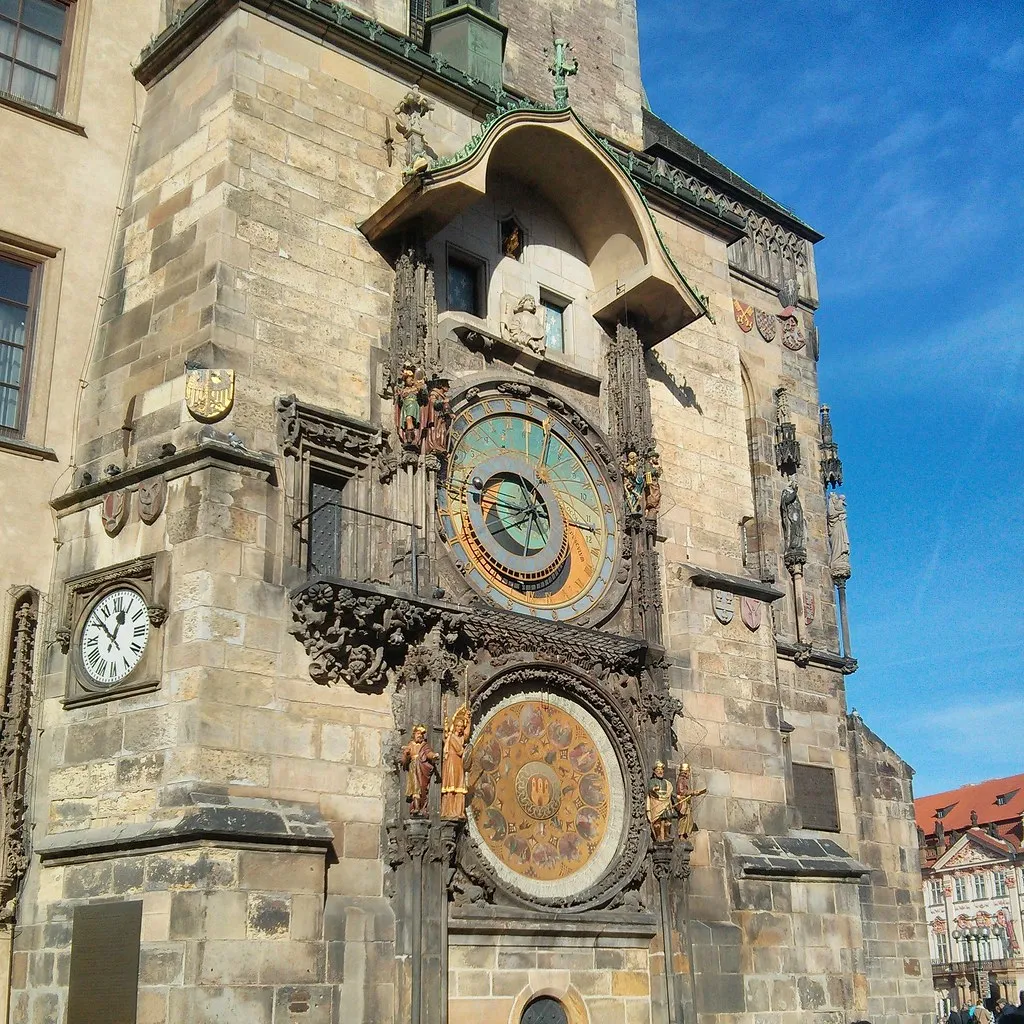
The astronomical clock is made up of three parts. Every hour from 8:00 a.m. to 11:00 p.m., twelve apostles, each carrying their attribute, appear in the two windows below the small roof. The sequence lasts about 45 seconds and ends with a golden rooster crowing.
The clock chimes every hour and the statues are set in motion in a 45-second show. It’s brief, which surprises some visitors expecting something grander. The real spectacle, though, is the synchronicity of centuries-old mechanics performing exactly as designed.
As the clock strikes each hour from 9 am until 11 pm, all the figures placed on it move and perform motions programmed by the clockmaker over six hundred years ago. That continuity is quietly extraordinary.
What the Clock Actually Shows
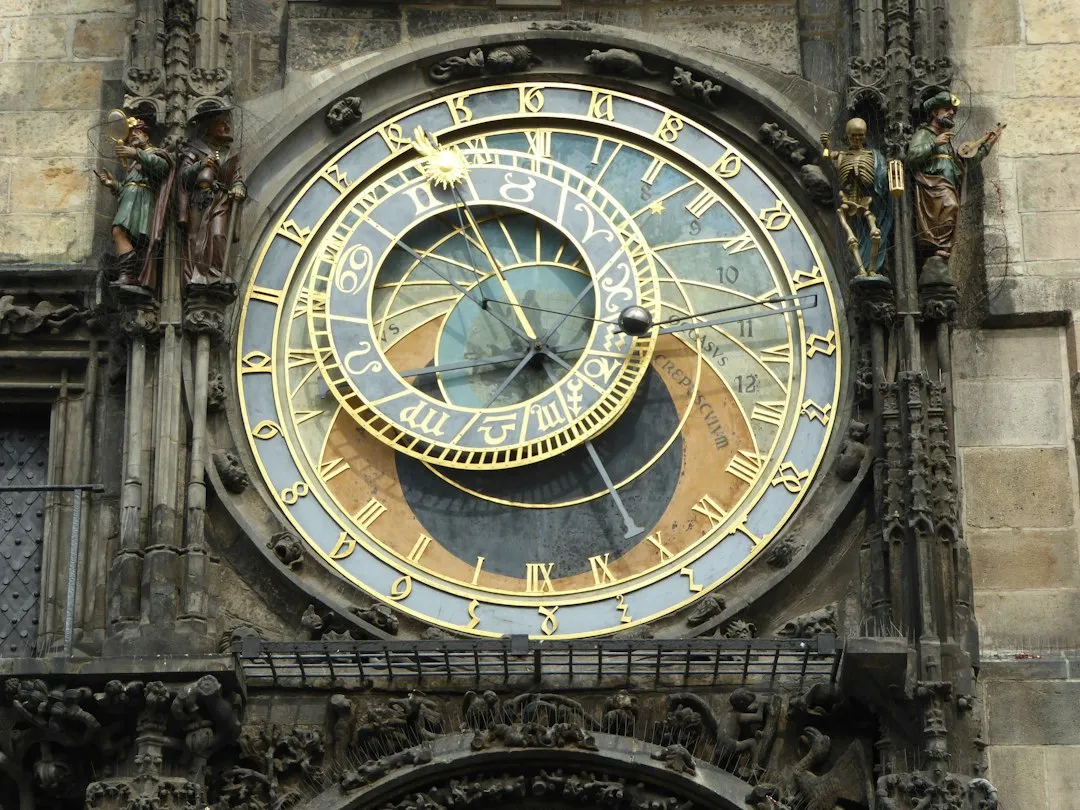
It is perhaps the most well-known astronomical clock in the world, with four moving automatons including a skeleton ringing his death knell for each hour, and rotating statues of the 12 apostles. It displays Babylonian time, Old Bohemian time, German time, and Sidereal time. Four different ways of reading the cosmos, all on one face.
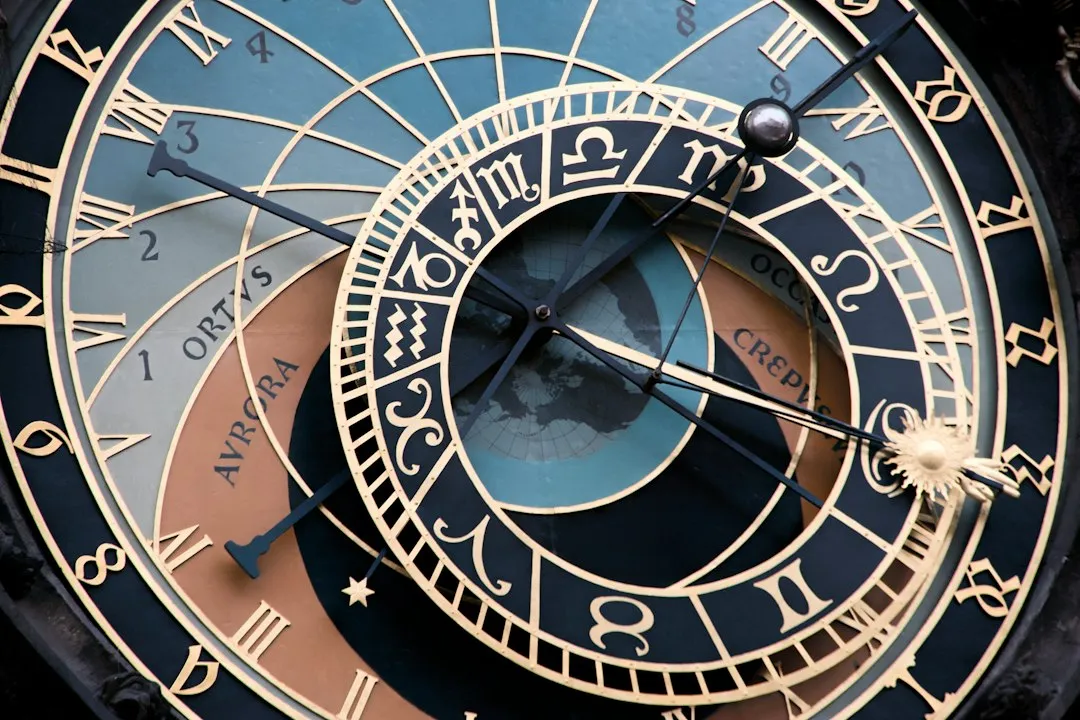
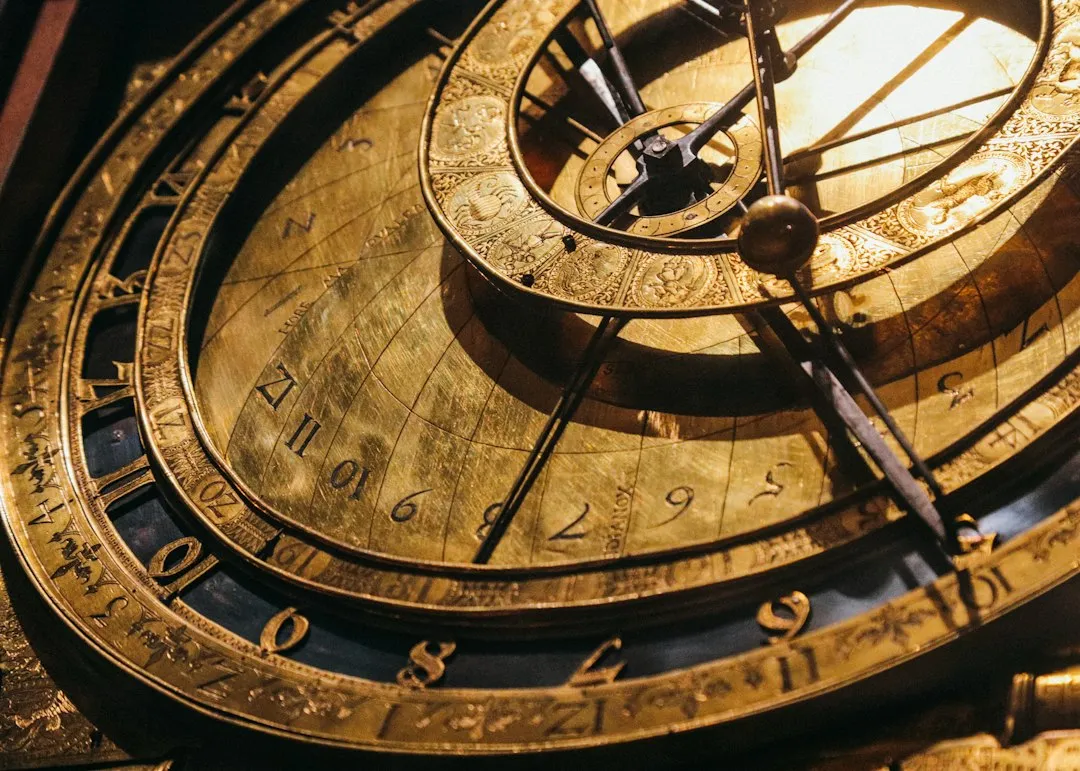
The upper part, the astronomical dial, is far more complicated. It is a kind of astrolabe, or a simplified planetarium, showing the current position of celestial objects. As with all astronomical clocks, the Orloj was designed for a specific place, in this case Prague. It represents the view of the sky from that place.
The clock has Earth at the center because it was created almost 200 years before it was established that the Sun, and not Earth, is at the center of the solar system. In a strange way, looking at the clock face is a glimpse into a pre-Copernican understanding of the universe, preserved in working metal.
The Calendar Dial Below
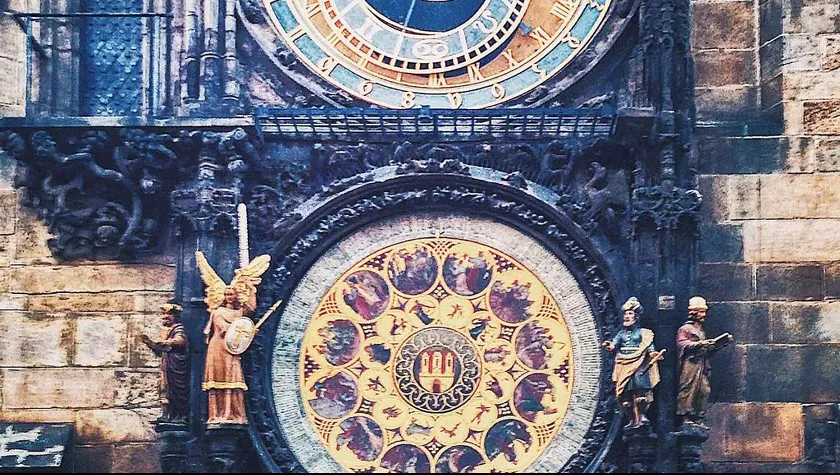
A calendar dial built by Josef Mánes was added to the clock tower in 1865. It shows the days of the year along with large medallions representing the 12 months. The smaller images represent the zodiac signs. The writing along the edge of the calendar contains the names of 365 saints and church holidays.
The calendar dial was installed around 1490 and at the beginning it was necessary to shift the calendar plate manually every night. In 1566, the Orloj was fully mechanized and since then the process has been automatic.
The calendar plate and statues on Prague’s astronomical clock are all copies. The original calendar plate was removed in 1880 and the statues were swapped out in 1976. The originals are safely kept in the Prague City Museum. Seeing the clock today means seeing faithful reproductions of work that was itself already ancient.
War Damage and the Resilience of the Orloj
The clock was very heavily damaged in the last days of the Second World War. During the fighting in Prague, the Nazis directed artillery fire at the Old Town Hall and even used fire grenades. The entire building burned down and with it the complete city archives burned to ashes.
Nevertheless, a number of self-sacrificing persons managed to repair the authentic old clockwork, and the Astronomical Clock was renewed in every respect in its original form. The repair effort required remarkable dedication and technical skill under difficult postwar conditions.
Prague renovated the Old Town Tower in 2018. They replaced the electric clock mechanism from the 1860s with the one that had been functioning since 1948 and restored the clock to its former glory. It is now in full working condition.
The Legend That Won’t Die
According to a legend by Jirásek, the astronomical clock was built by master Hanuš. After the completion, Prague councilmen had him blinded in order to prevent him from building a copy. Master Hanuš took his revenge by stopping the astronomical clock.
For many years it was believed that the clock was designed and built by clock-master Jan Růže, also known as Hanuš. This has since been shown to be a historical mistake. Modern research has confirmed the 1410 origin by Mikuláš of Kadaň, not Hanuš.
However, this mistake led to the creation of a local legend that is still told to tourists today. The tale states that after this clock was built, Hanuš was approached by many a foreign nation, each wishing to have its own town square topped with a marvelous astronomical clock. Historically inaccurate, yes. Entirely forgettable, no.
The Controversy Behind the Calendar Wheel
The artist was accused of “putting likenesses of friends and acquaintances on a 15th-century clock, possibly as a joke” and “radically changing the appearance, ages, skin tone, dress and even genders of the figures.” The accusation surfaced years after the restoration was completed.
The controversy raised questions regarding the artist’s intentions, as well as how well conservationists and Prague City Hall checked his work, since it took four years before the concerns were raised. As of 2022, officials were discussing if a new calendar wheel that more faithfully re-creates the original artwork would be needed.
It’s a reminder that maintaining a 600-year-old monument is never a finished task. Every restoration carries its own risks, and the Orloj has seen its share of difficult decisions across the centuries.
The Crowds It Draws Today
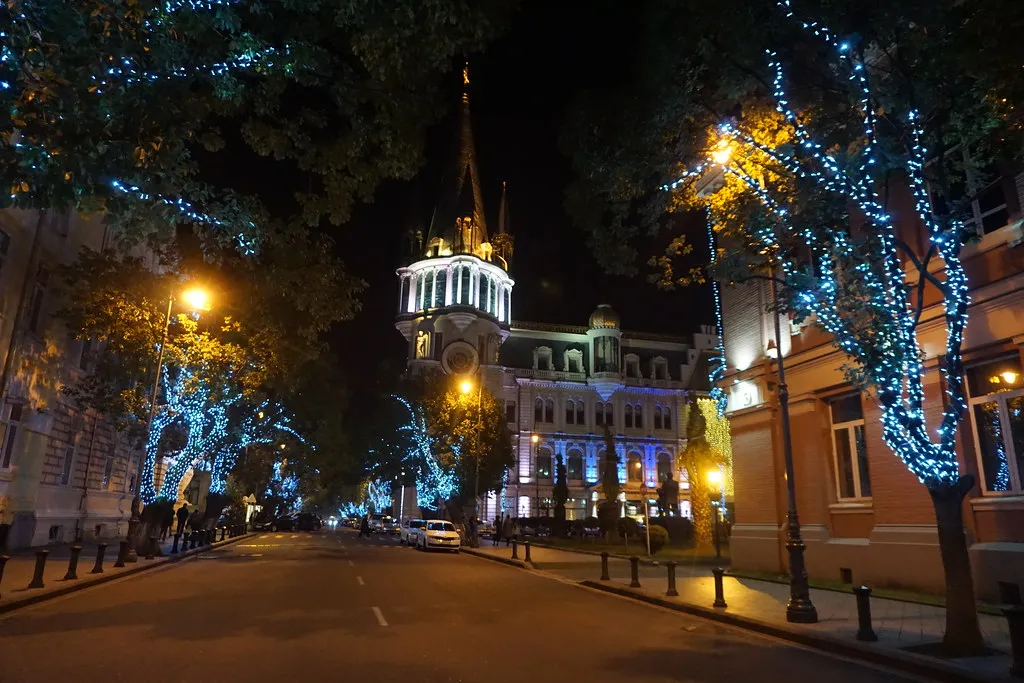
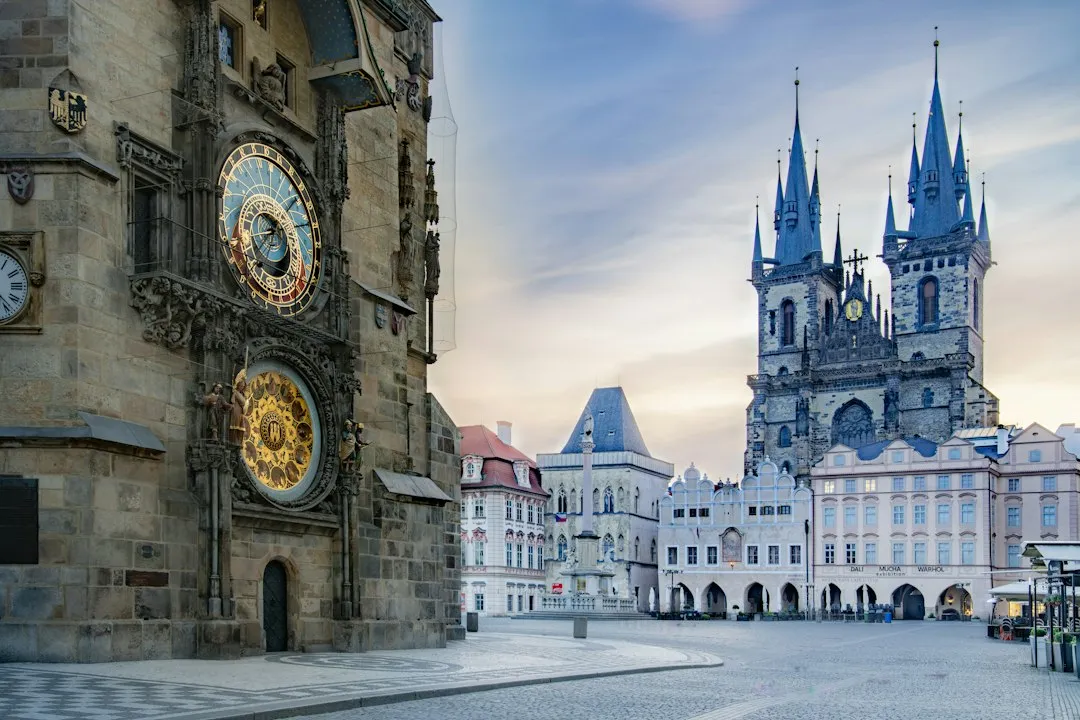
Old Town Square and the Astronomical Clock draw approximately three million visitors annually. That figure places it among the most visited single locations in the entire Czech Republic, a country that recorded roughly 23 million visitors in total in 2024.
During high summer, in July and August, the crowd in front of the clock at the hourly show can reach 200 to 400 people from 10:00 to 18:00. That’s not a gentle gathering. At peak midday hours, it fills a significant portion of the square.
Around 8.1 million tourists visited the Czech capital in 2024, marking a nine percent increase compared to the previous year. Travelers from Germany, the United States, and the United Kingdom were particularly drawn to the metropolis on the Vltava River. A substantial share of them make their way to the Orloj.
A Global Icon Replicated Abroad
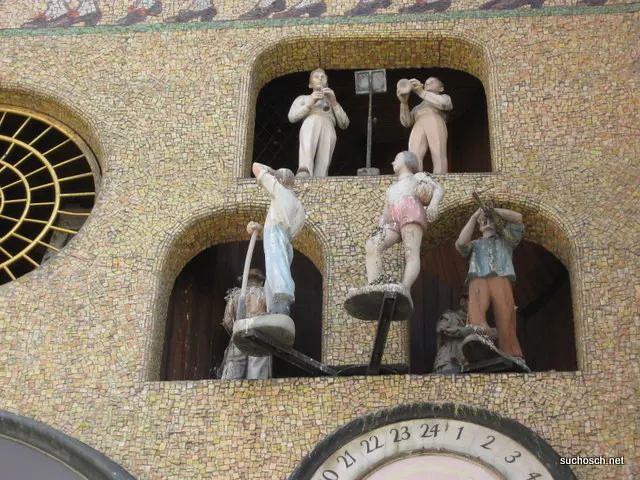
In modern times, Koreans fascinated by the Orloj built a working replica of the clock and the tower of the Old Town Hall. Their building in Seoul is called Castle Praha Hongdae. It’s a striking reflection of the clock’s cultural reach beyond Europe.
Prague consistently ranks among the most visited cities in Europe, and the Orloj is frequently cited as the single most popular attraction in the Czech Republic. For many international visitors, the clock is the image of Prague they carry home.
There are other astronomical clocks in Europe, in cities like Strasbourg, Lund, and Rostock, but none combine the Prague Orloj’s antiquity, continuous operation, and dramatic hourly performance in quite the same way. Its combination of age, function, and theater is genuinely singular.
Why It Keeps Drawing People Back
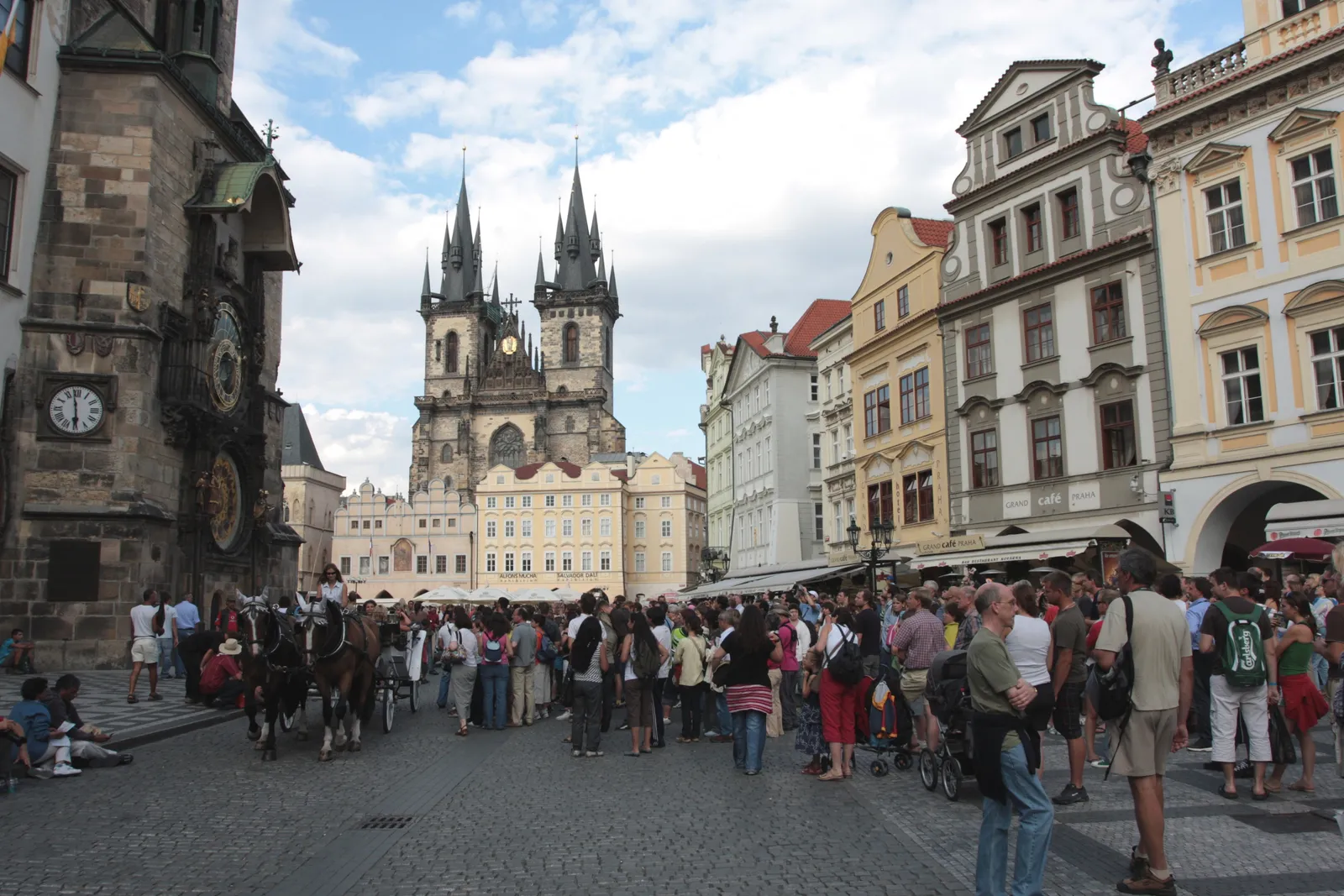
Beyond the visual spectacle, the clock appeals to a broad range of interests. Astronomy enthusiasts appreciate the complexity of the dial. History lovers are drawn to the layers of medieval, Renaissance, and modern craftsmanship visible in a single structure. Casual travelers simply enjoy the communal excitement of the hourly show.
The combined beauty of the Orloj, the hourly mechanical show, and above all the crowds that gather below it, even with still 15 minutes to go, make it a most fascinating event to watch and to be part of. There’s a social dimension to the experience that no photograph quite captures.
For over six centuries, hundreds of thousands of tourists from all over the world have visited the clock every year and patiently waited at the Old Town Square for the show to start. That patience, repeated across generations and across languages, might be the most telling thing about the Orloj of all.
The Takeaway
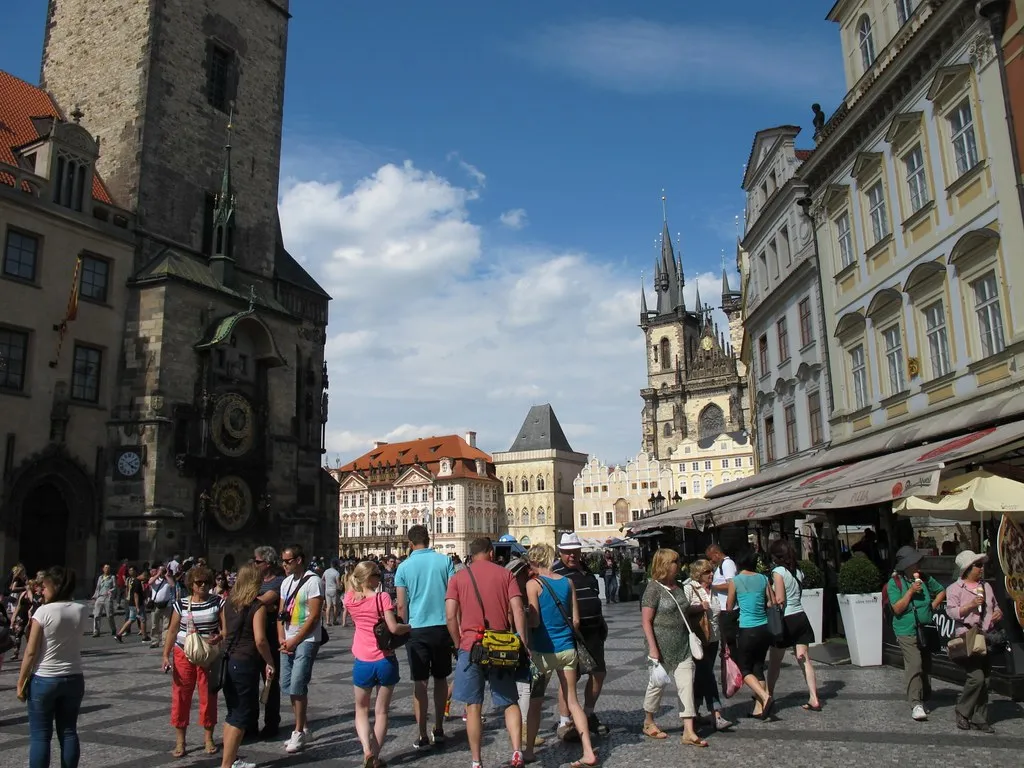
The Prague Astronomical Clock has survived wars, floods, political upheavals, and centuries of weather. It has been blinded by legend, rebuilt after fire, and debated by art historians. None of that has slowed the crowds. If anything, each layer of history gives people one more reason to look up.
What the Orloj offers is rare in the modern world: a shared, unhurried, entirely analog moment. Hundreds of strangers pause together, watch the same 45-second sequence, and then go on with their day. It happens again next hour. It will happen the hour after that. It has been happening since 1410.
Some things endure not because they’re flashy, but because they’re honest about what they are. The Prague Astronomical Clock has always known exactly what time it is.
AI Disclaimer: This article was created with the assistance of AI tools and reviewed by a human editor.