
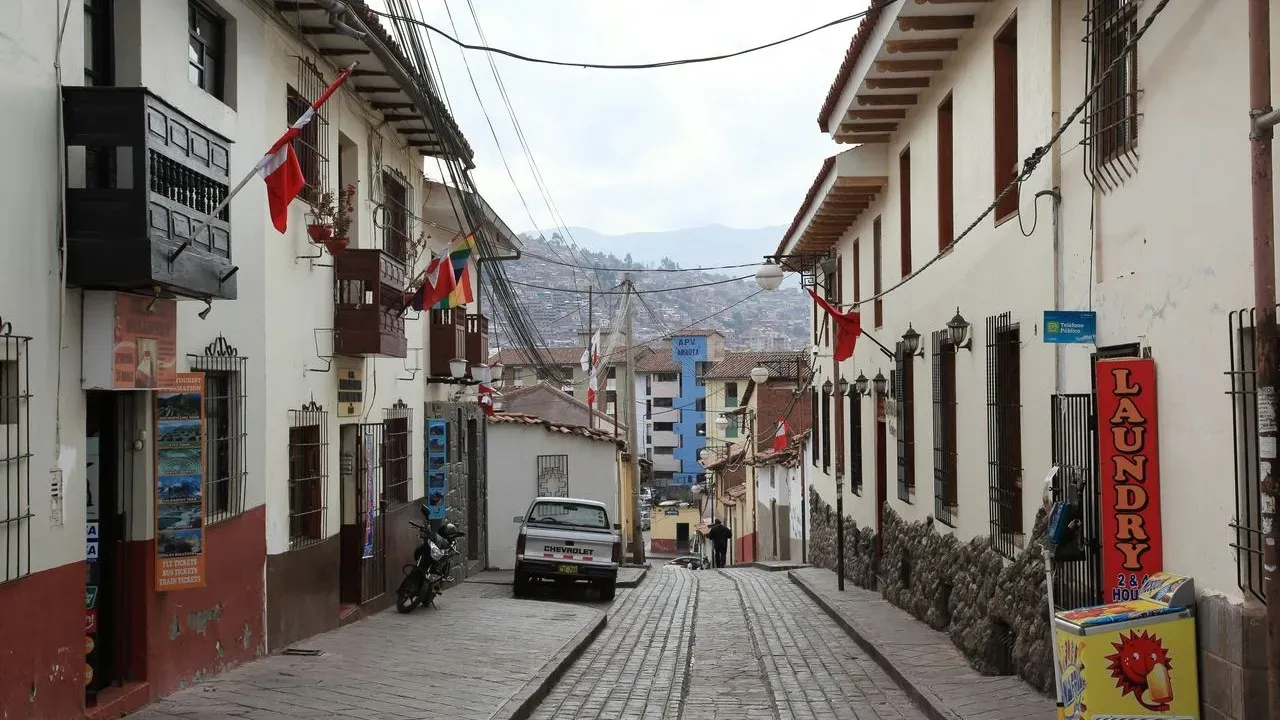

Quito, Ecuador – Travelers planning a trip to the country frequently discover that their routes lead straight to this mountain capital, whether they arrive from the highlands, the lowland forests, or the Pacific coast. Every major transport link converges here, turning the city into a natural gathering point for visitors and locals alike. The pattern has earned Quito its local nickname, The Vortex, because the geography funnels movement through its streets and terminals.
Geography Shapes Daily Movement
The Andes run through Ecuador in a way that channels roads, buses, and flights toward the central valley where Quito sits. Travelers coming from the sierra region descend into the capital before heading onward, while those emerging from the Amazon basin or the coastal lowlands find the same convergence. This layout means that even short domestic journeys often include a stop or overnight in the city. The result is a steady flow of people that keeps the transport hubs active throughout the year. ([1])
Practical Effects on Visitors
Anyone entering Ecuador soon learns that Quito functions as the default entry and exit point for most itineraries. A traveler arriving at the airport may need only a few hours to connect onward, yet many choose to extend that time once they sense the city’s layered history and high-altitude setting. The same holds for departures: flights and buses to the jungle, the coast, or the mountains all radiate from here. This central role creates a rhythm where arrivals and departures overlap, giving the city a constant sense of transition.
Regions That Feed the Hub
- The sierra highlands supply routes that climb and descend through volcanic landscapes before reaching the capital.
- The Amazon basin sends travelers along river and road corridors that terminate in Quito’s terminals.
- The coastal lowlands connect via highways that climb from sea level into the Andean valley.
Staying Longer Reveals More
Because so many journeys pass through Quito, the city offers a natural pause where visitors can adjust to the altitude and observe daily life shaped by its role as a crossroads. Markets, plazas, and neighborhoods reflect the mix of people arriving from different ecosystems and cultures. Extending a stay allows time to notice how the capital balances its function as a transport node with its own distinct identity. The experience often shifts from transit logistics to a deeper appreciation of place.
Looking Ahead for Travelers
Future trips to Ecuador will likely continue to route through Quito, given the enduring geography of the country. Those who treat the city as more than a waypoint often return with a clearer sense of how the nation’s regions connect. The Vortex nickname captures both the practical reality and the quiet invitation to linger.
AI Disclaimer: This article was created with the assistance of AI tools and reviewed by a human editor.