
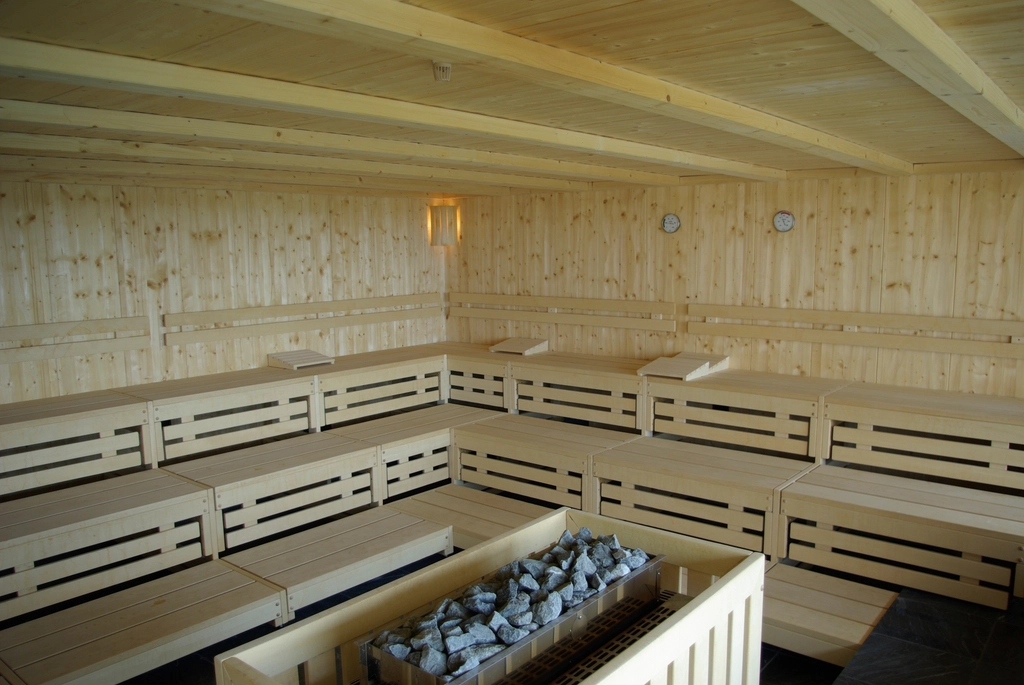

There is something quietly remarkable about a small, wooden, heat-filled room becoming one of the defining symbols of modern wellness travel. What was once a deeply personal ritual, practiced in Finnish lakeside cabins and Scandinavian bathhouses, has now crossed continents and entered the mainstream vocabulary of global travel planning.
Travelers are no longer just looking for a destination. They are looking for a transformation, a reset, a reason to slow down. And increasingly, the sauna is at the center of that search.
From Niche Tradition to Global Phenomenon
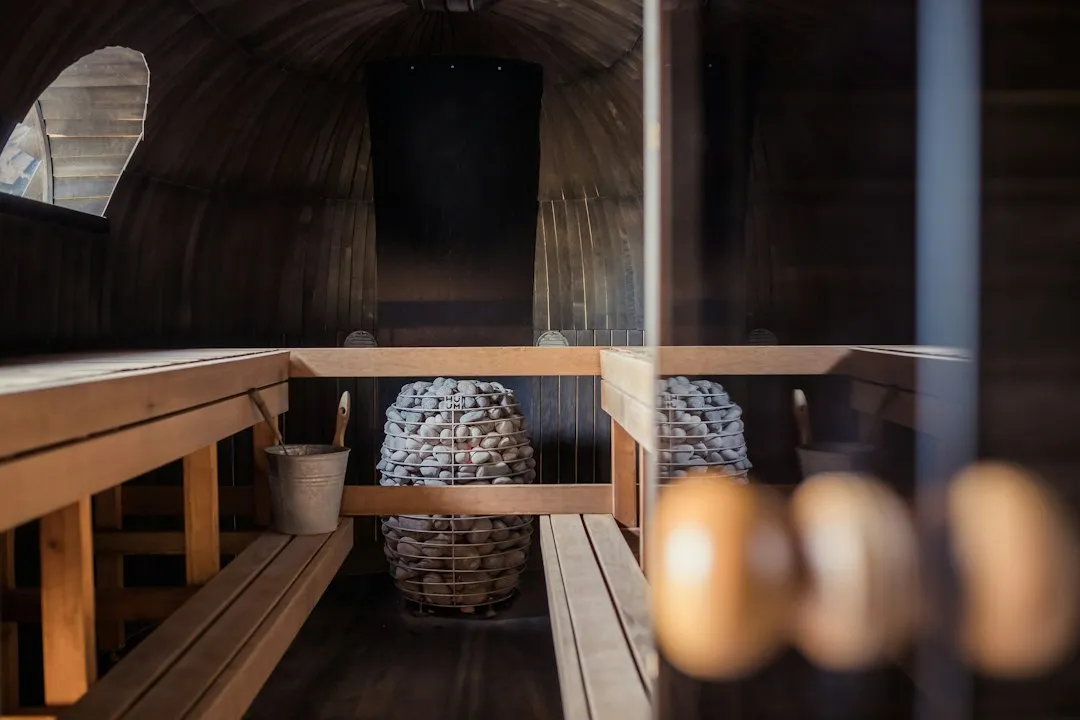
There are very few wellness traditions that have moved from niche to mainstream as quickly as sauna bathing. What was once considered a peripheral feature of Nordic and Germanic hospitality has now picked up speed and changed how destinations position themselves and their offerings.
Saunas have evolved from ancient Finnish tradition into a multi-billion dollar global wellness phenomenon. What was once a niche luxury amenity has become a mainstream health intervention, backed by decades of clinical research and embraced by millions of health-conscious consumers worldwide.
The sauna and spa market has reached approximately 4.18 billion dollars in 2025, with projections to grow to around 5.43 billion dollars by 2030 at a compound annual growth rate of 5.3%. The numbers tell only part of the story. The cultural shift happening underneath them is the more interesting chapter.
The Wellness Tourism Boom Fueling Sauna Travel
The global wellness tourism market hit 990 billion dollars in 2025 and is projected to reach 2.4 trillion dollars by 2035, driven by longevity travel, sauna culture, digital detox retreats, and a luxury shift toward radical simplicity.
Consumer awareness of wellness is at a historic high, with roughly four out of five Americans and nearly all Chinese respondents in a McKinsey survey placing wellness high on their list of everyday priorities. That kind of broad, cross-cultural appetite for well-being inevitably finds its way into travel decisions.
In 2024 alone, the hotel segment experienced a roughly seventeen percent increase in demand for sauna and spa facilities, a growth directly attributed to the rising trend of wellness tourism, with travelers seeking accommodations that offer rejuvenating experiences.
Finland Leads the Way as a Sauna Destination
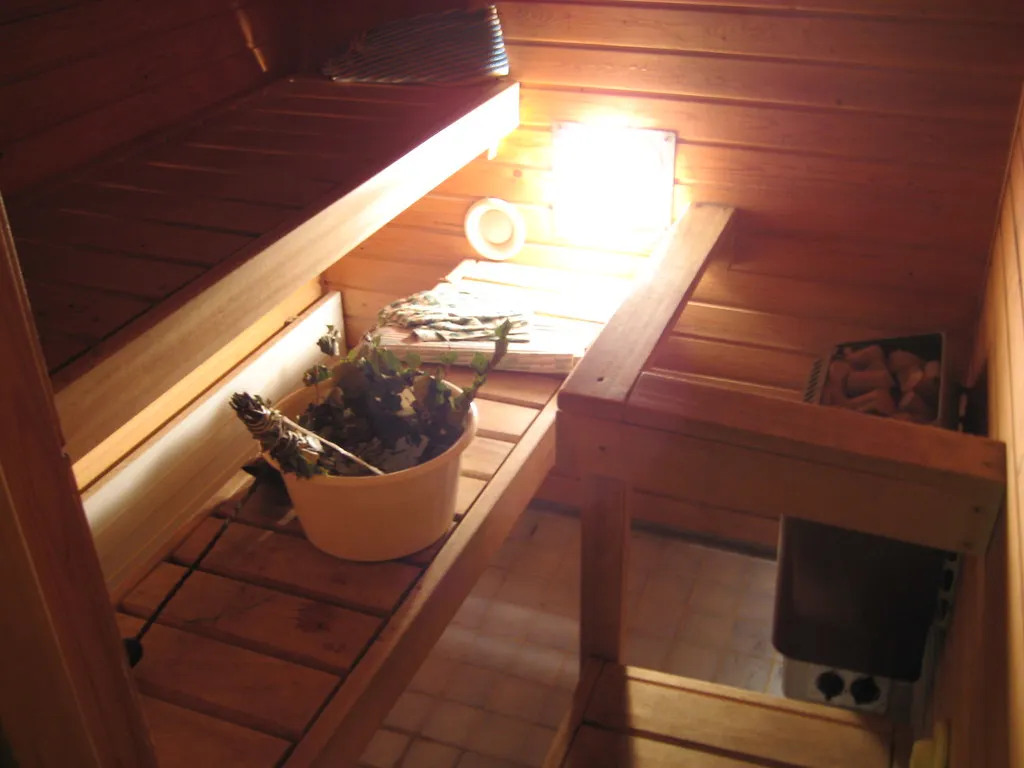
Finland, the spiritual home of the sauna, is leading the way. The Jyväskylä Region in Central Finland, promoted as the Sauna Region of the World, is an example of sauna culture packaged as a tourism product in its own right, with a multitude of interesting experiences to offer, including the Sauna Village.
Trends now include mainstream sauna tourism in Finland’s Sauna Village and a broader shift toward stripped-back luxury that emphasizes space, silence, and personalized longevity programs. This is destination travel built around a ritual, not a resort amenity.
Few, if any, countries could compete with Finland and its estimated 3.3 million steam rooms, including both private and public facilities. That saturation of heat culture in daily Finnish life is precisely why travelers seek it out. There is an authenticity there that is genuinely hard to replicate elsewhere.
The Science Behind the Experience

Research highlights positive cardiovascular outcomes associated with regular sauna use, such as reduced risks of hypertension, coronary artery disease, and sudden cardiac death, with these benefits attributed to improved endothelial function, decreased arterial stiffness, and positive changes in blood pressure.
Sauna bathing has recently been reported to deliver cardiovascular benefits similar to those from a moderate level of exercise, including increased vascular function, lower blood pressure, and improved cardiac performance.
Additionally, sauna bathing has been shown to offer mental health benefits by reducing stress, depression, and anxiety levels, and may possibly lower the risk of neurodegenerative diseases like Alzheimer’s and dementia. For travelers drawn to wellness for emotional as much as physical reasons, this matters considerably.
Heat Therapy and Mental Wellness: An Emerging Frontier
A groundbreaking 2025 UCSF clinical trial demonstrated that whole-body heating combined with cognitive behavioral therapy produced clinically meaningful reductions in major depressive disorder symptoms for more than 85% of participants. That is a striking finding for what many people still consider simply a relaxation ritual.
Three related 2026 studies from UK researchers, including teams from the University of Oxford and University of Greenwich, showed that regular sauna use was linked to improved physical and mental wellbeing in UK users. Weekly sauna use predicted higher physical wellbeing, and the social connection and ritual aspects of sauna-going may be as meaningful as the heat itself, with wellbeing improving significantly through feelings of belonging.
This is a nuanced finding. The sauna is not only a thermal chamber. It is a social one, and the community formed inside it is part of what makes the experience therapeutic.
The Rise of Contrast Bathing and Thermal Ritual Travel
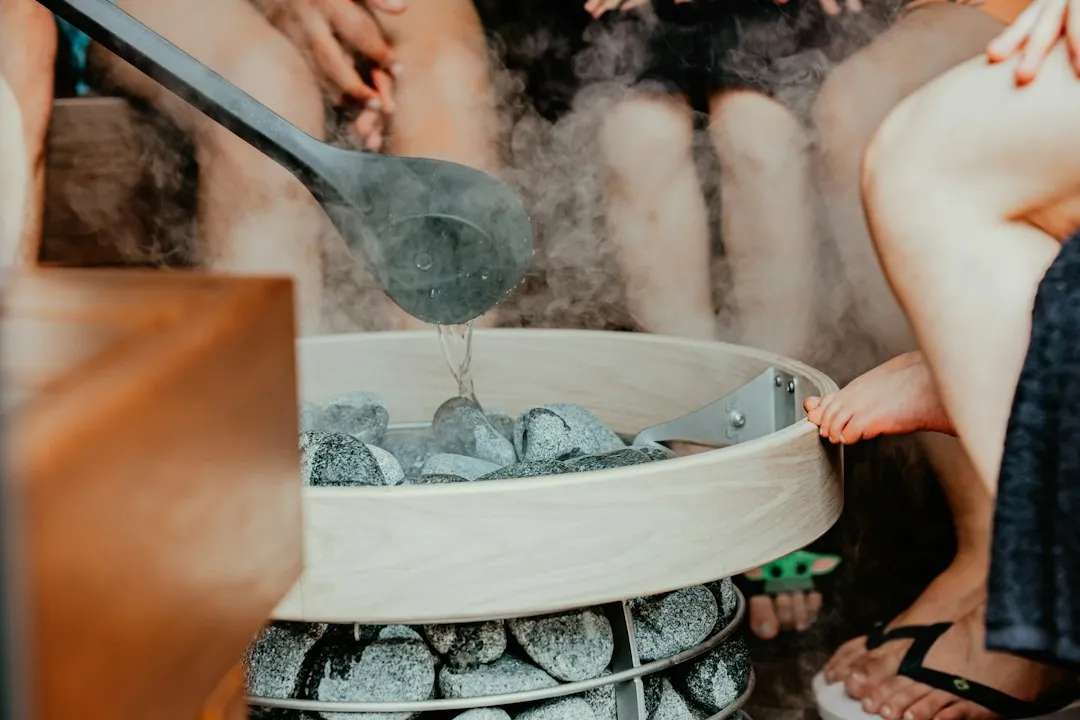
Among the growing repertoire of popular wellness practices is sauna combined with cold-water immersion for thermal contrast therapy, with both practices currently gaining significant attention for their purported wellbeing benefits.
More sauna and bathing-based businesses are emerging, and the injection of institutional capital signals a tipping point in the category, which converges with consumers’ growing interest in heat therapy, contrast bathing, and recovery-focused wellness practices.
Destinations across Iceland, Estonia, Latvia, and increasingly Canada and the American Pacific Northwest have built entire retreat experiences around this cycle of heat, cold, and rest. The rhythm of it, sweat, plunge, breathe, repeat, has its own meditative logic that travelers find genuinely restorative.
Luxury Hotels Are Rethinking the Sauna Entirely
In October 2025, Four Seasons Hotel Toronto’s Spa introduced the Halo Sauna, a next-generation wellness treatment that combines dry-salt therapy with an infrared sauna, chromotherapy, aromatherapy, and guided meditation to enhance respiratory health, stress relief, and overall wellbeing. The addition of this treatment at the city’s only Forbes Five-Star Spa reflects growing demand for advanced, multi-sensory wellness experiences in luxury hospitality settings.
Hotels increasingly position spa and sauna facilities as revenue centers rather than amenity costs, generating direct treatment income and extending average guest stays by more than one night per visit. That shift in how properties value the sauna changes everything about how it is designed, marketed, and experienced.
Research from The Future 100, 2024 states that saunas will increasingly be combined with other wellness treatments like massages, facials, and aromatherapy to offer a more holistic approach to self-care.
Infrared Saunas and the Technology Shift
Traditional saunas held the largest market share of close to 43% in 2025, but infrared saunas are experiencing significant growth, projected at a compound annual growth rate of 7.5% from 2026 to 2033. That trajectory reflects a real shift in what travelers and wellness seekers expect from a heat experience.
Infrared and smart sauna systems account for roughly 38% of new product introductions in 2024, highlighting a broader shift toward technology-integrated wellness solutions.
Chromotherapy, aromatherapy, and integrated sound systems are becoming common features, enhancing the sensory experience well beyond simple heat. Whether this enriches or dilutes the traditional experience is a question each traveler gets to answer for themselves.
A Growing Audience Across Ages and Cultures

Rising health awareness among middle-class consumers, coupled with growing disposable incomes, is significantly boosting demand for saunas across major urban hubs globally. Younger and affluent demographics increasingly view sauna and spa experiences as essential components of stress management, preventive healthcare, and modern wellness lifestyles.
More men, especially Millennials and Gen Z, are embracing holistic health, with interest spanning from executive health check-ups and adventure fitness to mindfulness practices like breathwork and meditation retreats. Sauna culture fits naturally into all of these.
The popularity of communal saunas in the UK has been annually doubling in numbers, and British sauna culture, though still young, is evolving from Finnish and Lithuanian foundations into something distinctly its own: more social, experimental, and openly communal.
What This Means for the Future of Wellness Travel
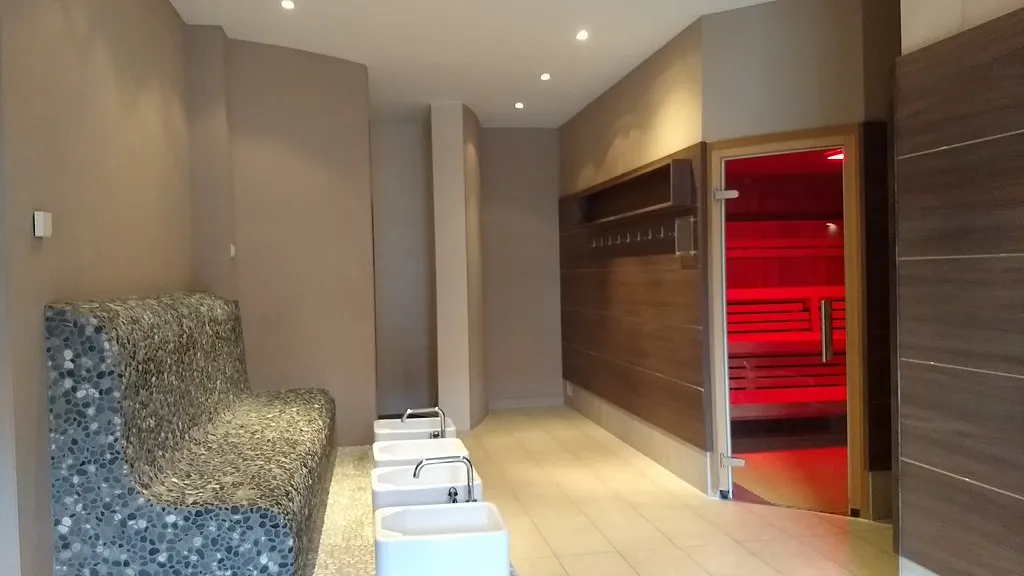
The sauna market is experiencing sustained growth driven by increasing consumer awareness of wellness, preventive healthcare, and home-based relaxation solutions. More than two thirds of wellness consumers consider sauna bathing an essential part of their recovery and stress management routines.
Wellness tourism offerings aimed at increasing an individual’s healthy lifespan are especially booming at the luxury end of the market, and up to 60% of consumers across markets rank healthy aging as a top priority, including younger age groups. Sauna, with its deep ties to longevity research, sits perfectly at the center of that movement.
The sauna services market is growing from approximately 1.18 billion dollars in 2025 to a projected 1.96 billion dollars in 2030, at a compound annual growth rate above ten percent. At that pace, the sauna is not just a room in a wellness resort. It is fast becoming the reason people book the trip in the first place.
The Takeaway
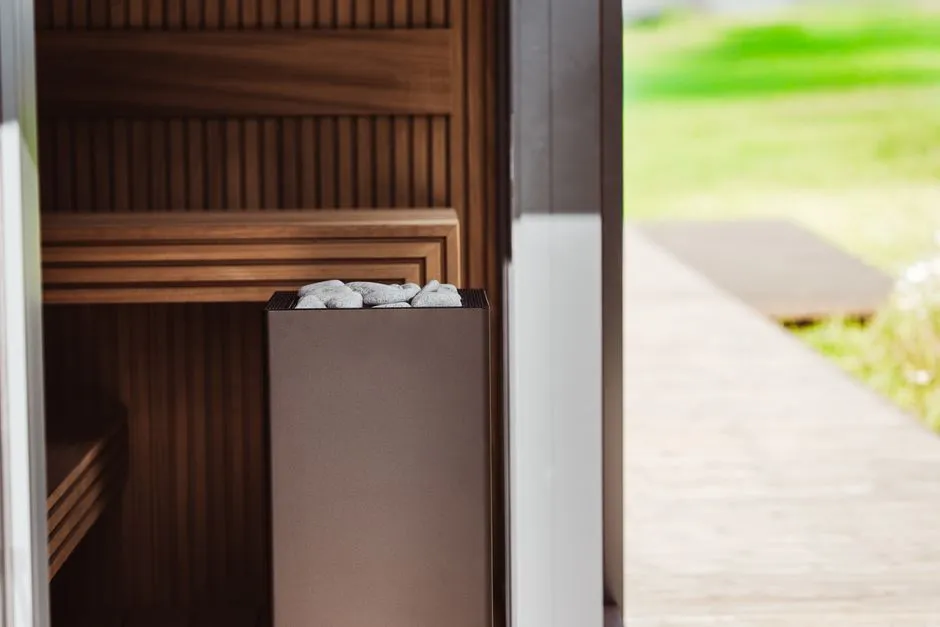
The sauna’s rise in global travel is not a trend built on novelty. It is built on something older and more durable: a human need for warmth, stillness, and genuine rest. The research confirms what many cultures have known for generations, that heat, when approached with intention, does something profound to both the body and the mind.
What makes this moment distinctive is the scale. A ritual that once belonged to a specific geography and culture is now being embraced, adapted, and sought out by people across continents, age groups, and income levels. Destinations from Central Finland to urban Toronto are responding accordingly.
Perhaps the most honest measure of the sauna’s staying power is this: in a world that increasingly sells speed, stimulation, and complexity, people are traveling specifically to sit still, sweat quietly, and do almost nothing at all. That kind of simplicity is worth a long journey.
AI Disclaimer: This article was created with the assistance of AI tools and reviewed by a human editor.