

Most people assume that if an animal helps someone feel better, that animal should fly along with its owner, no questions asked. The reality of air travel in 2026 is considerably more layered. The gap between a service dog’s cabin rights and what an emotional support animal is actually entitled to isn’t a technicality – it’s the product of years of federal rulemaking, genuine safety concerns, and a whole lot of peacocks at airport gates.
Understanding the difference matters, especially if you or someone you care about depends on an animal to manage a disability. The rules aren’t arbitrary, though navigating them can certainly feel that way. Here’s what actually governs this divide and why.
The Law That Governs the Sky: The Air Carrier Access Act
The Air Carrier Access Act, initially passed in 1986, prohibits discrimination based on disability in air travel and establishes clear guidelines for passengers traveling with service animals. This federal law is the principal authority at play whenever a passenger boards a U.S. flight with any kind of assistance animal. It’s worth noting that this is not the Americans with Disabilities Act.
The ADA, with its stringent rules on accommodating service dogs in public places without requiring proof of disability, doesn’t apply on airplanes – but the less-known Air Carrier Access Act prohibits airlines from discriminating against travelers with physical or mental impairments. That jurisdictional distinction matters enormously, because it means air travel operates under a separate legal framework altogether.
The 2021 Rule Change That Redrew the Lines

On January 11, 2021, the Department of Transportation implemented sweeping changes to Air Carrier Access Act regulations, with the most significant shift being the elimination of air travel protections for emotional support animals entirely. This was the moment the two categories formally split apart under federal air travel law.
For the first time, the rule allowed airlines to recognize emotional support animals as pets rather than service animals. After the Department of Transportation updated the regulations in 2021, airlines were no longer required to accommodate emotional support animals, and as a result, every major U.S. airline revised its policy and discontinued ESA recognition. The shift was sweeping and near-immediate.
What Legally Qualifies as a “Service Animal” at 30,000 Feet

The Air Carrier Access Act now defines service animals exactly as the ADA does: dogs individually trained to do work or perform tasks for a person with a disability – including guide dogs for the blind, hearing dogs for the deaf, and psychiatric service dogs trained to perform specific tasks. Notice that the definition is tight and task-specific.
Carriers are permitted to limit service animals to dogs. Miniature horses, previously recognized by some airlines as service animals, are no longer included in the DOT’s definition of service animals for air travel. The era of emotional support peacocks and comfort pigs boarding planes is firmly closed.
Why Emotional Support Animals Lost Their Protected Status
Task-trained service animals are generally provided enhanced training in how to behave in public, while emotional support animals may not have received this degree of training. The DOT also found persuasive the information provided by airlines and other stakeholders indicating that emotional support animals are responsible for a significant percentage of the incidents of animal misbehavior onboard aircraft.
Delta reported that since 2015 it had transported roughly one and a half times more service and support animals and had seen an near-doubling in the number of reported onboard disturbances. Nearly half of disruptions included animals failing to fit in the designated space, roaming about the cabin, or barking consistently throughout the flight, with flight attendants also reporting animals getting loose in the cabin after their owner fell asleep. These weren’t edge cases – they were routine.
The ESA Letter: What It Can and Cannot Do Now

An ESA letter for airlines no longer grants cabin access or fee waivers on any U.S. carrier. Before the 2021 DOT rule change, presenting an ESA letter from a licensed mental health professional was sufficient to board with an emotional support animal in the cabin at no extra cost. That system no longer exists.
ESA letters do not provide any special rights for air travel; they are not recognized by airlines and cannot be used to bypass pet fees or size restrictions. Complicating things further, nearly a quarter of ESA owners have obtained their letters through a commercial internet site – a practice that the DOT’s rulemaking has now rendered commercially pointless for air travel purposes.
Psychiatric Service Dogs: The Important Middle Ground
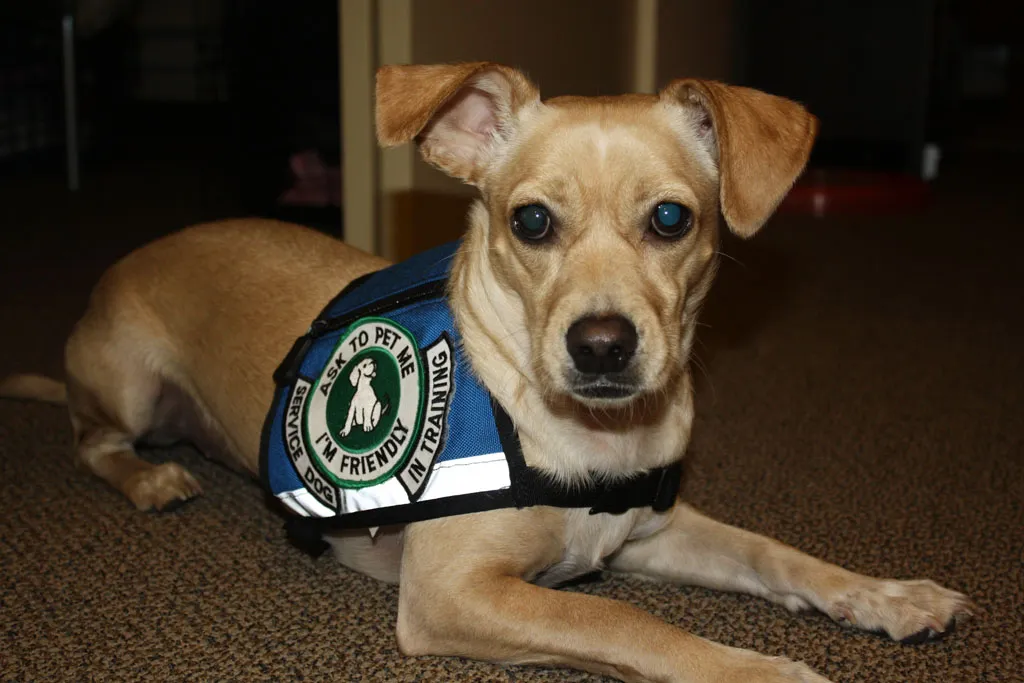
Both service animals and psychiatric service dogs are still protected and therefore allowed to accompany their handlers on the plane, as long as they abide by the new processes. This is where many people get confused, and reasonably so. A psychiatric service dog is not an emotional support animal, even though both relate to mental health.
Psychiatric service animals are treated the same as other service animals that are individually trained to do work or perform a task for the benefit of a qualified individual with a disability. The only path to free in-cabin access for a mental health disability is a dog that is task-trained for the specific condition – a psychiatric service dog. The training distinction, not the diagnosis, is what determines cabin access.
Documentation Requirements: What You’ll Need to Fly
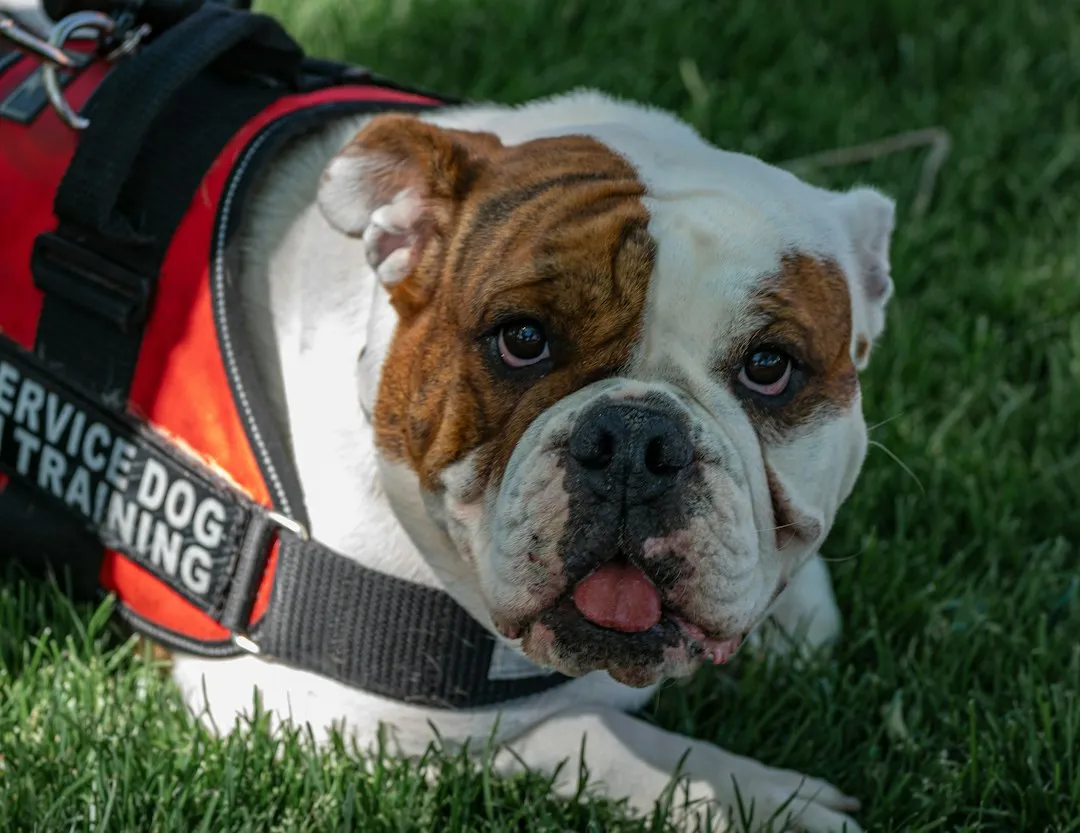
The U.S. Department of Transportation requires specific forms for all service dog air travel, updated as of September 2024: the DOT Service Animal Air Transportation Form, and for flights scheduled for eight hours or more, the DOT Service Animal Relief Attestation Form. These documents attest to training, behavior, and housebreaking.
The DOT Service Animal Air Transportation Form must be submitted at least 48 hours prior to departure. These forms are required only for service dogs and psychiatric service dogs. If you’re flying with an ESA, the animal is treated as a pet – meaning fees, size limits, weight limits, restrictions, and carrier rules all apply.
How ESAs Must Travel in 2026

Emotional support animals are now relegated to pet status and can only fly with a passenger at the airline’s discretion. The practical path in 2026 is to fly the animal as a pet under the airline’s pet policy, not as an ESA. Any website suggesting otherwise is offering outdated or misleading information.
Emotional support animals and pets must stay in their carrier except when going through a TSA checkpoint. For an emotional support animal, air travel now works like any other pet – carrier and fee. U.S. airlines collected an estimated $1.1 billion in pet fees in 2023, according to DOT filings and carrier ancillary revenue reports.
Cabin Rules and Size Considerations for Service Dogs

The distinction matters because service dogs receive full cabin access regardless of size, while pets face size restrictions and additional fees. Service dogs can sit on the floor at their handler’s feet or in their lap if small enough, without counting against carry-on limits. Airlines cannot charge extra fees for legitimate service dogs.
If a service dog is too big to fit in the allotted space, the airline must offer the handler another seat within the same ticketing class where the service dog can be accommodated. Carriers are permitted to limit the number of service animals traveling with a single passenger with a disability to two service animals. There’s also no breed restriction – airlines cannot refuse based on the type of dog.
The Systemic Abuse That Prompted the Crackdown

As one industry group noted, the increased availability of fraudulent ESA credentials enabled people who were not truly in need of animal assistance to abuse the rules and evade airline policies, leading to an increase in incidents by untrained animals threatening the health and safety of passengers, crew, and passengers with disabilities traveling with legitimate service animals.
Research found that most ESA owners in one study sometimes passed their animals off as service dogs so they could bring their pets into no-pet facilities. Almost one in five flight attendants observed travelers expressing bias against passengers with legitimate service animals, specifically because they assumed all declared service or emotional support animals were fake. The irony is real: systemic abuse harmed the very passengers who genuinely depended on trained animals.
A Clearer System, With Real Tradeoffs
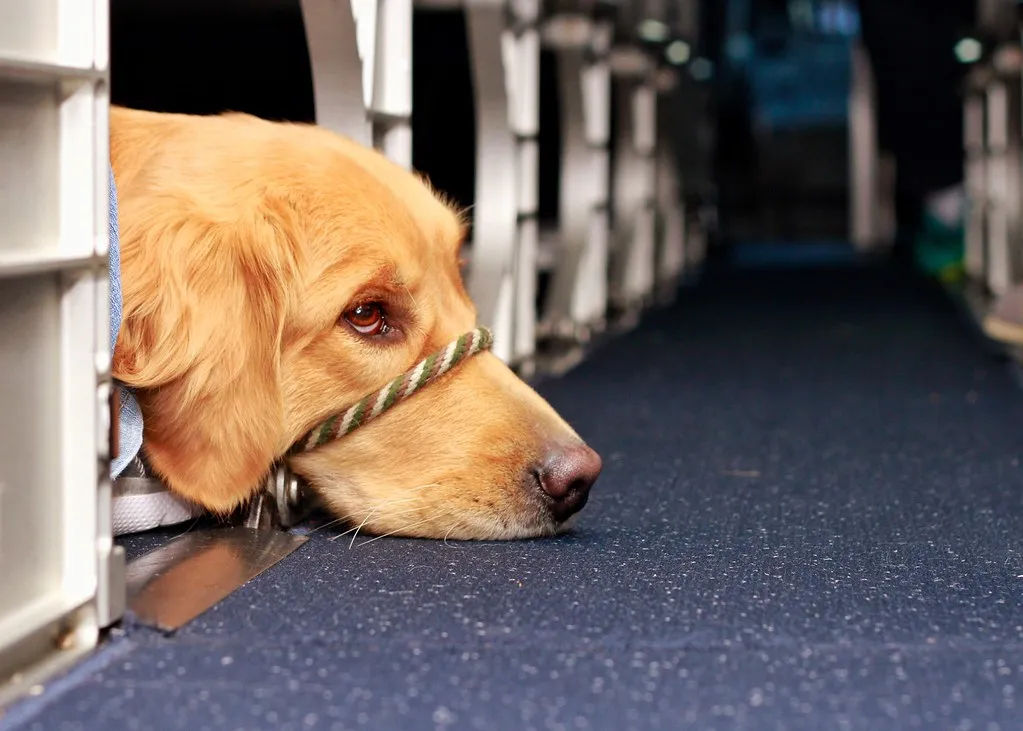
The post-2021 framework is undeniably more consistent. The Department of Transportation guidelines streamlined the verification process for service animals traveling on flights, and as of now, only dogs individually trained to assist individuals with disabilities qualify as service animals, aligning more closely with ADA standards.
What the new rules don’t fully resolve is the situation facing people who genuinely rely on an emotional support animal for mental health stability, particularly those who cannot afford the time or resources to train a psychiatric service dog. When flying with an emotional support animal or pet, carefully reviewing the policies of each individual airline remains essential – because while federal rules set the floor, airlines still vary in how they handle specific situations. For those with trained service animals, the path is clearer than it’s been in years. For everyone else, planning ahead is not optional.
AI Disclaimer: This article was created with the assistance of AI tools and reviewed by a human editor.