
A Trend That Has Officially Gone Mainstream

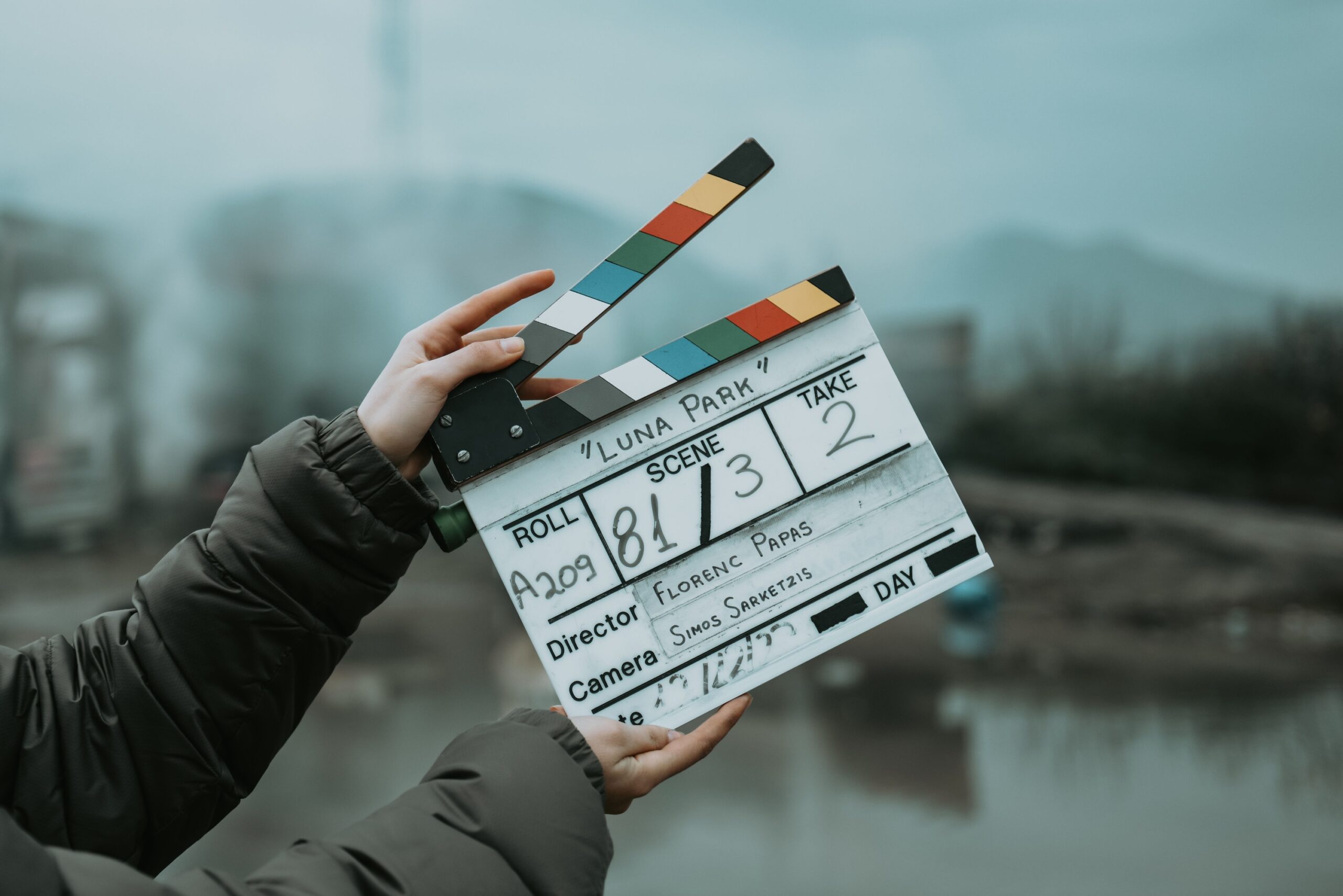
Expedia Group’s 2026 Set-Jetting Forecast reveals that 81% of Gen Z and Millennial travelers now plan their vacations based on locations featured in film and television. First spotted as a trend by Expedia in 2022, set-jetting has evolved into a mainstream movement, with 53% of global travelers reporting increased interest in screen-inspired getaways.
Expedia’s Unpack 2024 travel trends report found that television shows now influence travel decisions more than Instagram, TikTok, and podcasts. That’s a remarkable shift in influence. For years, the travel industry treated social media as the dominant discovery engine. Screens, it turns out, run deeper.
The Numbers Behind the Boom
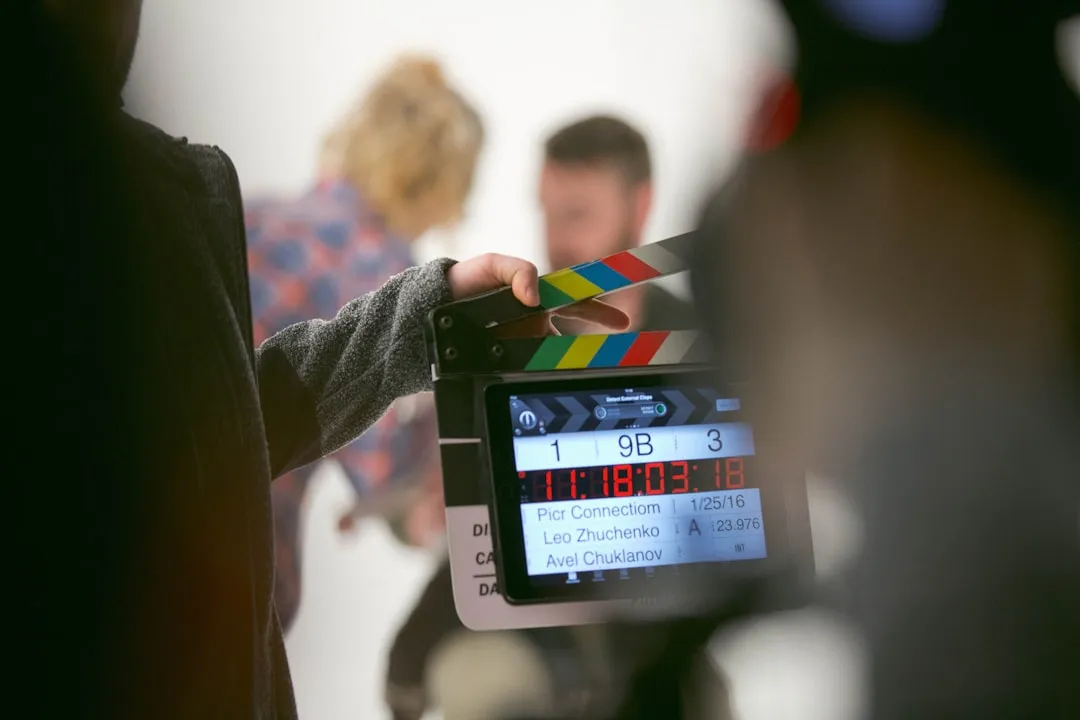
The growing trend of travel inspired by TV shows and movies is now projected to become a potential $8 billion industry in the U.S. alone. This projection is based on consumer survey data showing that 13% of U.S. travelers have booked a trip after seeing a location on-screen, and of these, roughly a quarter spent between $1,000 and $2,000 on the trip.
The global film tourism market reached $70.3 billion in 2024, and with a compound annual growth rate of 8.1% projected from 2025 to 2033, the market is forecasted to reach $134.7 billion by 2033. These are not the numbers of a passing fad. They reflect something structural about how people now discover, imagine, and book travel.
Streaming Supercharged Everything
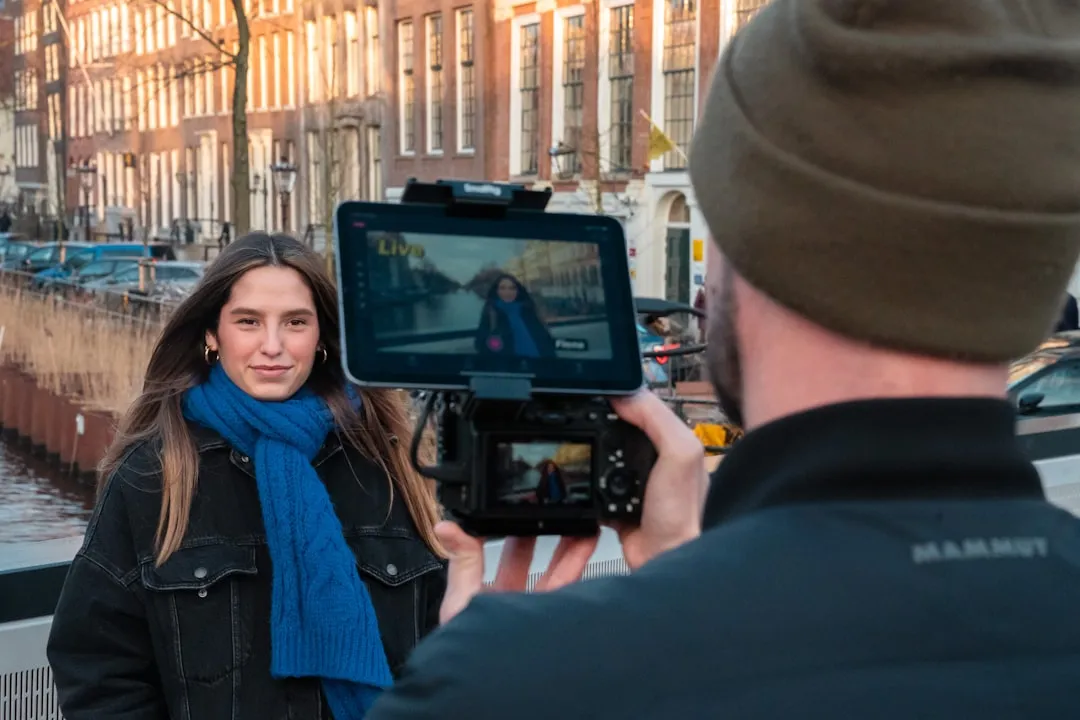
A combination of pandemic binge-watching, lifted travel restrictions, and spectacular settings has supercharged set-jetting wanderlust. During lockdown, people spent months absorbing vivid locations through their screens. When borders reopened, many of them had a list ready.
This growth is primarily fueled by the rising influence of popular films and television series on travel preferences, the proliferation of streaming platforms, and the expanding accessibility of global destinations. One of the most significant growth factors is the profound impact of global media and entertainment on consumer behavior. The logic is straightforward: more content means more destinations, more fans, and more bookings.
The White Lotus Effect
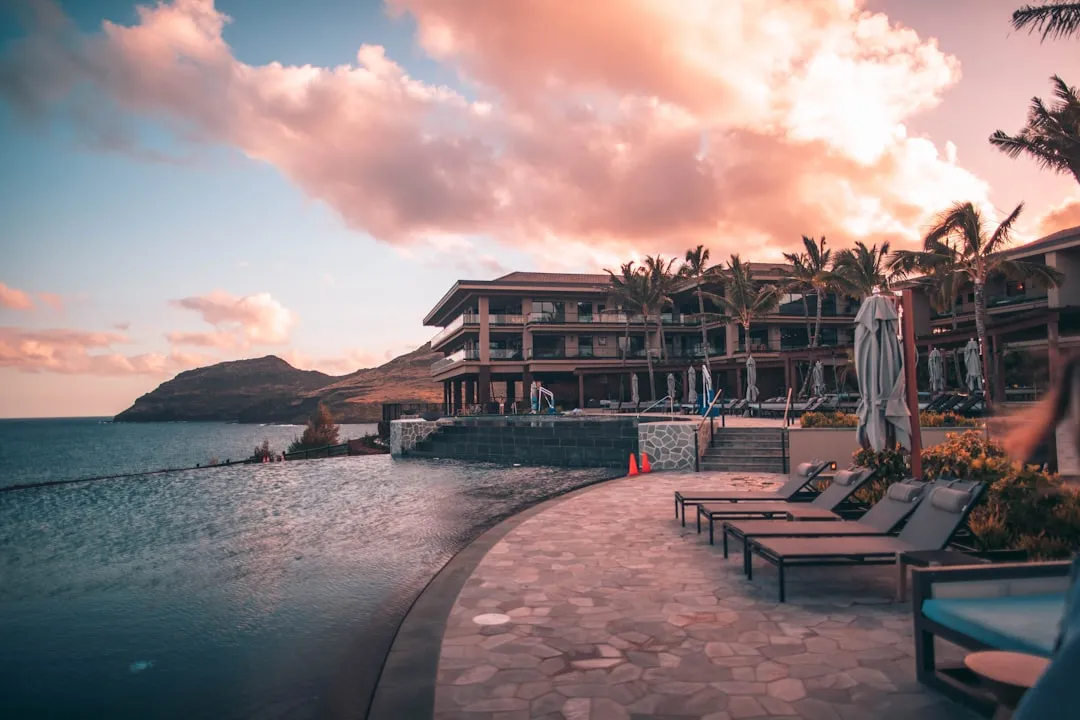
According to National Geographic, the first season of The White Lotus, shot at the Four Seasons in Maui, led to a 386% increase in availability checks at the property. That’s not a nudge in demand. That’s a tidal wave arriving in a single season.
Season 2 led fans to book stays at San Domenico Palace in Taormina, Sicily, while Season 3 enticed viewers to travel to Thailand, where directors filmed scenes at multiple properties in Koh Samui, Phuket, and Bangkok. Fans are already buzzing about what hotels will be featured when Season 4, airing in 2027, hits the French Riviera. Few shows have so consistently converted viewers into travelers, season after season.
Emily in Paris and the Pull of France
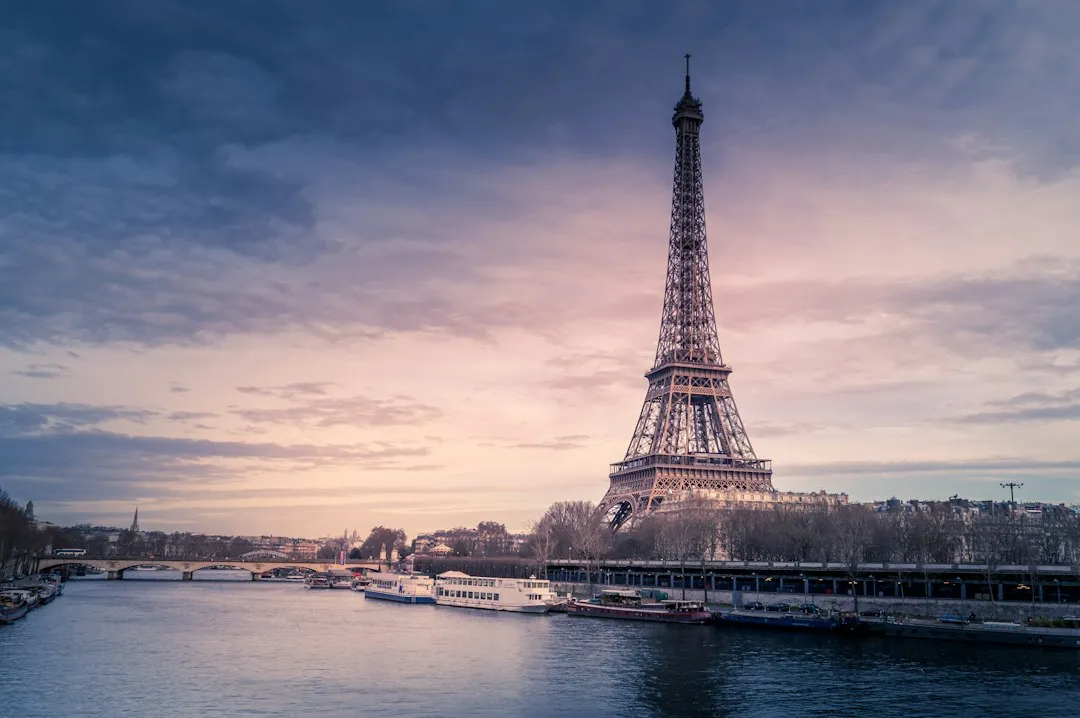
Searches to Paris increased 200% after Emily in Paris debuted its previous season. That spike in interest translated directly into one of the world’s most visited destinations receiving a measurable, attributable surge tied to a single show. France was the world’s most visited country in 2024, with over 100 million arrivals recorded.
The popular Netflix series Emily in Paris features many recognizable tourist destinations, including the Eiffel Tower, the Palais Garnier, and the Musée d’Orsay. For travelers who had always thought of Paris as a dream destination, the show gave them a specific, character-driven vision of what that dream could look like on the ground.
South Korea, Romania, and the Rise of Unexpected Destinations

Following the release of Wednesday on Netflix, Expedia saw a 150% increase in travel searches for Romania. This is one of set-jetting’s quieter gifts: it opens up places that might otherwise take years to accumulate name recognition in the travel mainstream.
Squid Game prompted a surge in travel to South Korea. Trends such as set-jetting are opening up alternative locations which could help counteract over-tourism in some of the world’s most popular destinations. Recent satellite data suggests roughly 80% of travelers visit just 10% of the world’s tourist destinations. When a show sends curious travelers somewhere genuinely off the beaten path, it can be a net positive for the broader ecosystem of global tourism.
TV Shows Now Outrank Social Media as a Travel Influence
In 2023, American Express’ Travel Trends report found 64% of travelers were inspired to visit a destination after seeing it on a television show, news source, or film, and 61% went to a specific restaurant or store after seeing it in a series or film. The influence goes beyond geography. It shapes dining choices, experiences, and even accommodation style.
More than half of travelers say they’ve researched or booked a trip to a destination after seeing it on a TV show or movie, and one in four admit that TV shows and films are even more influential on their travel plans than they were before. Travelers say TV shows influence their travel decisions more than Instagram, TikTok, and podcasts. The emotional depth of long-form storytelling may explain why. A six-episode series creates a kind of sustained familiarity with a place that no single social post can match.
The Tourism Industry Has Taken Notice
The film industry often partners with the tourism industry to increase film tourism and increase profits for both industries. Tourism boards in Ireland, New Zealand, and South Korea have all leaned into this dynamic, sometimes proactively working with productions to secure filming agreements that bring long-term visitor benefits.
Film and TV productions have significantly contributed to tourism in Ireland, with the power of popular shows like Game of Thrones and Derry Girls catapulting Northern Ireland into the spotlight over the last decade, and the inclusion of Irish scenes in blockbuster franchises like Star Wars and Harry Potter making filming locations across the country a must-visit destination for fans. Ireland’s experience shows how screen exposure can sustain destination interest across multiple years, not just a single release cycle.
The Pressure on Popular Filming Locations
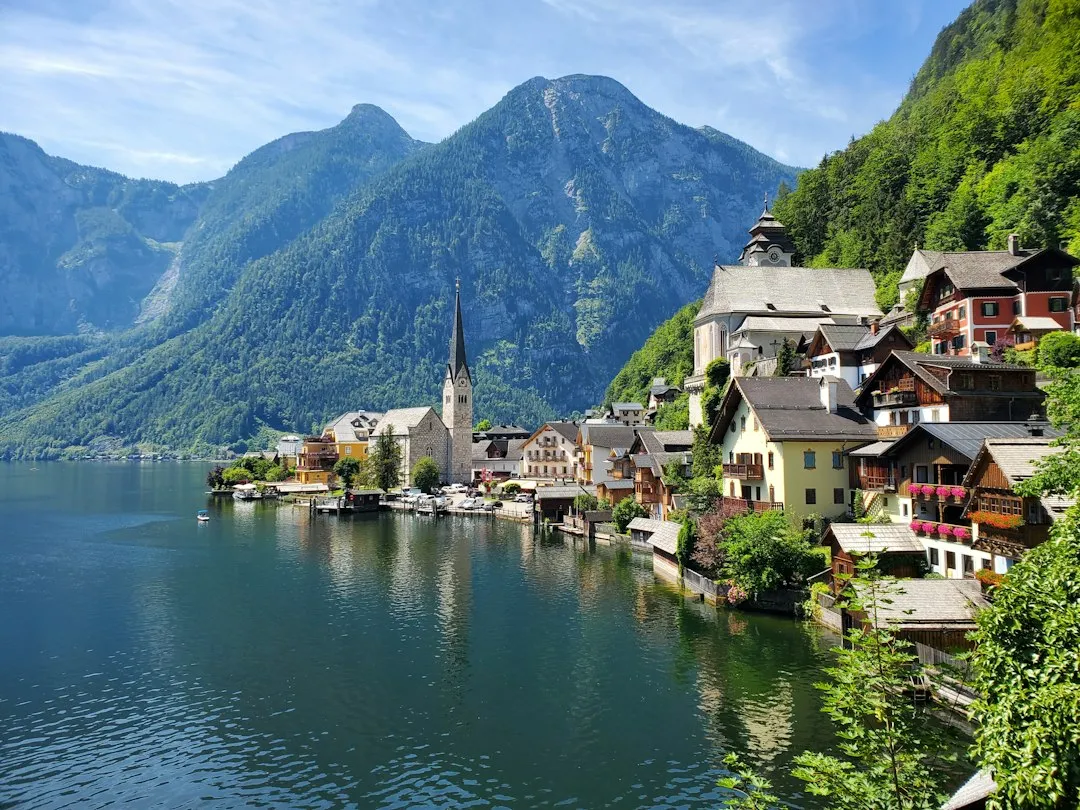
The lakeside village of Hallstatt in Austria is home to around 800 residents, yet it receives a staggering 10,000 visitors a day during peak periods. Visitors come to photograph the Alpine houses, steep mountain peaks, and church steeple that are thought to have inspired scenery in Disney’s Frozen. Selfie-snapping visitor numbers became so unmanageable that residents briefly erected a fence to block the iconic view in 2023.
One of the primary challenges in film tourism is the potential for over-tourism and the associated strain on local infrastructure, heritage sites, and natural resources. The sudden influx of visitors to popular filming locations can lead to congestion, environmental degradation, and loss of authenticity, undermining the long-term sustainability of the destination. This is the tension set-jetting has not yet fully resolved: the same power that puts an overlooked village on the map can also overwhelm it.
Responsible Set-Jetting: Traveling with Awareness

A BETC survey found that 83% of leading market drivers think tourism brands should support and empower local communities. Booking.com also highlighted that over 70% of travelers now prioritize sustainability and local engagement over traditional sightseeing. The appetite for meaningful, considered travel is real, and it runs alongside the screen-inspired surge rather than against it.
To manage tourism sustainably and reduce pressure on local communities, many countries are introducing measures such as tourist taxes and restrictions on short-term rentals. Set-jetting also has the potential to open up alternative locations, which could help counteract over-tourism in some of the world’s most popular destinations. The key, as travel experts increasingly point out, lies in how travelers show up: with patience, curiosity about local life, and a willingness to spend in ways that benefit the communities they visit.
What Comes Next for Screen-Inspired Travel
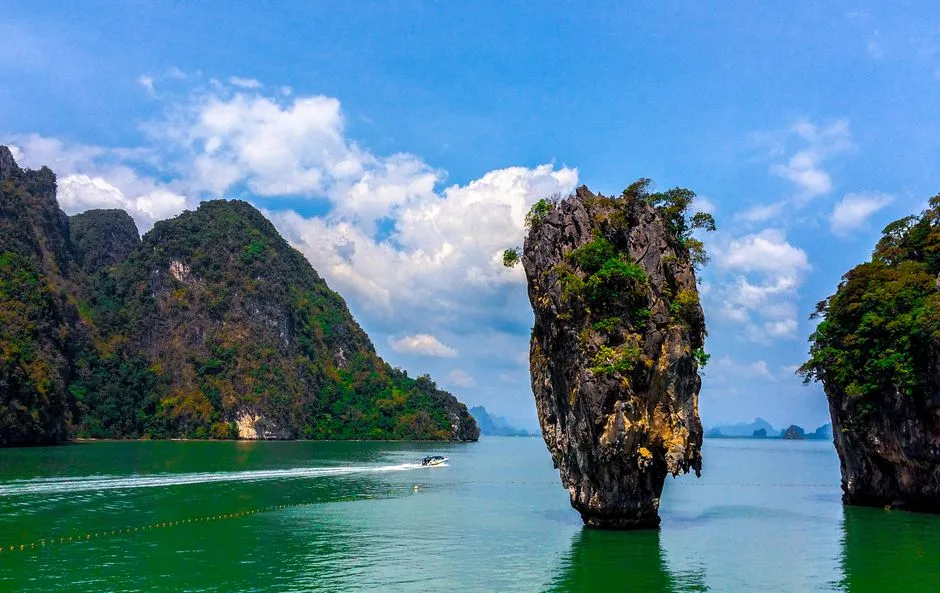
Set-jetting now refers not only to how travelers visit destinations they’ve seen on screen, but also to how they plan itineraries to live out the experiences and actions undertaken by characters. An example is the Black Tomato x 007 James Bond tours, which recreate the missions undertaken by the gentleman spy for guests. The experience has grown richer and more tailored than a simple pilgrimage to a filming location.
Set-jetting has evolved into a mainstream movement, and the productions releasing in 2026 and beyond will continue to send ripples through global booking data. Brands that can tap into pop culture and offer hyper-local, bespoke experiences are going to stand out. The travelers who get the most out of it will likely be those who use the screen as a starting point rather than a script, arriving curious, spending thoughtfully, and leaving a destination better for their presence.
The Bigger Picture
AI Disclaimer: This article was created with the assistance of AI tools and reviewed by a human editor.