
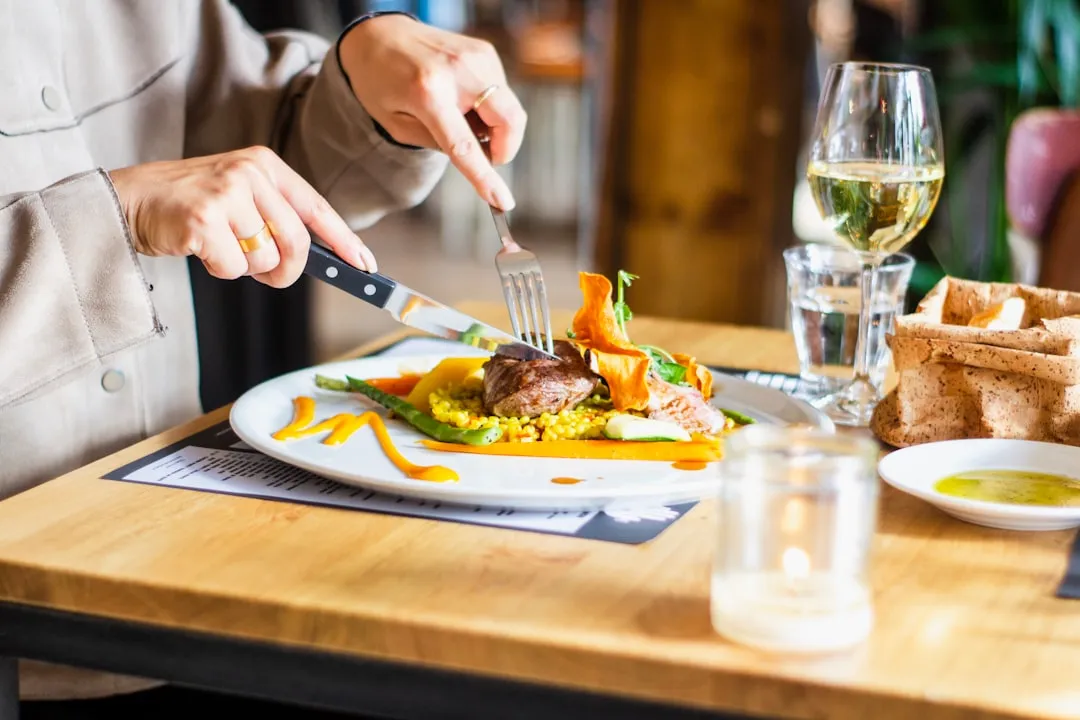

There is something almost disarming about sitting down to eat with someone you have never met. The formality dissolves. The need to perform disappears. What takes its place is something older and more reliable than almost any other form of social interaction. Food, in that moment, becomes the one thing both of you already understand.
Cultures have always known this, even if modern life has quietly forgotten it. Today, researchers are catching up with what grandmothers around the world have long practiced, and the findings are more striking than most people expect.
The Science of Sitting Down Together
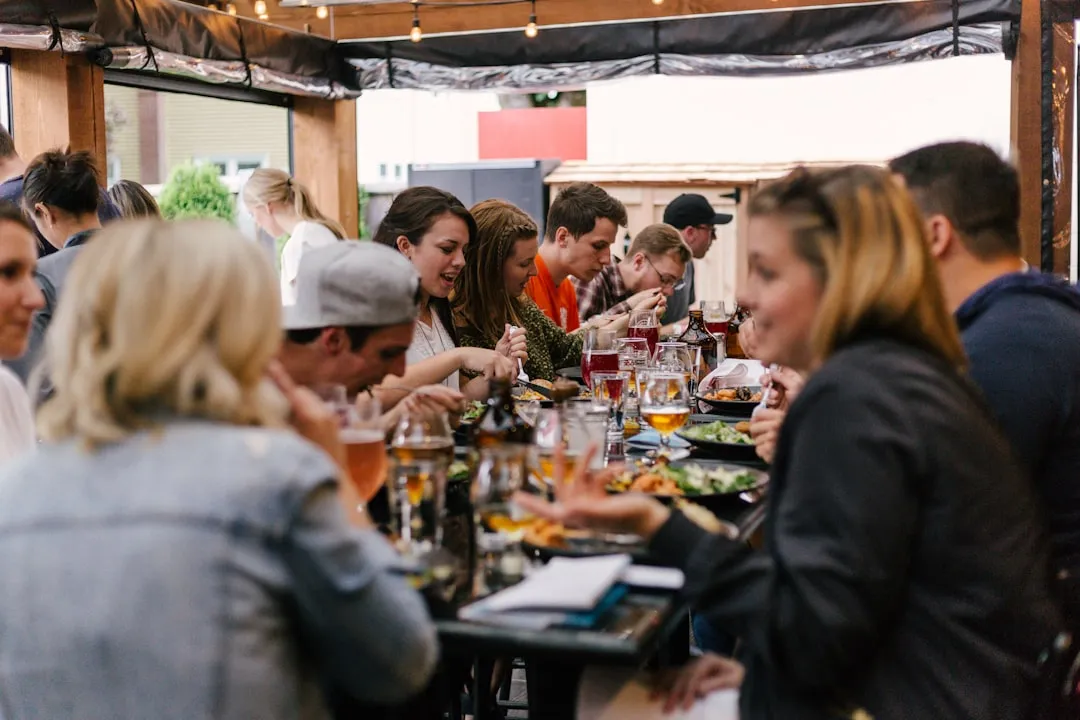
The case for communal eating is no longer just intuitive. Using novel data for 142 countries and territories collected by Gallup in 2022 and 2023, researchers found stark differences in rates of meal sharing around the world. What emerged was a pattern that surprised even economists: sharing meals proves to be an exceptionally strong indicator of subjective wellbeing, on par with income and unemployment.
Those who share more meals with others report significantly higher levels of life satisfaction and positive affect, and lower levels of negative affect, and this is true across ages, genders, countries, cultures, and regions. The consistency of that finding across such different societies is what makes it genuinely remarkable.
A Global Divide Hidden in Plain Sight
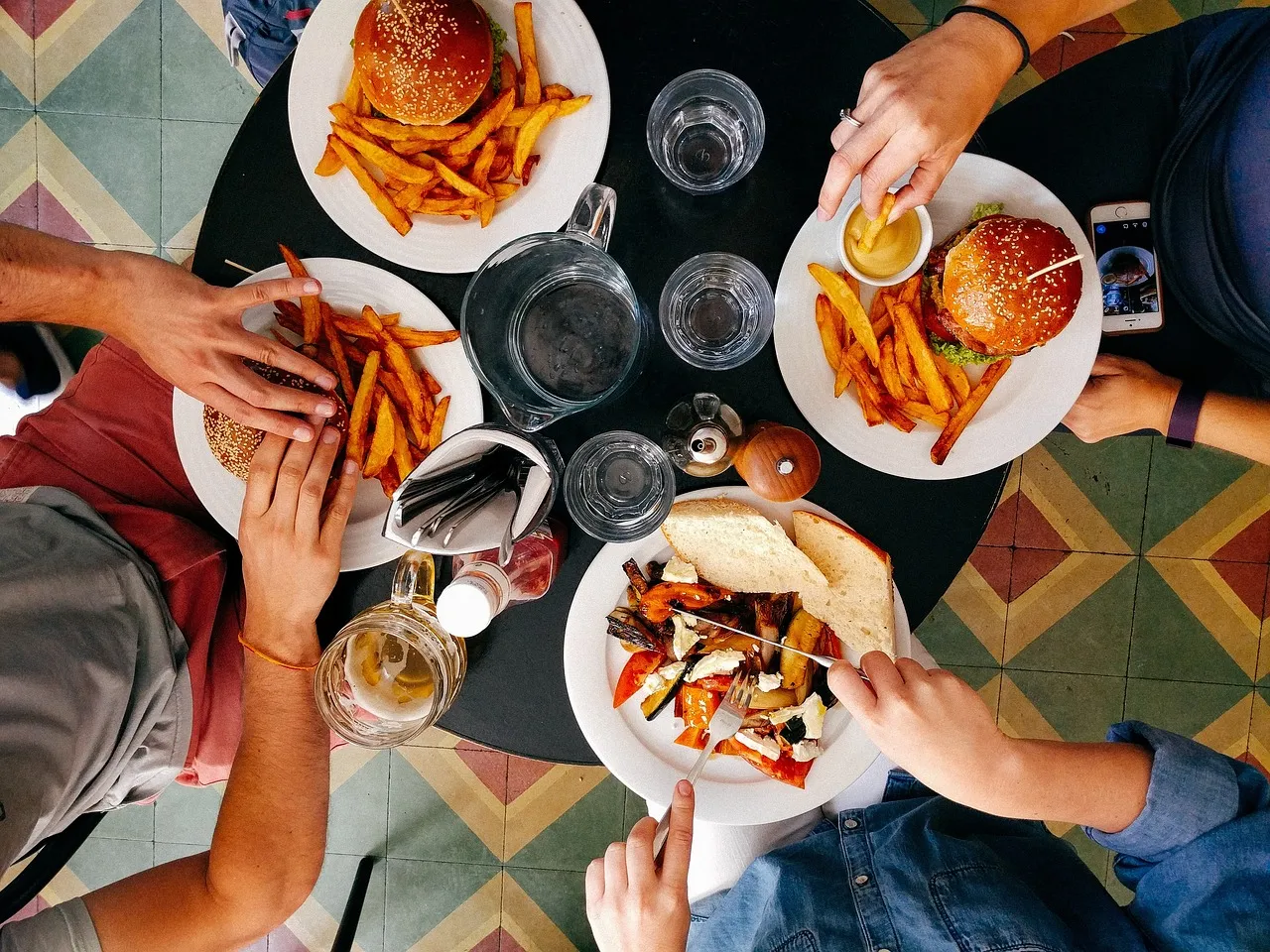
While residents of some countries share almost all of their meals with other people, residents of other countries eat almost all of their meals alone, and these differences are not fully explained by differences in income, education, or employment. That rules out the simplest explanations and puts culture squarely at the center.
The United States ranks 69th and the United Kingdom ranks 81st out of 142 countries for shared meals, while countries like Senegal, Gambia, Malaysia, and Paraguay top the global rankings, with residents sharing 11 or more meals with others each week. In 2023, roughly 1 in 4 Americans reported eating all of their meals alone the previous day, an increase of 53% since 2003.
The Language That Predates Language

The English word companion, the French copain, and the Italian compagno all come from the Latin cum and pānis, literally “with-bread,” while the Chinese term for companion stems from a similar term that literally translates to “fire mate,” a reference to sharing meals over a campfire. The vocabulary of friendship, across entirely unrelated language families, is rooted in eating together.
Anthropologists have long recognized that sharing food played a crucial role in human evolution, and as early humans gathered around fire pits to cook and share their hunt, they were unknowingly laying the foundation for complex social structures. The table, in other words, came before the treaty, the handshake, and the greeting.
What Happens in the Brain at the Table

Research published in the journal PLOS ONE has shown that food-sharing events trigger higher levels of circulating oxytocin in both primates and humans, and after even a single food-sharing event, subjects showed higher urinary oxytocin levels compared with other types of social interaction. Oxytocin is the neurochemical most closely associated with trust, attachment, and social bonding.
The anticipation and enjoyment of flavorful food also activates the dopamine reward system in the brain, creating positive associations with social interaction, while communal eating can help reduce cortisol, the stress hormone, promoting relaxation and a sense of calm. That combination of neurochemical responses is hard to replicate through any other casual social activity.
The Oxford Finding That Changed the Conversation
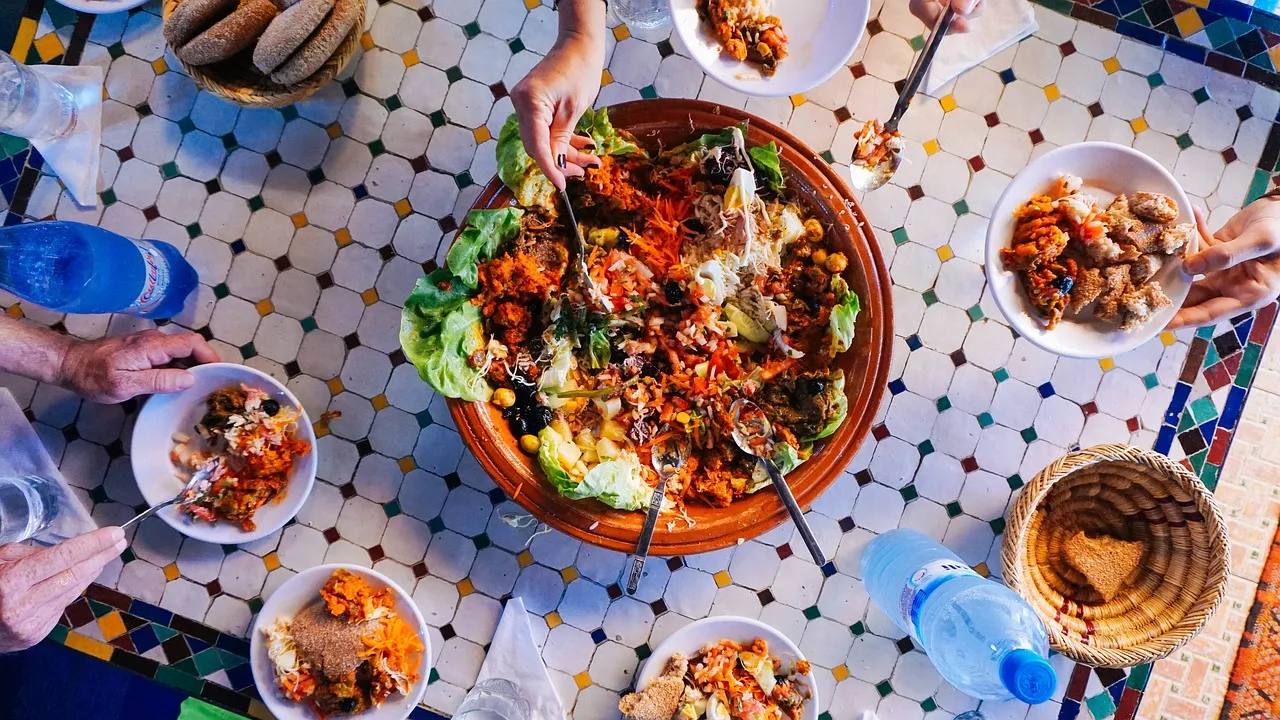
Professor Robin Dunbar’s research at the University of Oxford showed that those who eat socially more often feel happier and are more satisfied with life, are more trusting of others, are more engaged with their local communities, and have more friends they can depend on for support. Crucially, a path analysis suggests that the causal direction runs from eating together to bondedness rather than the other way around.
Seventy-six percent of respondents told the Oxford researchers that sharing meals brings people closer together. Yet the average adult was eating ten of their twenty-one weekly meals in complete isolation, and nearly seven in ten had never shared a meal with a neighbor. The gap between what people believe and how they actually live is striking.
Communal Eating as a Global Health Indicator

People in countries with high rates of meal sharing also declare stronger social support and lower levels of loneliness, suggesting that the decline in communal meals in more industrialized societies is more than a lifestyle shift. It is a public health concern.
In care homes, communal dining has replaced solitary meals, with studies showing improved mental health, appetite, and cognition among older adults, while also easing loneliness and encouraging a sense of belonging. For older adults studied in Spain between 2024 and 2025, loneliness and social isolation influenced food choices and cooking routines, often leading to less nutritious diets, and many participants associated the decline of shared meals with a diminished quality of life.
Food as Diplomacy Between Strangers
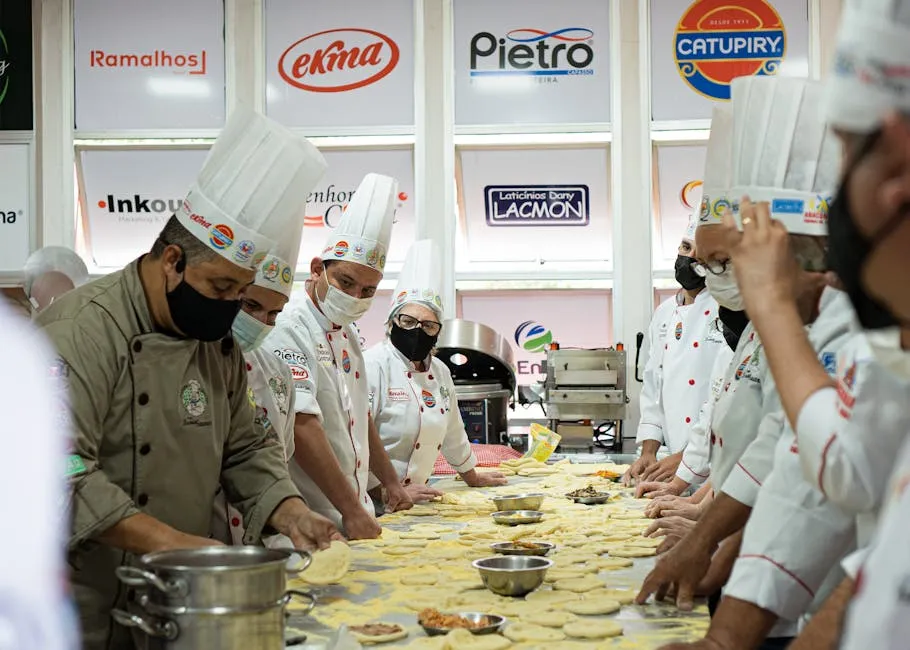
Culinary diplomacy is a form of public diplomacy that uses food and cuisine as a primary means to cultivate cross-cultural understanding, build relationships, and create a favorable national image, operating on the principle that the shared experience of a meal can transcend political and cultural divides, creating a neutral and positive environment for interaction.
Food is relatively neutral, containing fewer political or ideological elements than other cultural forms such as film, opera, or literature. Initiatives like Thailand’s Global Thai program or South Korea’s Kimchi Diplomacy illustrate how food serves as a universal language, bridging cultural divides. Governments have begun to recognize what ordinary dinner guests have always understood instinctively.
The Dinner Diplomacy Movement in Practice

The Dinner Diplomacy Program, launched in 2024 with founding support from Marriott International, helps community organizations expand opportunities for people to participate in dinner diplomacy events with global leaders traveling to the United States on international exchange programs, and reached 30 U.S. communities in its second year, seeding almost four dozen activities centered on advancing peace and cultural understanding through shared meals.
One example saw GlobalPittsburgh host an Ethiopian Coffee Ceremony, offering guests a deeply personal introduction to Ethiopian hospitality and sparking conversations about tradition, family, and daily rituals. These are not large diplomatic gestures. They are small tables, ordinary food, and real people, which turns out to be the most effective formula.
Cultural Rituals That Carry This Tradition

The importance of sharing meals is recognized across cultures, from the Jewish Shabbat meal to the fast-breaking Iftar meals during Ramadan. In Turkey, a rakı sofrası consists of small plates, shared laughter, and hours of conversation, while in Italy, families often devote half of Sunday to a leisurely communal lunch, and throughout Greece, meze platters in tavernas encourage groups to break bread communally, forging a sense of kinship at the table.
Anthropologists call this phenomenon “commensality,” the act of eating together to strengthen social bonds, and in these Mediterranean settings, hospitality is itself a healing practice, turning the table into a natural antidote to loneliness. These rituals are not nostalgic relics. They are functional social technologies that have been refined over centuries.
Why Strangers, Specifically, Matter
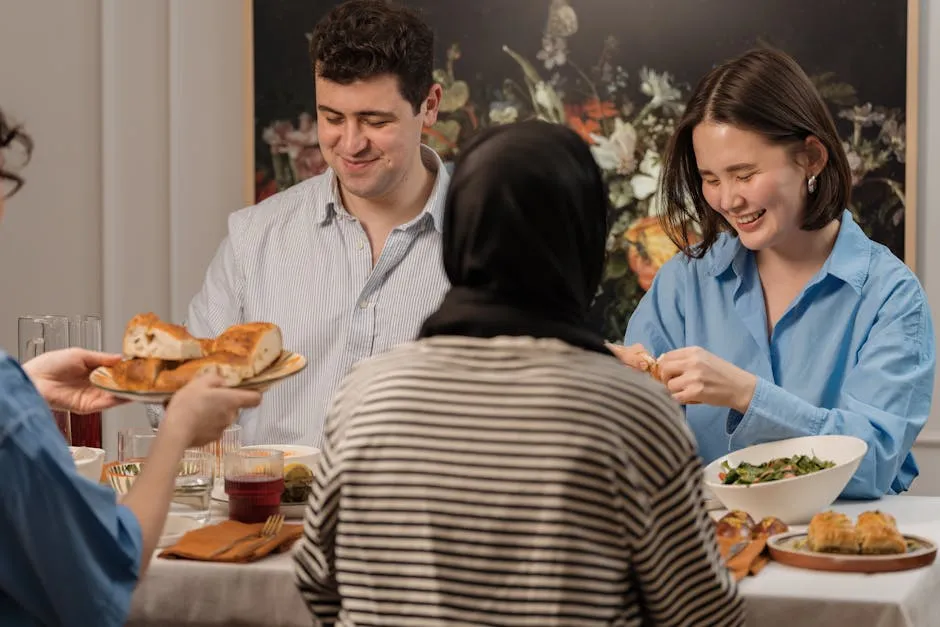
Communal eating with neighbors, coworkers, and friends fosters a sense of community and belonging and facilitates meaningful interactions, while playing a pivotal role in establishing social bonds, maintaining social cohesion, and reinforcing a shared identity among participants. The effect is not limited to people who already know each other.
Social connections are not only important for individual health and happiness, but also for societal health broadly. People who are more connected to each other are more trusting of others and have more faith in institutions, more likely to donate to charity and be more politically engaged, and they tend to be more considerate and compassionate, not only towards friends and family, but also towards strangers. A meal shared with someone unfamiliar does not just warm that one moment. It quietly rewires how we relate to people we have never yet encountered.
The Quiet Case for Eating Together Again
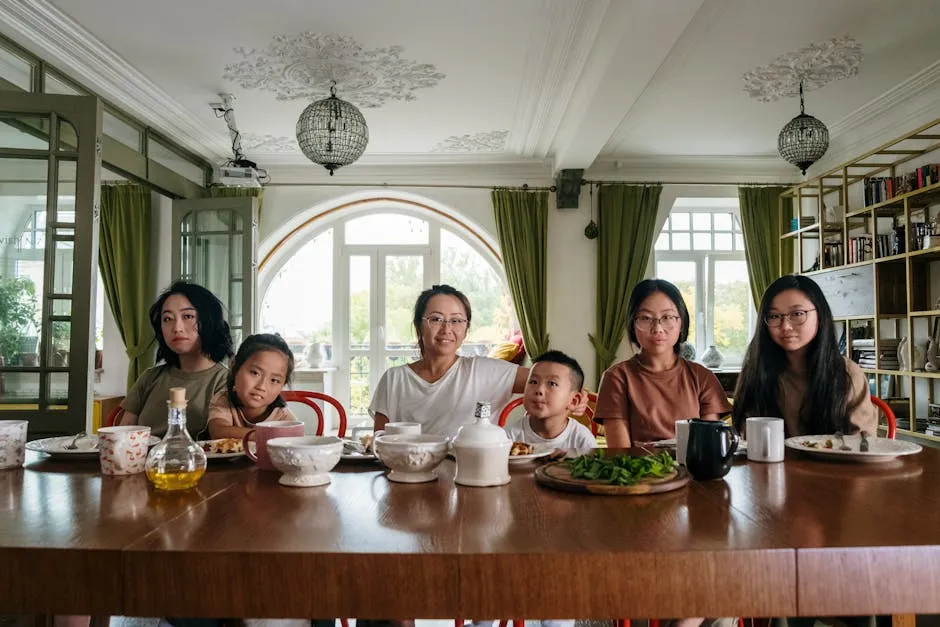
No country in the world currently hits the optimal level of shared meals identified by the World Happiness Report, because the optimal number is 13 out of 14 lunches and dinners per week, and as the report’s director puts it, the social elements of our lives are as important, if not more important, than wealth and health aspects.
It turns out that sharing meals and trusting others are even stronger predictors of wellbeing than expected, and in this era of social isolation and political polarization, finding ways to bring people around the table again is critical for individual and collective wellbeing. The evidence is unusually clear for social science: the table is one of the most reliable places human beings have ever found to become less afraid of each other.
Perhaps the deepest thing a shared meal does is remind us that hunger is universal. Whatever name we use for the dish, whatever customs surround it, the person across the table is also just trying to be nourished. That is, when you think about it, a genuinely good place to start.
AI Disclaimer: This article was created with the assistance of AI tools and reviewed by a human editor.