
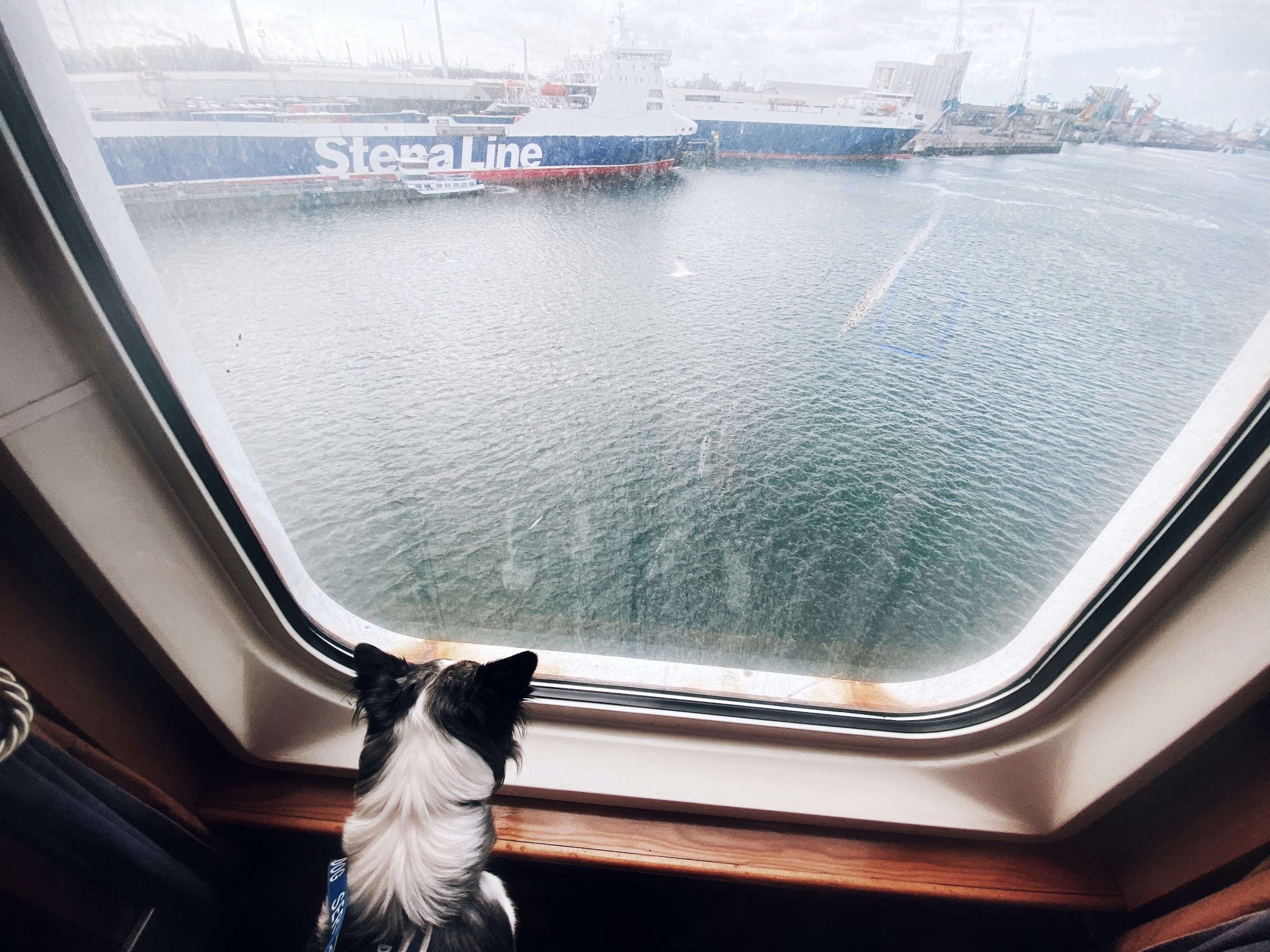

Few working relationships in history are as old, or as quietly remarkable, as the one between sailors and cats. Long before radar, refrigeration, or modern medicine, seafarers were relying on their feline shipmates to keep crews safe, cargo intact, and morale from sinking altogether. It is a tradition rooted in pure practicality, though it grew into something far richer over time.
The story of the ship’s cat spans thousands of years, cuts across nearly every seafaring civilization, and touches on pest control, psychology, superstition, and even international law. What kept this tradition alive for so long was simple: cats worked, and sailors knew it.
An Ancient Tradition Stretching Back to Egypt and Phoenicia
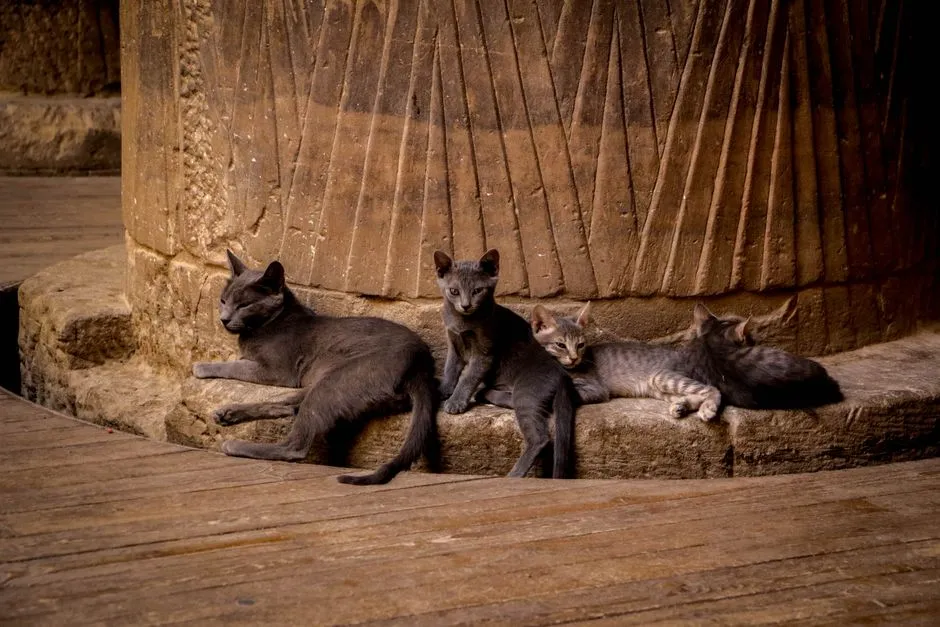
Cats have accompanied humans on maritime adventures for centuries, with their initial introduction to ships dating back to ancient seafaring cultures such as the Egyptians and the Phoenicians. These early seafarers were among the first to recognize a practical truth: wherever grain travels, rodents follow. Cats on boats are even depicted on murals in ancient Egyptian tombs, suggesting the practice was well established long before anyone thought to write it down formally.
Evidence from DNA implies that cats spread from ancient Egypt by maritime traders on ships along sea routes, and their ability to catch rodents was believed to be the major factor in their spread. As these ships moved through the Mediterranean, cats traveled with them, quietly spreading both themselves and their usefulness across the ancient world.
Rodents Were a Genuine Threat to Ships and Crews

Cats proved to be indispensable pest controllers, protecting provisions and cargo from rats, those omnivorous eating machines that will devour everything from food rations to non-food necessities such as ropes, sails, and even the calloused skin on the soles of sleeping sailors’ feet. This was not an inconvenience. It was a survival issue.
Rodents not only destroyed vital supplies but also carried deadly diseases like the plague. Cats hunted these unwanted stowaways, protecting food stores and helping crews stay healthy. On a vessel weeks or months from the nearest port, a rat infestation could spiral into a catastrophe affecting every person on board.
Vikings Took Cats Too, Across the North Atlantic

Viking ships also carried cats on their journeys as pest control, and the Norwegian forest cat was thought to have been used for this purpose. These vessels traveled extraordinary distances, from Scandinavia to Iceland, Greenland, and beyond, making reliable pest control an essential part of any voyage.
The Viking ships traveled far and wide, from the icy waters of the North Atlantic to the rivers of Eastern Europe, spreading the presence of ship cats across these regions. This helped establish the ship’s cat as a near-universal fixture among seafaring cultures of the medieval world, not just a Mediterranean custom.
The Age of Sail Deepened the Tradition

Between the 16th and 19th centuries, a time historians call the “Age of Sail,” cats became even more of a necessity. Ships were growing larger, voyages longer, and cargo more valuable. The case for a good ratter on board was stronger than ever. The Age of Exploration, which spanned the 15th through the 17th centuries, saw an increase in global maritime trade, and ships voyaging to the Americas, Africa, and Asia often carried cats, who earned their keep as expert rodent hunters.
By the time Europeans began crossing the Atlantic in the 15th century, the ship cat tradition was already ancient, and the cats that traveled aboard those vessels would become the ancestors of every domestic cat population in the Americas and Australia. The humble ship’s cat, it turns out, played an unintentional role in reshaping the world’s ecology.
Archaeological Evidence from a 1559 Florida Shipwreck
A new study offers even more insight into the history of these four-legged felines. Researchers have discovered the remains of two house cats in a 466-year-old Spanish shipwreck near Florida, which are likely the earliest known cats in the United States. The wreck, which sank in a hurricane in 1559, provides rare physical evidence of exactly how cats traveled with European crews.
Though the cats may have been stowaways, they were likely brought onboard intentionally to help keep rodents at bay. The sailors may have fed the cats because they were so effective at controlling pests that there were none left for them to eat, or they may have tossed the cats lots of food scraps “out of affection.” Either way, the isotopic evidence shows the cats were eating well, which says a great deal about how sailors treated them.
Cats as Living Weather Instruments
Cats naturally react to barometric pressure changes, through which a keen observer can detect unusual behavior and predict an incoming storm. For sailors navigating by wind and instinct rather than satellite data, this gave the ship’s cat an almost scientific value beyond pest control. If you came to know the habits of an on-board cat very well, once they started to take an unusual liking to shelter, you could intuit a storm was incoming.
Since cats can detect changes in air pressure, captains and navigators watched the behaviors of their feline companions to predict storms. After the invention of flight, cats also reacted to the high-pitched hum of airplane motors, tipping navies off to incoming airplanes. That is a genuinely surprising range of practical applications for one small animal.
Superstition Gave Cats an Extra Layer of Meaning
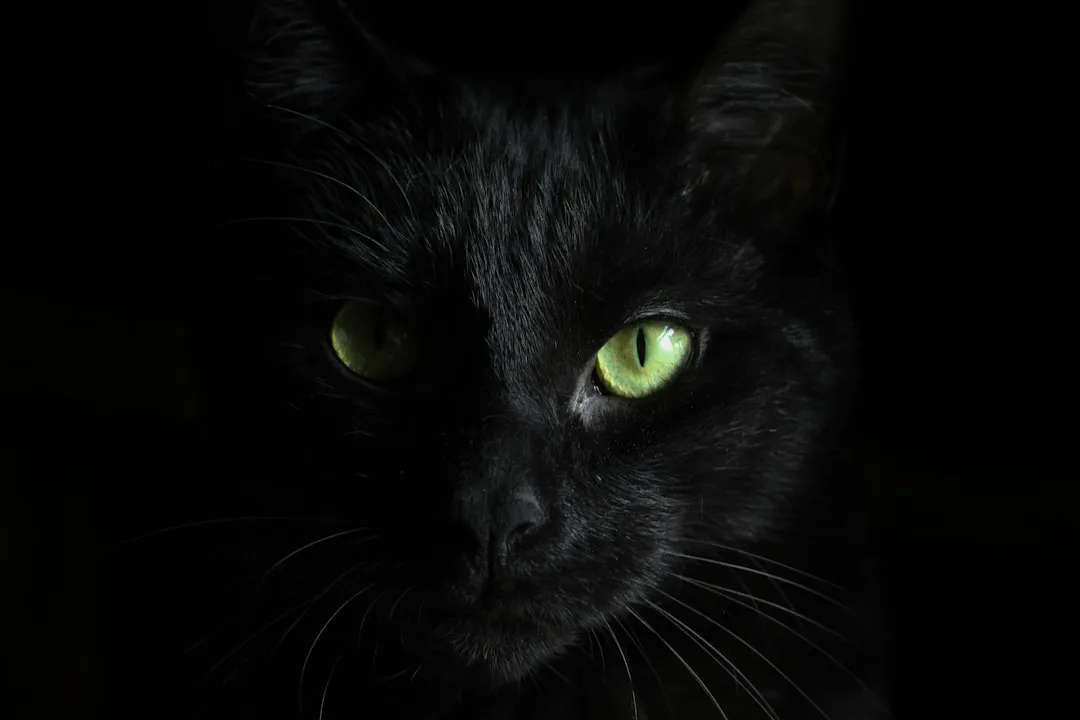
Cats were said to bring good luck on ships and prevent bad weather. While nobody can prove or discredit myths like that, what cats actually did was successfully catch rodents. In killing disease-ridden rats, cats helped make for a safer, healthier journey, thus further fueling superstitions. The superstitions and the practical reality reinforced each other in a neat loop.
On land, black cats had suffered centuries of association with witchcraft and evil, particularly in northern Europe. At sea, however, black cats were considered exceptionally lucky aboard ships. Sailors experienced black cats as effective rat hunters and good ship companions, and built their own tradition of luck around that practical observation. Context, it turns out, changes everything.
Polydactyl Cats: The Sailors’ Favorite
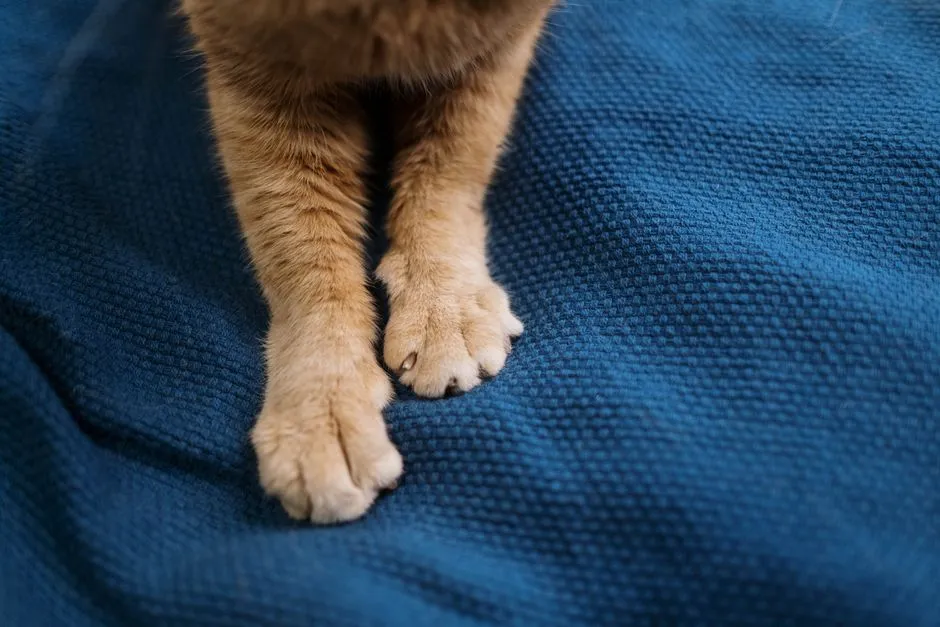
In their voyages, many myths and legends evolved around cats. One type of feline highly sought after for rodent control on ships were polydactyl cats. These supposedly enhanced attributes helped them catch rodents, making them sought after as ship’s cats. Polydactyl cats, those born with extra toes, were believed to have better balance on shifting decks and a firmer grip when hunting.
Sailors often considered cats to be lucky, especially those with extra toes. Communities in certain port cities, most famously Boston and Halifax, developed notably high concentrations of polydactyl cats, a direct legacy of the ships that docked there carrying their unusual feline crew members.
Simon of HMS Amethyst: The Only Cat to Win a Military Medal
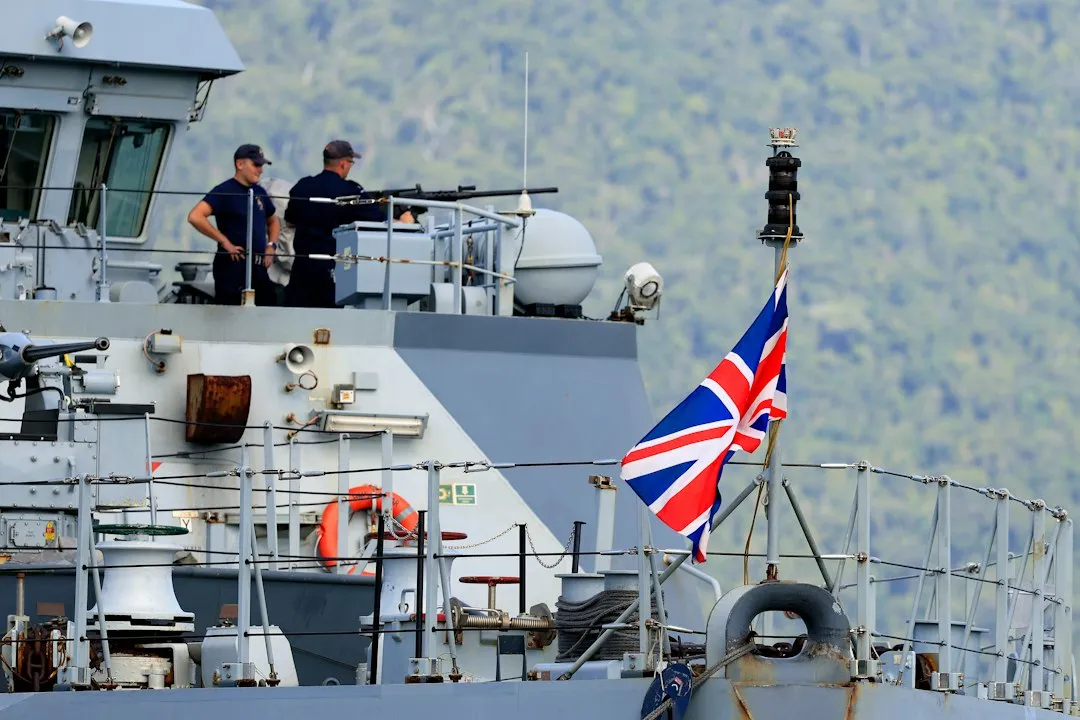
Simon was a ship’s cat who served on the Royal Navy sloop-of-war HMS Amethyst. In 1949, during the Yangtze Incident, he received the PDSA’s Dickin Medal after surviving injuries from an artillery shell, raising morale, and killing off a rat infestation during his service. His story became one of the most celebrated in naval history.
Not only was Simon the only feline ever to receive a Dickin Medal, he was also the only Royal Navy animal to earn the Dickin distinction. Simon received his Dickin Medal posthumously, and he was buried in the Ilford Animal Cemetery in east London with full military honors. Few animals in any branch of service have been mourned so widely or honored so formally.
The End of an Era: Naval Bans in the 20th Century
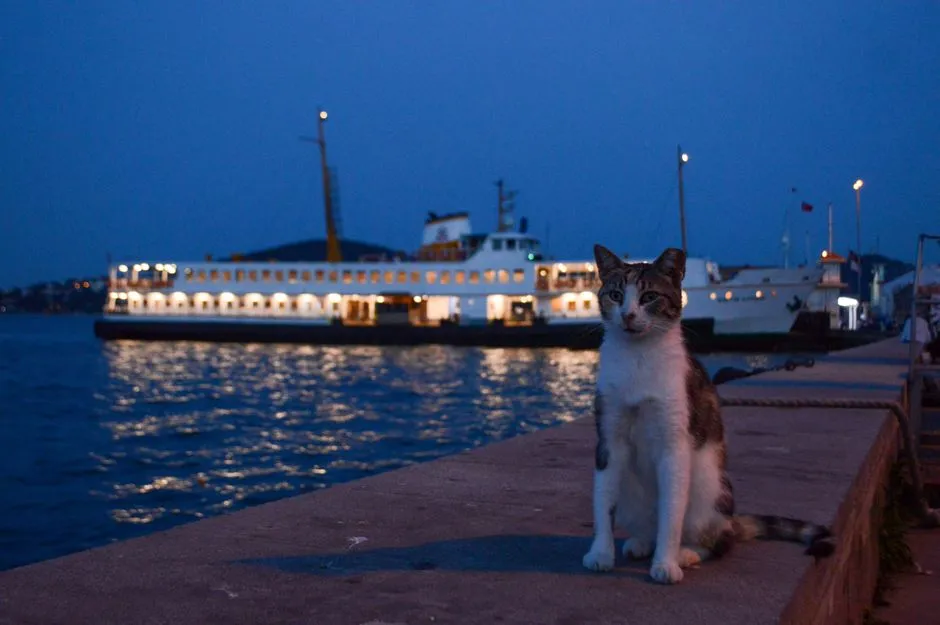
The Royal Navy banned cats and other pet animals from all ships on the ocean in 1975 on hygiene grounds. Budget cuts had led the U.S. Navy to ban pets on ships in the 1950s. These decisions effectively ended a tradition that had operated, more or less continuously, for thousands of years.
However, cats are still common on many private ships. With advancements in shipbuilding and technology, the practical need for cats on ships began to diminish. While the presence of cats at sea has waned, their legacy and the stories of their contributions endure as a cherished part of maritime tradition. The ship’s cat may no longer patrol the holds of modern warships, but its place in seafaring history is permanent.
The Lasting Legacy of the Ship’s Cat
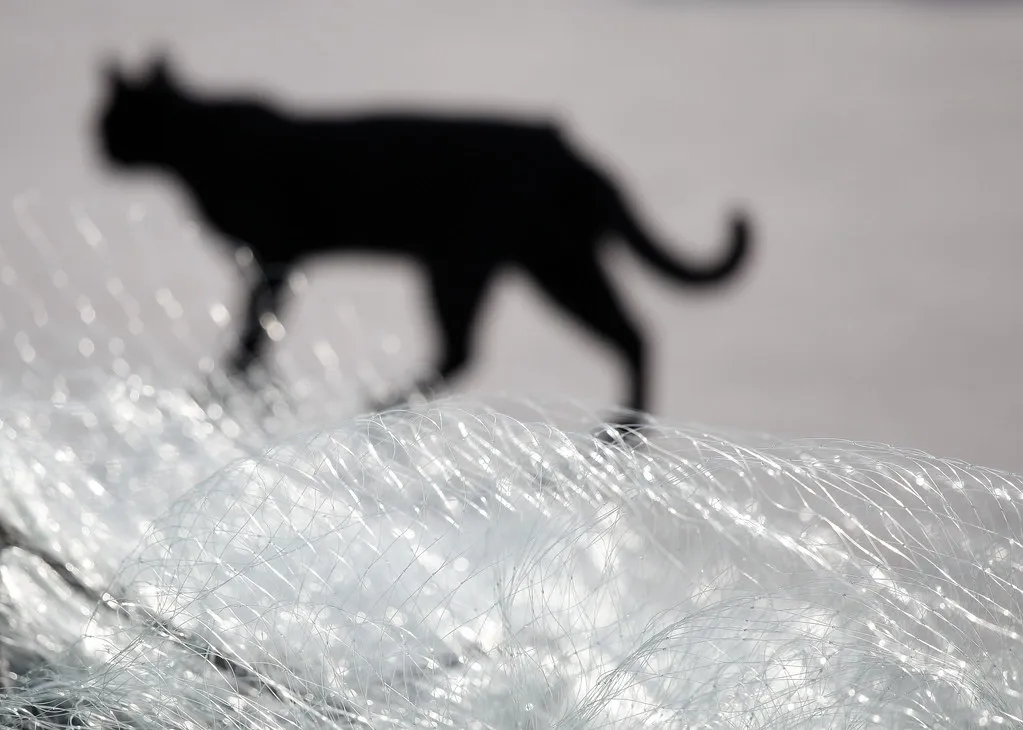
When you trace the full arc of this tradition, from ancient Egyptian grain ships to the honoring of Simon with a military medal, it becomes clear that the ship’s cat was never just an accessory. The history of cats in maritime culture is not just a story of practical utility but also one of companionship, superstition, and adaptation. These animals served real, documented functions across millennia of seafaring civilization.
Ships’ cats weren’t just pest controllers, they were beloved pets. Sailors were often so attached to their cats that they would stop their ship in the open ocean and rescue them if they fell overboard, not an easy thing to do for a sailing ship. That detail, more than almost any other, captures the full depth of this relationship. It was never merely transactional.
The ship’s cat reminds us that some of history’s most enduring partnerships are not grand or dramatic. They are quiet, useful, and built on mutual trust. A small animal on a vast ocean, earning its place one caught rat at a time, leaving behind a story that spans the whole of recorded seafaring.
AI Disclaimer: This article was created with the assistance of AI tools and reviewed by a human editor.