

It’s the Number One Rule, Full Stop
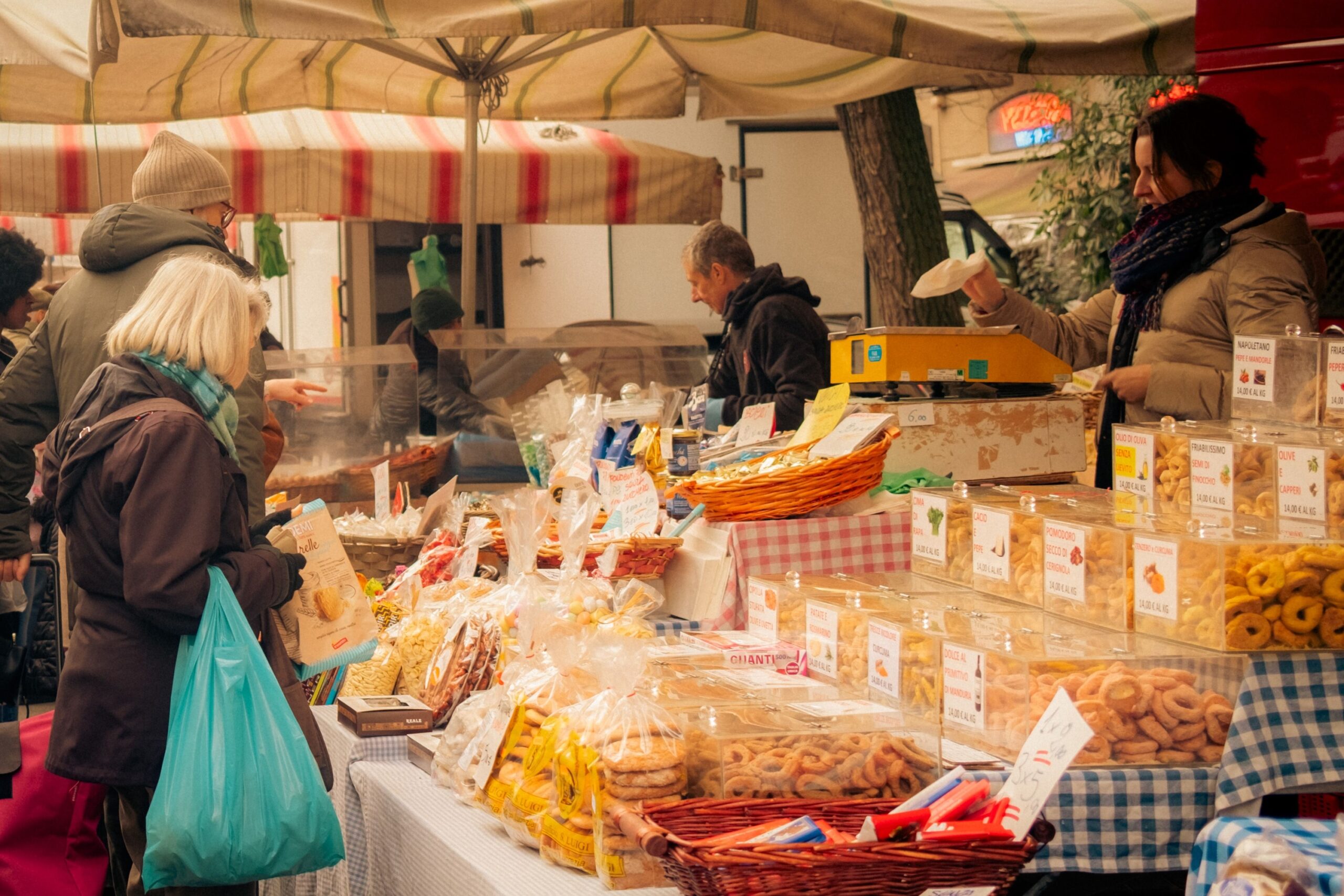
The biggest rule at food markets in Italy is simply this: don’t touch the produce. You’re likely used to choosing your own fruit or vegetables at home, but in Italy the vendor will nearly always select them for you. This isn’t a regional quirk or a rule specific to one city. It applies from Rome to Palermo, from Florence’s famous Mercato Centrale to the smallest weekly piazza market in rural Umbria.
Market stalls often put up signs warning “non toccare” (don’t touch), which makes it clear that someone is always tempted. The signs aren’t decorative. They’re there because the rule genuinely needs stating, especially for visitors from countries where self-selection is the default.
A Deep Hygiene Tradition That Predates the Pandemic
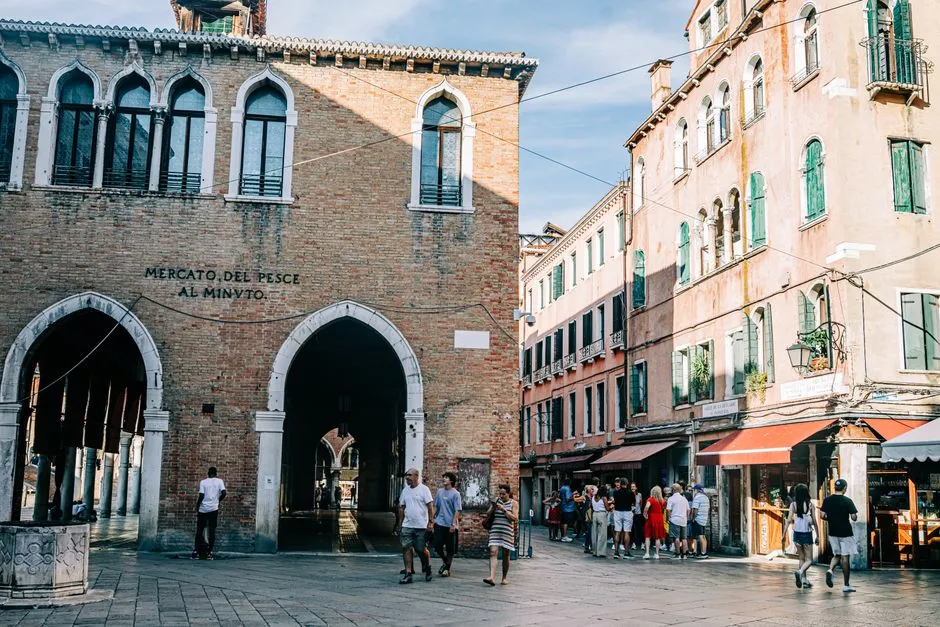
Even before the pandemic, it was not acceptable to touch fruit or vegetables with bare hands at Italian markets. If you are at a produce market, the vendor picks up whatever you want to buy. This matters because it’s sometimes assumed the rule is a post-2020 health measure. It isn’t. It has been baked into Italian market culture for generations.
Italians use plastic gloves when picking up fruit or vegetables in supermarkets or grocery stores. Italians are, by cultural standard, pretty serious about hygiene. That seriousness extends to every corner of the food system, not just restaurants or home kitchens.
“Non Toccare” and What Happens If You Ignore It
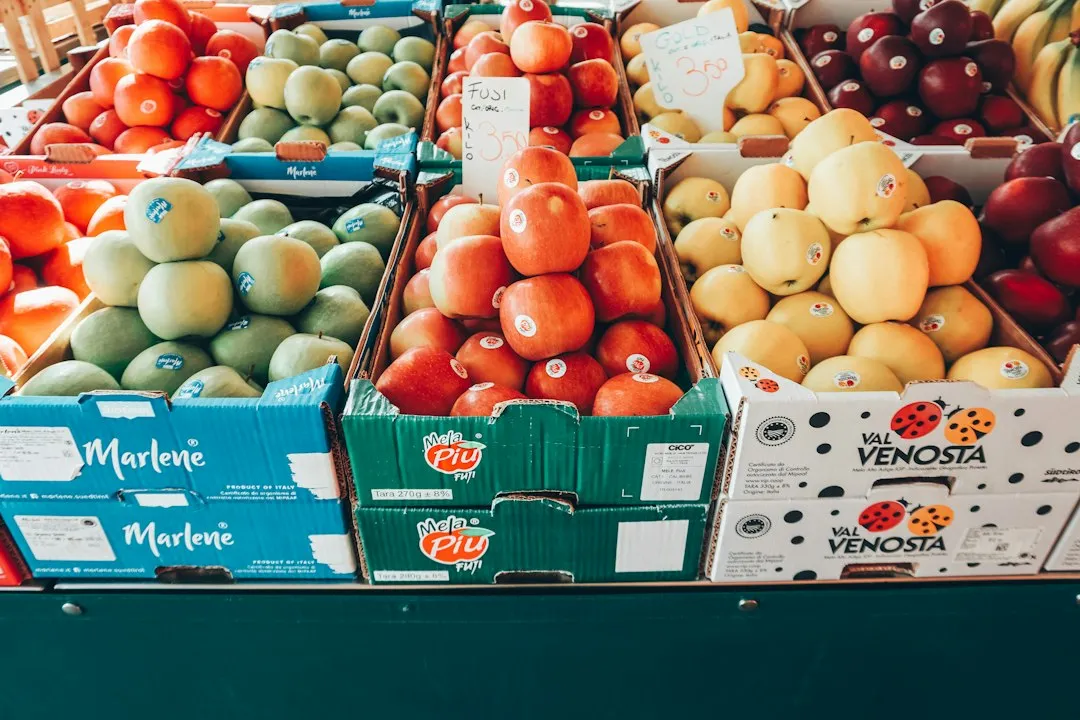
The phrase “NON TOCCARE” means do not touch, and it comes with the implied wrath of the vendor if ignored. The reaction from vendors can range from a sharp correction to something considerably more theatrical. Several experienced Italy travelers have described being publicly scolded for picking up so much as a single tomato.
You are absolutely forbidden from touching the produce unless the vendor invites you to. The temptation is real, but you’ll likely be publicly and loudly shamed if you try. This is not a self-serve situation. Knowing that in advance makes the whole experience considerably less stressful.
The Vendor Is the Expert, and That’s Actually a Good Thing
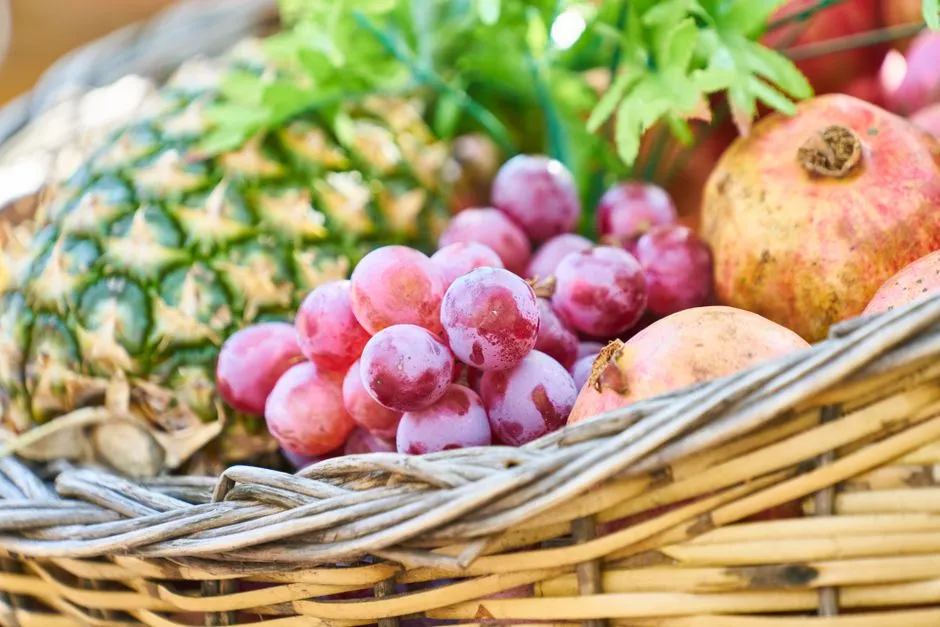
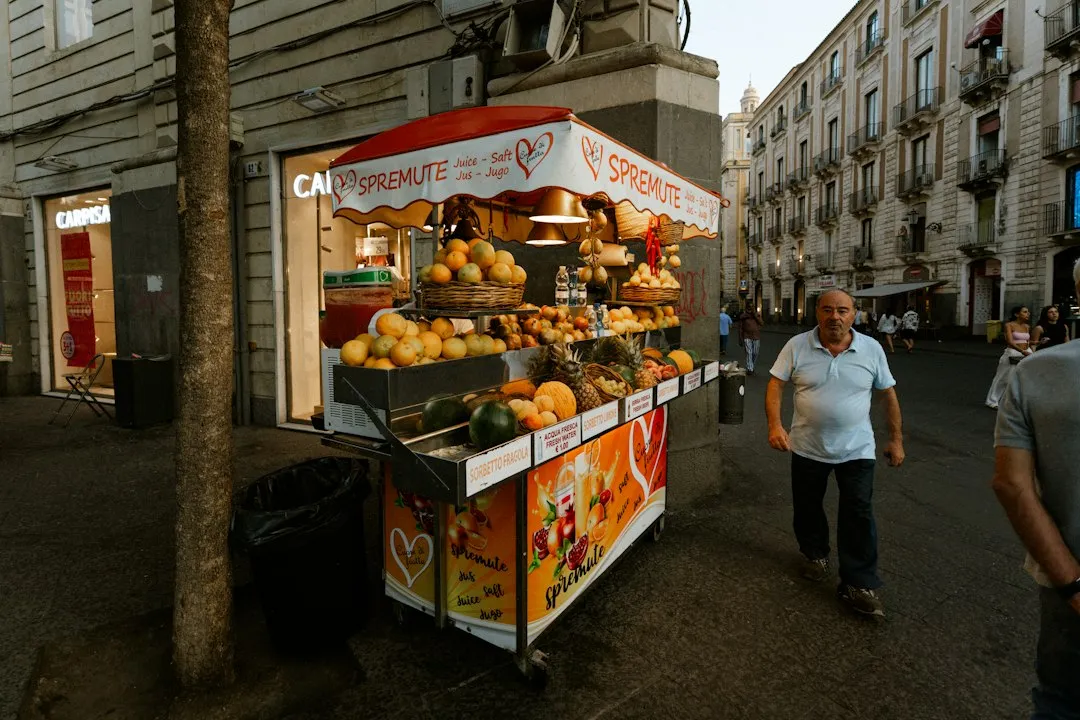
You indicate what you want and how many, and the vendor will choose and bag them. They’re not picking the “bad apples,” so to speak. You’ll get good quality, and long-time customers tend to get the choicest options. There’s genuine skill in what the vendor does. They handle the same produce every day and know exactly what’s at peak ripeness.
Locals will tell a vendor when they plan to eat their fruit, and the vendor uses her expertise to pick items at the appropriate stage of ripeness, especially for repeat customers she wants to keep happy. That’s a level of personalized service that no self-serve grocery aisle can replicate. It’s also why building a relationship with a regular stall is something locals actively cultivate.
The Point-and-Communicate System
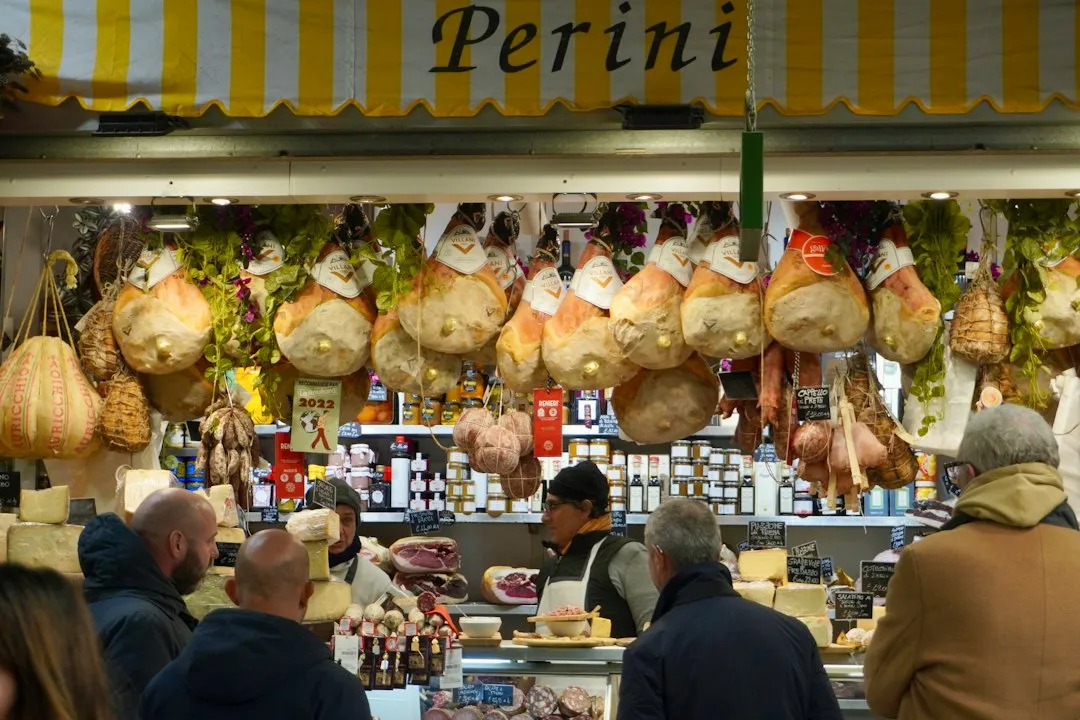
One rule makes it easy: only the vendor touches the produce. Your job is to point to what you want and say how much. For first-time visitors worried about the language barrier, this is actually reassuring. You don’t need flawless Italian to navigate the market. A gesture toward the tomatoes and the word “due chili” (two kilos) gets the job done.
At a local street market, the rule is clear: do not touch the produce unless the vendor explicitly tells you to. If you’re ever unsure whether you’re allowed to select something yourself, you can confirm with a simple “Posso?” meaning “Can I?” That one small word carries a lot of goodwill.
What Vendors Ask You, and Why You Should Answer Honestly
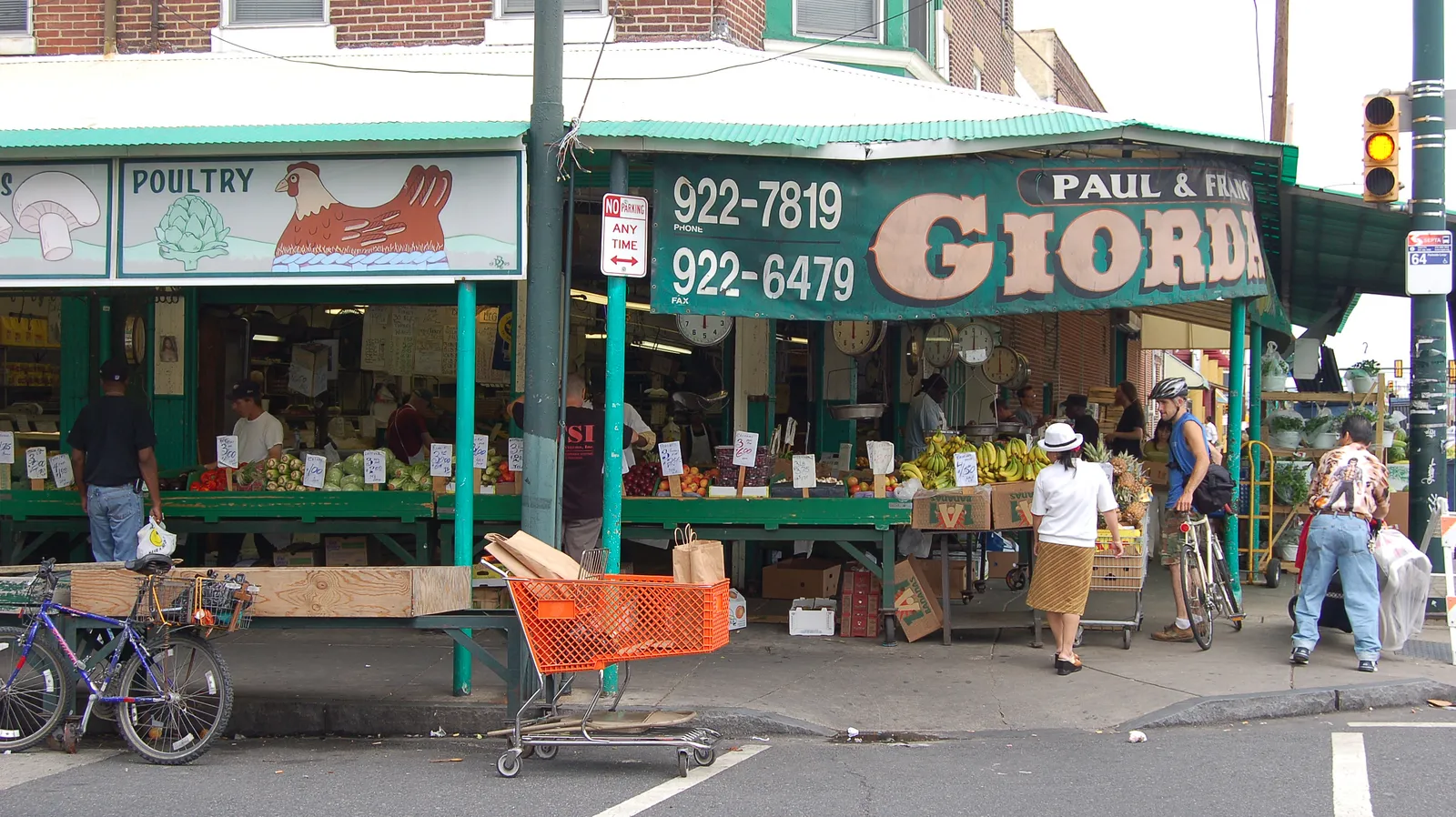
Some vendors will ask what you’re doing with your purchase. This isn’t them being nosy. It’s so they can sell you the best item for your purpose. A vendor might ask whether you need tomatoes for a raw salad or a slow-cooked sauce, and the answer changes which tomatoes they select for you.
Telling the vendor what you intend to do with your purchase means they can recommend exactly what you need and pick it accordingly. For example, you’d need a different apple for baking than for eating raw. This level of specificity is part of what makes Italian market culture feel genuinely different from a supermarket transaction.
How the Supermarket Version Works

In supermarkets, it’s the norm to have plastic bags for each item of produce, partly because you have to weigh and label all fresh fruit and vegetables yourself before going to the cash register, and plastic gloves are also provided. These are intended to be put on before you touch any fresh produce. So even in self-serve settings, bare hands stay out of the equation.
At Coop or Esselunga or Conad, it won’t be the vendor upholding the rule. It will be Italian housewives, young to very old, enforcing a subset of it: don’t touch the produce without a plastic glove. The community polices itself. Forget the glove and a fellow shopper will let you know.
Freshness and Delicacy Go Hand in Hand
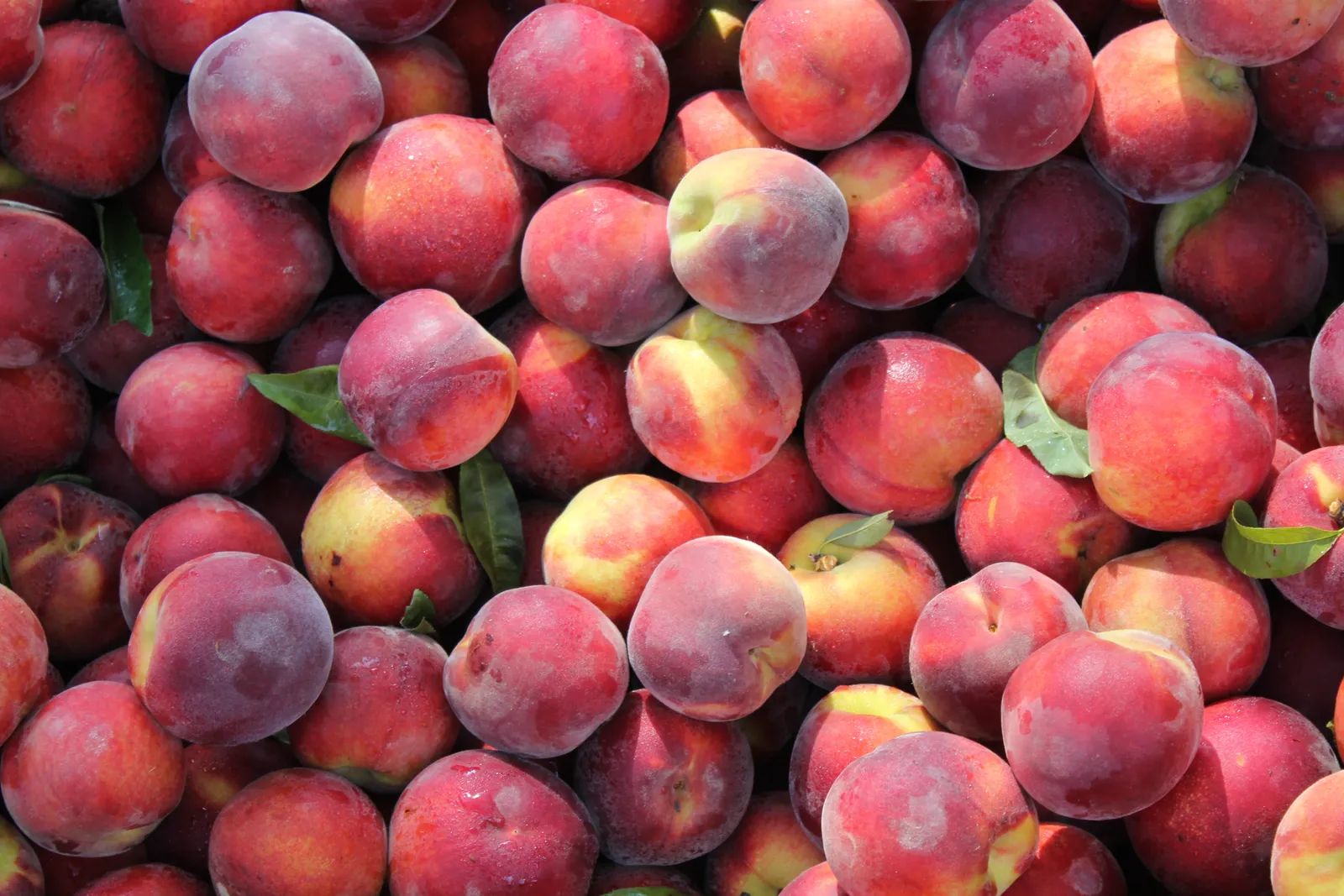
The true freshness of Italian market produce has a couple of unintended consequences. It makes the produce delicate to the touch, and the fruit and vegetables don’t last at home very long. That delicacy is precisely why handling by multiple strangers causes real damage. A peach that traveled a short distance from a local farm bruises easily. It’s not built to be squeezed by every passerby.
Prices are often lower than supermarkets for produce, and quality, especially for seasonal fruits and vegetables, is typically superior. That quality is partly preserved by the no-touching rule itself. It’s a system that protects the product from the moment it arrives at the stall.
Seasonality Is Woven Into the Whole Experience

One of the defining features of the Italian market is how it forces you to shop seasonally. Don’t look for asparagus in August or strawberries in January. Whatever is overflowing from every stall is probably at its peak. The no-touch rule and the seasonality principle are two sides of the same coin: both exist to protect the integrity of the food.
Produce is often labeled by region, which signals that the vendor cares about where it’s from, and hopes you do too. Labels showing provenance are common, and the word “nostrani,” meaning “ours,” signals hyper-local produce that’s always worth trying. The market is telling a story about where things come from, and that story depends on the produce arriving in good condition.
Markets as Social Spaces, Not Just Shopping Destinations
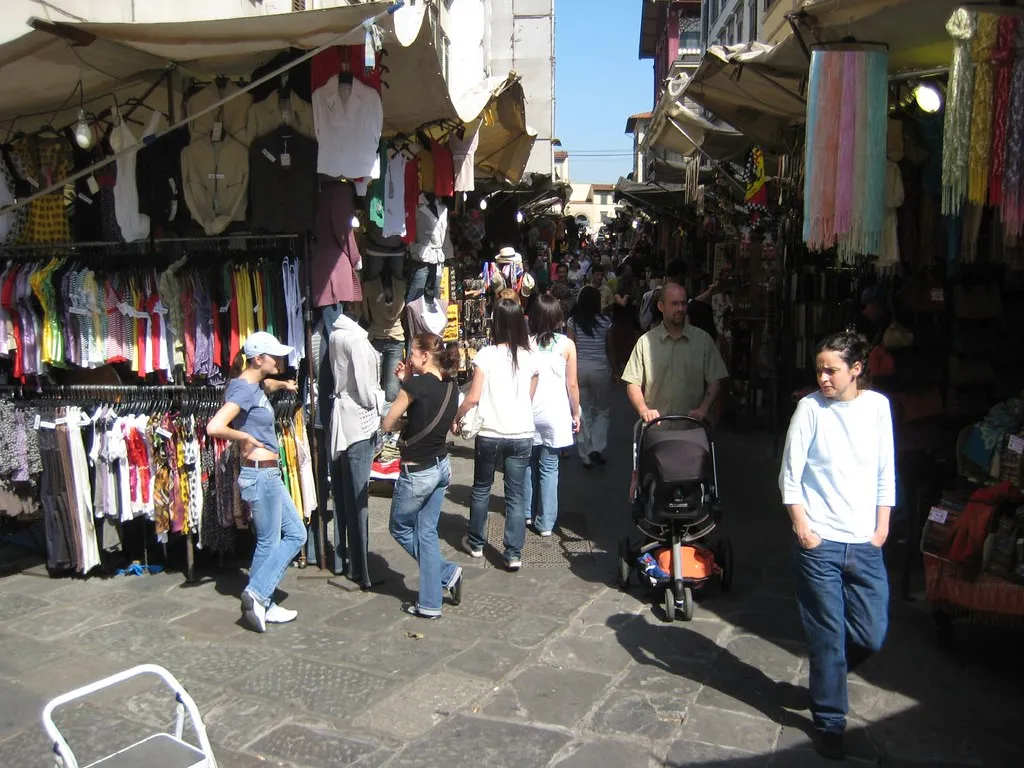
Italian markets represent the heartbeat of local food culture, operating as social hubs where community relationships flourish alongside commerce. Most towns feature weekly markets in central piazzas, while larger cities maintain permanent covered markets like Florence’s Mercato Centrale or Bologna’s Mercato delle Erbe. These aren’t simply places to buy tomatoes. They’re places where regulars check in, trade recipes, and build relationships with the people who grow their food.
The ritual of market shopping follows unspoken protocols: greet vendors with a polite “Buongiorno,” wait your turn without rushing, and allow the vendor to select produce. Many vendors develop relationships with regular customers, remembering preferences and offering advice on seasonal selections. Respecting the no-touch rule is part of participating in that community, not just following a rule.
The Takeaway for Visitors
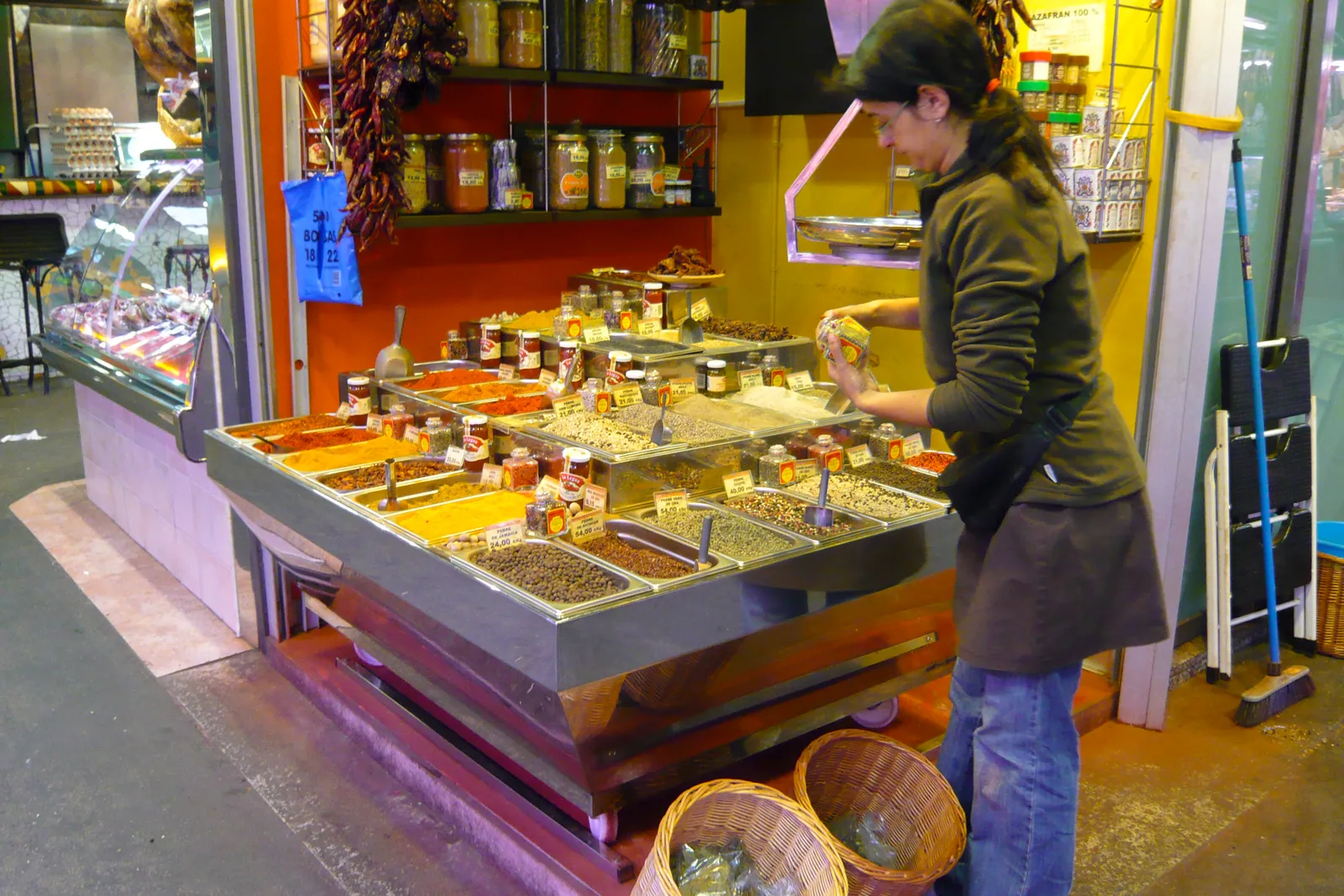
The no-touch rule at Italian markets can feel counterintuitive at first, especially for shoppers used to picking out every apple themselves. Once you understand the reasoning, though, it starts to make complete sense. It’s about hygiene, produce quality, vendor expertise, and a model of food retail built on relationship rather than self-service efficiency.
All those piles of gleaming fruit and vegetables are genuinely tempting, but you really should not reach toward them unless you’re told you can. A lot of vendors prefer to do all the bagging themselves for health and safety reasons. Let them. You’ll likely end up with better produce than you would have chosen on your own, and you’ll leave with a much richer experience of what Italian market culture is actually about.
AI Disclaimer: This article was created with the assistance of AI tools and reviewed by a human editor.