

A Market Growing Far Beyond Niche Status

The global educational tourism market was estimated at nearly 460 billion dollars in 2024 and is projected to nearly double by 2030, growing at a compound annual growth rate of 13.5 percent between 2025 and 2030. That trajectory puts it well ahead of many conventional tourism segments.
Educational tourism is emerging as a transformative force in global travel, blending travel experiences with structured learning to create immersive, culturally enriching opportunities. Unlike conventional tourism, it is purpose-driven: participants travel to acquire knowledge, develop skills, or engage in academic collaboration.
This takes many forms, from study-abroad programs and exchange initiatives to heritage tours, research expeditions, and skill-based workshops held in foreign environments. The breadth of that definition is part of what makes this market so resilient.
The Booking Numbers Are Telling a Clear Story

GetYourGuide, a major platform for booking travel experiences, recorded a sixty-six percent jump in workshop bookings in summer 2025 compared with summer 2024. That kind of year-over-year growth is difficult to dismiss as a passing moment.
Bookings for workshops are up fifty-nine percent overall, and nearly one in three Gen Z travelers would rather come home with a new skill than a souvenir. These are not marginal shifts. They reflect a genuine reordering of travel priorities.
GetYourGuide launched its first Hidden Trends List for 2026 in November 2025, powered by data from millions of real travelers. The list highlights skill-seeking as one of six trends set to shape travelers’ choices in the coming year and beyond.
What the Hotel Industry Is Actually Doing About It

Hilton’s 2026 Trends Report shows that seventy-two percent of travelers want their time off to be about pursuing passions, trying something new, and coming home with stories that thrill and skills that stick. That statistic pushed skillcations into mainstream conversation almost overnight.
IHG Hotels and Resorts unveiled a Talker Research study showing that nearly half of Americans want a skillcation. The survey, conducted among one thousand Americans, confirms the rise of this concept across the country.
The Accor group, via its ALL platform, had previously detailed eight experiential travel trends for 2026, confirming that on-site learning is now establishing itself as a decisive factor for guests in search of meaning. Three of the world’s largest hospitality companies arriving at the same conclusion is not coincidence.
Who Is Actually Driving This Shift

The survey reveals that travelers of all ages are seeking more than just a getaway: younger travelers are driving the trend, with forty-one percent of Gen Z and Millennials having already taken a skillcation, more than double the Baby Boomer rate.
Gen Z is leading the charge, with a significant share seeking solo trips centered on hands-on experiences, often combining travel with learning, creativity, or personal development. The appeal is also broad across age groups, with Millennials, Gen X, and older travelers increasingly signing up for immersive programs and workshops.
Gen Z may be setting the tone, but the audience has grown well beyond it. Skillcations are not a youth trend alone – they are a values-based shift that crosses generations.
What a Skillcation Actually Looks Like on the Ground

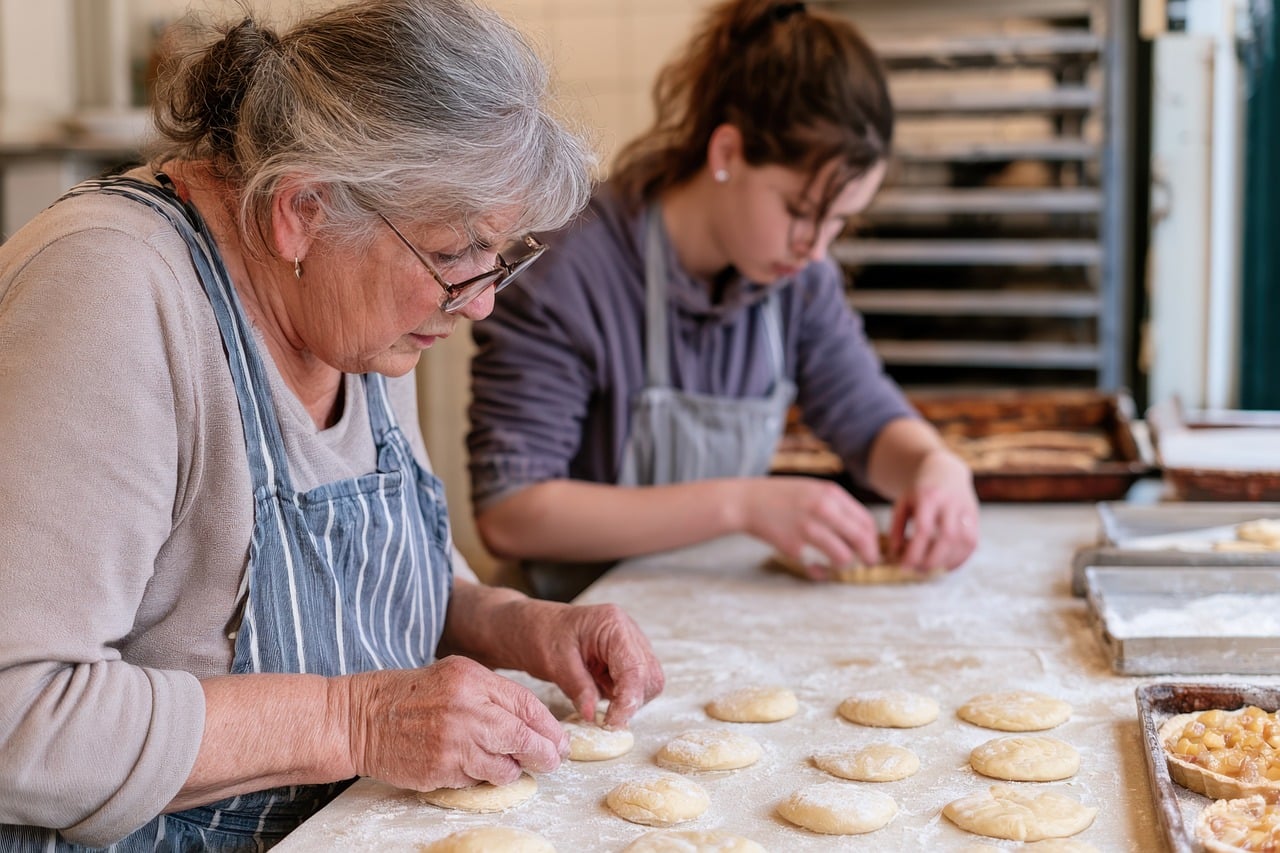
Travelers opting into skillcations use their time off for trips that span experiences ranging from gourmet cooking to mastering mahjong. The idea is to leave refreshed and genuinely enlightened.
Among the skills most sought after, cooking dominates by far, cited by thirty-seven percent of respondents who want to build their stay around a culinary learning experience. Beyond the kitchen, the range is surprisingly wide.
Skillcation options range from global adventures to programs closer to home, covering crafts, music, writing, and more. The destination often becomes secondary to the activity anchoring the trip, which changes how travelers choose where to go entirely.
The Shift Away from Passive Sightseeing
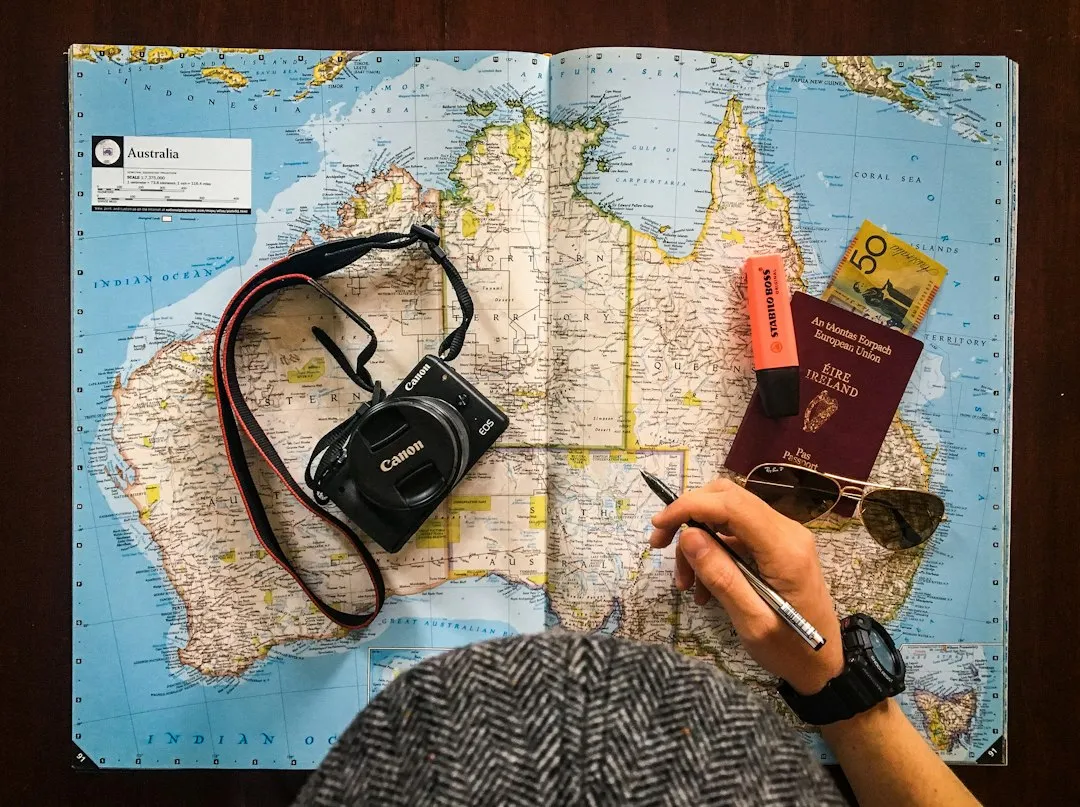
Fewer travelers are seeking traditional sightseeing expeditions. Instead, consumers are pursuing authentic experiences, distancing themselves from mainstream tourism providers and venturing into pastimes that feel more meaningful.
According to Viator’s 2025 trends report, this period is all about meaningful, immersive experiences that offer a real taste of a destination, with today’s travelers shifting away from passive sightseeing toward experiences that feel personal and hands-on.
For a long time, vacations were all about seeing the sights, rushing from one activity to the next, and coming home with a few photos and souvenirs. Travelers are starting to want something more. Instead of simply escaping everyday life, they are using their time away to learn a new skill, explore a hobby, or immerse themselves in a local culture.
Niche Tourism Is Winning Over Generic Tours
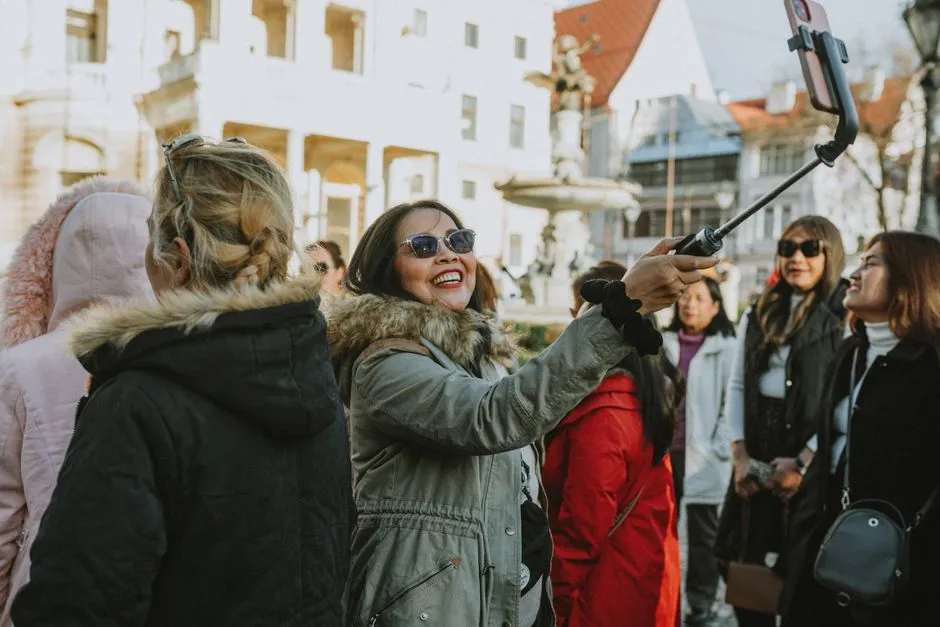
In 2025, niche tourism continued to dominate, with travelers seeking specialized experiences over generic tours. Boutique travel, small-group tours, and highly personalized experiences such as immersive cultural exchanges are in high demand.
Research has found that roughly three in four Americans prioritize experiences over products, underlining the structural demand for experiential travel formats. Skill-based travel sits squarely at the intersection of that preference.
Current travel research increasingly points toward consumers wanting authentic experiences, local connections, and meaningful activities. Accor’s 2026 travel-trend research identifies growing demand for experiences built around personal meaning, local knowledge, and human connection. This creates favorable conditions for skill-based holidays.
The Asia-Pacific Region Is Accelerating the Trend

The Asia-Pacific region held the largest share of the educational tourism market in 2024, at nearly four in ten globally, and is expected to grow at an even faster rate through the decade. The region’s cultural richness makes it a natural fit for skill-focused itineraries.
By 2026, Asia-Pacific is expected to welcome 762 million international visitors, up from 619 million in 2024, equivalent to over one hundred percent of pre-pandemic levels. That volume creates enormous opportunity for immersive, skill-centered programming.
Countries like Japan, Thailand, and Indonesia have long attracted travelers for their culinary traditions, artisanal crafts, and cultural practices. The skillcation trend gives those strengths a formal travel structure and a booking economy to match.
What This Means for the Traditional Package Tour

Cost-of-living pressures in 2024 drove some consumers to seek greater value, and the pendulum swung back toward package holidays as more travelers turned to travel agents, prioritizing the cost efficiency and convenience of bundled vacation packages. Package tourism is not disappearing.
Still, value-seeking and meaning-seeking are two different motivations. The package tour competes on price and convenience. Skill-exchange travel competes on personal transformation, and that is a harder argument to counter once a traveler has experienced it firsthand.
Students and families are prioritizing value, safety, and sustainability over low-cost options, signaling a maturing market focused on purpose and impact. That maturation is reflected across age groups, not just younger travelers, and it favors depth over convenience.
The Role of Digital Platforms in Fueling the Growth

GetYourGuide’s 2026 Hidden Trends report highlights skill-seeking as one of the central forces shaping how travelers choose their experiences. Powered by data from millions of real travelers, the insights confirm that experiences are the foundation of travel today.
Airbnb has been betting on this trend. Its Experiences feature makes it easy for people to have unique experiences hosted by locals, and the platform currently offers around fifty thousand such experiences. The infrastructure for booking skill-based travel is now genuinely mainstream.
The convergence of data-rich booking platforms, major hotel programs, and independent operators offering workshops means that skill-exchange travel is no longer something you have to hunt for. It shows up in the same search results as conventional beach holidays, and increasingly, it wins the click.
The Takeaway

Skill-exchange travel is growing faster than traditional package tours not because package tours have failed, but because traveler expectations have evolved. People have more information, more autonomy, and a clearer sense of what they want from their time away.
Across generations, the shared experience of learning something new alongside strangers often becomes just as meaningful as the destination itself. That kind of return on investment is difficult to replicate with a pre-arranged itinerary and a laminated name badge.
The data from Hilton, IHG, GetYourGuide, Accor, and independent market researchers all point in the same direction. Travelers want to come home changed. The destinations and operators that understand this earliest will be the ones shaping travel for the next decade.
AI Disclaimer: This article was created with the assistance of AI tools and reviewed by a human editor.