
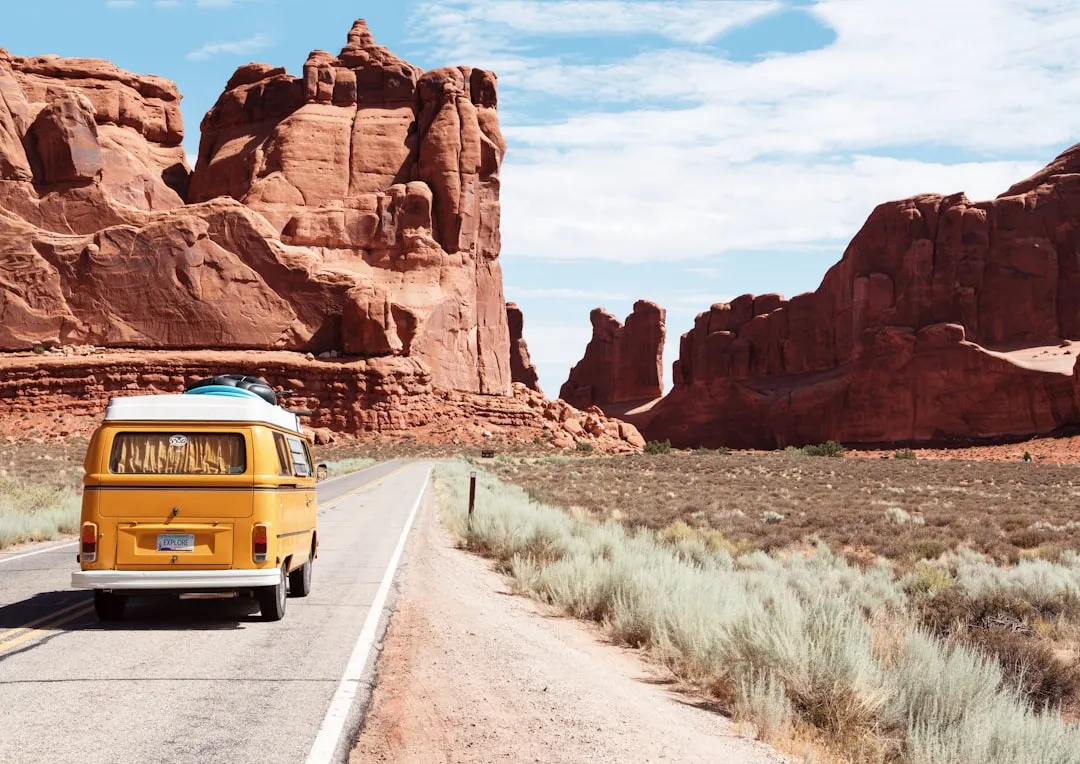

There’s a certain kind of exhaustion that only a seasoned traveler knows. You’ve visited five countries in eight days, ticked off landmarks at a breakneck pace, and arrived home needing another holiday just to recover. For a long time, that frenzy was considered the gold standard of travel. Pack more in. See more. Move faster.
That thinking is now shifting – and the data backing it up is hard to ignore. Slow travel, which often means staying in fewer places or immersing in a local culture for an extended time, is gaining popularity, according to 2025 trend reports from both Hilton and Booking.com. Something has quietly changed in the way people think about what a trip is actually for.
The “Revenge Travel” Era Is Over

After the pandemic, travelers rushed back with a vengeance. Every destination, every flight, every bucket list item compressed into a few frantic years. That phase has now run its course. “Revenge travel” is now a thing of the past. Rather than traveling at any cost, consumers are slowing down and traveling more meaningfully, even if that means they travel less often.
The bottom line is that consumers are spending more when they travel, even if that means they travel less often. The shift isn’t about cutting back. It’s about choosing better over more.
What Slow Travel Actually Means in Practice

Slow travel is more about a mindset than a pace of movement. It’s exploring somewhere on a deeper level, making space mentally and physically for things to happen spontaneously – for example, taking time to walk in nature, cycle through the countryside, engage with the locals, or take a long-distance rail journey.
The trend reflects the tendency of leisure travelers to take longer-duration holidays, explore off-the-beaten-path destinations, and value more immersive experiences by connecting with the local culture, environment, and people.
It resists rigid formulas by design. For some it’s a week in a single village. For others it’s months spent living like a local. The common thread is intentional deceleration.
The Numbers Don’t Lie: Slowcations Are Surging
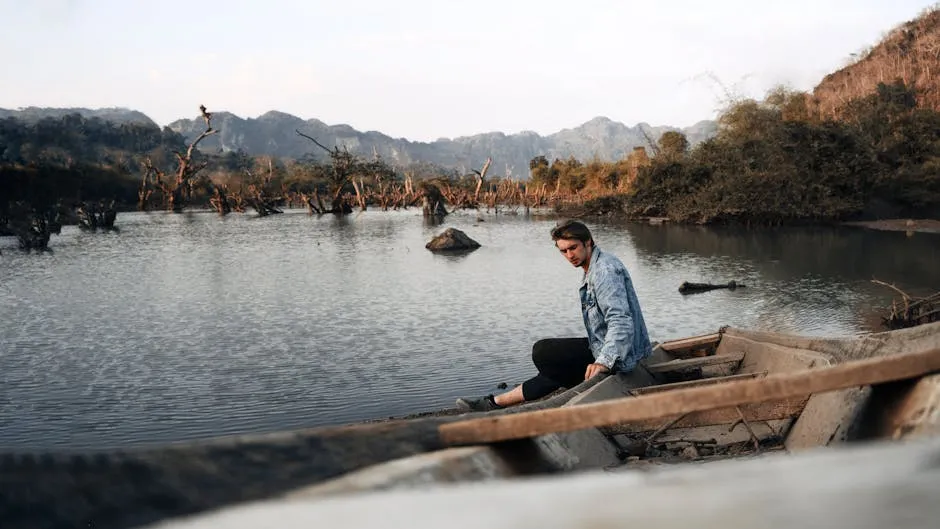
Travel expert Scott Dunn’s research reveals that 81% of Americans are vacationing in summer 2024 specifically to slow down and switch off. That’s a striking majority, and it signals a real cultural realignment rather than a passing trend.
In 2024, road trips were the most popular form of travel (40%), with slow travel – defined as traveling without a plan – coming in as the second most popular approach at 22%.
A report by the Mastercard Economics Institute found that vacations are averaging one extra day compared to pre-pandemic levels. Subtle, maybe, but across millions of travelers it’s a meaningful indicator that people are deliberately stretching their time away.
Mental Health and Wellbeing: The Real Driving Force

With mental health and wellbeing becoming a priority for many, travelers in summer 2024 are seeking out vacations where they can properly unwind, relax, and leave behind daily stresses. This isn’t simply a preference for comfort. It’s a response to a genuine wellbeing deficit.
Hilton reports that the number one priority for travelers in 2024 is to “rest and recharge,” while Skyscanner cites that more than a third of travelers hold sleep as a top priority while on holiday.
Slow travel not only reduces the carbon footprint but can offer a more fulfilling, less stressful travel experience. It aligns with broader trends like luxury minimalism and quiet luxury, focusing on wellness and mental wellbeing rather than just consumption and fast experiences.
The Train Renaissance and Why the Journey Matters

Amtrak had a record 33 million riders in fiscal year 2024 and plans to double ridership over the next 15 years. This is not a coincidence. The rail resurgence and the slow travel mindset are feeding each other directly.
The rise of rail maps almost perfectly onto the slow travel mindset, where the journey itself becomes part of the experience rather than a delay before it begins.
The resurgence of luxury train travel aligns with slow travel, where the focus shifts from speed to savoring the journey. With high-end rail experiences like the La Dolce Vita Orient Express offering slower, scenic routes to less-explored destinations, travelers can immerse themselves in local cultures and landscapes at a more relaxed pace.
A Greener Way to Go: The Environmental Case
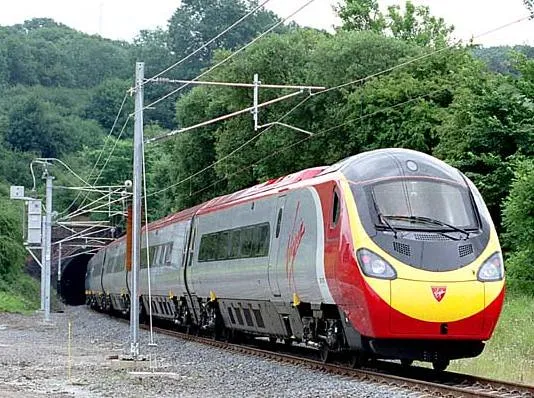
The same trip causes around 80 to 90% less CO2 emissions by train than by plane, according to research published in a peer-reviewed transportation study. That margin is too large to dismiss.
A journey from London to Nice generates just 36kg of CO2 by train, compared to 250kg by air. Fewer stopovers and slower modes of transport compound those savings meaningfully over a trip.
The rise of slow travel aligns with the growing demand for sustainability. According to Accor’s 2025 report, nearly three in ten Brits are planning sustainable trips, and searches for “eco-nature holidays” have surged by 250%. The environmental motivation is no longer fringe thinking – it’s increasingly mainstream.
Secondary Destinations Are Thriving
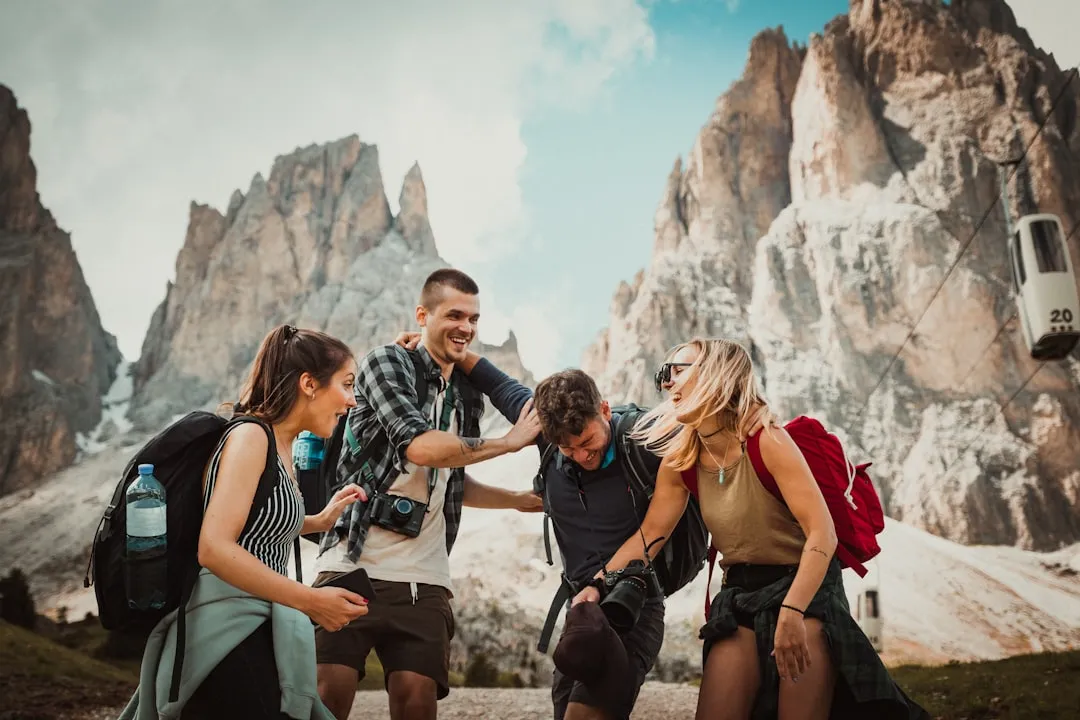
With slow travel on the rise, more travelers are exploring secondary cities and destinations instead of the overcrowded tourist hotspots. This redirection of tourist flow is already showing up in real booking numbers at the destination level.
Conrad Chia Laguna Sardinia has seen a roughly 90% year-over-year increase in U.S. travelers from 2023 to 2024, while Baia di Chia Resort Sardinia, Curio Collection by Hilton, has seen a 150% increase in U.S. travelers over the same period.
Self-guided trips that involve hiking and cycling are trending more than culinary vacations or safaris among some Baby Boomers and Gen Xers, in popular locations like Austria, Scotland, and the Patagonia region of Chile and Argentina. The appetite for genuinely off-the-beaten-path experiences is broad and cross-generational.
Slow Travel Boosts Local Economies

As people travel for longer durations, they tend to spend more on leisure activities, restaurants, and transportation. This extended duration of stay translates into higher spending in the local economy, showcasing the economic benefits of catering to digital nomads and slow travelers.
Visa’s analysis reveals that the UAE, Mexico, and Portugal saw some of the most significant changes in overall spending by foreign tourists in 2023 compared to 2019, with increases of roughly a third each. Those three countries happen to be among the most popular slow travel and digital nomad destinations.
Slow tourism also develops cultural appreciation and insight, motivating tourists to delve into the subtleties of local life, while benefiting local economies by channeling tourist expenditure toward smaller enterprises and mitigating the negative effects associated with overcrowded tourism.
Digital Nomads: The Vanguard of the Slow Travel Movement

As of 2024, there are an estimated 40 million digital nomads worldwide, with 18.1 million hailing from the United States – a significant increase from previous years. These long-stay travelers are the living embodiment of slow travel principles.
Nomad List data shows that the average stay length increased to three to nine months per location by 2025. Rising travel costs, burnout, and visa restrictions have pushed nomads toward “slowmadism,” prioritizing stability and deeper cultural immersion.
As of April 2024, an estimated 41 countries have established digital nomad visa programs or variations thereof, including the UAE, Brazil, Portugal, Greece, Indonesia, Colombia, Spain, and Mexico. By 2025, that number had grown to 53 countries with launched digital nomad visas or remote-work residency programs. Governments are clearly reading the same signals travelers are sending.
The Digital Detox Connection: From FOMO to JOMO

A key concept driving the digital detox dimension of slow travel is the shift from Fear of Missing Out (FOMO) to Joy of Missing Out (JOMO). Studies like the Digital Detoxification Journey (2024) emphasize how screen-free holidays help travelers embrace the joy of presence.
Digital-free tourism offers profound mental health benefits, reducing stress and encouraging mindfulness. When combined with slow travel, it creates an experience that is both rejuvenating and deeply fulfilling.
Pinterest cites “rest stops” and “slowcations” among 2024 priorities for Gen Z and millennials, with “ASMR sleep” as a trending search term. The generation most associated with hyperconnectivity is also the one increasingly searching for ways to disconnect entirely while on the road.
Conclusion: Fewer Stops, Deeper Meaning
The logic of packing in as many destinations as possible was never really about the destinations. It was about the feeling of having done something impressive. Slow travel is a quiet but firm rejection of that framework.
Travel has become more purpose-driven, and when a trip has purpose, the spending that goes toward it becomes more meaningful. This mindset is expected to lift the market into a more equitable and sustainable future.
There’s a version of travel that leaves you genuinely rested, genuinely connected, and genuinely changed by a place. It rarely involves rushing from airport to airport. It usually involves staying long enough to know the name of the person who makes your morning coffee. That’s the version more people are choosing now – and the data, the booking numbers, and the rail ridership figures all say the same thing: they’re right to do so.
AI Disclaimer: This article was created with the assistance of AI tools and reviewed by a human editor.