
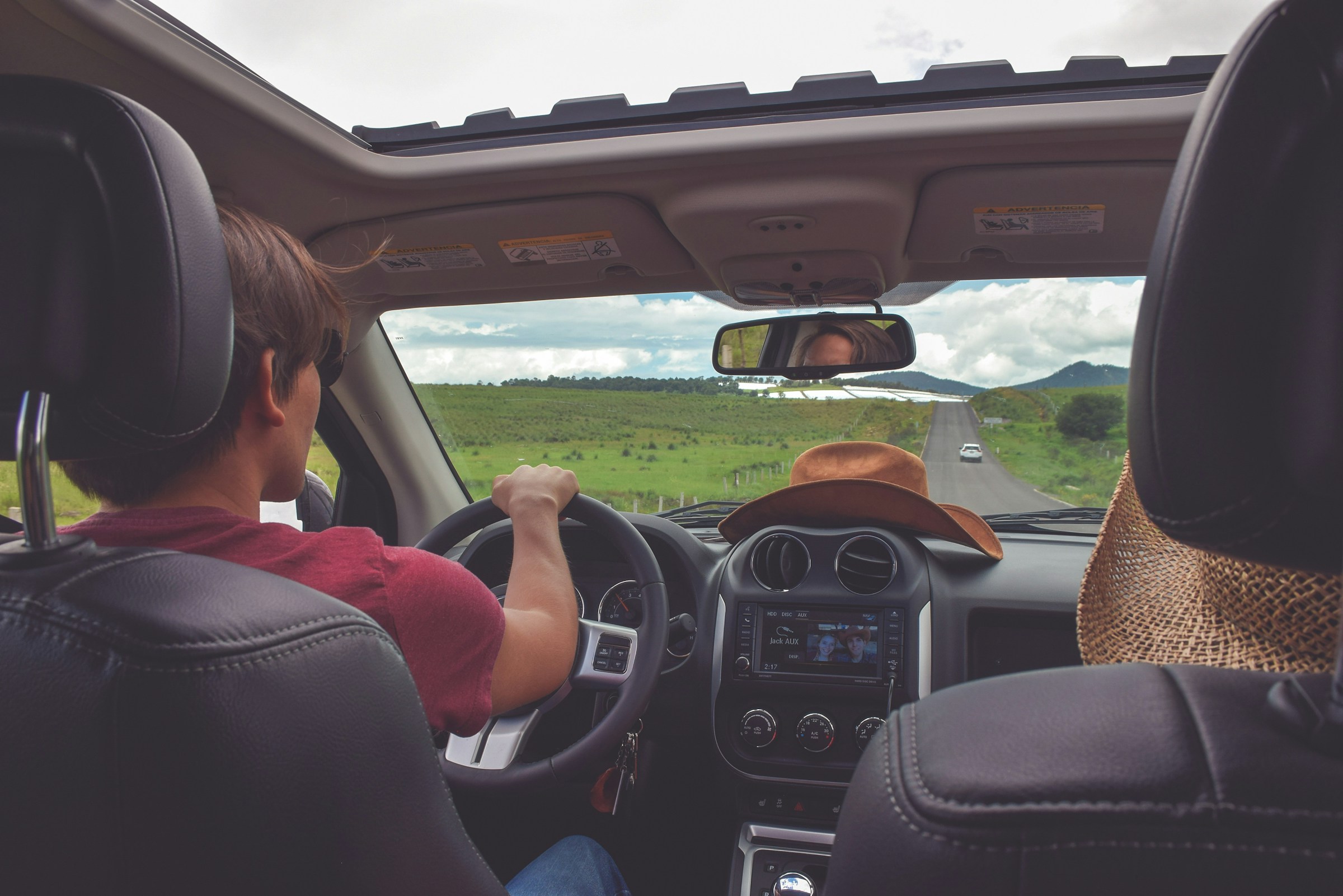

There’s something quietly rebellious about driving past your planned exit and seeing where the road actually leads. No notification. No recalculating. Just a turn taken on instinct, and suddenly the trip becomes something you’ll actually remember.
For a long time, travel culture trended hard toward optimization. Book everything early. Lock in the itinerary. Confirm every reservation. Then something shifted. People started coming back from their most “organized” trips feeling strangely flat, and returning from their messiest, least-planned ones with the best stories. That tension is reshaping how many drivers think about the road entirely.
The Numbers That Explain the Shift
Road trips were the most popular form of travel in 2024, representing roughly two in five travel styles, followed closely by slow travel (traveling without a plan) at nearly a quarter of all trips taken. That’s not a fringe group. That’s a meaningful slice of the traveling public choosing to move through the world with less of a script.
The average American traveler took three trips in 2024, two of which were well-planned at least a month in advance, with the other being spontaneous. One unplanned trip for every two structured ones is a pattern, not an accident. It suggests that spontaneity has quietly become a standard part of how Americans travel.
Road trips are one of the most popular travel choices in the U.S., with an estimated 1.95 billion road trips taken in 2024. The sheer scale of that number makes it easy to forget the individual human decisions layered inside it. Each one of those journeys carries a moment where someone could have followed the GPS or chosen to veer off course instead.
Why Drivers Are Choosing Freedom Over Fixed Plans
Seventy-six percent of global car travelers say they favor road trips over flying because it allows for more spontaneity, helping give people the power to go where they want, when they want. That statistic, from Hilton’s 2026 Trends Report, is striking because it frames spontaneity not as a side benefit of driving, but as the primary reason people choose it.
Roughly two in five Americans say recent airline coverage has pushed them to choose road trips over flights, and nearly the same proportion are road-tripping specifically to relieve stress and burnout. The car, it turns out, is functioning as therapy as much as transportation.
There’s been a noticeable uptick in trends like micro-tripping, passion-tripping, and gig-tripping, and it all points to one consistent factor: having control over the wheel means travelers have more control over their itinerary and plans. Control is the word that keeps surfacing. People want it back.
What Happens to Your Brain When You Navigate Without a Script

A 2020 UCL study found that heavier lifetime GPS use predicted measurably worse spatial memory on independent navigation tasks, and a 2024 UCSB extension replicated the finding. The mechanism is direct: self-guided navigation engages the hippocampus the way turn-by-turn GPS does not. In other words, when you let the app think for you, your brain quietly steps back.
GPS-based mobile navigation improves efficiency but may impair spatial knowledge acquisition, and over-reliance on automated navigation systems may cause users to be “mindless” of the environment. That mindlessness isn’t just about not knowing where you are. It’s about not really seeing what you’re passing through.
The practical advice across published research is the same: use GPS deliberately, not abandon it. Navigate familiar territory without GPS sometimes, such as your usual route or roads you already know. The unplanned detour, by design, keeps the brain engaged in ways a routed highway never could.
The Psychological Case for the Unplanned Stop

According to psychologist Emma Kenny, traveling spontaneously can actually reduce stress and anxiety and introduces a level of playfulness into day-to-day life. Playfulness is easy to dismiss as trivial, but its effects on mental wellbeing are well documented across behavioral science.
The appeal of spontaneous travel lies in its inherent freedom. In a world that often feels over-scheduled and over-planned, the idea of packing a bag and heading out the door on a whim is liberating. The detour is just a microcosm of that same impulse, compressed into a single turn off the highway.
Research examining unplanned travel finds that it offers tourists unique values and experiences across physiological, psychological, and cognitive dimensions, confirming the appeal of this inherently uncertain travel style. That three-way finding across body, mind, and thinking is harder to dismiss than any single wellness claim.
Younger Drivers Are Leading the Charge
Millennials and Gen Z are leading the charge toward spontaneous travel. For these groups, the traditional model of pre-planned vacations feels outdated and restrictive. They value experiences over possessions and are more likely to prioritize the freedom to explore new places without being tied down by a fixed schedule.
Road trips are most popular among people aged 25 to 44, who represent roughly two in five road trippers in the U.S. in 2024. That demographic overlaps almost exactly with the generation that grew up with GPS as a default and is now consciously choosing, at least sometimes, to set it aside.
The American Express Travel survey found that roughly three quarters of younger travelers plan to take a solo trip in 2024, with many of these journeys centered around self-discovery and personal growth. A solo road trip without a fixed itinerary is, arguably, the purest form of that kind of travel.
The Rise of the “Offbeat Locale”
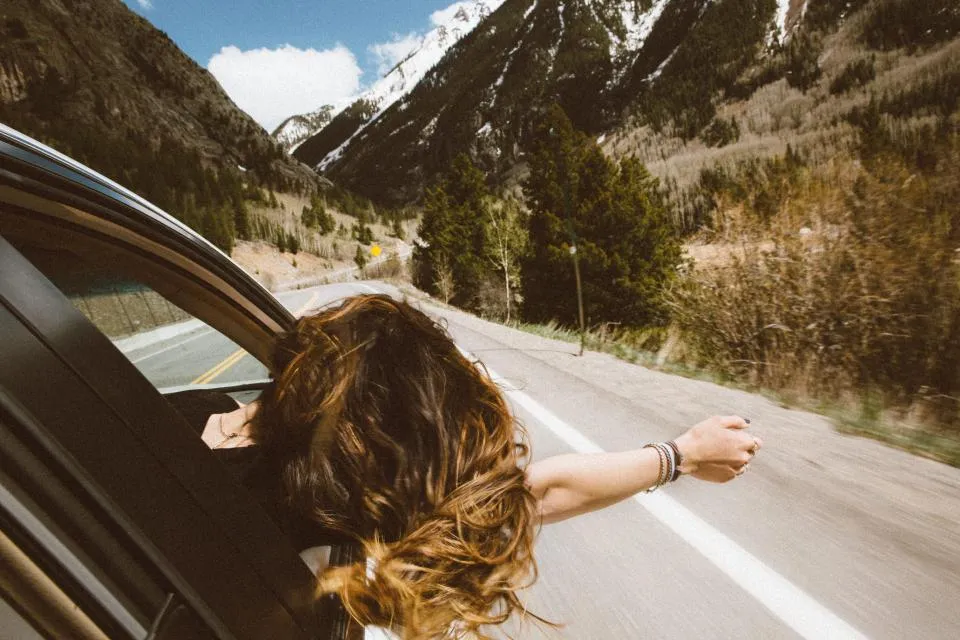
According to hotel booking data from HotelPlanner, more than half of the top 25 cities booked for summer travel in 2025, such as Rochester, New York and Madison, Wisconsin, were not even on travelers’ radars in 2024, suggesting road trippers are swapping the usual big-name cities for offbeat locales. That’s a measurable shift in destination behavior, and the unplanned detour is often how those discoveries happen.
A quarter of Americans are more interested in traveling near their home, while roughly three in five believe they have not seen enough of the cities or attractions throughout the United States. That’s a remarkable admission. The interesting place is sometimes two exits away from the one you always take.
Whether it’s exploring popular spots like Joshua Tree National Park in California or learning about Indigenous history at Etowah Indian Mounds in Georgia, road trippers consistently show a love for the great outdoors and the stories embedded in the landscape. Those discoveries rarely come from the most direct route.
Slow Travel and the “No Schedule” Philosophy
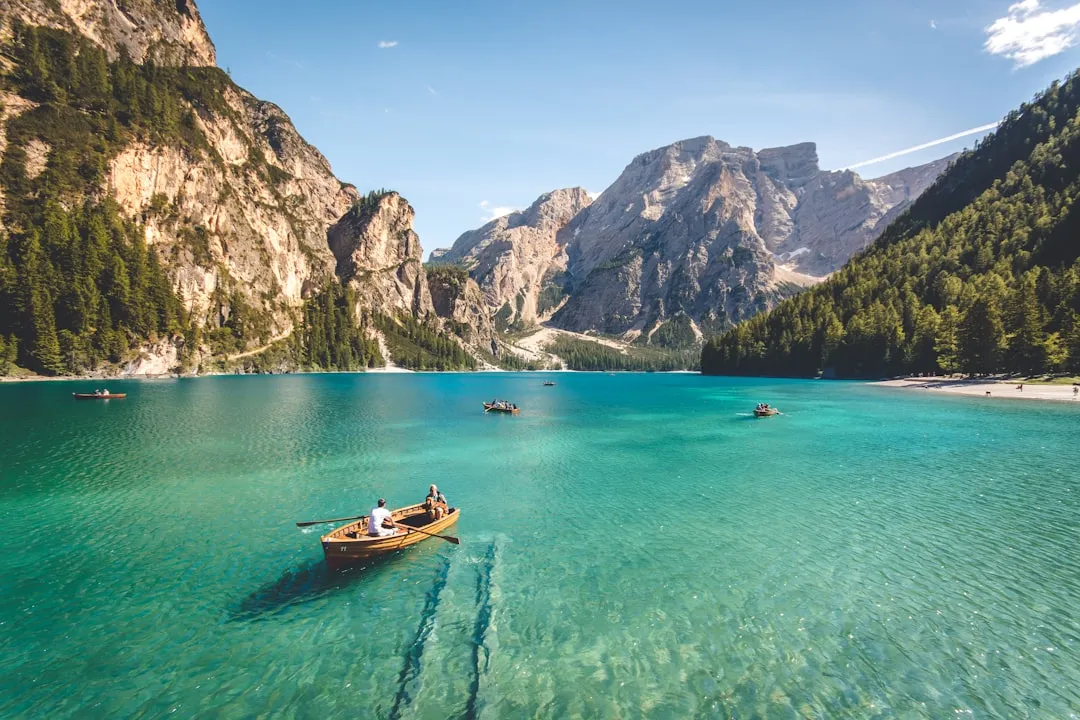
Relaxing trips with no schedule came in second place among travel styles in 2024, chosen by roughly one in five travelers. That’s a real number, not a niche preference. A meaningful portion of American travelers is deliberately choosing to travel without a plan.
Research from the China Travel Consumption Trends White Paper indicates that nearly two thirds of consumers do not plan their entire trip in advance, and a similar proportion prefer not to fill their daily schedule. On one major platform, only about one in eight users books flights more than seven days ahead, while roughly half arrange accommodation after arriving at their destination. The shift away from rigid itineraries is global.
Research from Miles Partnership highlights the continued rise of scenic touring routes and a more connected, experience-driven era of road travel as traveler preferences evolve. The scenic route, by definition, is never the fastest one. Choosing it is already a small act of spontaneity.
What the Data Says About Experience Over Destination
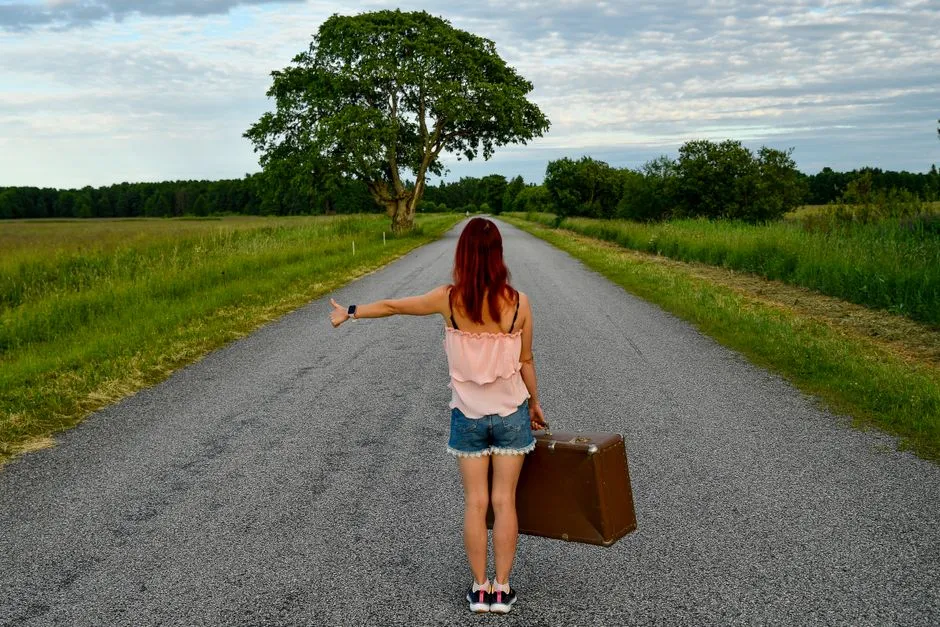
More than six in ten survey respondents say they prioritize experiences over destinations. Unplanned trips naturally tend toward this experience-first orientation, simply because there’s no fixed destination to fixate on. When you remove the destination as the goal, the journey genuinely becomes the point.
Research from 2024 found that roughly three quarters of travelers say that having the right travel experience matters more than the price of the trip. That’s a significant inversion of priorities. Experience above cost. The detour starts to look like good economics.
Spontaneous travel is more than just a passing trend. It’s a reflection of broader changes in how people approach their lives and experiences, and the desire for flexibility, authenticity, and meaningful connections will continue to shape the travel industry. The unplanned detour is simply where that desire meets the road.
Road Trip Spending and the Flexible Budget
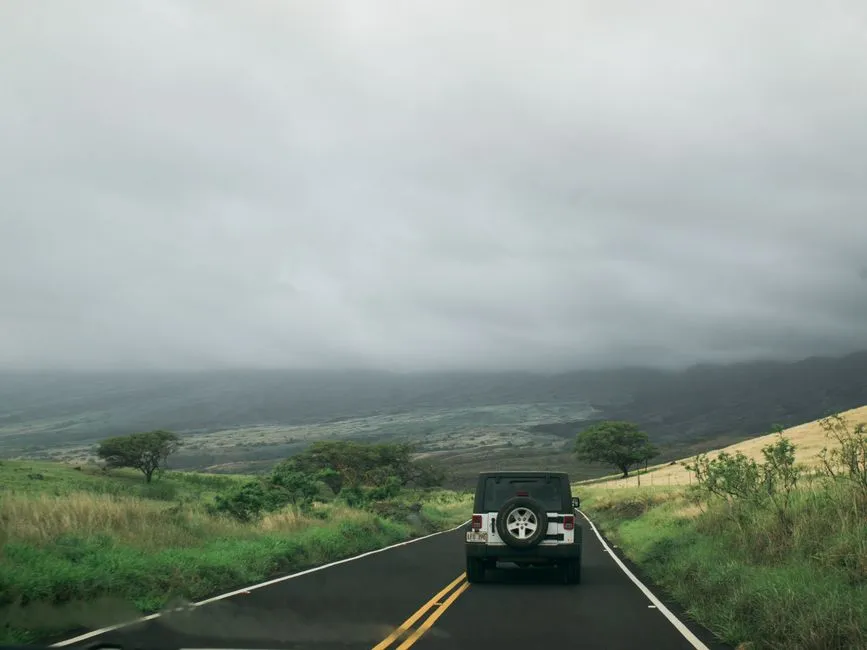
Over 52 billion dollars is projected to be spent by road trippers in the U.S. in 2024, with spending rising to reflect inflation adjustments and increased road trip participation. The open road is not just a romantic idea. It’s an enormous economic force, driven in part by travelers who decide what to spend and where to spend it only after they’ve started moving.
Three in five travelers are keeping their road trip destinations within 500 miles, and packing meals is the top way Americans are cutting costs, with roughly two in five skipping restaurants to save money. A shorter radius and looser plans actually make the spontaneous detour more accessible, not less.
Middle-income earners make up the largest share of road trippers, while those earning less represent the second-largest group, often using budget-friendly camping and free campsite options. The unplanned detour is genuinely democratic. It doesn’t cost extra to turn down an interesting road.
How to Actually Do It Without Losing Your Mind

Staying open-minded is the key to successful spontaneous travel. Travelers should be prepared to adapt to changing circumstances and embrace the unknown. Whether it’s a change in weather, a missed connection, or a recommendation that leads to an unplanned detour, the ability to go with the flow can turn potential challenges into rewarding experiences.
The practical response to GPS research is to use GPS deliberately, not to abandon it. The same logic applies to trip planning broadly. A loose structure, a loose budget, and one or two known stopping points give you just enough shape without turning the drive into a project.
The trips that went sideways, the ones where the plan collapsed and you improvised your way through, are often the ones people tell stories about decades later. That’s not a coincidence. It’s how memory works. Novelty and mild uncertainty encode experience more deeply than comfortable repetition.
The Quiet Return of a Very Old Instinct
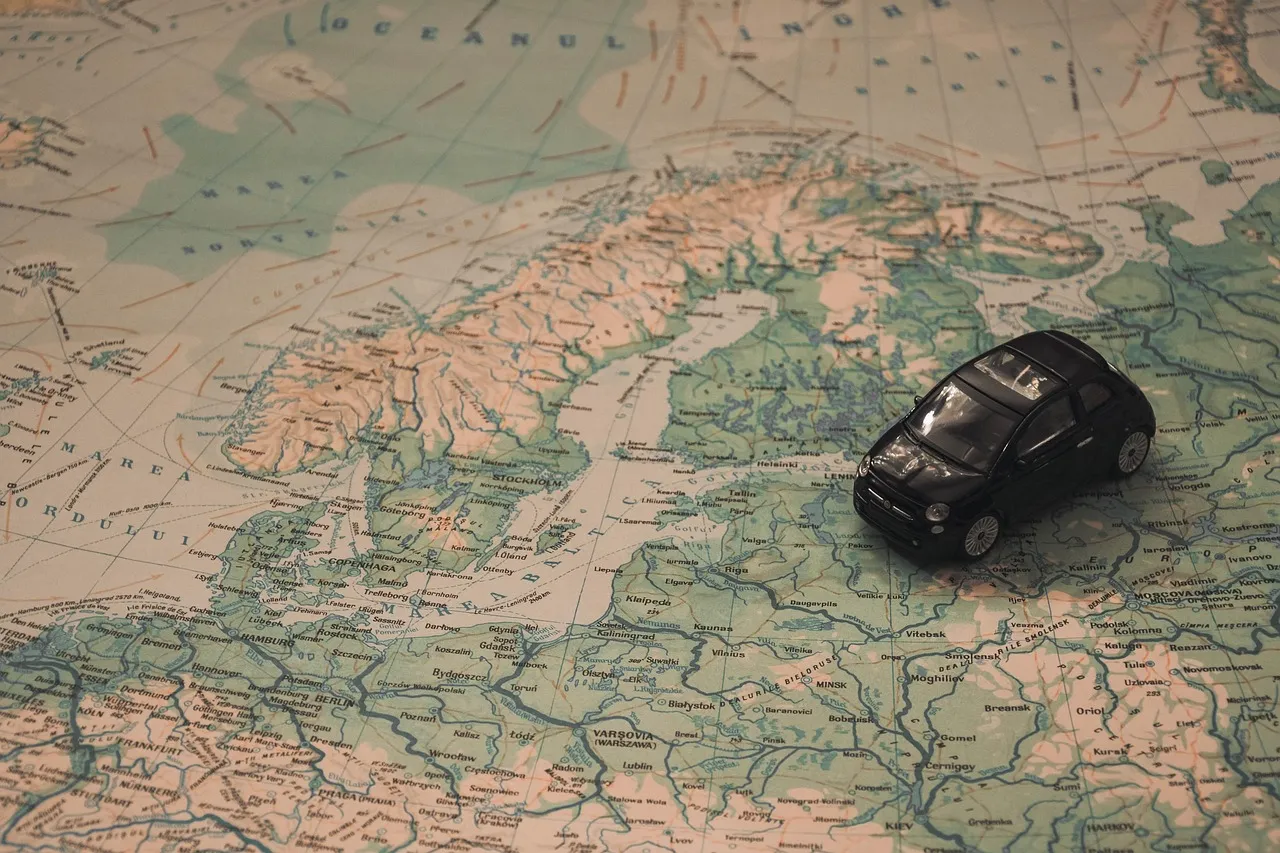
The unplanned detour isn’t a new trend dressed up in travel marketing language. It’s something that existed before GPS, before the internet, before every roadside diner had a review attached to it. Smart drivers are simply rediscovering what their grandparents knew intuitively: the best part of the trip is often the part you didn’t plan.
Spontaneous travel is a reflection of broader changes in how people approach their lives, and the desire for flexibility, authenticity, and meaningful connections will continue to shape how people move through the world. The road has always been there. The question is always whether you’re really willing to follow it.
There’s something worth sitting with in all of this. The data, the psychology, and the booking patterns all point in the same direction. The most memorable trips aren’t usually the ones that went exactly as planned. They’re the ones where something unexpected happened, and you let it.
AI Disclaimer: This article was created with the assistance of AI tools and reviewed by a human editor.