
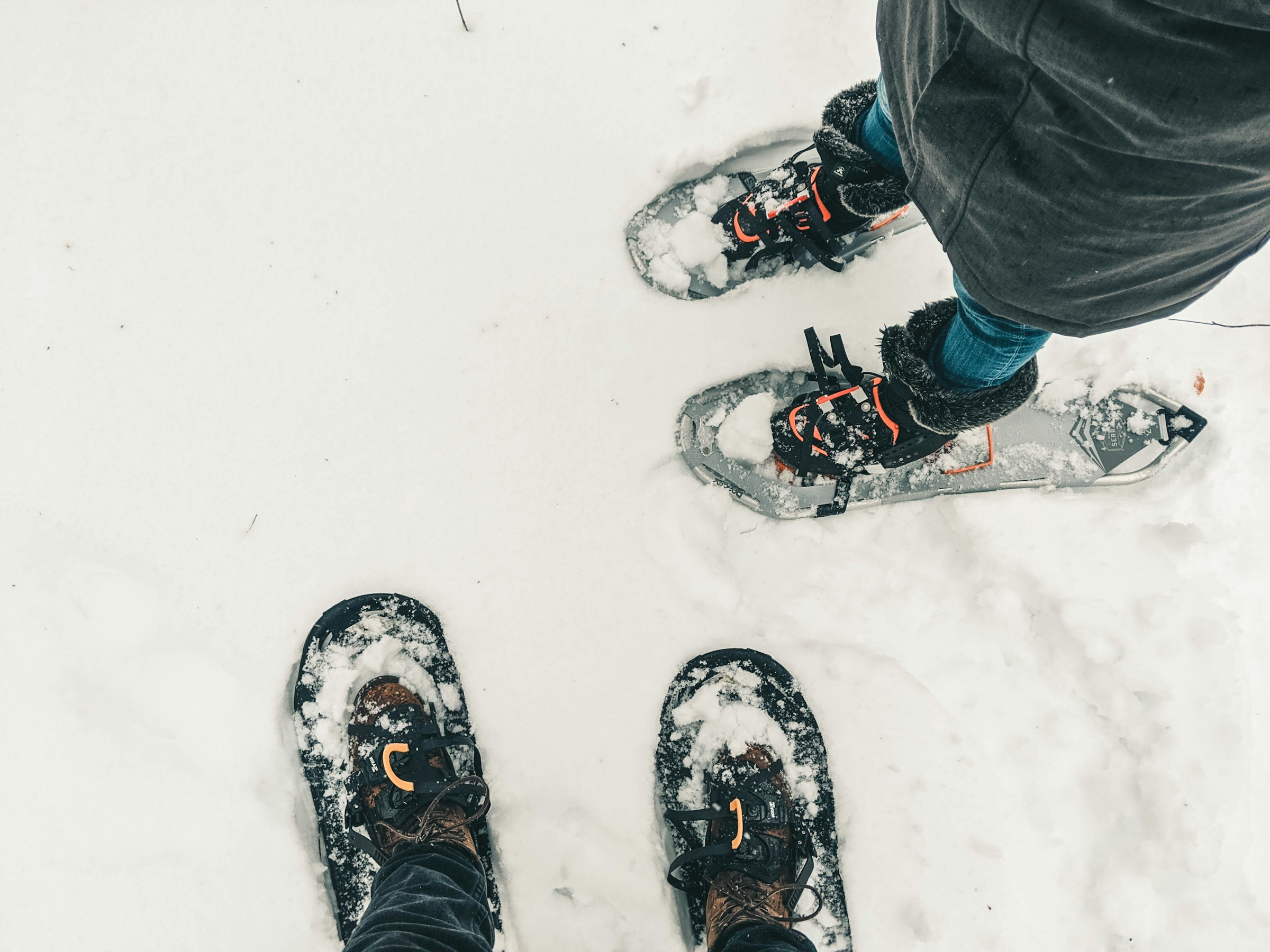

Most people notice it the moment they step outside on a bitter winter morning. That sharp, high-pitched creak coming up from beneath their boots feels almost alive, like the ground itself is protesting. It’s one of those everyday winter phenomena that most of us accept without ever really questioning.
The sound is actually a precise physical event. The colder the air, the more unmistakable it becomes, and the science behind it touches on ice physics, surface chemistry, and the microscopic architecture of snow crystals. Here’s what’s really happening beneath your feet.
Snow Is Not Just Frozen Water
A layer of snow is made up of ice grains with air in between them. Because the snow layer is mostly empty air space, when you step on it you compress that layer a little or a lot, depending on how old the snow is. That compression sets off a chain of microscopic events.
A porous solid made of ice grains is loaded suddenly, grains touch and break, friction converts some mechanical energy into vibration, and temperature determines whether microscopic liquid films lubricate those contacts. The result is a sound we all recognize.
The Invisible Layer That Changes Everything
Ice has a thin quasi-liquid layer, known as a QLL, on its surface. Michael Faraday, better known for his work on magnetism and electrochemistry, first suggested this idea in the 1850s. While scientists have confirmed it since then, the origins and many of the characteristics of the QLL are still not entirely understood.
The existence of a quasi-liquid layer on the surface of ice crystals at temperatures not far below 0°C is widely accepted on the basis of many experimental and theoretical studies. The quasi-liquid layer causes a low friction coefficient on ice, so its thickness naturally impacts that friction. When that layer thins out, things get noisy.
How Temperature Controls the Sound
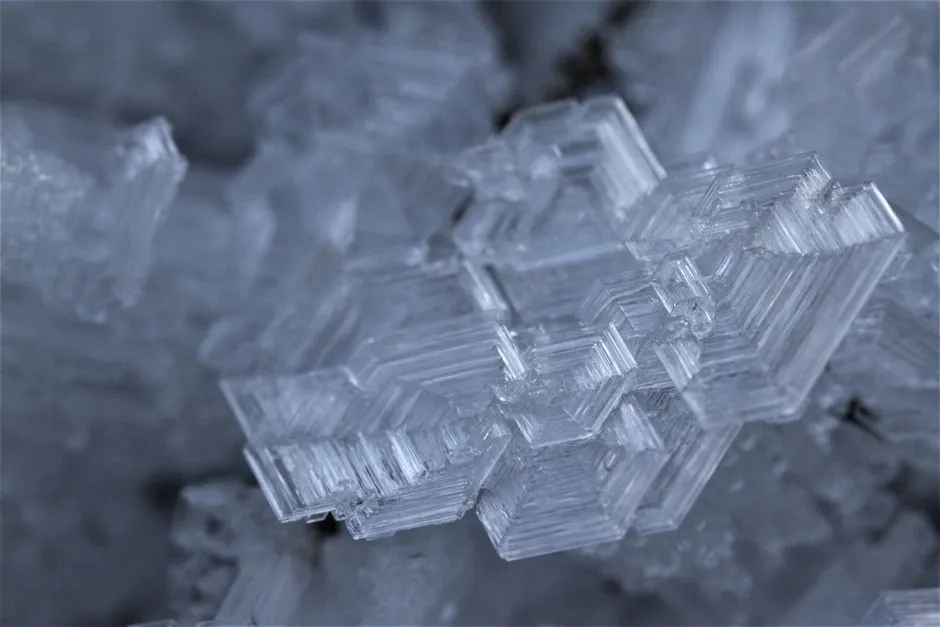
When the snow is warmer, close to the melting point, the QLL is thicker. This thicker layer of water lubricates the ice crystals really well, and allows them to slide past each other quietly. No noise, no drama.
As the temperature drops, the QLL gets thinner. When it’s thinner, it can’t lubricate the ice crystals as well. Without good lubrication, the ice crystals catch on each other, snap, and break. This makes a crunching or squeaking sound.
The 14-Degree Threshold
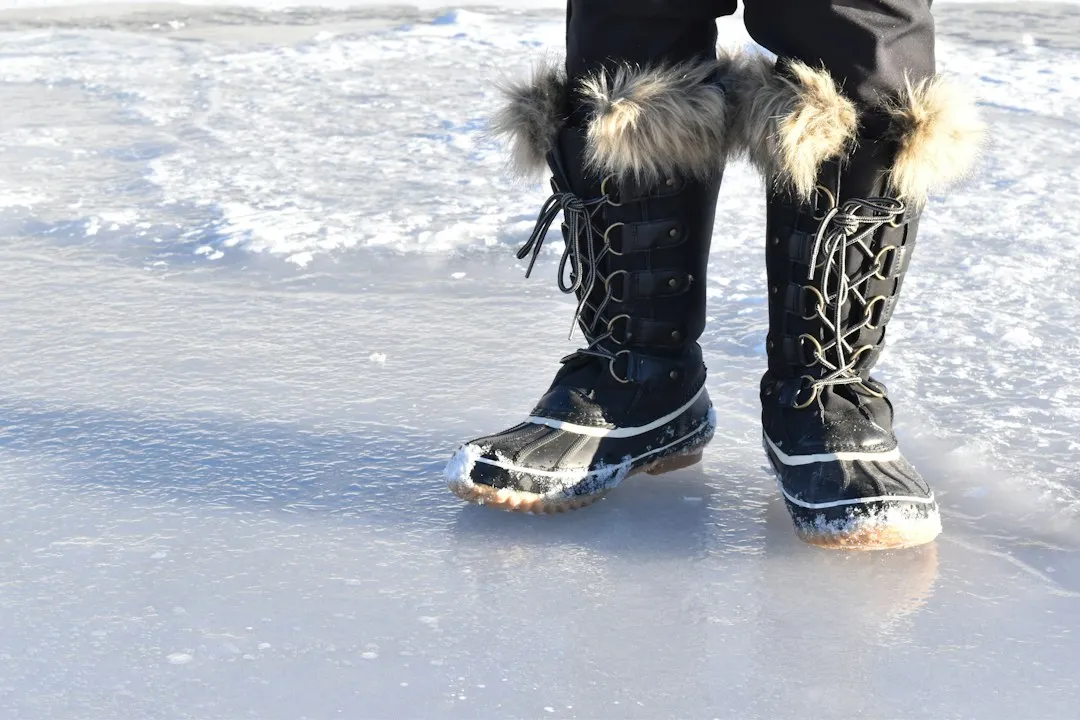
At temperatures above 14 degrees Fahrenheit, the pressure from your boot heats up the snow below it and melts it. This causes the snow to flow on a minuscule amount of liquid, making a relatively quiet sound. You may not realize your boot is doing any melting at all, but it is.
But if the air temperature is below 14 degrees Fahrenheit, the pressure from your step does not create enough heat to melt the snow, and the ice crystals rub against each other, making a squeaking sound. That threshold, roughly minus ten degrees Celsius, is widely cited by researchers at the University of Wisconsin as the key turning point.
What Happens at Even Colder Temperatures
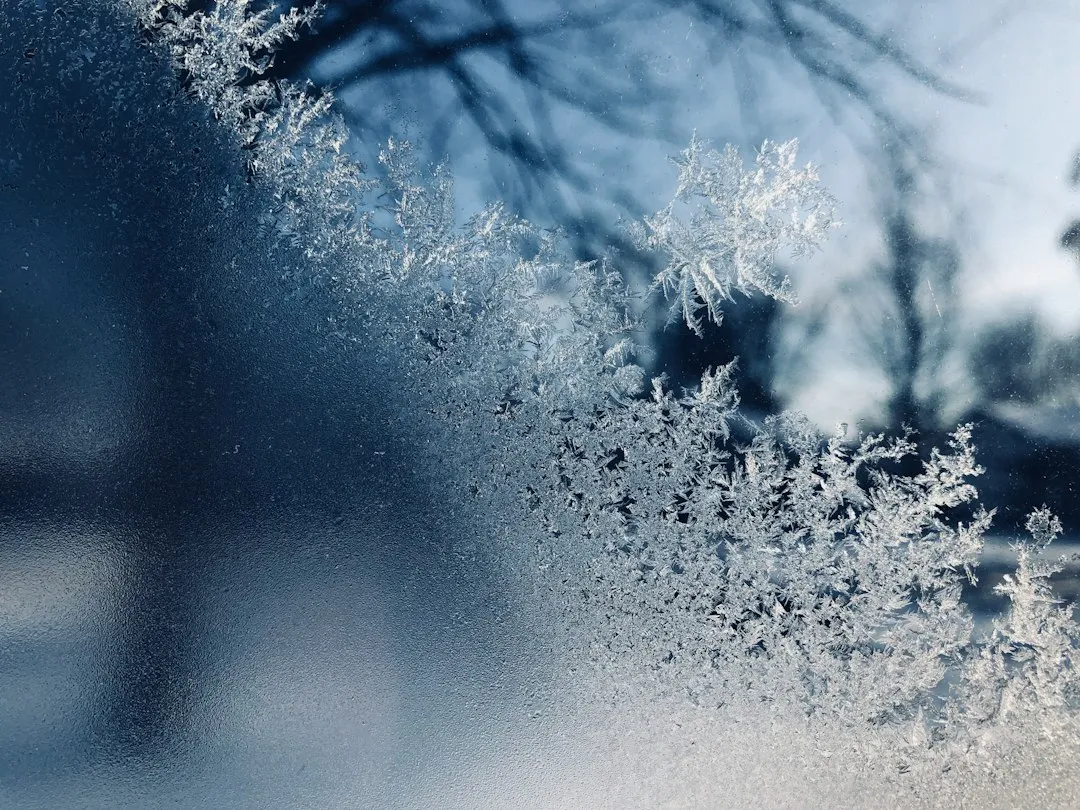
At temperatures under 14 degrees Fahrenheit, the QLL is only two water molecules thick because the hydrogen bonds are stronger and can hold more of the molecules in the ice structure. This means the snow isn’t lubricated as well. As you stomp, more ice crystals scrape past each other and are broken, making a crunching sound.
At around 2 degrees Fahrenheit, even more water molecules are held in the ice crystal, and the QLL is only one molecule thick. When it’s that thin, it can barely lubricate the snow and it squeaks intensely. The pitch and volume of the squeak scale with the cold.
The Role of Sintering: Tiny Welds Between Crystals
When two snowflakes come into physical contact, and if environmental factors are in the right range, small drops of liquid water can form on the surface of partly melted crystals. When two crystals touch, the drops merge via cohesion and bind the crystals together. If the temperature continues to fall, those drops can freeze and become rigid connectors in a complex scaffolding of flakes. This process is known as sintering.
The sound from the snow is caused by these welds breaking. In the case of snow, it involves millions of tiny welds breaking, so their cumulative sound becomes audible. Sintering, the growth of these tiny necks between ice crystals, takes place over a matter of hours. That’s why freshly fallen snow often sounds different from snow that has been on the ground for a day or two.
Why Fresh Snow Doesn’t Always Squeak
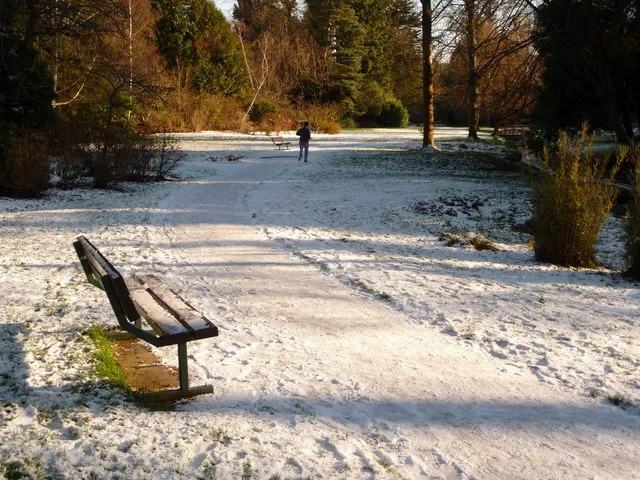
Freshly fallen dry snow goes a soft “whoof” when you step on it. The snow has to sit awhile in cold conditions and collapse slightly under its own weight before it will squeak. This distinction surprises a lot of people.
The fluffiest snow is mostly aggregate, made of low-moisture dendrites that run into one another and freeze together. It is aggregate snow that offers up the pleasing squeak. Snow that has had time to sinter, to build those microscopic neck-bonds between crystals, is the snow most likely to squeak sharply underfoot.
The Crystal-Fracture Sound Explained by MIT Research
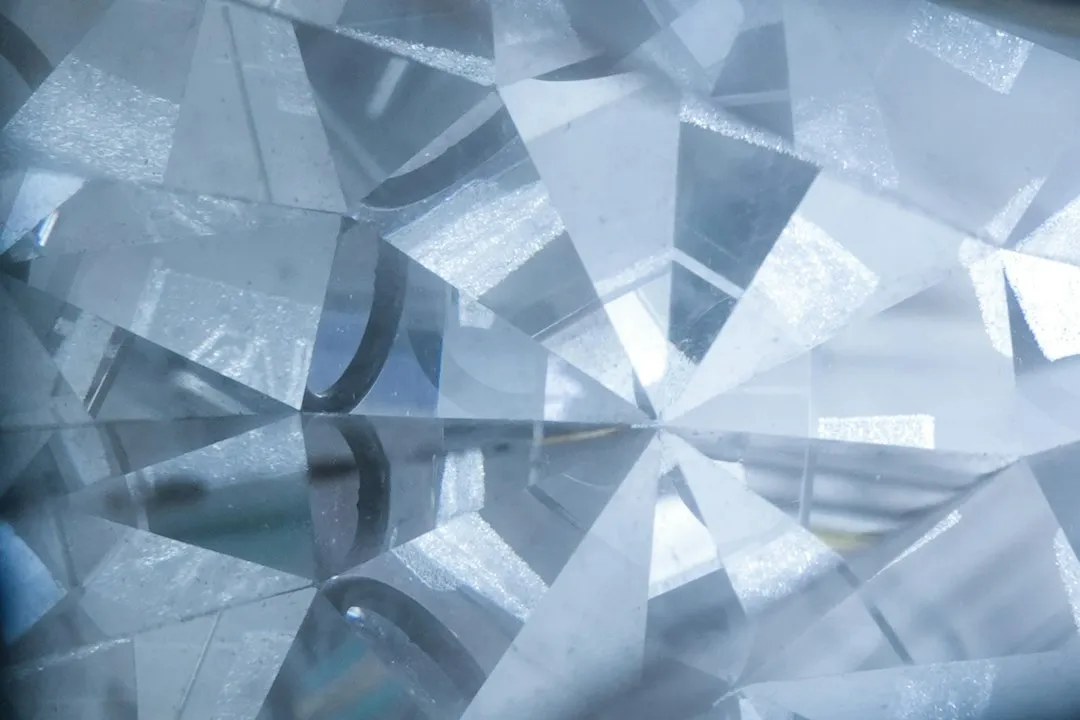
Professor W. Craig Carter from the Massachusetts Institute of Technology likens this phenomenon to running a fingertip across the teeth of a comb. He explains that the characteristic sound arises from the simultaneous fracturing of numerous minute structures, akin to the breaking of countless tiny snow crystals.
The squeaking sound snow makes underfoot is primarily due to the fracturing and friction of ice crystals. As pressure is applied, these sharp, brittle crystals break and rub against each other, generating high-pitched sound waves. Colder temperatures make crystals more brittle, intensifying the squeak.
Snow Depth and How Layers Affect the Sound
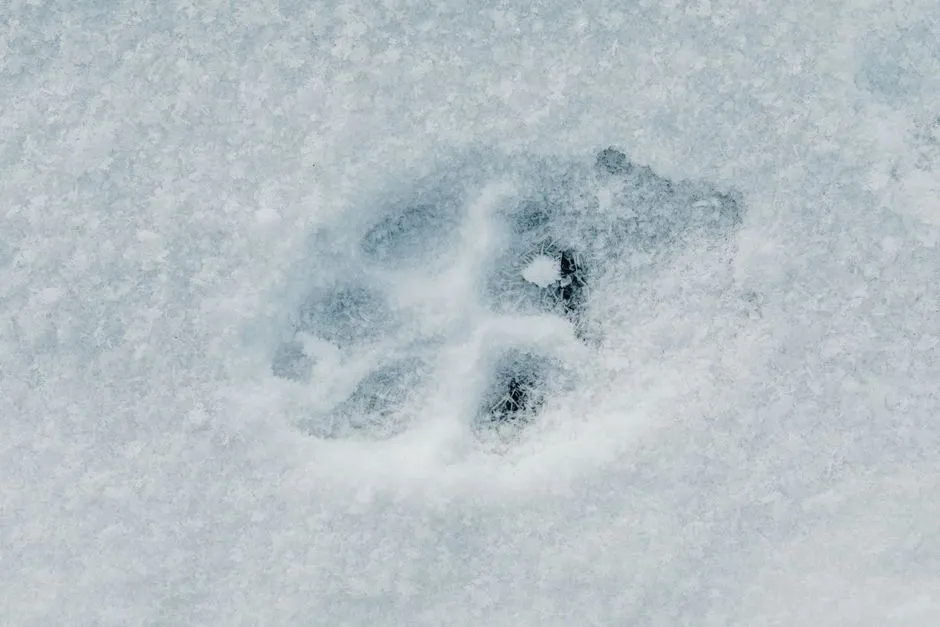
The deeper the snow, the more compression occurs at ground level. Sintering increases with depth, where the flakes are more strongly pressed into physical contact. This gradient of sintering is crucial to producing the audible squeak.
The waveform of the sound oscillates rapidly at the start, when the foot is entering the upper softer layers of snow, and transitions to slower vibrations and louder sounds as the foot enters deeper, more compressed layers. Even a single step is acoustically layered, shifting in pitch as your foot sinks further.
The Acoustic Science: Why the Sound Carries So Well
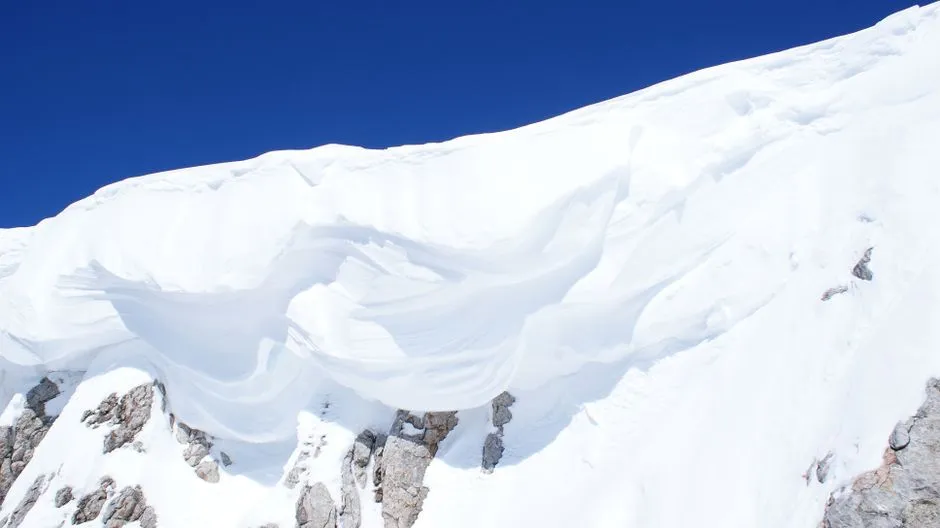
You may have noticed how quiet it seems after a snowfall. Freshly fallen snow works in a manner similar to sound tiles in that it absorbs sound waves. As the snow becomes packed down, or more dense, its ability to absorb sound decreases.
At colder temperatures, particularly below minus 10 degrees Fahrenheit, the friction between ice grains increases, leading to louder squeaking or crunching sounds as the snow compresses. This occurs because the water in the snow freezes, creating drier conditions that amplify noise. Packed, dense, cold snow is essentially a hard surface with very little acoustic softness left to dampen the vibrations your footstep generates.
The Takeaway
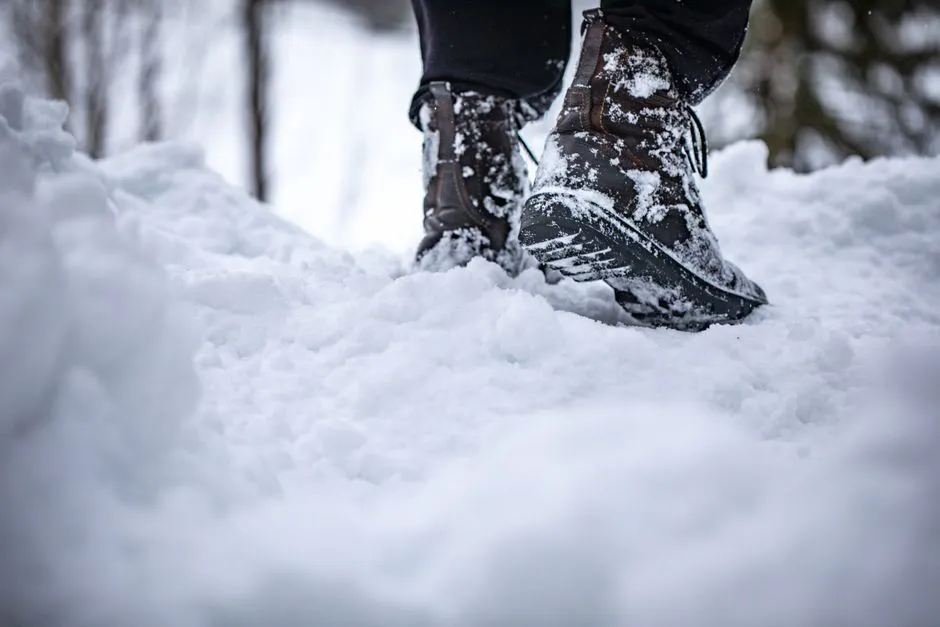
That sharp squeak under your boot is not random. It’s the sound of a physical system pushed past its limits, where temperature has stripped away lubrication, sintering has built microscopic welds, and your weight has shattered millions of them simultaneously.
The science here connects surface chemistry, materials physics, and acoustics in a way that’s genuinely elegant. Next time you hear it on a bitter morning walk, you’re listening to something that researchers at MIT, the University of Wisconsin, and glaciological labs in the Swiss Alps have all spent real effort trying to fully understand. The cold winter underfoot is more complex than it looks.
AI Disclaimer: This article was created with the assistance of AI tools and reviewed by a human editor.