
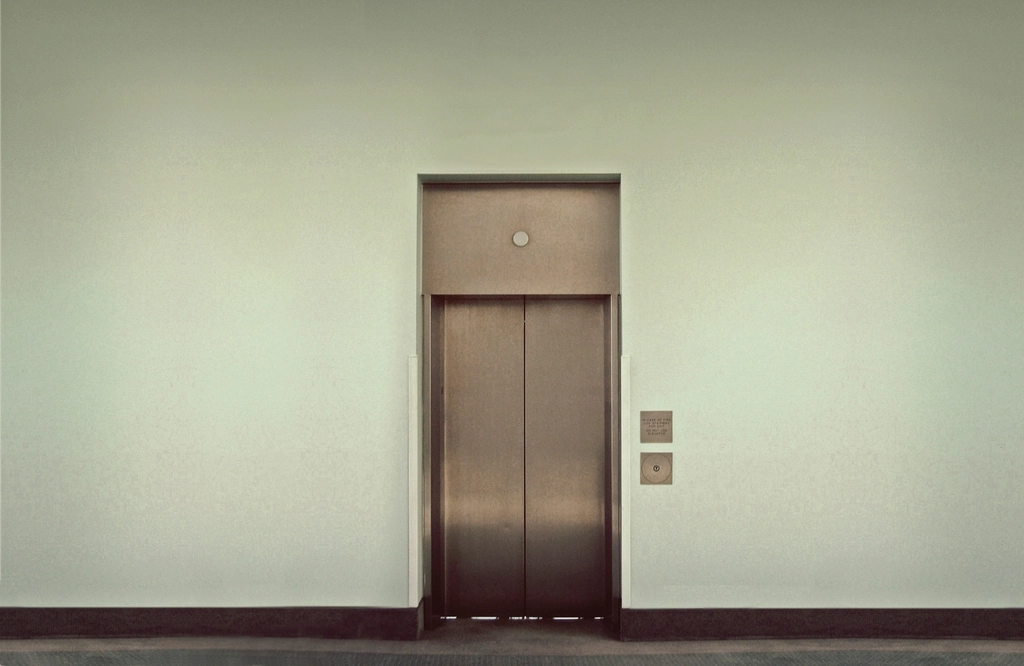

Step into almost any high-rise hotel elevator, and there’s a quiet oddity hiding in plain sight. The buttons climb steadily: 10, 11, 12 – and then jump straight to 14. No pause, no explanation. Most guests don’t even notice anymore, which is perhaps the point.
This practice is far more widespread than a quirky coincidence. It’s rooted in centuries of cultural belief, reinforced by real consumer behavior, and maintained today by some of the world’s largest hospitality brands. Here’s the full story behind the missing floor.
The Scale of the Phenomenon Is Surprisingly Large
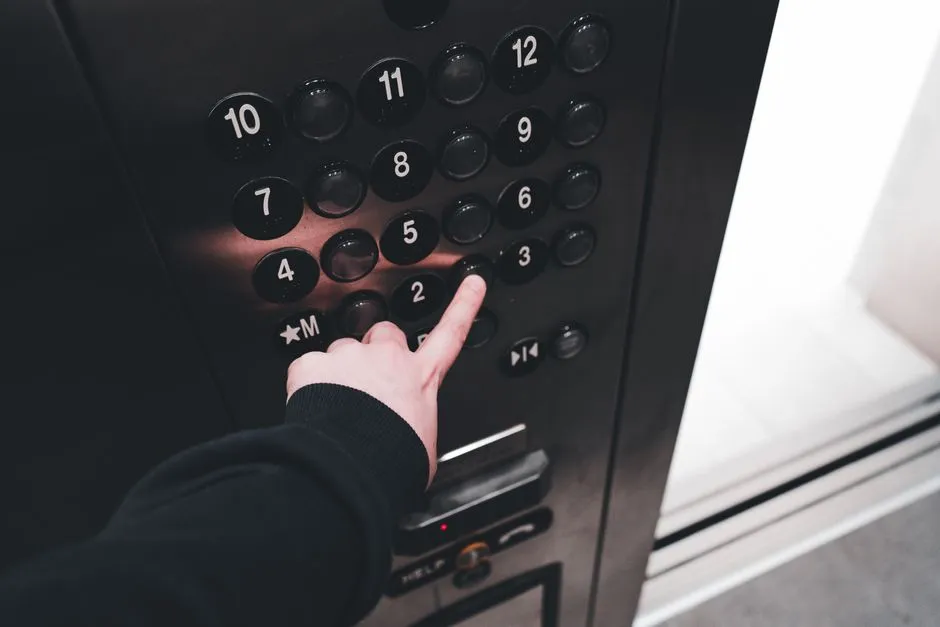
According to Otis Elevator Company, up to 85% of their elevator panels today omit the number 13. That’s not a niche regional habit – it’s an industry-wide norm that spans continents and building types.
According to the Otis Elevator Co., for every building with a floor numbered “13,” six other buildings pretend not to have one, skipping right to 14. When you consider that Otis is one of the world’s leading elevator manufacturers, the scope of this preference becomes genuinely striking.
A survey by CityRealty found that out of 629 condo buildings listed with 13 or more floors, only 55 labeled the 13th floor as the 13th floor – meaning 91% of buildings with a 13th floor had renamed it something less sinister.
It Has a Real Clinical Name: Triskaidekaphobia
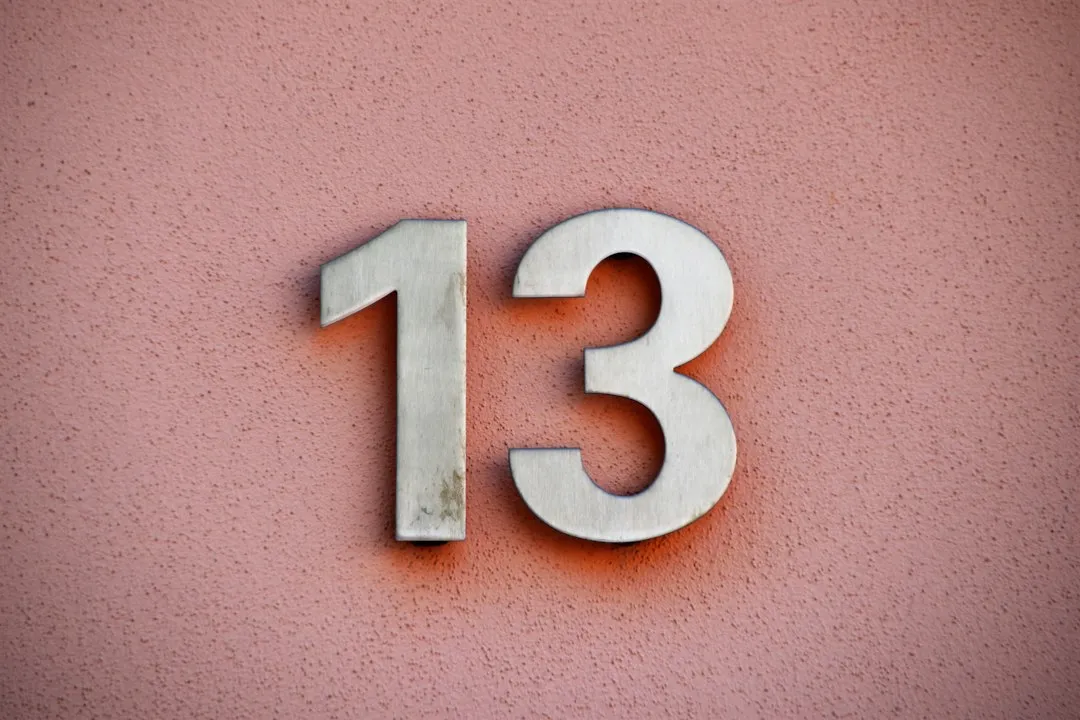
Due to triskaidekaphobia, the fear of the number 13, many hotels and high-rise buildings give the 13th floor a different name or number to avoid scaring guests. The word itself sounds almost comically elaborate, but the phobia it describes is genuine and measurable.
Triskaidekaphobia is classified under the DSM-5’s specific phobia category, and is a genuine, diagnosable condition when it causes functional impairment – not merely cultural superstition about skipping hotel floor 13. Physical symptoms can be significant. They can range from feelings of panic to vomiting and difficulty breathing.
The phobia appears to affect about 10% of the population, a number that aligns with what major hospitality surveys have consistently found when asking guests about floor preferences.
Norse Mythology Planted an Early Seed

In Norse mythology, the story of Loki crashing a banquet in Valhalla is a significant contributor. Loki, the god of mischief, was the 13th guest at a dinner party, and his presence led to chaos and tragedy – a story passed down through generations, reinforcing the idea that 13 is an unlucky number.
More specifically, in Norse mythology, there was a banquet in Valhalla attended by twelve gods. The uninvited thirteenth guest, the mischievous god Loki, tricked Höðr into killing his brother Baldr with a mistletoe-tipped arrow. This event was seen as a disaster and led to the number 13 being considered unlucky.
These ancient stories weren’t just folklore curiosities. They shaped how entire Western cultures emotionally coded a number – and that coding never fully faded.
Christianity Added Another Layer of Unease
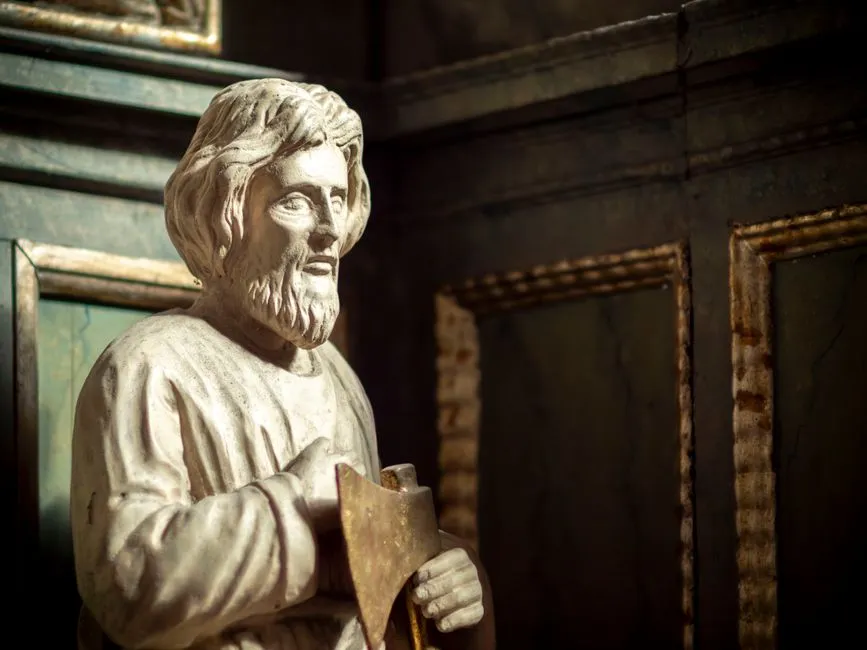
In Christianity, the Last Supper is a well-known event where Judas Iscariot, the disciple who betrayed Jesus, was the 13th guest. This association with betrayal and misfortune contributed to the negative connotations of the number 13.
One of the main theories of fear for the number 13 involves Judas. As the Bible says, the disciple who later betrayed Jesus Christ was the 13th to sit at the table at the Last Supper. Two of the most influential belief systems in Western history both reached the same unflattering conclusion about this number, which is no small thing culturally.
The earliest attestation of 13 being unlucky is first found after the Middle Ages in Europe. From there, it spread steadily through trade, religion, and colonial influence until it became a near-universal Western assumption.
Tarot Cards Cemented the Fear in Popular Imagination
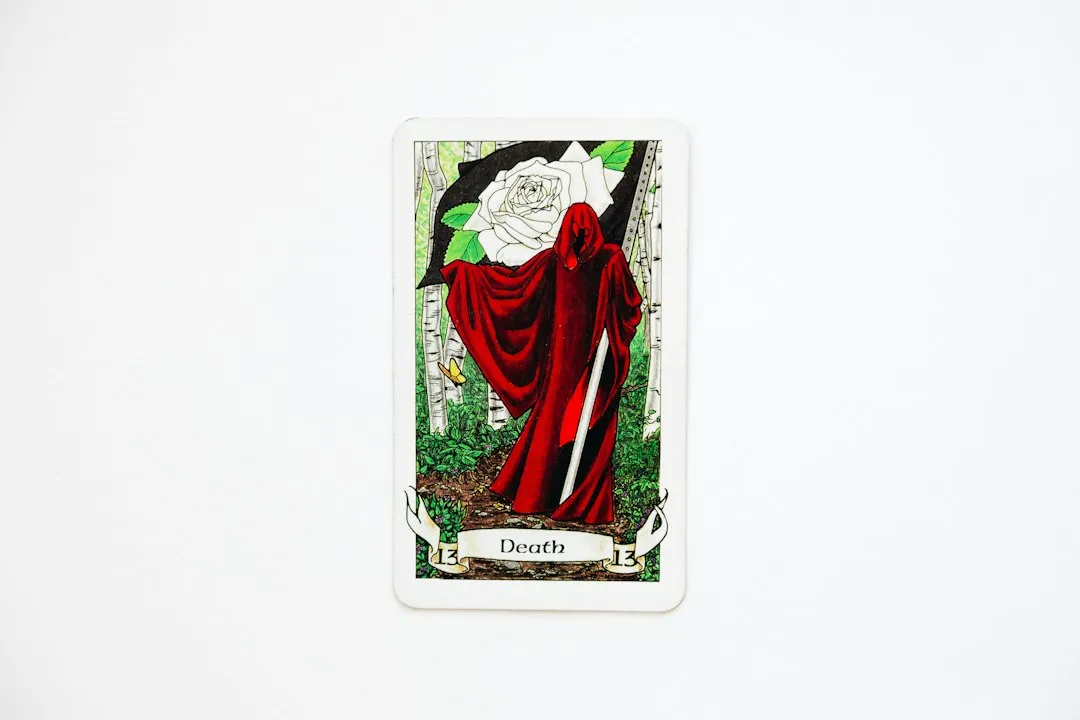
Tarot card games have been attested since at least around 1450. One of the trump cards in tarot represents Death, and is numbered 13 in several variants. For centuries, ordinary people encountering tarot were visually reminded that 13 belonged to mortality.
In 1781, Antoine Court de Gébelin wrote of this card that the number thirteen was “toujours regarde comme malheureux” – always considered as unlucky. This cultural reinforcement, layered on top of religious and mythological associations, helped entrench 13’s dark reputation long before the age of skyscrapers.
According to Wikipedia, early origins of the fear of the number 13 date back to the 1400s, when a tarot card representing death was numbered XIII, or 13. The visual power of that image carried weight across centuries.
The Gallup Numbers Tell a Telling Story
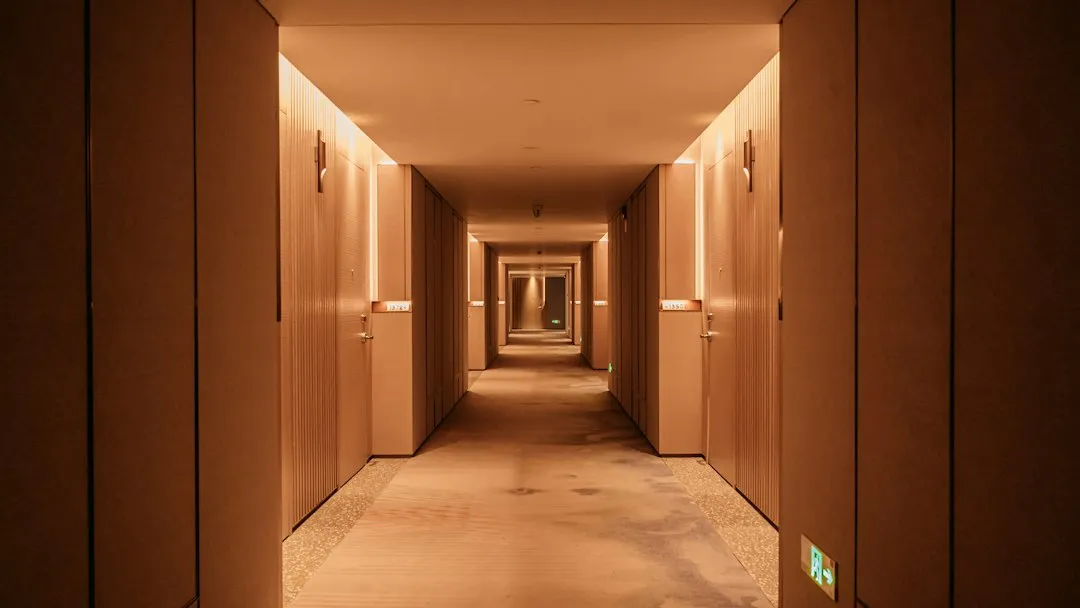
A Gallup poll found that exactly 13% of Americans would be bothered by staying on the 13th floor of a hotel, and that 9% would ask to be moved to a new room on a different floor. The irony of that percentage is almost too perfect to ignore.
Those bothered by staying on the 13th floor are much more likely to say they would ask the hotel to give them a room on a different floor – about 74% of that group – rather than tolerate the room. All told, 9% of all Americans would be concerned enough about staying on the 13th floor to actually request a different room assignment.
From a hotel management perspective, those numbers represent real logistical friction. Guests requesting reassignments, longer check-in processes, and unhappy customers are costs that operators prefer to avoid entirely.
The Hospitality Industry Made It Standard Practice
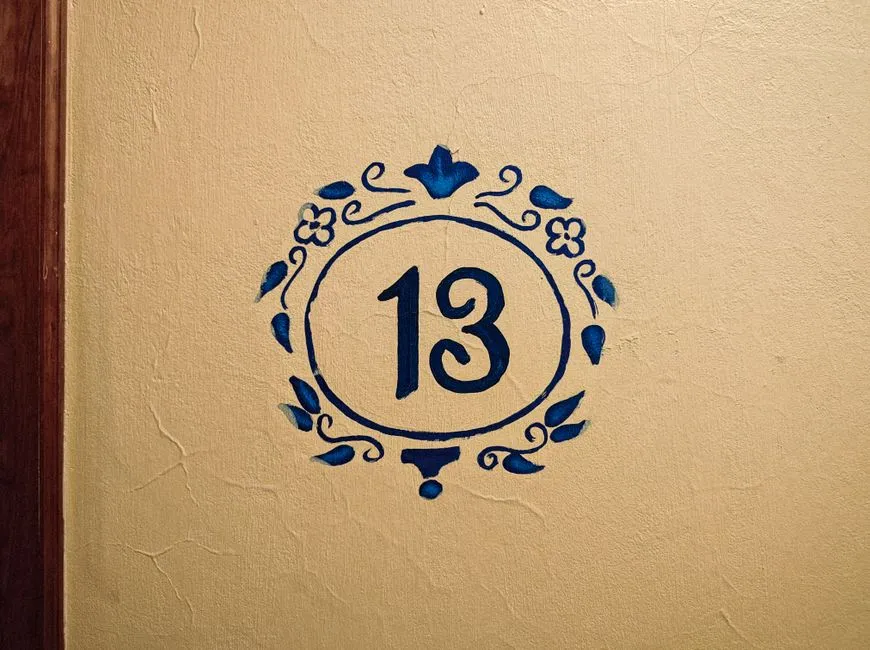
Fear of the number 13 has been going on for decades. When skyscrapers started popping up in the early 20th century, triskaidekaphobia was rampant enough that the 13th floor was skipped when buildings went that high. Hotels, which depend entirely on guest comfort and goodwill, were among the first to adopt the practice permanently.
Many hotels in Las Vegas, where luck and superstition are important psychological factors, do not have 13th floors, and other large hotel chains routinely skip from the 12th to the 14th floor. Vegas is, in a sense, the most honest example: a city built entirely on the psychology of luck simply couldn’t afford the risk.
Rather than risk alienating prospective buyers or wealthy corporate tenants, developers simply relabel the floor as 12A, 12B, the Mezzanine (M), or skip it entirely in the building’s official architectural schematic. The hospitality sector has normalized this so thoroughly that most industry professionals treat it as a baseline requirement, not a choice.
It Goes Beyond Hotels – Airports and Airlines Follow Suit
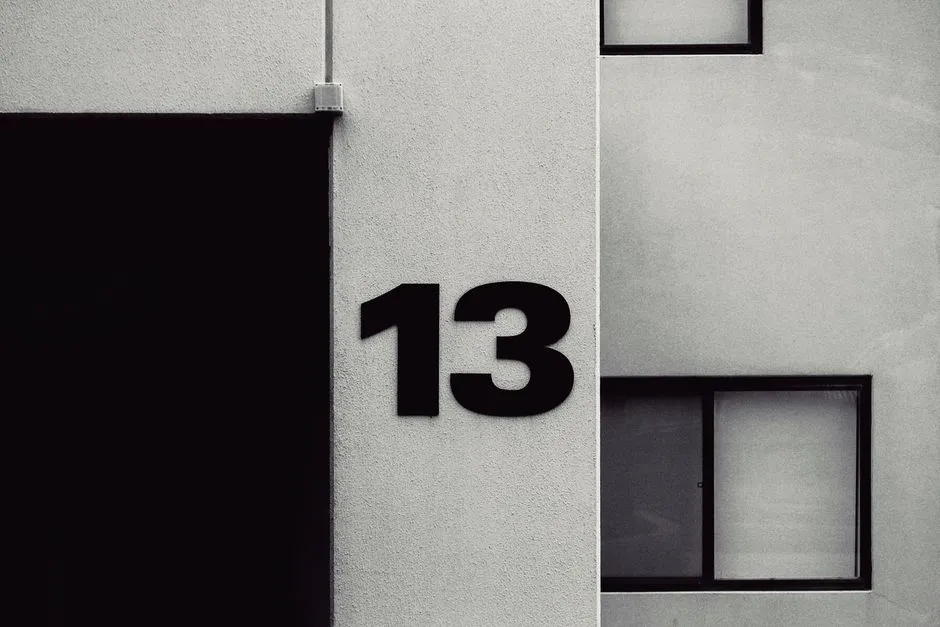
The fear of 13 has spread far and wide: hotels and hospitals often skip the 13th floor, and even airports quietly omit gate 13 sometimes. The pattern isn’t confined to any single type of building or industry.
The History Channel says research estimates roughly 10% of the U.S. population has a fear of the number 13, and that each year, financial losses reach upward of $800 million due to people not marrying, traveling, or in the most severe cases, working on Friday the 13th. That figure places the economic footprint of this superstition on an extraordinary scale.
Many airlines and other businesses also avoid using the number 13 out of fear of bad luck. When an entire ecosystem of industries quietly coordinates around a shared avoidance, it stops being a quirk and becomes structural.
Famous People Have Openly Shared the Fear
![Famous People Have Openly Shared the Fear (Gary Hart and Stephen King [presidential campaign], Public domain)](https://nvmwebsites-budwg5g9avh3epea.z03.azurefd.net/tripjaunt/f955e6e22b22acc7691d5e843b7aa6a9.webp)
Some of the most famous names of people who suffer from triskaidekaphobia include the horror icon Stephen King. Franklin D. Roosevelt, the 32nd U.S. president, was also among them – so much so that he refused to travel on the 13th day of any month and avoided dinners that had 13 total guests.
Roosevelt’s behavior illustrates something important: this fear has never been confined to a fringe group. It has been shared by heads of state, celebrated authors, and ordinary travelers alike. That cross-demographic reach is exactly why the hotel industry takes it seriously rather than dismissing it.
When cultural figures of that stature openly organize their lives around a number, the superstition gains a kind of social legitimacy that pure folklore alone couldn’t achieve.
The Real Estate Impact Is Measurable
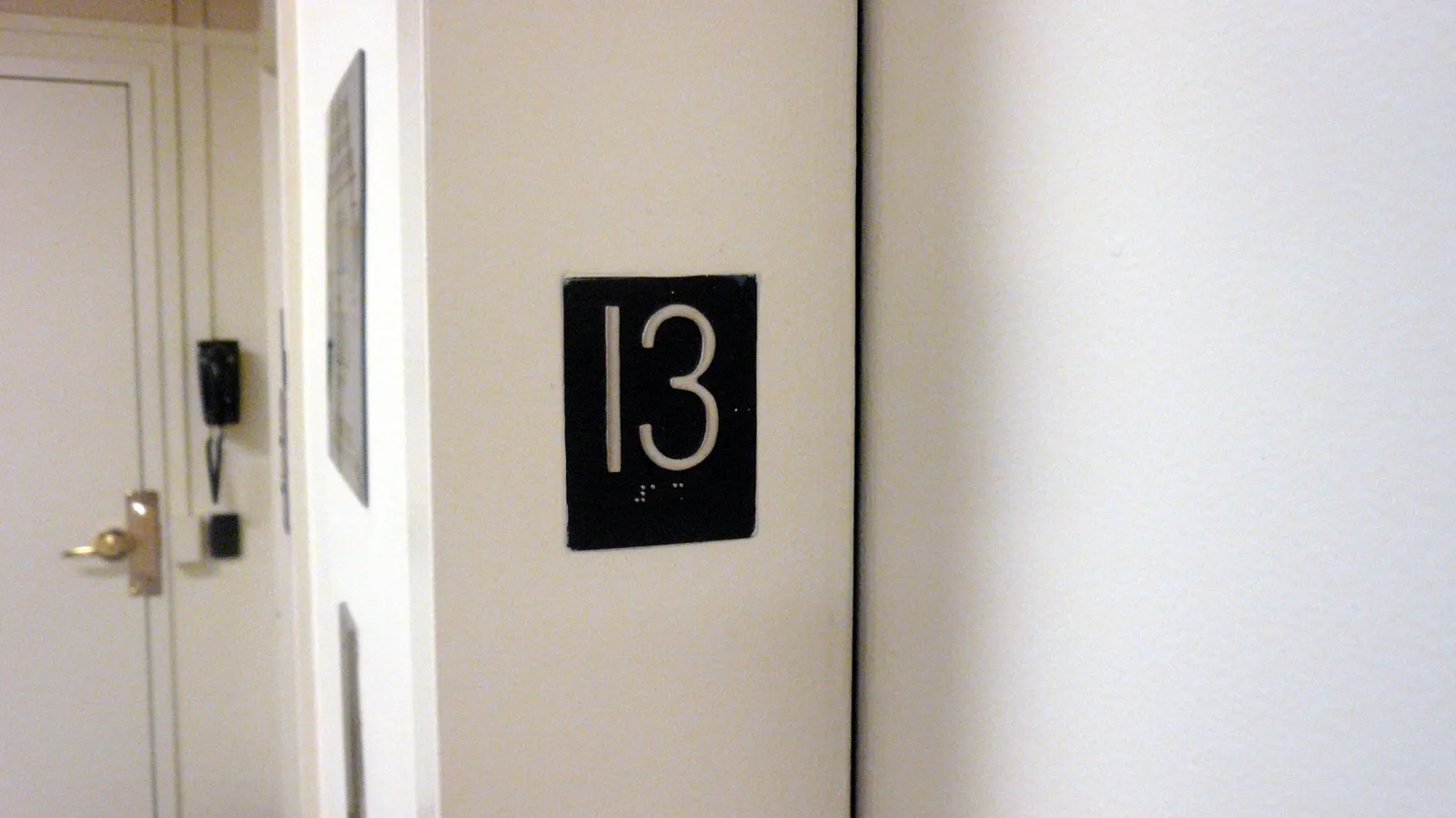
Apartments on the 13th floor experience an 18% lower sale rate compared to those on other floors, indicating a specific sales impact on the entire floor. These findings highlight the real-world implications of the superstitions surrounding the 13th floor.
The fear of the number 13 has significant economic implications. The superstitious fear has economic implications for developers who have to decide whether to include a 13th floor in hotels and office buildings. For many developers, the math is straightforward: renaming or eliminating the floor costs almost nothing, while keeping it could suppress occupancy and resale value.
The phenomenon is not a gross engineering miscalculation, but rather a multi-million-dollar concession to triskaidekaphobia. As global real estate developers aggressively court international investors, ancient superstitions continue to dictate modern building designs, fundamentally altering property valuations, leasing strategies, and structural blueprints worldwide.
The Takeaway

The missing 13th floor is a quiet but telling example of how deeply belief shapes the built world. There’s no engineering reason for it, no legal mandate, no structural logic. It exists purely because enough people feel something when they see that number – and enough industry professionals have decided that feeling matters.
What’s most fascinating is how seamlessly the practice has been absorbed into normal life. Over time, this practice became so common that most people stopped noticing it. The floor is still there, of course. The walls, the windows, the rooms – all physically present. Only the label changed.
In a way, that’s the most human part of this story. We didn’t change reality. We just changed what we called it, and that turned out to be enough.
AI Disclaimer: This article was created with the assistance of AI tools and reviewed by a human editor.