

For most travelers, the airport security line has felt more or less the same for the past two decades. Show your ID, take off your shoes, put your laptop in a bin, and hope for the best. That familiar choreography is now being rewritten at airports across the United States, and the changes happening in 2025 and 2026 are among the most significant in a generation.
Some of these shifts are visible the moment you approach the checkpoint. Others are happening quietly in the background, driven by new federal rules, evolving technology, and a policy push toward faster and more verifiable identity screening. Whatever the specific driver, the experience of flying is changing in ways that every traveler will eventually notice.
REAL ID Enforcement Finally Has Real Teeth
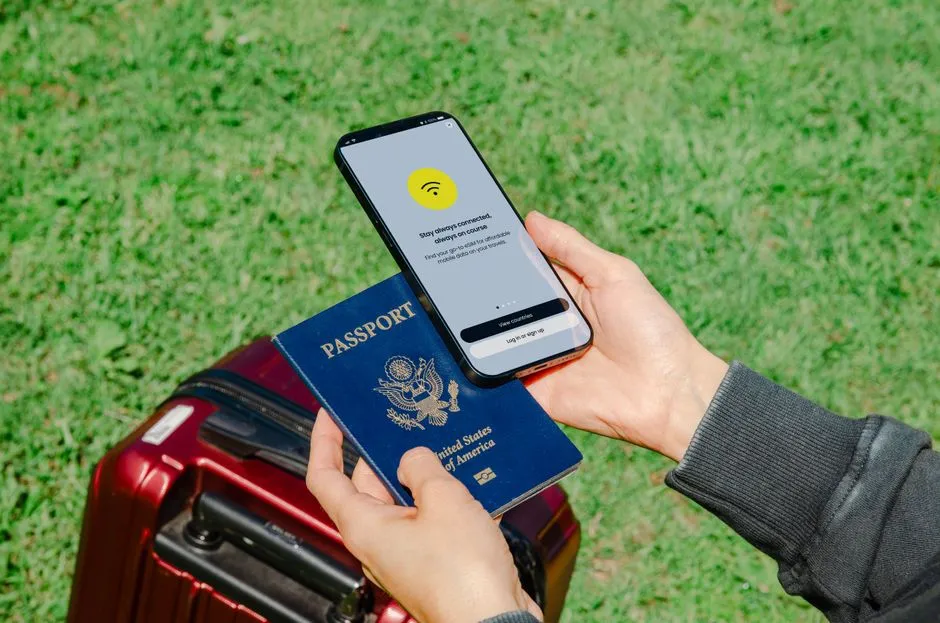
For years, REAL ID compliance deadlines came and went without meaningful enforcement. That changed on May 7, 2025. Starting that date, every adult traveler aged 18 and older must show a REAL ID-compliant license or another approved form of identification to board domestic flights.
The compliance rollout didn’t stop there. Beginning February 1, 2026, passengers who show up without a REAL ID-compliant license, passport, or other TSA-approved credential are required to pay $45 for a one-time identity verification process called TSA ConfirmID. This is no longer a soft recommendation. It’s a hard cost for travelers who arrive unprepared.
Currently, more than 94 percent of passengers already use their REAL ID or other acceptable forms of identification. The fee is largely aimed at the remaining fraction, but given the sheer volume of air travelers, that fraction still represents millions of people annually.
TSA ConfirmID: The New Identity Verification Fee System
The TSA announced it would offer all passengers who do not present an acceptable form of ID and still want to fly an option to pay a $45 fee to use a modernized alternative identity verification system, TSA ConfirmID, to establish identity at security checkpoints. Travelers can pay that $45 fee for a 10-day travel period.
All travelers without an acceptable ID, including those who present a non-REAL ID-compliant state driver’s license, will be referred to the optional TSA ConfirmID process prior to entering the security line. This process will differ airport to airport, and TSA is working with private industry to proactively offer online payment options prior to arrival.
TSA expects increased wait times for passengers who do not provide an acceptable ID. For frequent travelers, the practical message is clear: sorting out your documentation before you reach the checkpoint is no longer optional in any meaningful sense.
Biometric eGates Are Moving Into the Mainstream
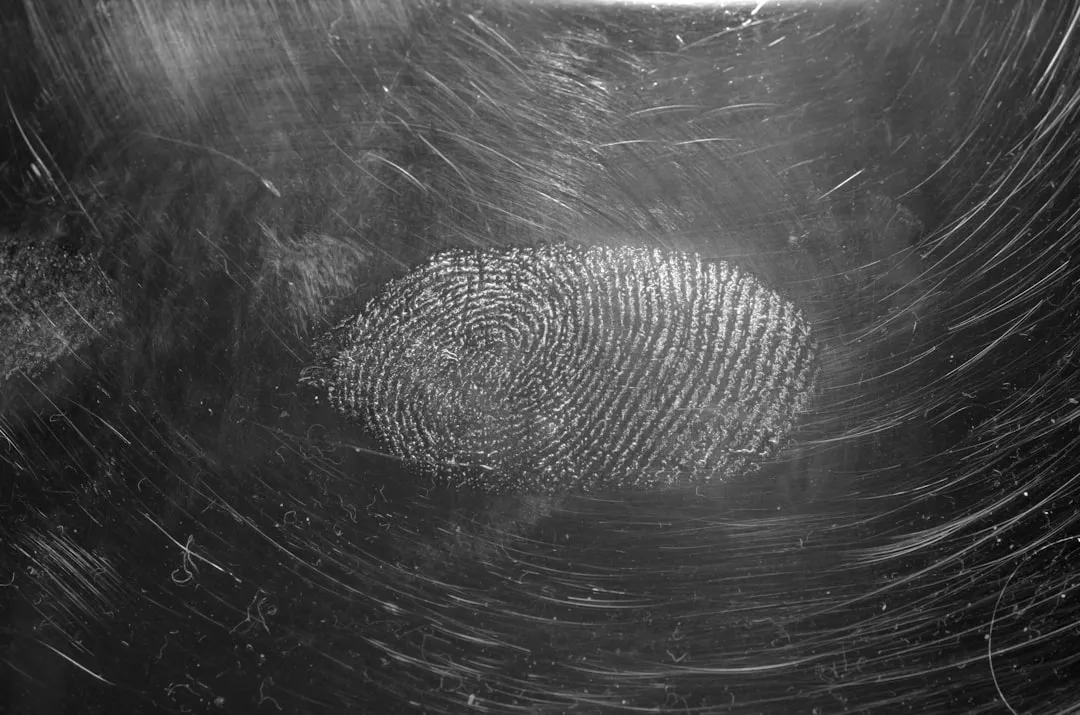
The Transportation Security Administration has partnered with identity verification company CLEAR to deploy new biometric electronic gates, with the initiative billed as an enhanced security measure ahead of the U.S. hosting the 2026 FIFA World Cup. The timing was deliberate. Millions of additional international visitors were expected to move through U.S. airports, and the existing manual ID-check process wasn’t built for that scale.
The advanced eGates rolled out at Hartsfield-Jackson Atlanta International Airport and were deployed at Ronald Reagan National Airport and Seattle-Tacoma International Airport as part of an initial pilot phase. According to TSA and CLEAR, the verification process takes between three and six seconds.
New eGates are being installed at major airports, allowing CLEAR members to move directly from the ID-verification point to the screening lane through facial recognition alone. The gates sync a traveler’s biometric data with the boarding pass information already on file, eliminating the stop-and-show pause that typically slows down the front of the line.
Facial Recognition Is Spreading Quietly Across U.S. Airports

Facial recognition technology is now in use for security screening at some of the nation’s busiest airports, with TSA’s PreCheck Touchless ID available at 15 locations including Chicago O’Hare, Dallas-Fort Worth, Denver, Detroit, Las Vegas, Atlanta, New York’s JFK and LaGuardia, Los Angeles, Newark, Portland, Salt Lake City, San Francisco, Seattle, and Ronald Reagan Washington National.
The agency has been increasingly relying on biometrics to verify traveler identities, with TSA moving to deploy facial recognition verification technology at more than 400 airports in the coming years. That’s a striking scale of change for a system that has relied on human document checks for decades.
Facial recognition technology is being used for security screening at 15 major airports in the U.S., allowing enrolled TSA PreCheck travelers to verify their identity with a quick photo instead of a physical ID. The images are deleted within 24 hours of a flight and are not used for law enforcement or surveillance.
Miami Sets a Benchmark for Biometric Processing at Scale
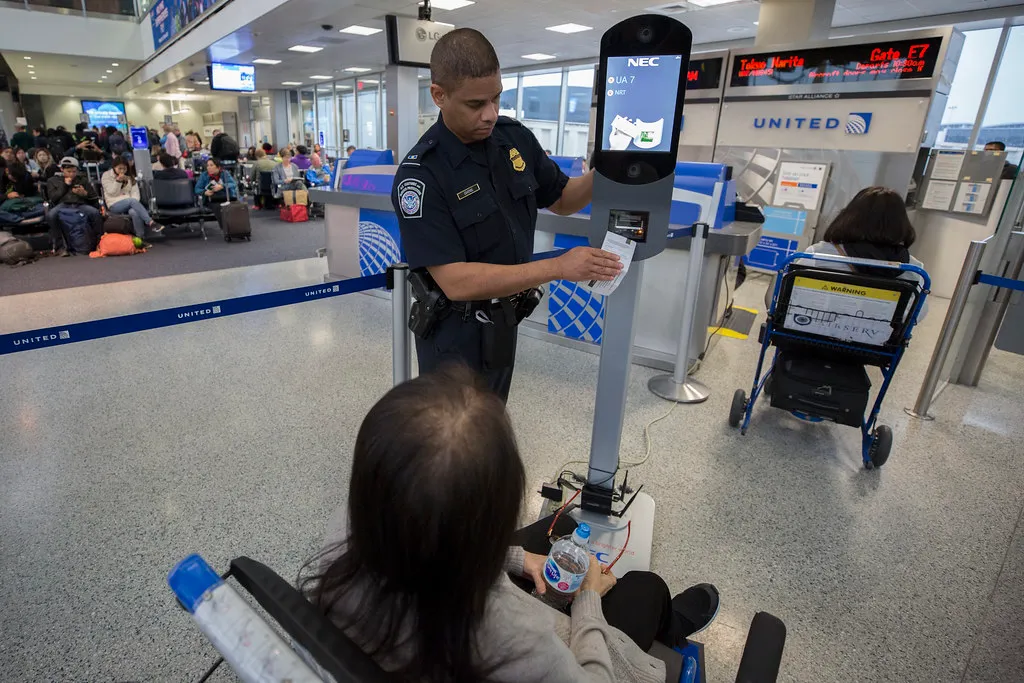
Miami International Airport has rolled out the largest single deployment of biometric passport screenings in the United States as it presses on with its $9 billion investment programme. Miami has long been one of the busiest international gateways in the country, and the scale of this rollout reflects both that volume and a larger national ambition.
Using SITA Smart Path technology, U.S. Customs and Border Protection’s Enhanced Passenger Processing system will help manage passengers more securely and efficiently. The system uses biometric technology to match travelers’ identities against CBP data within three seconds.
SITA’s Air Transport IT Insights 2024 report found that nearly 60 percent of airports worldwide have already introduced touchless passenger processing to improve flows. Miami’s investment puts it firmly at the front of that global wave rather than trailing behind it.
The Shoe Removal Rule Is Gone
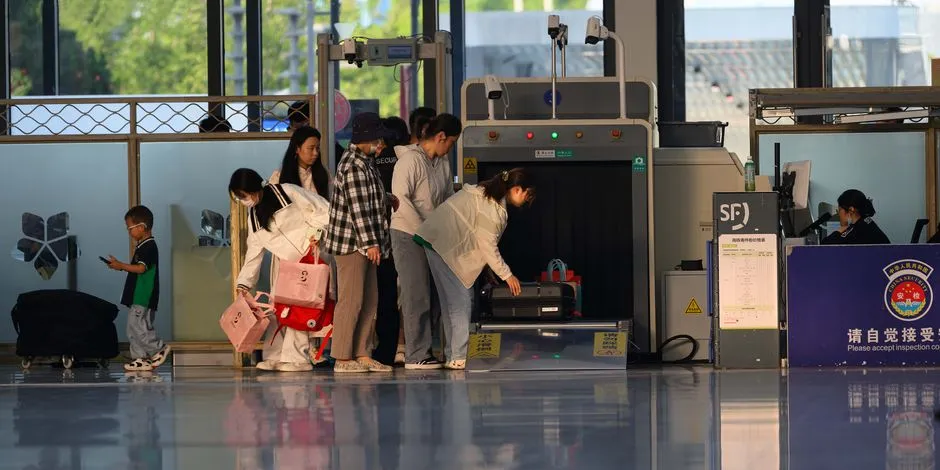
Few security rituals were more universally disliked than removing shoes. After more than two decades, that requirement is officially over. On July 8, 2025, the Department of Homeland Security announced that the long-standing shoe-removal requirement had ended. TSA confirmed that the update reflects risk modeling enabled by advanced computed tomography scanners and improved explosive-detection capabilities.
TSA officers might still ask some travelers to remove shoes if extra screening is needed. The new TSA regulations give officers flexibility based on security needs. So the ritual isn’t completely gone, but it’s no longer the default for every single traveler in every single line.
The change was possible precisely because the underlying technology improved. Better scanners reduced the need to rely on manual checks, and the risk modeling behind the decision reflects how much more data-driven the security process has become overall.
CT Scanners Are Changing What You Need to Remove From Your Bag
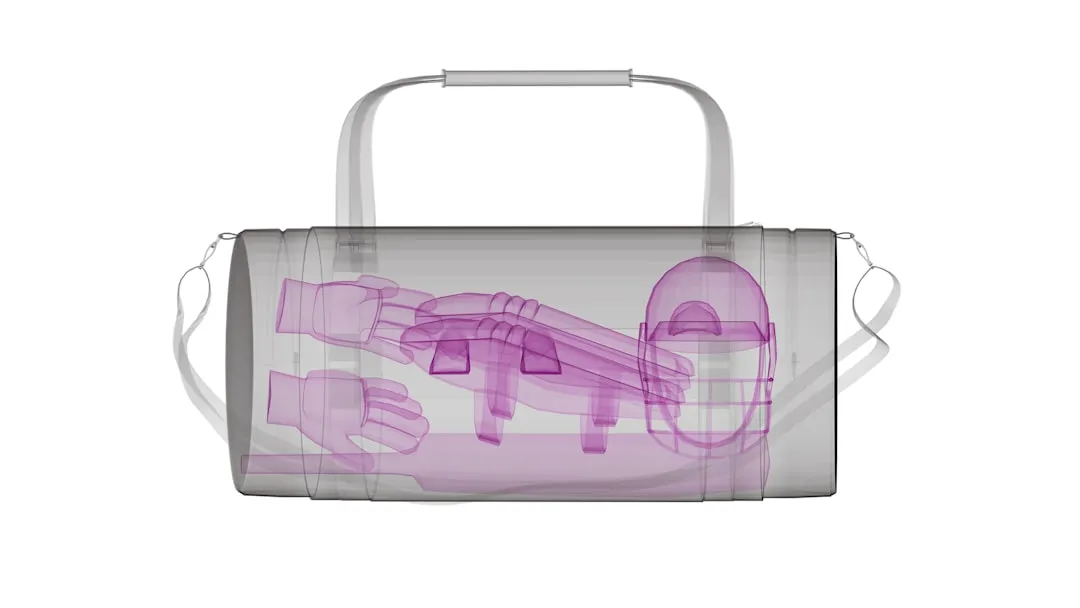
New CT scanners let you keep laptops and liquids in your bag at some airports. At airports with these new CT scanners, travelers might not need to remove liquids from their bag because TSA officers can see through bags clearly with the new machines.
AI-powered baggage scanners are now being deployed, offering computed tomography imaging that provides detailed 3D representations of luggage contents. These systems allow TSA officers to inspect baggage without requiring passengers to remove electronics or liquids, making the security process faster and more convenient.
The European Union has set a 2025 deadline for mandatory CT scanner implementation, establishing a precedent for other regions. In contrast, the U.S. Transportation Security Administration is taking a phased approach, prioritizing high-risk locations first. The practical result for travelers is inconsistency: the rules still vary from airport to airport, so it’s worth checking before you pack.
A New Program Could Bring Private Screeners to More Airports
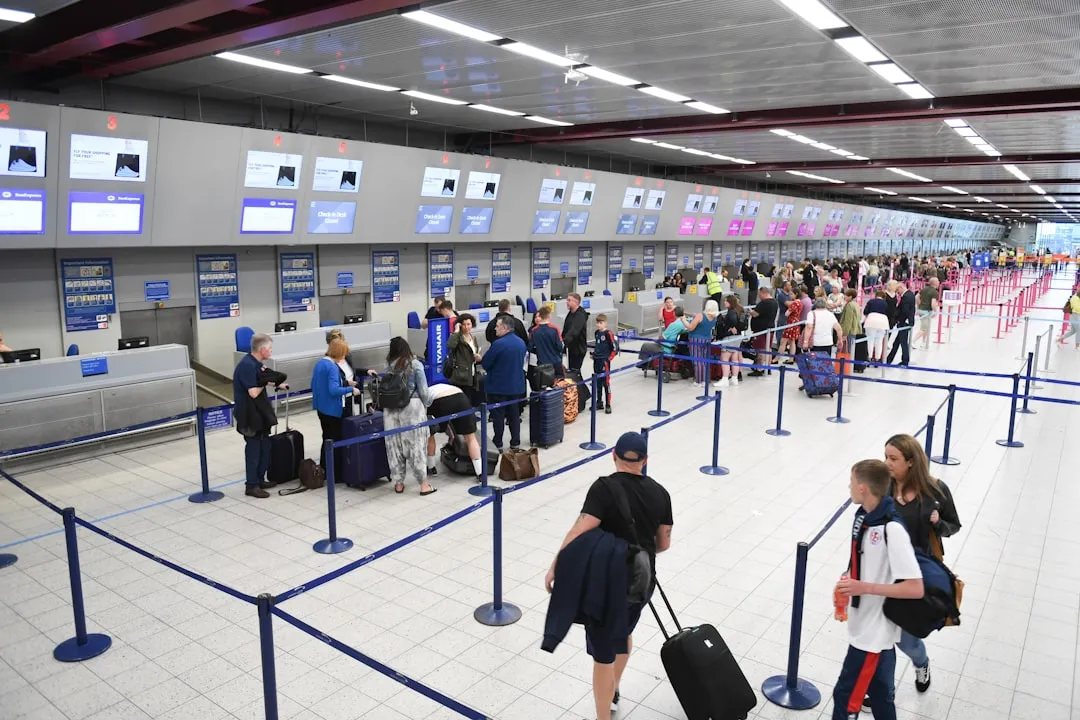
United States officials have unveiled a new initiative that aims to make airport security screening more efficient. The new program, called TSA Gold+, will allow airports across the country to opt into utilizing private contractors to perform security and screening duties at the checkpoint. The public-private partnership will be individually tailored to each airport’s specific needs and space configurations.
TSA Gold+ is an expansion of the agency’s existing Screening Partnership Program, which outsources staffing at airport checkpoints to third-party contractors with TSA oversight. The White House budget released in 2026 promises to save roughly $52 million by privatizing airport screeners and requiring small airports to enroll in the program.
The proposal is not without critics. Concerns have been raised that the program could introduce more risk into the national airspace, noting that in effect “the federal government would be ceding direct operational control of the most sensitive technology in the aviation security enterprise to private vendors.” The debate is ongoing, and the outcome will shape how security is staffed at many airports across the country.
Privacy Concerns Are Growing Alongside the Technology

Research found that 53 percent of Americans were unaware of the fact that boarding passes and the usual check-in systems would be replaced by digital versions, even as biometric systems are expanding across airports in the U.S. That gap between what’s already happening and what travelers actually know is striking.
Privacy and reliability are the top concerns among surveyed travelers, with roughly 61 percent worrying about how their biometric data might be stored or used, and approximately 63 percent fearing system failures. Those are not fringe anxieties. They reflect legitimate questions about data stewardship that authorities are still working to fully answer.
The Traveler Privacy Protection Act of 2025 would require affirmative consent before any biometric data is collected, bar passive surveillance, and set deadlines for deleting stored images. The growing use of biometrics has led to some bipartisan pushback, with a group of federal lawmakers calling for the Department of Homeland Security’s inspector general to review TSA’s deployment of facial recognition tools. The DHS Inspector General confirmed his office would audit TSA’s use of the technology.
The Bigger Picture: What All These Changes Add Up To
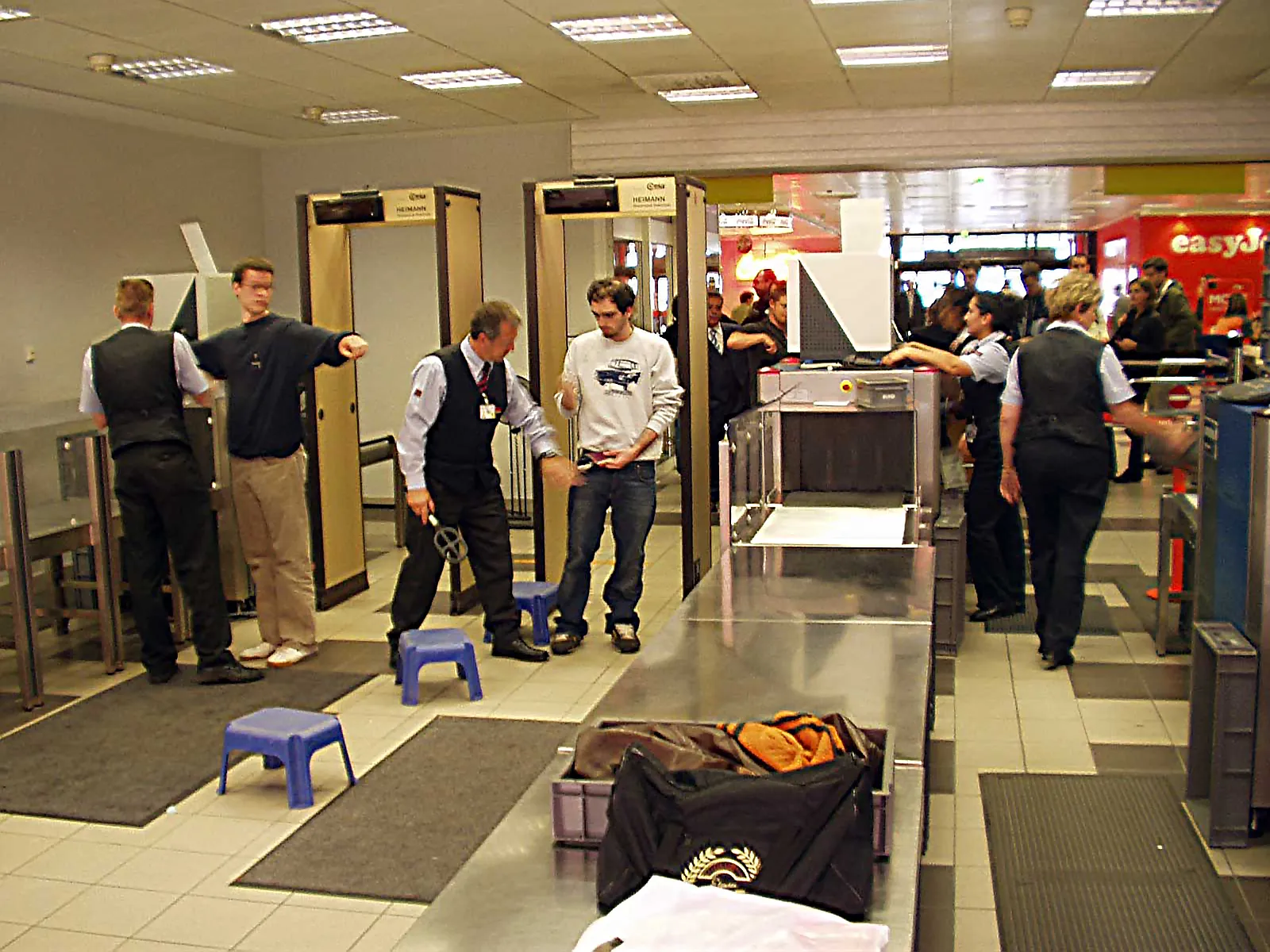
Large-format screens, biometric portals, and new ID-verification stations have started to replace the familiar choreography of rummaging for wallets, slipping off shoes, and explaining misplaced driver’s licenses. By 2026, those changes are being standardized across the U.S., marking one of the most significant updates to TSA procedures in more than a decade.
For passengers, these technological advances promise a smoother and less invasive airport security experience. The expected elimination of liquid restrictions, the ability to keep electronics in bags, and the introduction of walk-through screening could make air travel more convenient than ever. However, the transition period will likely continue to be marked by inconsistencies, requiring travelers to stay informed about changing security protocols.
The airport security checkpoint is being rebuilt from the inside out. Some of those changes are already in your lane. Others are arriving soon. The travelers who understand what’s shifting, and why, will move through these new systems with far less friction than those who arrive expecting the old rules to still apply.
AI Disclaimer: This article was created with the assistance of AI tools and reviewed by a human editor.