
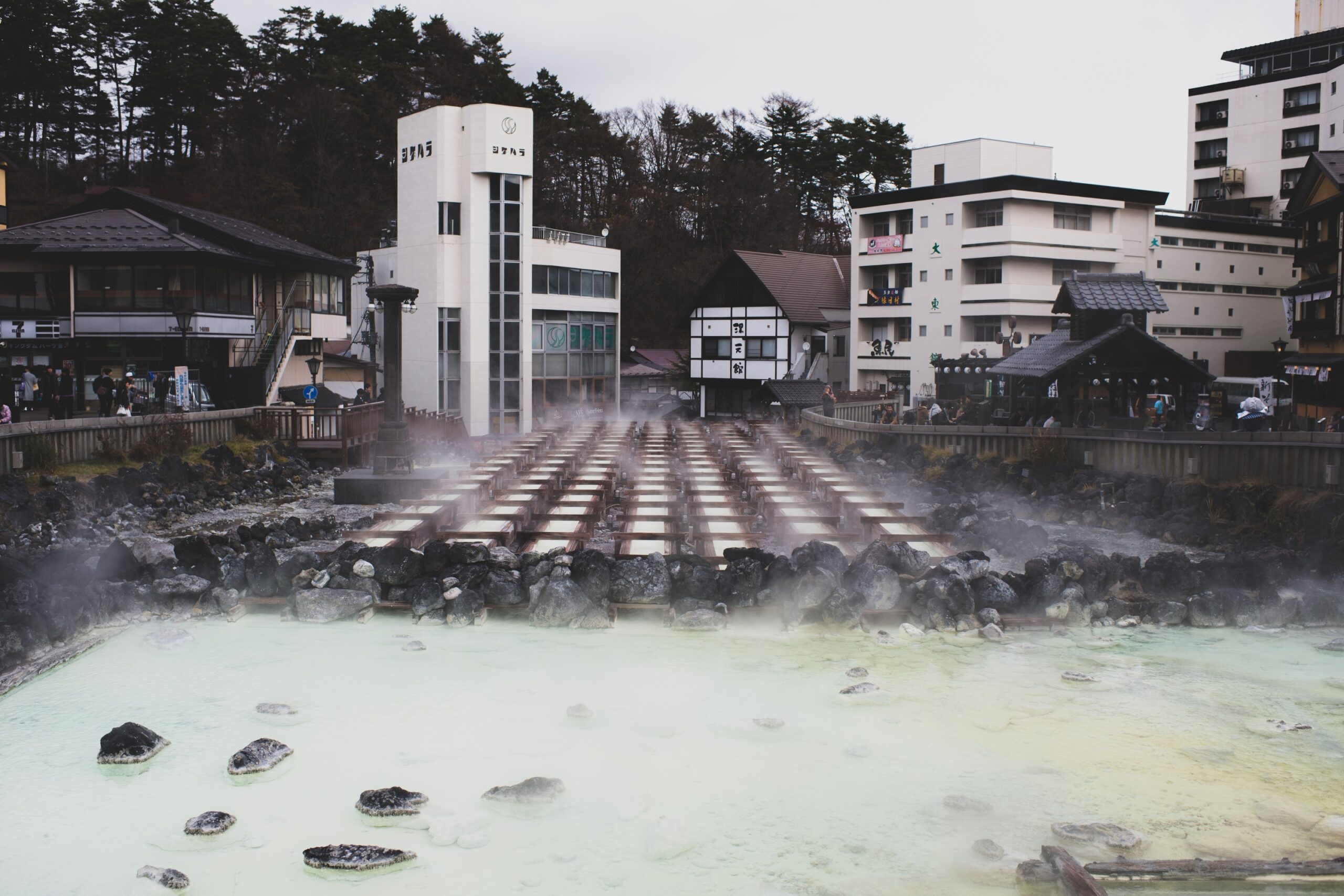

A Practice Rooted in the Edo Period
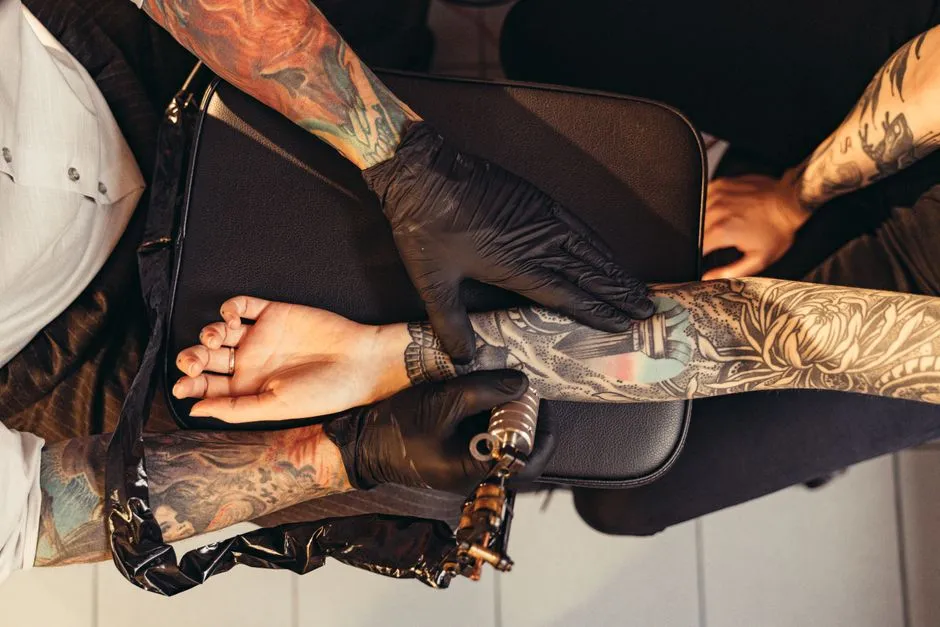
The discomfort around tattoos in Japan is not a modern invention. During the Edo period, from 1603 to 1868, tattooing was initially used as a form of punishment, where the location and shape of the mark revealed the nature of the offense, with thieves tattooed on the arm and murderers on the head. This gave visible ink a deeply punitive meaning in the public imagination.
By the 1800s, Japan stopped tattooing its criminals, and people began hiding their criminal markings within larger, more decorative pieces, which ironically led to a rise in the popularity of tattoos as an art form. The aesthetic flourished even as the stigma quietly persisted underneath the surface.
The Meiji Ban and Its Long Shadow
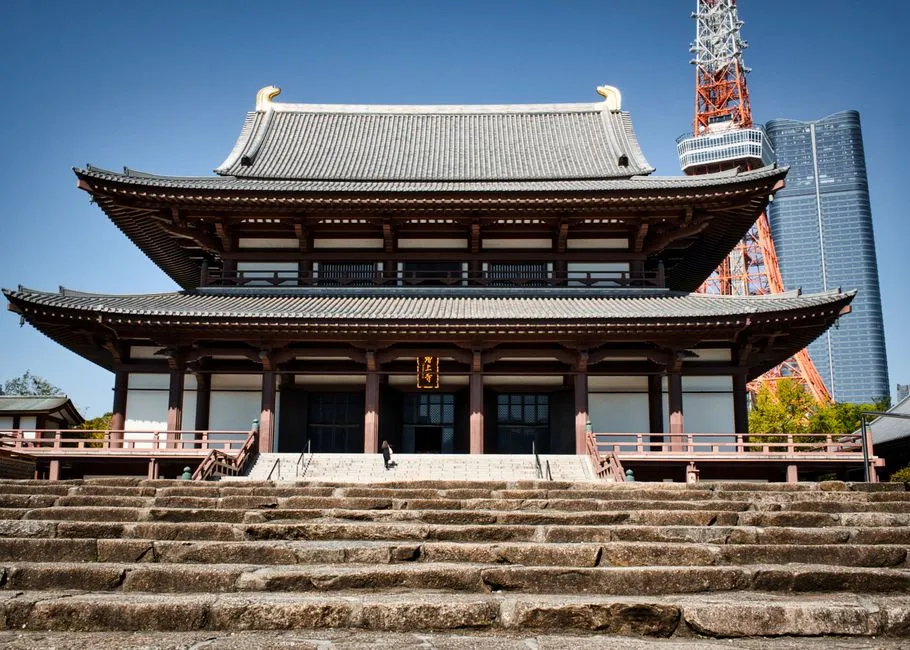
In 1872, during the Meiji era, the Japanese government outlawed tattooing as part of its wider effort to present Japan as a modern nation to Western powers. The intent was political, not moral, but the effect on public perception was lasting.
Eager to appear civilized to Western powers, Japan pushed the practice underground, which only strengthened its association with criminal elements, and this prohibition lasted until 1948 when occupying American forces finally lifted the ban. Even that lift carried complicated baggage. Having the ban lifted by Americans led many Japanese to resent the practice even more.
How the Yakuza Cemented the Stigma
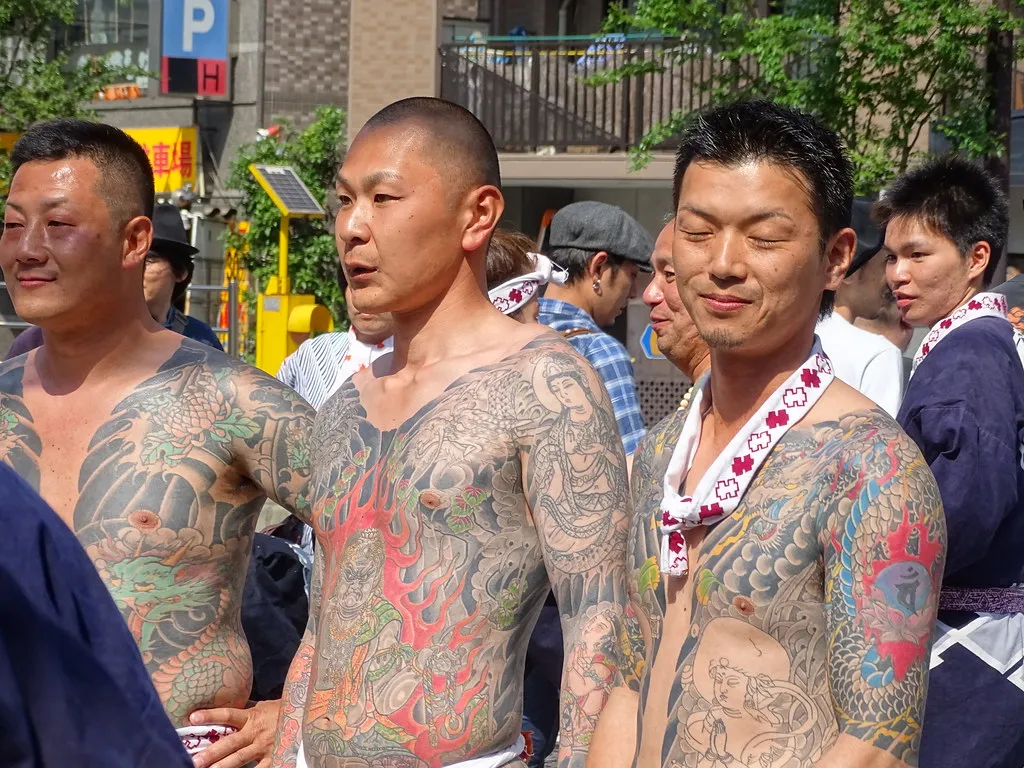
One of the biggest sources of stigma today is the yakuza, as organized crime groups adopted full-body irezumi as a mark of identity and loyalty, and a wave of yakuza films in the 1960s and 1970s burned that image into the public imagination for good.
The yakuza used tattoos, especially irezumi, to identify themselves as part of the organization, and it was also considered part of the initiation process since it was painful, with that pain serving to test their dedication, discipline, and belonging to the gang. The cultural shorthand became near-impossible to untangle.
Because of this trend, many Japanese citizens came to assume that people with tattoos are members of the yakuza, and tattoo owners often face prejudice and fear from the community. That assumption, however unfair it may seem to a foreign visitor, still quietly informs policies at many facilities today.
No National Law, But Very Real Private Rules
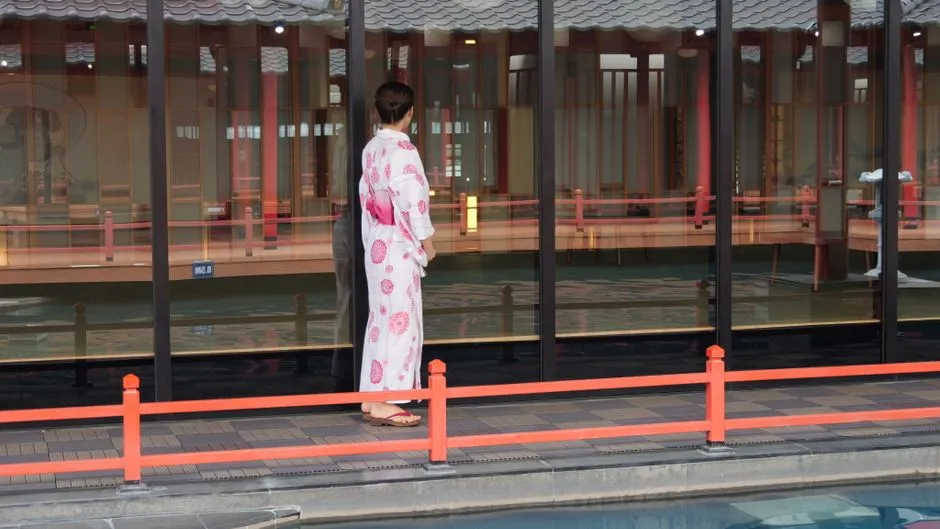
Japan has no national law against tattoos, and the bans are private policy, with onsen, sento bathhouses, gyms, and pools setting their own rules as a legacy of the yakuza association. This distinction matters a great deal for travelers trying to plan ahead.
Japanese law does not ban tattooed people from bathing, but onsen operators can set their own house rules, and in practice, facilities fall into three groups: fully tattoo-friendly, cover-required or discretionary, and strict no-tattoo. Each facility makes its own call, and policies can vary even within the same town.
What the Numbers Actually Show
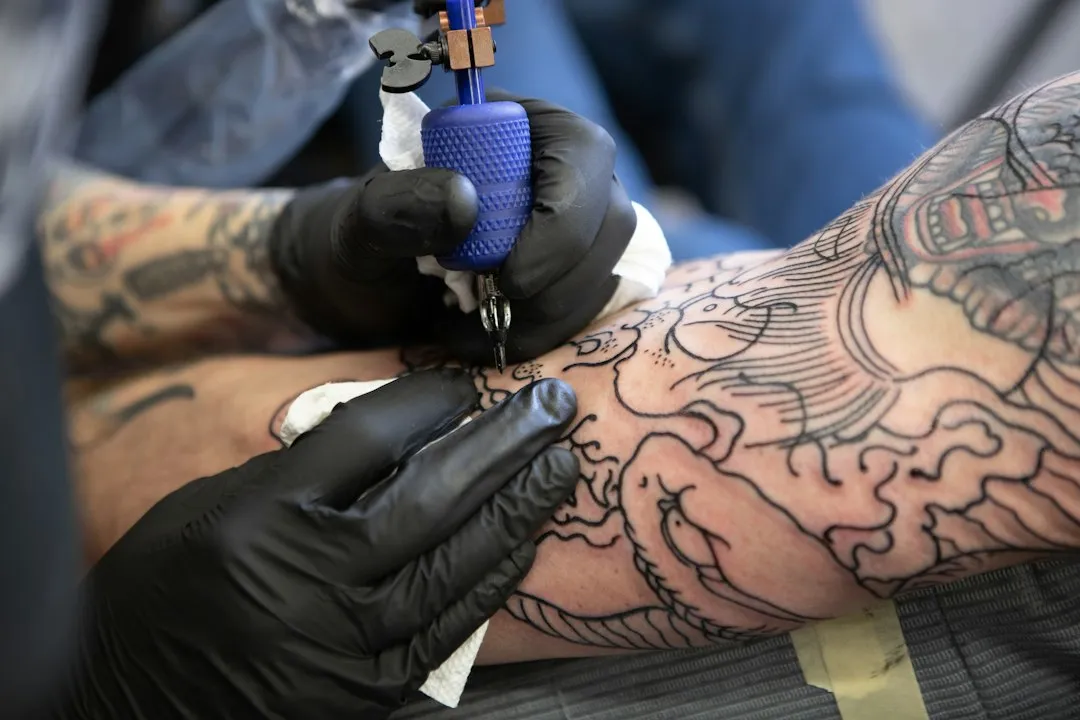
Due to a growing number of Western tourists, the Japanese Tourism Agency attempted to tackle the issue back in 2015, taking a survey of about 3,800 ryokan about their attitudes to tattooed guests, and the results found that 56 percent would refuse guests with tattoos, while 31 percent said they would not and 13 percent would permit entry if tattoos were covered.
A 2023 survey found that roughly half of onsen facilities had modified their policies in some way, whether by allowing small tattoos, offering cover-up patches, or opening private baths, and the trend is clearly toward greater acceptance, but universal access is not yet a reality.
Many onsen still prohibit tattoos, estimated at roughly 60 to 70 percent, but tattoo-friendly facilities are rapidly increasing, especially at resort hotels and tourist destinations.
The Comfort of Other Bathers
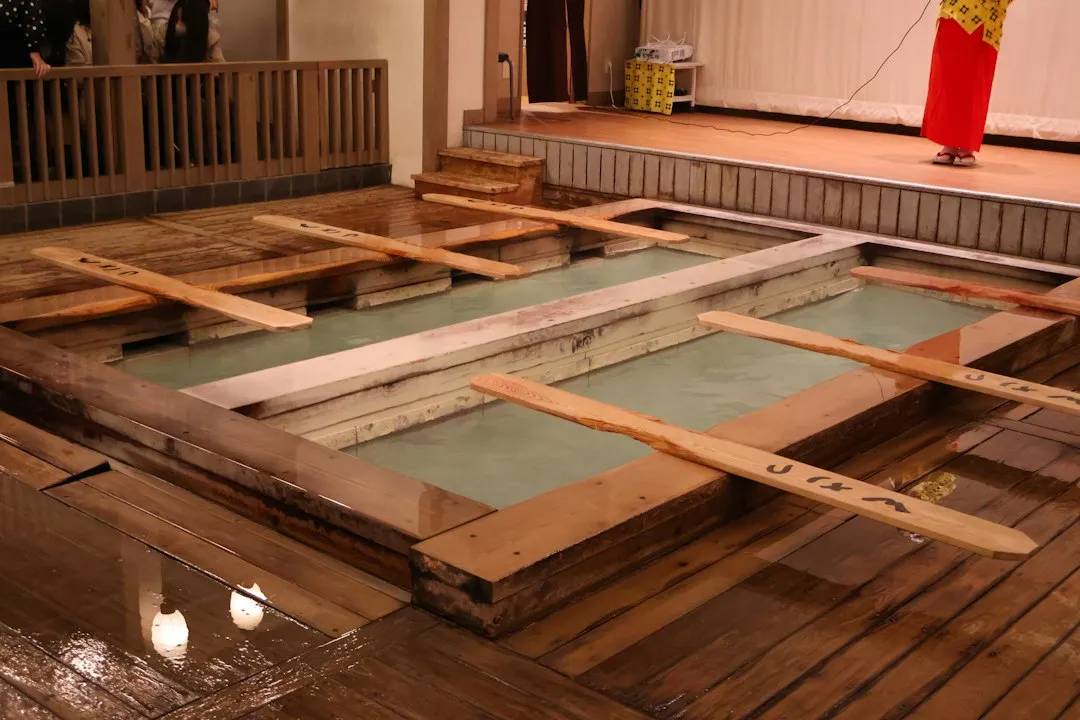
The tattoo ban is most commonly issued from public places where customers will be naked, wet, or bathing. The context matters here. An onsen is not a restaurant or a museum. It is an intimate shared space, and the question of who feels comfortable in it is genuinely complex.
Traditional onsens have rules against tattoos partly due to the historical association with yakuza and partly due to concern about other bathers’ comfort. Operators walk a real tension between welcoming international guests and maintaining an environment where long-standing local patrons feel at ease. Neither concern is trivial.
A Generational Shift Is Already Underway
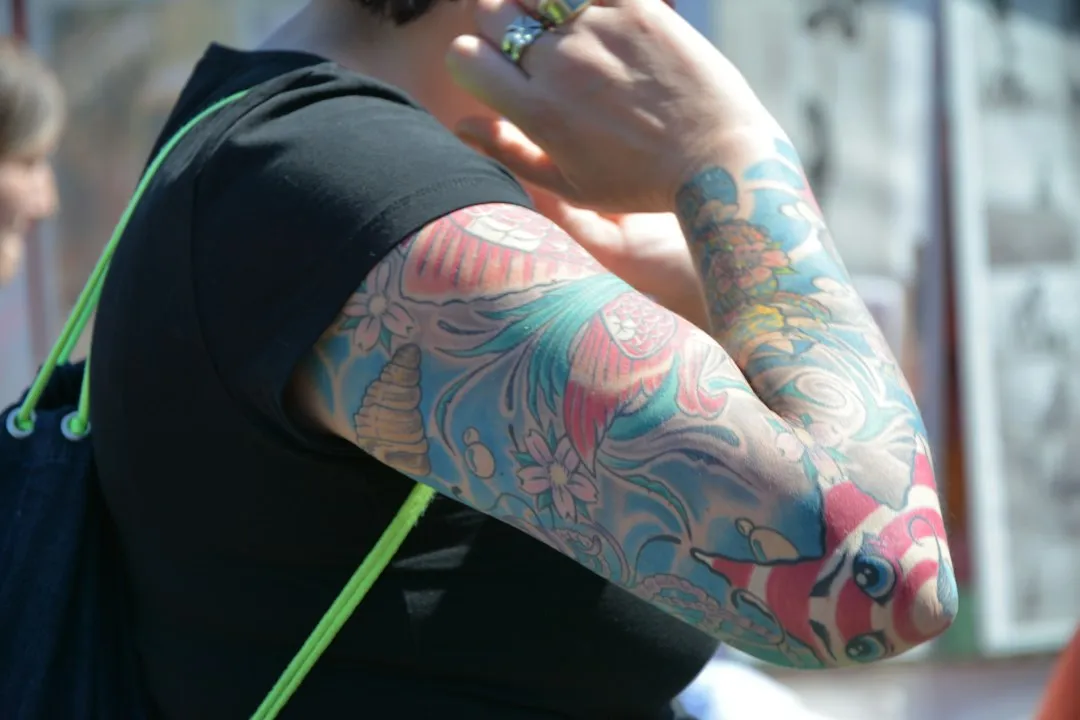
Views on tattoos are changing, especially among the younger generation, and in 2021, a survey found that 60 percent of Japanese individuals aged 20 and younger believe that tattoo regulations should be eased. That is a significant majority, and it signals that the cultural ground beneath the ban is genuinely moving.
Japan’s relationship with tattoos is evolving, and tattoo culture among under-35s is much more common than it was a decade ago. The gap between the attitudes of younger Japanese and the policies of traditional facilities is widening, and operators are beginning to take notice.
Tourism Pressure and Changing Policies
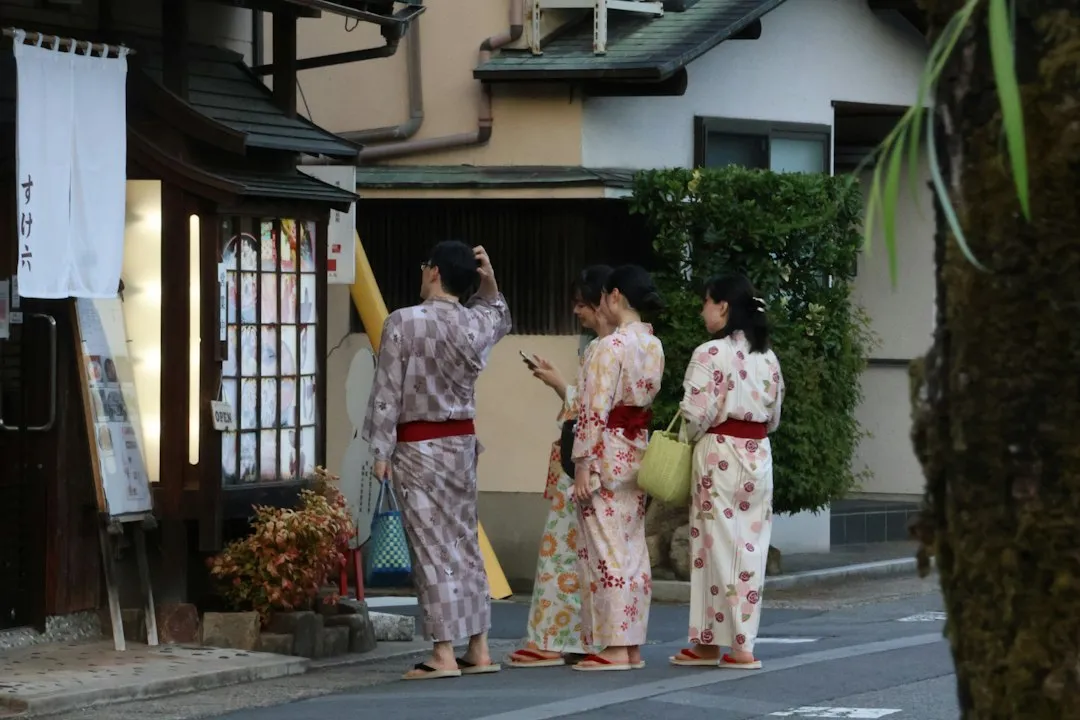
Recognizing that many overseas visitors have tattoos for purely aesthetic or cultural reasons, more onsen have relaxed their policies, with some now welcoming tattooed guests by offering discreet ways to cover ink with adhesive patches or by designating specific times or separate bathing areas, while others simply eliminate the ban entirely, proudly advertising themselves as tattoo-friendly.
In 2016, Japan’s Tourism Agency acknowledged that cultural differences exist and encouraged facilities to become more inclusive. The national government has consistently nudged the industry in this direction, though change in deeply traditional sectors rarely comes quickly or uniformly.
Examples of newly open facilities include Kinosaki’s public baths, Kusatsu’s flagship baths, and Hakone Yuryo, which lifted tattoo-related bathing restrictions in April 2025. These are meaningful milestones in well-known tourist corridors.
Practical Workarounds That Actually Help

As of 2026, approximately 40 percent of onsen facilities have become more flexible with their tattoo policies, with some establishments now offering alternative solutions for tattooed visitors, including covering tattoos with skin-tone patches, providing private bathing areas, or welcoming guests with visible tattoos entirely.
Currently, about 30 percent of hot springs allow entry if you cover your ink with a sticker, and about 20 percent welcome tattoos regardless. Adhesive cover patches are widely available and typically cost very little, often just a few hundred yen. Calling ahead, or checking a facility’s English-language FAQ page before arrival, remains the most reliable approach.
The Distinction That Often Gets Missed
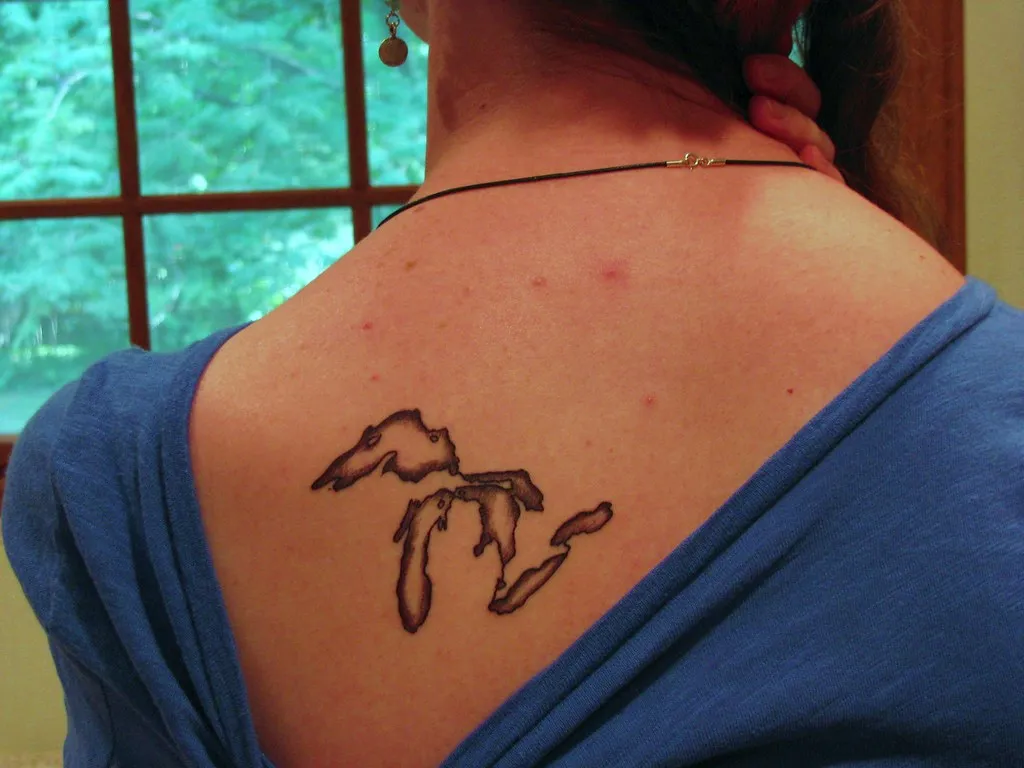
Onsen and workplace rules were historically aimed at yakuza members, but in practice they affect anyone with a visible tattoo. This is one of the more uncomfortable realities of a blanket policy. The rule was never designed to inconvenience a tourist with a small floral wrist tattoo, yet it does exactly that.
Japan’s tattoo rules in onsens are traditional guidelines that restrict visible tattoos because of their historical association with crime, not because of foreigners, and most facilities use a simple no-tattoo sign because they cannot judge each guest individually, though this rule was never aimed at tourists and attitudes continue to change.
While the stigma undoubtedly remains, facilities are beginning to open up to people with tattoos, although a lot of the time this only applies to tourists, and tattooed Japanese people are still sometimes locked out. That asymmetry is worth sitting with. The policy conversation is still uneven.
The Road Ahead for Onsen Culture

Onsen are major destinations in Japan and are a large part of the country’s tourist appeal, and restricting tattooed guests from bathing would make it impossible for much of the global population to experience this vital part of Japanese natural culture. As Japan’s tourism industry continues to grow, that tension will only become harder to ignore.
Regions with high tourist traffic, like Hakone, Beppu, and Nikko, are becoming increasingly open-minded. The shift is real, even if it is gradual. What was once a rigid, almost universal rule is fragmenting into a patchwork of local decisions shaped by economics, generational change, and a genuine rethinking of what these spaces are for.
The Takeaway
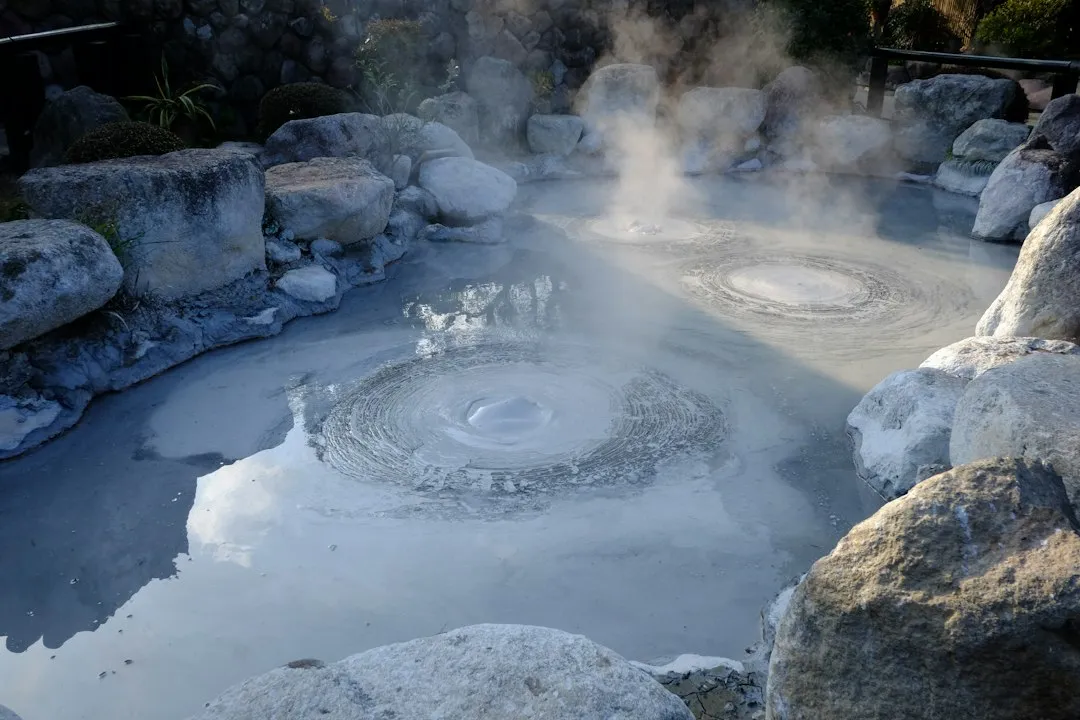
The onsen tattoo question is rarely about intolerance in the simple sense. It carries centuries of layered history, a deeply specific cultural context, and a set of social anxieties that are slowly, genuinely loosening. Travelers with tattoos are not unwelcome in Japan. They are navigating a system that was never designed with them in mind, but that is quietly, facility by facility, making room.
The most useful thing a visitor can do is research before arriving, carry a few cover patches just in case, and approach any restriction with curiosity rather than frustration. The onsen experience, even with its complications, remains one of the most grounding and beautiful things Japan has to offer. That is worth a little extra planning.
AI Disclaimer: This article was created with the assistance of AI tools and reviewed by a human editor.