


If you’ve passed through Singapore’s Changi Airport or Amsterdam Schiphol recently, you may have noticed something unusual: nobody is telling you to hurry up. No crackling PA system. No urgent voice reminding you it’s your final call. Just the gentle hum of a busy terminal, a wall of departure screens, and the quiet expectation that you’ll figure it out yourself.
This is the silent airport, and it’s no longer just a quirk of a handful of progressive hubs. It’s a global shift in how the world’s largest airports think about the passenger experience, and the trend is accelerating in 2026.
What a “Silent Airport” Actually Means
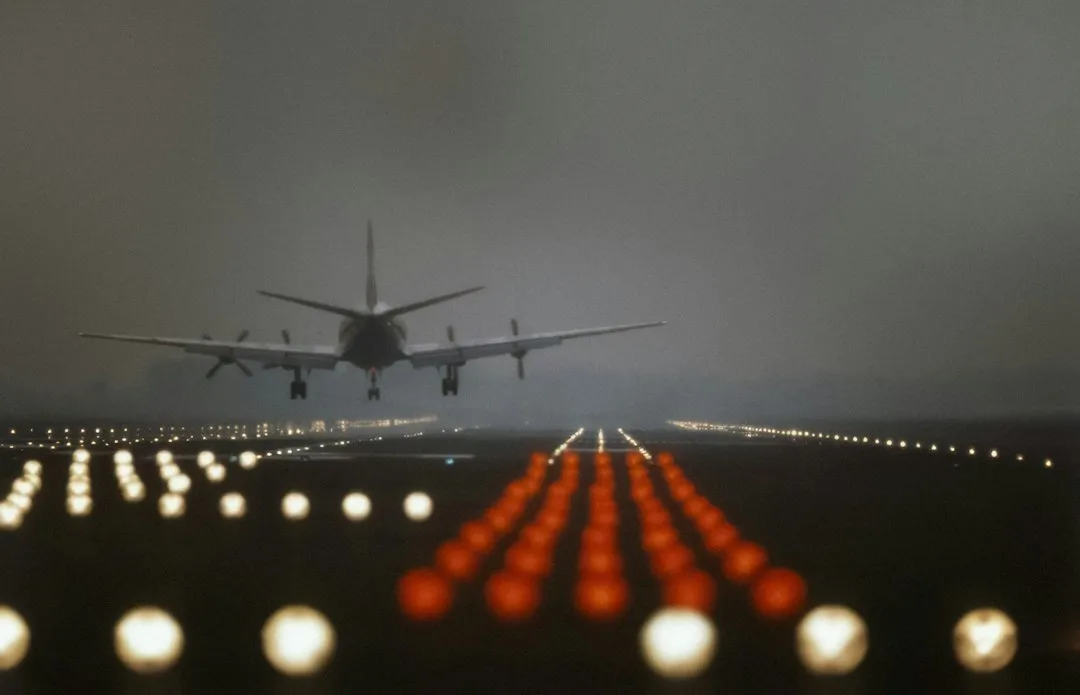
The term “silent airport” does not mean the complete absence of sound, but rather the reduction of repeated announcements heard by everyone in the terminal, even when those announcements pertain to a specific flight or a limited group of passengers. Think of it as targeted communication rather than a broadcast to the entire building.
Silent airports are characterized by their minimal or complete absence of announcements over loudspeakers. Instead, they utilize visual displays, electronic signage, and mobile notifications to communicate essential information such as boarding times, gate adjustments, and security notices. The departure screen becomes your primary source of truth.
Necessary, security, and emergency announcements continue at all silent airports. The change is specifically about routine boarding calls and passenger paging, not the removal of safety communication.
London City Airport Started It All
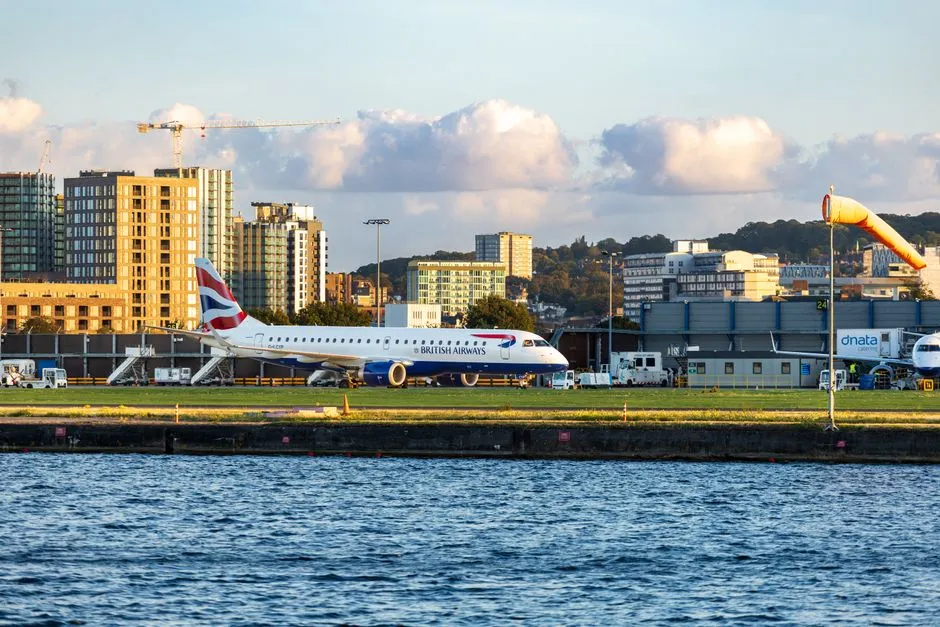
The list of silent airports starts with London City in 2008 and runs to 17 airports today. Five call nobody to the gate, eight keep calls inside the gate area only, and four have simply reduced the number of calls they make.
London City Airport operates a silent airport policy with announcements made only for emergencies. For a compact urban airport handling business travelers who are generally well-organized and gate-aware, the policy made practical sense from the start.
What London City began quietly became a blueprint that airports on every continent would study and adopt. The idea that professional, well-run airports don’t need to shout has proven persuasive.
Dubai Made the Numbers Work

In 2010, Dubai International Airport announced its “silent airport” project, successfully reducing the number of daily announcements from over 2,000 to less than 700 without affecting flight departure performance, according to Dubai Airports. That’s a dramatic drop, and the fact that on-time performance held steady was a turning point for the wider industry.
Dubai now limits announcements to emergency situations, such as lost and found children. For one of the world’s busiest transit hubs, that level of restraint is remarkable. It proved that scale is not a barrier to going quiet.
The Dubai case gave other major airports a data point they could actually take to management. The argument was no longer philosophical; it was operational and verifiable.
Singapore Changi Went Further Than Most

Changi asked airlines to stop doubling up on calls in 2014 and reported a negligible change in late passengers before going fully silent in 2018. That finding, that removing boarding calls barely changed passenger behavior, is one of the most important pieces of evidence behind the entire movement.
The airport used to average one announcement every five minutes in each of its three terminals, which by any measure is a relentless level of noise for any space, let alone one where people are trying to rest, navigate, or simply think.
Announcements at Changi are now made only for emergencies, lost or found children, and flight delays. The airport’s famous gardens, butterfly habitats, and open green spaces make a lot more sense acoustically once the loudspeakers go quiet.
Amsterdam Schiphol: The European Standard-Bearer
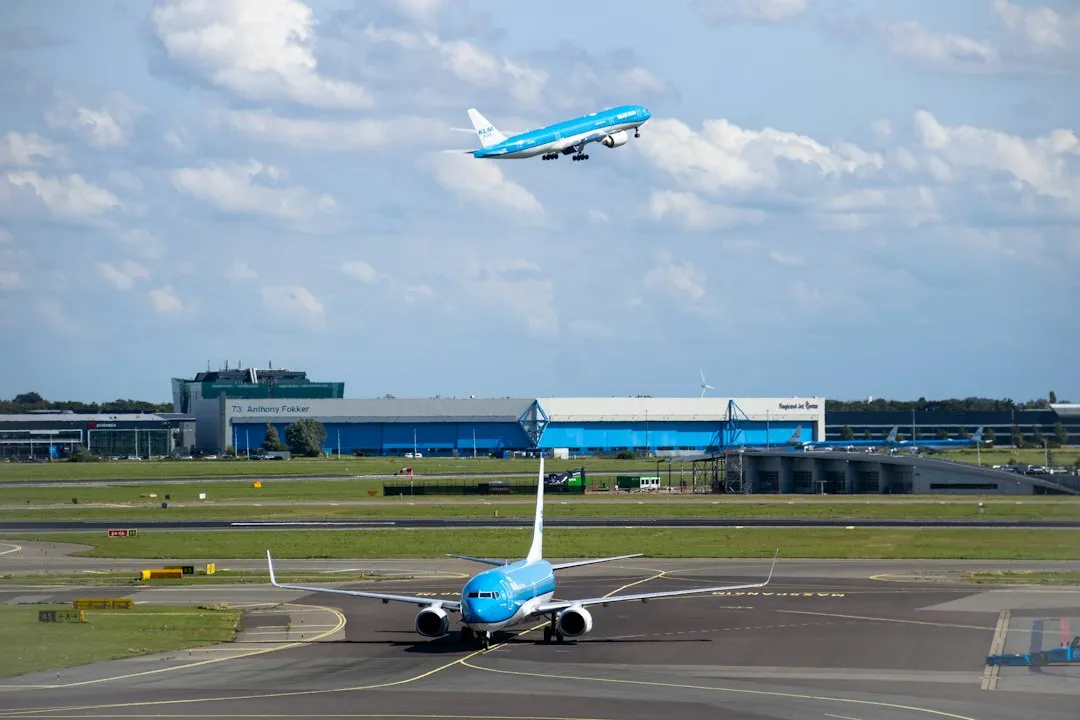
Amsterdam Schiphol Airport calls itself a silent airport, and has ended nearly all announcements, instead relying solely on screens. Schiphol is one of Europe’s busiest hubs and its decision to go silent gave the concept real mainstream credibility on the continent.
The airport advertises that its policies have reduced the number of announcements by 40% in boarding areas. That reduction doesn’t just benefit passengers; it also reduces cognitive load for staff, who can communicate more effectively in a calmer environment.
Schiphol describes itself as a “Silent Airport” with “virtually no announcements.” Important information is instead shown exclusively on Flight Information Display Systems (FIDS) and the airport’s app.
San Francisco Joins In, With Mixed Reviews

San Francisco International Airport is notably quiet for such a busy international hub, a result of its “Quiet Airport” program designed to reduce background noise and increase the peace inside.
SFO’s new policies have reduced the number of announcements by 40% in boarding areas, and cutting back on unnecessary announcements has saved over 90 minutes of cumulative broadcast time in the International Terminal. That’s not a trivial saving in a complex, multi-terminal facility.
Not everyone is thrilled. Some travelers, particularly first-time international visitors or those unfamiliar with digital wayfinding, have found the quiet disorienting. People now have to be more alert about their flight status, but the overall airport experience is less intense, especially for travelers from abroad who may be distracted by loud announcements in a foreign language.
The Middle East and Asia Are Moving Fast

In Saudi Arabia, Abha International Airport was the first to implement the silent airport concept in 2024. The initiative eliminates routine public announcements such as boarding calls and last calls for passengers.
Phase one of the Silent Airport project at King Khalid Terminal 5 cut general terminal announcements from 19 August 2026, keeping essential messages at departure gates, boarding and final calls included. Riyadh, one of the region’s major aviation hubs, joining the movement marks a significant geographical expansion of the trend.
As of 2025, there are at least 18 silent airports globally, with India leading the way with four of them. Announcements stay inside the gate area at Riyadh, Dubai, Delhi, Mumbai, Bengaluru, Hyderabad, Chennai, and Helsinki.
Why Passengers Largely Don’t Miss the Noise

It turns out the human brain isn’t very good at processing airport PA systems. Research shows that announcements broadcast in ticketing areas are missed by travelers who are busy dealing with the task at hand. When passengers were surveyed at a busy airport check-in area, they were often found to be “genuinely unaware that any PA messages had been played in the preceding 10 minutes.”
At some silent airports, all announcements are banned in the main waiting area with exceptions made inside each gate. As a result, noise pollution is reduced, and it means passengers only focus on important announcements. Targeted information, it turns out, is simply more effective.
Research indicates that exposure to high noise levels can increase stress and blood pressure. Airports with reduced noise levels have contributed to a reported decrease in passenger-reported stress levels during travel.
Technology Is What Makes It Actually Work

The use of technologies can greatly contribute to airports in reducing the number of announcements, with the availability of technology meaning that announcements may only be used in times of crisis and emergencies. Without reliable digital infrastructure, the silent airport model simply wouldn’t hold together.
By analyzing passenger flows through camera and sensor systems, announcements are triggered based on business rules. This approach ensures that announcements are only made in specific areas where they are required, reducing noise pollution and creating a more enjoyable airport experience.
Changes in boarding time, baggage delivery, or other similar updates are carried out through the airline by SMS, with limited announcements permitted if there is a change of boarding gates. Your phone, in effect, becomes the new PA system.
The Risks Are Real, and Airports Know It
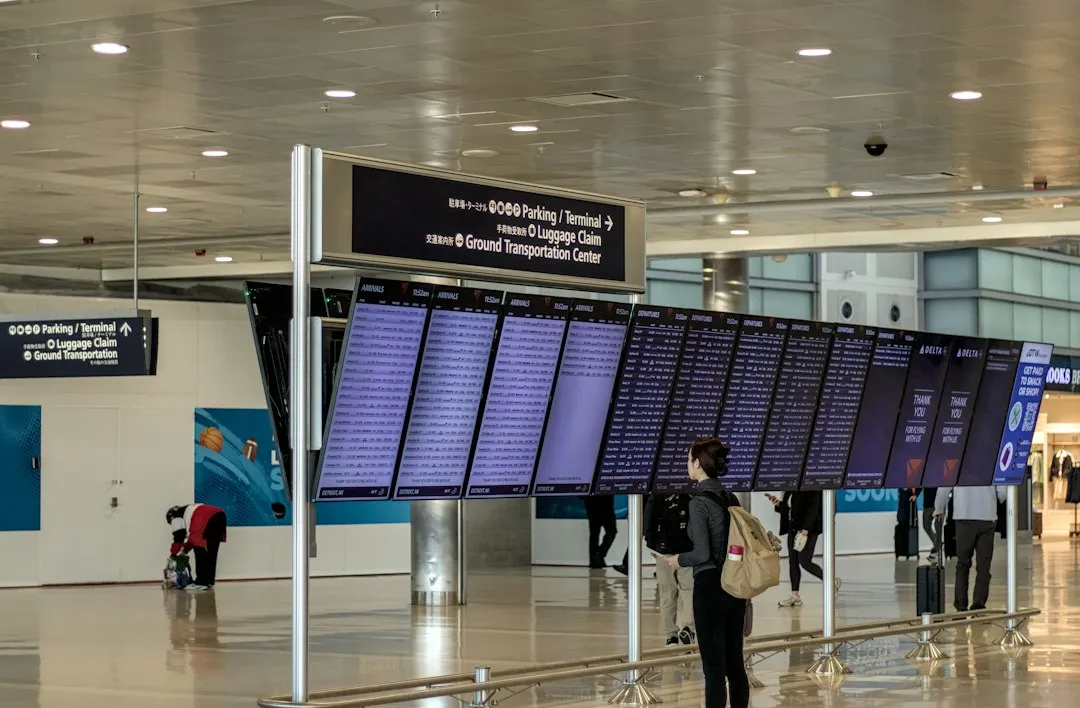
These airports all face the same challenge: passengers can miss their flights if they aren’t fully informed about their flight status. That’s the honest trade-off at the heart of the silent airport model, and it’s one that operators take seriously.
While traveling through a silent airport, passengers can expect a less stressful experience overall, but they should be attentive to their flight details and updates. The responsibility for flight updates and time planning falls solely on the traveler. For seasoned frequent flyers, this is second nature. For others, it requires adjustment.
Airports adopting the silent model typically launch awareness campaigns to educate travelers about the new protocols, featuring multilingual information boards and electronic notices. The transition is managed, not just imposed.
What the Global Spread Tells Us About Travel in 2026
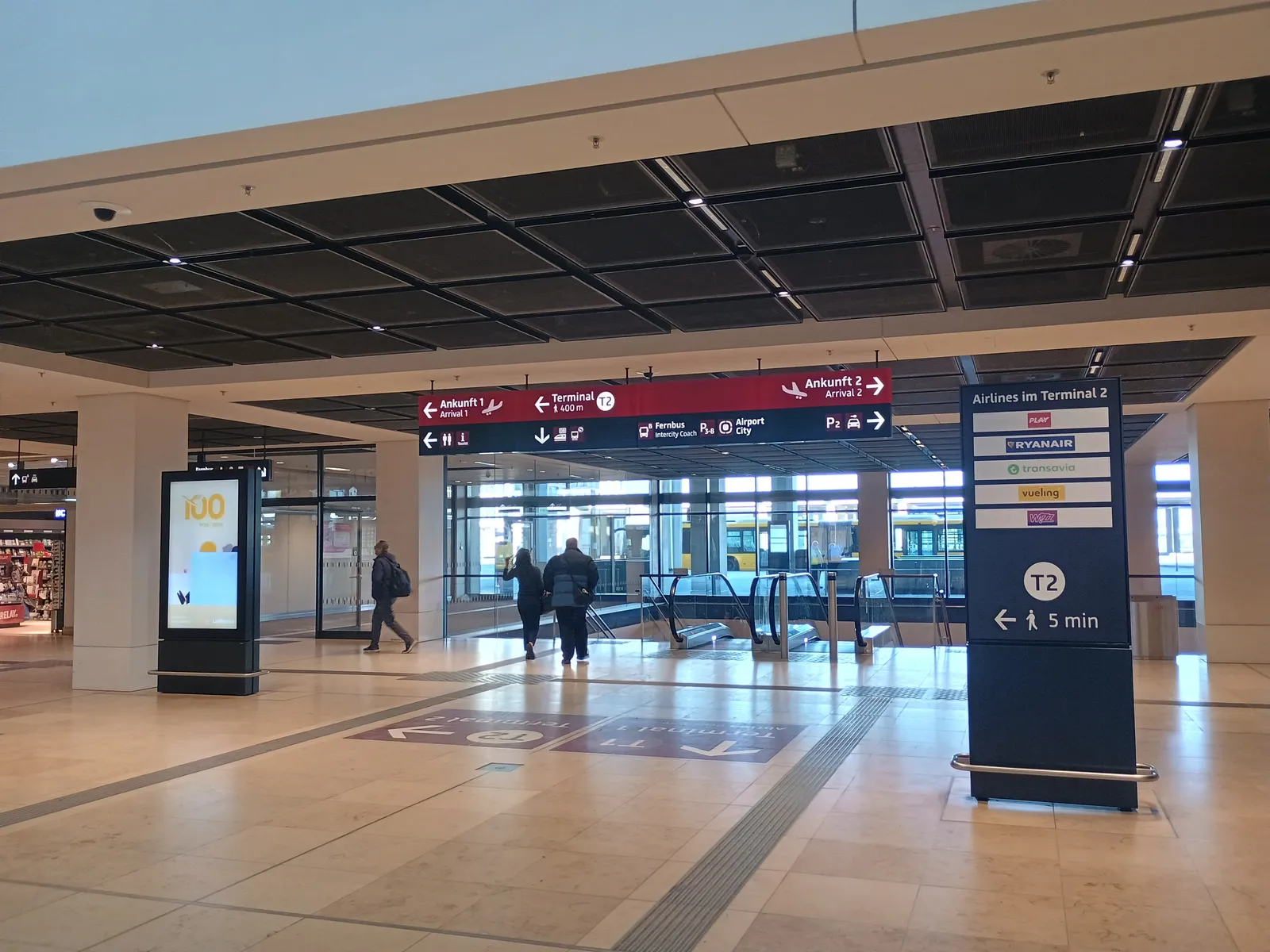
The global silent airport trend is growing rapidly, with major airports across North America, Europe, Africa, Asia, and Australia adjusting their announcement policies to make airport travel less disruptive. What started as a niche European experiment is now shaping how airports worldwide think about the traveler experience.
The initiative aligns with global best practices observed at major international airports including Singapore Changi, Zurich, Amsterdam, and London City. When a new Saudi hub points to these airports as its benchmarks, it signals how firmly the silent approach has moved from progressive experiment to industry standard.
Silent airports represent a transformative approach to air travel, prioritizing passenger well-being through reduced noise pollution and enhanced digital communication. The quiet, increasingly, is the point.
The Takeaway for Every Traveler

The shift to silent airports is one of those slow-moving changes that only becomes obvious once it has already arrived. Airports that once competed on retail and gate count are now competing on calm. The departure screen is the new loudspeaker, and most passengers, given the choice, seem to prefer it that way.
The practical implication is straightforward: if you’re passing through Amsterdam, Singapore, Dubai, or a growing number of hubs across India, the Gulf, and beyond, nobody is going to remind you to board. Keep an eye on the screens, check your airline’s app, and resist the old habit of waiting for the announcement. It may never come.
The airports that have gone silent aren’t abandoning their passengers. They’re simply trusting them a little more.
AI Disclaimer: This article was created with the assistance of AI tools and reviewed by a human editor.