
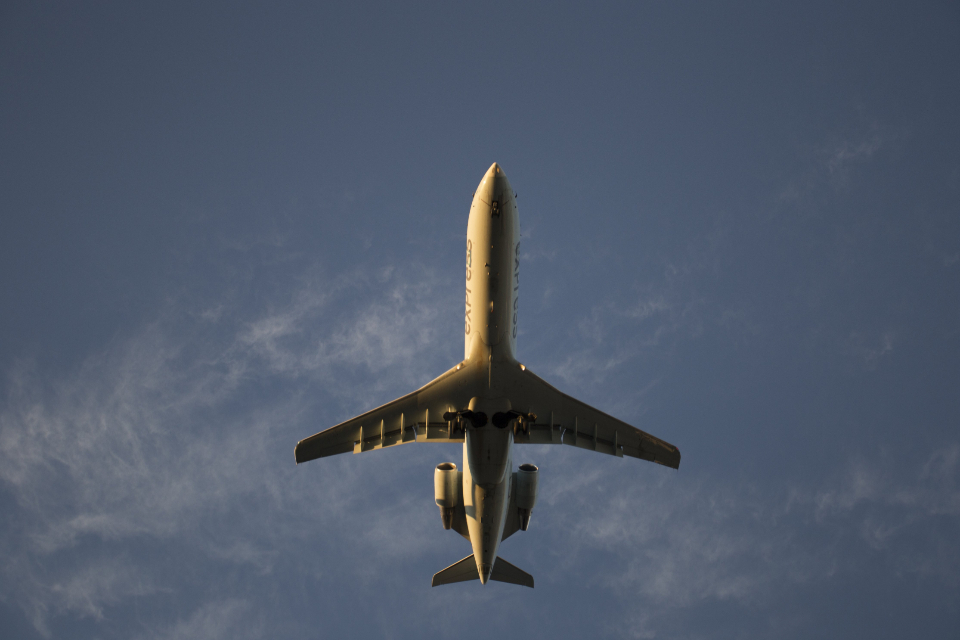

Most passengers sitting in a window seat at cruise altitude have no idea that tucked away in a small compartment beneath the fuselage, there’s a tiny propeller waiting to do one job it may never be called upon to do. It sits there, stowed and silent, through thousands of flight hours. If everything goes right, it never moves.
If everything goes wrong, it swings out into the wind and may be the reason everyone on board survives. This device is called the Ram Air Turbine, or RAT, and it’s one of the more quietly remarkable inventions in aviation engineering.
What Exactly Is a Ram Air Turbine?
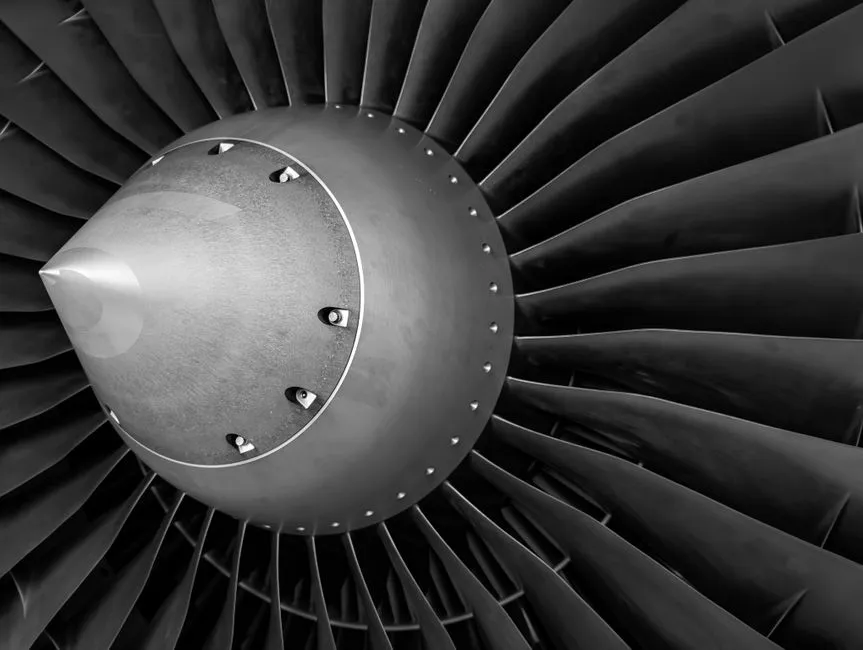
The Ram Air Turbine is one of the most elegant pieces of emergency engineering in aviation. It’s a small two- or four-bladed propeller, typically less than a metre across, mounted on a hinged strut. If the aircraft loses its main sources of power, the RAT deploys automatically into the airflow rushing past the aircraft. That airflow spins the propeller, and the spinning shaft drives either a hydraulic pump, a small electrical generator, or both.
Present-day aircraft will generally only use ram air turbines in an emergency where both the primary and secondary power sources are lost. If this occurs, the RAT is used to power the aircraft’s crucial systems such as flight controls, instruments, and hydraulic systems.
How the Physics Actually Work
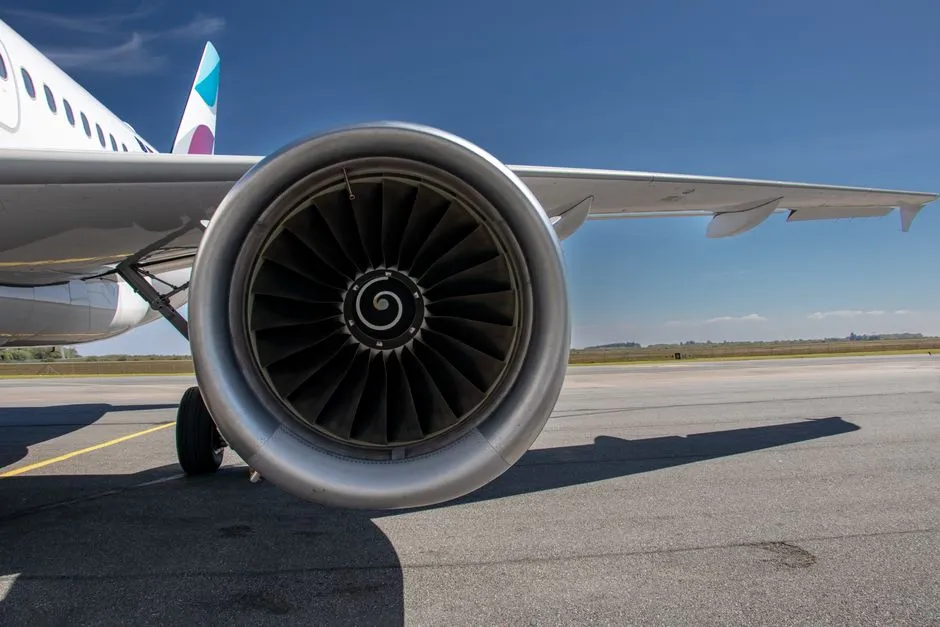
The RAT acts like a compact wind turbine, using the aircraft’s forward motion to spin blades and drive a generator or hydraulic pump. This matters because large aircraft rely on electrical and hydraulic systems for flight controls, instruments, and communication. RATs generate power by injecting ram pressure, which is the force exerted on the aircraft due to its movement through the air. Ram pressure depends on the speed of the aircraft.
The amount of power that a RAT generates is dependent on the speed of the plane at the time of its usage. They work using the concept of ram pressure. The greater the aircraft’s speed, the more power the RAT will generate. So a plane descending quickly at high altitude actually has more RAT output than one crawling toward a runway at low speed, which creates a real tension as the crew tries to get safely down.
How Much Power Does It Actually Produce?
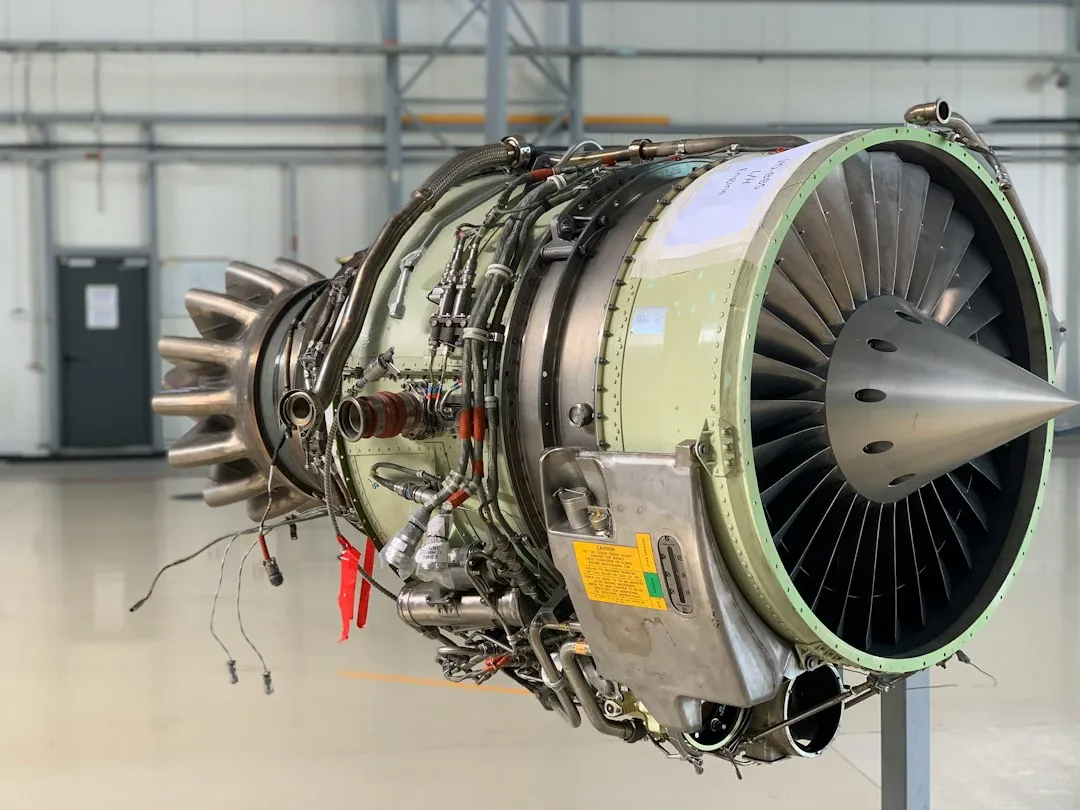
A typical RAT will be around 80 centimetres wide and can generate between 5 and 70 kW of power when called upon during an emergency. To put that into context, that’s roughly the energy output of a small household generator. It’s not a lot, but then again, it doesn’t need to be.
By providing a modest but vital trickle of power, the RAT keeps the primary flight controls and key instruments alive so the crew can fly the aircraft and attempt a landing rather than losing control. Separate essential circuits from non-essential equipment so that limited emergency power is not wasted on cabin services or other high-demand loads. The cabin lights may go out, but the rudder still works.
Where It Lives and How It Deploys

A RAT is located in the aft underbelly of the aircraft and can be deployed through gravitational force. A RAM air turbine is stored within the fuselage or wings of the airplane except during deployment. Upon deployment, the RAM air turbine pivots from a stowed position within the airplane to a deployed position which depends downward from the fuselage to a position where air intercepts it as a consequence of the velocity of the airplane moving through the air.
Once locked into the airflow, the RAT typically cannot be retracted in flight. It stays out until the aircraft is on the ground and maintenance crews stow it. There’s something fittingly honest about that design choice. When the RAT is out, everyone knows the situation is serious.
Which Aircraft Carry a RAT?
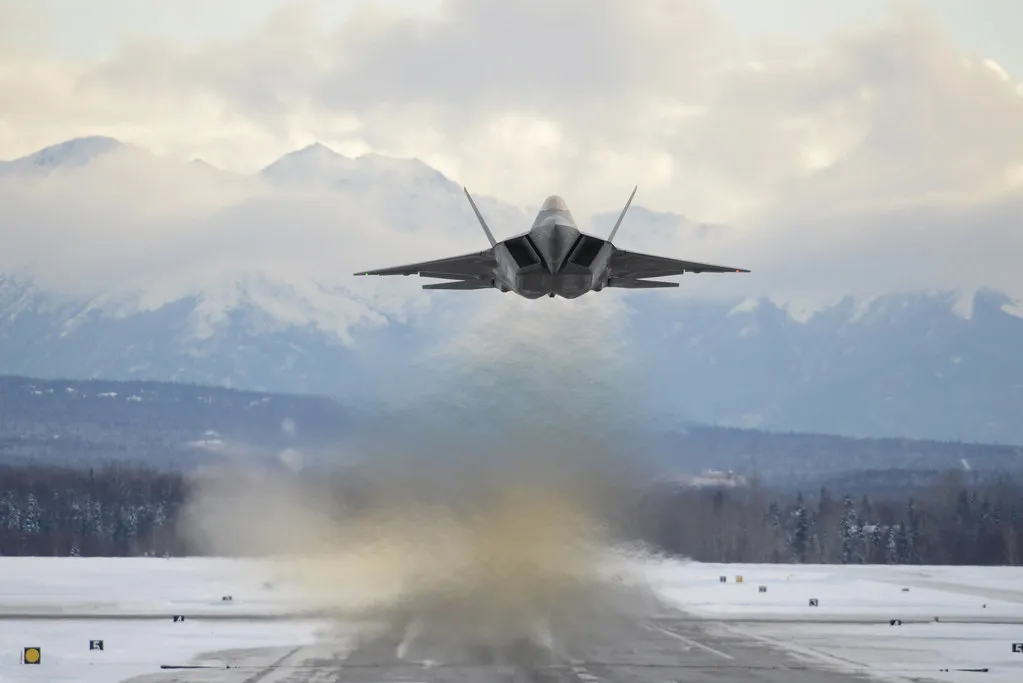
The Boeing 787, along with the A320, A330, A350, 777, 747, A380, and most transport-category aircraft, is fitted with a ram air turbine as an emergency backup power source. Ram air turbines are found on transport-category airliners and many business jets, aircraft large and fast enough that a wind-driven turbine is a practical emergency power source.
The Boeing 737 is a notable exception. It relies on batteries and the APU for standby power instead of a deployable RAT. The RAT is primarily used on military fighters and transports, while some advanced designs employ emergency power units that burn hydrazine to generate emergency power. Fighter jets in particular sometimes opt for more compact, chemical-based alternatives.
The RAT vs. the APU: Understanding the Difference
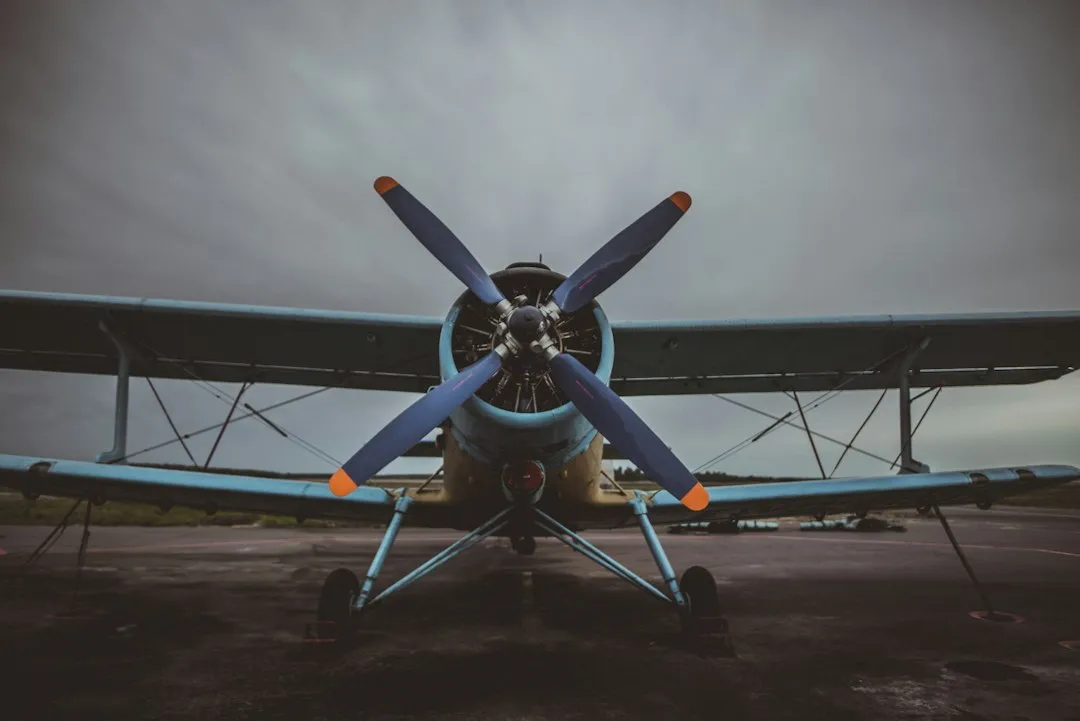
The RAT performs the same function as an auxiliary power unit. While an APU is essentially a small jet engine that burns regular jet fuel to generate additional power, the RAT consists of a propeller that is spun by the high-speed air flowing past the aircraft. The APU is the first backup option. The RAT is the last resort.
While aircraft are equipped with an Auxiliary Power Unit to provide necessary power to critical systems in case of complete engine failure, the RAT offers an additional layer of safety. Think of them as layers on a safety onion. The RAT sits at the innermost layer, accessed only when everything else has failed.
The Gimli Glider: When the RAT Had to Prove Itself
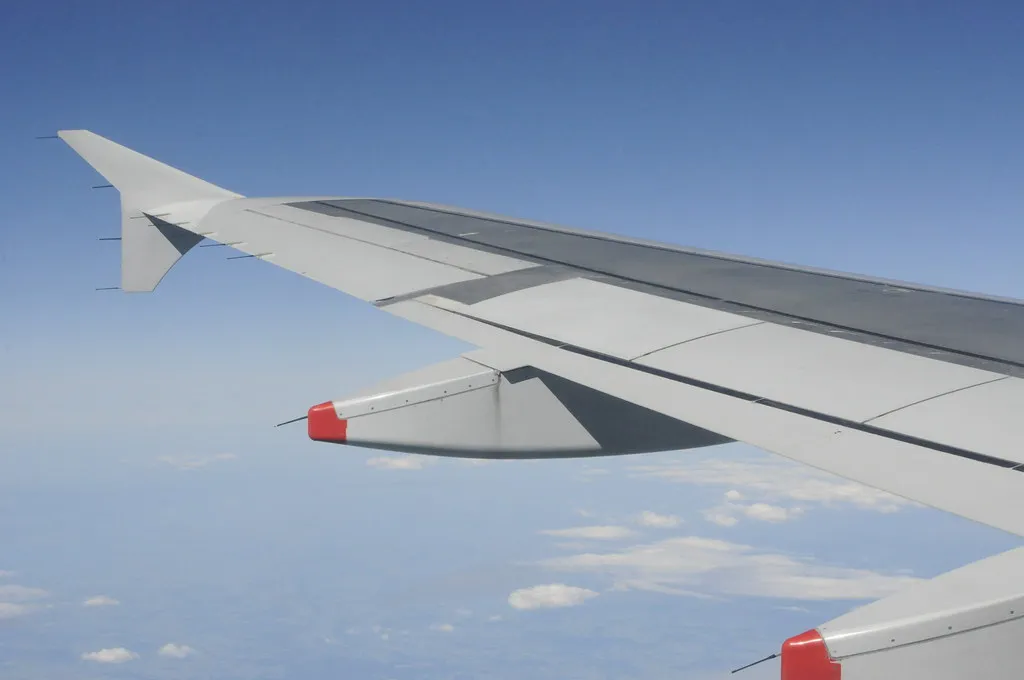
Air Canada Flight 143, known as the Gimli Glider, experienced a fuel exhaustion emergency on July 23, 1983, during a scheduled flight from Montreal to Edmonton. Since the engines supply power for the hydraulic systems, in the case of a complete power outage, the aircraft was designed with a ram air turbine which swings out from a compartment located beneath the bottom of the 767 and drives a hydraulic pump to supply power to hydraulic systems.
The situation would have been even worse were it not for the deployment of the Ram Air Turbine, a small propeller which, in the event of a dual engine failure, automatically drops into the airstream below the plane, where it generates power to keep the hydraulic pumps running. Notably, the RAT didn’t power non-essential controls such as the flaps and slats, which increase lift and enable low-speed flight. The RAT also didn’t provide power to the landing gear actuators. The crew improvised, and all 69 people on board survived.
The RAT’s Achilles Heel: Speed Dependency
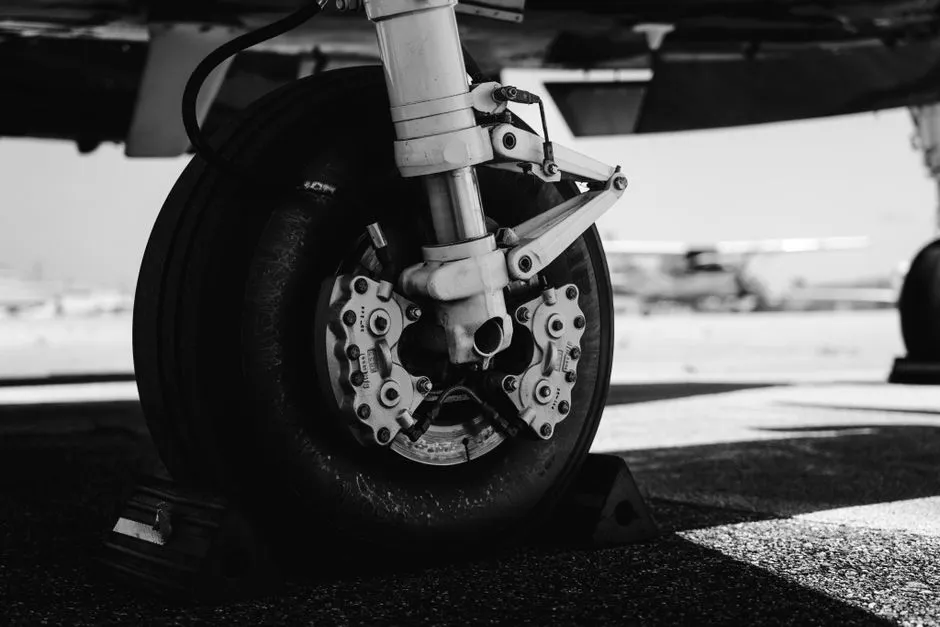
Because it relies on airspeed, the RAT produces more power the faster the aircraft is flying and less as it slows for landing. The system performance decreases with diminishing flight velocity and decreasing outside pressure, while the need for emergency power is particularly high precisely before or while landing. This is the central irony of the device: it weakens at the exact moment it’s needed most.
For Captain Pearson, the flight controls were becoming increasingly difficult to operate. The effectiveness of the emergency RAT was governed by the speed of the wind slipping around the fuselage, so as the plane gradually slowed, the hydraulic assistance was diminishing. Engineers continue to work around this constraint, including through hybrid designs that pair the RAT with supercapacitors to buffer output during low-speed phases.
A Long History in Aviation
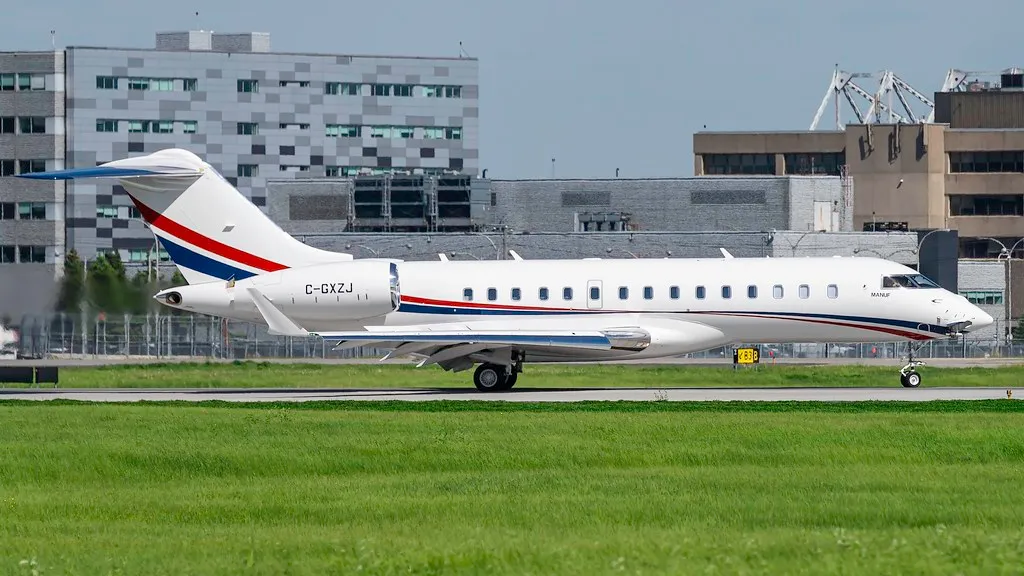
In 1961, the RAT began to be applied as an auxiliary and emergency power unit. Its roots go back even further, through experimental military aircraft of the 1940s and early jet fighters that needed reliable backup power in combat environments where engine failures were far less rare. As power requirements for aircraft systems have increased, the power generation capabilities of RAT systems continue to increase. Higher power generators tend to be configured to rotate at speeds greater than the rotational speed of the turbine by utilizing a gearbox between the turbine and the generator.
The size of the ram air turbine of a given aircraft is typically constrained to a predetermined size envelope. That means every RAT is a careful compromise between compact storage, structural integrity, and enough blade area to generate meaningful emergency power at minimum deployment speed. Getting all three right is harder than it looks.
Lives Saved and Continuing Relevance
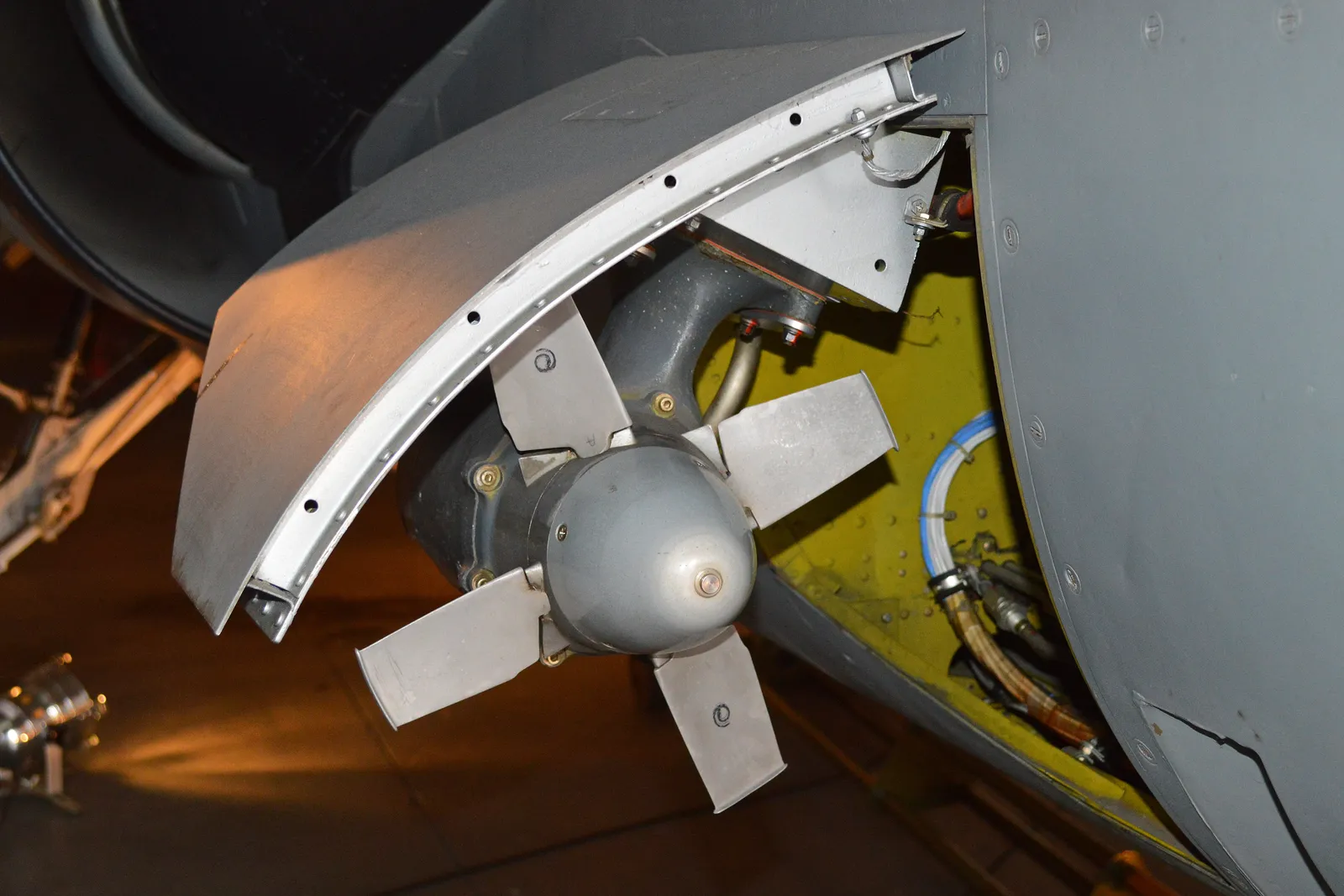
RAM air turbines are the core of an aircraft’s emergency power system and have even helped save 1,700 lives in 16 documented emergency situations. In the event of a power loss, the RAT deploys from the wing or fuselage and derives power from the airstream to help control and land the aircraft. These aren’t hypothetical scenarios confined to engineering textbooks. They are real flights with real people aboard.
As long as the aircraft is moving forward through the air, the RAT can produce power, no engines required. That simple principle, air plus forward motion equals power, is the entire foundation of the device. Modern aviation has layered sophisticated redundancies on top of one another, but the RAT remains proof that sometimes the most dependable solutions are also the most elegantly straightforward.
Final Thoughts
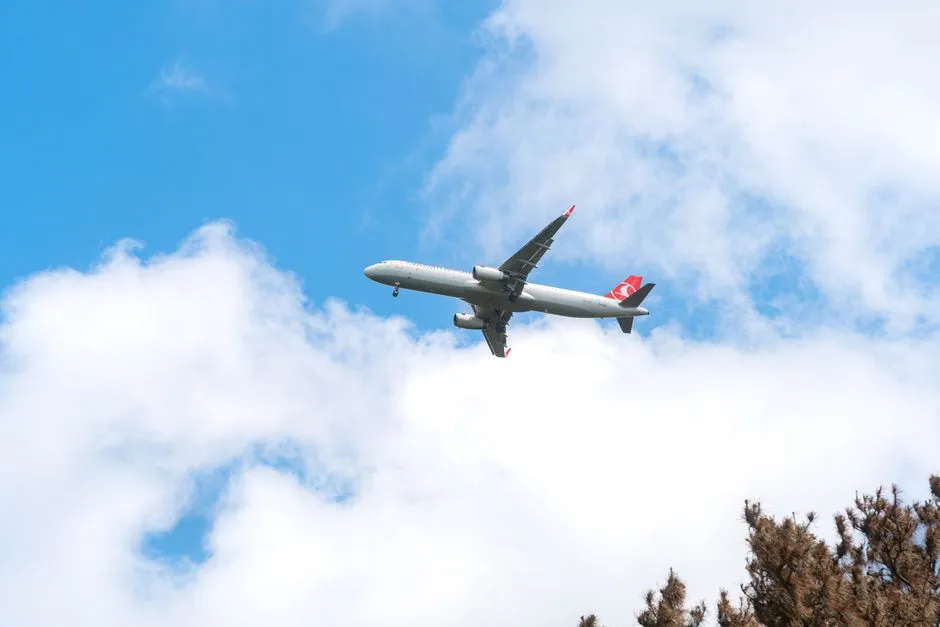
It’s worth pausing to appreciate how much engineering foresight goes into a device that the vast majority of passengers will never know exists. The RAT doesn’t advertise itself. It sits folded away behind a panel, waiting through years of uneventful flying. Its presence represents one of aviation’s most honest admissions: that even with all the redundancy built into modern aircraft, designers still plan for the possibility that everything fails at once.
The tiny propeller that drops out in a crisis is, in its own quiet way, a reminder that the safety of commercial flight isn’t accidental. It’s the product of decades of hard-won lessons, engineering care, and a persistent willingness to plan for the worst while hoping for the best.
AI Disclaimer: This article was created with the assistance of AI tools and reviewed by a human editor.