
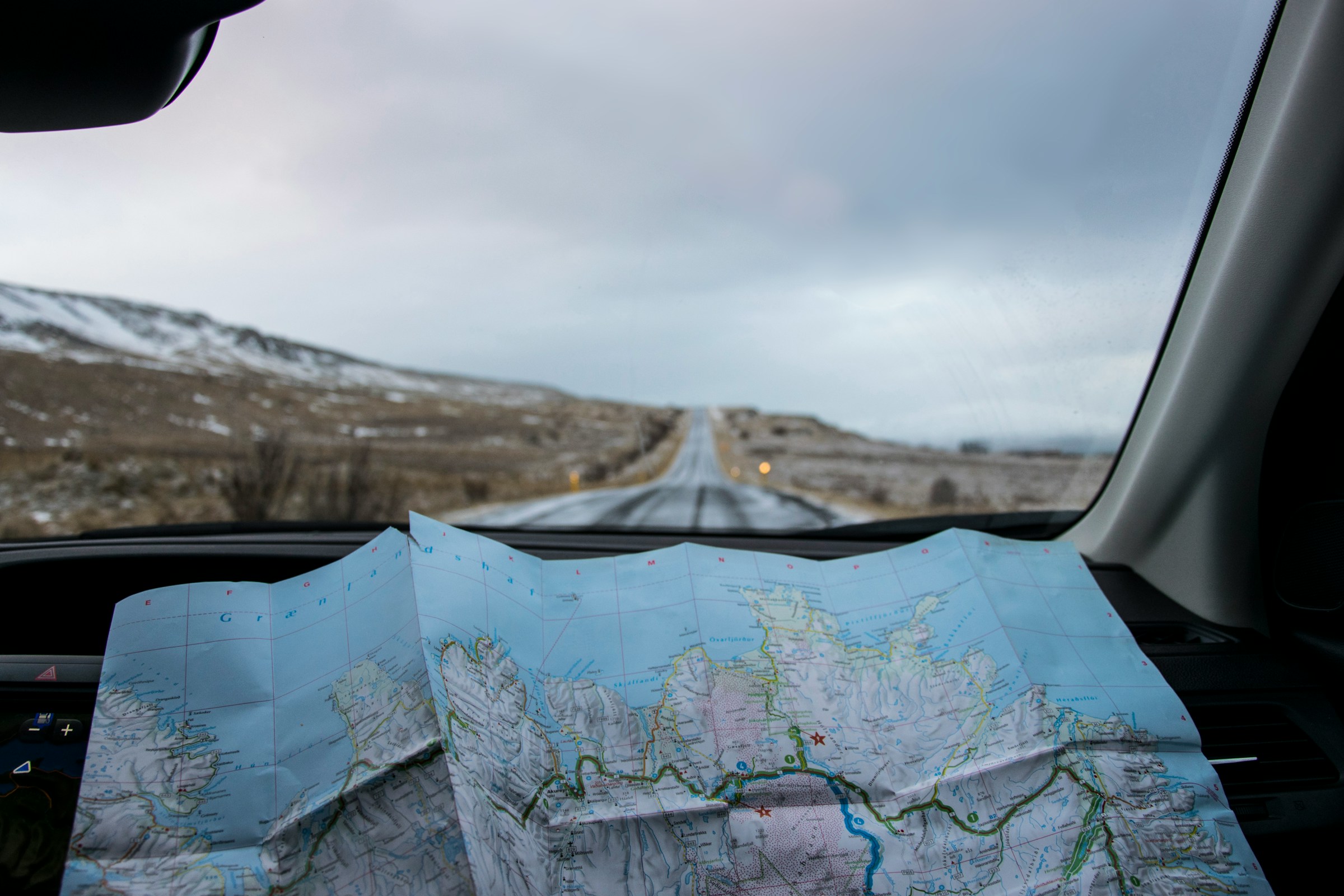

There’s something quietly rebellious about unfolding a large paper map in an age when every answer is one tap away. While GPS has become the default way most people navigate, a growing number of road trippers and wanderers are deliberately reaching for a printed atlas instead. It’s not purely a nostalgia act. There are real, researched reasons why this choice is gaining ground, and the data behind it is more compelling than you might expect.
Sales Are Up – The Numbers Don’t Lie
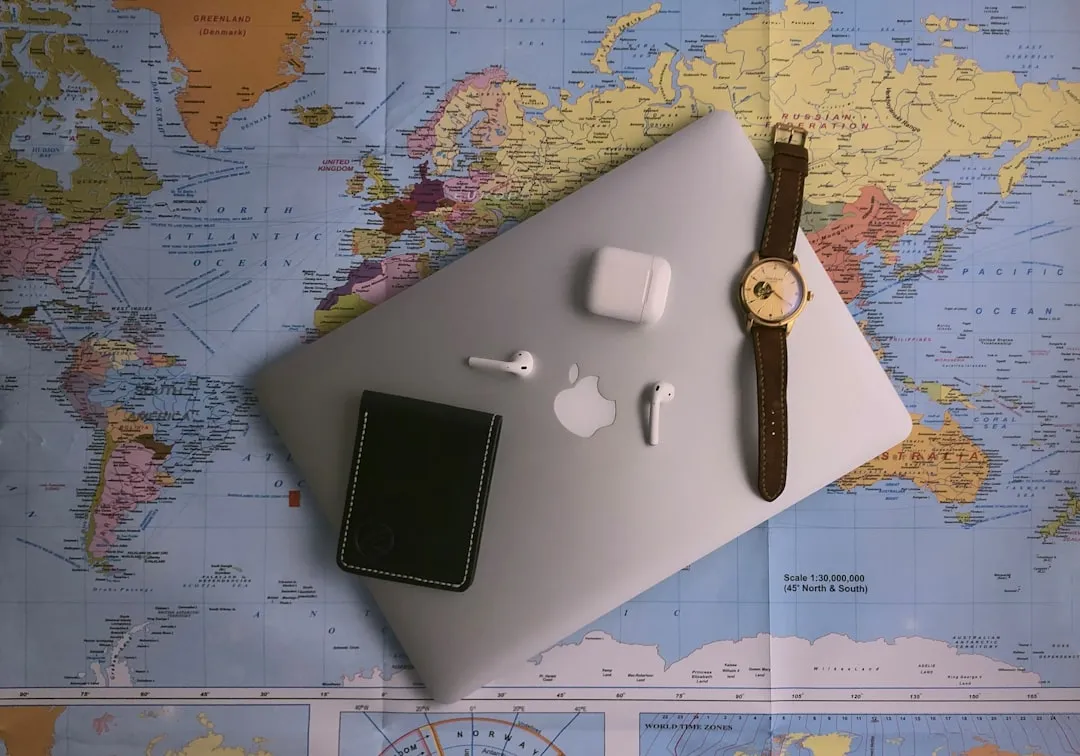
The paper map comeback isn’t just anecdotal. Since 2021, atlases and paper maps have seen a resurgence in popularity with unit sales increases of greater than twenty percent. That’s a meaningful jump for a category many assumed was quietly fading out.
Travelers are either discovering or rediscovering that paper atlases provide a richer, more comprehensive travel experience versus a GPS device that shows only a small portion of the journey at any one time. Rand McNally, the country’s most recognized map publisher, has noticed this shift directly in its own sales data.
The Rand McNally Road Atlas has been the essential, trusted tool for road travelers for more than 100 years, and the 2026 edition continues that tradition with updated maps, city insets, and national park guides. The demand for new, current editions suggests people aren’t just buying maps as decor – they’re actually using them.
Road Trips Are Having a Major Moment
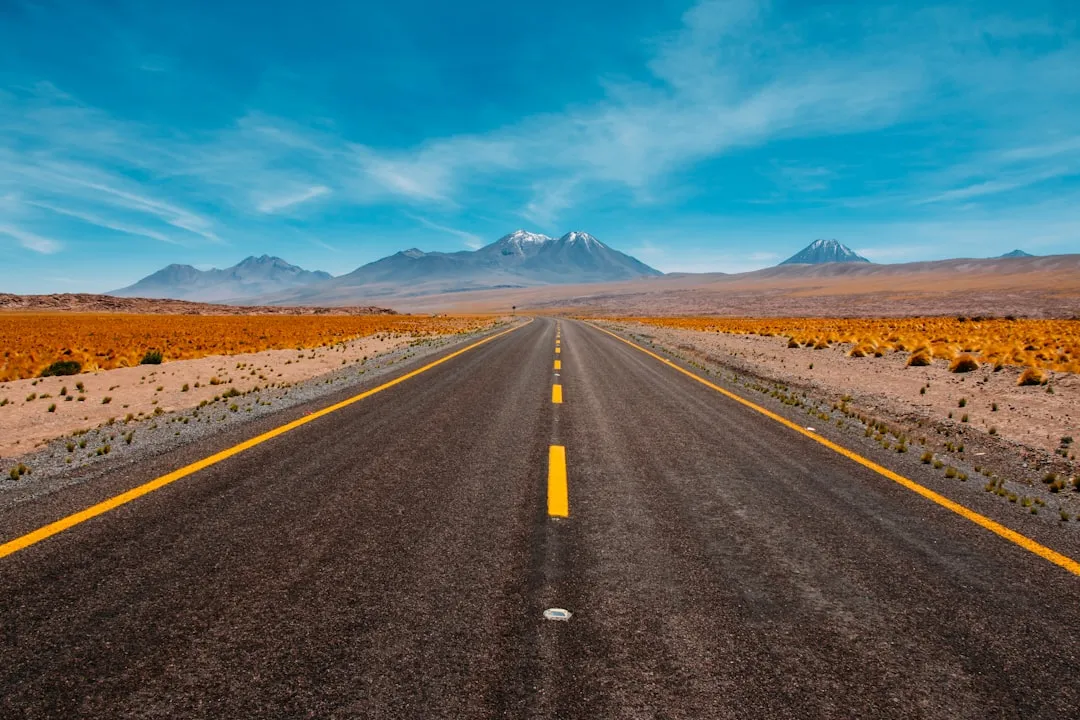
The context for the paper map revival makes more sense when you consider just how many Americans are hitting the road. Travel habits have shifted, with almost twice as many people choosing to drive instead of fly in 2024, and the classic American road trip was the favorite travel style of the year, claiming roughly two in five travelers.
In 2025, the open road remains popular, with roughly a third of travelers still planning road-based trips. More time in a car naturally leads some drivers to think more carefully about how they navigate – and not everyone wants to hand that job entirely to a phone screen.
The road trip’s cultural resurgence has created a receptive audience for the paper atlas. For many travelers, the map becomes part of the ritual: spread across the hood of a car at a rest stop, or consulted over coffee before getting back on the highway.
GPS Quietly Drains Your Sense of Place
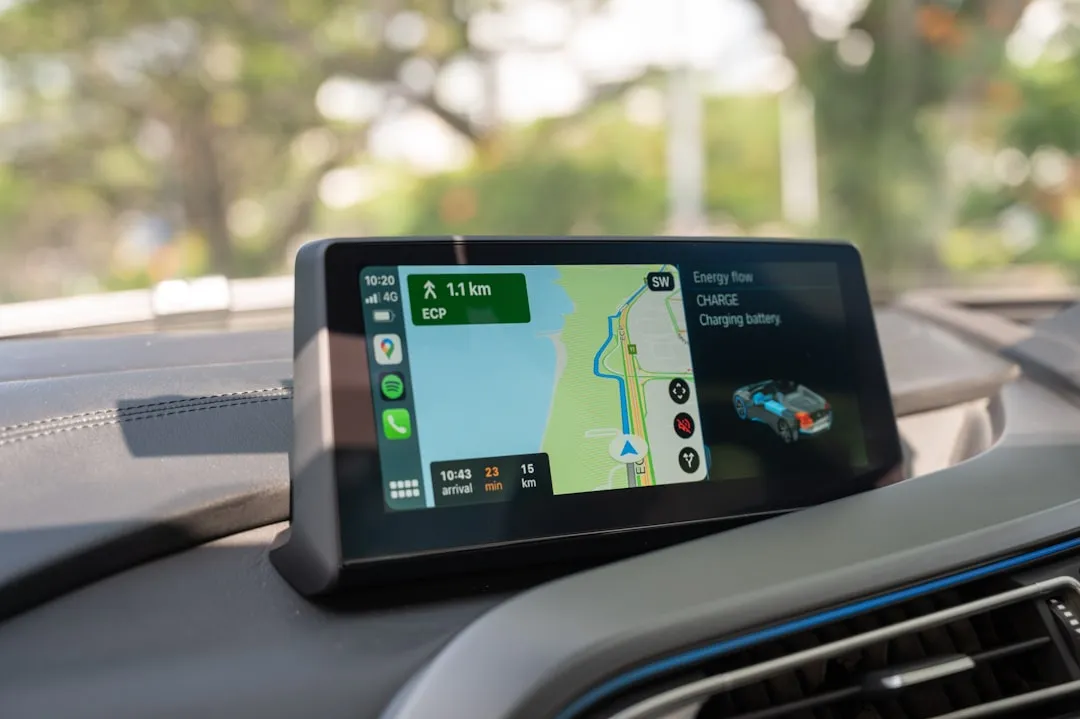
Research has shown that those using GPS looked at their devices thirty percent more of the time than those who used a paper map, and GPS users had twenty percent lower scene recognition memory – and were more likely to follow the suggested route without deviation. In plain terms: GPS users see less of where they actually are.
Paper map users had a richer experience because they often strayed from their designated course to explore sights they encountered along the way, while GPS users did not fully engage with their surroundings. This research, based on a University of Tokyo study, captures something many seasoned travelers have long felt intuitively.
As author Mark Altaweel explained, because GPS devices are mainly focused on finding the fastest route, users may be missing out on other preferences – including less noise or a more scenic route. Navigation using GPS is focused on avoiding delays but does not select for things that may enrich our experience with a place.
Paper Maps Engage Your Brain Differently
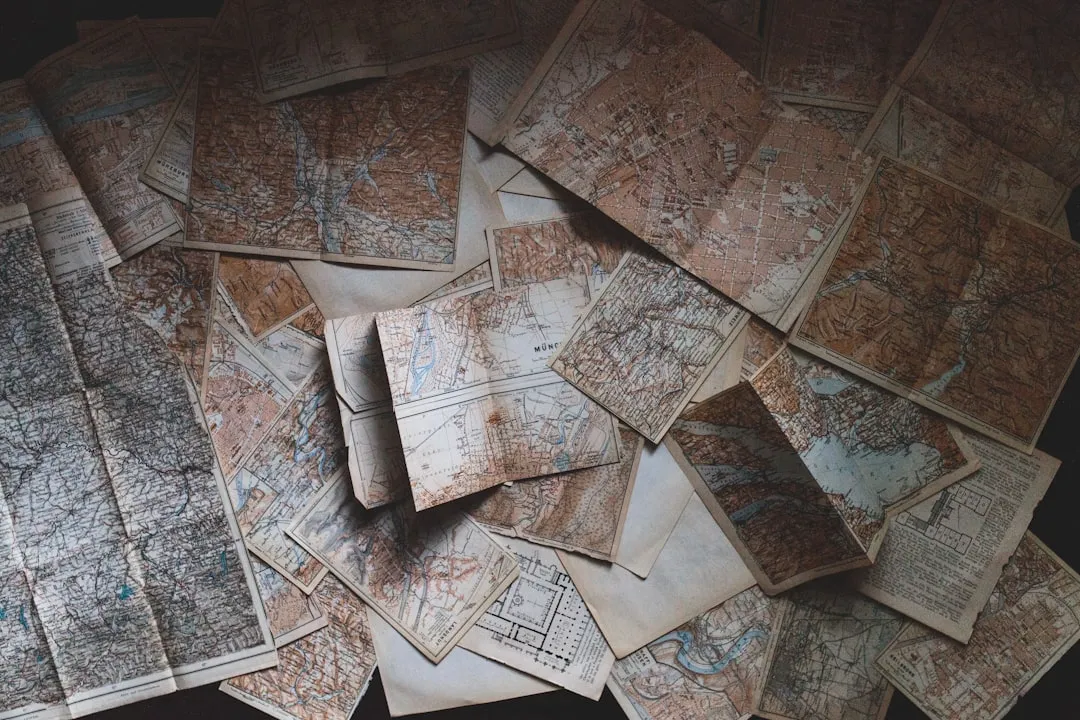
The tactile experience of unfolding a map, tracing routes with a finger, and deciphering symbols enriches the journey, making it more of an interactive experience than merely reaching a destination. Studies have found this direct engagement enhances memory retention and spatial orientation.
Unlike the active mental mapping stimulated by traditional paper maps, GPS use could mean our spatial orientation skills and memory capacity might not get the same workout, potentially impacting our cognitive abilities in the long term. Neuroscientists have pointed to the importance of keeping the mind challenged, especially as we age.
Multiple experiments have shown that GPS navigation reduces spatial awareness and mental mapping when compared to more traditional forms of navigation like paper maps. Research comparing paper maps to Google Maps found that app users significantly underperformed on traditional memory tasks such as pointing or landmark recognition.
GPS Can Make You a Less Attentive Driver

There’s a safety dimension to this conversation that rarely gets enough attention. According to an insurance company survey, among people who described themselves as being “rarely distracted” while driving, just ten percent said they emailed or texted behind the wheel – yet seventy-seven percent admitted to looking at GPS navigation.
Other research found that drivers don’t just briefly glance at their phones to check directions. They often adjust the size of the map on the screen, and those glances turn into longer looks – crucial seconds where their eyes are off the road in front of them.
In contrast, a driver who has studied a paper map before leaving tends to carry a mental model of the route. The navigation becomes internal rather than something demanded by a screen every few miles. It’s a quieter, less fractured way to drive.
The Digital Detox Movement Is Fueling the Shift

Unplugged travel is a growing trend, offering travelers a chance to unplug from devices and reconnect with the world without a screen between them. With the average person spending roughly six hours and forty minutes per day on screens, more people are taking deliberate steps to unplug, sparking growing interest in digital detox vacations.
According to the 2025 Hilton Trends Report, nearly one in four travelers now prioritize turning off social media and avoiding work communications while on vacation – a clear shift in attitudes. Choosing a paper map over GPS fits naturally into this mindset.
Digital detox tourism, where travelers intentionally disconnect from digital devices, is emerging globally as a response to constant digital immersion. Findings indicate that this kind of travel enhances well-being, deepens social and environmental engagement, and is reshaping what tourism operators actually offer. A paper map on the dashboard is a small but meaningful part of that broader intent.
Paper Maps Work Where Phones Simply Don’t
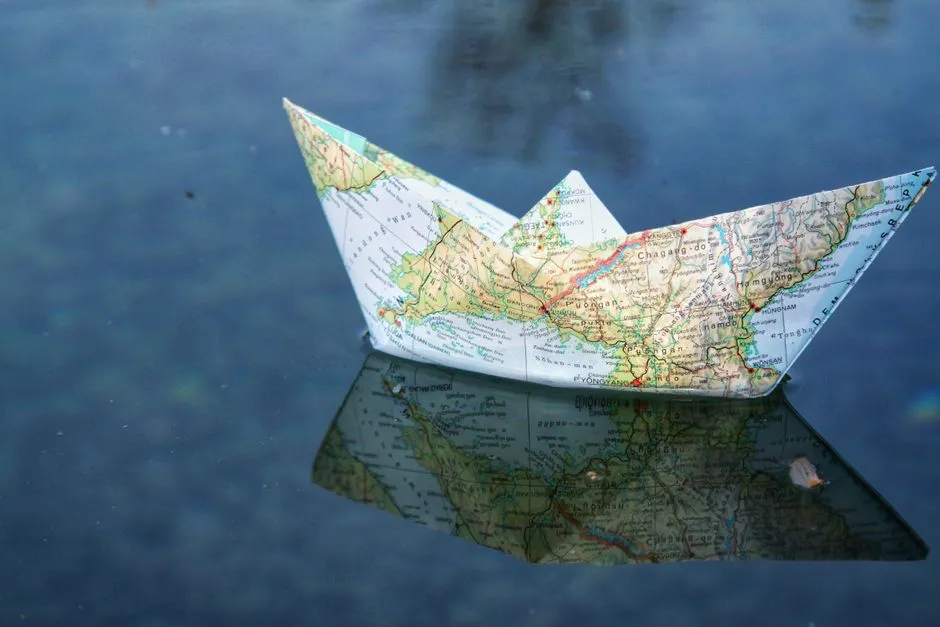
The reliability of paper maps in areas without digital connectivity highlights their value for explorers. This is not a minor point. Large stretches of rural America, mountain passes, remote coastal routes, and international roads have spotty or nonexistent cell coverage.
GPS receivers are great for navigation and getting to where you want to go, but in a survival situation, paper maps provide a reliable backup. It’s in those situations where you lose battery power or your signal that paper maps can be a savior. Paired with a compass, a physical map gives you something no drained phone battery can.
Paper maps bring an irreplaceable dimension to exploration and learning. They serve not just as a tool for finding the way, but also as an educational resource for teaching geography and encouraging a deeper engagement with the physical landscape. That layered awareness simply doesn’t exist when a blue dot does all the thinking for you.
Younger Travelers Are Rediscovering the Map Aesthetic
A combination of maps as art and a search for a bigger picture from young travelers has sparked a significant jump in the sales of paper maps, according to reporting that aired on NBC’s TODAY program. There’s something about holding the whole landscape in your hands that a phone screen can’t replicate.
In the modern age of smartphones and GPS devices, the allure of digital maps is undoubtedly strong with promises of real-time updates and seamless navigation. Yet the timeless tradition of paper maps still appeals to many and is cherished by both adventurers and purists alike for their tangible charm and reliability.
For younger generations who have grown up entirely inside digital interfaces, the paper map carries its own novelty. It’s physical, it’s personal, and it doesn’t send notifications. In that sense, the appeal crosses generational lines in a way that’s worth taking seriously.
The Science of Spatial Memory Backs It Up
An early study found that when asked to navigate with GPS navigation devices rather than traditional navigation aids such as paper maps or verbal instructions, people performed more poorly on measures of spatial knowledge acquisition, including drawing sketch maps and pointing to landmarks, and also reported greater wayfinding difficulty.
Researchers found that people who relied on GPS to navigate a city by foot walked slower, made more direction errors, and ultimately took longer to reach their destination compared to people who relied on a paper map or who were shown the route beforehand. The cognitive engagement required to read a physical map appears to translate into more confident, efficient navigation overall.
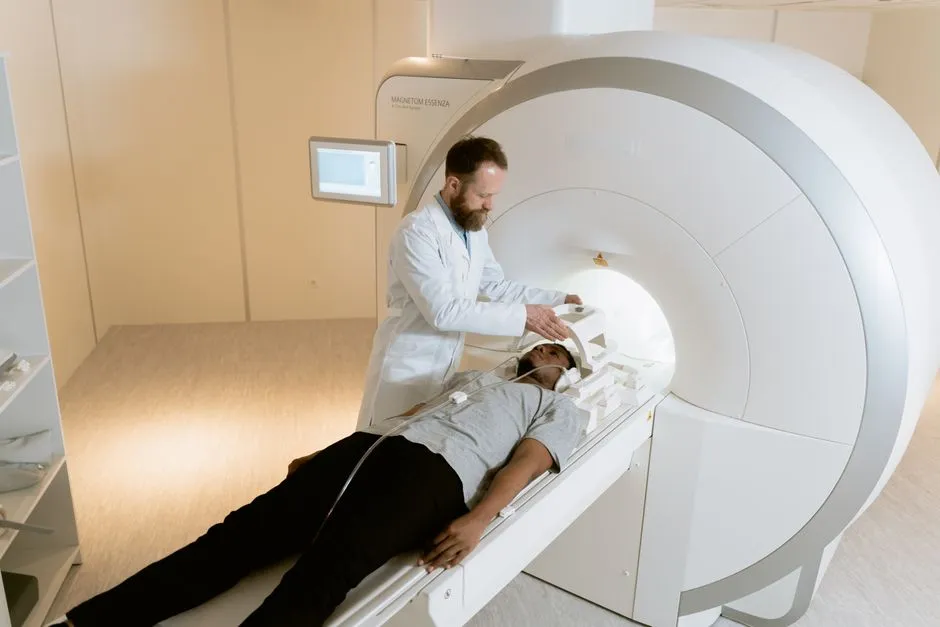
London taxi drivers who must navigate the city’s complex roads without GPS rely primarily on spatial navigation, and when researchers looked at the brains of these taxi drivers in an fMRI, they found that their hippocampi are notably larger than the average person’s. The brain, it turns out, responds to the challenge of real-world navigation in measurable ways.
A Broader Shift Toward Slow, Intentional Travel
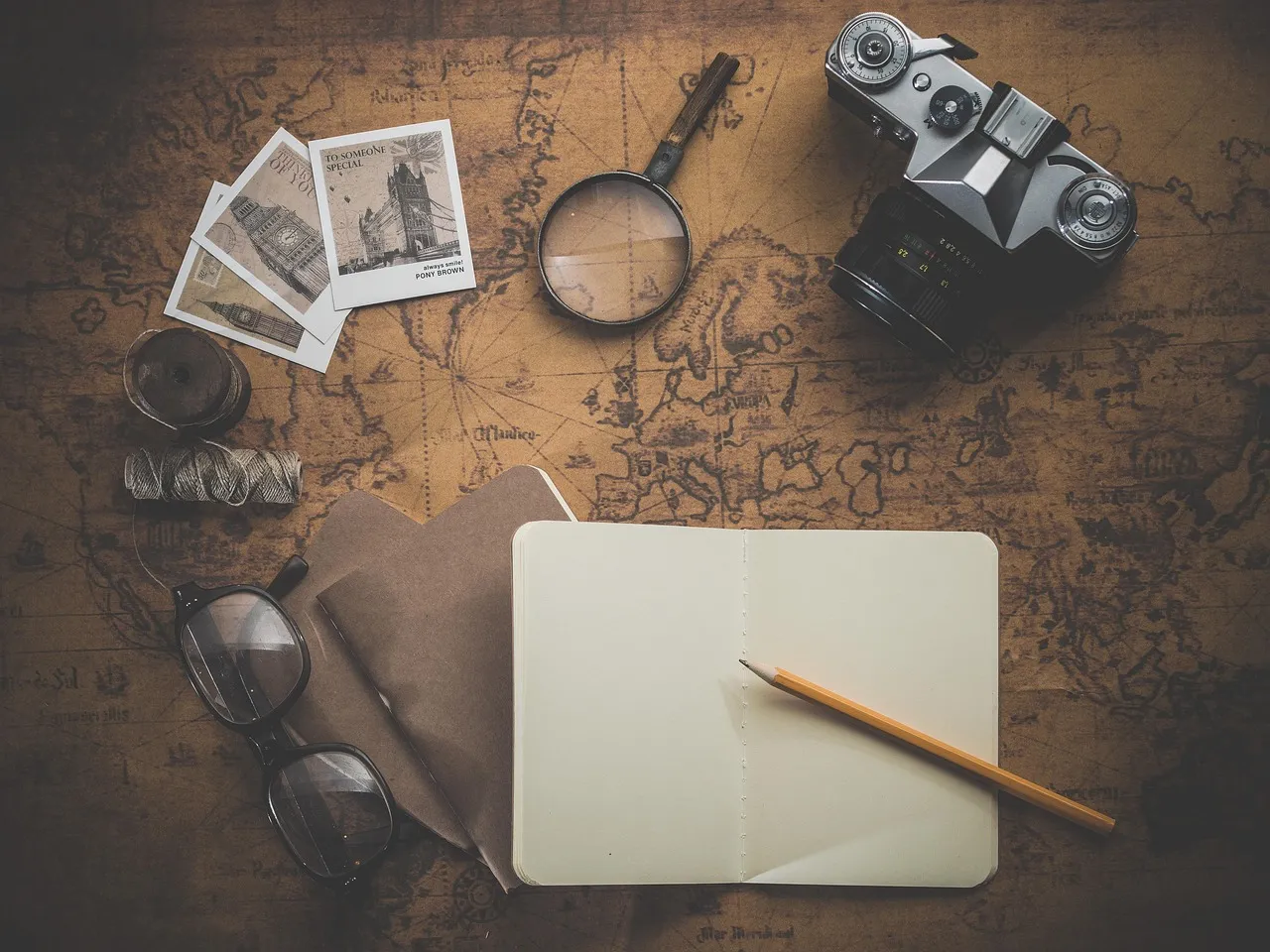
Today’s travel trends run the gamut from visiting lesser-known areas and wellness trips to events-driven and sustainable travel, reflecting a desire for more purposeful, considered journeys rather than efficient point-to-point logistics. A paper map fits squarely into that spirit.
Digital detox vacations reflect a larger societal move towards balance, intentionality, and mindful technology use, and experts forecast continued growth in the unplugged travel sector as more individuals prioritize wellness and mental health. Choosing analog tools for navigation is one small, practical expression of that intention.
Without digital distractions, travelers become more attuned to their surroundings – landscapes, wildlife, and local culture – and report greater satisfaction and place attachment. A paper map quietly supports exactly that: it asks you to look around, orient yourself, and understand where you are rather than simply follow instructions to get somewhere else.
The Takeaway
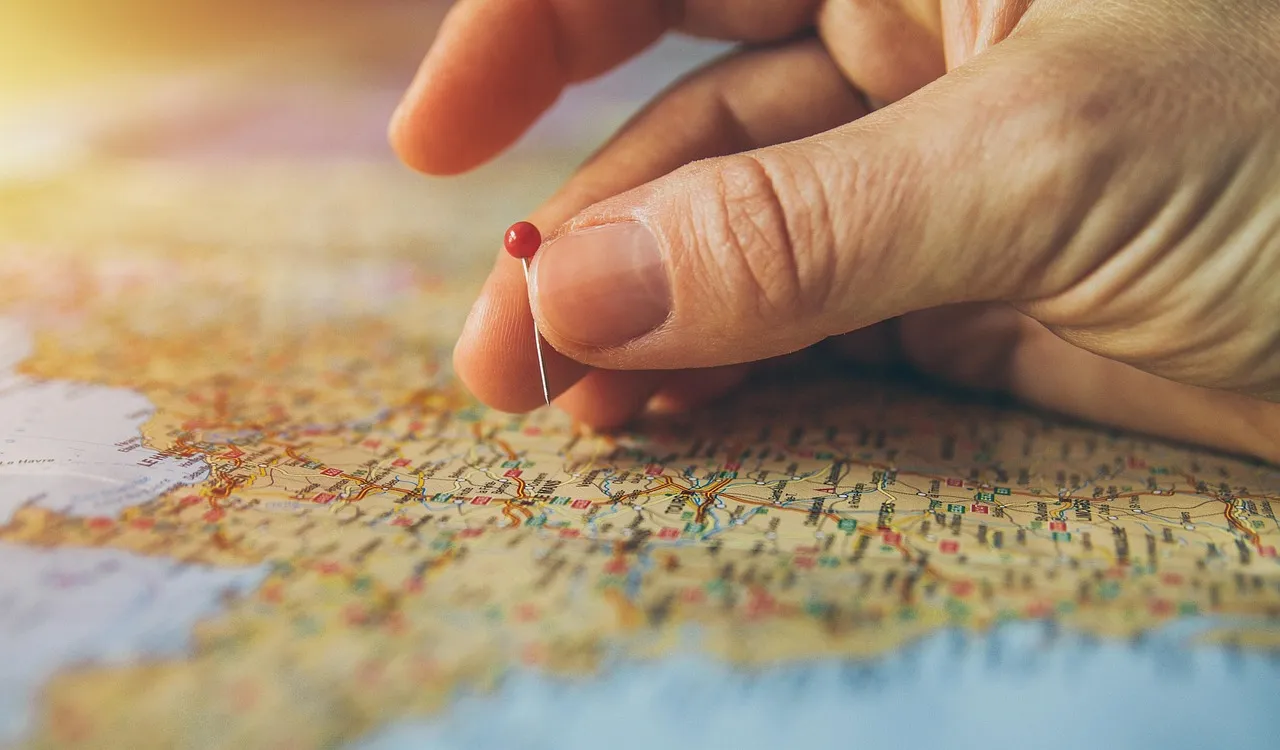
Paper maps aren’t a rejection of technology so much as a recalibration of it. The research suggests they improve memory, deepen spatial awareness, reduce distracted driving, and make the journey itself more present and alive. The sales data confirms people are responding to this – not out of stubbornness, but out of genuine experience.
There’s also something grounding about a tool that doesn’t need a signal, can’t run out of battery, and shows you the whole picture at once. In a travel culture increasingly shaped by screen time and algorithmic routing, pulling a folded road atlas from the glove compartment is a small, deliberate act with surprisingly meaningful consequences.
The road trip has never really been about the fastest route. Perhaps the map, in its old-fashioned simplicity, has understood that all along.
AI Disclaimer: This article was created with the assistance of AI tools and reviewed by a human editor.