


Something quiet has been happening at cash registers across the country. You hand over a ten-dollar bill for a purchase totaling $8.73, and instead of getting two pennies back with your change, you receive a nickel. Or nothing. The math has shifted slightly, and most shoppers barely noticed at first.
This isn’t an accounting error or a store policy dreamed up by a marketing team. It’s the downstream effect of a significant federal decision that’s rippling through everyday commerce, touching everything from convenience stores and gas stations to major grocery chains. Here’s why it’s happening, how it works, and what it means for your wallet.
The Penny’s Long Goodbye
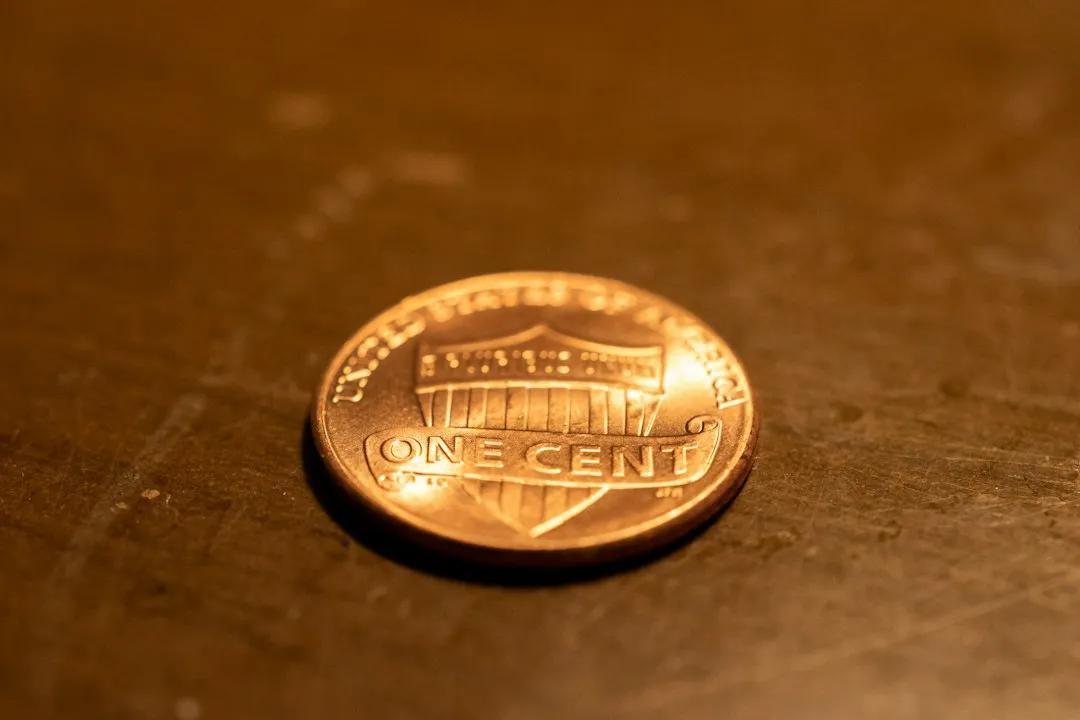
On February 9, 2025, President Donald Trump directed the Treasury Secretary to stop producing new pennies, citing a desire to reduce unnecessary government spending. The move wasn’t entirely surprising to economists, but the speed of it caught retailers off guard. After a slowdown in the summer, penny production for general circulation was halted on November 12, 2025, with penny production continuing only for collector sets and commemorative purposes.
The penny’s 233-year reign as a cornerstone of U.S. currency was effectively over. The decision had a straightforward financial logic behind it. It cost 3.7 cents to make each one-cent coin in 2024, according to the U.S. Mint. Each penny costs about 3.69 cents to make and distribute, leading to an $85.3 million loss for the Treasury in 2024.
How Rounding Actually Works at the Register
One solution to the penny problem is rounding to the nearest nickel, using a practice called symmetrical rounding. If the final price, after taxes, ends in one, two, six, or seven cents, payment in cash rounds down. The flip side applies equally. If the price ends in three, four, eight, or nine cents, cash payment rounds up. For $1.98 or $1.99, the consumer pays $2.
Rounding is applied to the total of a bill, not to the line items on the bill. This is an important distinction. Individual prices on the shelf tag remain unchanged. The bills before Congress would keep pennies as legal tender, but allow sellers to round the after-tax amounts used in cash transactions up or down to the nearest nickel when exact change can’t be provided. Payments made using electronic fund transfers, credit cards, gift cards, or similar payment methods would continue to be priced to the nearest penny.
Retailers Were Caught Without a Playbook

Banks and retailers say they support the elimination of the penny, but they thought there would be a plan to phase them out, not an abrupt stop. That gap between expectation and reality created real operational headaches. With no guidance from the federal government on how to phase out the coins, many stores were left pleading for customers to pay in exact change, while costing businesses millions by rounding down to avoid lawsuits.
One convenience store chain, Sheetz, got so desperate for pennies that it briefly ran a promotion offering a free soda to customers who bring in 100 pennies. The shortage wasn’t just an inconvenience. Businesses affected adopted differing responses, such as requiring payment in exact change or rounding cash transactions to the nearest five cents.
Which Stores Have Already Made the Switch

With no national rule, stores have been quietly making their own penny policies, often varying by location. More fast-food, convenience, and travel stop chains are rounding cash totals to the nearest nickel when pennies aren’t available. Some chains have been notably transparent about it. Kwik Trip stated in an October 2025 statement that its stores are no longer accepting pennies. The chain said all cash purchases would be rounded down to the nearest five cents, ensuring a guest-friendly approach.
Love’s Travel Stops stated that penny shortages are hitting a number of its stores, and in those locations Love’s is rounding cash purchases in favor of the customer, frequently rounding down. Grocery chains have followed. ShopRite announced that if shoppers pay with cash and don’t have the exact amount, they’ll round the change to the nearest nickel. This only affects cash payments; card, EBT, gift card, or exact change transactions are unaffected.
Congress and the Common Cents Act
US retailers appealed to Congress for a new law allowing them to round purchases to the nearest nickel as new supplies of pennies dried up. That lobbying effort led to real legislative action relatively quickly. The House of Representatives passed the Common Cents Act on July 14, 2026, and the Senate passed its version of the bill on August 7.
The Common Cents Act would provide that when a transaction total ends in 1, 2, 6, or 7 cents, the amount would be rounded down to the nearest nickel. Amounts would be rounded up for transactions where the total is 3, 4, 8, or 9 cents. Retailers also have the option of simply rounding the amounts owed by customers down to the nearest nickel. Importantly, the Act provides a voluntary framework for American businesses to round to the nearest nickel, not a mandate.
The “Rounding Tax” Debate
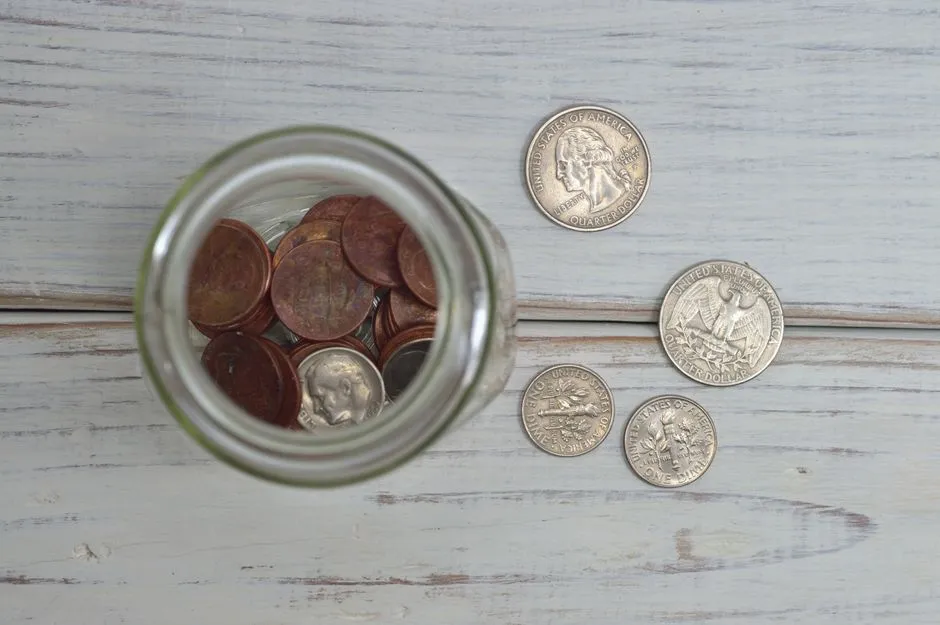
An analysis by the Richmond Federal Reserve found that transactions are statistically more likely to end in a number that gets rounded up, and therefore rounding to the nearest nickel “may indeed result in a net cost to consumers” of around $6 million annually. That’s a relatively modest figure spread across the entire country, but critics argue the principle matters. For large corporations, the difference could amount to hundreds of thousands of dollars if they are steadily rounding up.
While some acknowledge concerns about “strategic pricing,” in which retailers set prices to push rounding to their advantage, the National Conference of State Legislators characterized that as a “limited risk.” The Treasury offered a more reassuring view. The Treasury wrote that prices would be “rounded down just as often as they will be rounded up, so there should be no overall effect on consumer prices.”
The Legal Gray Zone for Cash-Paying Customers
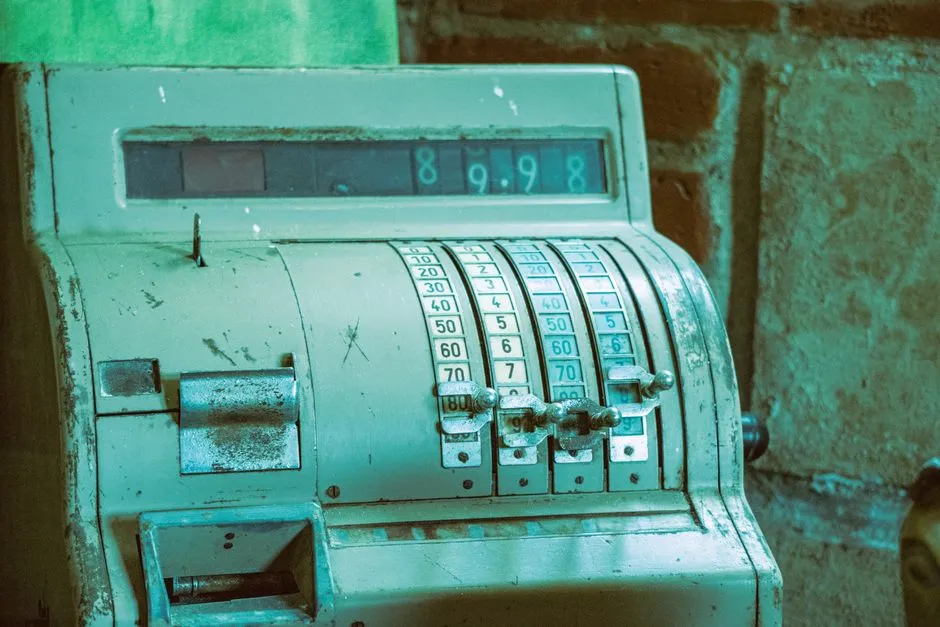
Stores are rounding up or down to the nickel without enabling legislation that retail stores say they need to remain in compliance with things like SNAP and to avoid running afoul of “pro-cash” state and local laws that conflict with rounding policies. That legal uncertainty has made some retailers more cautious than others. There are still no federal regulations on rounding cash transactions, and several cities require exact change to be given.
Most states have yet to issue new regulations on when and how currency rounding should occur. While the fiscal impact of rounding might be limited, the absence of a regulatory framework introduces legal risks and potential confusion among stakeholders. This patchwork situation means the experience at checkout can genuinely differ depending on which store you walk into, or even which city you’re in.
What States Are Doing While Washington Catches Up
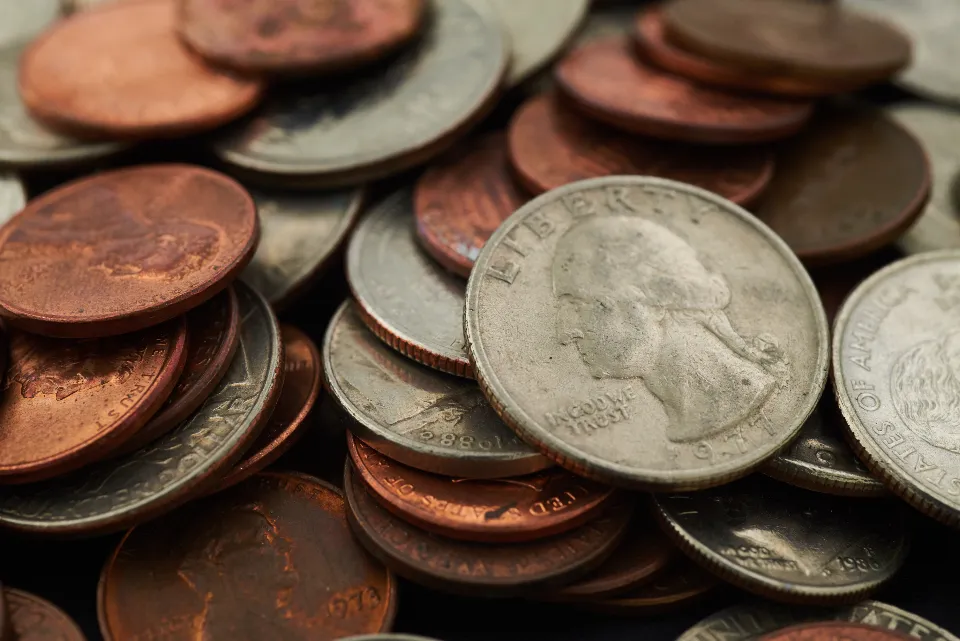
The Retail Industry Leaders Association noted that retailers recognize the federal government’s decision to discontinue the penny, but the speed of the phaseout and the lack of formal guidance have created significant challenges for retailers and all businesses that accept cash. Some states have moved to fill the vacuum themselves. The National Conference of State Legislatures’ State and Local Taxation Task Force has been examining the penny issue and recommended symmetrical rounding as the fairest method for merchants and consumers.
The NCSL’s November 2025 report recommends symmetrical rounding whereby if the final digit of the total transaction amount is 1, 2, 6, or 7 cents, the amount is rounded down to the nearest multiple of five. If the final digit is 3, 4, 8, or 9 cents, the amount is rounded up. Several state legislatures have introduced their own bills to formalize this, even as the federal legislation moves through its final stages.
Canada’s Experience Offers a Useful Comparison
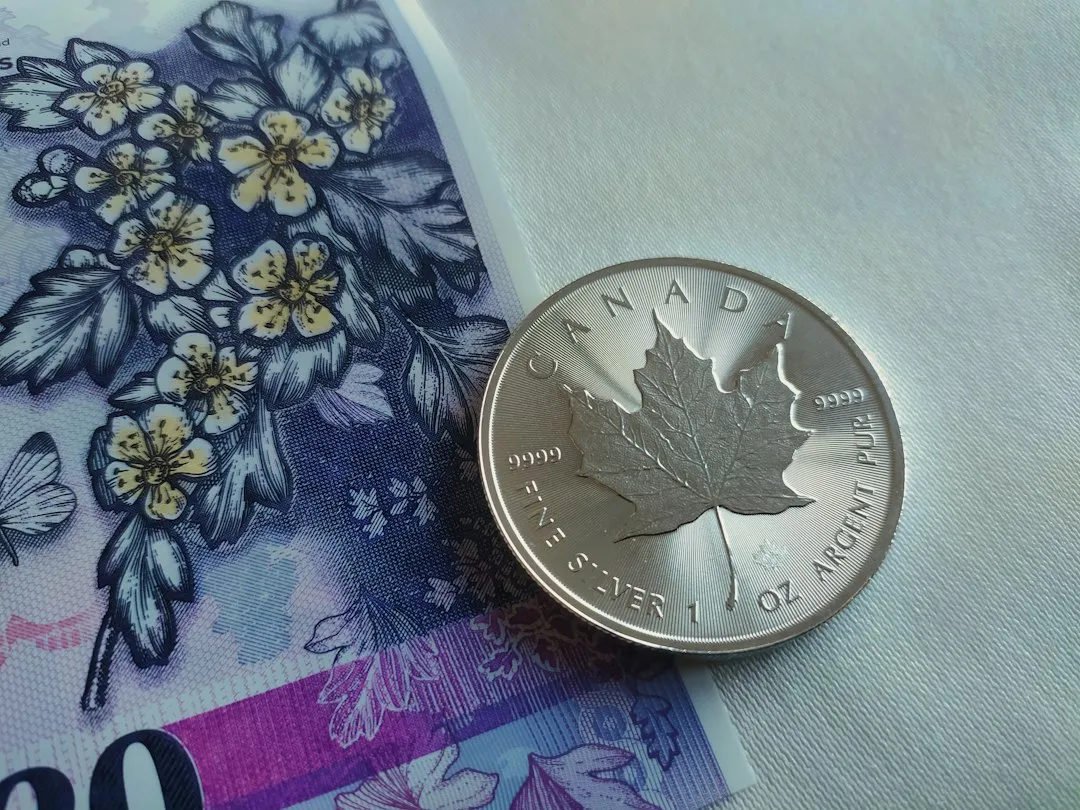
When Canada phased out the penny in 2013, it didn’t pass new federal statutes specifically mandating rounding rules. Instead, the country’s approach combined government-issued policies, the existing regulatory environment, and voluntary adoption, reinforced by consumer protection laws and official guidance. These steps provided a broad, though not strictly legislated, framework that proved effective at the national level.
The experience of Canada demonstrates that the process requires clear rules, fair rounding practices, and public education. Canada’s transition also showed that consumer fears about being systematically overcharged tend to ease over time as shoppers become accustomed to the new normal. In Canada, rounding is only required for cash payments. Non-cash payments are processed to the nearest cent. Rounding applies to the entire cash purchase total after taxes, not individual items. The U.S. model being developed follows an almost identical structure.
What This Means If You Still Pay in Cash
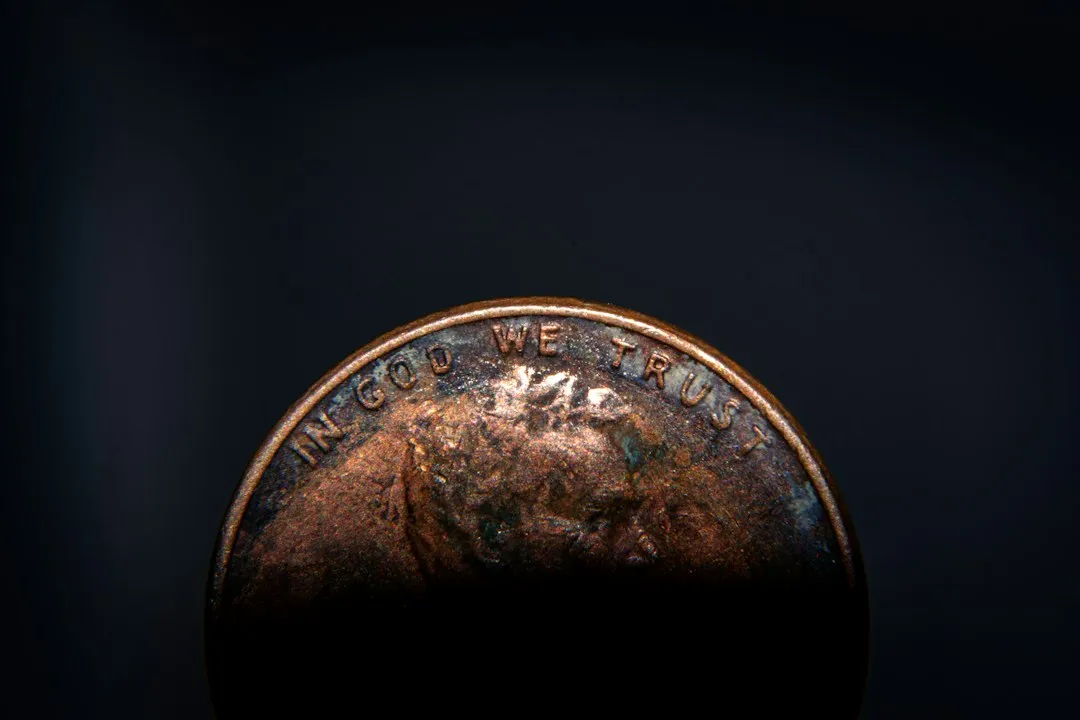
It is important to note that U.S. pennies will remain legal tender even after production ceases. You can still hand a penny to a cashier and have it count. The Federal Reserve will continue to recirculate the approximately 114 billion pennies currently in existence for as long as possible, with how long existing pennies remain in circulation depending largely on consumer behavior.
Rounding applies only to the final total, not to individual prices. Electronic transactions, including card and digital payments, will not be affected, and charged amounts will remain exact to the cent. So if you pay with a card, nothing changes at all. The rounding question only comes up when cash physically changes hands and pennies aren’t available to make exact change.
The Bigger Picture: A Currency System Adapting in Real Time

The practical success of penny elimination may depend on retail infrastructure. Many modern point-of-sale systems already support rounding options due to multinational deployment, but smaller or older systems may require patches or upgrades. That technology gap means some small, independent businesses face a more complicated transition than large chains with centralized software platforms.
What’s unfolding is, in a sense, a natural evolution. Most U.S. retailers will likely implement rounding on cash payments, a system already in use in Canada, Australia, New Zealand, and other countries that said goodbye to their lowest-denomination coin. The United States is simply arriving at a destination that much of the world reached years earlier. The question now isn’t really whether nickel rounding becomes standard practice. It’s how fairly and consistently it gets implemented across an enormous and varied retail landscape.
The Takeaway
A few cents at the register might seem trivial. But the shift away from the penny touches pricing conventions, consumer rights, state law, point-of-sale technology, and decades of monetary habit all at once. Congress has begun taking steps to provide a voluntary framework for businesses to round to the nearest nickel, though the rounding option does not apply to electronic payments or card transactions.
For most shoppers, the practical effect will be almost invisible, especially those who primarily pay by card. For frequent cash users, a little awareness goes a long way. Knowing how symmetrical rounding works means you can spot when a store is applying it fairly and when something feels off. The penny era is closing quietly, and the nickel is quietly stepping up.
AI Disclaimer: This article was created with the assistance of AI tools and reviewed by a human editor.