
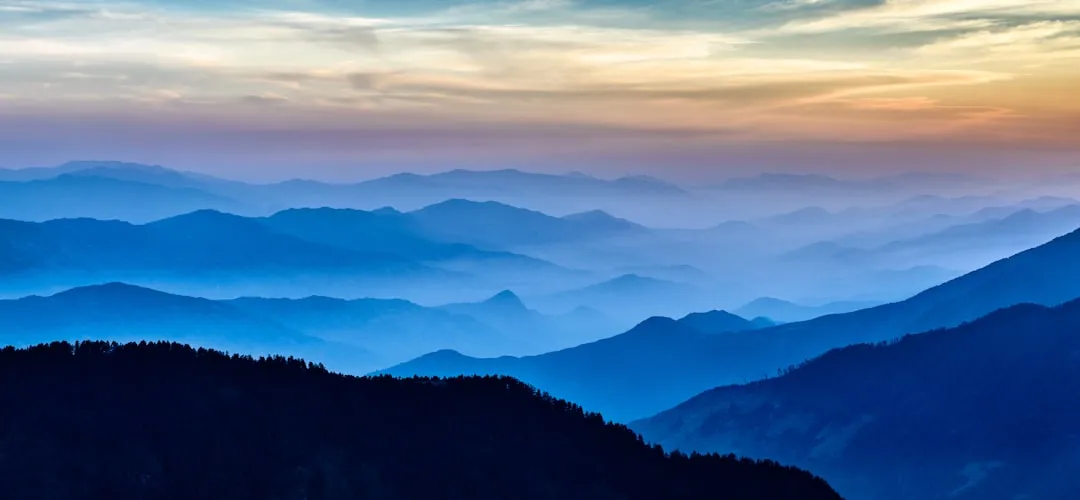

There’s a particular kind of quiet that settles over the North Georgia mountains once September turns the corner into October. Woodsmoke drifts from cabin chimneys, the air gets that first real bite to it, and somewhere along U.S. 76 the traffic starts backing up in a way it never does in July. For a town with barely more than a thousand full-time residents, Blue Ridge, Georgia pulls an outsized crowd once the leaves start turning, and it has been doing so for longer than most visitors realize.
A Small Town With an Outsized Reputation
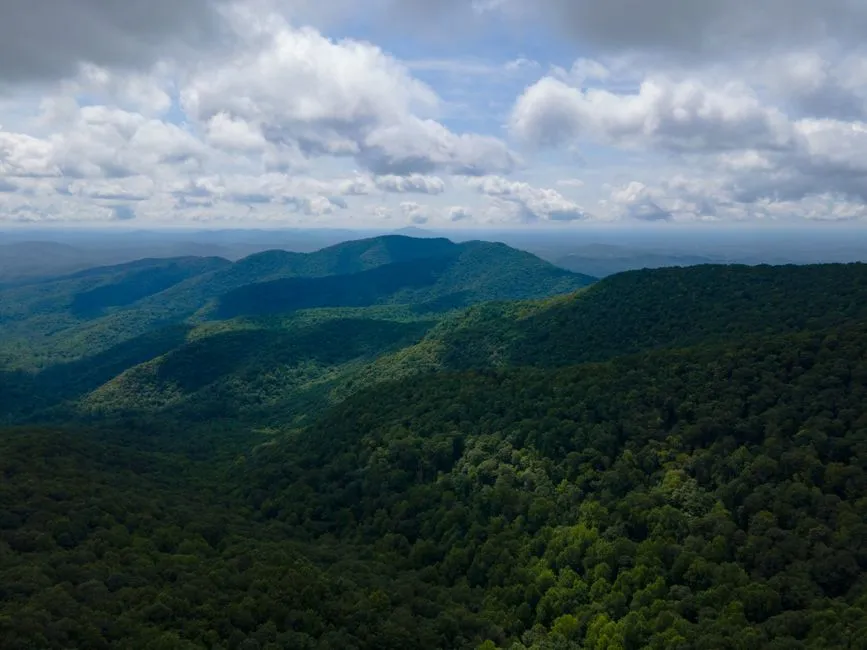
Blue Ridge is easy to overlook on a map. The city itself covers a total area of 2.4 square miles and had a population of 1,253 as of the 2020 census. Yet it sits as the county seat of Fannin County, a place where about 90% of the population lives in unincorporated lands scattered across ridgelines and river valleys. That contrast, tiny downtown, enormous surrounding wilderness, is a big part of why the town punches so far above its weight every fall.
The Blue Ridge Scenic Railway
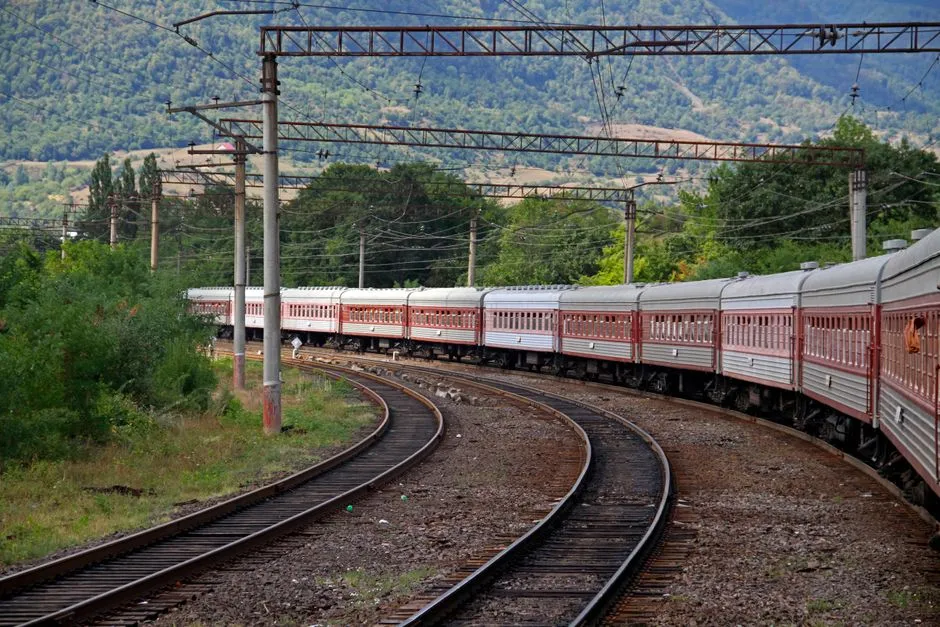
Ask longtime visitors what they remember most, and the train usually comes up first. Blue Ridge is home to a restored railroad featuring a four-hour, 26 mile roundtrip journey along the Toccoa River to the sister towns of McCaysville, Georgia, and Copperhill, Tennessee. The excursion includes a two-hour layover, during which riders can walk a street where one foot can be planted in Georgia and the other in Tennessee. It’s a small, silly detail, but it’s the kind of thing that turns a scenic ride into a story people tell for years.
The railway has earned real recognition beyond word of mouth too, having been recently designated one of the top five attractions for experiencing fall color by Southern Living magazine.
Mercier Orchards and the Smell of Apple Cider
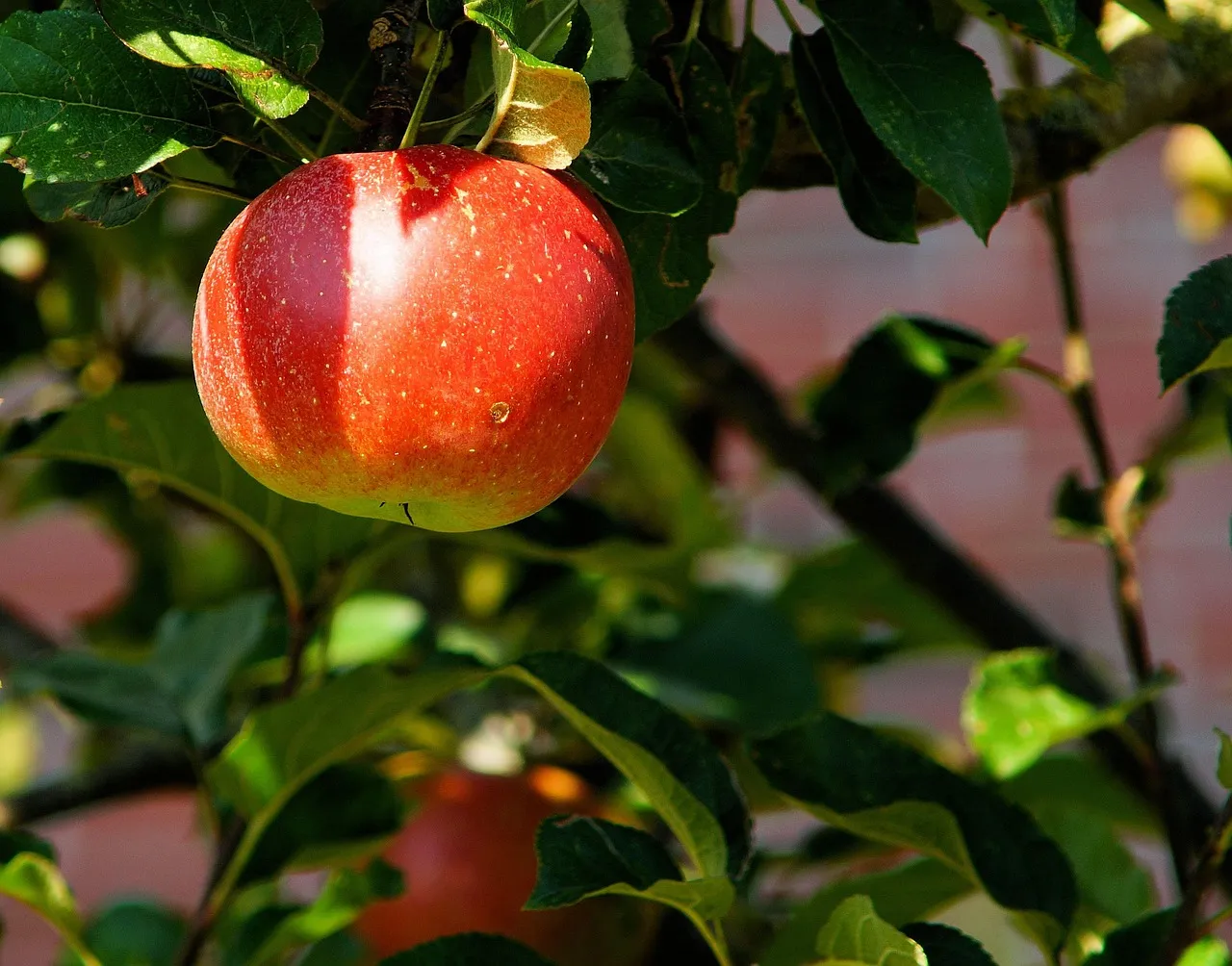
No autumn trip to Blue Ridge is complete without a stop at Mercier Orchards, and locals will tell you that’s not an exaggeration. Founded in 1943 by Bill and Adele Mercier, the orchard spans 300 acres as the Southeast’s largest apple orchard. It has grown from a modest family operation into a genuine regional institution, now a fourth-generation, family-owned and veteran-operated farm welcoming over 600,000 visitors annually. Visitors come for the U-pick fields, but they stay for the bakery, and the tractor rides, and the simple pleasure of watching a mountain harvest still done largely by hand.
When the Colors Actually Peak
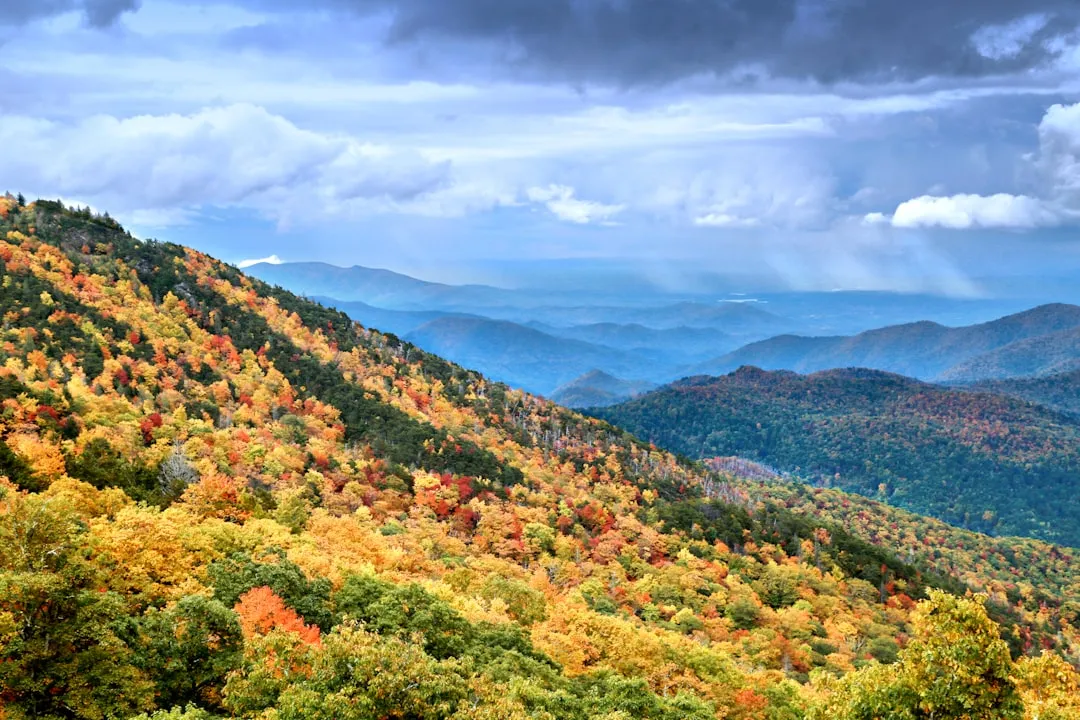
Timing matters more than most first-time visitors expect. Across the region, fall foliage typically peaks from October to early November, though the vibrant colors can vary depending on elevation and weather. Higher ground tends to change first, which is why higher elevations, like Brasstown Bald, may reach peak color a little earlier than the valley floor around downtown Blue Ridge. Because the mountains here range so dramatically in height, the color show doesn’t arrive all at once. It rolls down the slopes gradually, which is exactly why the season lasts as long as it does.
Scenic Drives Through the Chattahoochee
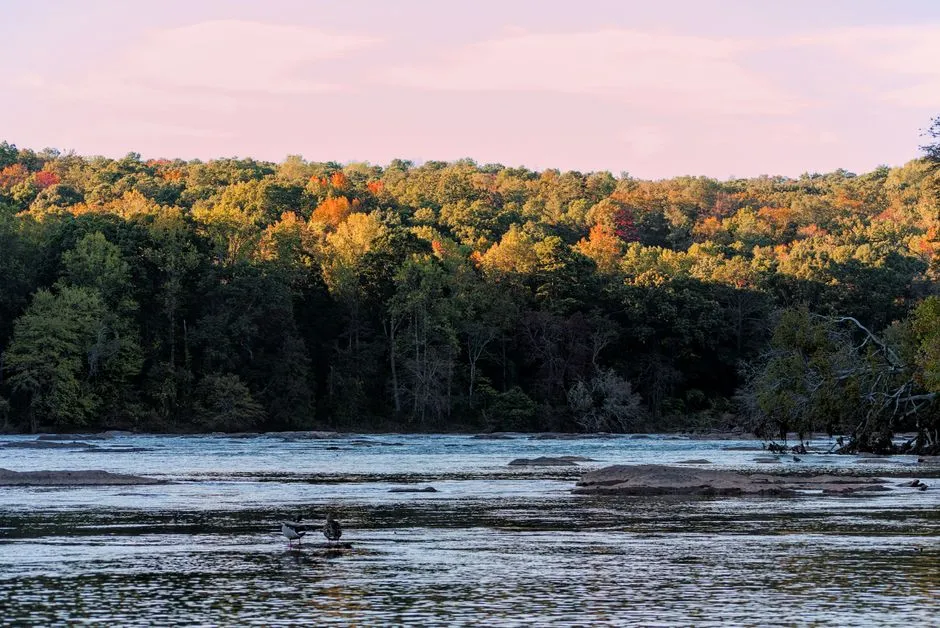
For visitors who prefer windshield views to hiking boots, the drives around Blue Ridge are hard to beat. The Russell-Brasstown Scenic Drive is a favorite, a route that circles the Chattahoochee National Forest, offering unobstructed views of the leaves changing in the surrounding trees. Another option loops well beyond town, a 102.4-mile round trip starting and ending in Blue Ridge that takes travelers through the Toccoa Ranger District, passing lakes, hatcheries, and overlooks along the way. These aren’t manicured tourist loops either. They’re working forest roads that happen to deliver some of the best mountain color in the state.
Brasstown Bald, Georgia’s Rooftop
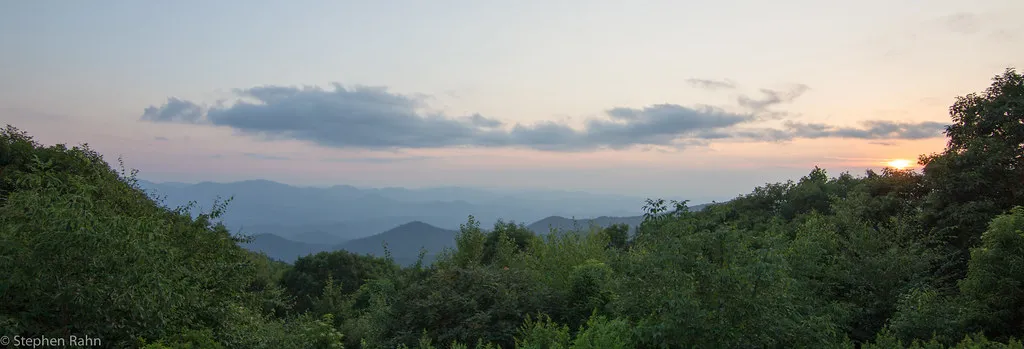
Rising above everything else in the region is Brasstown Bald, and it’s worth the detour even for travelers who don’t consider themselves mountain people. At 4,784 feet above sea level, it offers 360 degree views of the surrounding Blue Ridge Mountains, and on a clear autumn day visitors can see into four states: Georgia, South Carolina, North Carolina, and Tennessee. During peak season, the colors sweep out in vistas literally hundreds of miles across. It’s one of those views that photographs poorly and lingers well, the kind of scene better remembered than captured.
Lake Blue Ridge and the Toccoa River
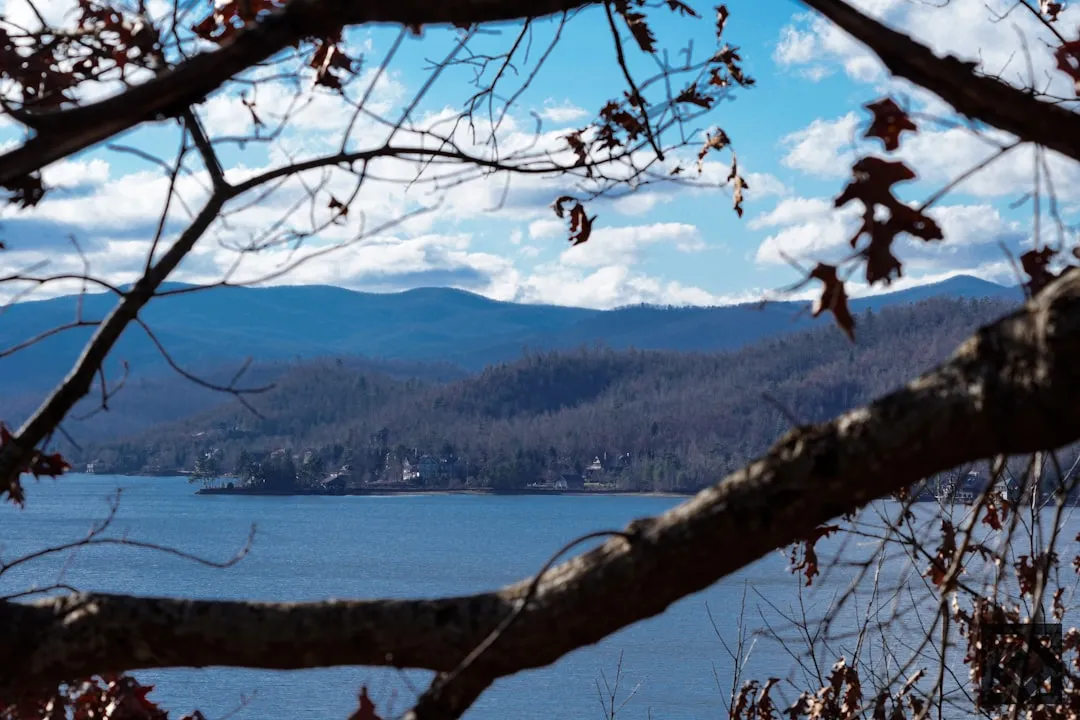
Water shapes this town as much as the mountains do. Lake Blue Ridge threads through the landscape alongside the Toccoa River, and the combination has earned the area its unofficial title as the Trout Fishing Capital of Georgia. In fall, the shoreline trails offer something gentler than a mountain summit. One of the local favorites features paved walkways that wind close to Lake Blue Ridge through a thick mixed hardwood forest, ideal for leisurely strolls and biking while leaf-peeping. It’s the kind of walk that suits grandparents and toddlers just as well as serious hikers.
Trails for Every Kind of Hiker
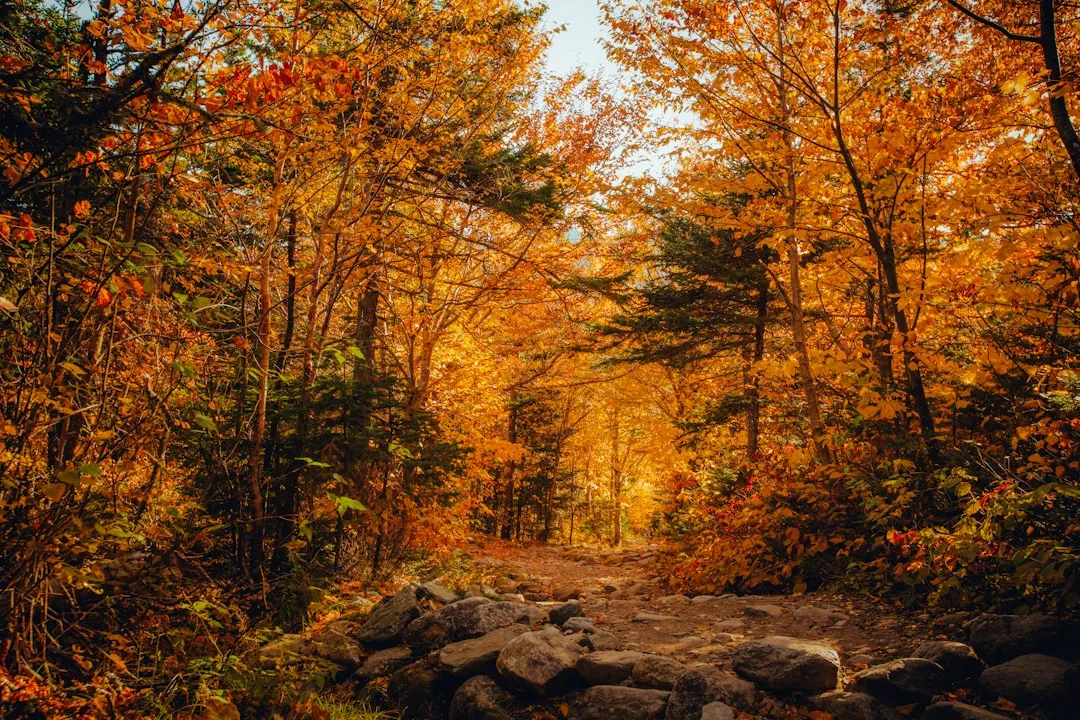
Blue Ridge sits close enough to the Appalachian Trail that serious hikers treat it as a jumping-off point, while casual walkers have plenty of shorter options nearby. The Aska Adventure Area is a scenic area known for hiking trails that lead visitors through a forest of vivid autumn colors, and it connects to longer routes for those wanting more. Farther afield, both the Appalachian and Benton MacKaye Trails offer a way to immerse in the season’s beauty for hikers chasing a fuller wilderness experience. Whether someone wants a half-mile stroll to a waterfall or a full day on the ridgeline, the trail network around town accommodates both.
A Downtown Built for Wandering
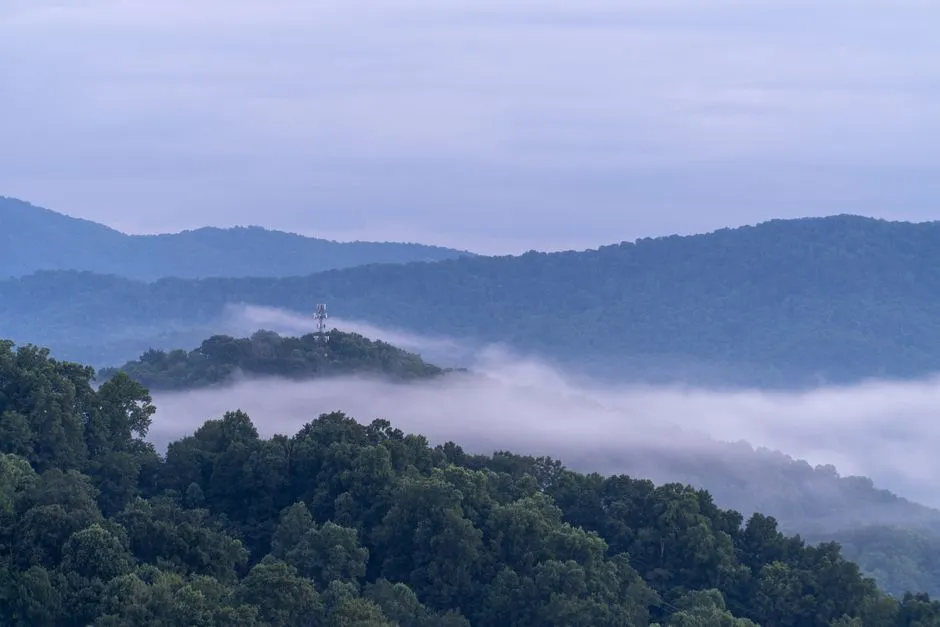
Downtown Blue Ridge itself rewards slow exploration. The historic district centers on the depot, where tracks for the Blue Ridge Scenic Railway bisect the downtown area, with the Scenic Railway operating out of the town’s historic 100 year old Depot. Shops, galleries, and restaurants line the streets radiating outward, and the town has changed noticeably over the past two decades.
In fact, the city has seen a surge in new business since the late 2000s, particularly from the LGBT community, which constitutes a larger percentage of the population than is typical for a rural community, adding to a downtown scene that feels more layered and welcoming than its small footprint might suggest.
Why Atlanta Keeps Coming Back
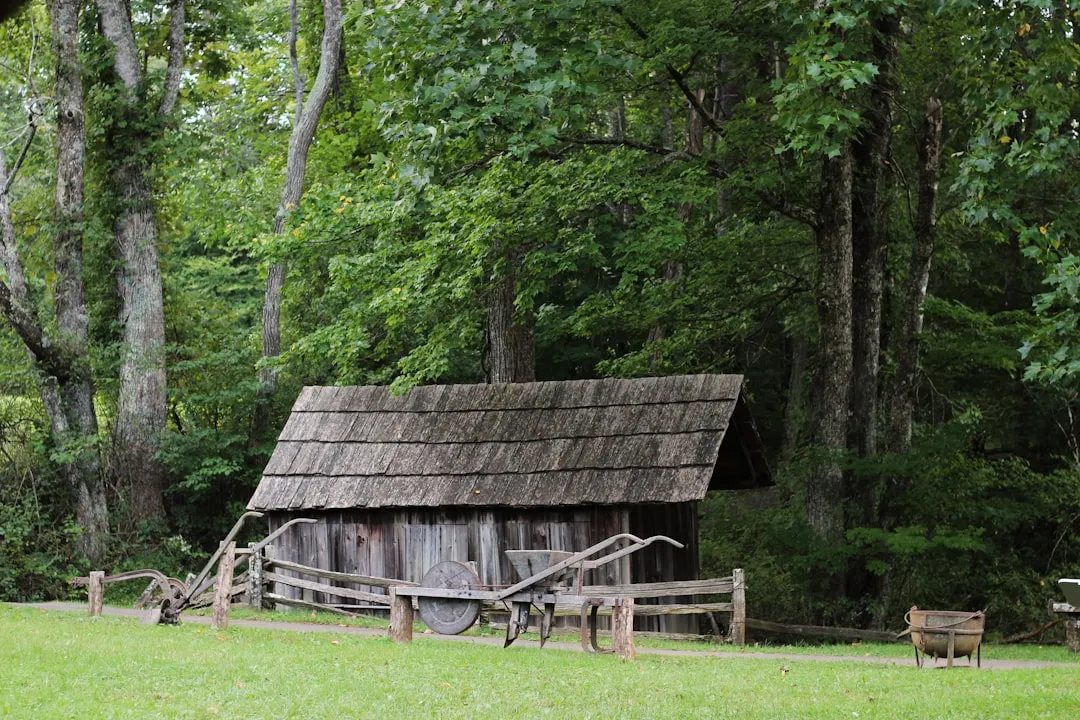
Proximity explains a lot, but not all, of the loyalty Blue Ridge commands from Southern travelers. The town sits roughly 90 miles north of Atlanta, close enough for a weekend escape without requiring a full vacation’s worth of driving. That distance has made it a reliable retreat for generations of Georgians, and the appeal has only grown as cabin culture and slower travel have come back into fashion. What keeps people returning, though, isn’t just the drive time. It’s the sense that a town this small can still hold onto its character, its orchards, its river, its little train, even as more people discover it every year.
A Season Worth Planning Around
Blue Ridge won’t be the biggest name on anyone’s list of Southern fall destinations, and it doesn’t need to be. What it offers instead is something more specific: a compact mountain town where the train still runs on time, the orchard still presses its own cider, and the surrounding ridgelines still put on one of the longest, most varied color shows in the Appalachians. For the Southerners who make the drive every October, that combination has proven, year after year, worth the trip north.
AI Disclaimer: This article was created with the assistance of AI tools and reviewed by a human editor.