

Somewhere in western Colorado, tucked into a fold of high desert canyon country, a small town of roughly 1,500 people has quietly become one of the most talked-about stargazing destinations in the American West. Its name is Paonia, and until recently, most people outside the region knew it mostly for its fruit orchards and local wine. Now, it’s on travelers’ radar for an entirely different reason: the night sky above it is extraordinary.
The timing is no accident. Across the world, a growing number of travelers are rearranging their itineraries around darkness itself, and the towns willing to protect it are reaping the rewards. Paonia’s story sits at the heart of this shift.
A Town That Earned Its Darkness
Paonia, Colorado, was certified as one of the newest International Dark Sky Places in September 2024. That certification didn’t come quickly or easily. Community volunteers started working toward preserving dark skies and building community engagement back in 2018, when Dark Skies Paonia was founded alongside former Paonia mayor Mary Bachran.
In 2022, Paonia adopted a comprehensive lighting ordinance to preserve its natural nights, and the town installed two continuously logging sky quality meters, with a third in the process of being installed on the Town Hall roof. That level of methodical, grassroots commitment is exactly what DarkSky International looks for before granting certification. It’s not just about dark skies; it’s about whether a community is willing to protect them long-term.
Paonia is now the 17th International Dark Sky Place and the 6th International Dark Sky Community in Colorado, joining neighboring Black Canyon of the Gunnison National Park, Curecanti National Recreation Area, and the newly certified Gunnison Gorge National Conservation Area.
The Skies Above Paonia Are Genuinely Remarkable
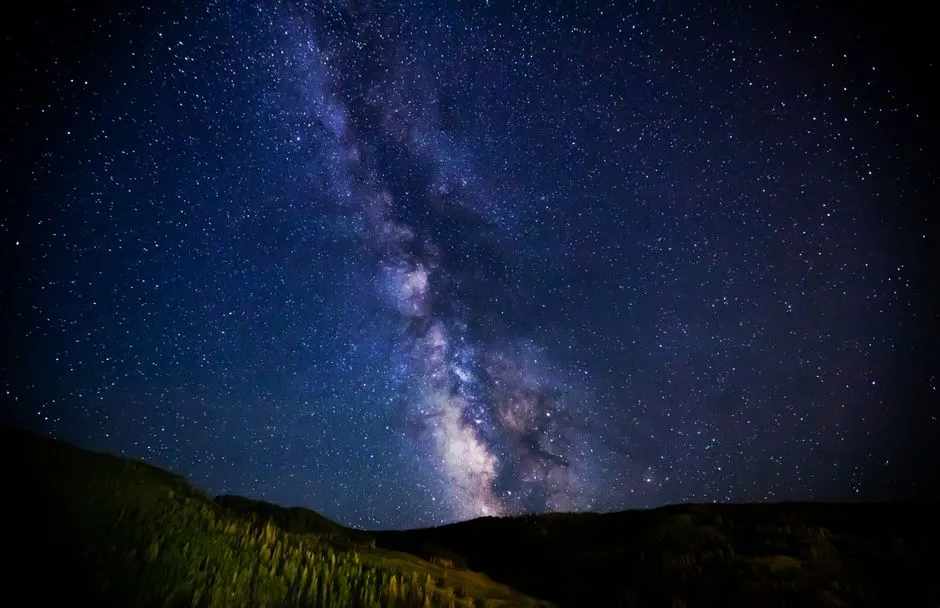
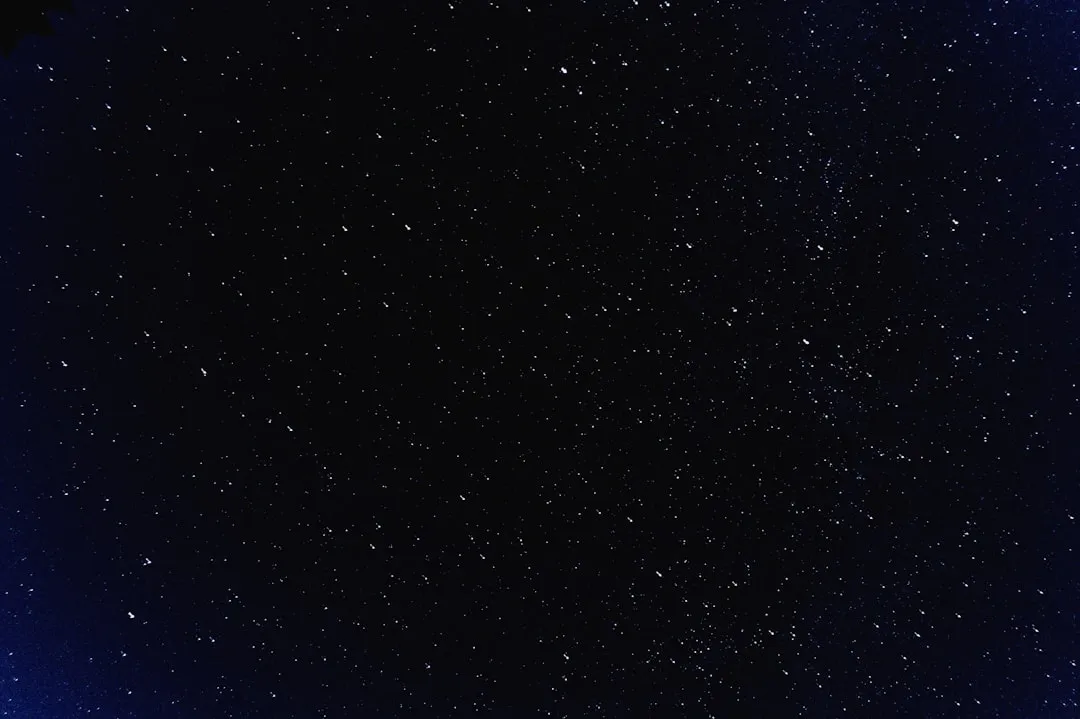
The town of Paonia is a small, rural community on Colorado’s Western Slope in eastern Delta County. Its high-desert climate provides abundant clear, starry nights, with the Milky Way visible from many backstreets and open spaces throughout town. That last detail is worth sitting with: the Milky Way, visible from town. Not from a remote ridge after a two-hour hike, but from an ordinary street.
Paonia is a small agricultural town nestled in the West Elk Mountains, surrounded by extensive public lands that provide natural buffer zones of darkness. These public lands include Black Canyon of the Gunnison National Park, Curecanti National Recreation Area, and Gunnison Gorge National Conservation Area, which are all certified as International Dark Sky Parks in their own right. Few towns in the country are quite so well-insulated from creeping urban light.
During the day, the area is known for its farms, fruit, and wine, but at night the Milky Way is the main attraction. That quiet double life, orchard town by day and celestial observatory by night, is part of what makes Paonia feel genuinely special rather than manufactured for tourism.
The Global Rise of Noctourism
One of 2025’s biggest travel trends is “noctourism,” with travelers seeking out more nighttime experiences, from star bathing to auroras to rare cosmic events. According to Booking.com, 62% of travelers are considering dark-sky destinations, with sought-after experiences like starbathing, star guides, and constellation tracking topping their wishlists.
Interest in astrotourism has soared in the United States since the pandemic. Stargazing is now the Grand Canyon National Park’s most popular programming. That’s a remarkable shift. A few years ago, the idea of a national park leading with its night-sky program would have seemed niche. Today, it reflects where a significant portion of the traveling public has its attention.
Popular “SpaceTok” videos on TikTok are inspiring a new generation of stargazers, to the point that one quarter of Gen Z travelers are interested in traveling specifically for astrotourism, according to a 2024 survey by Priceline.com. The movement isn’t limited to older, telescope-carrying hobbyists. It’s crossing generational lines fast.
A Ten-Billion-Dollar Sky
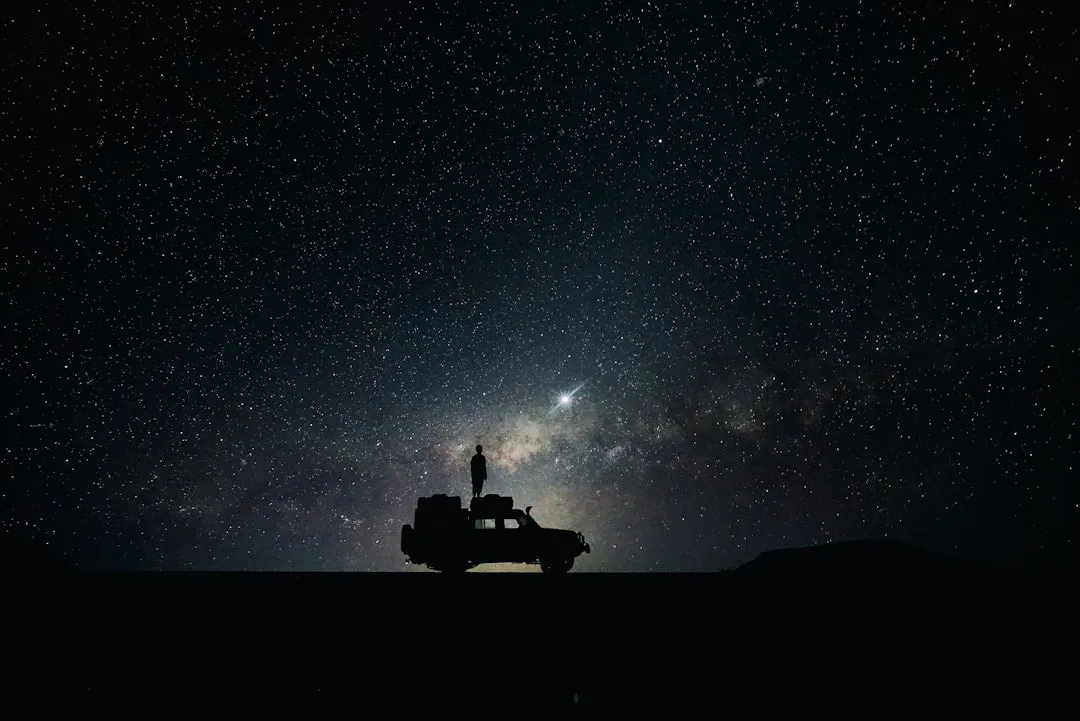
Dark-sky tourism is now a $10 billion industry and may be worth $20 billion in another decade. That figure surprises a lot of people who still think of stargazing as a free hobby rather than an economic force. The reality is that the infrastructure around dark-sky experiences, including guided tours, specialized lodges, observatories, and astronomy festivals, adds up quickly.
A study found that dark sky tourism in the Colorado Plateau, which includes parts of Colorado, Utah, New Mexico, and Arizona, generated $5.8 billion in spending and supported over 10,000 jobs annually. Communities like Paonia are now positioning themselves to share in that economic opportunity. As one local volunteer noted, Paonia used to be a coal mining town, and that industry has dried up. He believes astrotourism can help communities pivot toward tourism-based economies.
What’s Driving People Away from City Skies
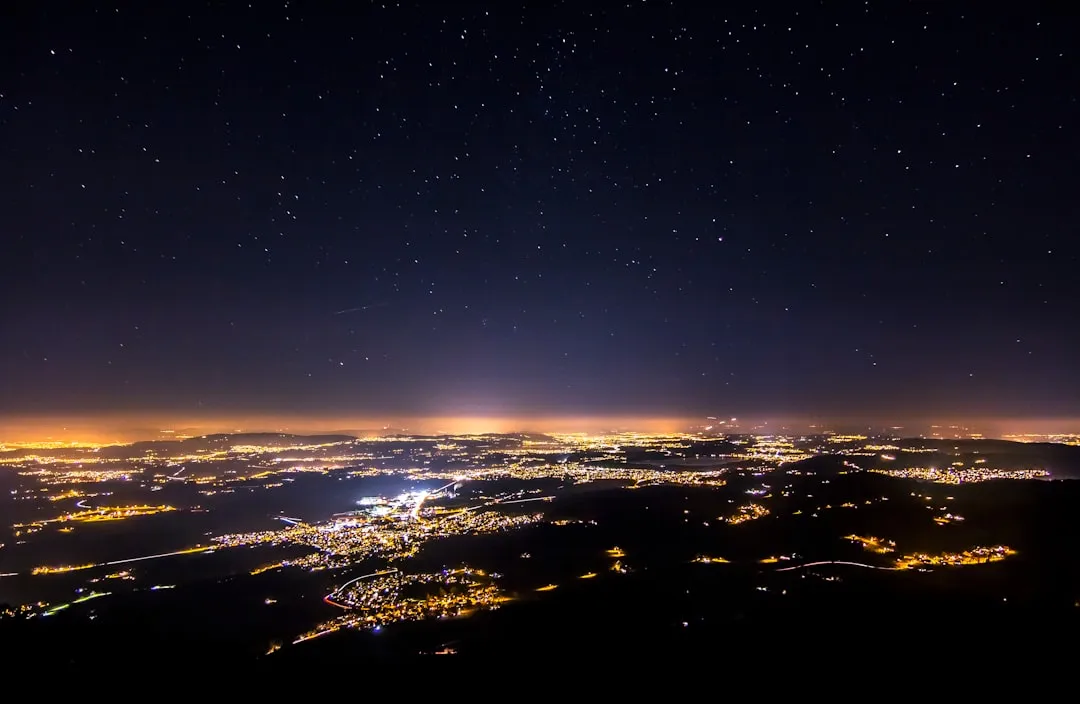
According to DarkSky International, 99% of Americans deal with varying degrees of light pollution, which prevents them from seeing the stars the way people could just 100 years ago. That statistic helps explain why a clear, unpolluted sky feels so startling to first-time visitors to places like Paonia. It’s not that the night has changed; it’s that most of us have lost our baseline for what it’s supposed to look like.
Nights are becoming around 10% lighter each year, which has implications for the health of both humans and wildlife. Artificial light disrupts internal biological clocks that evolved to a 24-hour night and day cycle, impairing sleep and the body’s ability to produce hormones that are governed by daylight. The desire to escape this constant artificial glow is becoming a genuine travel motivator, not just a romantic notion.
As our world gets brighter, truly dark skies are becoming rarer and more valuable. For many urban dwellers, seeing a sky full of stars is now an exotic experience worth traveling for.
How DarkSky International Certification Actually Works
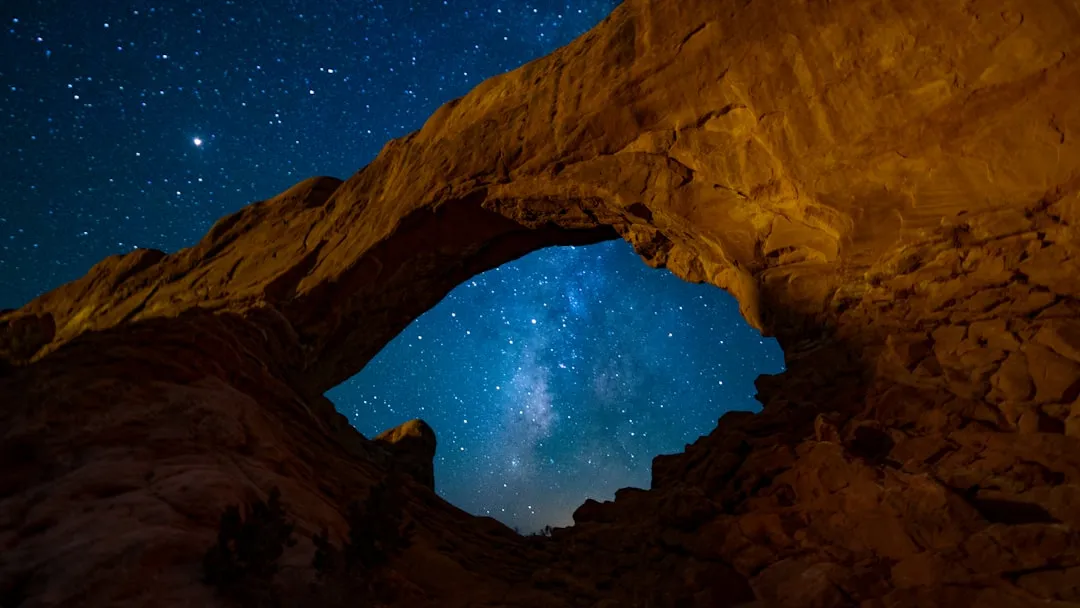
The International Dark Sky Places program certifies communities, parks, and protected areas around the world that preserve and protect dark sites through responsible lighting policies and public education. The process is genuinely rigorous. Towns can’t simply declare themselves dark-sky friendly and receive a badge. They must demonstrate ongoing stewardship.
There are now over 160,000 square kilometers of protected land and night skies in 22 countries on 6 continents, and the list grows every year as new places achieve certification. As dark skies continue to erode due to the rapid growth of light pollution, increasing globally by nearly ten percent each year, these protected areas serve as vital sanctuaries for wildlife that depend on natural darkness and for people seeking connection with the cosmos.
As of 2025, Utah had the highest concentration of certified International Dark Sky Places in the world. Colorado, with its cluster of certified communities surrounding the Paonia area, is making a credible run at becoming the country’s next great dark-sky region.
Paonia’s National Recognition Before It Was Famous
Paonia’s dark sky efforts had already gained meaningful recognition before the official certification, including a feature in a 2020 National Geographic article on Colorado stargazing and a 2023 PBS special on dark skies filmed on location in the town. Media attention like this tends to arrive before the tourist wave. It’s a useful signal for travelers who want to visit a place before it gets crowded.
The town is developing a growing astrotourism infrastructure. Local businesses are embracing the designation, and the community actively promotes dark sky awareness. That active community involvement is part of what distinguishes certified dark-sky towns from destinations that simply happen to be remote. Paonia’s residents are choosing this identity deliberately.
The Wildlife That Benefits Alongside the Visitors
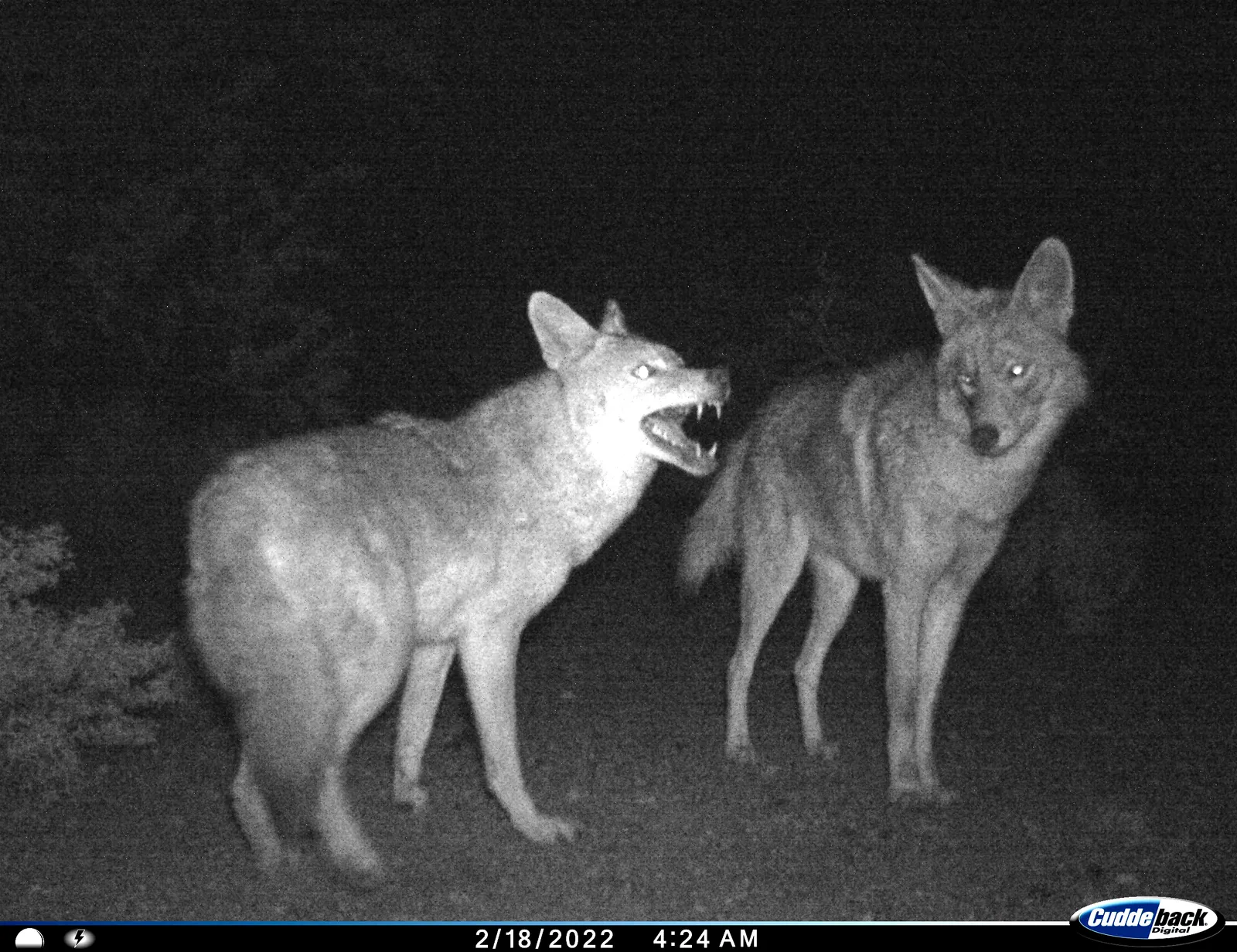
Many ecosystems that rely on darkness are endangered by light pollution, making efforts to preserve dark skies vital to wildlife conservation and protection. Paonia’s lighting ordinance isn’t just good for stargazers; it’s good for the creatures that live and move through the surrounding landscape after dark. Keep an eye out for the area’s many nighttime creatures, including toads, owls, coyotes, camel crickets, and kangaroo rats.
Studies highlight detrimental effects of artificial light at night on both humans and wildlife, including their reproductive and metabolic systems, cancer risk, and mental health. Protecting the night, then, is not purely an aesthetic project. It carries real ecological weight. Places like Paonia that commit to lighting ordinances are contributing to something broader than tourism.
Astrophotography and the Social Media Effect
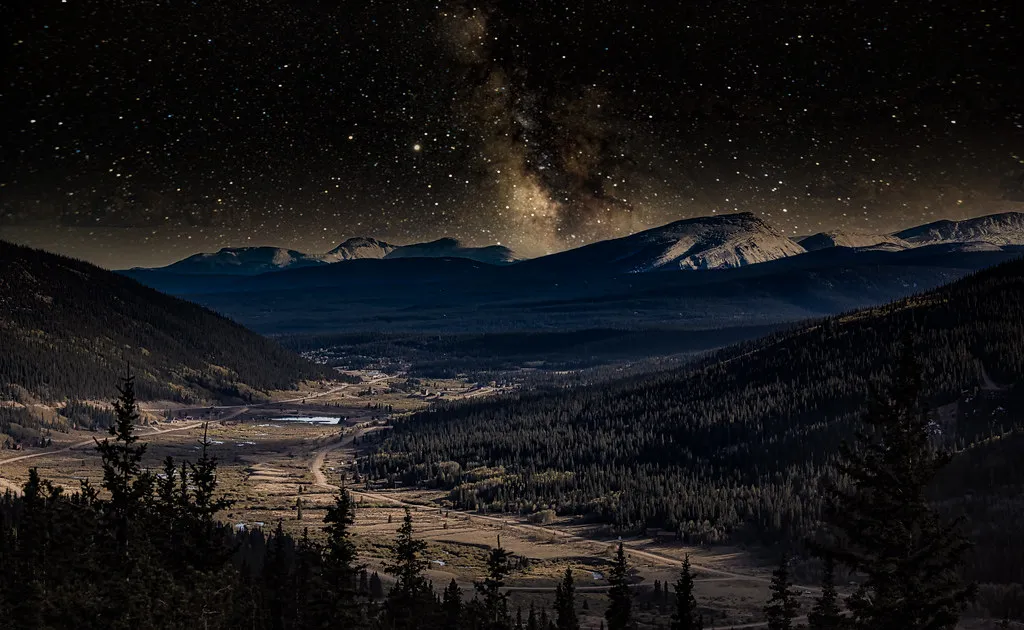
Night-sky photographers are using imagery to showcase the unspoiled night sky, a scene many didn’t even realize was possible. A single well-composed photograph of the Milky Way arching over a Colorado mesa can generate thousands of inquiries about where it was taken. Social media has effectively become the most powerful marketing channel the dark-sky movement never had to pay for.
Stunning astrophotography shared on platforms like Instagram has sparked interest in dark sky experiences. For a small town like Paonia, this creates an unusual dynamic: visitor interest can grow organically and rapidly through images, without the town needing a traditional tourism budget. Paonia is surrounded by extensive public lands that provide buffer zones of darkness, and the town is developing a growing astrotourism infrastructure to meet rising demand.
What the Flagstaff Model Tells Us About Paonia’s Future
Flagstaff, Arizona, became the world’s first International Dark Sky Community in 2001 to protect the historic Lowell Observatory, where Pluto was first observed, and the city has maintained strict lighting codes ever since, with streetlights and public lighting designed to protect night-sky visibility. Twenty-five years on, Flagstaff is widely regarded as proof that dark-sky certification can permanently shape a town’s identity and economy.
It’s one of the few cities where you can still see the Milky Way from right in the center of town. In late 2024, Lowell Observatory opened a new visitor center that includes interactive displays on how light pollution affects ecosystems and guided tours that link the history of astrophysics with hands-on sky observation, including from a new rooftop stargazing deck. Paonia is much smaller than Flagstaff, but the trajectory is instructive.
As happened in other certified dark-sky communities, people started coming specifically because of the International Dark Sky designation, and that helped the local economy. Paonia’s community members are watching that pattern with clear-eyed hope.
A Practical Place to Actually Visit
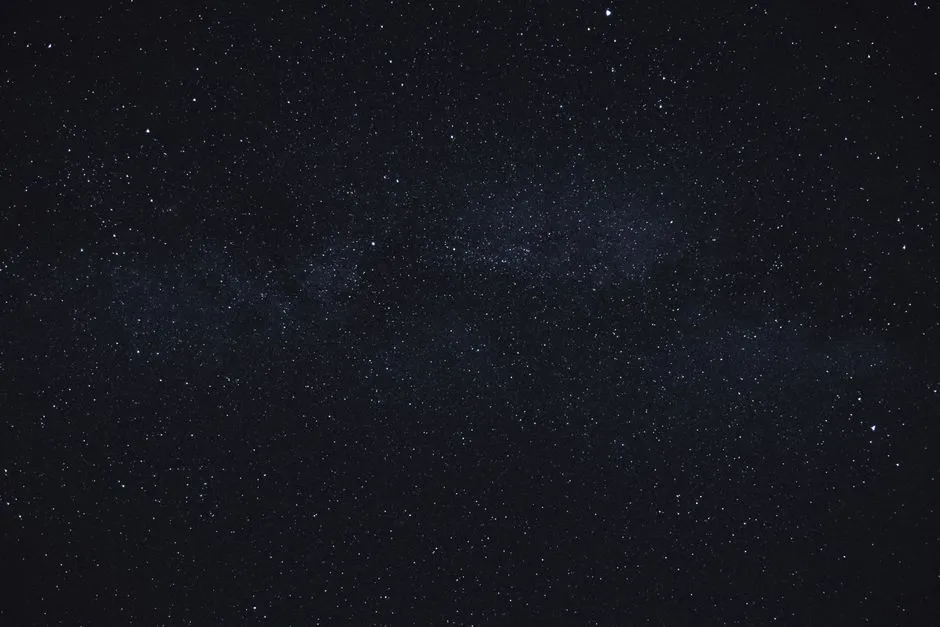
The small town of Paonia is surrounded by a variety of public lands, including a national forest, park, recreation area, and conservation area, which keeps light pollution to a minimum. During the day, the area is known for its farms, fruit, and wine, but at night the Milky Way is the main attraction. The combination of daytime agriculture and nighttime astronomy makes for a grounded, unhurried travel experience that feels a long way from the polished itineraries of mainstream tourism.
Visitors can stay in town at the Bross Hotel Bed and Breakfast or choose the River Village RV Park. The accommodations are modest and authentic, which suits the spirit of the place. This isn’t a resort destination dressed up in dark-sky branding; it’s a working rural town that happens to have one of the finest night skies in the country.
The Takeaway
Paonia, Colorado, represents something genuinely encouraging in modern travel: a small community that chose a long, patient path toward protecting something intangible and beautiful, and is now being discovered for exactly that reason. Analysts say the global nighttime tourism market could double by 2035. Some of that growth will flow to large, well-marketed destinations. A meaningful portion, though, will find its way to places like Paonia, where the stars are real, the ordinances are enforced, and the night still belongs to the sky.
There’s a quiet lesson in that. The most compelling travel experiences are rarely manufactured; they’re protected. And the communities willing to do the slow, unglamorous work of protecting something are often the ones worth traveling the farthest to reach.
AI Disclaimer: This article was created with the assistance of AI tools and reviewed by a human editor.