
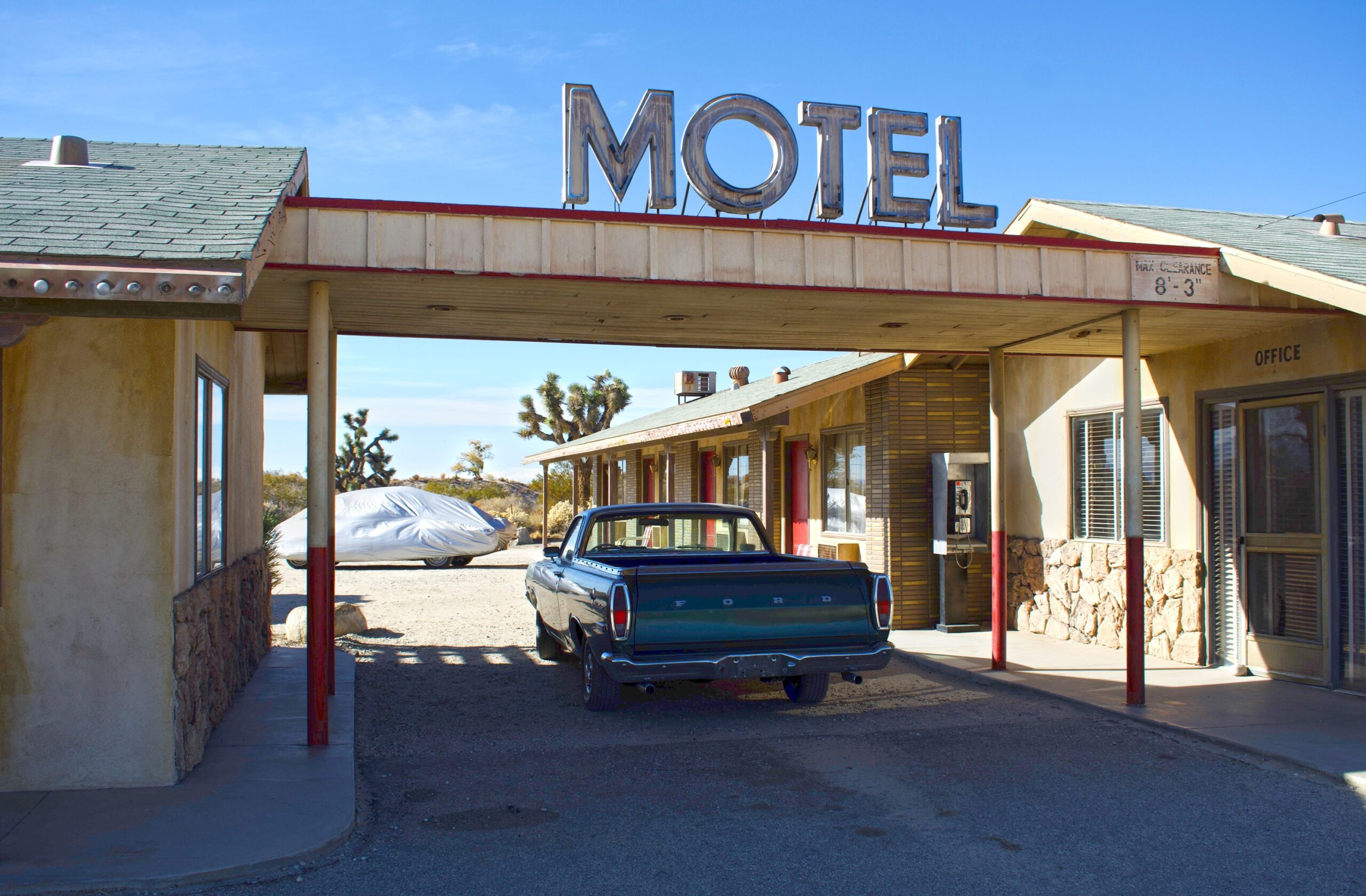

There’s a particular kind of quiet you find at a roadside motel run by a family who’s been there for decades. The hand-painted sign, the door that requires a key rather than a card tap, the owner who actually remembers your name the next morning. It’s a different register of travel entirely. In a world where the hospitality industry has grown into a colossal machine of standardized pillows and app-managed check-ins, something older and more human has quietly held its ground.
The conversation around how we choose to sleep when we travel matters more than it might seem. Where you stay shapes what you notice, who you talk to, and what you carry home with you.
The Authenticity Gap That Big Resorts Can’t Quite Close

Studies from Booking.com and Skift reveal that over 70 percent of global travelers now prioritize authentic, local experiences, moving away from cookie-cutter accommodations in favor of independently owned properties. That’s a substantial shift in traveler values, and it speaks to something that numbers alone can’t fully explain. A vintage motel carries the character of its place and its people in a way that no brand standard manual can manufacture.
A familiar brand logo on a building doesn’t make a place memorable. Character does. The worn wooden counter, the hand-drawn map of local fishing spots pinned to the wall, the owner who tells you which diner has the best pie within a ten-mile radius – these are not amenities you can list on a hotel website. They’re the details that quietly define a trip.
You’re Contributing to a Real Human Story
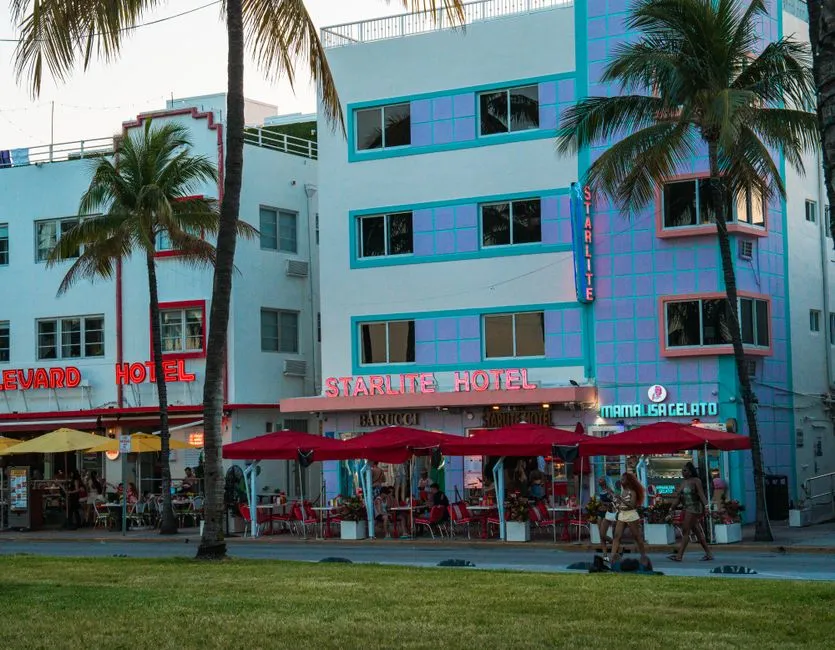
Staying at an independent hotel means contributing directly to the local economy. These properties often partner with local suppliers, hire local staff, and promote nearby attractions, ensuring tourism dollars benefit the community and support small businesses. That’s a meaningful distinction that often gets lost in the decision between a booking deal and a loyalty points redemption.
When you pay for a room at a large international chain, a significant portion of that money flows back to corporate headquarters, shareholders, and centralized supply chains located elsewhere entirely. When a traveler spends money at a locally owned guesthouse, the host spends that money on local suppliers, who in turn spend it with other local businesses. That quiet multiplier effect quietly changes what your travel dollars actually do in the world.
Personalized Service That Doesn’t Feel Scripted

Independent hotels prioritize the individual guest, striving to anticipate their needs and deliver exceptional, personalized service. Independent hotels, particularly smaller properties, often use guest profiles to deliver a more bespoke, hands-on experience. Staff often know repeat guests personally, allowing them to tailor services in a way that feels genuinely individual rather than process-driven.
One of the most compelling reasons travelers opt for independent hotels is the personalized attention provided. Unlike larger chains that promote standardization, independent hotels can tailor their services and amenities to the preferences of their guests. This customization makes every stay unique and memorable, and can more closely match the expectations of guests. There’s simply no algorithm that replicates a conversation with a motel owner who grew up in the same county they now welcome strangers into.
The Mental Health Case for Slowing Down
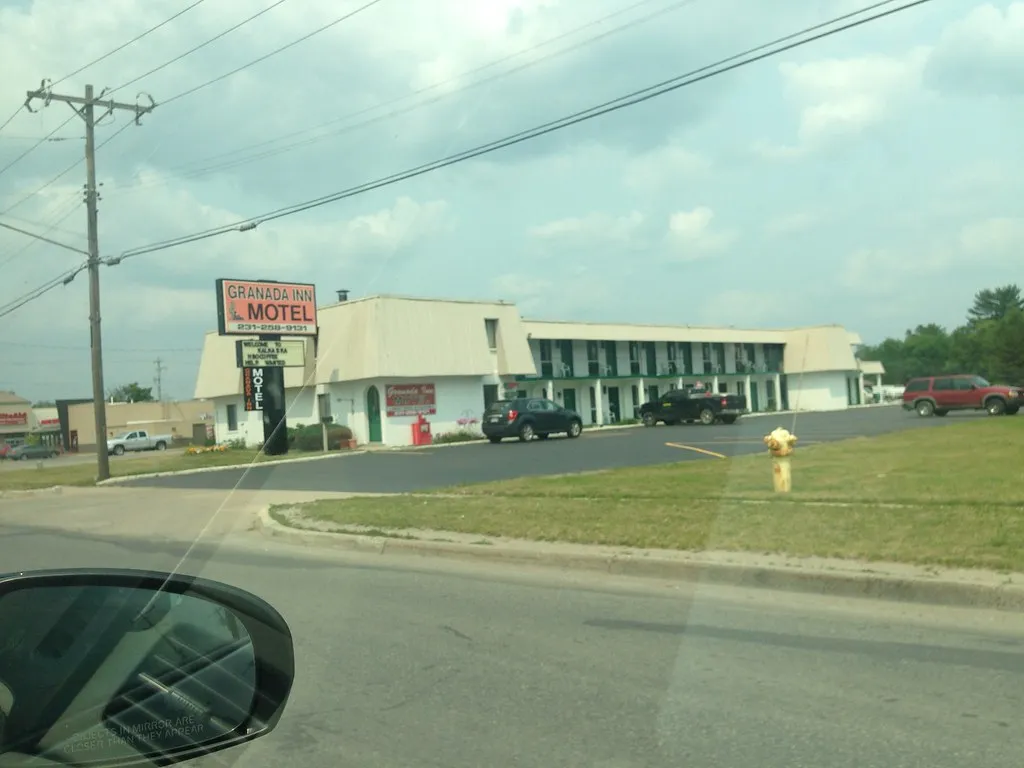
A study published in the Journal of Sustainable Tourism found that travelers who spent more time in fewer destinations reported significantly higher levels of psychological wellbeing and lower stress levels than those who followed packed itineraries. A vintage motel, almost by design, invites a slower pace. There’s no spa schedule to book, no poolside cocktail rush hour, nothing pulling you toward a curated experience someone else planned for you.
The connection between travel and mental wellbeing isn’t just anecdotal anymore. A 2025 survey of two thousand Americans conducted by Talker Research found that individuals who travel more frequently tend to have better mental health, with the average American feeling 67 percent better mentally after taking a trip. Choosing a slower, quieter form of accommodation seems to amplify exactly that kind of restoration. Slow tourism can provide “oases of deceleration” where visitors can escape the relentless pace of modern life and experience more meaningful connections with both places and people.
Most of the World’s Hotels Are Still Independent – for Good Reason
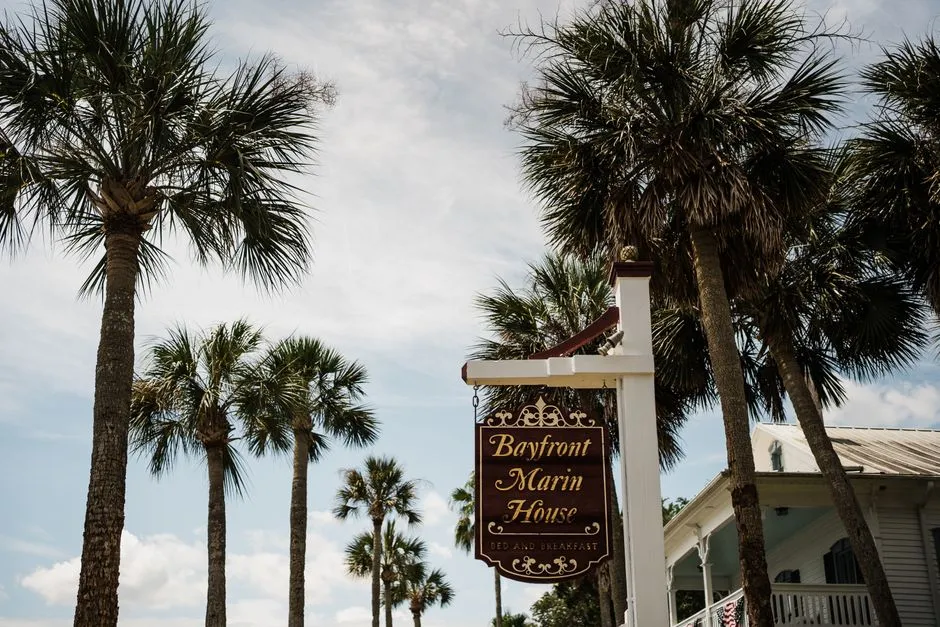
Still today, over 66 percent of hotels worldwide remain independently operated. For owners prioritizing distinction, character, and local market connections over distribution reach, independence endures as a viable route. That figure is easy to overlook when the loudest marketing voices belong to the major chains, but the majority of the world’s sleeping places are still run by real people, not corporations.
The independent lodgings market is a thriving sector within the hospitality industry that offers a diverse range of accommodation options to travelers. Independent lodgings refer to accommodations that are not affiliated with large hotel chains or brands, providing unique and personalized experiences for guests. These lodgings can include bed and breakfasts, guesthouses, vacation rentals, boutique hotels, and homestays, among others. The vintage mom-and-pop motel sits squarely in that tradition, carrying decades of local history with every creak of the floorboard.
Travelers Are Actively Choosing Experience Over Predictability

A study by GetYourGuide found that 95 percent of travelers want to spend at least some of their trip on new and unique experiences. Ninety percent say experiencing a destination as locals is a priority. That preference is not abstract. It shapes where people sleep, where they eat, and which conversations they end up having by accident.
The traveler of 2026 seeks connection over consumption. They want to understand the soul of a destination, not just its statistics. A roadside motel owned by a family who’s watched the town grow and change for 30 years offers something a resort’s curated local market stall simply cannot: genuine, unscripted proximity to a place and its people.
The Quiet Power of Being Known, Not Processed
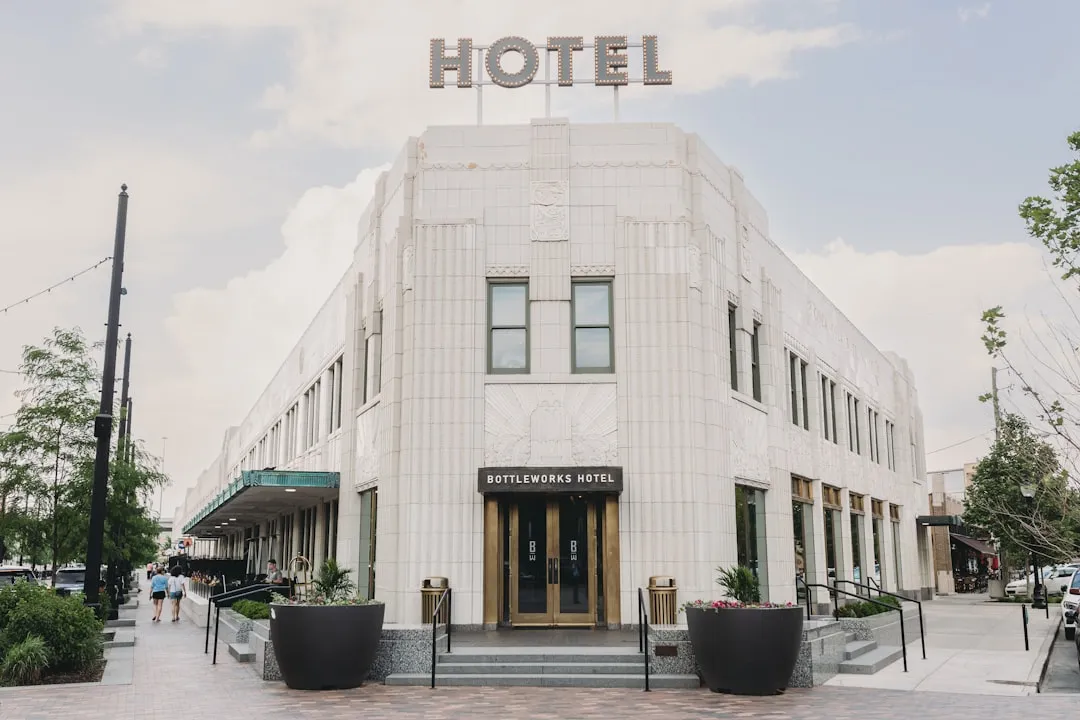
Independent hotels are renowned for their personalized service. Smaller and often family-run, these hotels can afford to focus more on individual guest needs, providing a level of attention that larger chains might not match. This personalized approach often leads to higher guest satisfaction and a more enjoyable stay.
Independent hotels have the flexibility to innovate and adapt quickly to market changes. Without the constraints of corporate policies, these hotels can implement creative solutions and personalized touches that enhance the guest experience. This agility allows independent hotels to experiment with new ideas, embrace trends, and differentiate themselves in a crowded market. In practical terms, this means the owner can simply say yes – to the late checkout, the extra blanket, the local recommendation at 9 pm – without checking a policy document first.
Sustainability Fits Naturally Into a Smaller Footprint

Locally run guesthouses, almost by their nature, tend to operate with a lighter footprint. Smaller scale means less waste, fewer centrally managed supply chains, and more direct investment in the surrounding environment. The vintage motel with a garden, a local breakfast option, and energy use managed by the family who pays the bill is practicing a form of sustainability that doesn’t require a corporate press release to exist.
Independent lodgings are increasingly adopting sustainable practices, such as energy-efficient systems, waste reduction initiatives, and locally sourced amenities, to cater to environmentally conscious travelers. According to Booking’s Travel Predictions 2024, more than half of global travelers desire accommodations with sustainability innovation. Small operators are often better positioned to deliver exactly that, precisely because they don’t answer to a distant corporate sustainability department.
Wellness Travel and the Case Against Over-Stimulation

Relaxation travelers – a subset of travelers who prioritize taking laid-back vacations that center on rest and recovery – are especially focused on detoxing from their day-to-day life. Nearly all want to disconnect (98 percent) and prioritize their health (97 percent) when they travel. Taking a mental health break, getting a respite from work, and spending time alone were among their top trip priorities.
The desire for more authentic experiences that create a deeper connection to self is one of the driving forces behind modern wellness travel. A vintage motel – with its absence of engineered entertainment, its uncrowded parking lot, its view of something real – meets that need without pretending to be a retreat center. Sometimes the most restorative environment is the one with the fewest distractions.
There’s Still Room to Belong Somewhere New

Forty-seven percent of travelers want to connect with locals in less-touristy areas, according to Booking’s report. Independent hotels can capitalize on this trend by offering experiences deeply rooted in their surroundings, such as local tours, farm-to-table dining, or partnerships with nearby artisans. This is where the small family-run motel holds a natural advantage that no amount of resort marketing can manufacture.
Spending more time in one place enables you to build relationships, understand the customs, and connect with the community on a deeper level. Instead of rushing through landmarks, you find yourself participating in community events, sampling authentic cuisines, and engaging with residents on a more meaningful level. That kind of belonging, even temporarily, is the part of travel most people find hardest to describe and most reluctant to leave behind.
The Takeaway
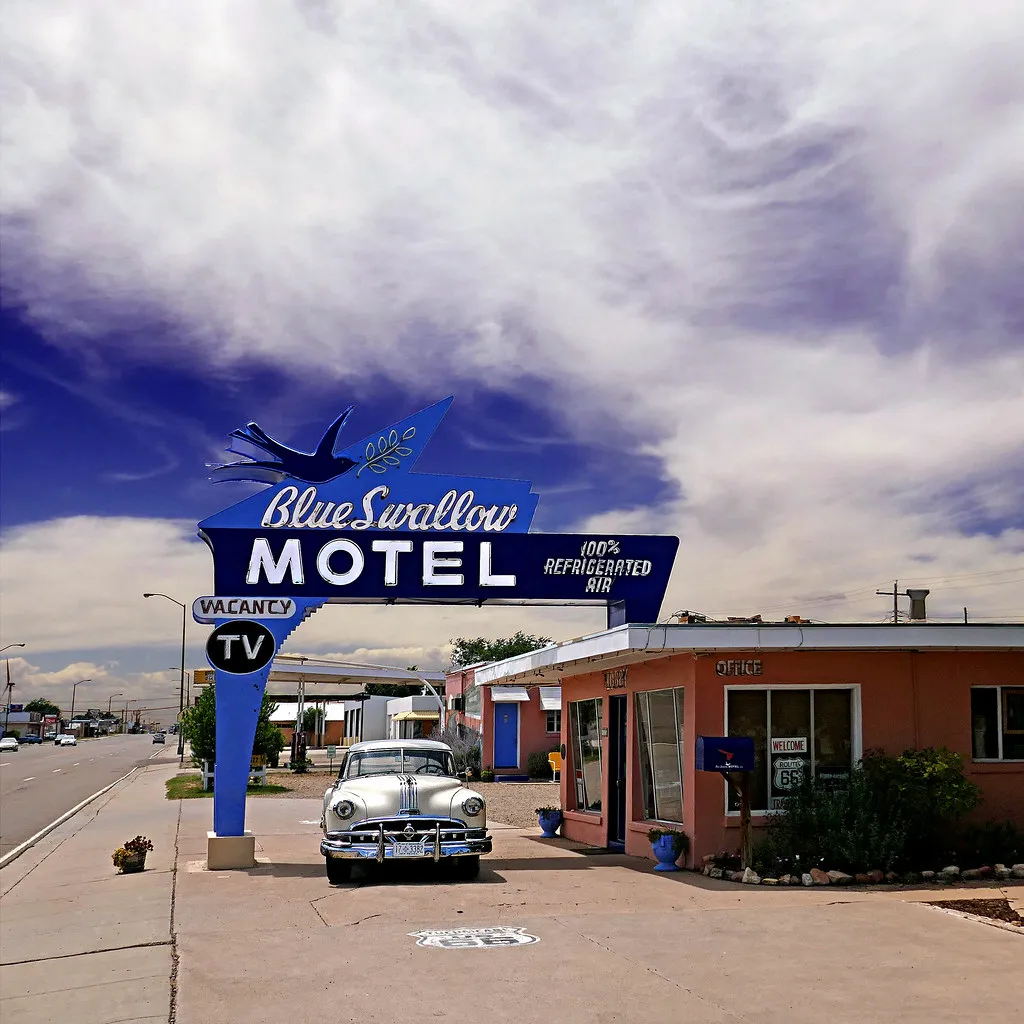
The case for the vintage mom-and-pop motel isn’t about nostalgia or rejecting comfort. It’s about what kind of experience actually stays with you. The flexibility and customized approach of an independent or smaller property is arguably more effective than chains that run everything by a manual and don’t customize by property – especially given today’s growing consumer preference towards unique experiences and products where authenticity trumps standardization.
The data points in a clear direction: travelers increasingly want connection, authenticity, and a sense that where they slept was a real place, not a replicated one. Independent hotels may not be able to match chains on price or marketing spend, but they can hold their own on the factors that matter most to today’s traveler. Delivering a unique, experience-driven stay that chains can’t always replicate at scale is one of the strongest competitive advantages an independent property can have.
There’s a reason some travelers return to the same small motel year after year. It has nothing to do with points or perks. It has everything to do with feeling, just for a few days, like a person in a place – rather than a guest in a product.
AI Disclaimer: This article was created with the assistance of AI tools and reviewed by a human editor.