
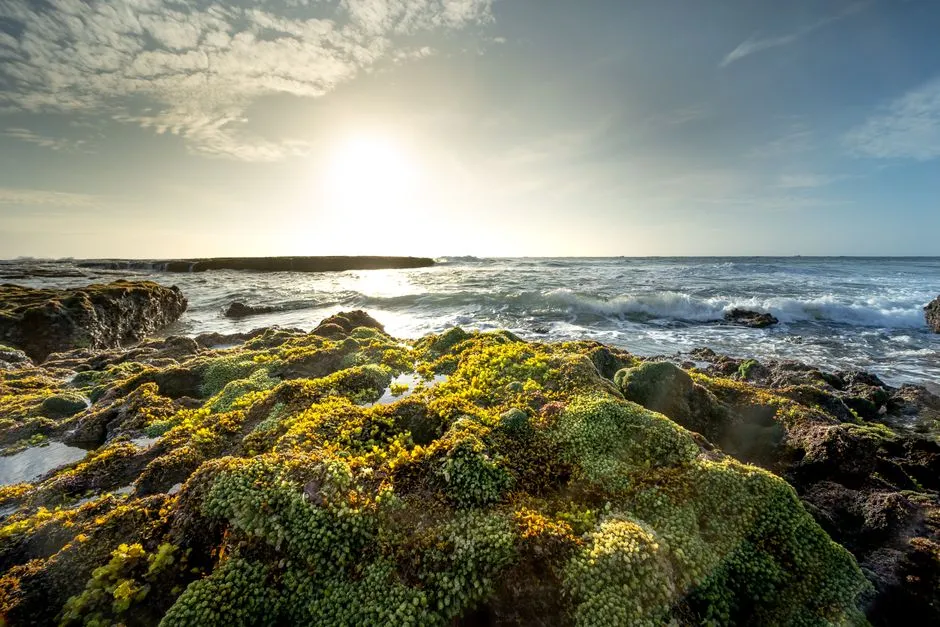

Every summer, millions of people head to coastlines with the best of intentions. They want fresh air, open water, and a genuine connection with nature. What many don’t realize is that a short detour off a marked path, just a few unplanned steps across a dune or through tall coastal grasses, can quietly unravel years of ecological work happening just below the surface.
Coastal ecosystems are among the most productive and fragile on the planet. Marine and coastal ecosystems form the foundation of planetary health, biodiversity, and human livelihoods. The case for keeping to designated paths isn’t about inconveniencing visitors. It’s about understanding what those small decisions actually cost.
Trampling Dune Vegetation: More Damage Than It Looks

Sand dunes are not just mounds of sand. They are living structures, held together by specialist grasses whose root systems do the quiet work of keeping coastlines intact. Uncontrolled recreation destroys dune vegetation and can completely prevent or slow down plant colonization at the beach-dune boundary, which weakens coastal dunes and makes them more vulnerable to both wave and aeolian erosion.
Excessive or repetitive trampling of sand dune habitat can reduce or destroy vegetation height and cover. That damage compounds quickly when thousands of visitors walk the same stretch of coastline over a busy summer weekend. The dune looks fine to the eye, but the pioneering plants that hold it together may already be losing ground.
Research on long-term human trampling found that all trampling levels significantly reduced species diversity, and total vegetation cover was significantly reduced in areas with severe and heavy trampling pressure. This isn’t a minor aesthetic concern. It directly affects the dune’s ability to protect the land behind it.
The Dune Grass Connection: Why Pioneer Plants Matter
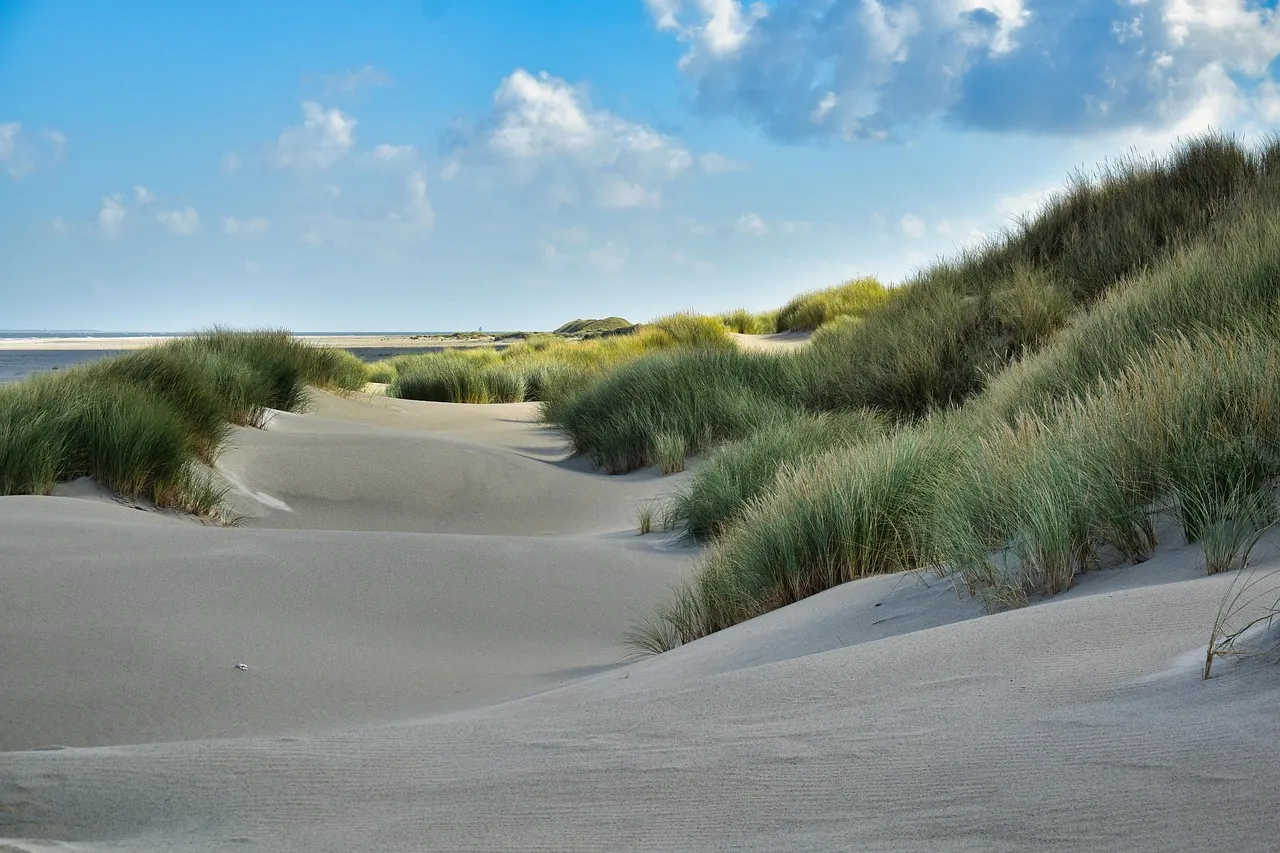
The grasses that anchor dunes are not generic ground cover. They are precisely adapted to one of the harshest environments on land, and they are often the only thing standing between an intact coastline and accelerating erosion. Highly specialized pioneer grasses play a key role in dune building by binding the sand together.
Given that coastal tourism is expected to increase with warmer temperatures, recreation may reduce the beach area suitable for establishment of dune-building grasses. Insufficient accommodation space for embryo dune development not only impacts biodiversity on beaches but may also leave the base of the foredunes more vulnerable to storm erosion.
Research suggests the impact of human pressure follows a funnel shape from beach entrance toward the sea, widening as people approach the water. Measures aimed at directing visitor flows over the upper beach may limit the effects of trampling significantly. Marked paths exist precisely to guide that flow.
Shorebird Nesting Season Peaks in Summer
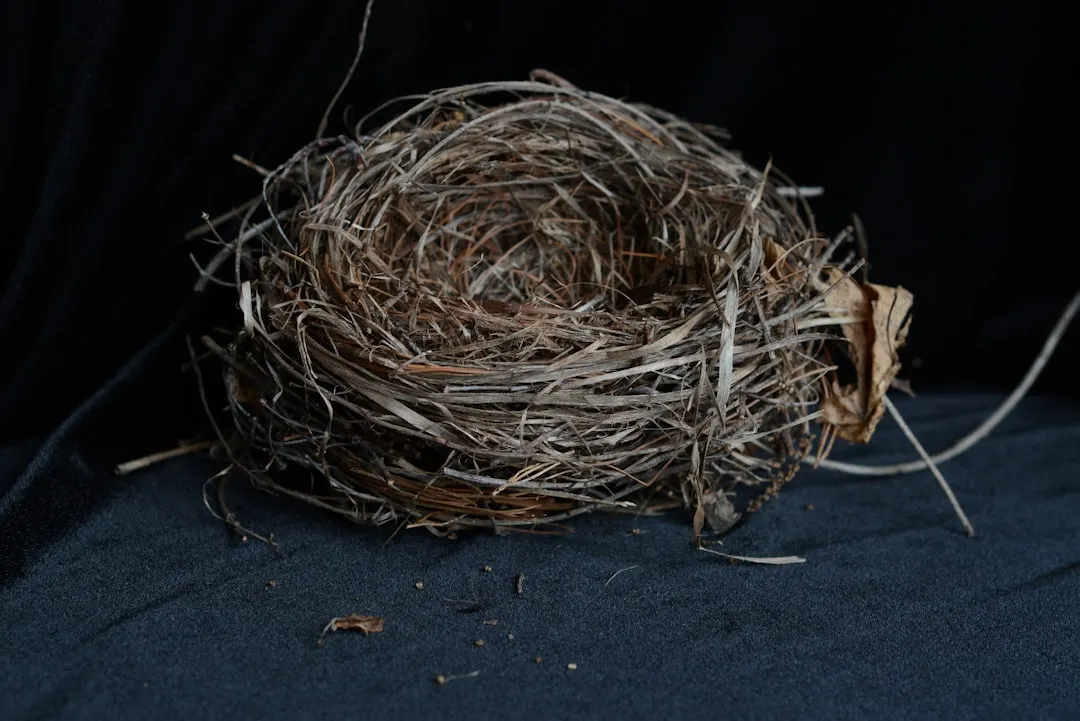
Summer and the height of beach season arrive at exactly the wrong moment for many coastal bird species. Spring and summer mark critical times of year for vulnerable species, as they must avoid human disturbance, storms, and predators to successfully raise their chicks. These nesting periods and peak tourism schedules overlap almost perfectly.
Beach visitors are often unaware that shorebirds nest in shallow depressions in the sands near where they swim, fish, and recreate. Small, camouflaged eggs are easily confused for beach rocks, and tiny fledglings look like cotton fluff that blends into their surroundings. They can be inadvertently trampled and killed, especially during the busy summer beach season.
Disturbance by people or pets can cause adult birds to abandon eggs and chicks, exposing them to heat and predators. On a hot day, in as little as ten minutes, the eggs can be effectively destroyed by the heat. This is not an edge case. It happens regularly on busy summer days across dozens of coastlines.
The Science Behind Human Disturbance and Bird Populations
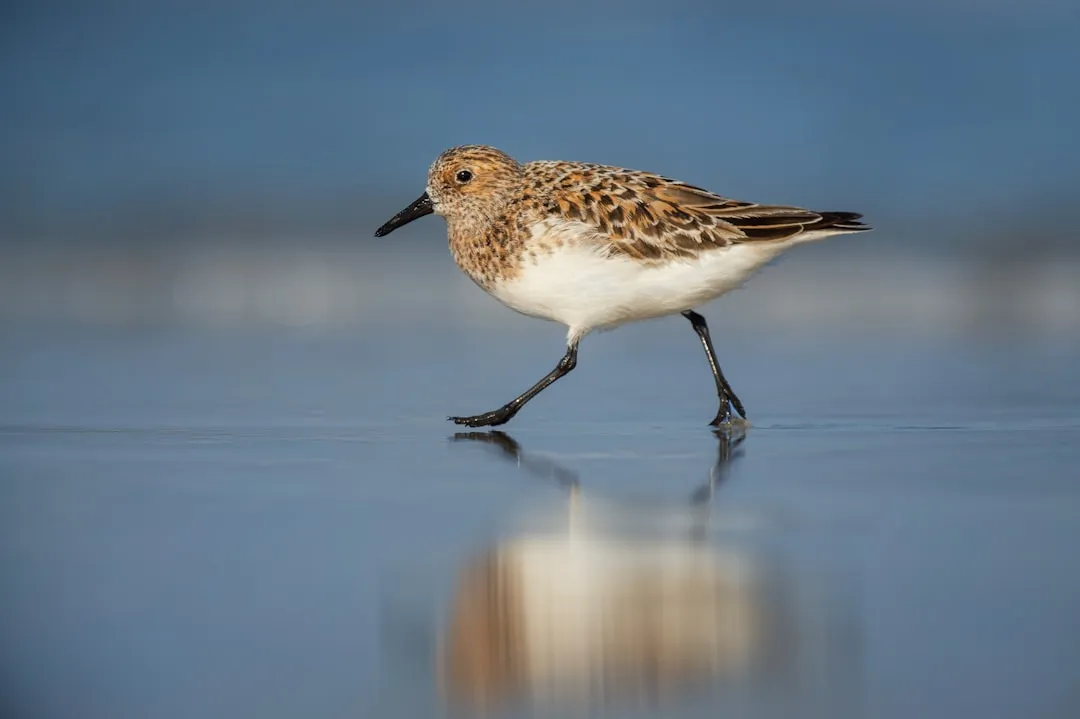
The link between human foot traffic and declining shorebird populations has been documented over decades of careful monitoring. Research using three decades of National Park Service data found a strong negative relationship between the population size of breeding plovers and human activity, and a positive relationship with protection efforts aimed at reducing disturbance.
A decade-long decline in plover numbers at two North Carolina national seashores starting in the mid-1990s reversed as parks’ visitor counts decreased and stricter protections from potential disturbance were implemented. The recovery didn’t require dramatic intervention. It required giving birds space.
Habitat loss and degradation associated with coastal development has largely restricted many shorebird species to stretches of beach within parks and preserves, and this group of birds is particularly sensitive to human disturbance since environmental conditions on beaches are already harsh and unpredictable. Marked paths concentrate human presence in areas where it causes the least harm.
Seagrass Meadows: Invisible and Irreplaceable
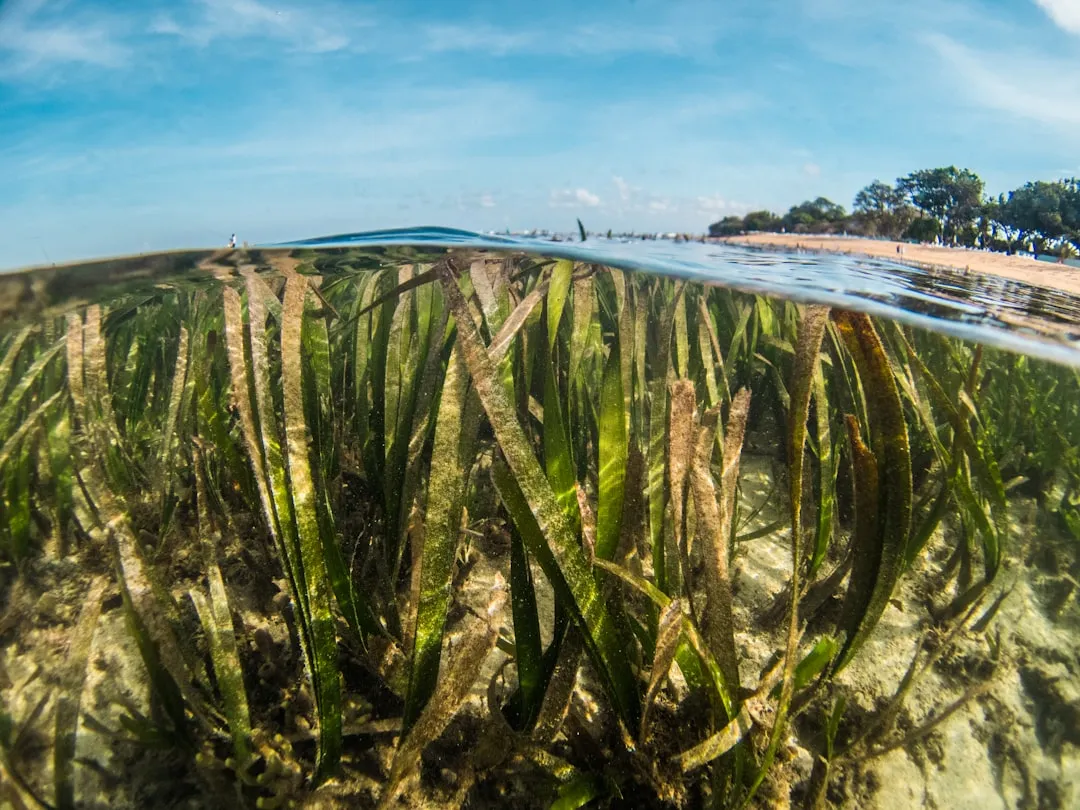
Most visitors to coastal areas never see seagrass. It lives just offshore, beneath the waterline, but its health is tightly connected to what happens on the beach and in the shallows near walking paths. Seagrass is one of the most productive ecosystems in the world, forming the backbone of coastal ecosystems, and its decline represents a worldwide problem driven in part by human activity.
Seagrass meadows exist in 159 countries on six continents, covering over 300,000 square kilometers, making them one of the most widespread coastal habitats on Earth. Almost a third of global seagrass area has been lost since the late nineteenth century, and at least 22 of the world’s 72 seagrass species are in decline.
Trampling by visitors can be an important source of disturbance and stress for marine communities within coastal protected areas, yet many low-impact activities related to trampling are often permitted with minimal regulation. Walking through shallow water or across intertidal flats without following designated routes contributes to this pressure in ways visitors rarely consider.
Coastal Erosion Accelerates When Vegetation Is Lost
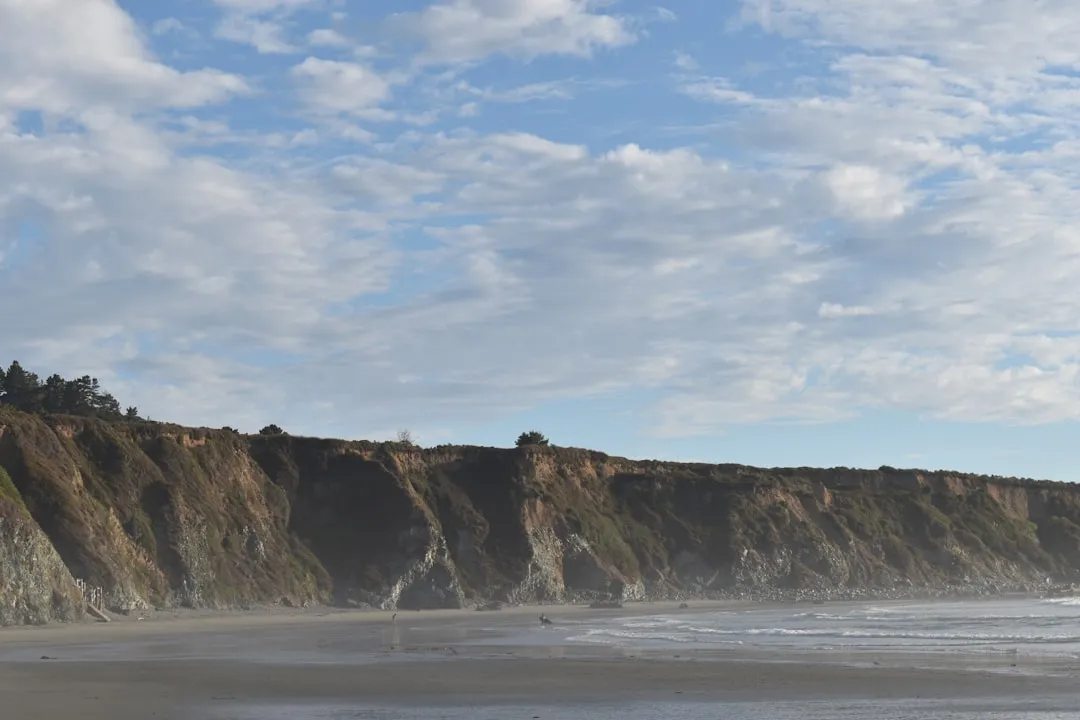
The connection between trampled vegetation and accelerating coastal erosion is well established. When dune plants are damaged or removed, the physical stability of the dune itself begins to deteriorate. Sand dunes provide a natural form of protection against coastal erosion, create habitats for rare and protected species, and play an important role in increasing amenity value.
Beaches and dunes are one of the most heavily used environments on Earth, with tourism and residential uses leading to ecosystem loss and dune degradation. The pressure is not theoretical. It is measurable, cumulative, and already underway at coastlines across the globe.
Extreme heat, wildfire and smoke, storms, coastal erosion, and other climate-related disturbances are already impacting how and when we can use trails, as well as the cost and effort required to keep them safe. Adding avoidable visitor damage on top of climate-driven erosion puts these ecosystems under compounded stress they may not recover from within a human lifetime.
Blue Carbon: The Climate Value of Coastal Ecosystems
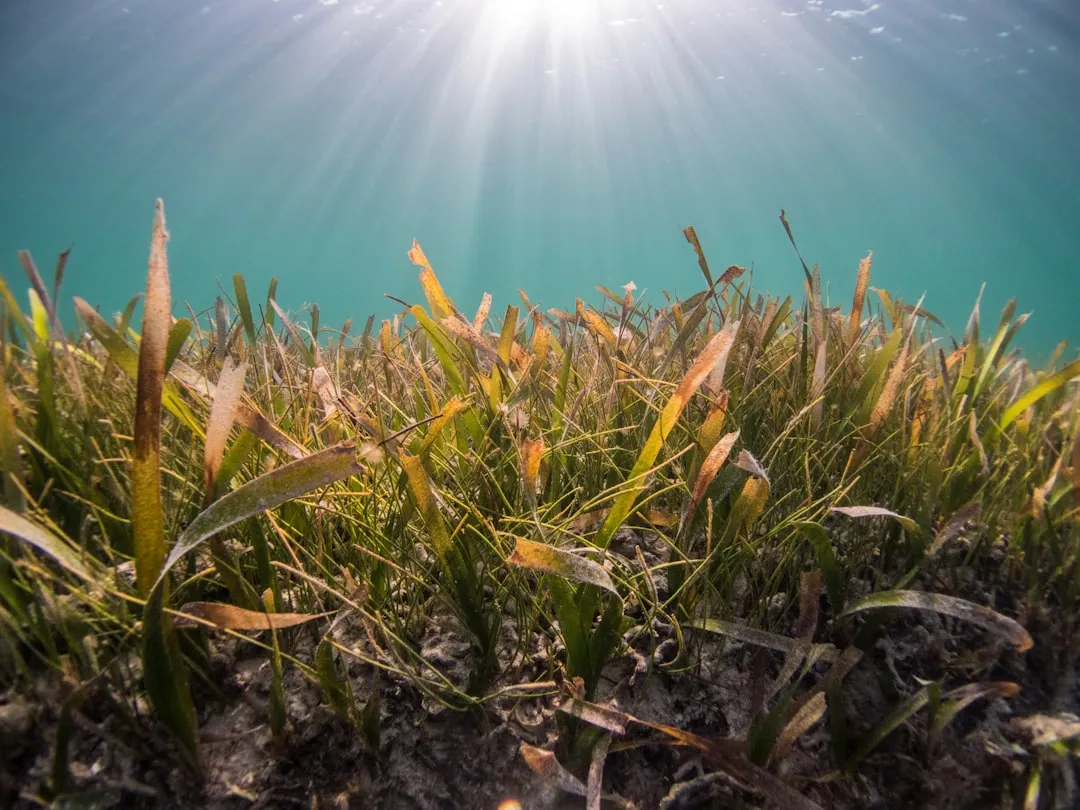
There is a dimension to this story that goes beyond local ecology. Coastal ecosystems, including seagrass, salt marsh, and mangrove systems, play a measurable role in global carbon storage. Seagrasses, as part of the marine ecosystem, store up to eighteen percent of the world’s oceanic carbon. Degrading these habitats doesn’t just affect local wildlife. It contributes to carbon release.
Blue carbon ecosystems are among the world’s most efficient and long-term carbon sinks and provide a range of co-benefits, such as providing coastal protection and supporting healthy fisheries, to surrounding local communities. This means the act of staying on a marked beach path carries implications that extend well beyond the dunes you’re walking beside.
Despite significant efforts to understand and mitigate the drivers of biodiversity loss, many pressures on marine and coastal ecosystems have increased or remain inadequately addressed, including pollution, coastal development, and resource overexploitation. Individual behavior, including respecting path boundaries, remains one of the few levers ordinary visitors actually hold.
The Summer Timing Problem
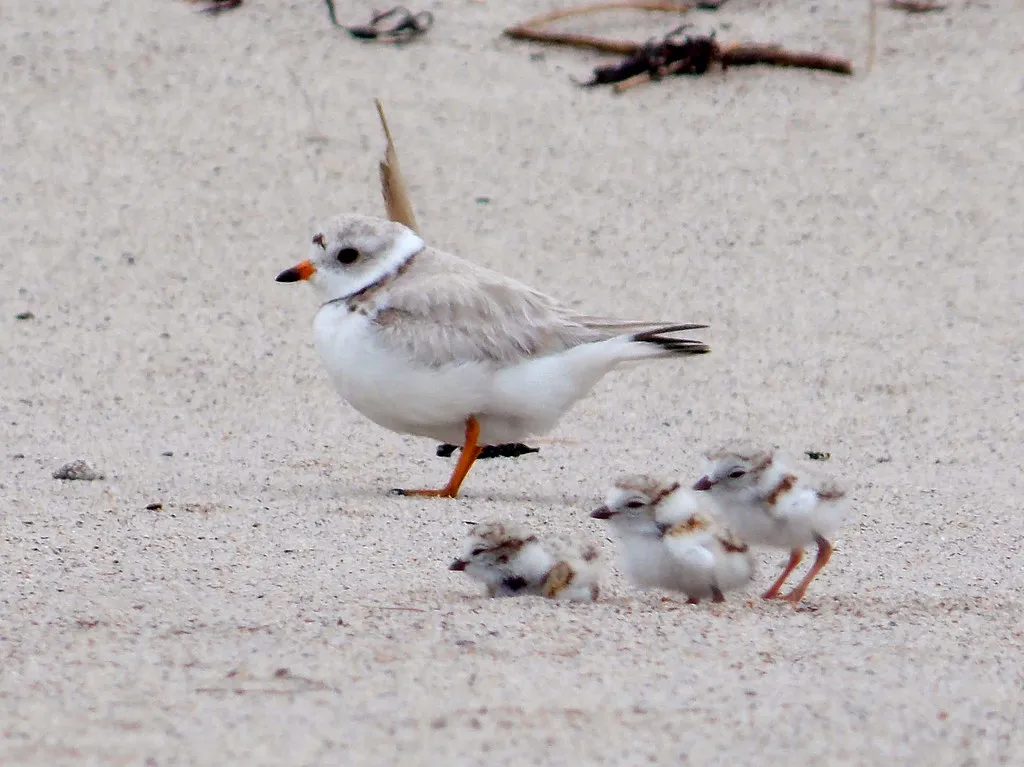
Peak summer visitation and peak ecological vulnerability land on top of each other with uncomfortable precision. Nesting birds, establishing dune grasses, and newly germinating coastal plants all reach their most sensitive phases between June and August, exactly when beaches attract their highest foot traffic. Shorebirds such as the federally threatened piping plover and state-threatened least tern need special protection throughout their nesting season from April to September.
Approved Imperiled Beach Nesting Bird Species Conservation Measures and Permitting Guidelines took effect in October 2024 in Florida, reflecting growing official recognition that summer visitor behavior needs clearer guidance and firmer management. Similar frameworks have been adopted or expanded in other coastal states in recent seasons.
The irony is real. Summer is when people most want to experience coastal nature. It is also when that nature is least able to absorb unmanaged pressure. Staying on marked paths is the simplest way to resolve that tension without sacrificing either the experience or the ecosystem.
Trail Widening and Soil Compaction: The Creep Effect
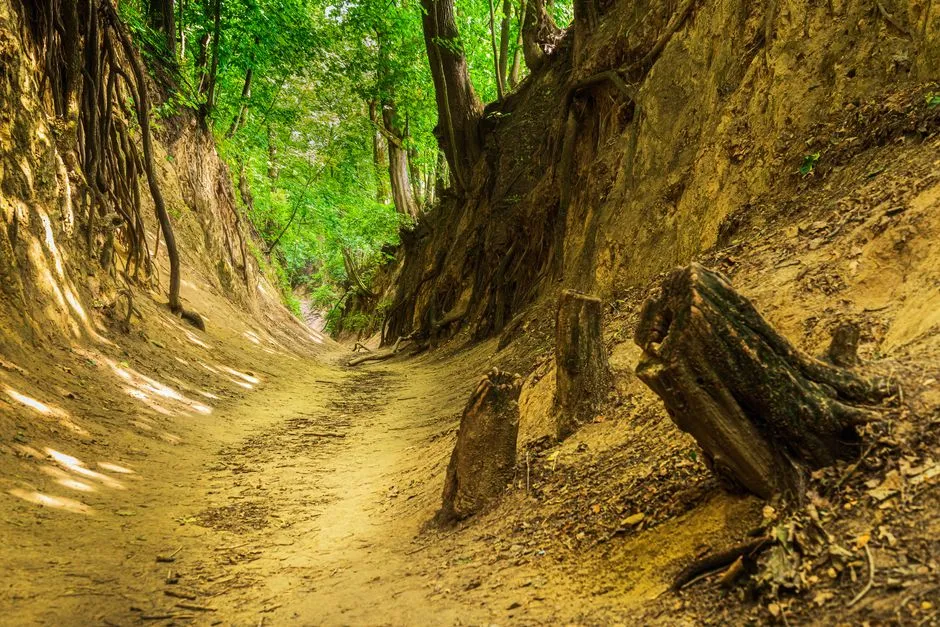
One of the subtler forms of path damage is widening, the gradual spread of foot traffic outward from the designated trail surface. Studies measuring trails before and after high-use events found that one trail widened from 40.7 cm to 50 cm as visitors spread out. Trail depth also increased from 2.8 cm to 4.6 cm in one event, a result of both deep soil compaction and the stripping away of topsoil.
Soil compaction in coastal habitats is particularly damaging because it reduces the ability of roots to anchor sand and allows wind and water to accelerate erosion at the exposed edges. Lack of sustainable design and management of trails can fragment habitat and damage ecosystems. When visitors drift just half a meter off the designated route to avoid a muddy patch or get a better view, they are extending the damage zone in ways that add up fast.
Coastal path widening is difficult and expensive to reverse once established. Revegetation programs can take years to show measurable results, and they require active management and funding that many coastal preserves are currently stretched to provide.
What Responsible Visitors Can Actually Do
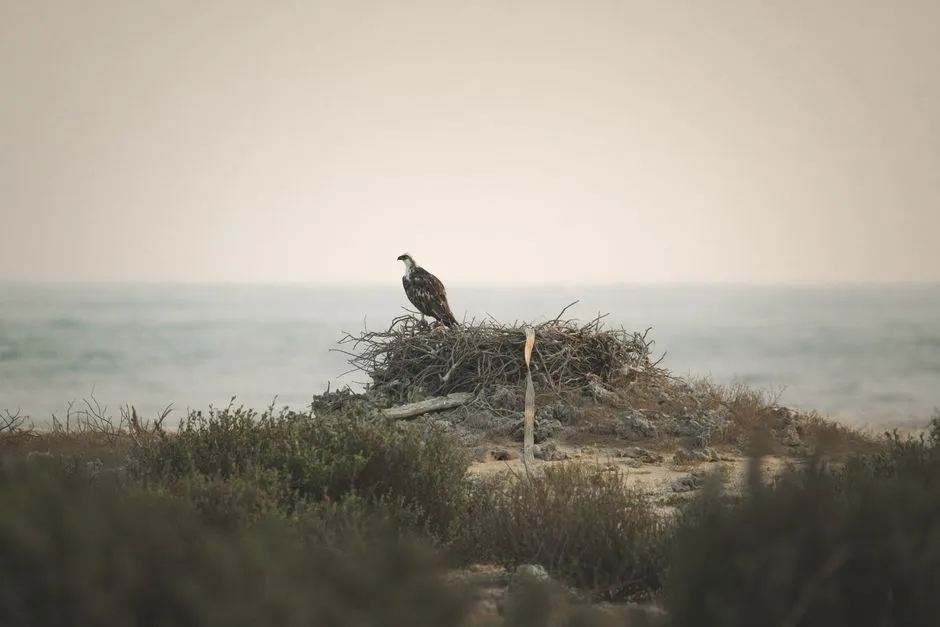
The ask here is genuinely simple. It does not require special equipment, advance planning, or sacrificing any meaningful part of the coastal experience. Walking close to the water on the lower portion of a beach allows birds resting and nesting on the upper portion of the beach to remain undisturbed. That one adjustment alone can protect nesting habitat during the entire summer season.
By obeying warning signs and staying away from fenced areas, beach visitors can avoid disturbing nesting birds. The same principle applies to dune vegetation zones, intertidal rock platforms, and any section of coastline marked with signage for ecological reasons. When in doubt, the marked path exists for a reason.
Staying out of posted nesting areas and giving birds plenty of space allows them to successfully raise their chicks. These birds nest directly on the sand and shell shoreline and are extremely vulnerable to human disturbance. What looks like an open, empty stretch of beach is often anything but.
The coastal paths and boundary markers that visitors sometimes find inconvenient represent something genuinely important: a negotiated boundary between human recreation and ecological survival. These ecosystems were under pressure long before summer crowds arrived this year. The simplest thing any visitor can do is take that boundary seriously, follow the marked route, and let the coast remain the living, functioning place that made it worth visiting in the first place.
AI Disclaimer: This article was created with the assistance of AI tools and reviewed by a human editor.