
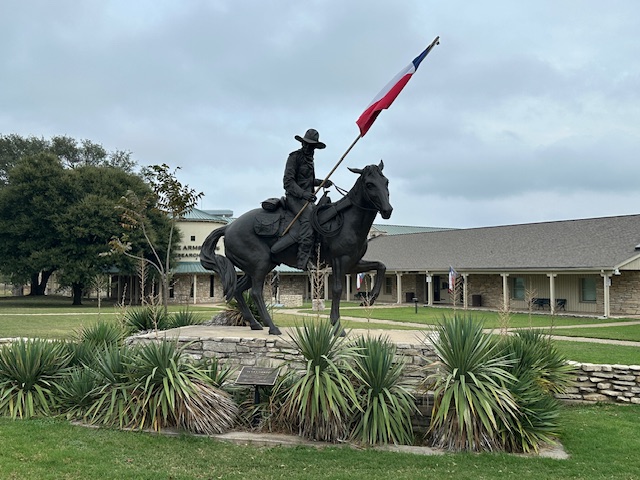

Where German Heritage Meets Texas Charm
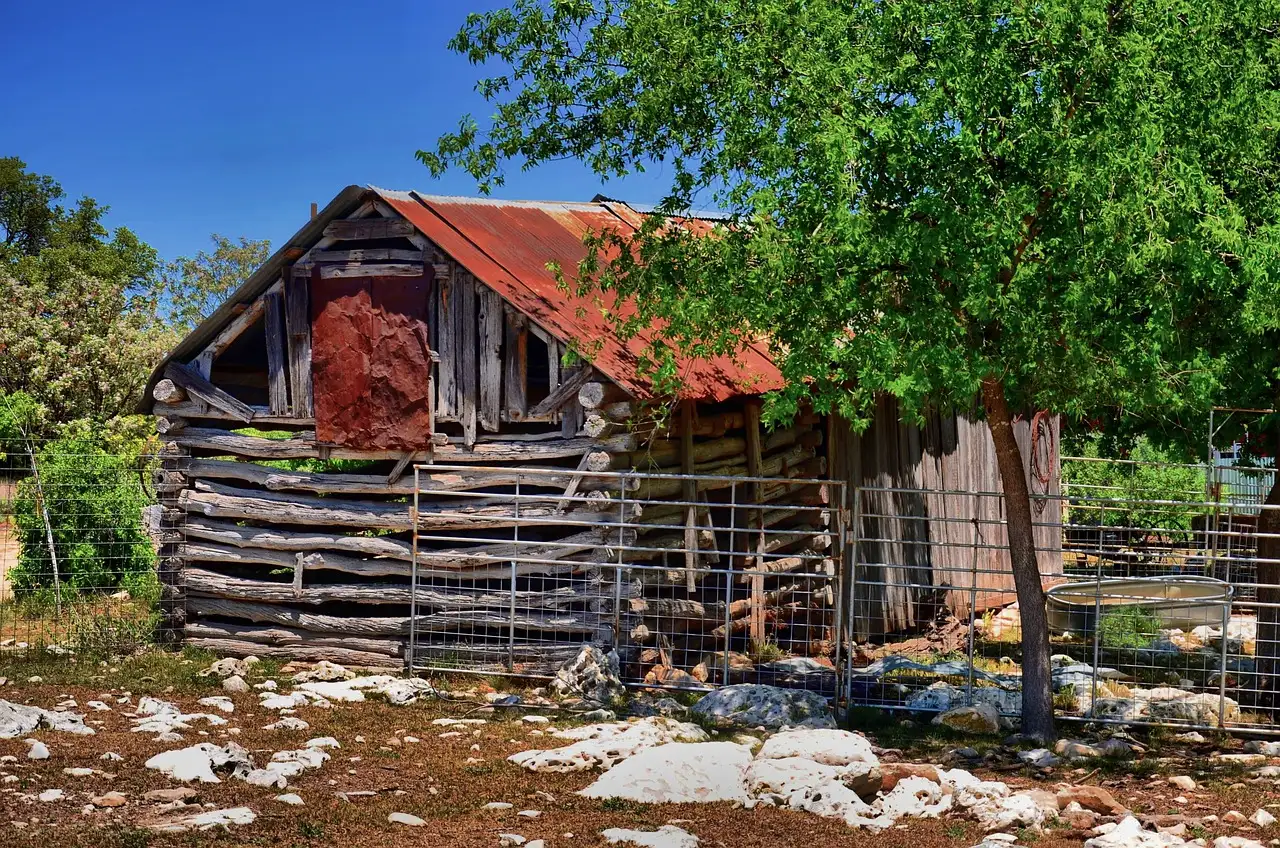
Fredericksburg was founded in 1846 by German immigrants who arrived through the Society for the Protection of German Immigrants, and that origin story still shapes the town almost two centuries later. In 1846, the Society for the Protection of German Immigrants founded the city known today as Fredericksburg.
The German influence shows up in the architecture, the food, and even the local business culture, since a defining trait of the city’s establishment was the Germans’ affinity for entrepreneurship, with 98.5 percent of Fredericksburg’s businesses still small or micro-businesses today. That history is not treated as a museum piece either. It is lived in, cooked, and poured, which is part of why the town feels distinct from other Central Texas stops.
A Location Built for Easy Getaways
Part of Fredericksburg’s appeal is pure geography. Fredericksburg and Texas Wine Country are located just over an hour from Austin and San Antonio, making it an easy destination to reach for millions of Texans and travelers from around the world.
It is also close enough to Dallas, Fort Worth, and Houston to work as a long weekend trip rather than a full vacation, since the area is also just a four hour drive from Dallas, Fort Worth and Houston. For a state where distances between cities are often measured in hours rather than minutes, that kind of centrality matters more than people might expect.
Main Street: The Heart of the Weekend
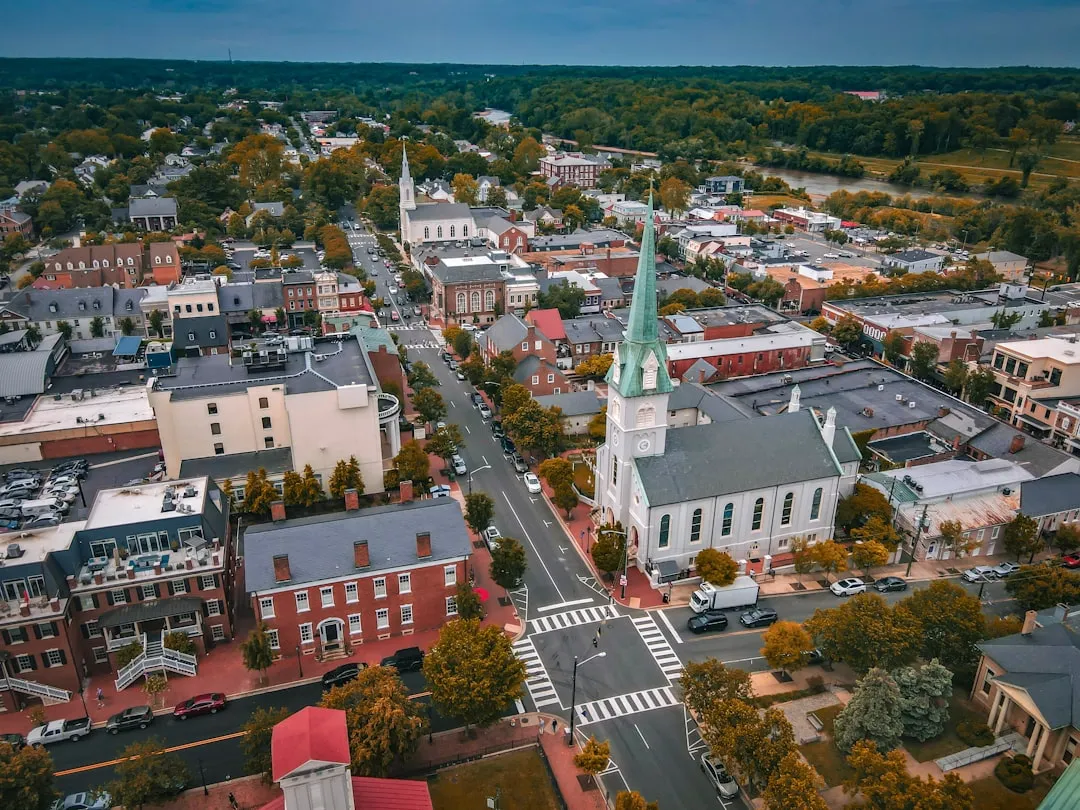
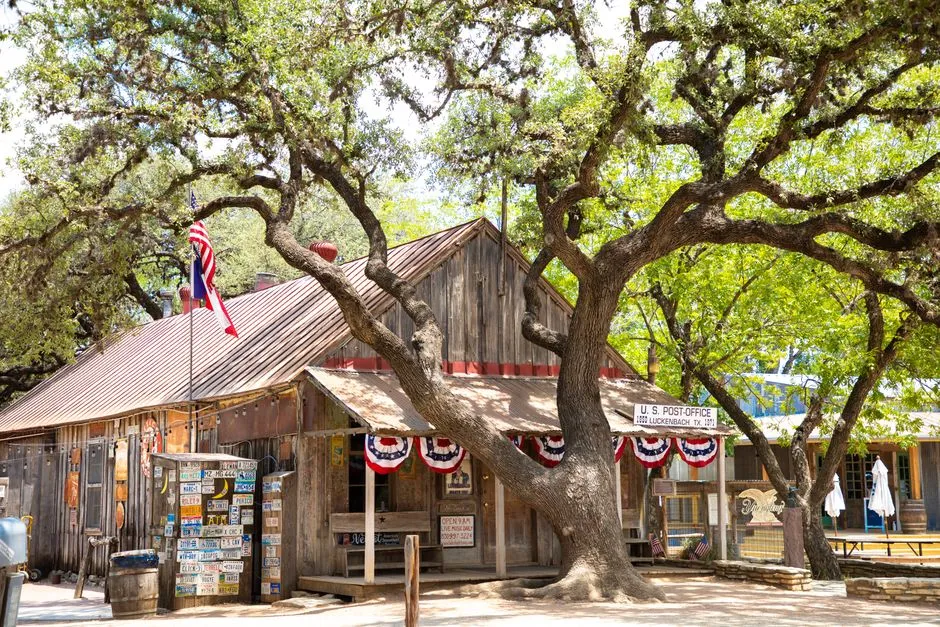
Most Fredericksburg weekends start and end on Main Street, a corridor of preserved storefronts, biergartens, and boutiques that anchors the whole visit. Fredericksburg comes alive along Main Street, the heart of boutique shopping, vibrant restaurants, local craft stores, and beautifully preserved historic architecture, with a walkable layout that makes it perfect for relaxed sightseeing.
Shoppers can browse well over a hundred stores and galleries without ever needing a car, since visitors can shop at over 150 stores and art galleries along the street. It is the kind of place where a couple of hours can disappear without anyone noticing.
Wine Country Without Leaving Highway 290
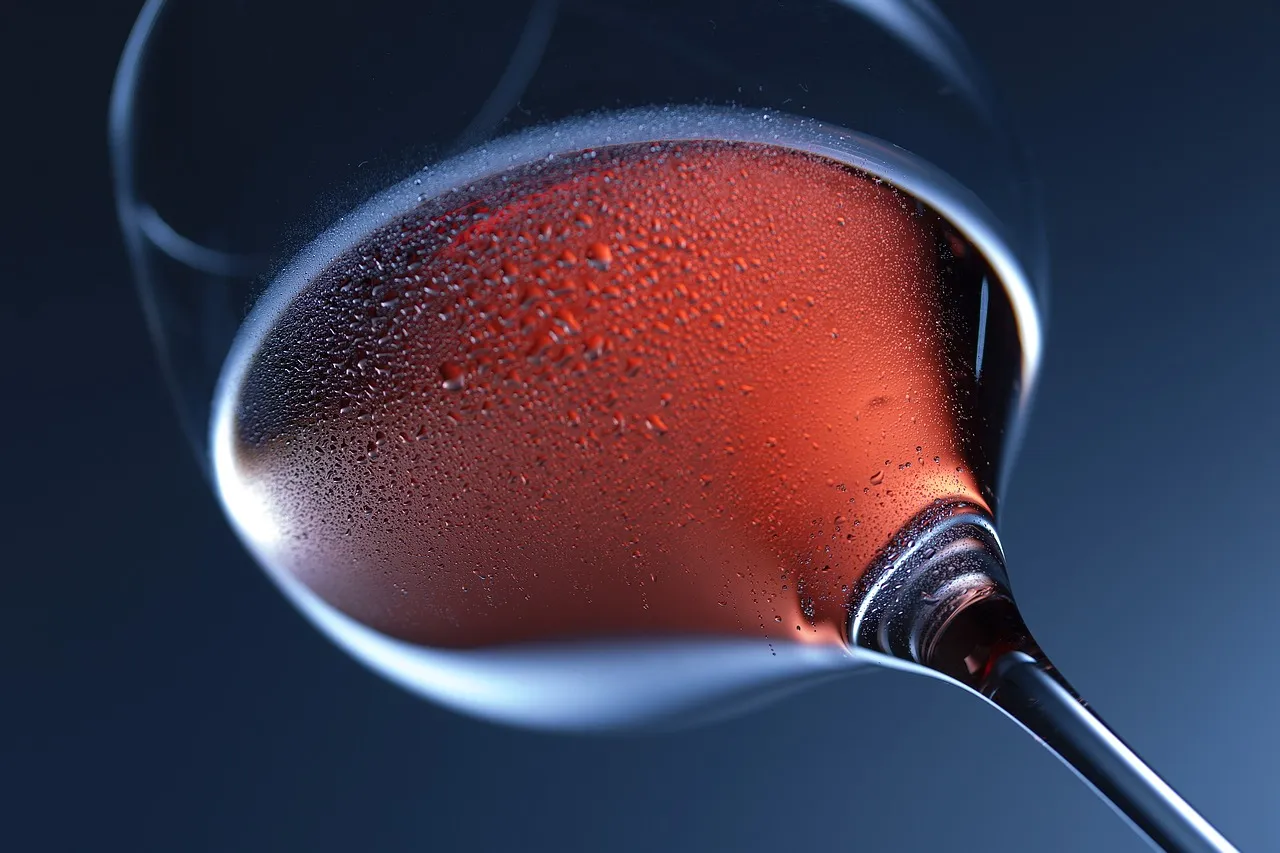
Fredericksburg sits at the center of the Texas Hill Country AVA, one of the largest recognized wine regions in the country. The Texas Hill Country AVA is the second largest certified Viticultural Area in America with well over nine million acres, and inside this region are over 75 wineries, vineyards and tasting rooms.
The stretch of road connecting the town to Johnson City has become its own destination, since the most popular wine route runs along Highway 290 between Fredericksburg and Johnson City, an area with the highest concentration of wineries and where many first-time visitors spend their day. Even visitors who never set foot outside downtown can still taste the region’s wine, thanks to the Urban Wine Trail, which consists of 14 local tasting rooms highlighting Hill Country wine.
Climbing Enchanted Rock

No Fredericksburg weekend feels complete without a stop at Enchanted Rock State Natural Area, a massive pink granite dome that has drawn people for thousands of years. Climbing Enchanted Rock is almost a rite of passage for Texans, and the massive pink granite dome rising above Central Texas has drawn people for thousands of years.
The park is genuinely popular rather than just picturesque, and visitors need to plan ahead, since the park sees a very high volume of visitors on weekends and holidays and closes to visitors without reservations when it reaches capacity. Beyond the summit hike, the park is also a certified International Dark Sky Park, and visitors can attend a star party or camp under the stars there.
History at the National Museum of the Pacific War
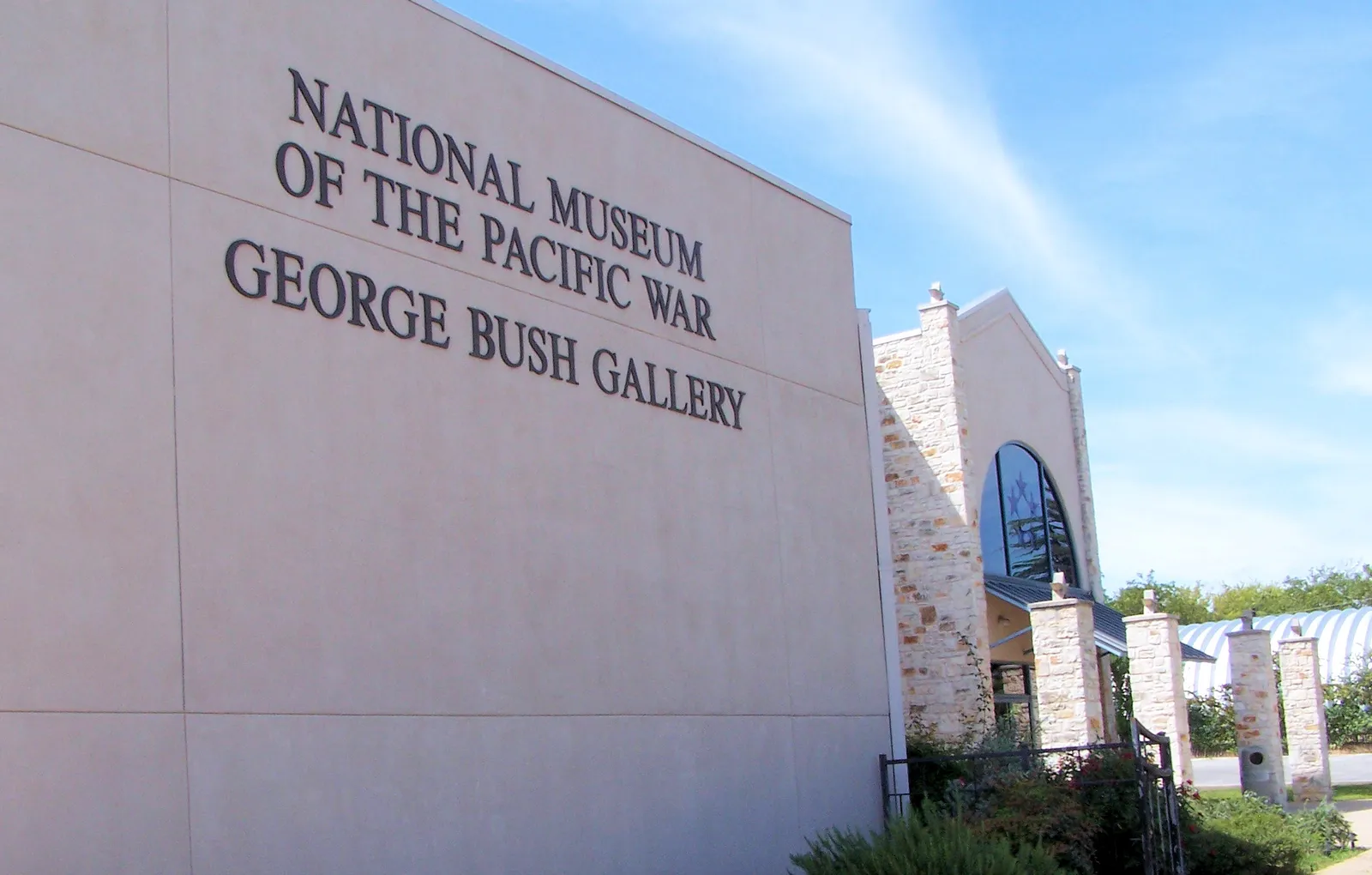
Fredericksburg’s ties to history run deeper than German heritage alone. The town is home to the National Museum of the Pacific War, described by local guides as a world class institution that draws history enthusiasts from across the state.
The National Museum of the Pacific War is a must-visit in Fredericksburg for history enthusiasts. Some travelers pair a museum morning with a quieter cultural stop nearby, since visitors can explore the Japanese Garden of Peace at the museum and then find one of the painted churches in Fredericksburg, cathedrals decorated by German and Czech settlers to bring a bit of home with them.
Peach Orchards and Seasonal Harvests
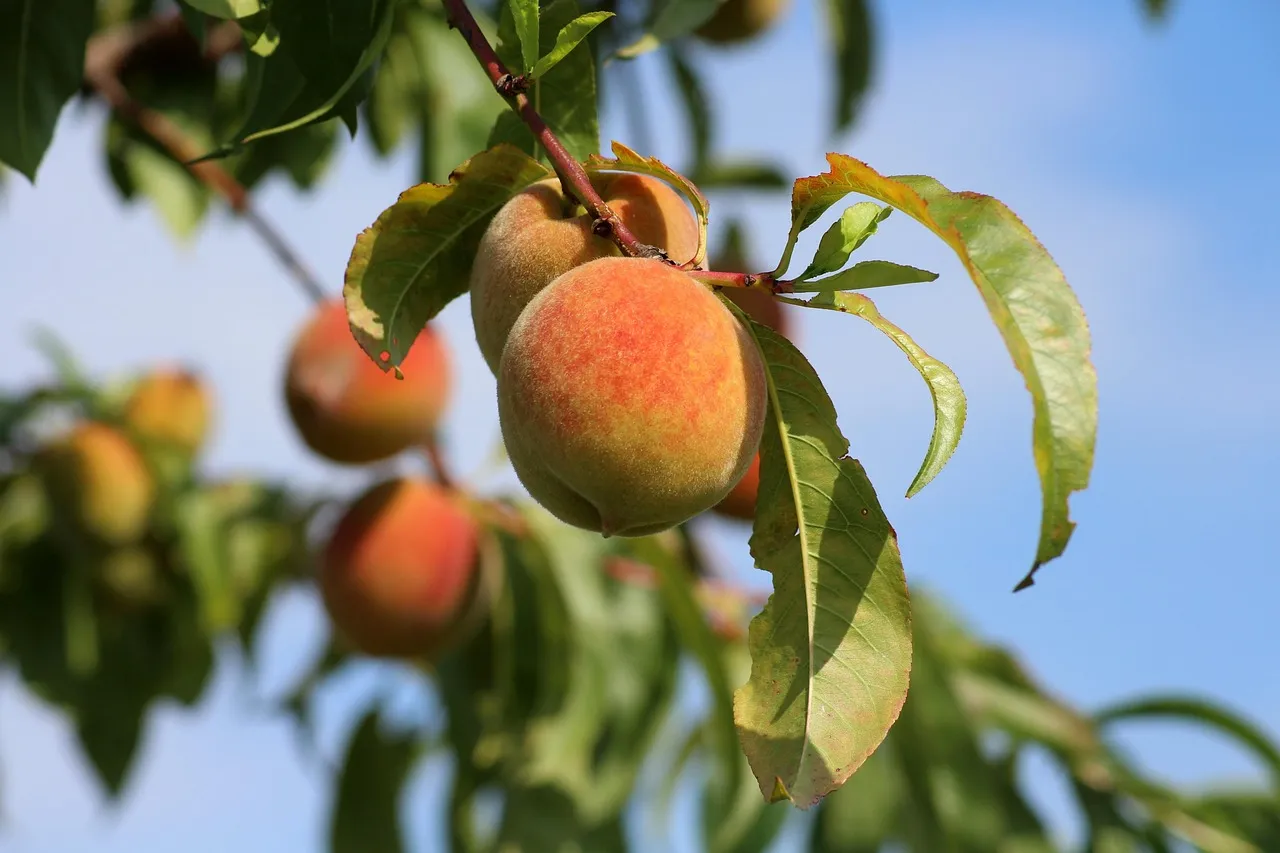
Long before wine put Fredericksburg on the map, peaches did. Fredericksburg was popular with Texans for years because of its legendary shopping and bountiful peach crops before evolving into a wine destination. Family orchards around the county still draw visitors each summer, and the timing matters for anyone planning a trip, since peach season is one of the most anticipated times of year in Fredericksburg and Gillespie County, carried on for generations by family owned orchards. It is a reminder that the town’s appeal was never built on a single attraction.
Where to Stay: From B&Bs to Boutique Resorts

Lodging in Fredericksburg leans heavily toward small, independently run properties rather than large chain hotels. Fredericksburg has more than 1,500 charming B&Bs, vacation rentals and guesthouses to choose from. That inventory sits alongside a modest but growing hotel scene, since those lodging options are in addition to the 19 hotels and motels in the county. The mix gives visitors real choice, whether they want a quiet guesthouse a few blocks off Main Street or something closer to a full resort experience.
Festivals, Oktoberfest and Year-Round Events
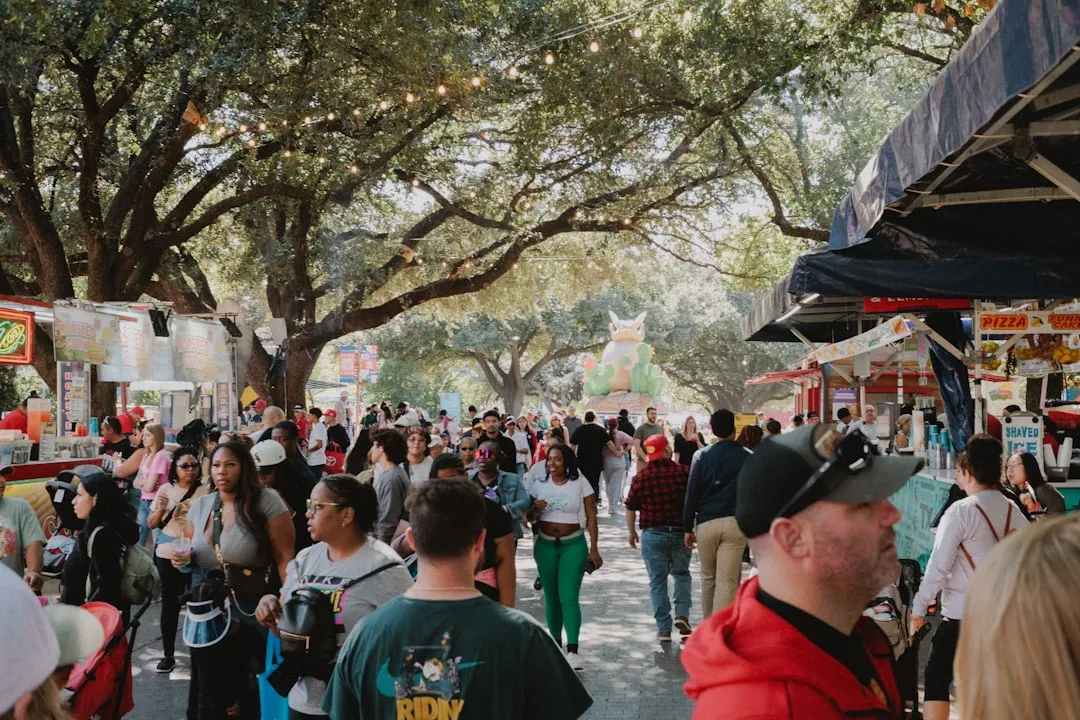
Fredericksburg does not really have an off season, which is part of what keeps Texans coming back throughout the year. For years, Fredericksburg has been a favorite weekend destination of Texans, but these days the Texas Hill Country is one of the best places to visit during the week as well.
Fall brings the town’s signature German celebration, since visitors planning a trip around Oktoberfest can expect the town to come alive with bratwurst, live music, and plenty of Texan Gemütlichkeit. Spring has its own draw too, with wildflower season and blooming wildflowers painting the landscape in April and May, making it in many visitors’ opinion the best time to visit.
A Town Riding a Tourism Boom
The numbers behind Fredericksburg’s popularity are not small for a town its size. In 2024, tourism generated a remarkable 175 million dollars in visitor spending, supported 1,200 local jobs, and contributed 17 million dollars in tax revenue to the community according to TravelStats.
Local officials estimate the region draws well over a million visitors a year, and hospitality investment is following, since the Fredericksburg Chamber of Commerce estimates more than a million visitors come to the area, and Waldorf Astoria Hotels and Resorts is expected to open a luxury resort in the Hill Country in 2027. That growth has not come without tension, since one longtime resident who moved to the area in 2014 has raised concerns about affordable housing, noting that many people who work at local B&Bs and restaurants commute at least thirty miles each way.
Fredericksburg’s pull for Texans was never really about one landmark or one weekend event. It is the way a small German settlement in the Hill Country ended up holding wine trails, a world-class war museum, peach orchards, and a granite mountain that glows pink at sunset, all within a few miles of each other. That combination, more than any single attraction, is probably why so many Texans keep circling back to the same small town on their maps.AI Disclaimer: This article was created with the assistance of AI tools and reviewed by a human editor.