

The World’s Most Extreme Lake
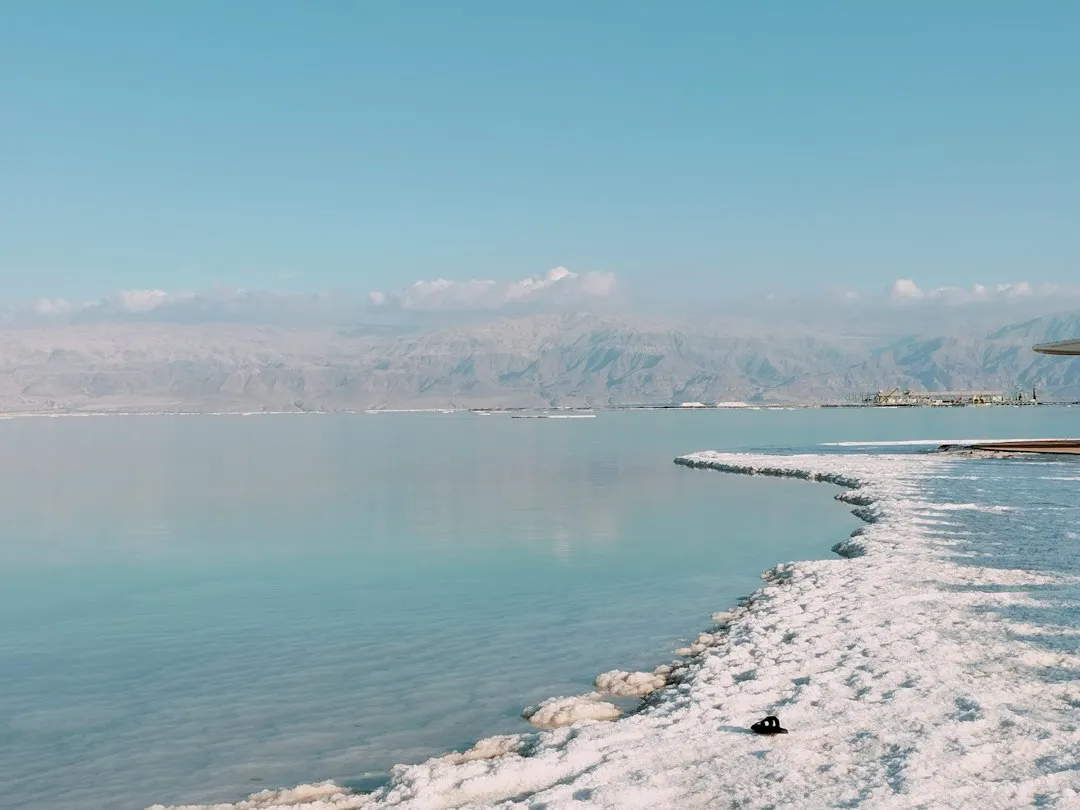
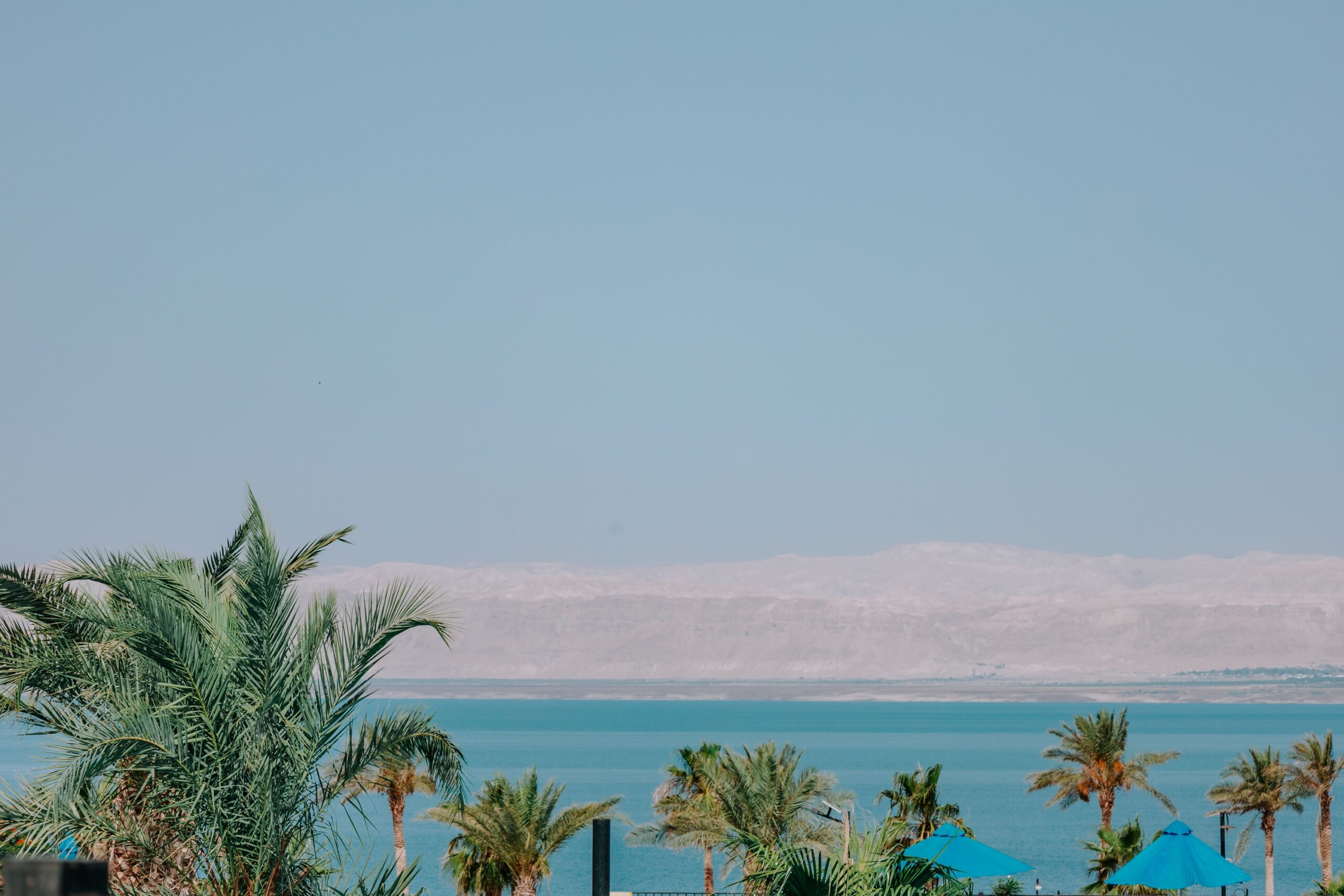
Despite its name, the Dead Sea is not actually a sea at all. It’s a hypersaline lake, which means it holds far more salt than a normal body of water. Straddling the borders of Jordan and Israel, it holds the record for the lowest place on Earth, sitting around 430 meters below sea level. The lake lies in a graben, a depressed block of the Earth’s crust bordered by tectonic plates, specifically the African and Arabian plates.
The lake is 50 kilometres long and 15 kilometres wide at its widest point. That makes it relatively modest in size, yet its physical properties have drawn travelers, healers, and scientists for millennia.
Why It’s So Extraordinarily Salty
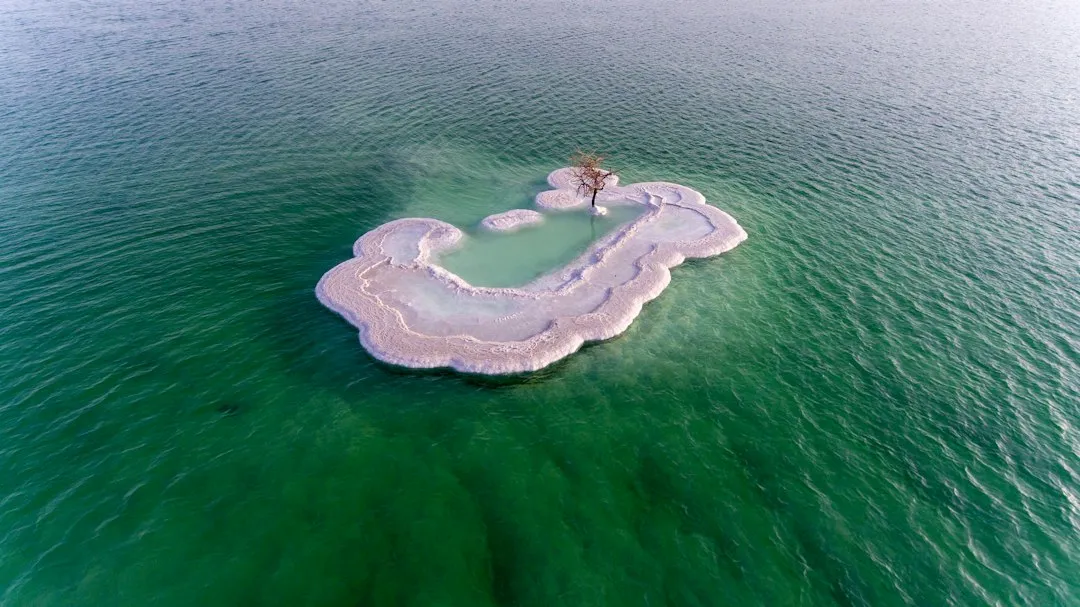
The Dead Sea is a terminal, or endorheic, lake with no outlet. The Jordan River and desert streams carry dissolved minerals in, but under the intense desert sun water can only leave by evaporation, which strands the salts and concentrates them over hundreds of thousands of years.
One of the reasons for the high salinity is that the Dead Sea doesn’t pour out. Additionally, the arid desert climate causes evaporation, increasing salinity. Everything that flows in stays in, and over thousands of years that has turned it into one of the most mineral-rich places on the planet.
The Numbers Behind the Salt
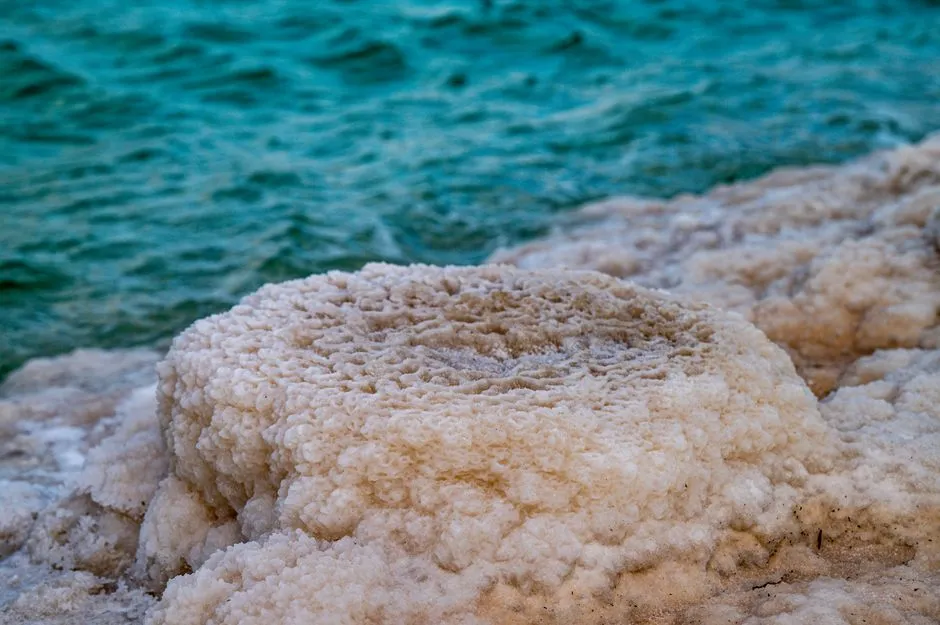
People float high in the Dead Sea because the water is unusually dense. Its brine contains about 34.2 percent dissolved salts, roughly ten times ocean salinity. For comparison, most ocean water sits around 3.5 percent salinity.
If you evaporated a litre of Dead Sea water, you’d have around 250 grams of salt left behind, and in the whole of the Dead Sea there are about 37 billion tonnes of the stuff. That’s not a misprint. The scale of mineral accumulation here is genuinely staggering.
Salt That’s Chemically Different
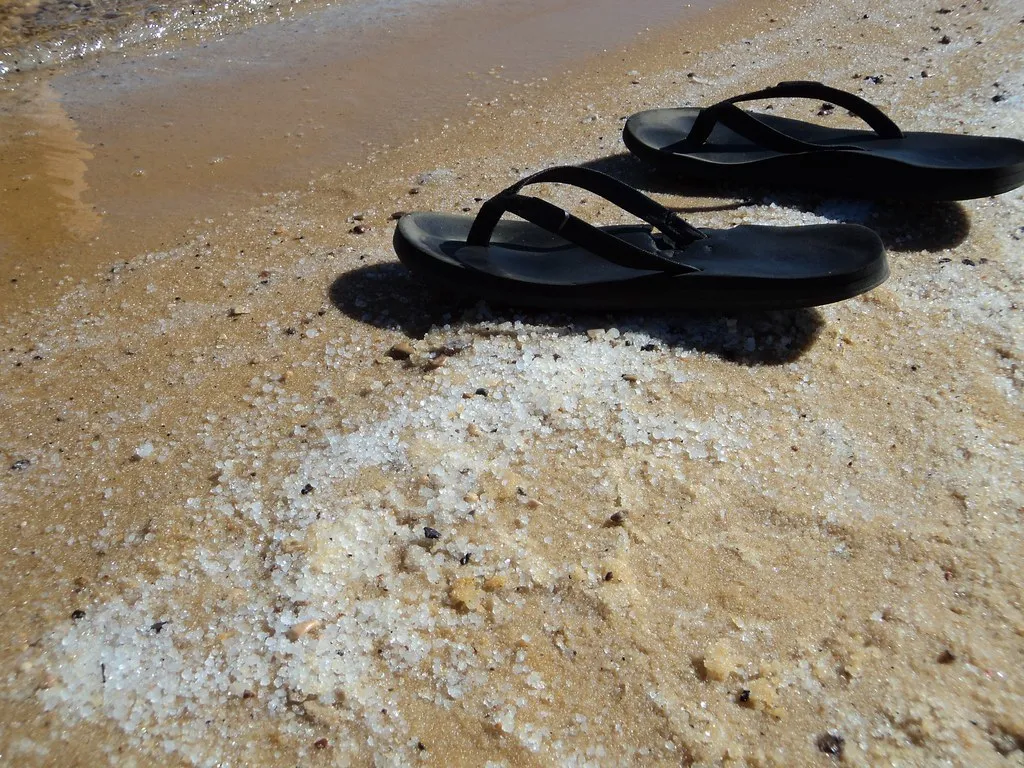
The Dead Sea’s salt is also chemically unusual, dominated by magnesium chloride rather than the sodium chloride that rules seawater. Ordinary sea salt is roughly 97 percent sodium chloride, whereas Dead Sea salt is a mixture of many different chloride and bromide salts, with ordinary sodium chloride making up only about 30 percent.
The lake has no outlet; its water escapes exclusively by evaporation, leaving behind a concentrated solution of salts, especially magnesium chloride, sodium chloride, and potash. This particular mineral profile is one reason the water looks, feels, and behaves so differently from the ocean.
The Physics of Why You Float

The physics behind floating is explained by Archimedes’ principle. A person displaces water, and because the displaced Dead Sea water weighs more than the same volume of freshwater, it produces a stronger upward force. The law of buoyancy itself is ordinary; what makes the result unusual is the brine’s density.
Hyper-salty water at roughly 34 percent raises density to approximately 1.24 kilograms per litre, giving it strong buoyancy. In the Dead Sea, a swimmer’s body displaces a volume of water that weighs more than the swimmer’s own weight, resulting in a net upward force. The water literally pushes back harder than you push down.
What the Experience Actually Feels Like
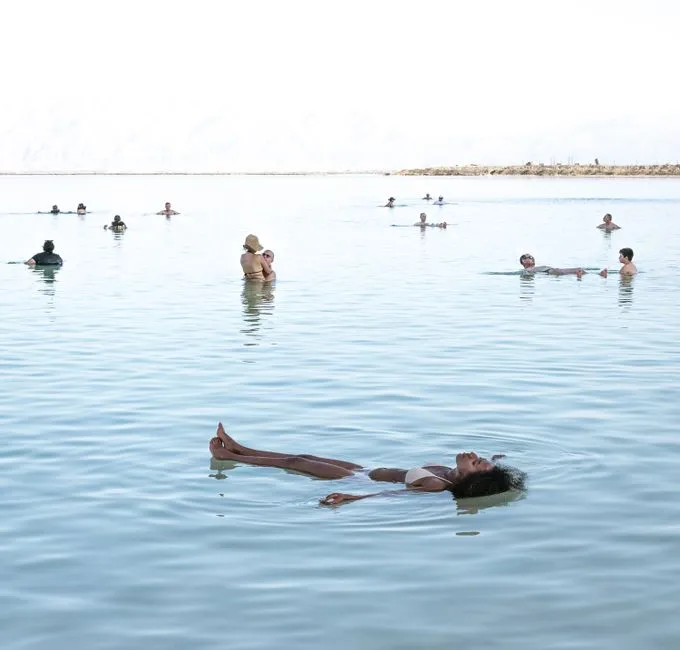
The moment you step into the Dead Sea, the water pushes you upwards, literally not letting you sink. This happens because the salinity is over 34 percent, making it far denser than fresh water. This heavier water ensures that when people step in, they float effortlessly.
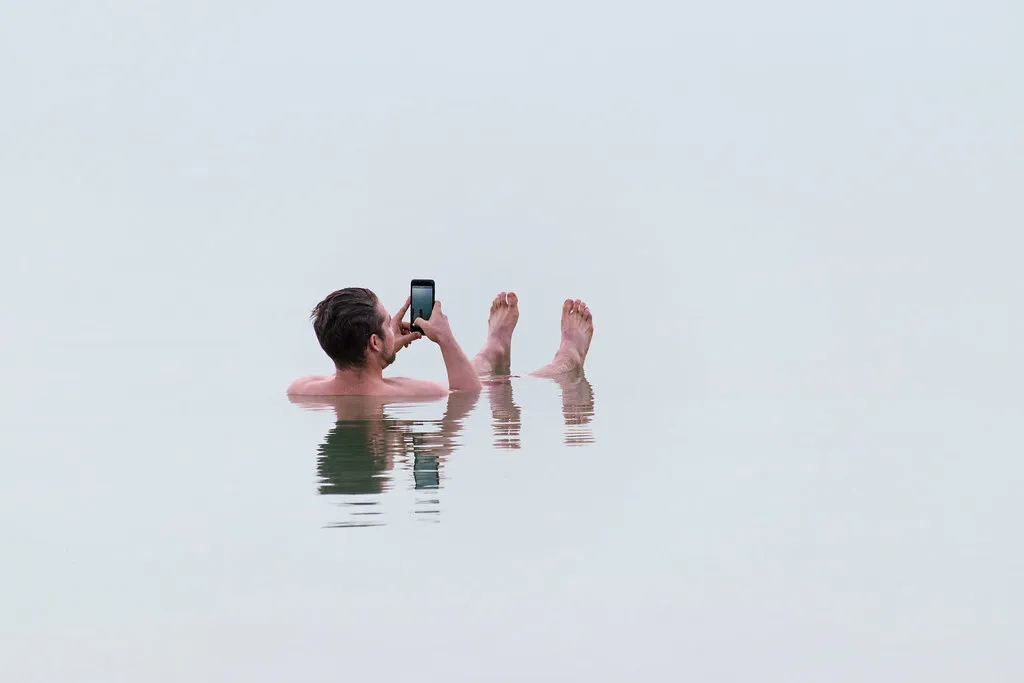
The Dead Sea’s buoyancy makes swimming strokes awkward, so it’s better to treat it like floating, not lap swimming. Most visitors find it a genuinely strange sensation, sitting up in the water the way you’d sit in a chair, legs drifting upward. It takes a moment to simply trust the water.
It’s Not Entirely Without Risk
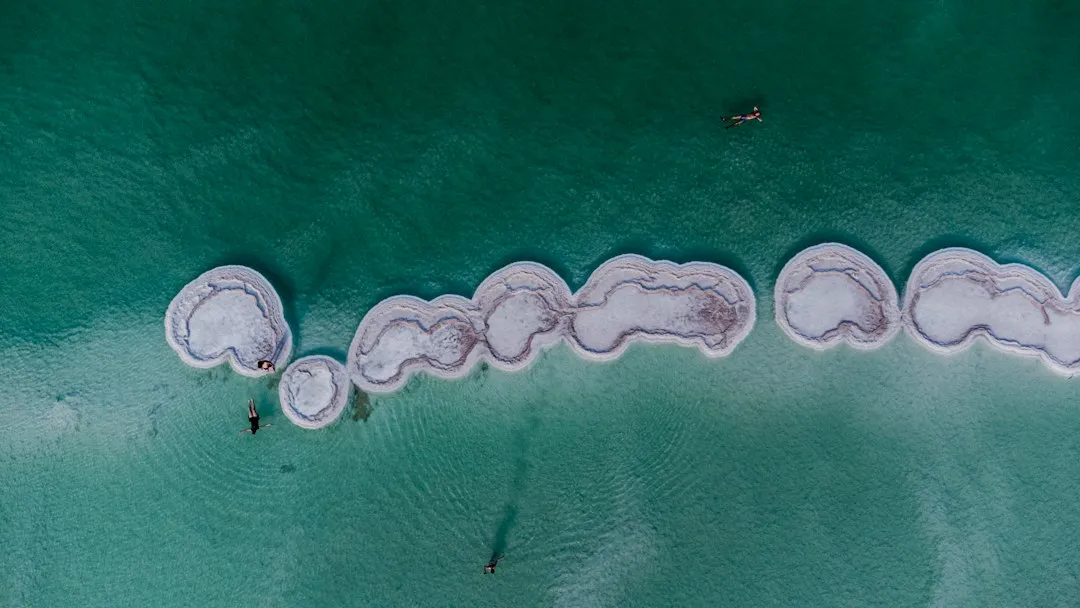
The strong buoyancy of the Dead Sea does not make drowning impossible. Visitors can still struggle, especially if they turn face down, panic, or accidentally get Dead Sea water in their eyes or mouth. The salt concentration is intense enough to cause serious irritation, so keeping your face out of the water isn’t just advice for comfort.
The safer experience is controlled, face-up floating at a permitted beach under lifeguard supervision. The law of buoyancy is ordinary, while the concentration of dissolved salts is extraordinary. It is better to say that Dead Sea brine makes floating much easier, rather than promise that every person will float in exactly the same way.
The Minerals and Their Therapeutic Reputation
The Dead Sea has become a renowned center for natural health, with people coming from around the world to bathe in its mineral-rich waters. Magnesium salts, the prevalent minerals in Dead Sea salt, are known to exhibit favorable effects in inflammatory diseases.
Balneotherapy in Dead Sea water has been applied to the treatment of various inflammatory rheumatic diseases such as rheumatoid arthritis and psoriatic arthritis. In a study of Dead Sea water in the treatment of patients with rheumatoid arthritis, Dead Sea water produced statistically significant clinical improvements in most parameters for up to one month following cessation of treatment. Research continues, and interest from the dermatological and therapeutic communities remains steady.
Almost Nothing Lives Here
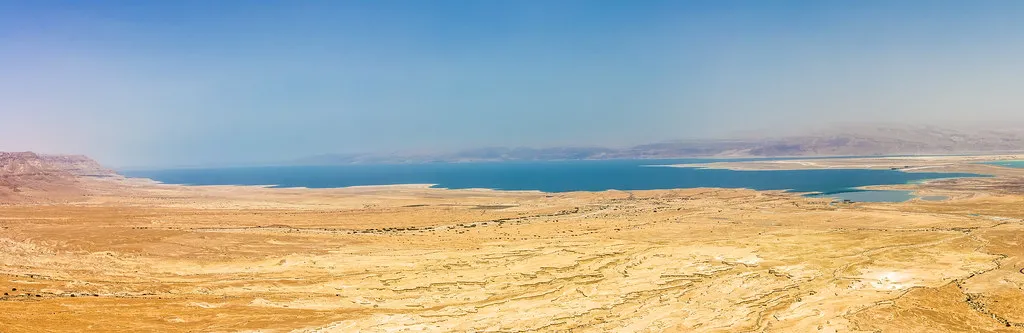
The name comes from a simple fact: almost nothing can survive in it. The water is so salty that fish, plants, and other familiar living creatures cannot live there. Aside from some microorganisms and algae, this salt water lake is completely devoid of life.
A single-celled organism known as Heliobacterium halobium is so dependent on the Dead Sea’s salt concentrations that if the Dead Sea were diluted to only three times the strength of seawater, it would die. That detail says everything about just how extreme this environment really is.
A Wonder That Is Shrinking
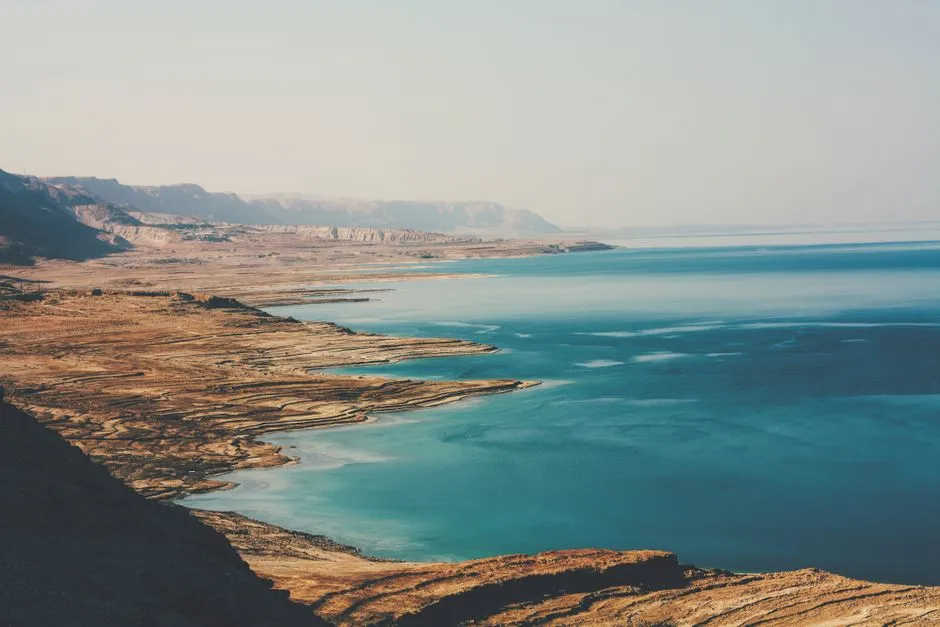
The water level in the Dead Sea is shrinking at a rate of more than one metre per year, and its surface area has shrunk by about a third since the 1960s. This sharp decline is due to the over-exploitation of its minerals, the use of its water for desalination, and the large increase in agriculture in both Jordan and Israel.
The Jordan River used to transport 1.3 billion cubic metres of water to the Dead Sea; that figure has fallen to roughly 100 million cubic metres. As of August 2026, the official surface elevation stands at negative 441.16 metres, approximately 1,447 feet below sea level. The environmental situation is serious, and regional cooperation remains complicated.
A Natural Phenomenon Worth Experiencing Thoughtfully
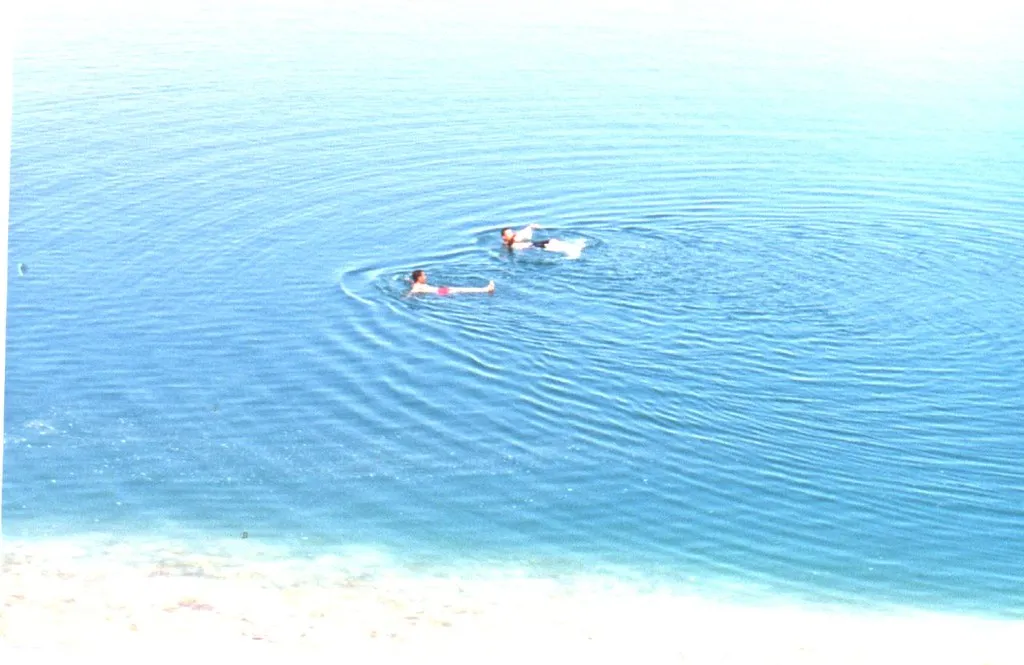
The Dead Sea is one of those rare places where science and lived experience line up perfectly. You step in, the water holds you, and for a moment the usual rules seem suspended. That’s not illusion; it’s density and displacement working exactly as physics predicts, in a body of water unlike almost any other on Earth.
Visiting responsibly, following beach guidelines, and staying aware of the environmental pressures this lake is under makes the experience richer, not lesser. Floating there is extraordinary precisely because the conditions that make it possible took hundreds of thousands of years to form, and they are not guaranteed to last forever.
AI Disclaimer: This article was created with the assistance of AI tools and reviewed by a human editor.