

The Brothers Behind the Balloon
The hot air balloon was invented by the Montgolfier brothers, Joseph-Michel and Jacques-Étienne, paper merchants from Annonay in southern France. Their day job was making paper, which was considered a genuinely sophisticated trade at the time. The leap from paper manufacturing to aerospace experimentation was not as strange as it sounds: they were systematic thinkers who paid close attention to materials and physics.
In 1782, Joseph-Michel and Jacques-Étienne discovered that heated air, when collected inside a large lightweight paper or fabric bag, caused the bag to rise into the air. From that discovery, they moved quickly. The Montgolfiers made their first public demonstration on June 4, 1783, at the marketplace in Annonay, filling their balloon with heated air by burning straw and wool under the opening at the bottom of the bag.
The First Public Launch That Changed Everything
The Montgolfiers built a balloon made of silk and lined with paper that was 33 feet in diameter and launched it, with nobody aboard, from the marketplace in Annonay on June 4, 1783. The results were remarkable. The balloon rose into the air about 3,000 feet, remained there for some 10 minutes, and then settled to the ground more than a mile and a half from where it rose.
Word traveled fast, as it tends to when something extraordinary happens in a public square. The demonstration reached the ears of the royal court, and suddenly the brothers had a very powerful new audience to perform for.
King Louis XVI Orders a Royal Demonstration
After the successful launch of a hot air balloon in June 1783 in Annonay, King Louis XVI ordered the brothers to bring the balloon to Paris and launch it in front of the palace of Versailles. This was not an invitation you could politely decline. The brothers had to construct an entirely new balloon for the occasion. A storm had damaged the earlier balloon, and construction of the new one took four days and sleepless nights to complete.
The balloon was garishly decorated, as though it were made of wallpaper removed from some French salon, which is not too surprising, since the balloon was built by two paper manufacturers, Étienne and Joseph Montgolfier, in collaboration with Jean-Baptiste Réveillon, a wallpaper baron. Even at the frontier of science, Versailles demanded spectacle.
Why Animals? The Fear of High Altitude
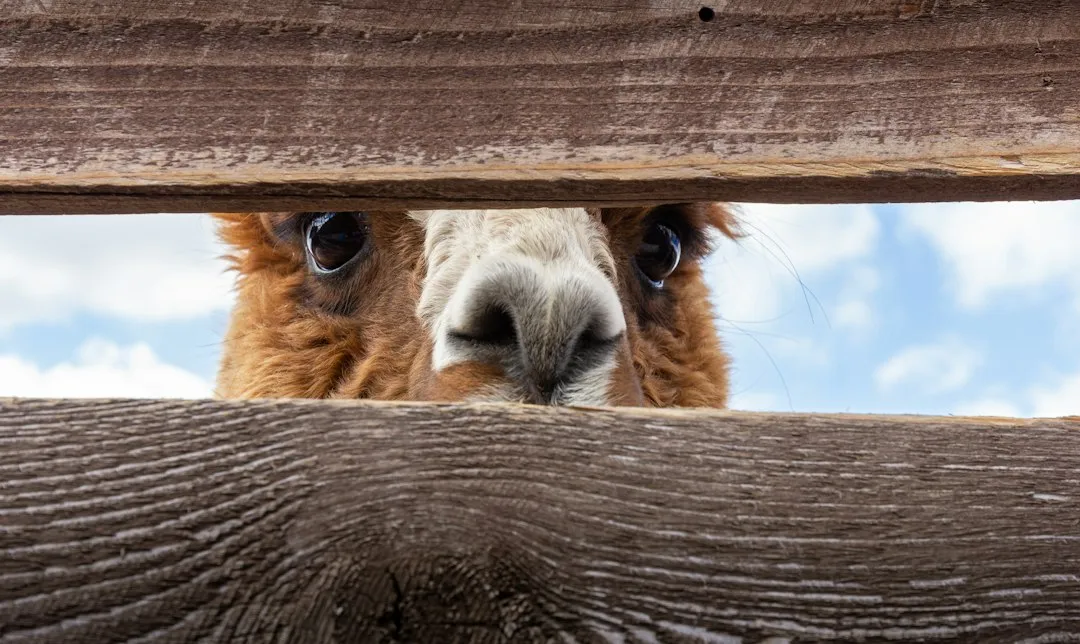
There was genuine concern about the effects of high altitude on humans. The king proposed a test using prisoners, but the Montgolfiers instead suspended a basket below the balloon containing a sheep, a duck, and a rooster. The idea of sending condemned men into the sky first was seriously considered, which says something about both the era and the perceived danger of the experiment.
Nobody truly knew what happened to a living body above a certain height. Would the thinner air be harmful? Would the cold cause damage? These were not trivial questions in 1783. Using animals was the most practical way to get answers without risking a human life that the court would have to answer for.
The Specific Logic of Each Animal
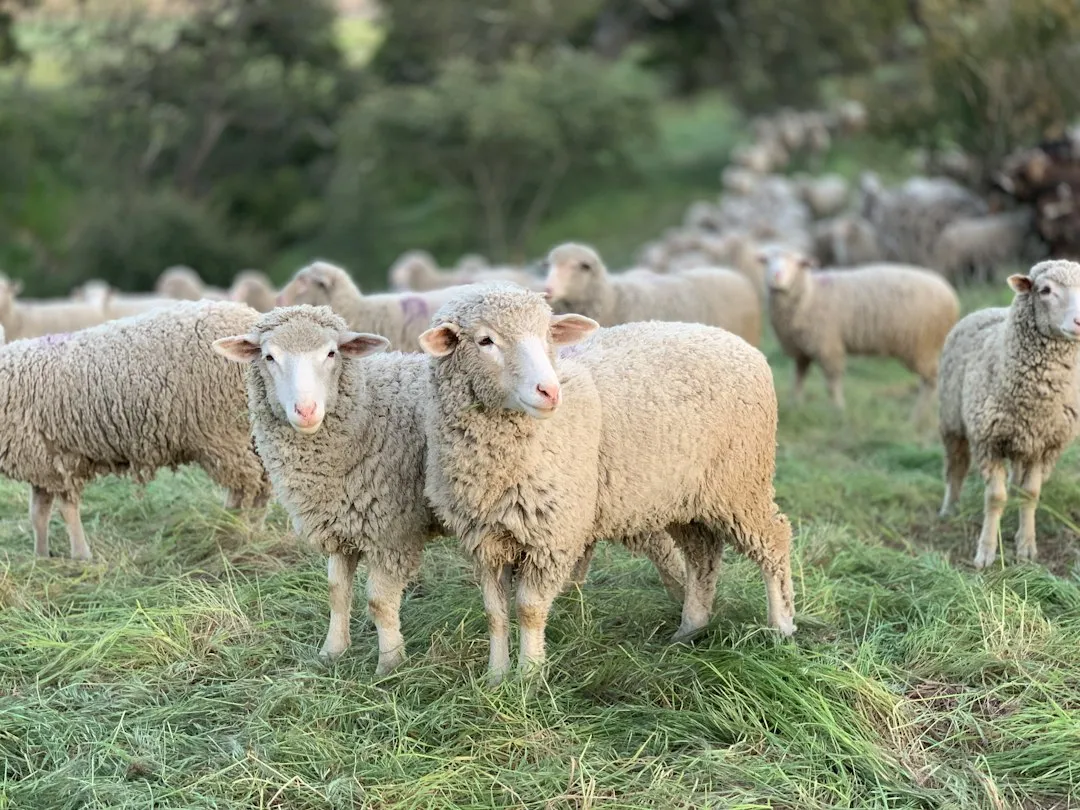
The sheep was thought to have a physiology roughly comparable to a human’s, the duck was included as a control since ducks were already known to tolerate high altitude, and the rooster represented a bird that did not typically fly at great heights, to see whether the ascent itself might cause harm. This was methodical thinking, not random selection. Each animal served a distinct experimental purpose.
Joseph and Étienne chose a sheep, similar to humans in physiology, a rooster, a flightless bird, and a duck as their control animal. This way they could test the effect of altitude on the sheep and rooster. The duck, of course, had no problem with altitude. If the duck arrived unharmed while the rooster showed distress, it would suggest the balloon’s movement caused damage, not the altitude itself. It was a genuinely clever experimental design.
The Balloon Itself: Size and Structure
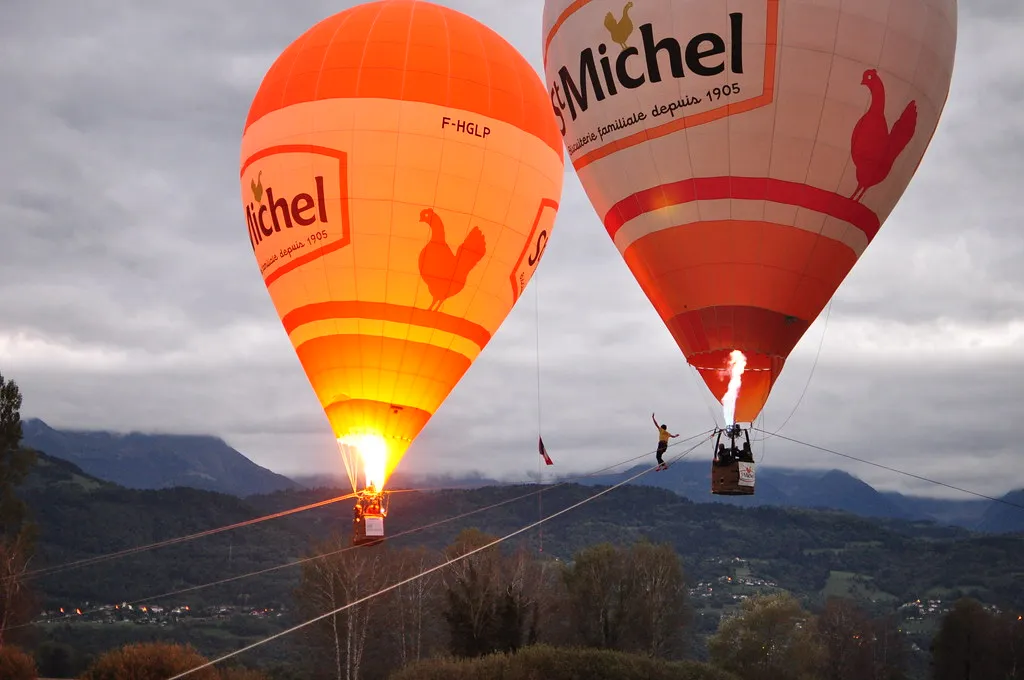
The balloon stood 57 feet tall and was 41 feet in diameter. Their hot air balloon, known as the Aérostat Réveillon, carried the very first living passengers ever to fly in a man-made aircraft: a sheep, a duck, and a rooster. The basket containing the animals was suspended below the great envelope, and the whole structure was raised on a scaffold before launch.
The Montgolfier balloon worked by heating air inside the balloon, which expanded and became lighter than the surrounding cooler air. In 1783, the Montgolfiers used what was sometimes called “Montgolfier Gas” to heat the air inside the balloon. The fuel for the fire was a mixture of straw and wool.
The Flight Itself: September 19, 1783
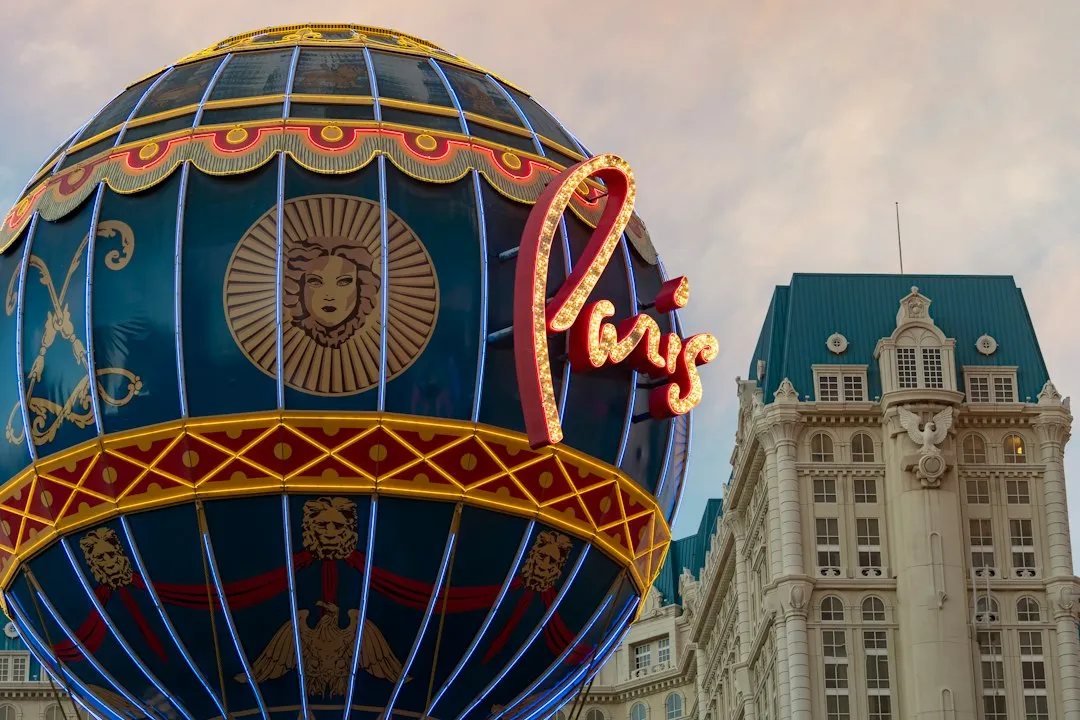
On September 19, 1783, before Louis XVI, Marie Antoinette, and an enormous crowd at Versailles, the brothers sent up a balloon carrying a round cage with three passengers: a sheep, a duck, and a rooster. Thousands of people watched as the balloon lurched up into the sky. The scene must have been extraordinary, a painted, towering silk envelope climbing above the palace gardens while the court held its breath.
The balloon ascended to about 1,500 feet, flew for 2 miles, and settled back to earth. The balloon floated for about 8 minutes and landed safely about 2 miles from the launch site. By any measure, it was a success.
What Happened to the Animals After Landing
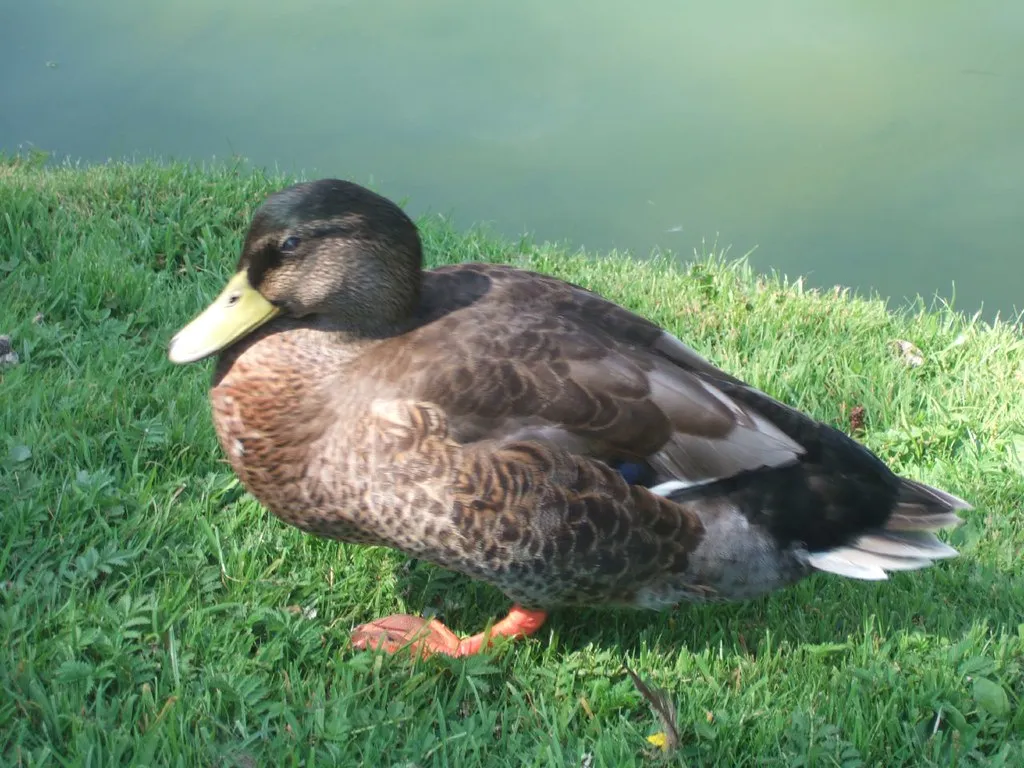
The only casualty seemed to have been the duck, as the sheep had kicked it and broke its leg. This was likely an injury sustained during the turbulence of the landing rather than any effect of altitude, which was itself a meaningful finding. The sheep was chosen because its physiology was roughly comparable to a human’s. If a sheep could survive the trip, a person could too.
The trio was hailed as “heroes of the air” and rewarded with a cozy spot in the royal menagerie at Versailles. The sheep even had a name: the sheep was named Montauciel, roughly meaning “climb to the sky.” It’s a small but pleasing detail that someone thought to name it.
The Road to Human Flight
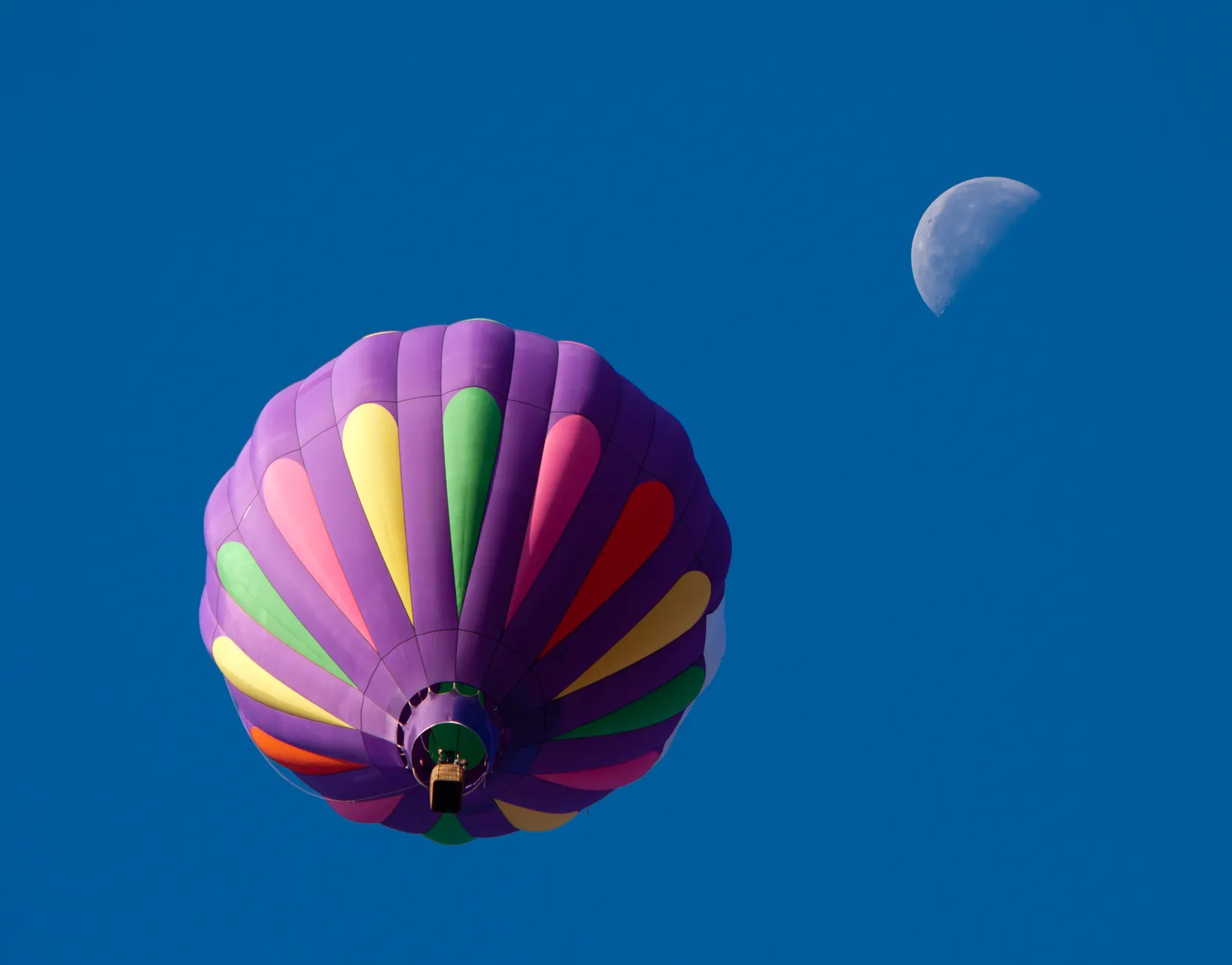
A sheep, duck, and rooster flew safely at Versailles on September 19, 1783, giving officials the confidence to approve a manned flight two months later. The logic was now clear. After experimenting with unmanned balloons and flights with animals, the first manned balloon flight took place on October 15, 1783, from the Folie Titon in Paris, piloted by the scientist Jean-François Pilâtre de Rozier, with the balloon tethered.
On November 21, 1783, the first manned untethered flight took place in a Montgolfier balloon with Pilâtre de Rozier and François Laurent, marquis d’Arlandes, as passengers. The balloon sailed over Paris for 5.5 miles in about 25 minutes. None of that would have been approved without the barnyard test run that September morning.
Why This Story Still Matters
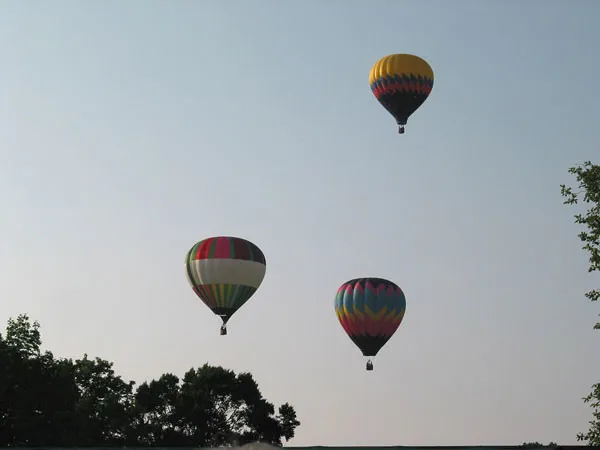
The aerial age began in the 18th century when humans took their first flights in hot-air and gas-filled balloons. The Versailles flight was the quiet but essential proof-of-concept that made everything else possible. It demonstrated not only that a balloon could carry passengers, but that the journey itself was survivable. That was the question the world needed answered before any human would climb into a basket.
The choice of animals was not timid or comical. It was rational, carefully structured science carried out under enormous public pressure. This successful test paved the way for the first human flight just two months later, on November 21, 1783, when Pilâtre de Rozier and the Marquis d’Arlandes took to the skies over Paris. A sheep, a duck, and a rooster made that possible. History rarely gives them enough credit.
A Legacy Written in Sky
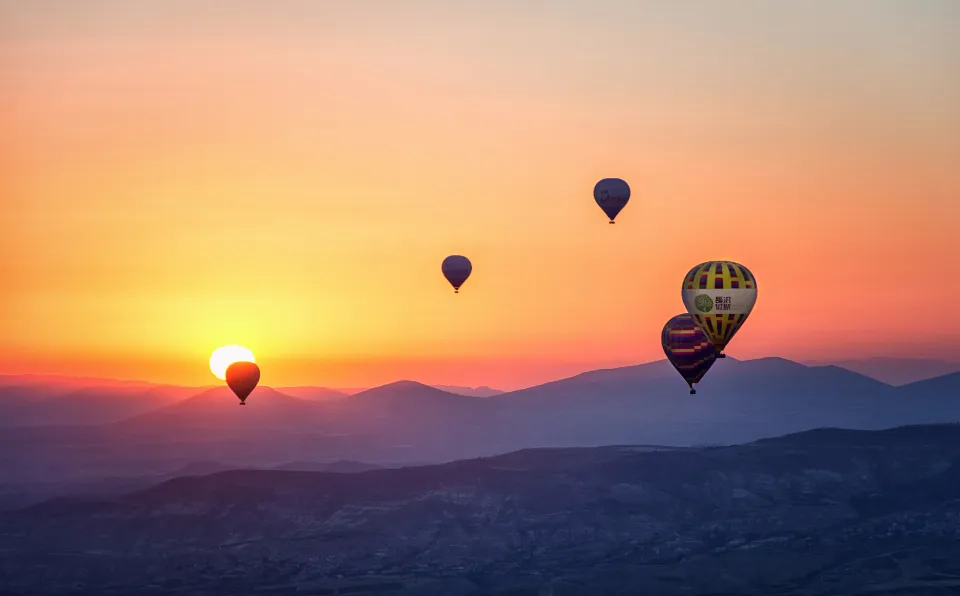
What happened at Versailles on September 19, 1783 was more than a curiosity. It was the first time humanity deliberately placed living creatures into a machine and lifted them off the ground, observed the outcome, and used that knowledge to take the next step. The science was simple by modern standards, but the courage and careful thinking behind it was not.
Every hot air balloon that drifts quietly over a valley at sunrise carries a small inheritance from that morning in France. The sheep named Montauciel climbed to the sky so that, eventually, the rest of us could too.
AI Disclaimer: This article was created with the assistance of AI tools and reviewed by a human editor.