
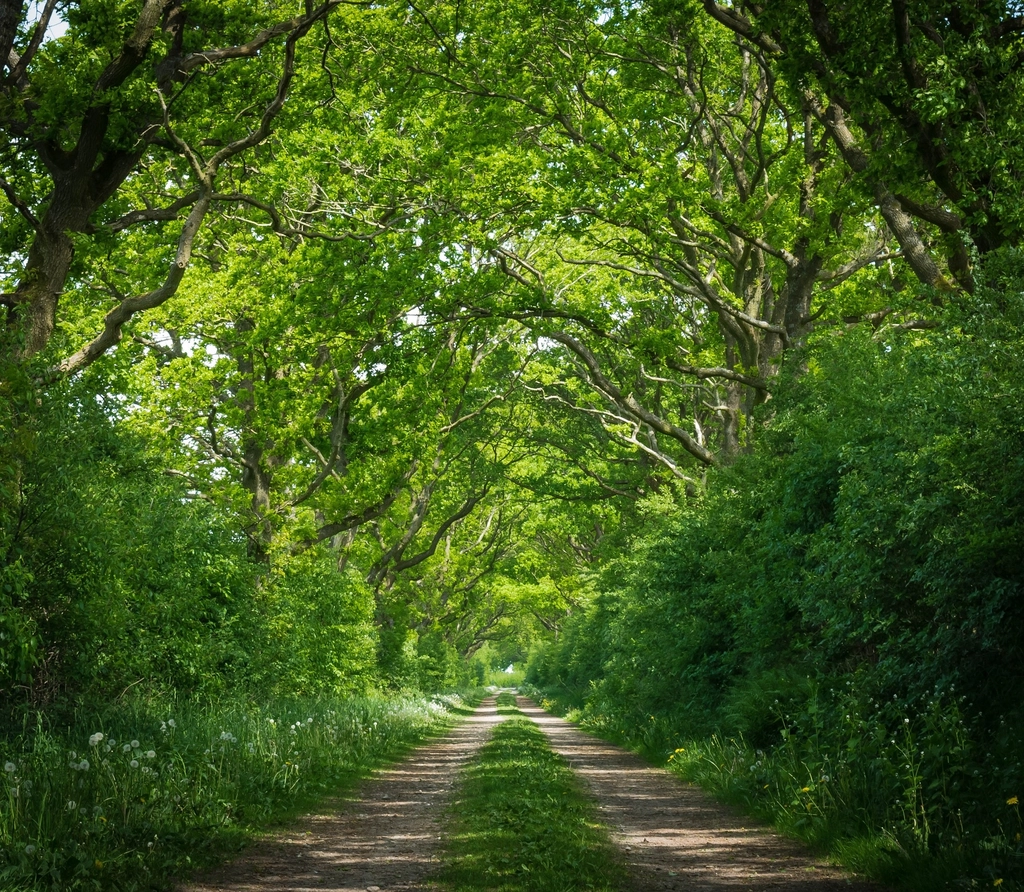

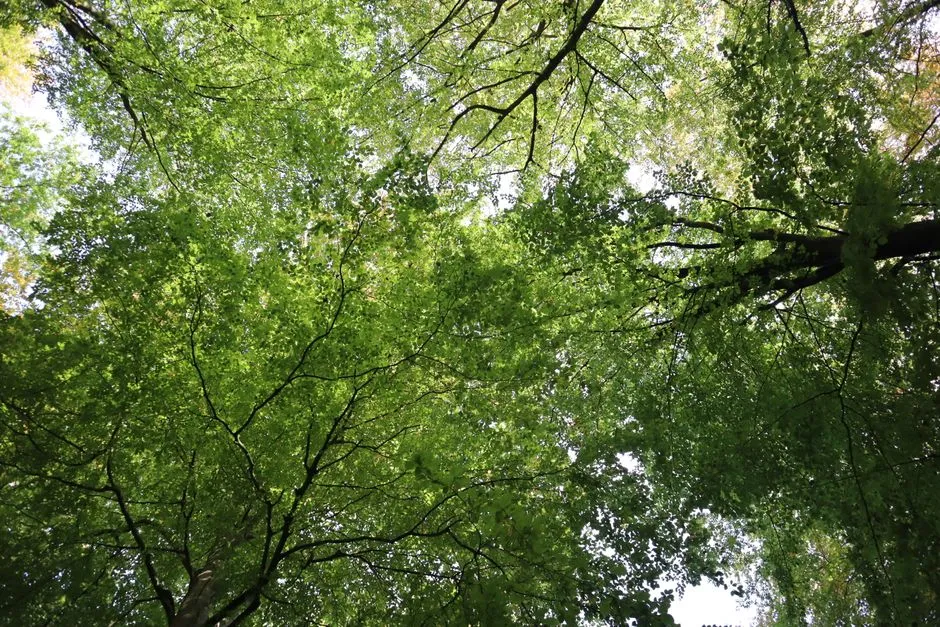
There’s a particular quality to the light filtering through an old-growth canopy in the Southern Appalachians. It moves slowly, shifts with the breeze, and seems to settle something in whoever stands beneath it. For a growing number of travelers, that feeling is exactly the point.
Forest bathing, known as Shinrin-yoku in Japan, is the practice of immersing yourself in nature through all five senses. It’s not about hiking hard or covering ground. Instead, it’s about being present, slowing down, and letting the forest work its quiet magic. Western North Carolina, with its layered mountains, ancient forests, and biodiverse hollows, has quietly become one of the most meaningful places in the United States to experience it.
A Practice Rooted in Necessity
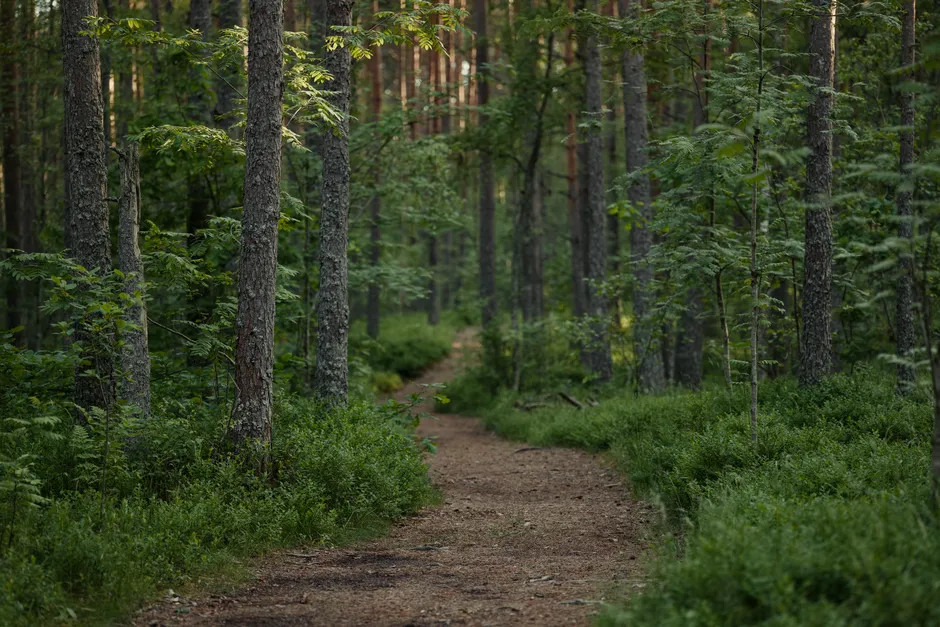
Originally developed in Japan in the 1980s as a public health response to urban stress, forest bathing is now practiced around the world. The concept emerged not as a spiritual luxury but as a practical response to the exhaustion of modern life. Shinrin-yoku is a traditional Japanese practice of immersing oneself in nature by mindfully using all five senses. During the 1980s, it surfaced in Japan as a pivotal part of preventive health care and healing in Japanese medicine.
What began as a national wellness initiative in one country has grown into a globally recognized movement. The surging interest in forest bathing is part of a broader post-pandemic boom in wellness travel. After years of lockdowns and stress, travelers are prioritizing trips that rejuvenate the mind and body rather than just checking off tourist attractions.
The Science Behind the Stillness

Forest bathing is more than a pleasant walk. The research supporting it has grown substantially in the past few years. Research conducted by scientists like Dr. Qing Li, a pioneer in forest medicine, has shown that forest bathing can lower cortisol levels, reduce stress, boost immune function, and improve mood.
Published research reports that Shinrin-yoku reduces blood pressure and heart rate, showing a preventive effect on hypertension and heart diseases, and reduces stress hormones such as urinary adrenaline, noradrenaline, and salivary cortisol, contributing to stress management. A 2024 peer-reviewed study published in Frontiers in Psychology specifically examined physiological effects, measuring the physiological effect of forest bathing on stress management, with volunteers participating in a pre-post design in which several parameters were recorded, including heart rate, heart rate variability, electrodermal activity, blood pressure, and salivary cortisol.
While noting a need for more rigorous research and extensive follow-up assessments, findings indicate that Shinrin-yoku can be effective in reducing mental health symptoms in the short term, particularly anxiety. For a region already known for clean mountain air and quiet valleys, the science only adds depth to what visitors already sense when they arrive.
Why Western North Carolina Is Uniquely Suited for It

Not every forest is created equal for this purpose. Even today, Appalachian rainforests remain a hub of biodiversity. They provide a home for over 10,000 native plant and animal species. That density of life creates a sensory richness that is genuinely difficult to find elsewhere in the eastern United States.
The Pisgah National Forest is a land of mile-high peaks, cascading waterfalls, and heavily forested slopes, comprising over 500,000 acres of primarily hardwood forest with whitewater rivers and hundreds of miles of trails. Over 300 rare species deserving conservation call the Nantahala-Pisgah home. The sheer ecological depth of these mountains makes every slow walk through them feel like something worth paying attention to.
The First Certified Forest Therapy Trail in North Carolina
Jackson County, in the heart of the mountains, has made a serious institutional commitment to this practice. The first certified forest therapy trail in North Carolina was dedicated at Pinnacle Park in Sylva on March 11, 2022. The trail’s certification required a thorough assessment process, and to be considered for certification, trails are reviewed by an Association of Nature and Forest Therapy (ANFT) trail consultant who submits a proposal, and trails must offer abundant opportunities to experience nature free of distractions in a high quality natural setting.
Located in Sylva, Pinnacle Park is a 1,529-acre forest on the Plott Balsam Mountain Range. This former watershed offers a quiet location with two streams, abundant wildflowers, and openings to see the sky, creating a setting that is perfect for forest therapy. The trail follows a single-track path over bridges, next to trailside wildflowers, through a robust deciduous forest canopy home to many birds and wildlife, and a rich ecosystem of mosses, lichens, fungi, and salamanders.
America’s First All-Accessible Certified Forest Therapy Trail
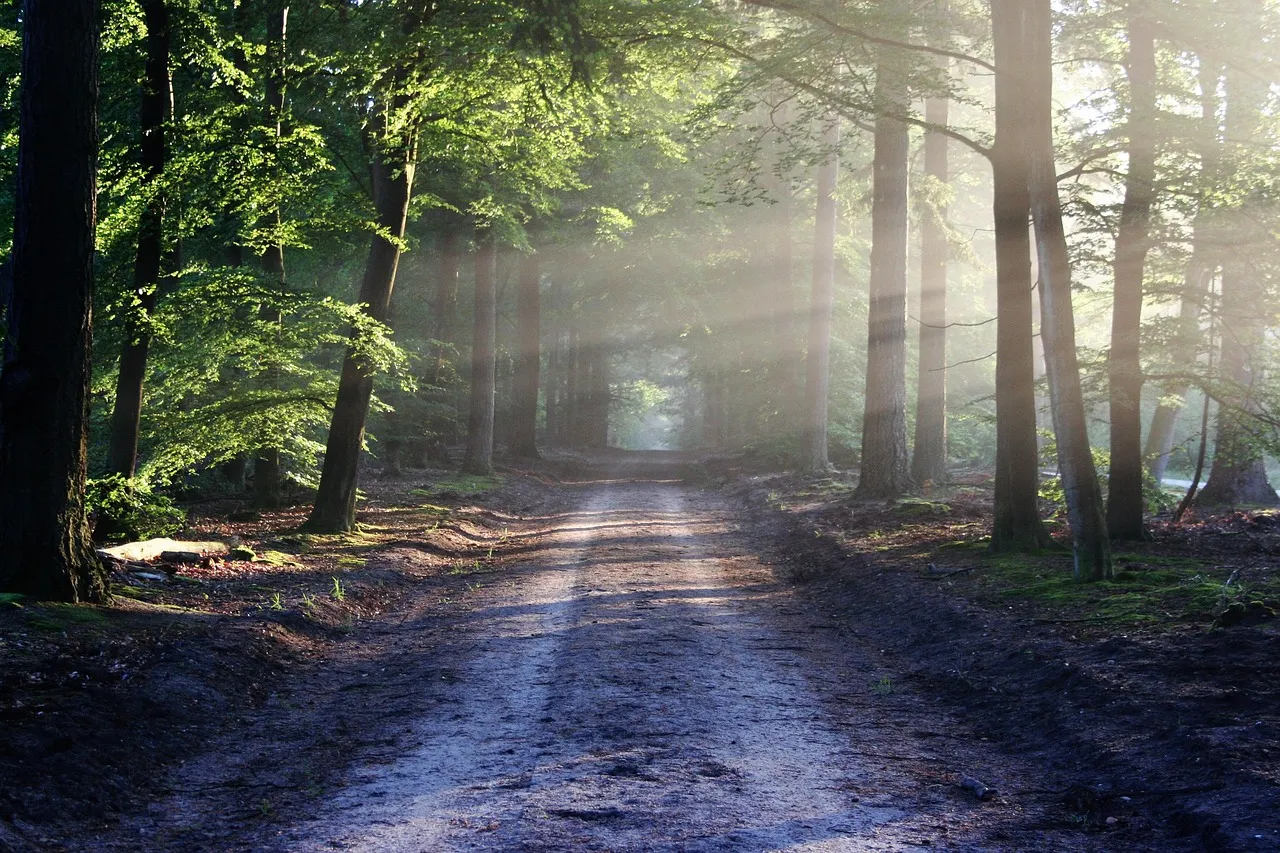
Jackson County went further still. Jackson County is the only destination in the United States home to two distinct Certified Forest Therapy Trails recognized by the Association of Nature and Forest Therapy. The second trail represents a genuine milestone for the movement nationwide.
The Jackson County Greenway, the first all-accessible Certified Forest Therapy Trail in both North Carolina and the United States, features a smooth, paved pathway with peaceful places to pause along the water. Designed to welcome visitors of varying ages and mobility levels, it ensures the restorative power of the forest can be experienced whether you are walking, using a mobility device, or simply sitting beside the river. The pathway travels adjacent to the Tuckasegee River corridor through a rich riparian and deciduous forest ecosystem, providing soothing sounds of moving water and opportunities to see wildflowers, ferns, and songbirds.
The Guides Who Make It Meaningful
The practice is accessible on your own, but a certified guide changes the experience in ways that are hard to anticipate. Dr. Mark Ellison moved to Jackson County in 1988 to attend Western Carolina University and quickly fell in love with the region’s wild beauty. His path from personal nature lover to certified guide involved serious research and international study. His journey took him across the world, including meetings with Dr. Qing Li, who helped pioneer forest bathing in Japan, and he became one of the early guides in the U.S. trained by Amos Clifford, founder of the Association of Nature and Forest Therapy.
Travelers interested in a guided experience can book a forest bathing walk with certified guide Dr. Mark Ellison, who helped establish the Pinnacle Park trail and has been introducing visitors to the practice for more than a decade. Guided walks typically last two to three hours and focus on mindfulness, sensory awareness, and connecting with the natural environment. Forest bathing with a certified nature and forest therapy guide is also a wonderful team-building experience, and the activity is gentle and adaptable to suit all levels of mobility.
Pisgah National Forest and the Broader Landscape

Beyond Jackson County, the wider landscape of Western North Carolina offers forest bathing opportunities that feel almost limitless. The Pink Beds trailhead in Pisgah National Forest has hosted certified nature and forest therapy sessions, offering a peaceful afternoon in the healing forests of the Blue Ridge Mountains filled with intentional nature connection.
The locations that form part of the Appalachian temperate rainforest include western North Carolina, where the rainforest encompasses Pisgah National Forest, Nantahala National Forest, Gorges State Park, DuPont State Forest, and elsewhere in the Blue Ridge Mountains. For anyone seeking genuine forest immersion, the raw material here is essentially unmatched on the East Coast.
The Role of Wellness Tourism in Driving Visitor Interest

The timing of this movement’s rise is not accidental. Google Trends data confirms a surge: at the end of 2023, searches for “forest bathing” in English began to climb. By 2025, the practice had become a buzzword not just for wellness seekers, but for the travel industry at large.
Pinterest saw searches for “quiet places” and “calm places” jump by 50% and 42%, respectively, since 2024, a sign that social media users are actively hunting for serene, nature-centric experiences. Western North Carolina, with its established trail infrastructure, certified guides, and extraordinary forests, is genuinely well-positioned to meet that demand. The simplicity of forest bathing, which requires no special equipment or extreme fitness, just a willingness to unplug in nature, makes it highly shareable and appealing.
Practicing Responsibly in a Living Ecosystem

With increased interest comes the responsibility to care for what draws people there in the first place. The USDA Forest Service has identified the forest plan as a framework to address complex challenges like climate change and invasive species, impacts from development on adjacent private lands, and high levels of visitor use. Visitors practicing forest bathing are inherently low-impact, but the broader surge in outdoor tourism still requires mindfulness.
We all benefit from over 100 years of conservation in the Blue Ridge Mountains, but there is much work yet to be done to ensure that forests remain as diverse, productive, beautiful, and unique as they are today. Choosing certified trails, following posted guidelines, and traveling with a sense of reciprocity toward these landscapes keeps the practice aligned with the values that underpin it.
What Visitors Actually Experience
For those arriving for the first time, the structure of a certified forest therapy experience can feel surprising in the best way. The experience at Pinnacle Park is structured around five invitations designed to open your senses, beginning with sensory awareness focused on what you can hear, smell, and see, and progressing to a slow, purposeful walk to notice what is moving around you.
Participants quiet their minds, awaken their senses, and restore their relationship with themselves, each other, and the earth through a gentle mini retreat typically lasting two to three hours designed to appreciate the healing benefits of nature. Many guided experiences culminate with a tea ceremony in which the guide serves a wildcrafted infusion of local plants. It’s a quiet, unhurried close to something that most visitors say they weren’t expecting to feel so deeply.
A Region That Earns Its Reputation
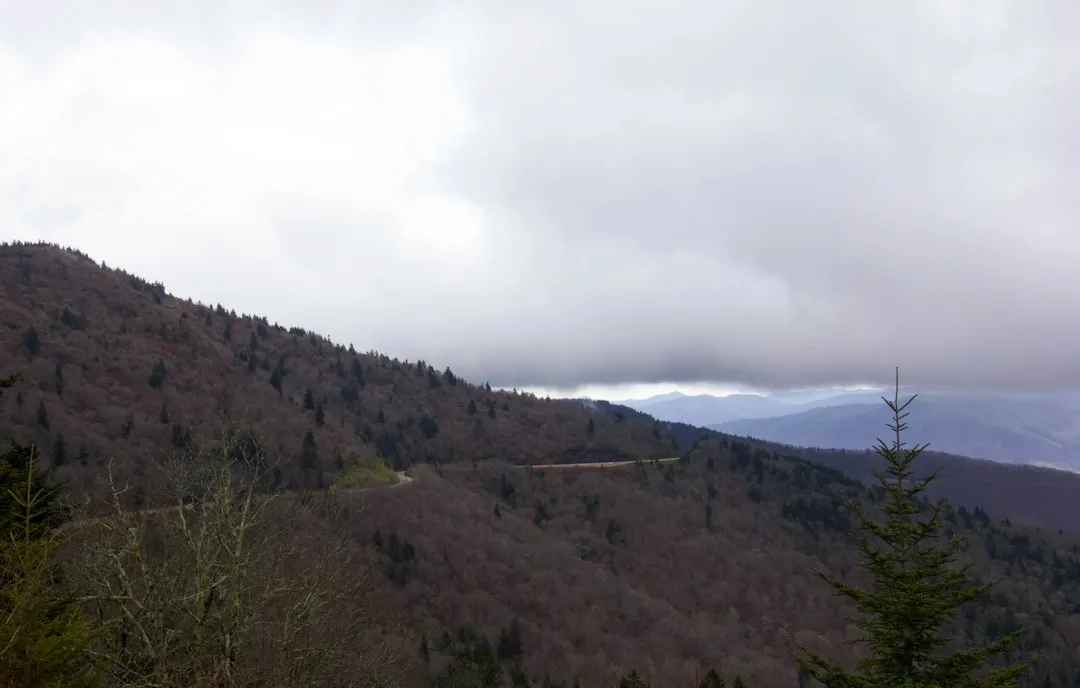
Western North Carolina didn’t manufacture this moment. The forests were here long before the movement arrived, and the communities who steward them have been doing so carefully for generations. In Jackson County, where mountain air and biodiverse forests are abundant, forest bathing is more than a trend. It’s a path to well-being that locals and visitors alike are embracing.
The evidence base for Shinrin-yoku continues to grow, and it is now becoming a prescribed dose, with specific time spent in nature being recommended by health care providers. For a place like Western North Carolina, that shift carries real meaning. The forests here have always been something worth pausing for. The rest of the world is simply catching up.
AI Disclaimer: This article was created with the assistance of AI tools and reviewed by a human editor.