
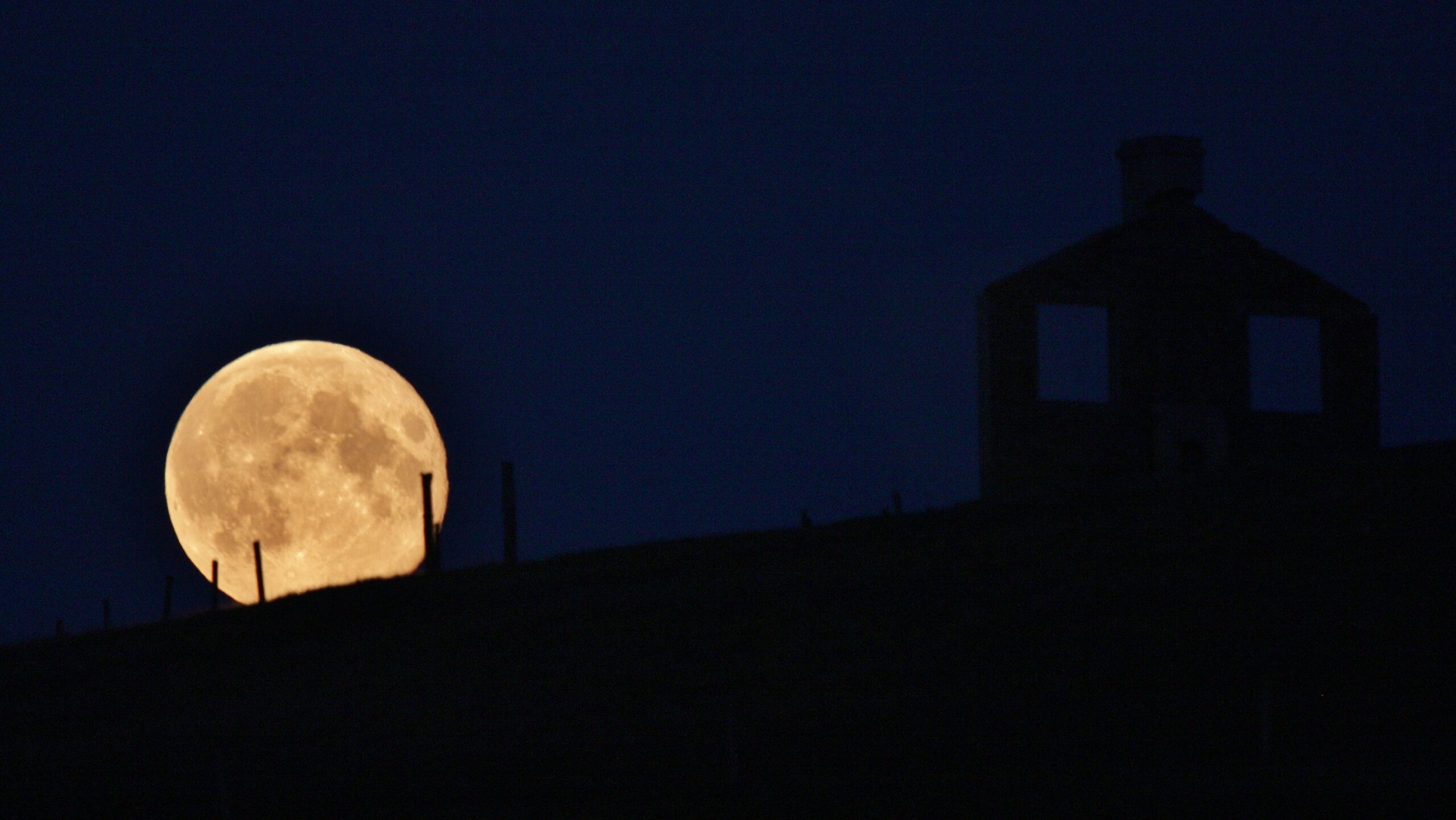

Every autumn, a full moon rises that carries a name different from all the others on the lunar calendar. It doesn’t belong to a fixed month. It doesn’t follow the usual rules. It earns its title the same way workers once earned their wages: by showing up when the work needed doing, and staying long enough to make a difference.
That moon is the Harvest Moon, and its story is a genuinely interesting mix of astronomy, agricultural history, and cross-cultural tradition. Here’s what actually makes it what it is.
It’s Defined by the Equinox, Not the Calendar
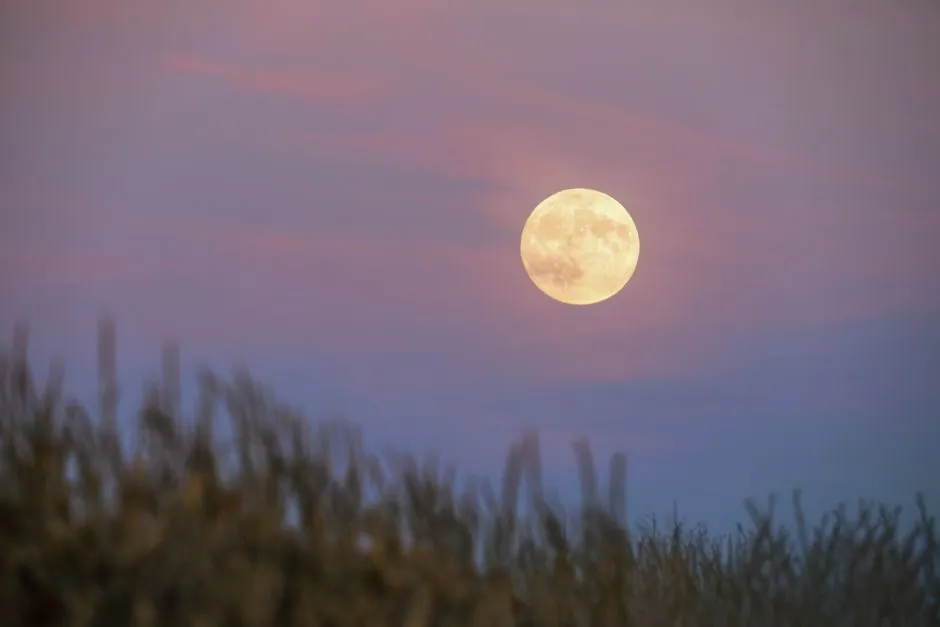
Unlike other monthly moon names, the Harvest Moon isn’t tied to a fixed calendar month. It’s whichever full moon falls closest to the autumnal equinox, most often in September, occasionally in October.
This definition ties the Harvest Moon to the equinox rather than to a fixed calendar month. Every other traditional full moon name, the Wolf Moon in January, the Snow Moon in February, and so on, is anchored to its month. The Harvest Moon breaks that pattern because the astronomy of moonrise timing near the equinox is the actual point, not the calendar date.
The Name Has Roots Going Back Centuries
The Oxford English Dictionary cites 1706 as the first year the term “Harvest Moon” was published, according to NASA. That’s the earliest confirmed print record in English, though the concept itself is older.
The Harvest Moon name, used in Old English well before its 1842 American printing, points at the same practical reason: bright moonlight at the time of harvest. The most well-known full moon names in North America come from the Algonquin tribes who lived in the area of New England and westward to Lake Superior.
Farmers Needed the Light Before Electricity
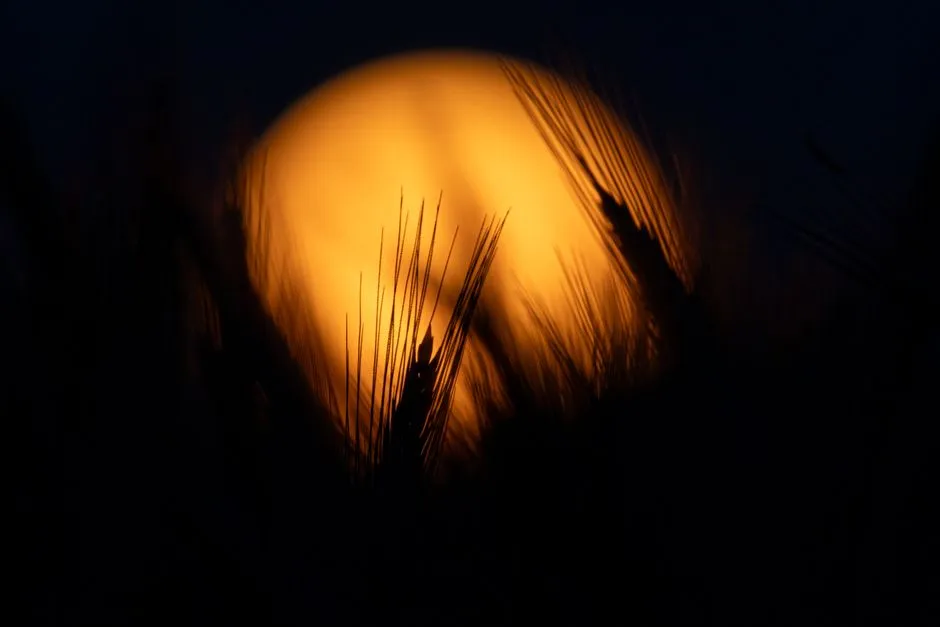
Before electricity reached the farm, the only light after sunset came from a lantern, a candle, or the Moon. A full Moon close to the equinox rose near sundown for several evenings running, hung low over the eastern horizon for hours, and turned the cropland into something that could still be worked. Corn, pumpkins, squash, and beans were ready or close to it. Frost was on the way.
The name is practical: before electricity, farmers depended on the light of this particular full moon to work late into the night finishing the harvest. The harvest moon rises shortly after sunset for several evenings in a row, giving farmers an extended working window.
The Shallow Angle of the Ecliptic Explains Everything
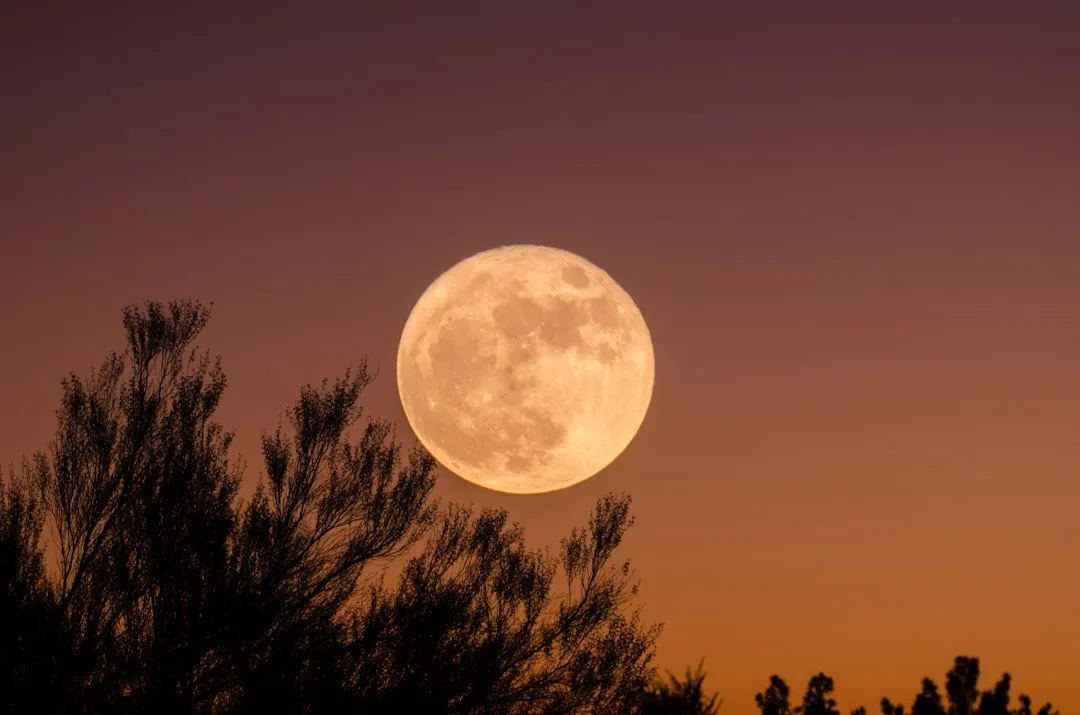
It’s because the ecliptic, or path of the sun, moon and planets across the sky, makes a narrow angle with the eastern horizon near sunset, around the time of the autumn equinox. For Northern Hemisphere observers, that means September or October.
In autumn, the ecliptic makes a shallow angle to the horizon in the evening sky. Because the moon’s path runs nearly parallel to the horizon rather than steeply away from it, the moon does not need to travel as far along its orbit to clear the horizon on successive nights. The result is that moonrise shifts only slightly later from one evening to the next.
The Moonrise Delay Drops Dramatically
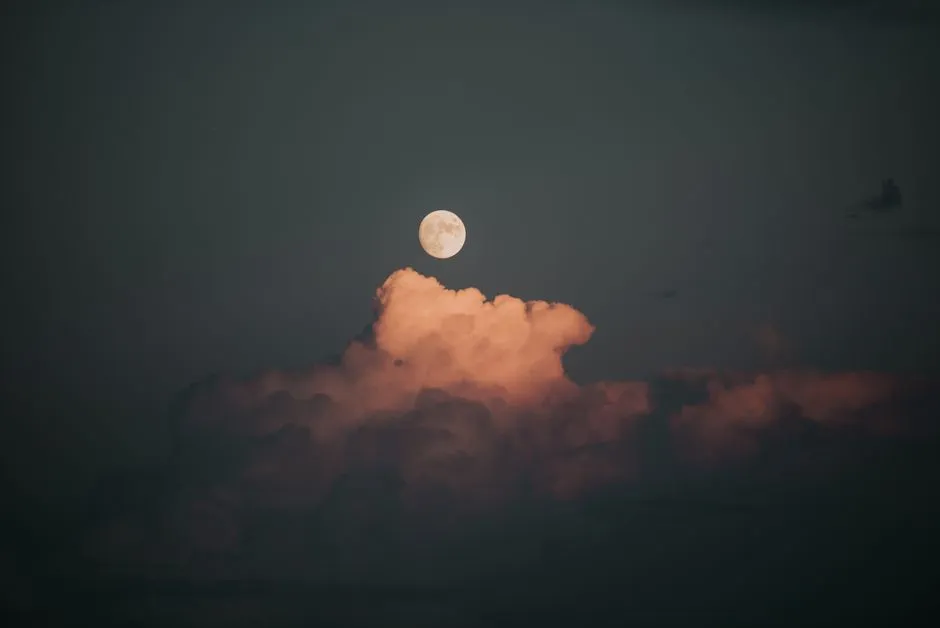
During most of the year, each successive moonrise arrives about 50 minutes later than the day before. Near the autumn equinox, that delay drops to roughly 25 to 35 minutes at latitudes like London, Chicago, or Paris. At more northerly locations, the effect is even stronger.
The effect is most pronounced at higher latitudes. In Scotland or Scandinavia, the Harvest Moon can rise at nearly the same time for three or four consecutive nights. For farmers working those fields without artificial light, that consistency was genuinely valuable, not just poetic.
It Can Fall in October Too
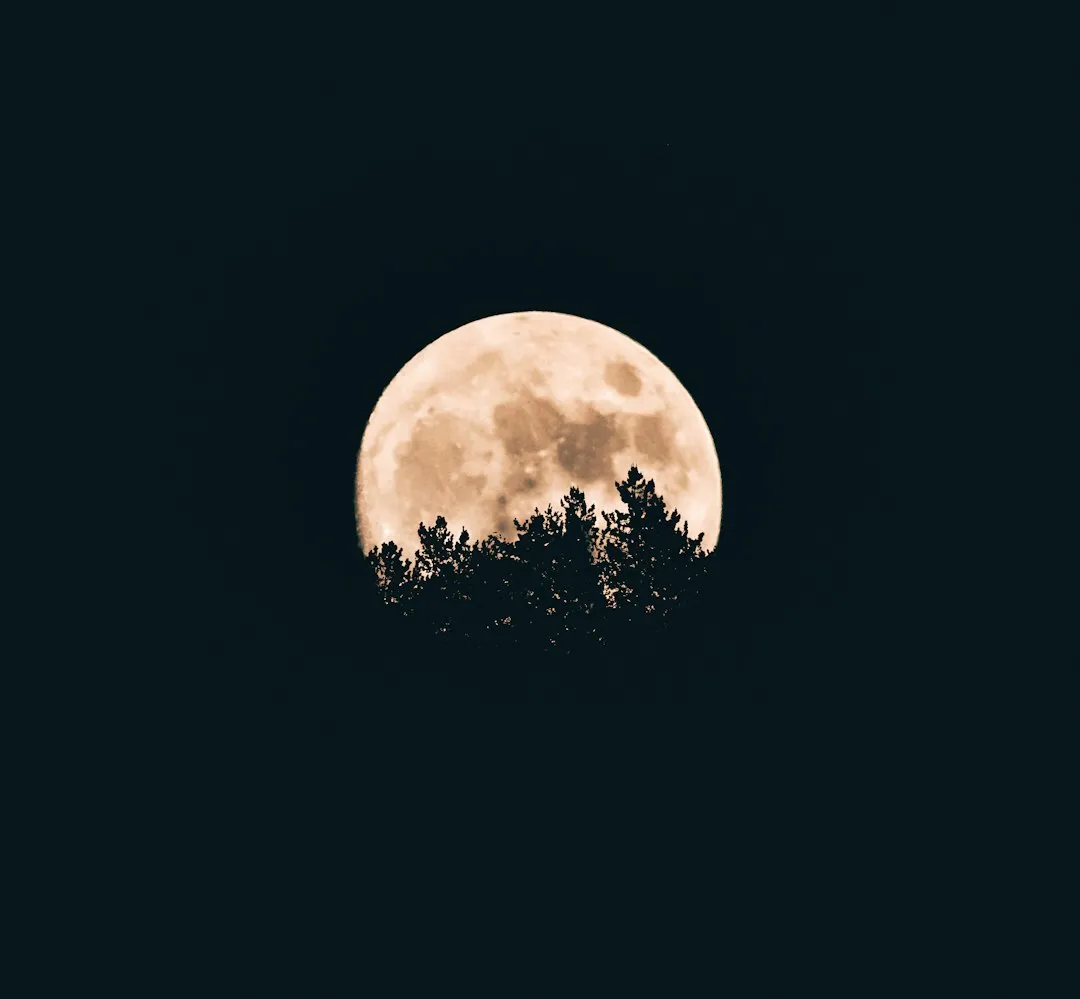
The Harvest Moon does not always occur in September. Traditionally, the name goes to the full moon closest to the autumn equinox, which falls during October once or twice a decade.
Because it is defined by the equinox rather than the calendar, about every three years October’s full moon is closer to the equinox and takes the title instead. When that happens, September’s full moon is called the Corn Moon, and October’s becomes the Harvest Moon. That happened in 2025 and will happen again in 2028.
Native American Traditions Shaped the Naming

September’s Harvest Moon refers to the time of year after the autumn equinox when crops were gathered by Native Americans. Corn, pumpkins, squash, beans, and wild rice are the chief Native American staples that were ready for gathering.
Full moon names have been used by many cultures to describe the full moon throughout the year. Specifically, Native American tribes used moon phases and cycles to keep track of the seasons by giving a distinctive name to each recurring full moon. The unique full moon names were used to identify the entire month during which each occurred.
It Goes by Other Names Around the World
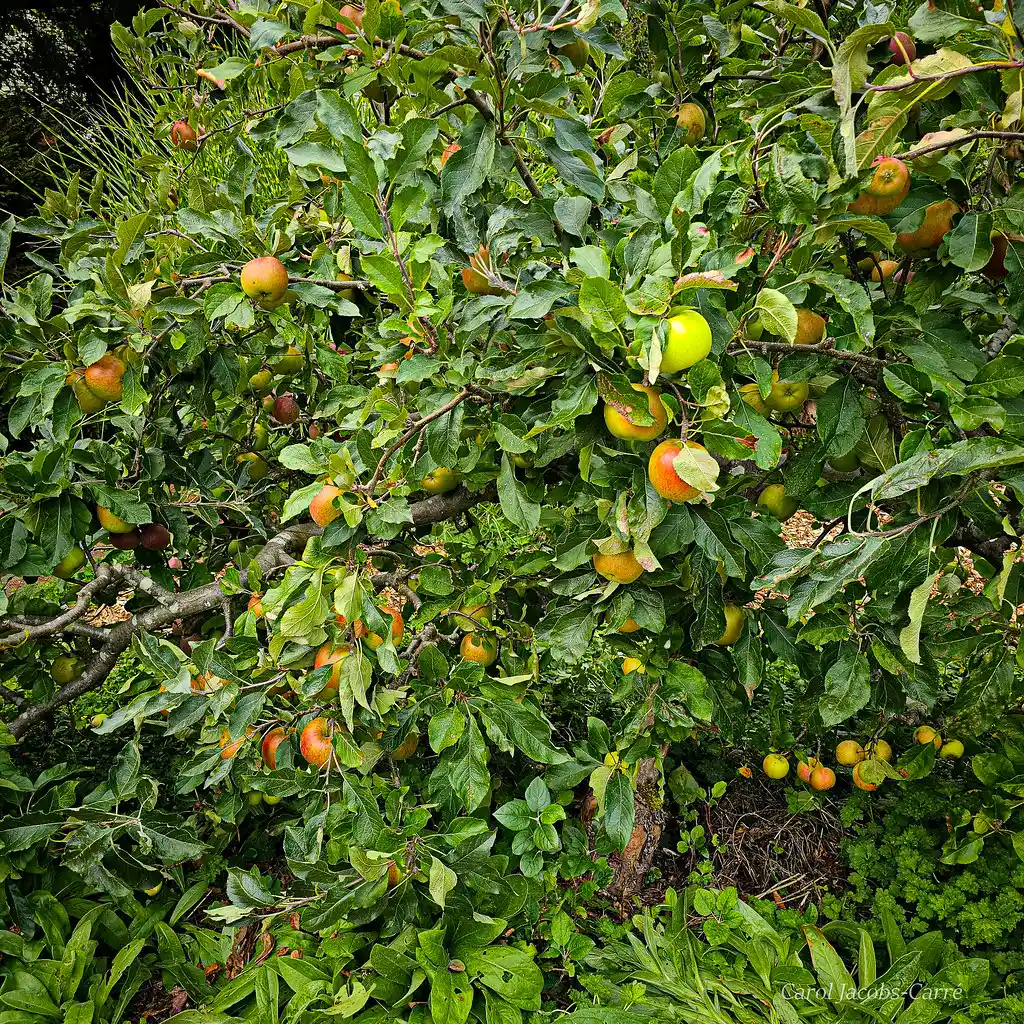
Other names for this moon include the Barley Moon, an Old English name linked to the harvest in Britain; the Wine Moon, a European moniker that references the beginning of the grape harvest in France and Italy; and the Singing Moon, a Celtic name that references the fairs and celebrations that typically took place just before the weather became too cold for such festivities.
This particular moon is known by different names in cultures around the world, but is widely honored as a symbol of completion, gratitude, and transition. The variety of names is telling: nearly every agricultural society in the Northern Hemisphere noticed the same phenomenon and marked it in their own way.
The Harvest Moon Has Both Science and Culture Behind It
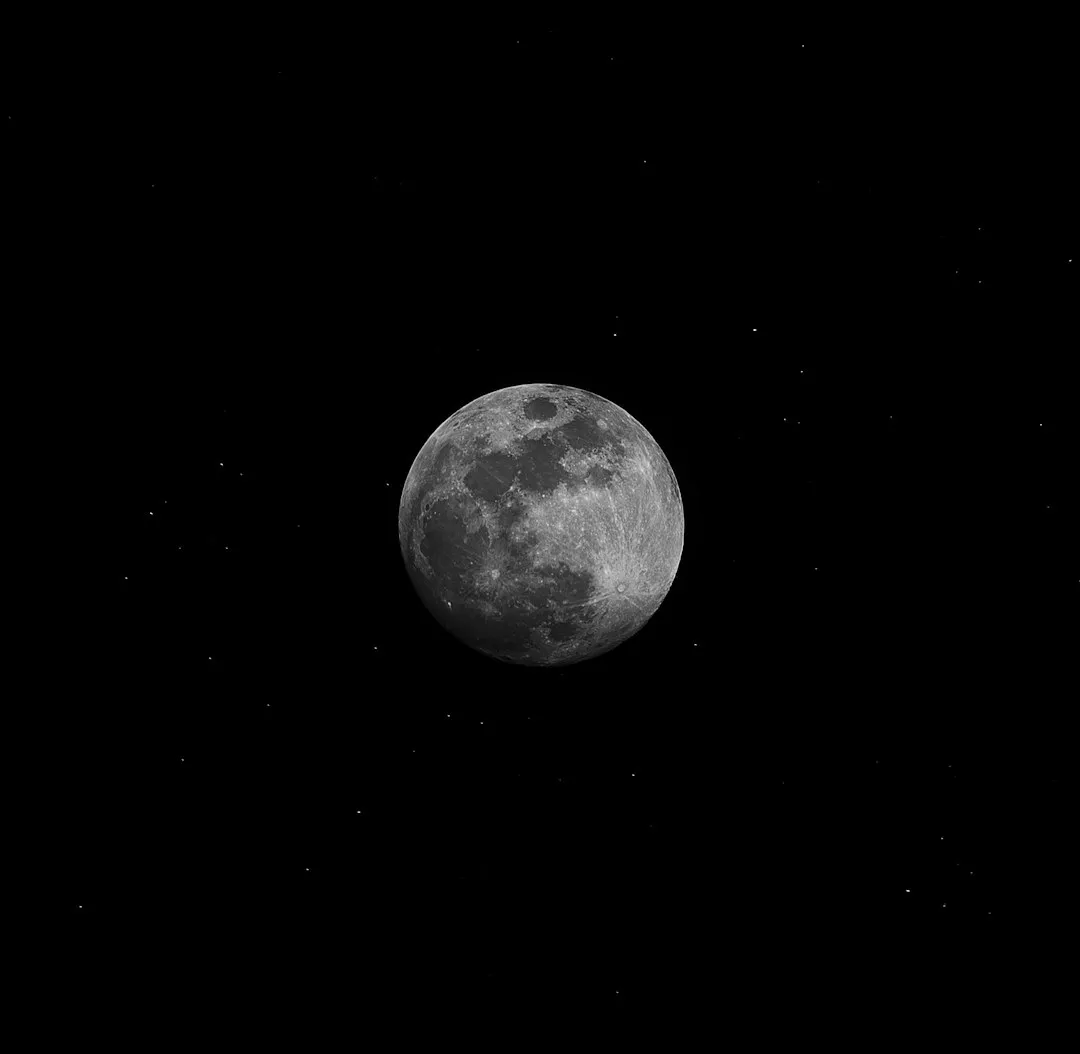
Astronomers recognize the Harvest Moon as a specific orbital phenomenon rather than a traditional name derived from Native American seasonal tracking. The designation is instead based on the Moon’s relationship to the autumnal equinox and the resulting pattern of moonrise. The Harvest Moon therefore has both an astronomical significance, based on the timing of the full moon, and a cultural significance reflected in celebrations in different parts of the world.
The Harvest Moon has long been connected to gratitude, celebration, and balance. That combination of the practical and the symbolic is precisely why the name has survived for so long. It wasn’t invented by a poet. It was handed down by people who needed it to be true.
When It Appears Red or Orange Near the Horizon
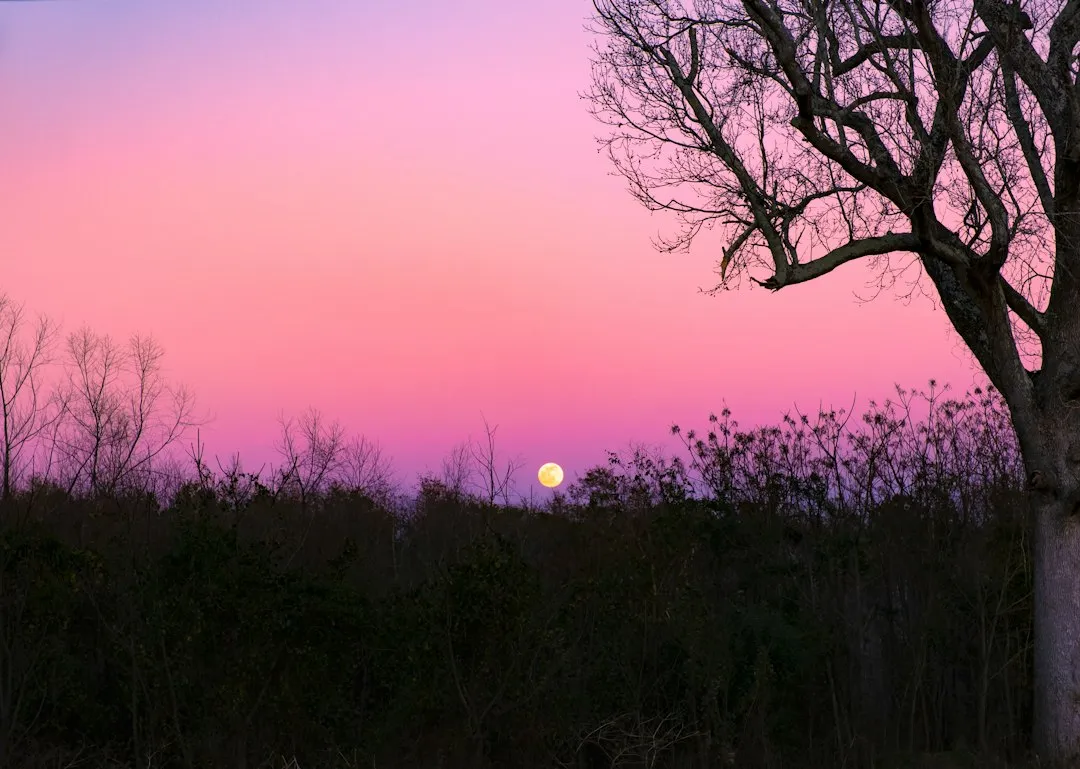
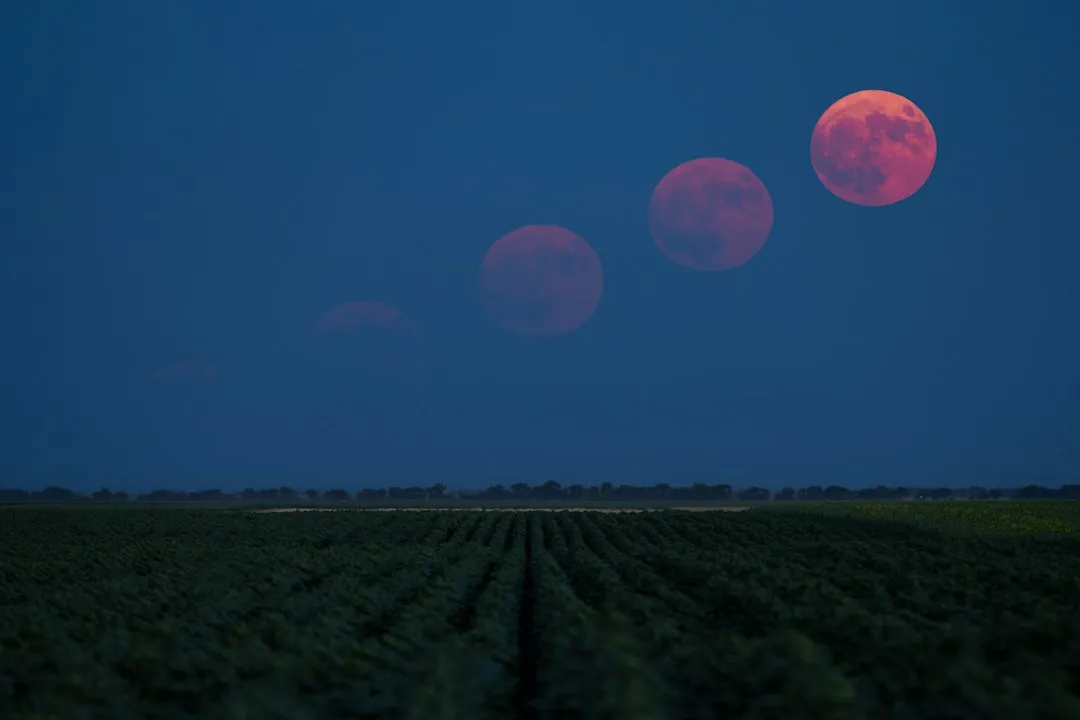
The Harvest Moon may look red when it rises. This is because the full Moon rises at sunset, and refraction causes more of the red sunlight to come through at that time, giving the Moon a red tint.
The moon doesn’t actually appear larger than other full moons. That’s an optical illusion called the moon illusion that happens when any full moon is near the horizon. The Harvest Moon’s tendency to rise right at sunset makes you more likely to see it on the horizon, which amplifies the illusion. It looks dramatic because of geometry, not magic, though the effect is striking either way.
The 2026 Harvest Moon and What’s Ahead
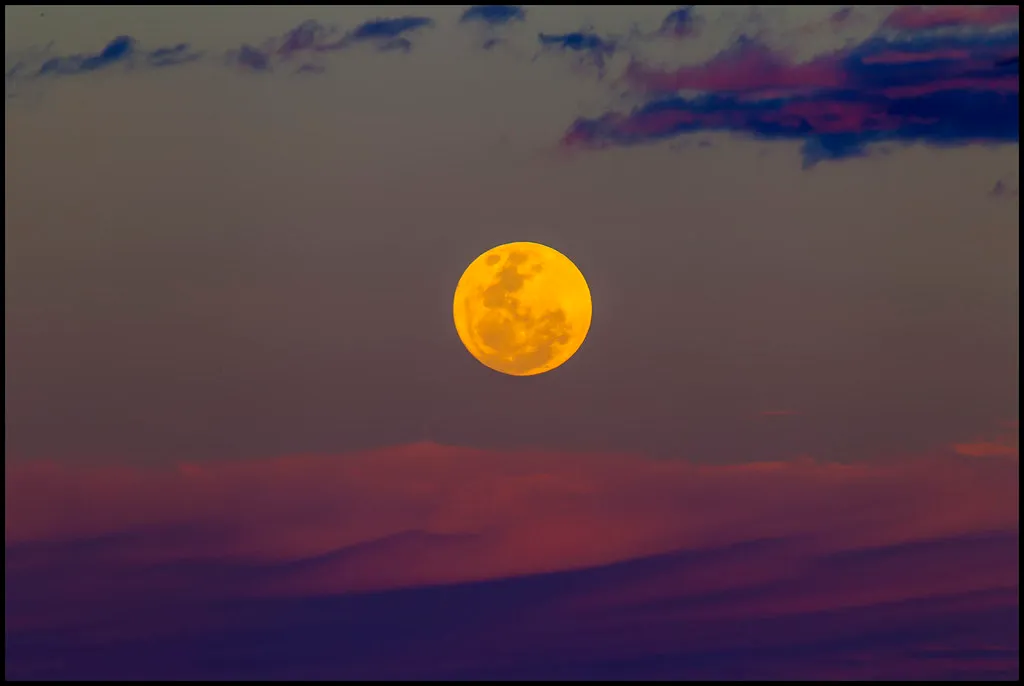
The Harvest Moon peaks Saturday, September 26, 2026, at 12:49 p.m. ET, four days after the equinox. This full moon lies in front of the constellation Pisces and lies near the golden planet Saturn.
The full Harvest Moon can occur anywhere from two weeks before the September equinox to two weeks after, or between September 8 and October 7. So the Harvest Moon is either the last full moon of the summer season, or the first full moon in autumn. The window is narrow, which is part of what makes the timing feel so precise every year.
The Takeaway
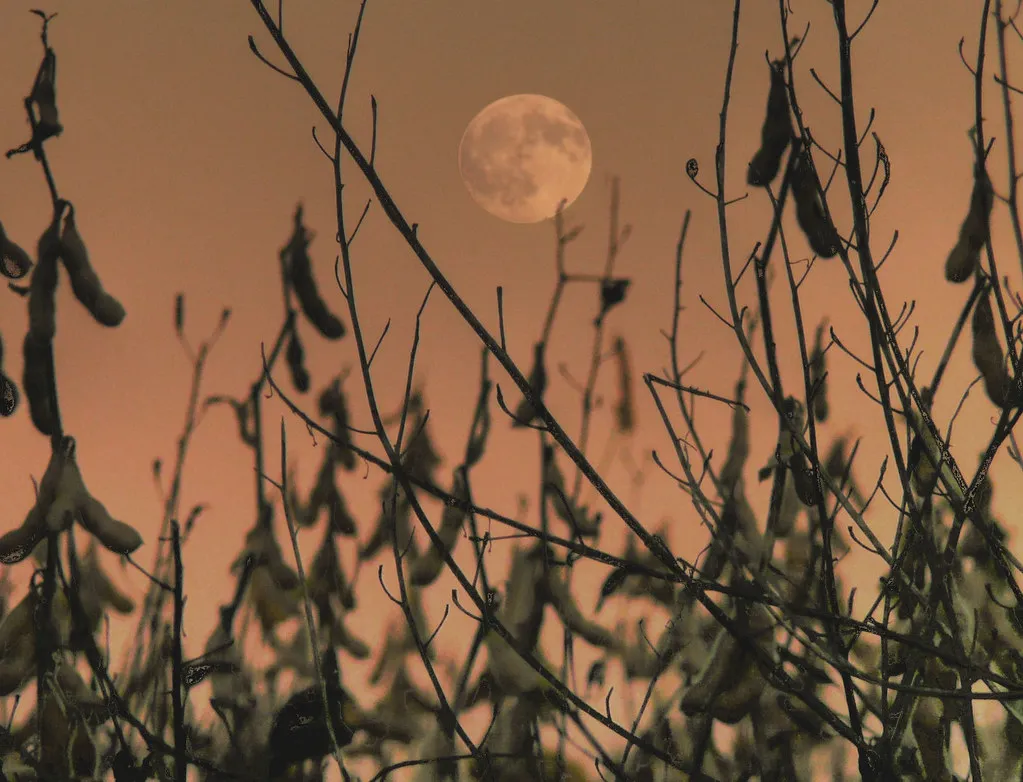
The Harvest Moon earned its name the honest way: it did something useful. Before any artificial light existed to extend the working day, a full moon that rose early and stayed bright for several consecutive evenings near the year’s most critical harvest window was worth naming and remembering.
What makes it endure as a cultural touchstone today isn’t nostalgia. It’s that the astronomy behind it is real, the history behind it is verifiable, and the name itself remains exactly accurate. It is still the full moon closest to fall, still rising a little earlier than expected, and still worth stepping outside to see.
AI Disclaimer: This article was created with the assistance of AI tools and reviewed by a human editor.