

There’s something that happens on the last morning of a trip that no travel guide ever really prepares you for. The alarm goes off, the room looks the same, the view hasn’t changed. Yet everything feels subtly different. A quiet weight settles in, and you notice things you somehow missed all week.
It’s not just sentimentality. As researchers have spent years studying the psychology of travel and well-being, patterns have emerged that explain why that final day carries a disproportionate emotional charge. The science is worth understanding, because it changes how you think about travel itself.
The Brain Treats Endings as Defining Moments
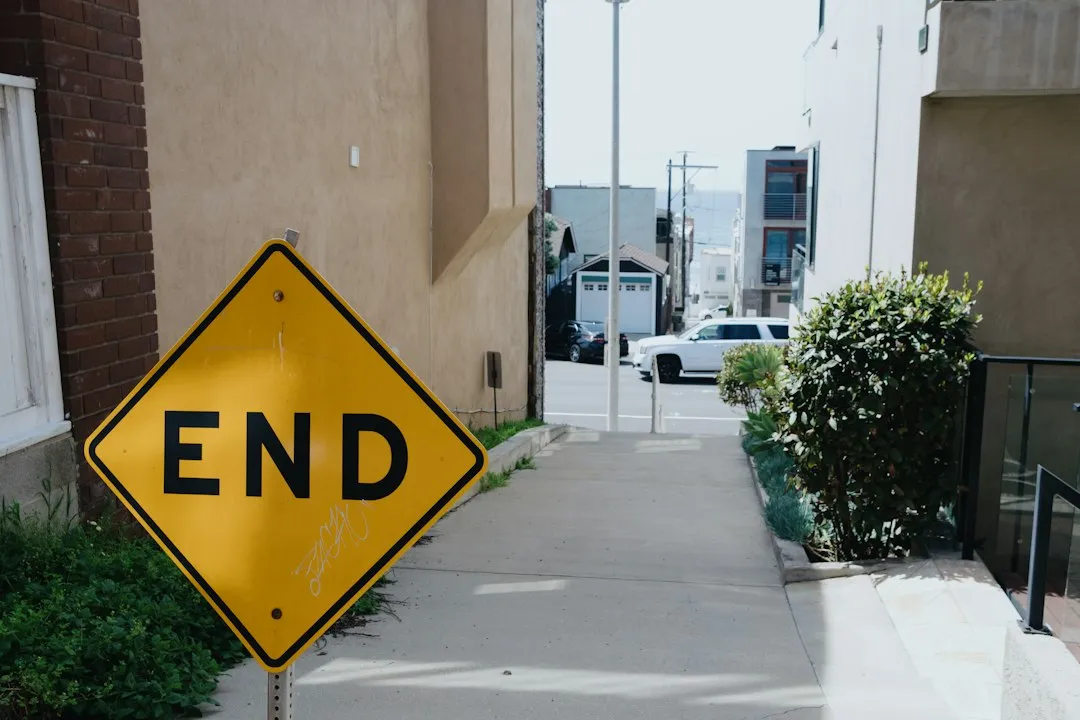
The peak-end rule, originally proposed by Daniel Kahnemann and Barbara Fredrickson, suggests that we remember events using a representational heuristic, where specific moments shape our overall perception and assign meaning to the experience. This isn’t just a curiosity. In the specific case of the peak-end rule, we tend to recall an event based primarily on its most emotionally intense moments and how it ends, rather than the entire experience as a whole.
A trip’s ending is, by definition, the last thing encoded into memory before the experience closes, which gives it outsized emotional weight regardless of how the middle played out. That’s why the final day doesn’t feel like just another Tuesday in a foreign city. Your mind already knows this moment is different, even before you consciously register it.
Departure Sadness Arrives With Unusual Clarity

Psychologists who study travel and well-being have repeatedly found an asymmetry that most travelers recognize instinctively but rarely articulate: the emotional low of leaving a place you loved tends to be sharper and longer-lasting than the emotional high of arriving somewhere new. Arrival comes wrapped in logistics. Departure, by contrast, arrives cleanly.
Arrival excitement is real but often diluted by jet lag, navigating an unfamiliar airport, or finding the hotel. Departure sadness arrives cleanly, usually in a single, undiluted wave, on the last morning or during the drive to the airport. There’s nothing new to figure out. The work of the trip is done, and the feeling is free to surface fully.
Duration Neglect: Why More Days Don’t Always Mean More Memories

Extending a vacation doesn’t appear to improve how people remember it. A two-week trip can produce a nearly identical remembered experience to a one-week trip, because the extra days don’t become extra memories. They just become more middle, and the middle is exactly what gets flattened.
A key component of this bias is something researchers call duration neglect. The length of an experience has surprisingly little influence on how you remember it. What this means in practice is that the last day carries genuine narrative gravity, regardless of how many days preceded it. The ending is doing heavy lifting for the entire story.
The Post-Travel Blues Are More Common Than You’d Think

Post-travel blues, also called post-vacation depression, post-holiday blues, or re-entry distress, refers to the emotional letdown that follows the end of a trip. It can range from mild wistfulness to significant psychological disruption, and it affects the majority of travelers. This isn’t weakness or oversensitivity. It’s a documented and widespread response.
Research consistently places the figure at around 57% of travelers experiencing some degree of emotional difficulty after returning home. The last day is often where this begins to take shape, hours before the flight, as the mind starts quietly rehearsing a return to ordinary routine.
The “Afterglow” That Starts Before You Even Leave

Research interviewing 225 tourists who traveled overseas found that life satisfaction rose about fifteen days before travel and lasted for roughly one month after returning home. That window, sometimes called the afterglow effect, gives new time to settle before ordinary routine reasserts itself.
A 2020 longitudinal study found that subjective happiness actually rises in the fifteen days before a trip and a month after, which is exactly when anticipation is at its peak and when travelers look back and reflect on the experience. The last day sits right at the hinge between those two phases. It’s simultaneously the end of the experience and the beginning of the memory.
Anticipatory Savoring Makes the Last Day Vivid

There’s a documented tendency for frequent travelers to develop what some researchers term “anticipatory savoring,” the ability to consciously appreciate a moment while still inside it, rather than only recognizing its value retrospectively once it’s over. This skill, sometimes cultivated deliberately through mindfulness practice, appears to reduce the gap between how good an experience felt in the moment and how much its ending hurts.
On the last day, even travelers who aren’t particularly mindful tend to slip into this mode naturally. The knowledge that it’s ending makes you pay attention in a way you didn’t on day three or four. Colors seem more vivid. Meals taste more deliberate. Even a simple morning coffee can feel ceremonial.
The Vacation Fade-Out Effect

Research has found that the level of negative activation decreases immediately after vacation, but the transition doesn’t happen all at once. At work resumption, filled-up energy resources get depleted by work again, but the positive mood induced by vacation is still evident after the first day back. The last day is where this emotional handover begins.
Rather than always fading quickly, the longevity of the benefits of a holiday depends on how long you were away and what you chose to do while off work. So the emotional quality of that final day can shape not just the memory of the trip, but how resilient the post-trip glow turns out to be in the weeks that follow.
A Bad Ending Can Reshape the Whole Trip in Memory

Negative endings can also detract from an overall positive or pleasurable experience. A bad flight home from a vacation can ruin the whole trip, even if the vacation itself was great. This is an uncomfortable truth that the peak-end rule makes very clear. The ending has veto power over the rest.
Psychologist Daniel Kahneman’s peak-end rule describes how people judge an experience not by its totality but by two moments, the emotional high or low point and the ending, so a vacation might be remembered as fantastic because of one breathtaking hike and a calm final day, even if most of it was unremarkable. The inverse is equally true. A stressful checkout, a missed connection, or a heated argument on the last afternoon can quietly recolor everything.
Nostalgia Already Taking Root on Day One of the End

For many people, travel memories serve a function, actively sustaining a sense of personal continuity and identity across time. Research suggests that nostalgia significantly contributes to the overall tourism experience, because older travelers often have a strong sense of nostalgia that dominates their memories and provides a positive view of the past that contributes to a greater sense of continuity and meaning in their lives.
Researchers studying nostalgia have found it carries real psychological benefits, including strengthened social bonds and increased life meaning, even though it’s technically classified as a bittersweet rather than purely positive emotion. That bittersweet quality is precisely what makes the last day feel so charged. The nostalgia is arriving in real time, before the trip has even officially ended.
How the Last Day Shapes What You’ll Actually Remember

Meticulously planning how a trip concludes matters significantly, as the final segments significantly shape your overall perception. The last 10 to 20 percent of the journey, such as the final day of a five-day trip or the concluding three days of a 24-day adventure, carries outsized influence. Ending trips with intentional relaxation, exceptional experiences, or emotionally resonant activities ensures lasting, positive memories.
Research has shown that the overall happiness of a vacation is not tied to how long it lasted, but relates strongly to its most memorable period and how it ended. A single strong finish can outweigh several forgettable middle days in how the whole trip is later recalled. That’s a genuinely empowering insight. You don’t need more days. You need a better last one.
A Closing Thought Worth Keeping

The last day of a trip is doing something the other days aren’t. It’s carrying the emotional weight of everything that came before it, and quietly becoming the frame through which all of it will later be remembered. The human brain doesn’t remember a trip as a continuous video. It remembers it as a series of snapshots, and according to research on the peak-end rule, people judge an experience largely based on how they felt at its peak and at its end.
There’s something worth sitting with in that. The wistfulness you feel on the last morning isn’t a sign that the trip was too short or that something went wrong. It’s the mind doing exactly what it’s designed to do: recognizing that what’s ending had real value. That recognition, even when it stings a little, is part of what makes travel worth doing in the first place.
AI Disclaimer: This article was created with the assistance of AI tools and reviewed by a human editor.