
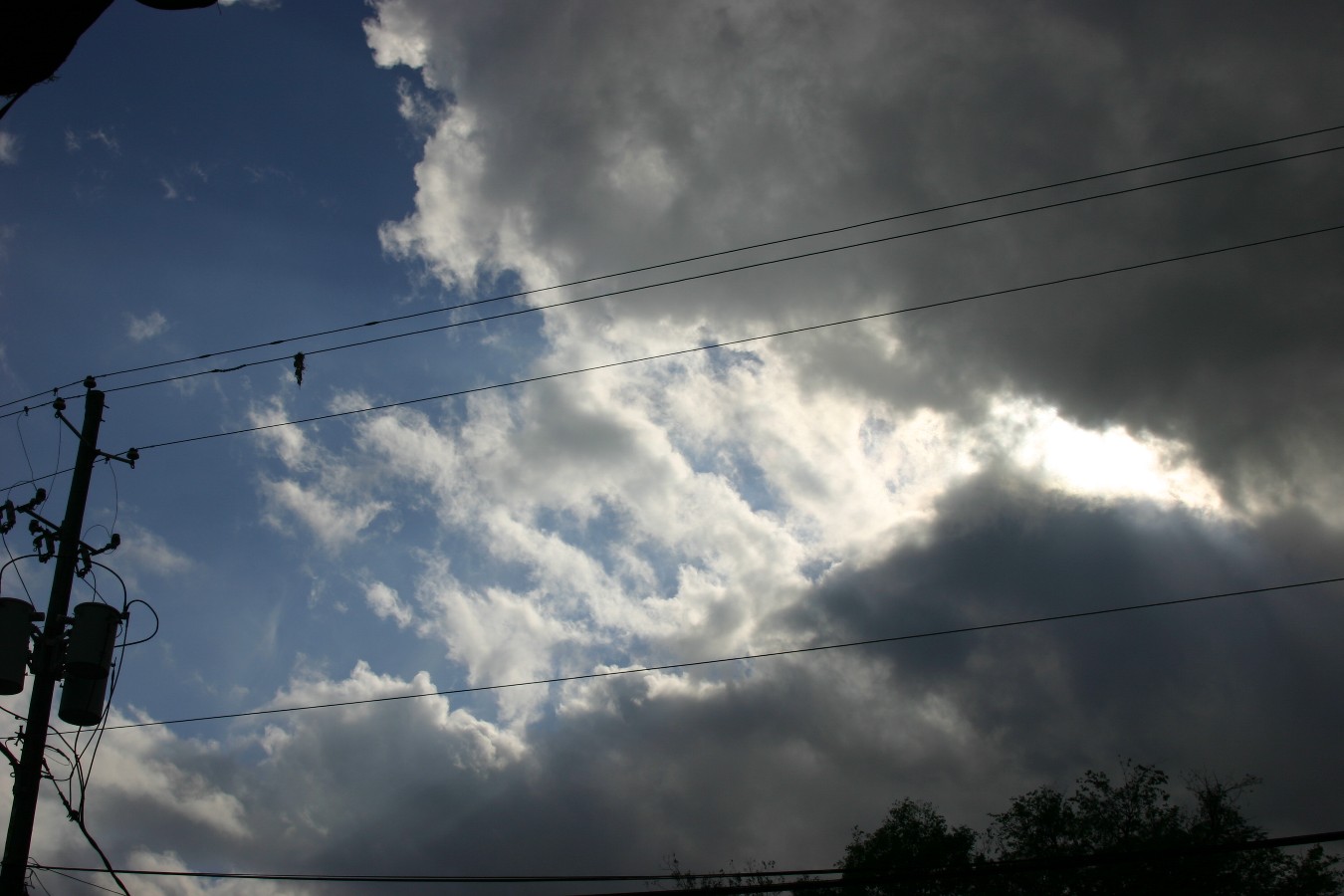
Few natural sights stop people in their tracks quite like a sky that shifts from its usual gray storm tones to an unsettling shade of green. It feels wrong, almost otherworldly, and for good reason: the atmosphere is doing something genuinely unusual. The science behind it is real, documented, and far more interesting than folklore would have you believe.
The Basics: What Light Actually Does in the Atmosphere
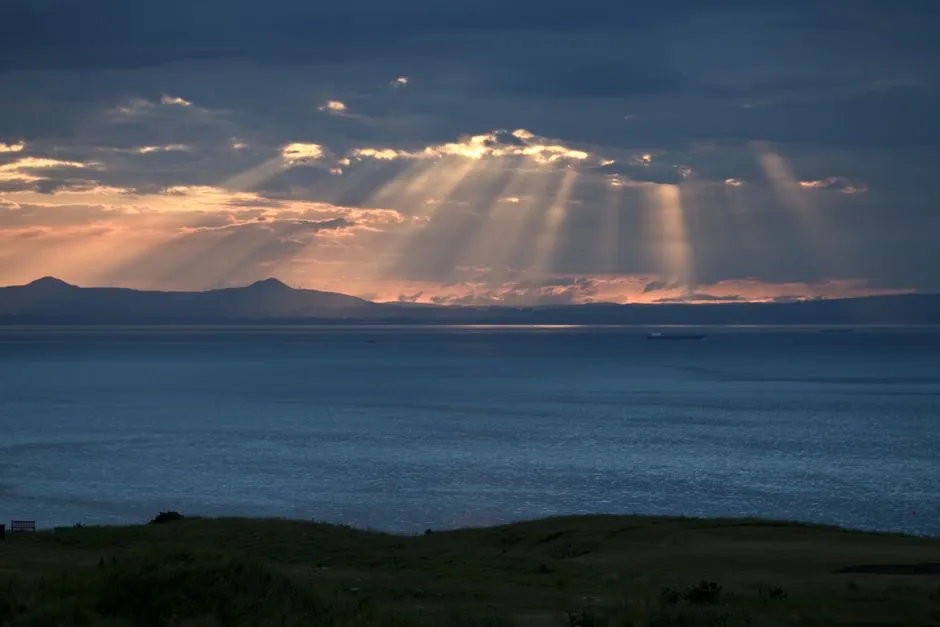
On a clear, calm day, the sky appears blue because of a process called Rayleigh scattering. Sunlight interacts with air molecules and particles in Earth’s atmosphere, scattering shorter wavelengths like blue more effectively – a phenomenon known as Rayleigh scattering. This is entirely normal, and it happens every single day without most of us thinking twice about it.
Under normal conditions, the sky appears blue due to Rayleigh scattering, which affects shorter wavelengths. However, when a massive storm front approaches, the atmospheric composition changes rapidly, and the sheer density of moisture shifts the optical physics at play. That shift is where things get interesting.
Two Forces Colliding: Sunset Light Meets Storm Clouds
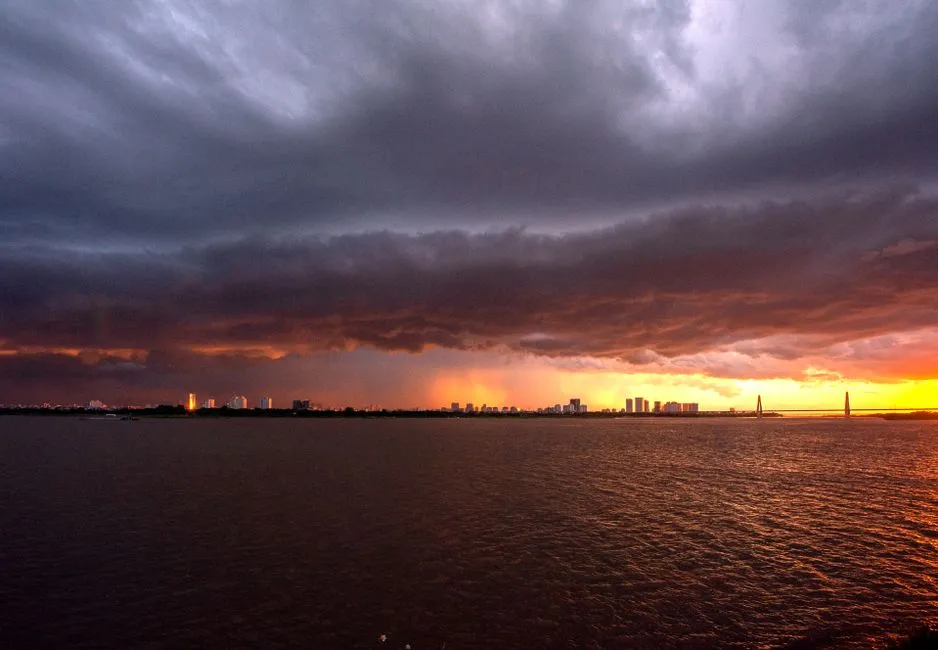
Scientists aren’t completely sure why some intense thunderstorms turn the sky green, but research meteorologist Scott Bachmeier at the University of Wisconsin-Madison says it could be linked to two factors: the color of the sky late in the day and the amount of rain in the storm.
When the sun is lower in the sky, its light travels through a longer stretch of air before reaching you. That extra distance scatters away the shorter blue wavelengths, leaving the light skewed toward yellow, orange, and red – the same reason sunsets look warm-colored.
A massive thunderstorm cloud scatters light of its own. Water droplets and ice inside the cloud preferentially scatter shorter wavelengths, producing blue and blue-green light. When that blue-green light from the storm combines with the reddened sunlight shining around or through it, your eye perceives the mixture as green.
The Role of Rayleigh vs. Mie Scattering
Rayleigh scattering occurs when sunlight hits small gas molecules, scattering blue and violet light in every direction – the reason for our standard blue sky. In contrast, Mie scattering involves much larger particles, such as the heavy water droplets found in a cumulonimbus cloud.
Mie scattering does not favor one wavelength as strictly as Rayleigh scattering does. Instead, it interacts with the light by reflecting and refracting it through the internal structure of the water droplets. The combination of both processes happening at the same moment is what creates the green cast so many storm observers have reported.
Why Deep, Tall Clouds Are Essential to the Effect
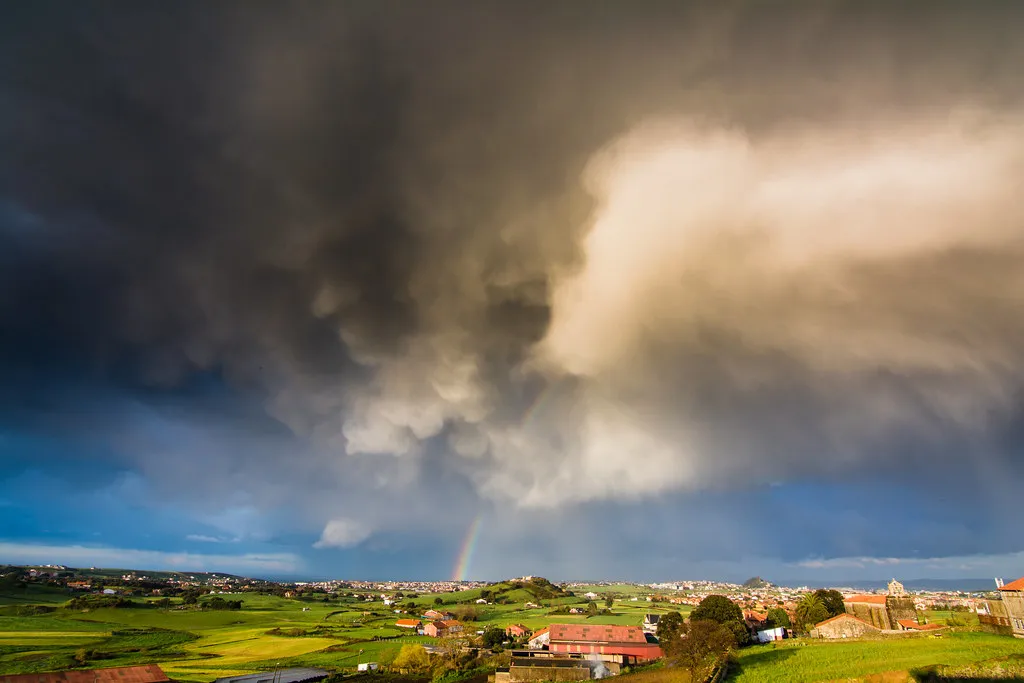
Green clouds “will only occur if the cloud is very deep, which generally only occurs in thunderstorm clouds. Those are the kind of storms that may produce hail and tornadoes,” according to Scott Bachmeier, a research meteorologist at the University of Wisconsin-Madison.
For a green sky to occur, there must be a lot of water within the cloud. This phenomenon occurs usually with deep clouds that have a lot of moisture within them. A thin afternoon shower cloud simply won’t produce this effect, no matter the time of day.
The Penn State Study That Formalized the Science

The phenomenon of green skies was described by Bohren and Fraser in their 1993 paper published in the American Meteorological Society. Their work remains one of the few formal academic investigations into the topic and is still widely cited today.
A study conducted by Penn State offers some explanation: researchers argue that there only needs to be a strong thunderstorm with a large volume of precipitation and the right alignment of the sun and the thunderstorm to turn the sky green. Researchers also concluded that hail’s contribution to the green color was not significant.
Bohren suggests that the perspective of the thunderstorm creates a green tint from sunlight behind the thunderstorm, while Fraser contends that the sunlight ahead of the storm creates the green sky. In both cases, this is most likely to occur around sunrise or sunset, when the sun is close to the horizon, casting red and orange colors. The two researchers reached the same conclusion via different mechanisms, which tells you something about how layered this phenomenon really is.
Does a Green Sky Always Mean a Tornado Is Coming?
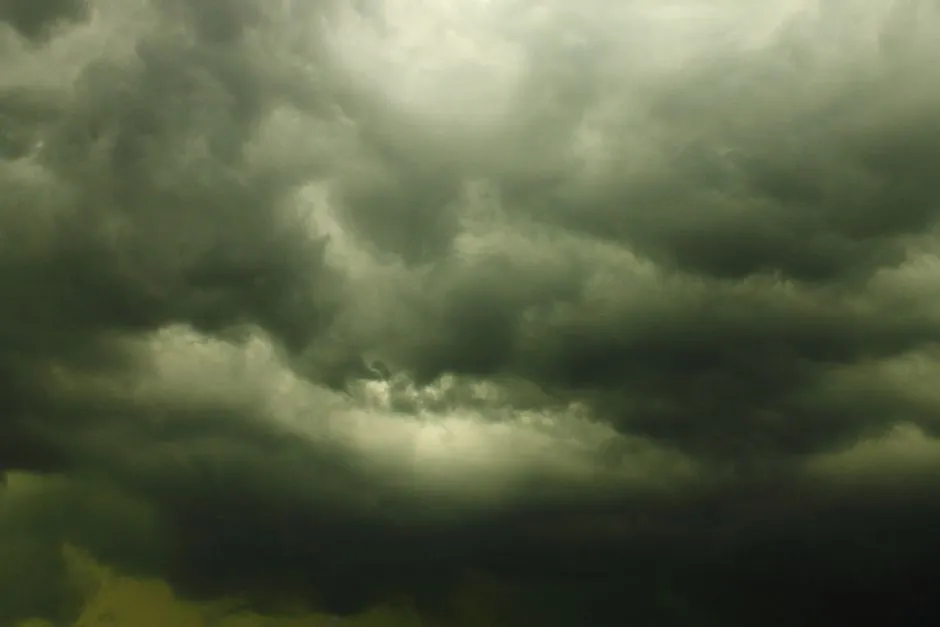
The sight of an eerie green sky before a fierce thunderstorm is sometimes perceived as a warning sign of an approaching tornado, but forecasters say that this long-standing myth might not be true. It’s one of those pieces of weather folklore that persists because it sounds plausible, not because the data supports it cleanly.
Researcher Frank Gallagher found that the dominant wavelength of light was green in several severe thunderstorms and that the color was independent of the terrain underneath the storm. That finding ruled out reflections from green vegetation as a cause.
Threatening green skies during a thunderstorm proved entirely independent of the type of severe weather that came with it. Gallagher measured hailstorms where the dominant wavelength of light was green as well as hailstorms where it was the typical gray-blue color of thunderstorms. Tornado-producing storms proved similarly divorced from any particular sky color, other than dark.
What the Green Color Actually Signals
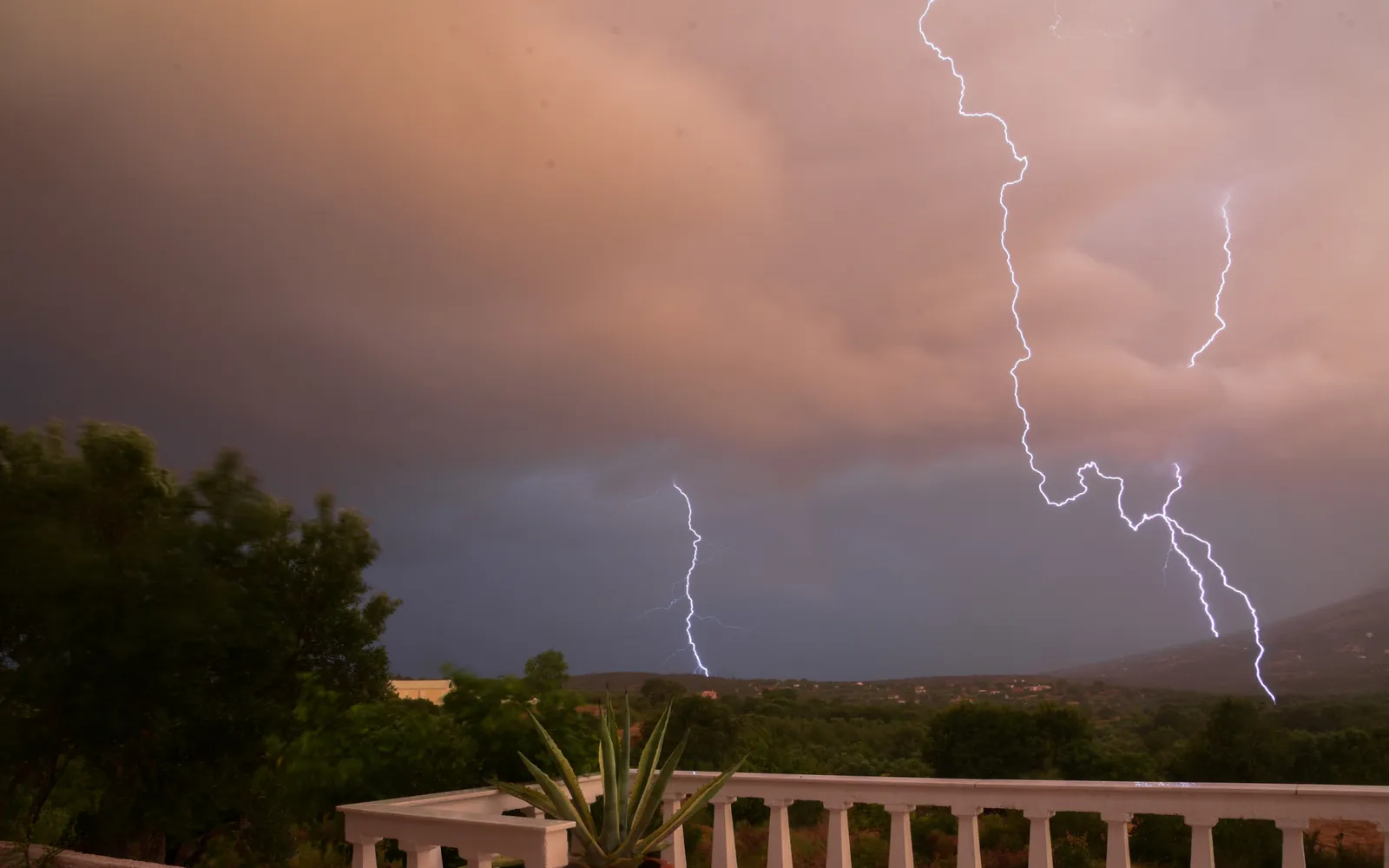
The colour itself does not cause severe weather, but it often appears in storms that are already very intense. Think of it as a side effect of the conditions, not a cause of them.
Green skies are commonly associated with severe thunderstorms, large hail, torrential rain, powerful downdrafts, and occasionally tornado-producing storms. However, not every green storm becomes dangerous, and not every dangerous storm turns green.
The colour should be treated as a sign to monitor conditions carefully rather than as proof that a tornado is forming. That’s a nuanced but genuinely important distinction for anyone living in storm-prone regions.
The Timing Factor: Why Afternoon and Evening Storms Look Different
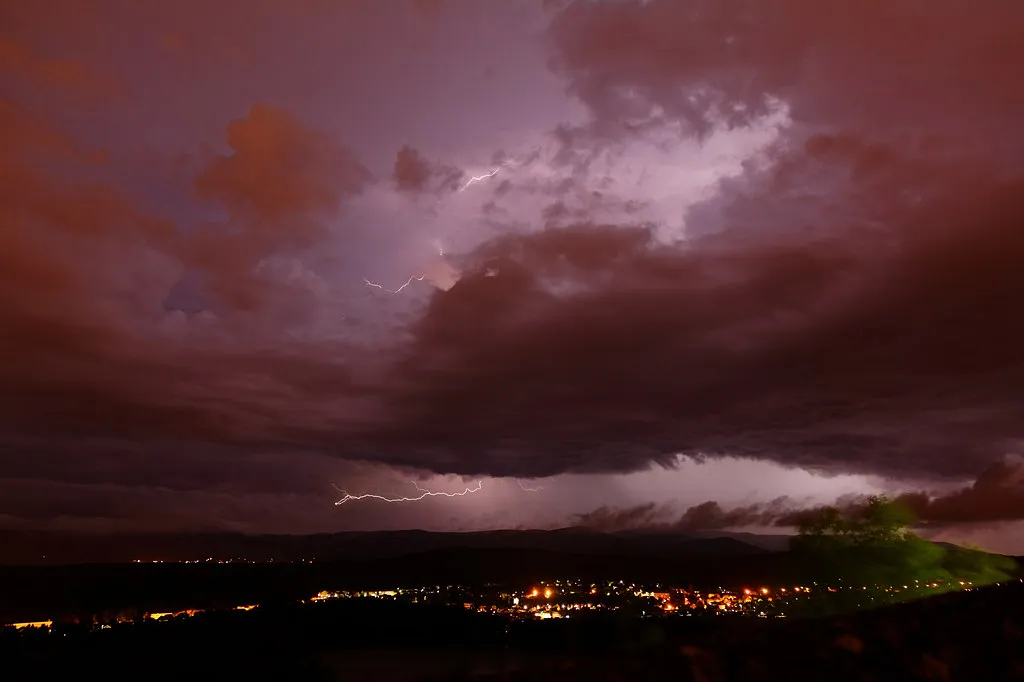
Thunderstorms are most likely to occur during the afternoon or evening because this is the warmest, most humid part of the day – heat and water being the two main ingredients needed for a high-energy storm. This means that thunderstorms, behind all the clouds, often have the backdrop of a reddish sunset.
If the sun is low in the sky, like in the late afternoon or evening, the light has to travel through even more atmosphere, making the color even more dramatic. Storms that arrive at midday rarely produce the same striking green effect, simply because the sunlight hasn’t been filtered enough yet.
Supercells: The Storm Type Most Linked to Green Skies
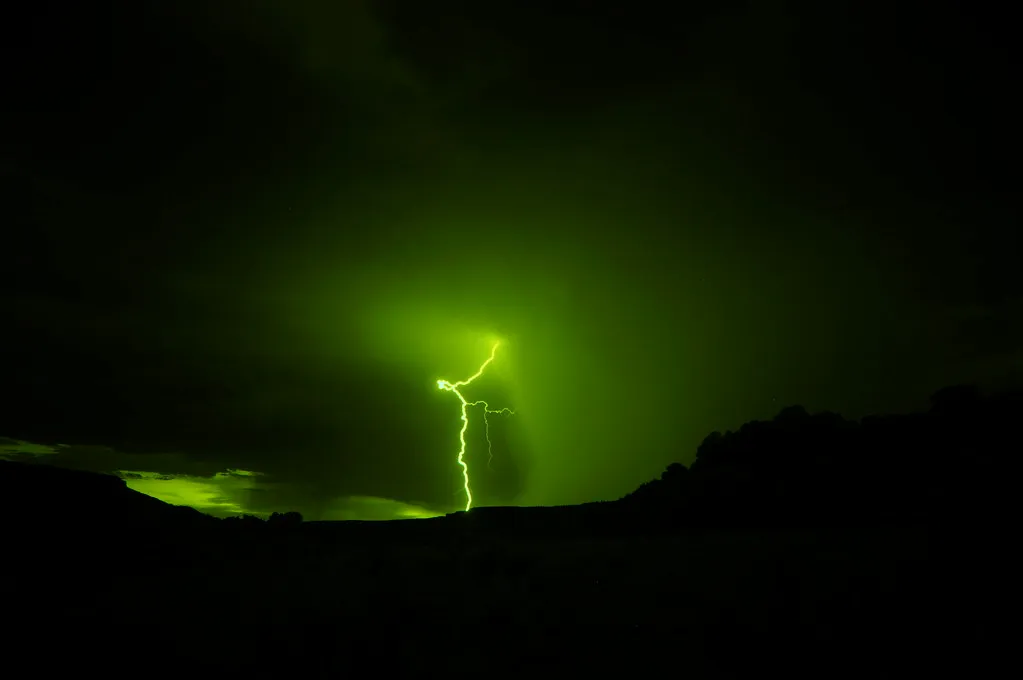
The color change occurs because of the way sunlight interacts with the massive volume of water and ice inside a supercell. A supercell is a large, highly organized thunderstorm with a rotating updraft, and these storms are the primary producers of significant tornadoes.
Supercells and derechos frequently show green skies, and both storm types carry high severe weather risk. Thick cumulonimbus clouds scatter blue light from water and ice particles, creating the optical conditions needed for the green effect to be visible from the ground.
According to NOAA, there is not complete agreement in the science community regarding what causes the sky to turn green during thunderstorms. A common belief is that as ice scatters light, cloud cover appears different colors. For a phenomenon this dramatic, that level of honest scientific uncertainty is worth acknowledging.
What to Do When You See a Green Sky
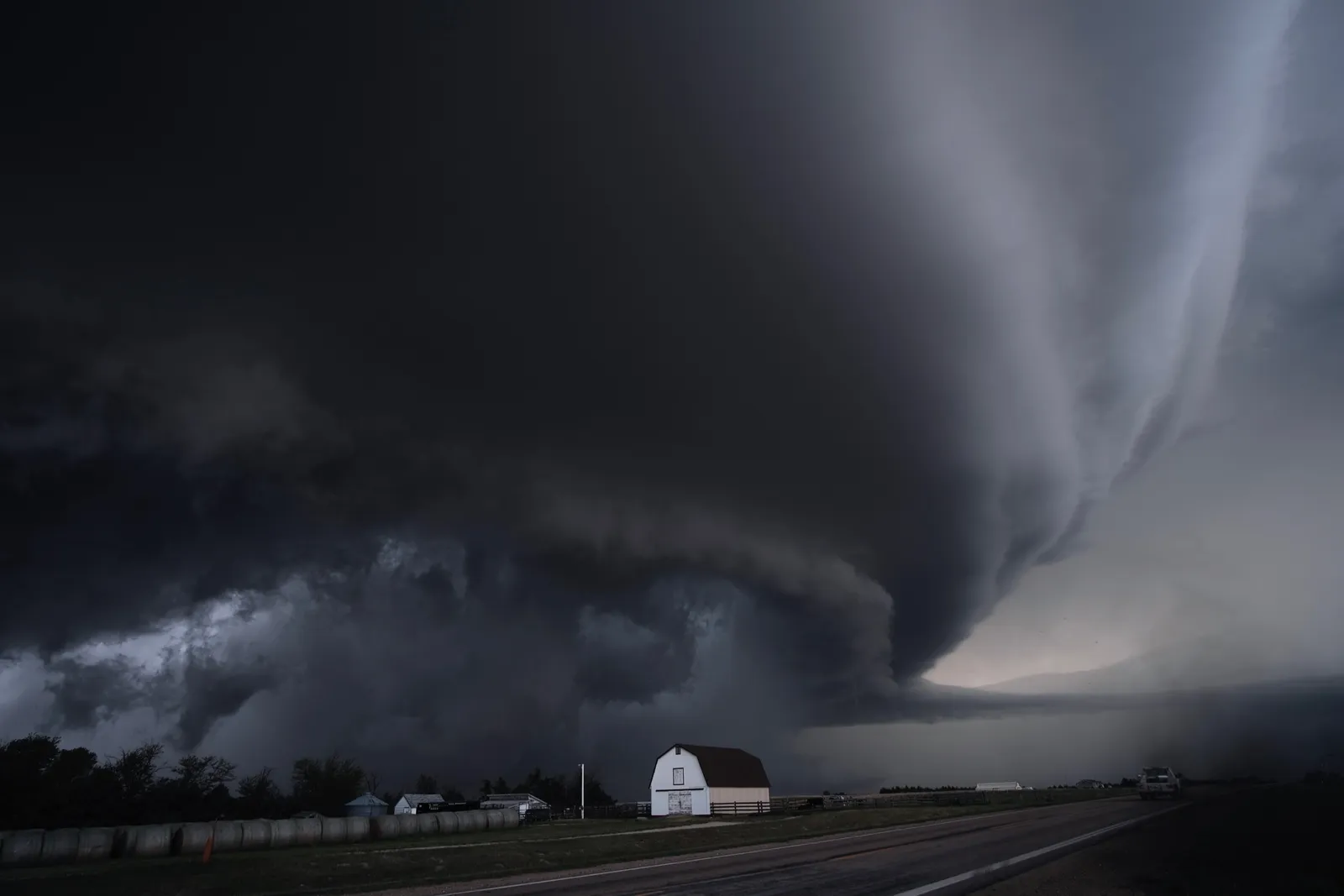
Some supercell thunderstorms capable of producing tornadoes may also create the conditions needed for green colouring, including deep cloud structures, heavy precipitation, large hail cores, and low evening sunlight. That combination should always prompt attention, not panic, but genuine alertness.
When a tornado warning is issued, the safest shelter is a small, windowless interior room on the lowest level of a sturdy building. Basements, storm cellars, or designated tornado safe rooms offer the highest protection.
Watch for other signs like wall clouds, debris clouds, or a freight-train roar alongside sky color. If you see green skies, monitor weather alerts and prepare to seek shelter immediately. A green sky is not a sentence, but it is a signal worth taking seriously.
The Takeaway
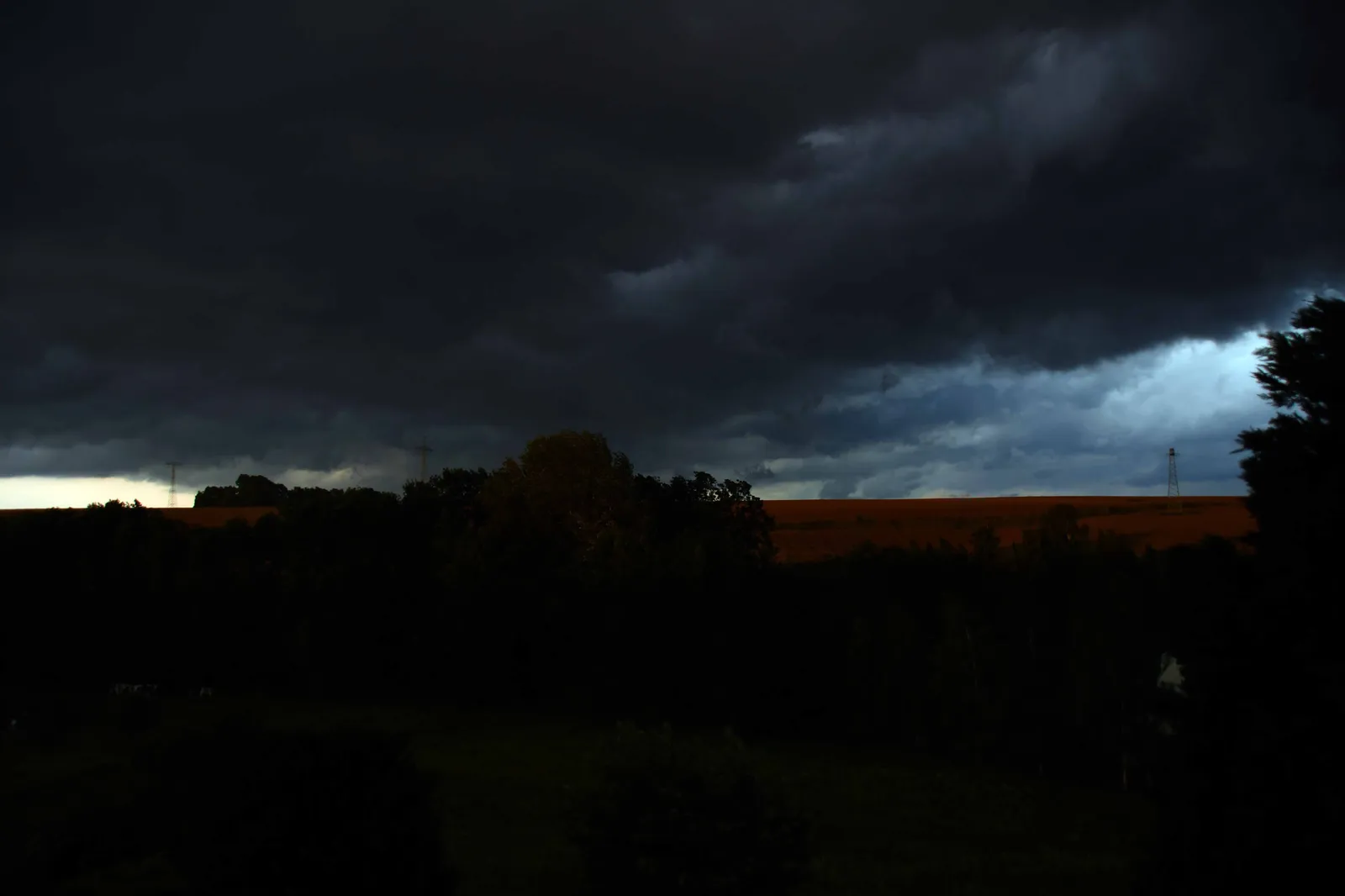
The green sky before a thunderstorm is one of those moments where everyday physics becomes strikingly visible. The sky turns green when reddened sunlight mixes with blue light scattered by a tall, water-heavy thunderstorm. It’s essentially color mixing: yellow-red light from the sun plus blue-green light from the storm combines to produce an eerie green cast. This effect is most common in the late afternoon during severe thunderstorms, and it often signals dangerous weather nearby.
While the green sky is well-documented, the reason for the color isn’t as well understood, partly because there isn’t a lot of funding available for the research, and also because there are multiple reasons for the green or yellow color, depending on the time of day and the characteristics of the storm. Science rarely wraps neatly, and this phenomenon is a good reminder of that. What’s certain is this: when the sky goes green, it deserves your full attention.
AI Disclaimer: This article was created with the assistance of AI tools and reviewed by a human editor.