
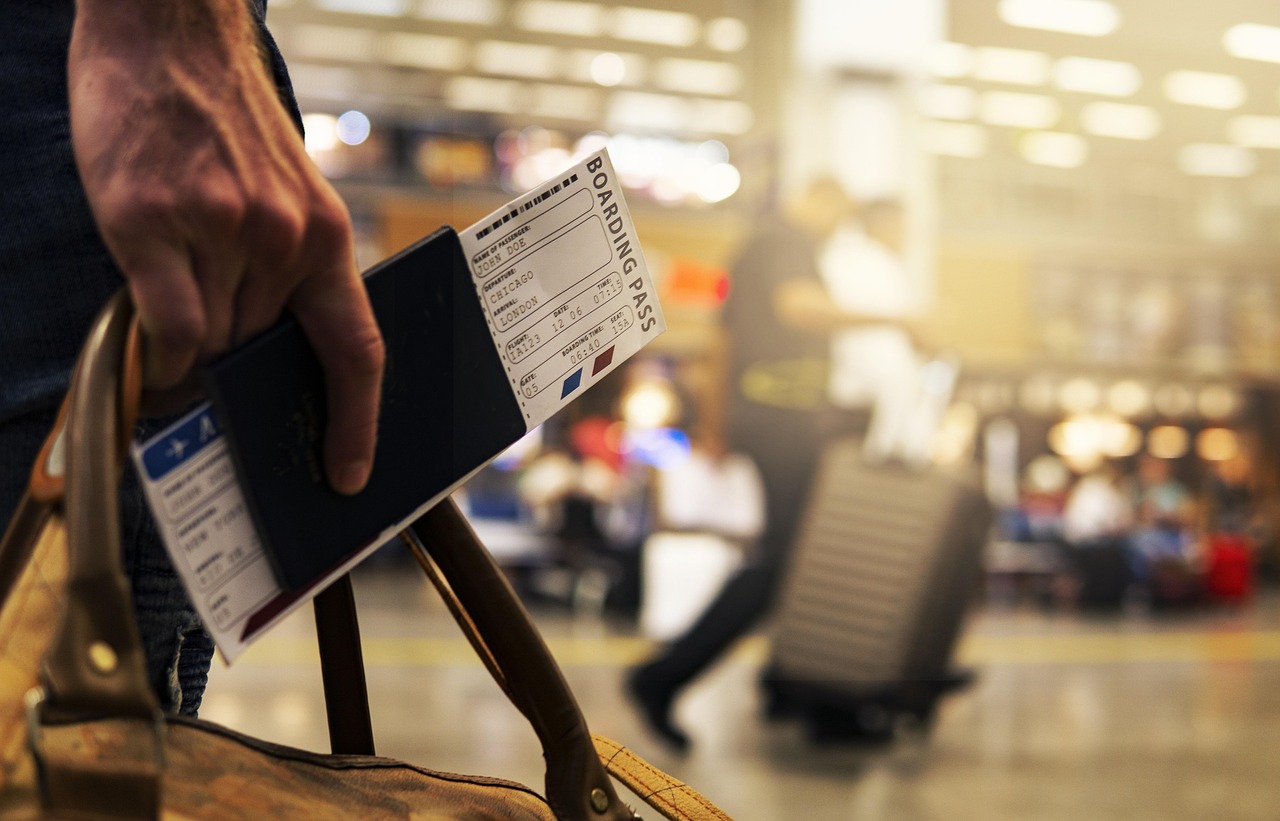

Airfares Drop Sharply Once the Rush Ends

The single most tangible benefit of flying post-holiday is what happens to ticket prices. Flight prices drop sharply after the holiday season and again after the summer rush. Airlines run on dynamic pricing algorithms that respond instantly to shifts in demand, and once the surge subsides, so do the fares.
January, after the New Year holiday, and February tend to be the cheapest months to fly, while summer and the weeks around the December holidays are the priciest. The difference between those windows isn’t trivial. Holiday flights cost about $100 more on average than a typical week.
January and February see post-holiday demand slumps that push lower fares across the board. That’s not a coincidence or a seasonal quirk. It’s a direct result of the crowd clearing out all at once.
January and February Are Consistently the Cheapest Months

January and February are the cheapest months to fly, with September and October as strong runners-up. For anyone with a little schedule flexibility, those post-holiday months represent some of the best travel value available in the entire year.
The cheapest months to fly are January and September for most domestic flights and many international routes. Internationally, the savings can extend further. European flights are costlier in summer but cheaper from late September through early December.
The pattern holds because the holiday window compresses enormous demand into a very short stretch of time. Once that compression releases, airlines are left with seats to fill and far fewer takers.
The Post-Thanksgiving Spike Is Especially Pronounced

Around Thanksgiving specifically, the pricing swings are stark and well-documented. Thanksgiving sees sharp spikes after the holiday, with airfare increasing by roughly double on the Saturday and Sunday following it. Flying on almost any day the following week sidesteps that surge entirely.
Among the least crowded and most affordable days to fly after Thanksgiving are the Wednesday following the holiday, then Tuesday, then Black Friday itself. Most travelers overlook this window because they’re already focused on getting back to work or school.
Holiday airfare consistently costs more, about 56% more per one-way flight compared to a normal week, but travelers can still find savings by flying on less popular days. The week after Thanksgiving is, by most metrics, one of those far less popular stretches.
Midweek Departures Save Even More

Timing within the week matters too, not just the week itself. Midweek departures are consistently the cheapest, with Tuesday coming out lowest on raw average fare, roughly 14% below a Sunday departure. That figure holds across both domestic and international routes.
The day you fly matters more than the day you book. Stacking a post-holiday travel date with a midweek departure compounds the savings. Tuesday is the cheapest day to fly in terms of raw average cost, while Sunday and Monday remain the most expensive days to fly domestically.
So the combination of flying in the week after a major holiday and doing so on a Tuesday or Wednesday creates a meaningful pricing advantage. It’s one of the few travel hacks that’s both proven and underused.
Airports Are Noticeably Less Crowded

The physical experience of the airport changes dramatically once the holiday surge passes. TSA projected screening roughly 44.3 million travelers in the two-week holiday window, with the single busiest day seeing nearly 2.86 million people pass through checkpoints. The week after those peak days is a completely different world.
Mondays and Tuesdays see notably lower passenger volumes compared to peak travel days. Shorter security lines translate directly into lower stress. Travelers who’ve experienced a post-holiday airport describe the difference as almost disorienting.
Fewer passengers in the terminal also means gates are calmer, overhead bin space is available, and boarding is faster. Those aren’t small comforts when you’re navigating a major hub with luggage in tow.
Flight Cancellations and Delays Tend to Be Lower

Holiday travel doesn’t just bring more passengers. It brings more disruption. Weather, operational pressure, and sheer volume all compound. The FAA reported that the flight cancellation rate for the first half of 2024 was just 1.4%, nearly the lowest rate in over a decade, even in spite of record passenger traffic.
Peak holiday days, however, reliably see the largest concentration of delays and diversions. The 2024 Labor Day season saw nationwide bad weather disrupt a historically busy travel period with hundreds of cancellations and thousands of delays. These kinds of cascading disruptions are far less likely in lower-traffic periods.
When fewer planes are operating at capacity and fewer passengers are funneling through hubs simultaneously, the system has room to breathe. That resilience shows up directly in on-time performance.
Airlines Have More Flexibility to Accommodate You
During peak holiday travel, airlines operate with almost no margin for error. Flights run full, gate agents are stretched, and rebooking options evaporate quickly. Airlines use dynamic pricing algorithms that adjust airfare constantly based on demand, route popularity, and remaining seat availability. If a flight is under-booked, the system drops prices to fill seats. If bookings surge, prices spike.
In the quiet week that follows a holiday, under-booked flights mean more leverage for the traveler. Upgrade availability improves. Seat selection opens up. Gate agents are less harried and more able to assist with rebooking requests or minor issues.
That shift in operational pressure is easy to underestimate until you’ve experienced both ends of it. The post-holiday airport isn’t just cheaper. It’s functionally easier to navigate in almost every way.
Shoulder Season Travel Is Growing in Popularity

Travelers are increasingly catching on to the value of off-peak timing more broadly. Travel in 2025 started slower before rebounding around the Fourth of July holiday, with momentum continuing through October. October in particular saw strong growth year over year as shoulder season travel booms in popularity.
Shoulder seasons, particularly spring and fall, tend to offer lower fares because fewer travelers are flying. The post-holiday window functions as a micro shoulder season, a brief exhale between the frantic holiday peak and the restart of normal travel rhythms. September and early October also deliver post-summer shoulder season savings with good weather at many popular destinations.
Understanding this pattern is becoming a real differentiator among frequent flyers. The crowd hasn’t quite figured it out yet, which means the window is still genuinely valuable.
It’s Also a Better Time to Experience Your Destination

Saving money on the flight is only part of the picture. Arriving at a destination the week after a holiday often means encountering it in a calmer, more authentic state. Popular sites are less congested. Restaurant reservations are easier to secure. Local guides have more availability.
High seasons like summer, Christmas, and spring break lead to price hikes due to increased demand. Conversely, shoulder seasons tend to offer lower fares as fewer travelers are flying. That lower-traffic logic extends well beyond airfare to hotels, tours, and the general texture of being somewhere.
Traveling just after the peak is sometimes the closest you’ll get to experiencing a popular place without the crowd that defines it in season. That’s worth factoring into the decision alongside the ticket price.
The Data Points to a Clear Booking Strategy
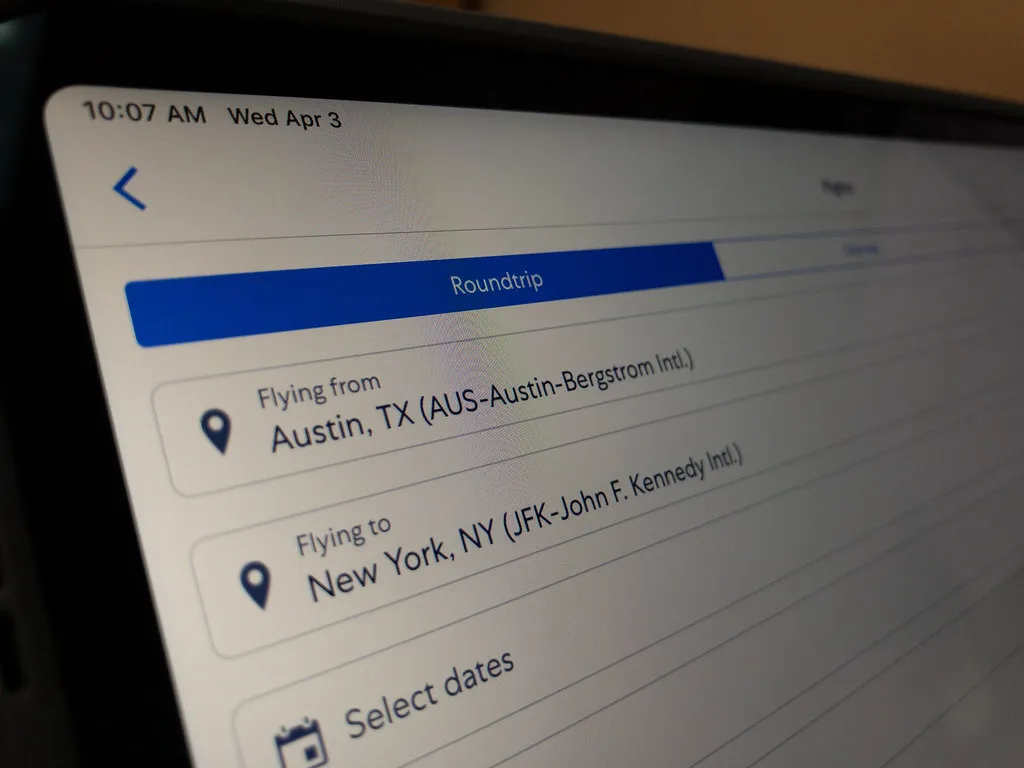
Putting it all together, the evidence points toward a straightforward approach. Don’t book too far in advance: the best time to book domestic trips is one to three months ahead, and two to eight months out for international trips. The post-holiday window often gives you enough lead time to book at reasonable prices while still landing in that low-demand sweet spot.
One of the most underused features in flight search is the monthly view. Opening a full price grid across a month makes the cheap days obvious before you book. Google Flights does this well with its date grid and price graph views, and you’ll often spot a significant swing between a midweek and weekend departure at a glance.
The day you book matters less than how far in advance you book. Airlines adjust prices constantly based on demand, competitor pricing, and available inventory. Flexibility and lead time will always matter more than which day of the week you open your browser.
The Takeaway
Flying right after a holiday isn’t a compromise. It’s a choice backed by data, from lower fares and shorter lines to fewer delays and a calmer experience at every step. The holiday rush concentrates demand so intensely that the aftermath becomes, in travel terms, one of the best-kept open secrets in the calendar.
The evidence is consistent across TSA checkpoint data, airfare studies, and aviation research. The travelers who benefit most are simply the ones who resist the pressure to follow the crowd through the same narrow window.
The crowd always clears. The question is whether you’re already wheels-up before it does, or quietly boarding a half-full flight the Tuesday after.
AI Disclaimer: This article was created with the assistance of AI tools and reviewed by a human editor.