


There’s a particular kind of trip that stays with you long after the meal is finished. Not the five-star restaurant with the reservation you planned three months ahead, but the afternoon you stumbled into a city in full celebratory mode, plates being passed across tables, strangers comparing notes on what they’d just tasted. That feeling is what great food festivals do best.
Across the globe, a growing number of cities have built events so thoughtful, so genuinely rooted in place and culture, that they’ve stopped being local favourites and become reasons to book a flight. Melbourne’s Food and Wine Festival is one of the clearest examples of this shift. Here’s why the world keeps showing up.
A City That Takes Its Food Seriously All Year Round
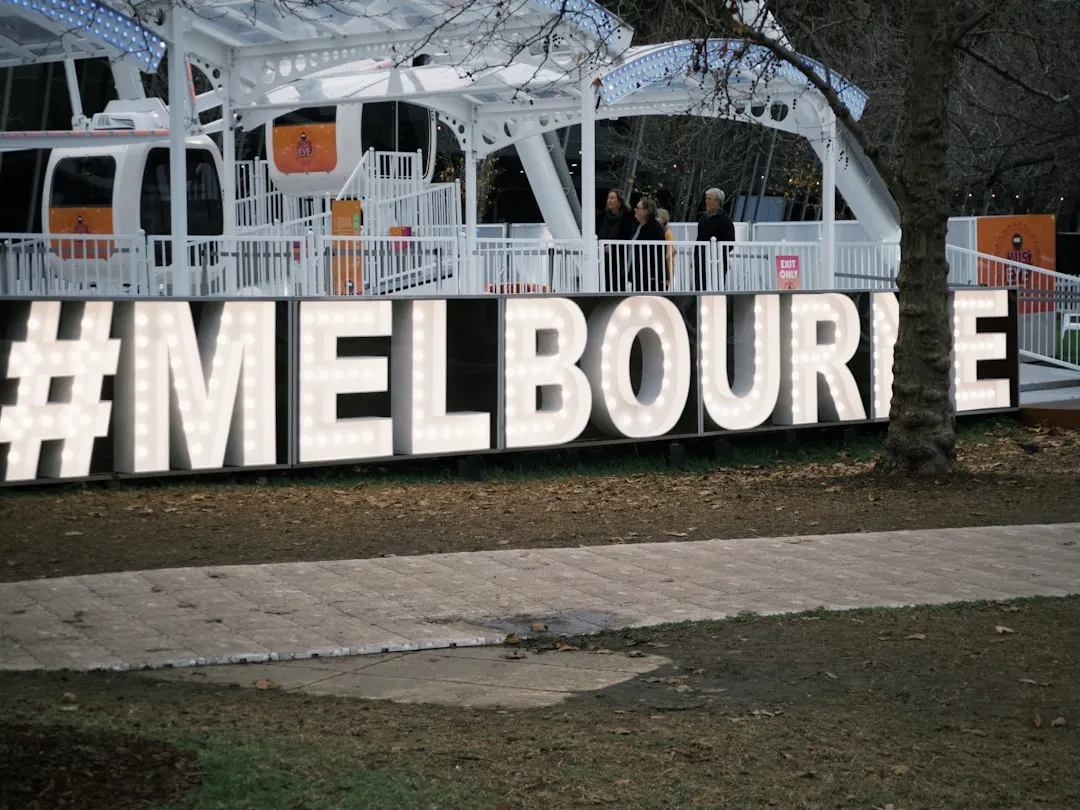
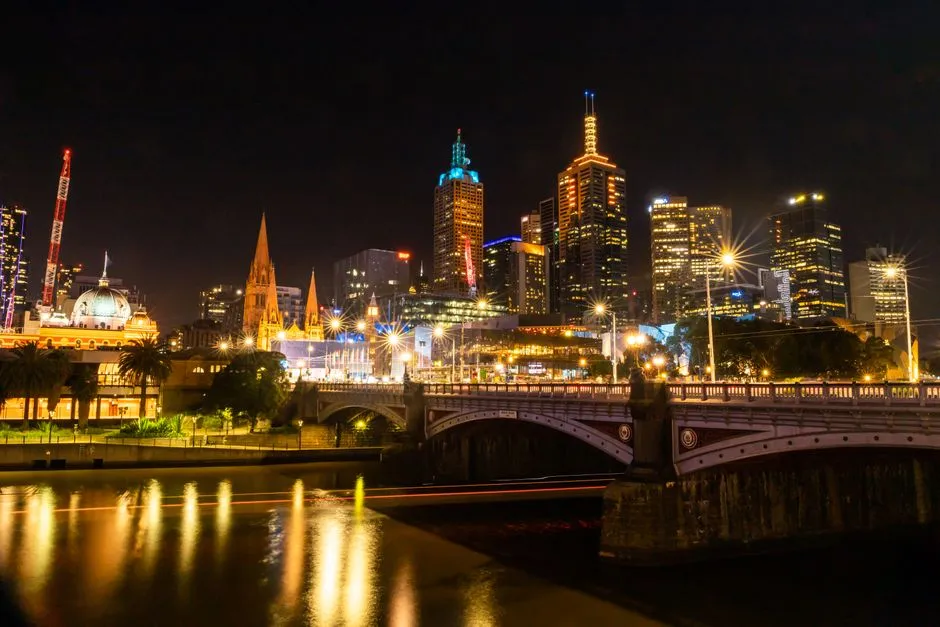
Some cities have a food scene. Melbourne has something closer to a food identity. Melbourne, the capital city of the Australian state of Victoria, is known as the nation’s culinary hub, boasting over 3,500 restaurants offering specialties from more than 70 countries, as well as around 700 wineries and 160 craft breweries. That density of culinary culture isn’t just impressive on paper. It means the festival has an extraordinary breadth of genuine talent, producers, and ingredients to draw from.
Melbourne Food and Wine Festival is considered one of the world’s top food and wine events, celebrating and promoting Victoria, Australia’s rich food and wine landscape year-round. The festival doesn’t exist in a vacuum. It grows directly from the city’s living, breathing food culture, which is part of why it feels so different from events staged in places that lack the same culinary depth.
Three Decades and Still Growing
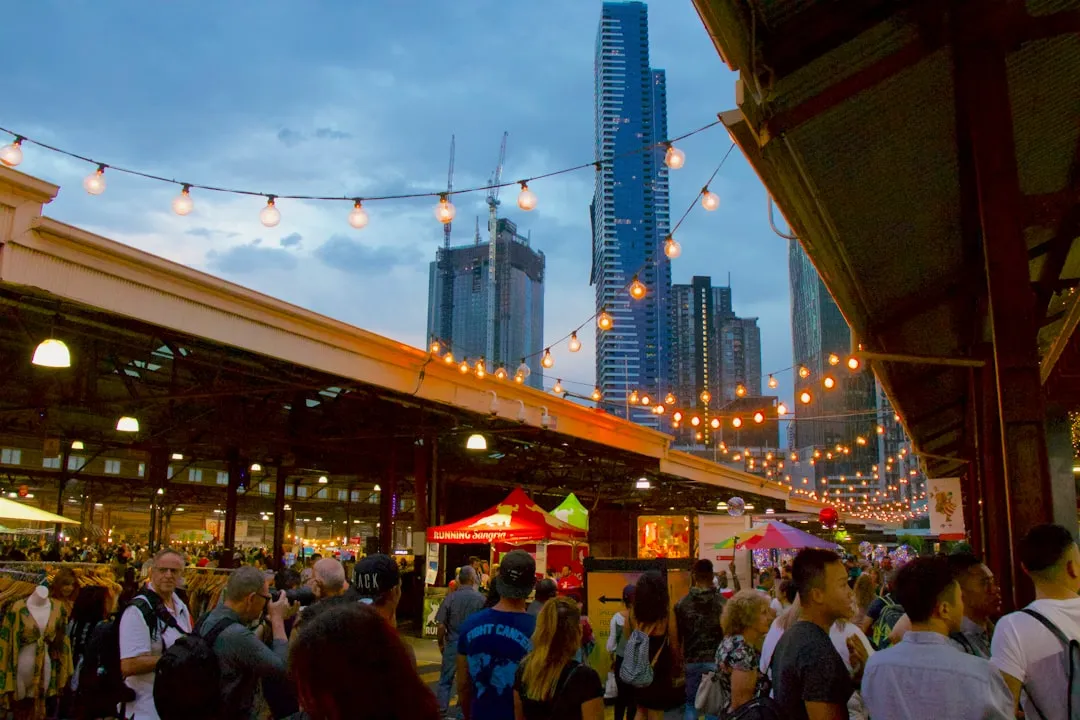
The Melbourne Food and Wine Festival has been a mainstay of Melbourne’s major events calendar for more than 30 years, helping to cement Melbourne and Victoria’s reputation as a world-class culinary destination. That kind of longevity doesn’t happen by accident. It takes consistent reinvention, strong relationships with producers and chefs, and a genuine commitment to the community it serves.
The festival returned for its 32nd year in 2024 with 171 events across a 10-day program attended by more than 71,000 festival-goers, supported by Visit Victoria. For the 2025 edition, the 10-day festival, running from March 21 to 30, included more than 200 events across Victoria. Year on year, the program keeps expanding without losing the local warmth that made it compelling in the first place.
The Scale of the Program Is Genuinely Remarkable
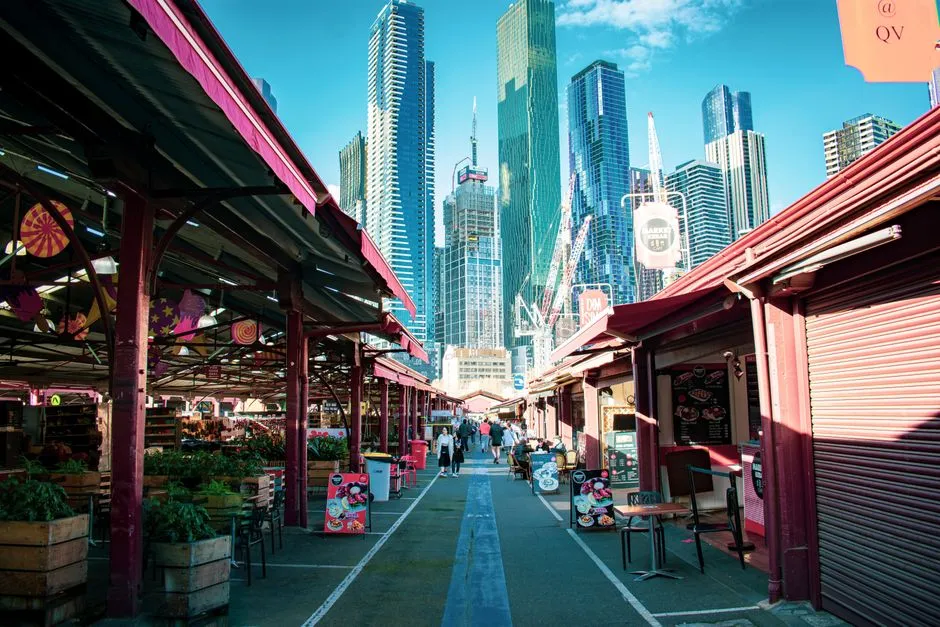
Over 10 days in autumn, Melbourne’s food and wine scene explodes in an extravaganza of wild dining, restaurant crawls, collabs, pop-ups and workshops. The breadth of what’s on offer means that two visitors can attend the same festival and have entirely different experiences, which is precisely what keeps people coming back.
Some years feature as many as 243 separate events making up the festival. The idea is to celebrate all the great food and drinking experiences that exist in the state of Victoria, and while it’s officially concentrated over several key days, events stretch right across the city and the state. They range from small tastings to poolside parties to the world’s longest lunch, where you can join a 500-metre-long table.
International Chefs Make It a Global Conversation
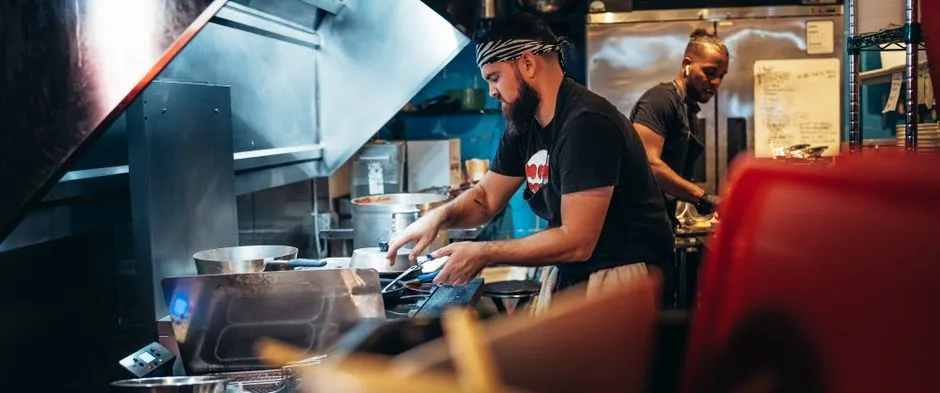
Twenty international chefs made their way to Victoria for the 2025 festival, bringing their creative food ideas from around the world. This is one of the festival’s defining qualities: it isn’t insular. It uses Melbourne’s culinary strength as a foundation while actively pulling in the rest of the world.
Food festivals provide an invaluable platform for chefs, food artisans, and producers to showcase their talents and introduce innovative dishes and food trends to the public. These events spark culinary creativity and inspire new food experiences through street food markets, pop-up restaurants, cooking demonstrations, and tasting events. When an event does this at scale, with genuinely world-class participants, the result is something closer to a living culinary conference than a simple celebration.
The Economic Impact Reaches Far Beyond the City

As one of Victoria’s signature events, the Melbourne Food and Wine Festival plays a key role in attracting visitors and boosting the state’s $43.7 billion visitor economy, accelerating economic activity and supporting almost 300,000 jobs across the state. Those numbers reflect how deeply embedded the festival has become in the region’s broader economic life.
A recent independent study commissioned by Visit Victoria found the major events calendar contributed $3.3 billion in value to the economy and generated more than 15,500 jobs for Victoria every year. The annual festival supports thousands of jobs across the state, backing local businesses and attracting visitors from near and far. The impact goes far beyond ticket sales. These events attract visitors from near and far, filling hotels, restaurants, and shops with eager customers, and they create jobs, stimulate local businesses, and generate tax revenue for the city or region.
Culinary Tourism Is One of the Fastest-Growing Travel Sectors
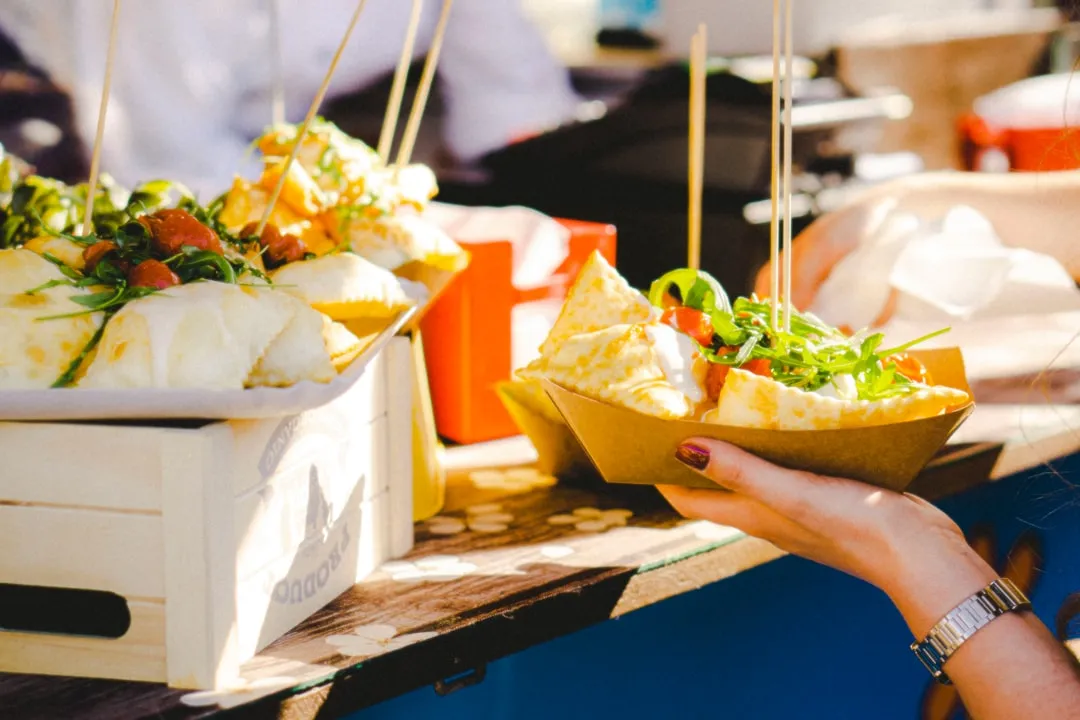
The appetite for food-driven travel isn’t a passing trend. The global culinary tourism market was valued at $16.1 billion in 2025 and is projected to grow from $19.1 billion in 2026 to $76.4 billion by 2033, at a compound annual growth rate of 21.9%. That trajectory puts food festivals at the heart of one of travel’s most significant growth stories.
The food festivals category specifically led the culinary tourism market with the largest revenue share of nearly 31% in 2025. The growing interest in unique and authentic food experiences as part of cultural exploration is fuelling this demand, with travellers seeking opportunities to immerse themselves in local cuisines through food festivals, cooking classes, and visits to farms or vineyards.
Food as Cultural Connection, Not Just Consumption

Existential tourists are driven by a desire to connect deeply with the culture and traditions of the destinations they visit, and food serves as a powerful medium for this connection. These travellers are interested in more than just sampling dishes; they want to understand the stories, history, and cultural significance behind the food. A great food festival speaks directly to that impulse.
Food events provide platforms for showcasing local culinary heritage, with regional producers and chefs highlighting traditional ingredients and recipes. This approach boosts the visibility of local culture, increases consumer trust in area products, and fosters local economic development. The global importance of food festivals is also recognised by UNESCO, which has acknowledged their role in building culture and intangible heritage.
The Festival Lifts Producers Across the Whole Region
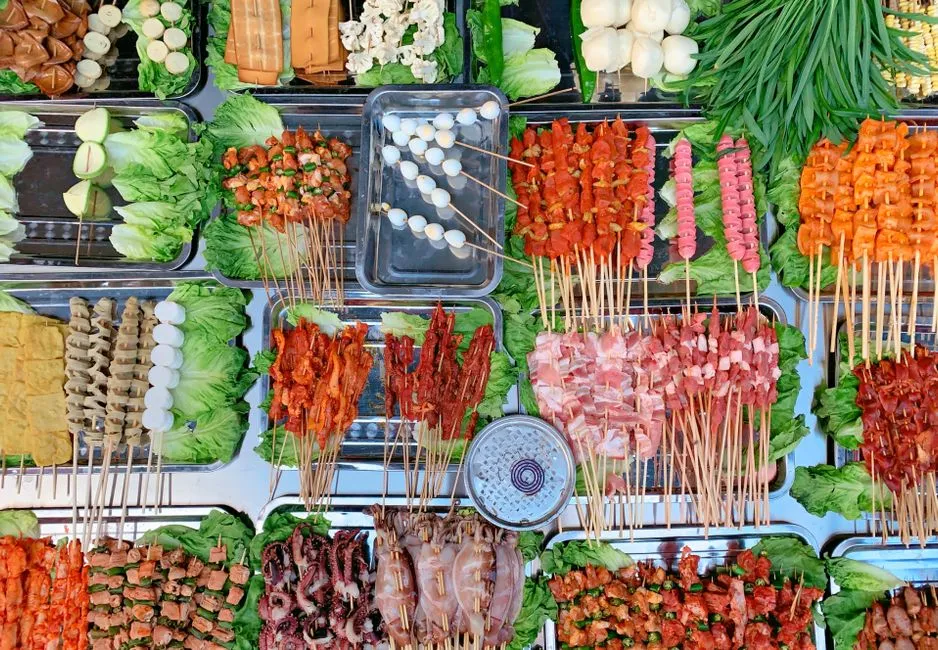
One of the less visible but equally important roles the festival plays is connecting Victorian producers with the wider hospitality industry. The program underwent a significant change in strategy in 2024, with efforts focused on an industry tasting day and a consumer-facing activation month in June. Despite a reduction in funding, the results showed strong uptake from both drinks producers and the hospitality industry. The industry tasting day grew considerably year on year, with 920 attendees in 2024, up from 700 in 2023 and 334 in 2022.
The growing involvement of governments and tourism associations in promoting culinary tourism is emerging as a key trend. Authorities are increasingly positioning local cuisine as a strategic tool for destination branding through national food festivals, gastronomic trails, recognition of heritage foods, and chef-exchange initiatives. Such public-private collaborations not only enhance the global visibility of regional cuisines but also support local farmers, restaurants, and hospitality businesses.
New Themes Keep the Festival Fresh Each Year
A 30-plus-year-old festival risks becoming predictable. The Melbourne Food and Wine Festival avoids that trap through deliberate reinvention. The 2026 program welcomed three new free events across the city, including The Spicy Side of Collins Street, The Festival of Korean Fried Chicken, and Something Saucy: The Pizza Party. Each edition introduces something genuinely new alongside beloved recurring events.
The festival returns in 2026 from March 20 to 29 with 200 events, with the program fusing local and international culinary delights at events across Melbourne and regional Victoria. That mix of the familiar and the surprising is what keeps repeat visitors engaged and gives first-timers the sense that they’ve arrived at exactly the right moment.
It Builds Something That Outlasts the Event Itself
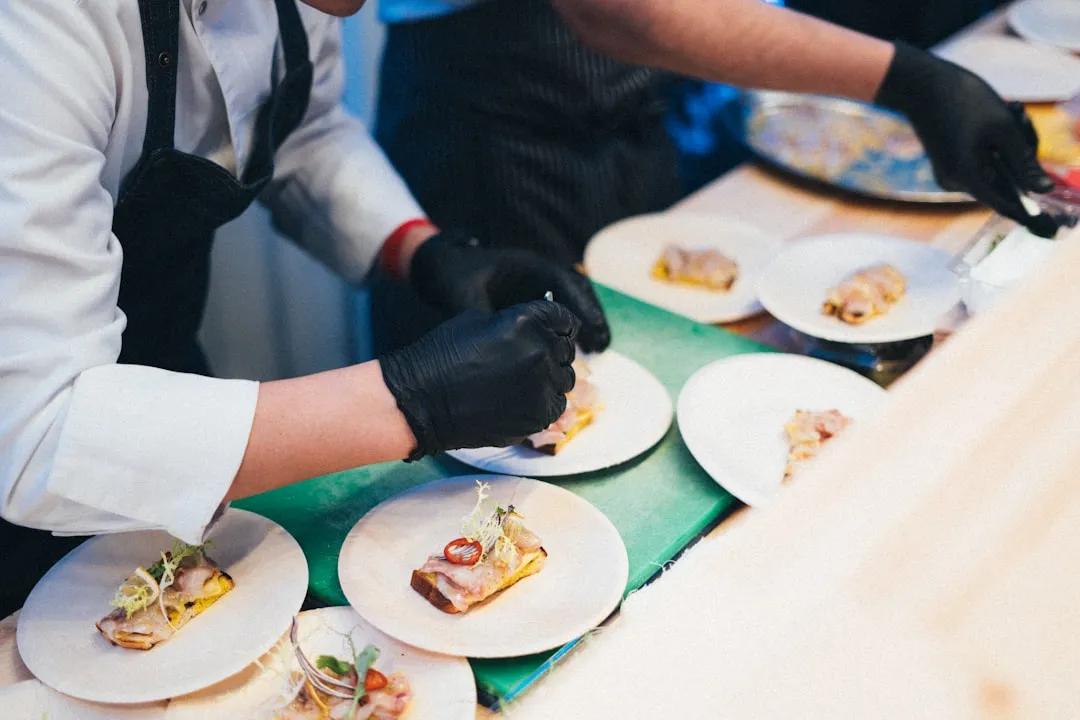
Food events contribute to destination branding by enhancing the emotional connection between visitors and places. Regional culinary traditions, when effectively communicated through festivals, can increase the attractiveness of both rural and urban destinations and meet the growing interest in culturally rich food tourism among domestic and international travellers. That lasting impression is what separates a truly great festival from a good one.
The presence of cultural festivals can motivate communities to invest in infrastructure and public spaces. Festivals often require improved venues, transportation access, and public spaces, leading cities to invest in parks, performance halls, pedestrian zones, or streetscape improvements to accommodate festival-goers. These developments improve the overall quality of urban life and can attract future events or tourism. The festival, in other words, keeps giving long after the last plate has been cleared.
The Takeaway
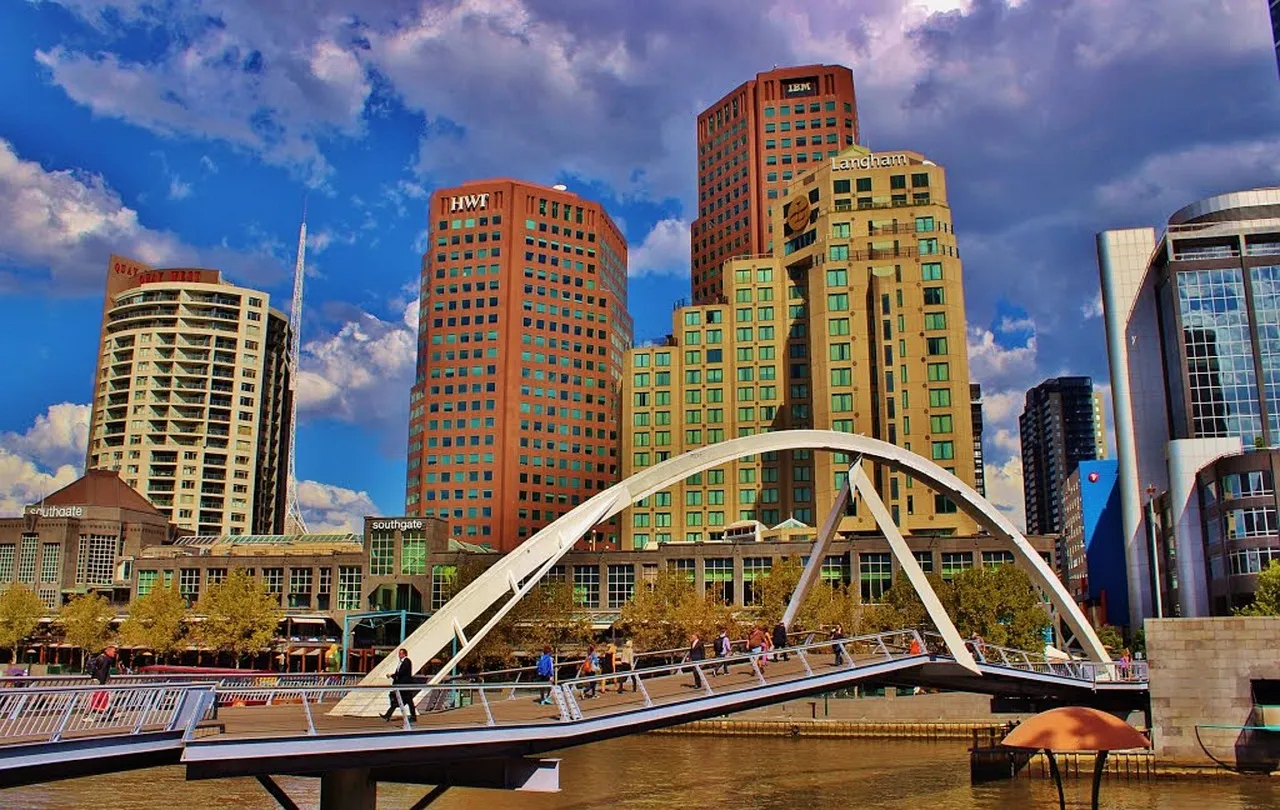
What makes a food festival worth flying across the world for isn’t just the food itself. It’s the sense that an entire city is sharing something it genuinely cares about. Melbourne has spent decades refining that offer, weaving together extraordinary produce, local and international talent, and a community that takes enormous pride in its table.
The numbers back it up and the crowds keep returning. But ultimately, it’s the quieter truth that makes it stick: a meal shared in a city at its most generous, most creative, most alive is one of the best reasons to travel anywhere.
AI Disclaimer: This article was created with the assistance of AI tools and reviewed by a human editor.